

Introduction to Carry-On Only Travel and Its Rising Popularity
In recent years, a growing number of travelers worldwide have embraced the trend of carry-on only travel. Opting to travel with just a carry-on bag offers several compelling advantages—most notably the elimination of checked baggage fees, quicker movement through airports, and a significantly reduced risk of losing luggage. This shift is driven by a desire to make travel more efficient, less stressful, and ultimately more budget-friendly.
Checked baggage has long been a source of frustration for many travelers. Airlines commonly charge fees for checked luggage, which have steadily increased over time, often catching passengers off guard during booking. Besides the direct costs, handing over bags at check-in introduces delays at the airport and baggage claim, eating into valuable trip time. Perhaps most worryingly, checked baggage runs the risk of being delayed, misplaced, or lost entirely—a scenario dreaded by frequent flyers and casual tourists alike.
Recent data underscores the financial impact of these fees. According to studies, the average checked bag fee ranges from $25 to $35 each way, and for families or frequent flyers, this quickly adds up to hundreds of dollars per trip. A large segment of travelers report adjusting their travel plans specifically to avoid these fees, highlighting how baggage costs have become a significant factor in overall travel budgeting. Carry-on only packing presents a practical, consistent way to sidestep these hidden expenses, enhancing both savings and convenience.
This guide is designed to provide actionable strategies that anyone can apply, regardless of trip length or destination. From tips on packing efficiently to understanding airline carry-on restrictions, our approach helps travelers pack lighter without sacrificing essentials. Whether you’re jetting off on a short weekend getaway or trekking across continents, adopting carry-on only traveling can streamline your experience, reduce hassle, and keep more money in your pocket.

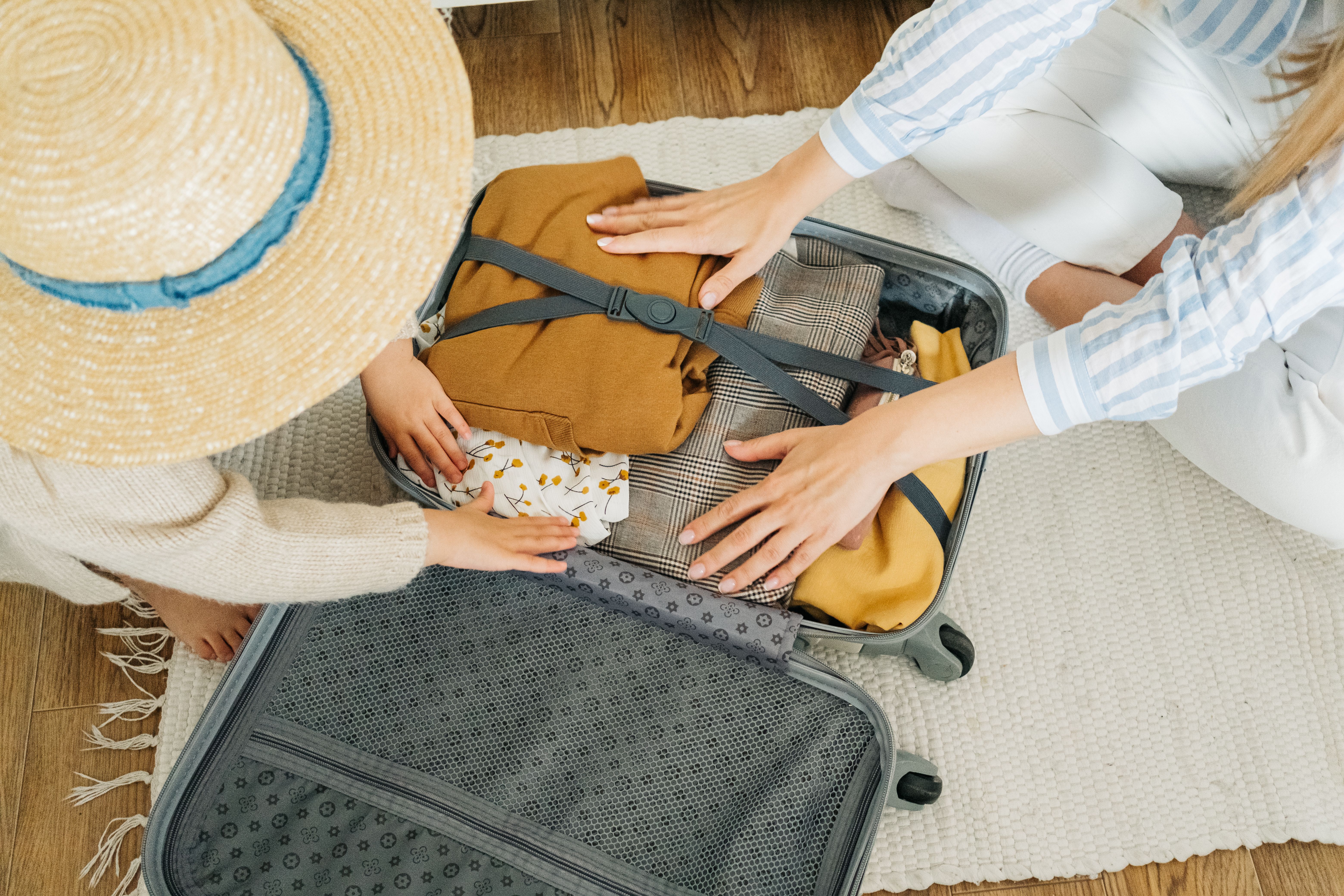
Choosing the Right Carry-On Bag for Hassle-Free Travel
When it comes to carry-on luggage, understanding airline size and weight restrictions is essential to avoid last-minute frustrations and extra fees. These rules vary widely between airlines, so knowing the specifics before you pack can save both time and money.
Airline Size and Weight Limits
Most airlines permit carry-ons roughly sized around 22 x 14 x 9 inches (56 x 36 x 23 cm), but the exact dimensions can differ. For example, Southwest Airlines allows a maximum size of 24 x 16 x 10 inches, while Ryanair’s limit is much stricter at 21.5 x 15.7 x 7.9 inches. Weight restrictions also range significantly: British Airways limits carry-ons to 51 pounds (23 kg), whereas American Airlines and Delta often have no formal weight limits but reserve the right to gate-check heavy bags for safety.
It’s vital to check your specific carrier’s policies before flying. Airlines operate under diverse regulations, and ignoring these may lead to unexpected check-in fees or forced baggage drops.
Comparing Carry-On Bag Types
Choosing the right style of carry-on can enhance your travel experience. Here’s a breakdown of the three most popular types:
- Roller Bags: These are structured suitcases with wheels and telescoping handles. Pros include easy maneuverability through airports and organized compartments. However, they tend to be heavier and less flexible for tight overhead bins.
- Duffel Bags: Soft-sided and flexible, duffels are lightweight and easier to squeeze into overhead spaces. They offer more packing versatility but lack wheels, which can be tiring to carry over long distances.
- Backpacks: Ideal for hands-free travel, backpacks are great for active or urban travelers who navigate stairs or public transit frequently. They are usually lightweight but offer less structured protection for fragile items.
The best choice depends on your trip type. For business trips or urban vacations emphasizing efficiency, roller bags are often preferred. Adventure travelers and those hopping between multiple locations may favor backpacks or duffels for flexibility.
Tips for Measuring and Selecting Carry-Ons
To stay within airline limits, measure your bag carefully—include wheels and handles in the dimensions, as some airlines count these in size restrictions. Use a tape measure and compare each dimension to your carrier’s maximum allowed size. When weighing your bag, a portable luggage scale can help avoid surprises at the airport.
Opt for carry-ons made from durable yet lightweight materials such as ballistic nylon or polycarbonate. Reinforced corners and sturdy zippers improve longevity through repeated travel. Features like smooth-rolling wheels, ergonomic handles, and multiple compartments contribute to ease of use and organization.
Key Airline Policy Examples
| Airline | Max Dimensions (inches) | Weight Limit | Notes |
|---|---|---|---|
| American Airlines | 22 x 14 x 9 | No set limit | May gate-check heavy bags for safety |
| Delta Air Lines | 22 x 14 x 9 | No set limit | Staff may require gate check due to size or weight |
| Southwest Airlines | 24 x 16 x 10 | Up to 35 pounds recommended | More generous size but still watch weight |
| British Airways | 22 x 18 x 10 | 51 pounds | Strict weight but slightly larger size |
| Ryanair | 21.5 x 15.7 x 7.9 | Up to 10 kg (22 lbs) | Very strict size limits on budget flights |
By understanding these varying restrictions and carefully selecting your carry-on style and size, you can breeze through airport security and avoid added fees. Prioritize lightweight, durable designs suited to your travel needs to ensure a smooth, hassle-free journey every time.
Crafting a Capsule Wardrobe for Efficient Travel Packing
A travel capsule wardrobe is a streamlined collection of versatile clothing pieces designed to maximize outfit options while minimizing luggage weight and bulk. Unlike traditional packing, which often involves overpacking and last-minute outfit scrambling, a capsule wardrobe focuses on intentional selection of mix-and-match items. This approach saves space, reduces packing stress, and ensures you’re prepared for various occasions and climates during your trip.
By carefully choosing multi-functional pieces, you create a wardrobe that feels fresh without excess baggage. The advantages extend beyond convenience: fewer clothes mean less laundry, easier organization, and often, a lighter suitcase that can help you avoid checked bag fees. Whether you’re jetting off for a weekend city break or a two-week adventure, this method enhances your packing efficiency and travel experience.
Essential Categories for a Travel Capsule Wardrobe
Start by breaking your wardrobe into core categories, each chosen for adaptability and comfort. Here are the must-haves:
- Tops: Include a mix of neutral tees, lightweight blouses, and a couple of dressier shirts that can transition from day to night easily.
- Bottoms: Opt for versatile pants, jeans, or skirts that pair well with multiple tops. Consider a pair of tailored shorts or lightweight trousers for warmer destinations.
- Layering Pieces: Pack a cardigan, denim jacket, or lightweight sweater. These layers help you adapt to fluctuating temperatures and add style without bulk.
- Accessories: Scarves, belts, and versatile shoes can transform your look. A compact hat or versatile bag complements both style and function.
Fabric Choices: Prioritizing Practicality and Comfort
The ideal travel fabrics combine wrinkle resistance, breathability, and durability to keep you comfortable and looking polished. Fabrics like merino wool, bamboo blends, and high-quality synthetics are champions for wrinkle resistance and moisture management. Cotton is breathable but wrinkles easily; pairing it with synthetic blends can improve performance. Avoid heavy or overly delicate fabrics that require special care or dry cleaning.
When selecting your capsule wardrobe items, focus on fabrics that dry quickly if you plan to hand wash on the go. Lightweight knits or jersey materials offer stretch and comfort, while items like nylon or polyester blends resist stains and wear.
Sample Packing Lists and Outfit Coordination
Short Trip (3-4 days):
- 3 tops (2 casual, 1 dressy)
- 2 bottoms (jeans and versatile pants/skirts)
- 1 layering piece (cardigan or light jacket)
- 2 pairs of shoes (comfortable walking shoes + dressier option)
- Accessories (scarf, belt, sunglasses)
Pair neutral tops with different bottoms, add layers for evenings, and switch accessories to refresh your looks without expanding your suitcase.
Longer Trip (7-10 days):
- 5 tops (including mix of casual and dressy)
- 3 bottoms (jeans, shorts or skirt, tailored pants)
- 2 layering pieces (light jacket and sweater)
- 3 pairs of shoes (walking shoes, sandals, dress shoes)
- Accessories (hat, versatile bag, jewelry, scarf)
Rotate layering pieces to adjust for weather and occasion. Selecting a consistent color scheme allows easy mixing with minimal thought.
Travel Capsule Wardrobe Checklist
- Neutral-colored tops and bottoms to mix and match
- 1-2 versatile layering pieces
- Wrinkle-resistant, breathable fabric choices
- Comfortable, multipurpose footwear
- Compact accessories that complement multiple outfits
- Lightweight scarf or shawl for style and warmth
- Bag that fits all essentials without bulk
Using this checklist will help you create a travel wardrobe that supports all your trip activities without sacrificing style or comfort. The capsule wardrobe mindset ensures you pack smart, stay organized, and enjoy every moment of your journey with less hassle and more travel freedom.
Travel Toiletries and Navigating Security Compliance Smoothly
Understanding the regulations around liquids and gels in carry-on luggage is essential for hassle-free airport security checks. The Transportation Security Administration (TSA) enforces strict rules to streamline screening and ensure safety. According to TSA liquid rules, passengers must place all liquids, gels, aerosols, creams, and pastes in containers of 3.4 ounces (100 milliliters) or less. These containers must fit comfortably into a single, clear, quart-sized zip-top bag, and each traveler is allowed only one such bag. This rule applies not only to the U.S. but has influenced many international airports adopting similar standards.
When packing toiletries, it’s tempting to bring full-sized bottles, but these will likely be confiscated if carried on. Instead, consider using travel-size bottles designed for convenience and security compliance. These bottles usually feature secure screw-on caps or flip-top lids to prevent leaks. The image below shows soft-colored squeezable travel bottles with flip-top caps, ideal for organizing your liquids efficiently within your carry-on.


Alternatively, solid toiletries offer an excellent way to bypass liquid restrictions entirely. Shampoo bars, solid lotions, and other compact forms deliver the same cleansing or moisturizing benefits without counting towards your liquid allowance. Many solid products are eco-friendly and reduce packaging waste, making them a smart choice for environmentally conscious travelers.
Using multi-use products can also help minimize the volume of your toiletry bag. For example, face wash that doubles as a body wash or a moisturizer with SPF can reduce the quantity of containers you need to carry. Always prioritize lightweight, compact items that serve multiple purposes—this not only eases packing but speeds up airport screening by simplifying your carry-on.
Best practices for packing your toiletries include placing your quart-sized bag in an easily accessible part of your carry-on, so you can quickly remove it during security checks. Make sure bottles are tightly sealed to avoid spills, and consider using leak-proof travel bags or silicone pouches for added protection. Organizing your toiletries by category—such as haircare, skincare, and oral hygiene—can help you quickly identify what you need without unpacking everything.
Following these guidelines and choosing the right travel toiletries can transform your security screening experience, preventing delays and ensuring your grooming essentials stay intact throughout your journey.
Mastering Layering Techniques and Wearing Bulky Items on the Plane
One of the smartest travel hacks to maximize your cabin space and reduce checked baggage is wearing your bulkiest clothing items onboard. Jackets, scarves, and boots take up significant suitcase room, but if worn during transit, they free up valuable packing space for souvenirs or essentials. Beyond saving space, layering also enhances comfort and adaptability throughout your journey, allowing you to handle fluctuating temperatures from airport terminals to airplane cabins with ease.
Layering is the art of dressing in multiple lightweight pieces that work together to regulate body temperature. Instead of one heavy garment, you add or remove layers depending on your environment. This approach ensures you won’t overheat during warm days or freeze in chilly climates while keeping your look stylish. For example, a breathable base layer topped with a cozy mid-layer and a windproof jacket strikes the perfect balance between warmth and ventilation.


When planning for warm climates, start with a lightweight cotton or moisture-wicking base layer to keep sweat at bay. Add a thin cardigan or button-down shirt for indoor air-conditioning, and wear sandals or breathable sneakers. Bulky boots or jackets aren’t needed unless you’re headed to cooler evenings or mountainous terrain. A large scarf can double as a blanket or cover-up on the plane, making it a versatile travel companion.
For temperate zones, layering becomes essential. Consider a fitted long-sleeve shirt as your base, topped with a fleece or lightweight insulated vest, and finish with a water-resistant jacket in case of rain. Boots or high-top sneakers offer ankle support and protection while doubling as an outer layer. Scarves and hats add warmth without bulk and can be easily stowed when not needed. This combination lets you quickly adapt to changing weather during your layovers or while exploring.
Traveling to cold climates requires bulkier pieces but layering principles still apply. Opt for thermal underwear or compression layers beneath wool or fleece mid-layers. A heavyweight insulated jacket or parka acts as your final, outer shield against harsh conditions. Wearing substantial boots lined with insulation prevents cold feet and reduces the need for extra socks in your bag. Don’t forget accessories like gloves and a thick scarf; these can be worn or packed with spare layers inside your carry-on.
To maximize your layering options, focus on versatile garments that blend comfort and functionality. Look for neutral colors and simple cuts to mix and match easily, and choose fabrics that dry quickly and resist wrinkles. Compact items like packable jackets, convertible pants, and multi-use scarves or wraps are invaluable for transitioning between climates or occasions mid-trip.
By mastering layering and wearing your bulkiest items aboard, you not only save precious suitcase space but enhance your travel comfort and style flexibility. These techniques give you control over your personal climate in unpredictable travel environments, while keeping packing light and hassle-free.
Practical Strategies for Doing Laundry While Traveling
Keeping your wardrobe fresh on the road can be a game-changer, especially when packing light or traveling for extended periods. Knowing the best laundry methods and fabrics to bring can help you extend the wearability of your clothes without overloading your luggage. Let’s explore practical laundry options along with budget-friendly tips catered to different trip lengths and destinations.
Laundry Methods on the Go
Three primary approaches dominate laundry while traveling: hotel laundry services, laundromats, and hand washing. Hotel services offer convenience but can be pricey and vary seasonally depending on location, so it’s wise to verify availability before relying on this option. Laundromats provide a cost-effective solution, common in urban areas worldwide, though some regions may lack these facilities, especially in remote destinations.
For the most flexibility, hand washing clothes in hotel sinks or public laundry areas is a tried-and-true method. It works best with quick-dry fabrics and allows immediate reuse without waiting for a laundromat or service pickup.
Fabric Choices and Travel Laundry Kits
Choosing the right clothing materials dramatically simplifies laundry on the road. Quick-dry fabrics like merino wool, synthetic blends, and lightweight nylon soak up less water and dry rapidly, often within hours. These materials resist odors and wrinkles, giving you a fresh look with minimal effort.
Equipping yourself with a compact travel laundry kit is equally important. Essentials include a small travel detergent bar or liquid, a sink stopper, and a lightweight clothesline or folding drying rack. Many kits also feature stain remover wipes and a portable laundry bag. These tools make washing and drying clothes anywhere—from hotel bathrooms to hostel showers—much more manageable.


Budget-Friendly Laundry Tips by Trip Length and Destination
Short trips (1-4 days): Pack versatile clothing that can be mixed and matched, minimizing laundry needs. If a quick refresh is necessary, hand wash essentials like underwear and socks overnight to reuse.
Medium-length trips (5-14 days): Scout nearby laundromats or affordable hotel laundry services in advance. Using travel laundry kits in between can stretch your wardrobe and reduce service costs.
Long-term travel (2+ weeks): Combining methods is key—hand wash frequent-use items, and schedule laundromat visits for bulkier clothes. Consider local services, but always check reviews and hygiene standards before trusting unfamiliar providers.
When traveling internationally, costs and availability of laundry services can vary widely. In popular tourist hubs, laundromats and hotel services are often reliable and reasonably priced. However, in rural or developing areas, options might be scarce or seasonal. Researching local customs and peak seasons for laundry availability—such as monsoon influences or holiday closures—ensures you won’t be caught off guard.
Check Seasonal Availability and Regional Factors
Seasonality can impact laundry services, especially in destinations with extreme weather or high tourist flows. For example, many resorts reduce services off-peak, and laundromats in colder climates may close during winter months. Additionally, cultural considerations—such as laundry days or community laundries—may influence when and where you can do laundry.
Before your trip, a quick inquiry with your accommodation or online forums can clarify what laundry options are operational. This pre-trip planning saves time, money, and last-minute frustration while traveling.
Conclusion: Embracing Carry-On Only Travel for a Seamless Experience
Mastering the art of carry-on only travel can transform your trips into smoother, more efficient adventures. Throughout this guide, we’ve explored key strategies that make this possible: choosing the right lightweight bag, building a versatile capsule wardrobe, understanding toiletry regulations, layering your outfits smartly, and efficiently managing laundry on the go. Each of these practices empowers you to travel lighter while maintaining comfort and style.
Traveling with just a carry-on offers numerous advantages. It eliminates the stress and delays of checked luggage, saving you time at check-in and upon arrival. This approach suits a wide range of trips—from quick business visits and weekend getaways to longer vacations—as long as you plan thoughtfully. By reducing the weight and bulk of your packing, you also minimize the risk of excess baggage fees and unexpected charges, making your journey more cost-effective.
It’s important to stay informed of the latest airline policies and security procedures before each flight. Regulations can vary between carriers and destinations, especially regarding bag dimensions and prohibited items, so checking airline websites or trusted travel resources ensures you’re fully prepared at the airport. Being familiar with security screening processes further streamlines your experience, reducing potential delays.
For travelers eager to embrace the carry-on lifestyle while staying budget-conscious, AirTkt offers tailored services to support your journey. With real-time fare comparisons, exclusive discounts on flights, hotel bookings, and car rentals, AirTkt helps you plan trips that align perfectly with your light packing approach. The platform’s user-friendly interface and 24/7 customer support ensure you book confidently and efficiently.
Embarking on carry-on only travel doesn’t have to be daunting. With a solid packing strategy and access to reliable travel tools like those offered by AirTkt, you can simplify your trips, dodge unnecessary fees, and enjoy the freedom of traveling light. Start planning your next journey with confidence and experience firsthand how carry-on only travel enhances your adventures.
References and External Resources
To help you stay informed and travel confidently, we’ve compiled key official sources and authoritative publications referenced throughout this article. These resources offer up-to-date guidelines on security, baggage fees, and airline policies directly from trusted organizations.
- TSA Travel Security and Liquid Rules: For detailed information on what you can bring through airport security, including liquids and prohibited items, visit the Transportation Security Administration (TSA) official page. This site is invaluable for understanding current screening procedures and avoiding delays.
- IATA Airline Baggage Fees Publication: The International Air Transport Association (IATA) regularly compiles comprehensive data on baggage fees charged by airlines worldwide. Access their latest reports at the IATA Publications Store to compare fees and plan accordingly.
- FAA Airline Baggage Information: The Federal Aviation Administration offers guidance on baggage policies and traveler rights within the U.S. aviation system. Their official baggage information page provides useful tips to help you navigate airline restrictions.
Exploring these trusted sources can empower you to avoid unexpected airline fees and follow current security rules with ease, ensuring a smoother travel experience.