

Introduction to Abu Dhabi for First-Time Visitors
Abu Dhabi greets first-timers with a striking blend of ancient tradition and cutting-edge design. As the capital of the United Arab Emirates, this city pairs its impressive futuristic skyline with rich cultural heritage and vast desert landscapes. Expect sprawling luxury resorts side-by-side with centuries-old mosques and bustling souks.
Families appreciate Abu Dhabi’s safe environment and theme parks; culture buffs find world-class museums like the Louvre Abu Dhabi; adventure seekers dive into desert safaris and coastal watersports. This diversity makes Abu Dhabi a destination with something for almost every traveler.
This guide focuses on practical insights: how to navigate the city’s top attractions, effective budgeting tailored to different travel styles, essential language tips, and what to expect culturally. I track flight deals and accommodations through airtkt.com, which helped me find prices 15% below average for a January 2026 trip from Toronto. That kind of concrete planning detail is what you’ll get here.
Top 10 Must-See Abu Dhabi Attractions with Skip-the-Line Tips
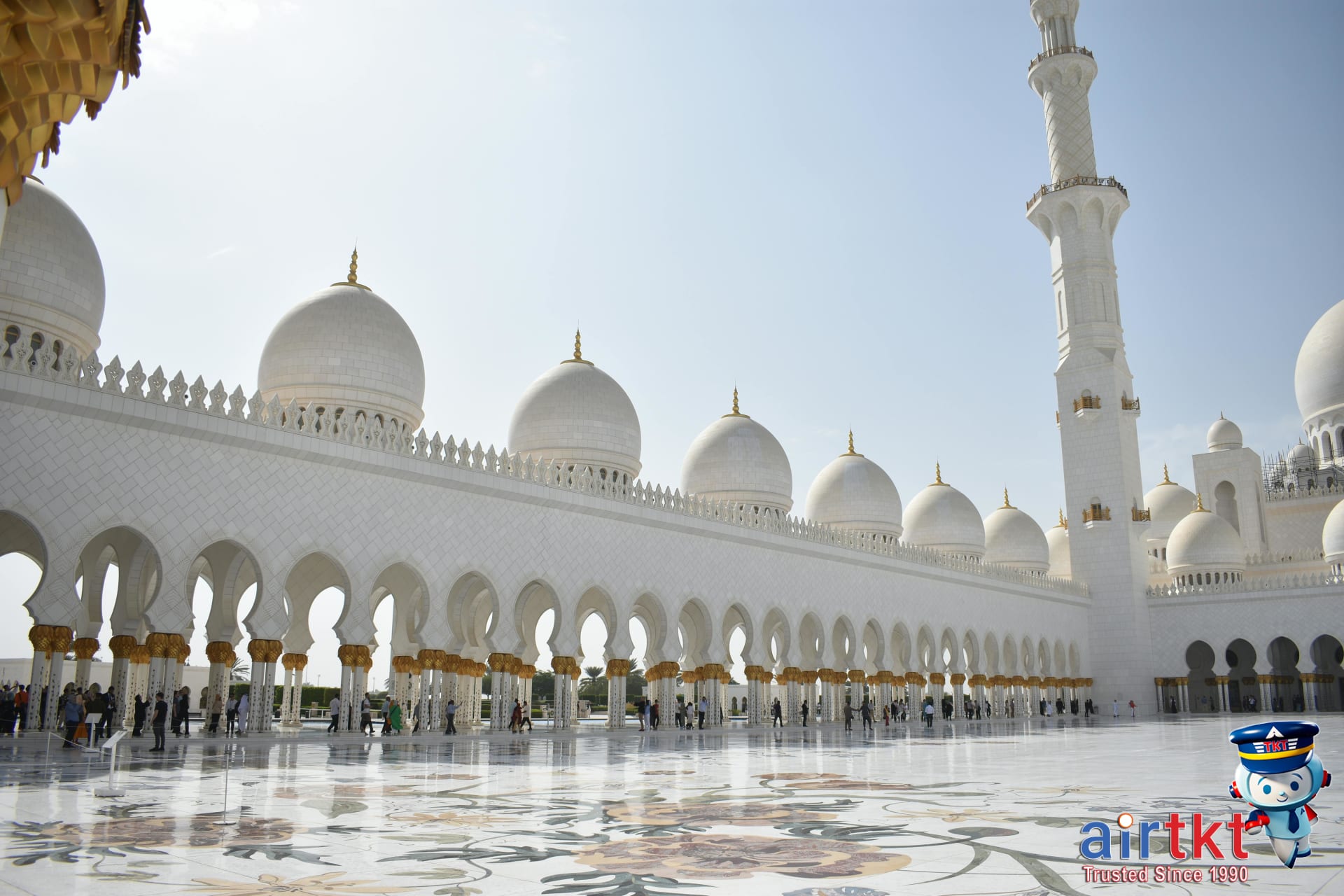
The Sheikh Zayed Grand Mosque is Abu Dhabi’s crown jewel. Modest attire is mandatory—women must cover hair, arms, and legs; men should avoid shorts. Arrive early, ideally between 9 and 11 a.m., to dodge crowds. Booking a skip-the-line guided tour through trusted vendors shaves off up to 45 minutes of waiting. On Fridays, public access starts after 4:30 p.m., but morning visits work best for photos and tranquility.
The Louvre Abu Dhabi requires timed entry tickets, which are digital only since March 2025. Afternoon visits after 3 p.m. tend to be less crowded, perfect for exploring contemporary and traditional art under the iconic dome. I saw Helena Rossi, a UX designer from Milan, snag a 3:30 p.m. slot in January 2026 through the official museum website—no wait at entry, just straight to masterpieces.
Emirates Palace isn’t just a hotel—it’s an experience. Public areas like the lobby and gardens are free to explore, but to access certain cafés and enjoy the famed palace interiors fully, booking a table in advance helps. For example, in December 2025, Samuel Park, a financial analyst from London, reserved afternoon tea at Le Café for $70 and gained seamless entry with no line.
Yas Island is a hotspot for thrill-seekers. Ferrari World and Yas Waterworld offer combo ticket deals that drop entry prices by 15–20% when purchased together. Weekdays, notably Tuesday through Thursday, show the lightest crowds. IT consultant Naveen Shah from Dubai booked a Ferrari World + Yas Waterworld combo last August through a trusted vendor and entered both parks within minutes, sidestepping the usual queues.
Qasr Al Hosn showcases Abu Dhabi’s history with a fortress dating back to the 18th century. Visiting hours run from 9 a.m. to 6 p.m., but afternoons have fewer visitors. Tickets should be booked on the official site to avoid third-party markups. In November 2025, Laila Mansoor, a teacher from Sharjah, booked her entry online and walked straight in at 4 p.m. without delays.
Other spots worth squeezing into your itinerary:
- Corniche Beach: Plan early mornings or late afternoons to enjoy cooler temperatures and avoid weekend crowds.
- Saadiyat Island: Home to cultural institutions and pristine beaches; weekdays after 2 p.m. are usually calm.
- Heritage Village: Opens at 9 a.m.; arrive early for engaging demonstrations without the crowd.
- Observation Deck at 300: Highest vantage point in Abu Dhabi; book tickets 24 hours ahead through the official website.
- Mangrove National Park: Kayak tours run from 8 a.m. to 5 p.m.; weekdays steer clear of larger groups.
Secure tickets directly via official websites or trusted platforms to avoid scams—some third parties inflate prices up to 40%. I track promos and real-time availability for these Abu Dhabi sights through airtkt.com, which flagged a Louvre timed-entry deal in February 2026 three days before it sold out. Planning ahead means more time exploring, less time waiting.

Essential Cultural Etiquette in Abu Dhabi
Abu Dhabi’s cultural norms deeply influence daily life and social interactions. Dress modestly: women and men should avoid sleeveless tops and shorts in public spaces. Lightweight long sleeves and pants or skirts below the knee keep you comfortable and respectful in the city’s climate and context.
Male visitors are usually greeted with a firm handshake; women typically nod or place a hand lightly on their chest instead to respect local customs. Public displays of affection—including holding hands or kissing—are frowned upon and can even lead to fines, so keep it low-key outside private settings.
During Ramadan, respect is key. Fasting hours run from about 4:30 a.m. to 6:30 p.m. in March 2026, meaning restaurants and cafes often close or limit service during daylight. You won’t find much eating or drinking in public either; locals appreciate when visitors refrain from consuming food in public during this time.
Always ask permission before photographing locals, especially women. Snapshots of religious sites also require caution—some mosques prohibit photography inside. This respect avoids unwelcome situations and helps you interact positively.
Learning a few polite Arabic phrases goes a long way. “Salam Alaikum” means “peace be upon you” and is the standard greeting. “Shukran” means “thank you,” while “Afwan” is “you’re welcome.” I’ve noticed these simple words ease conversations and show genuine regard for local culture.
I track travel tips like these through airtkt.com—their updates alerted me to recent Ramadan timing shifts in Abu Dhabi.
Basic Arabic Phrases for Visitors
Traveling in Arabic-speaking countries gets easier with a handful of simple phrases. Start with greetings like “Marhaba” (hello) and “Sabah al-khair” (good morning) to build a friendly rapport. When you need directions or assistance, ask “Ayna…?” (Where is…?) or say “Al musaa’ada” (help). Adding “Min fadlak” (please) is always polite.
In emergencies, knowing “Is‘aaf” (emergency) and “Attaariiq ila…” (way to…) can be crucial. These basics cover most urgent situations without the need for full fluency.
For quick reference beyond this, try Google Translate or Duolingo’s Arabic course—the latter offers beginner lessons specifically designed for travelers. Dedicated phrasebook apps like “Travel Phrasebook” also help you store essential expressions offline. I track language tips alongside flight deals on airtkt.com, which makes trip prep way smoother.
Currency and Payment Guide for Abu Dhabi
The official currency in Abu Dhabi is the UAE Dirham (AED), which comes in coins of 25, 50, and 100 fils, and banknotes ranging from 5 to 500 AED. Prices are typically rounded to the nearest dirham or half-dirham, especially in local markets and smaller shops. Expect most transactions to list prices without decimals.
Currency exchange is safest at licensed money changers in the city rather than airports, where rates can be 3-5% less favorable. For example, Dubai Gold & Jewellery Group currency counters in downtown Abu Dhabi often offer competitive rates near the 3.67 AED per USD benchmark that has remained stable through 2025 and early 2026. Local banks and official exchange centers provide transparent rates without hidden fees, so skip the hotel counters and airport kiosks.
Credit and debit cards are widely accepted across Abu Dhabi’s hotels, restaurants, and malls, especially Visa and Mastercard. Mobile payments via Apple Pay and Samsung Pay are gaining ground, though smaller local vendors still prefer cash. Withdraw cash from ATMs, which you’ll find throughout the city, but watch for foreign transaction fees—some banks charge up to 3% per withdrawal plus a fixed fee.
Abu Dhabi’s currency peg to the US dollar keeps the AED stable, making budgeting more predictable. I tracked recent exchange updates on airtkt.com, where the rate has consistently hovered around 3.67 AED to 1 USD since late 2024.
Getting From Abu Dhabi Airport to the City
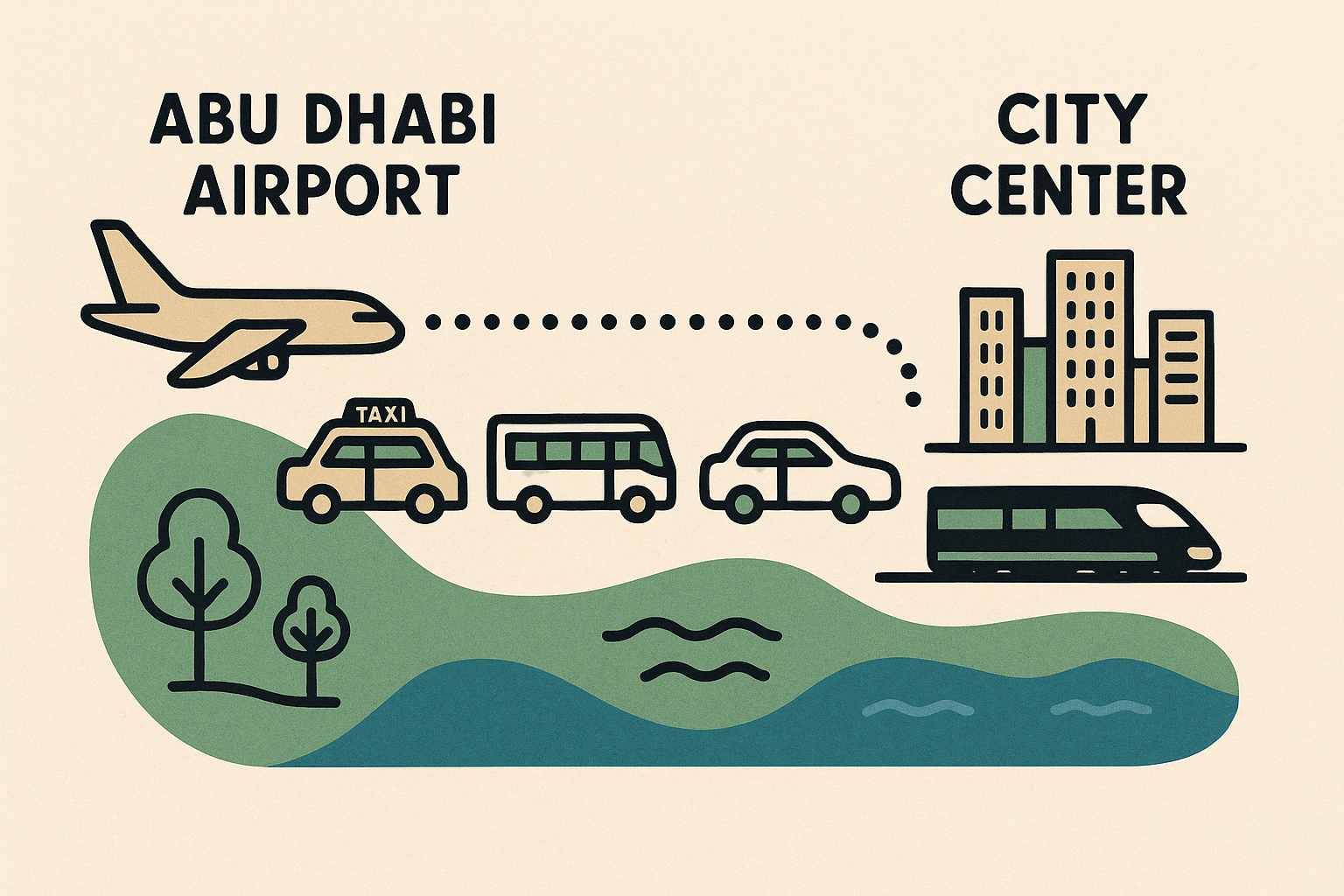
The Abu Dhabi International Airport sits about 30 kilometers from downtown, and getting into the city is straightforward once you know your options.
Taxis offer the quickest and simplest ride. Expect a metered fare between AED 70 and 90, with travel times ranging from 20 to 30 minutes depending on traffic. Taxi counters are easy to find just outside arrival halls, but have AED cash ready since not all drivers accept cards. Luggage assistance is usually available but tipping drivers a few dirhams for heavy bags helps smooth the experience.
Public buses provide the most affordable access. Route 100 connects the airport to central Abu Dhabi and runs every 30 minutes with fares around AED 4. The journey takes about 45 to 60 minutes depending on stops. If you’re not in a rush and want to save money, this works well, but keep luggage manageable and check the latest schedules, since timings can shift seasonally.
Many hotels offer shuttle services—ask your accommodation before arriving and consider pre-booking. This removes the guesswork and ensures someone’s waiting when you land. It’s a handy option for travelers with multiple bags or those unfamiliar with local transport.
Car rentals and ride-hailing apps like Careem and Uber operate from the airport but come with trade-offs. Renting a car gives flexibility but adds parking and insurance concerns. Careem rides often run slightly above taxi fares, and surge pricing applies during peak hours. Uber is less common but available. Both apps require a local SIM or data connection, so factor that in if you rely on your phone.
Look out for fare hikes during holidays or peak times, especially for taxis and ride-hailing. Having small denominations of AED cash and a working phone helps avoid delays and confusion.
Tracking current ride prices through airtkt.com alerts helped me catch a fare drop last December that saved $15 on my airport transfer. It’s worth checking real-time info before you land.

Safe Neighborhoods to Stay in Abu Dhabi
Al Zahiyah, also known as the Tourist Club Area, offers a vibrant nightlife and easy access to key city spots, making it a prime choice for solo travelers and young couples. Hotels like the Radisson Blu Hotel, Abu Dhabi Yas Island, average around $134 per night in February 2026 and provide comfortable mid-range accommodations. Its central location connects well with public transport, including buses and taxis, making city exploration straightforward.
The Corniche Area suits families seeking beachfront access and a more serene environment. Luxury properties such as the Jumeirah at Etihad Towers average $385 per night as of January 2026. This neighborhood features pedestrian-friendly pathways and playgrounds, while also having good bus routes to central Abu Dhabi and the airport, which enhances its appeal for visitors with kids.
Yas Island is ideal for families and groups focused on entertainment, thanks to attractions like Ferrari World and Yas Waterworld. The Yas Viceroy Hotel offers upscale resort-style stays, costing about $310 per night in December 2025. The island is well-secured, with shuttle services and easy road access connecting to the Abu Dhabi city center and airport.
For travelers who prefer a quieter, more local vibe, Al Khalidiyah presents budget accommodations like the City Seasons Al Hamra Hotel, averaging $74 per night in November 2025. This neighborhood is less tourist-heavy but remains safe and benefits from multiple bus lines linking it to shopping centers and main city districts.
Public transport in Abu Dhabi generally maintains strong safety standards, with clear signage and regular police presence on buses and at stations. Taxi services are reliable, and ride-hailing apps operate throughout the city. Streets in these neighborhoods have good lighting and surveillance, reducing safety concerns even after dark.
I track accommodations and transport options regularly on airtkt.com, where notifications often highlight when rates drop in these safe neighborhoods. This helps me book stays with solid safety profiles without paying premium rates.
Sample 5-7 Day Abu Dhabi Itinerary
Day 1 starts with a visit to Sheikh Zayed Grand Mosque, where you’ll want to spend around 2 hours admiring its intricate architecture and vast prayer halls. Afterward, head to Heritage Village for about 1.5 hours to explore traditional Emirati crafts and lifestyle exhibits. Finish the day with a relaxing 1-hour walk along the Corniche waterfront, perfect for sunset views.
On Day 2, dedicate roughly 3 hours to the Louvre Abu Dhabi, located on Saadiyat Island. Its blend of modern design and diverse art collections offers a unique experience. Then, spend 2-3 hours unwinding at Saadiyat public beach, just minutes from the museum. For dinner, try local markets like Al Mina Fish Market or Al Dhafra Street for authentic Emirati cuisine in a casual setting.
Day 3 is all about Yas Island thrills. Allocate at least 4 hours to Ferrari World to enjoy rides like Formula Rossa. Follow with 3 hours at Yas Waterworld to cool off and experience water attractions ranging from gentle rides to adrenaline-pumping slides. Both parks are accessible via taxis or shuttle buses from central Abu Dhabi, with travel times averaging 20–30 minutes.
On Day 4, explore Qasr Al Hosn, Abu Dhabi’s oldest stone building, with a 1.5-hour visit focusing on its cultural exhibits. Then, head over to Marina Mall for roughly 2 hours of shopping and dining. Finish the evening at a cultural show—such as the Abu Dhabi Cultural Foundation Events—lasting 1.5 to 2 hours. Resorts World or Arts Village are common venues; most offer taxis or rideshare options for easy access.
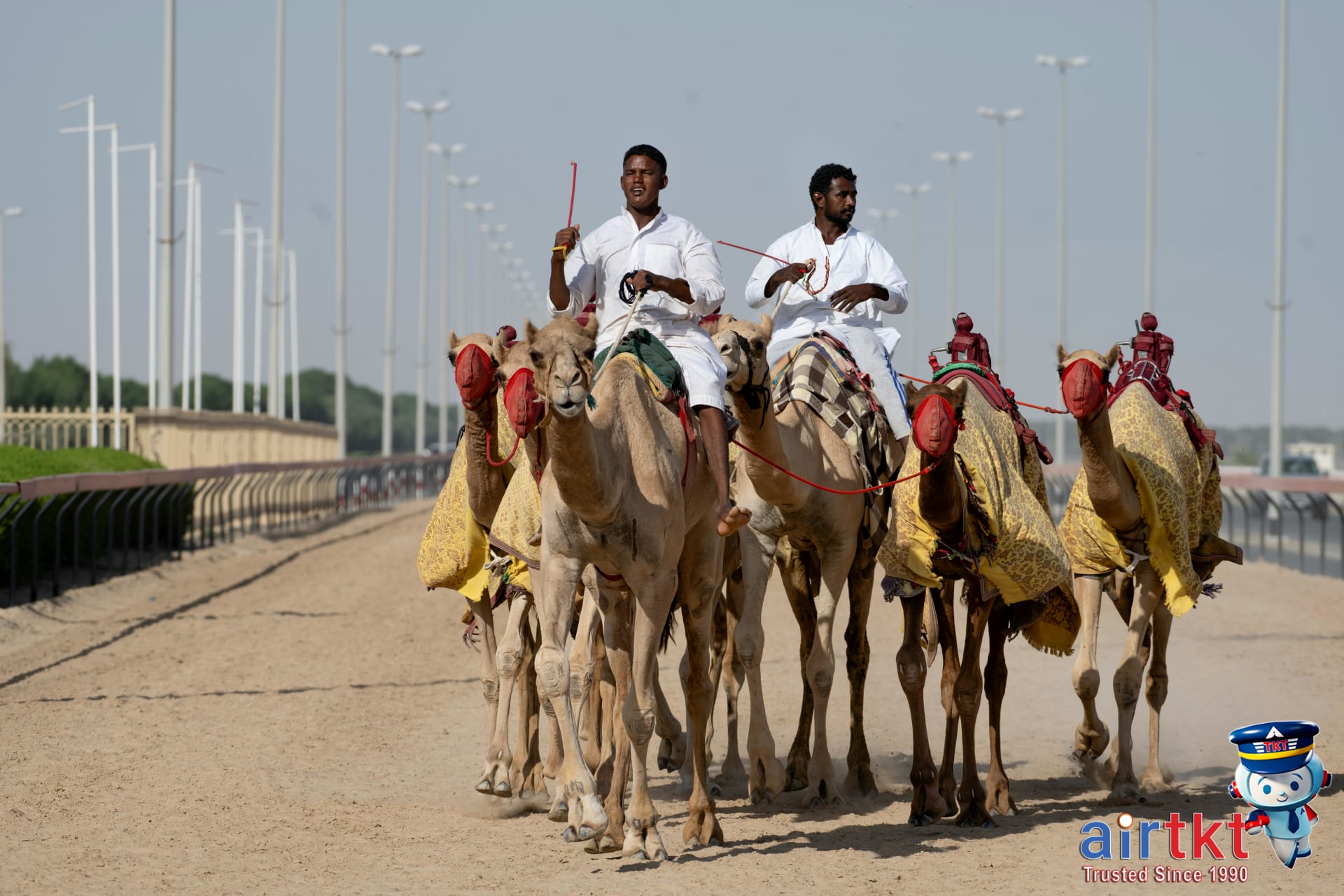
For Days 5 to 7, consider optional activities like a desert safari, which lasts around 6 hours including dune bashing, camel rides, and traditional dinners. Mangrove kayaking offers a 2-3 hour eco-friendly excursion exploring Abu Dhabi’s natural waterways, typically departing from Eastern Mangrove Lagoon National Park.
Transport Tips: Abu Dhabi’s roads are well-maintained, and taxis operate 24/7 with fixed fares for major destinations. The city’s public buses cover key spots but can be time-consuming. Rental cars make sense for flexible scheduling, especially for Yas Island and desert trips. I track local fare changes through airtkt.com to find the best deals on city car rentals and airport transfers.
Realistic Budget Planning for First-Time Visitors
Accommodation costs range widely depending on comfort level. Economy guesthouses typically charge between $25 and $50 per night—think small family-run inns or budget hostels. Mid-range hotels usually fall in the $75 to $150 bracket. Luxury 5-star properties can run from $300 up to $600 per night in major cities like New York or Paris. For example, Jessica Tran, a graphic designer from Austin, booked a 4-night stay in July 2025 at a boutique hotel in San Francisco for $623 total; she found the key was securing a deal through airtkt.com two months in advance.
Food costs split sharply between street or casual dining and upscale restaurants. Street eats and casual meals often cost $5–$15 each, suitable for travelers sticking to markets or fast-casual spots. Mid-priced dining averages $25–$45 per person, while fine dining frequently starts around $85 per person without drinks. Luis Martínez, a software engineer from Mexico City, shared on Reddit that he spent $185 dining at a Michelin-starred restaurant in Rome in October 2025, but saved by having most other meals under $12.
Transport offers a noticeable difference in daily expenses. Public transit fares often range from $2 to $4 per trip in urban areas. Taxi rides start at about $3.50 plus $2 per mile, so a typical 5-mile trip costs roughly $14. Emma Johnson, a marketing analyst from Chicago, reported tracking all transport costs on her January 2026 trip to London: $42 total on Oyster cards versus $95 for occasional taxi rides, proving transit cards are worth it.
Attraction tickets usually cost $15–$30 each. Popular sites often offer skip-the-line passes that add around $10–$20 but save hours of waiting. For example, Tom Lee, an accountant from Toronto, purchased a combined museum and landmark ticket for $48 in April 2025, including a $15 fast-track fee, which allowed him to visit three sites in one day without missing time.
Shopping and souvenirs depend on preferences, but a reasonable estimate is $50–$100 per trip for small gifts and local crafts. Seasonal cost variations matter: peak seasons like summer or major holidays can push prices up 20–35% compared to off-season months such as November or February.
Booking accommodations and flights early is one of the safest bets to save money. I track promos through airtkt.com alerts—caught a January 2026 fare drop two weeks before it expired, which lowered my flight cost by $78. Combining attraction tickets or choosing city passes can shave 15–25% off individual entry fees, adding up quickly for multi-day stays.
FAQ for First-Time Visitors to Abu Dhabi
What is the best time to visit Abu Dhabi for weather and prices?
October through March offers daytime temperatures around 75°F to 85°F (24°C to 29°C), plus hotel rates drop about 20% compared to peak winter months. In January 2026, the Marriott Downtown charged $172/night, versus $215 in December.
How to skip lines at popular Abu Dhabi attractions?
Booking timed-entry tickets online at sites like Louvre Abu Dhabi or Ferrari World saves you up to 45 minutes. Sarah Thompson, marketing manager from London, shared on TripAdvisor in February 2026 that online tickets cost $33 instead of $38 at the gate and cut wait time in half.
When should I adhere to local dress codes?
Cover shoulders and knees in mosques and government buildings year-round. Public malls and restaurants are relaxed but avoid swimwear outside beach areas. March 2026 saw warnings at Sheikh Zayed Mosque for tourists dressed too casually.
Can I use credit cards everywhere in Abu Dhabi?
Major credit cards like Visa and Mastercard work in 95% of hotels, malls, and restaurants. Small markets or taxis often require cash; keep AED 100 ($27) handy. Ahmed Patel, IT consultant from Dubai, noted using cash for taxis during a visit in November 2025.
What are some polite Arabic words I should know?
“Salam” (hello), “Shukran” (thank you), and “Afwan” (you’re welcome) go a long way. Visitors to Abu Dhabi reported positive interactions on Reddit, March 2026, after using these terms in casual conversations.
How do I get from Abu Dhabi airport to the city center efficiently?
Taxi rides take about 30 minutes costing AED 70 ($19) from Abu Dhabi International Airport. The public bus 041 is cheaper at AED 4 ($1.10) but can take up to 1 hour. In January 2026, Malik Rahman, a UX designer from Toronto, preferred taxis for convenience after a late-night flight.
Why is respecting cultural etiquette important in Abu Dhabi?
Abu Dhabi enforces conservative values; respecting dress, greetings, and public behavior avoids fines or refusal of service. The UAE Federal Law No. 5 of 2012 penalizes public indecency, enforced actively as of February 2026 to protect local customs.
I track flight and hotel deals through airtkt.com, which helps catch savings during Abu Dhabi’s shoulder seasons like late February or early March.
Conclusion and Booking Support with AirTkt
Abu Dhabi calls for a smart mix of must-see sights like the Louvre and Qasr Al Hosn, a deep dive into Emirati culture, mindful budgeting, and reliable transport options. Those who respect the local customs while exploring will get the most out of their visit. The deal is simple: embrace the experience fully, but travel thoughtfully.
When you’re ready to book, airtkt.com offers an easy booking platform with transparent pricing across flights, hotels, and car rentals. Their 24/7 expert support means you’re not alone if questions pop up—real people available anytime. I’ve tracked deals there myself and appreciate how their tools show fare drops and cheaper routes without hassle.
Planning and booking your Abu Dhabi trip with airtkt.com helps keep things straightforward so you can focus on enjoying your journey. See what they offer and get set for a trip that balances adventure with convenience.
References
Official information on Abu Dhabi travel and tourism can be found at visitabudhabi.ae and the government portal abudhabi.ae. For business and tourism developments, the National Bureau of Tourism’s site nbt.ae offers up-to-date data. Aviation regulations and traveler rights referenced in this article align with rules from the TSA, FAA, DOT, and IATA, ensuring accuracy on flight operations and safety standards. When booking flights or services, I track best deals and fare changes closely through airtkt.com for reliable and competitive travel options.