

Efficient Packing for Adventure Travel
Adventure travel takes you beyond typical tourist paths into the wild and unpredictable. This style of travel often includes activities like hiking through remote trails, camping in the wilderness, or trekking across mountain terrains. Each trip promises excitement and challenge, but it also demands thoughtful preparation—especially when it comes to packing. Efficient packing is more than just fitting essentials into a backpack; it’s about balancing safety, comfort, and compliance with travel regulations.
Unlike casual vacations, adventure travel presents unique packing challenges. Weather conditions can shift rapidly, requiring gear suitable for heat, rain, wind, and cold. Bulky equipment—such as tents, sleeping bags, and cooking supplies—must be carefully selected and packed without overburdening the traveler. Additionally, airlines and travel authorities impose restrictions on baggage size, weight, and contents, which adventure gear can easily conflict with. Managing these aspects requires strategic choices and prioritization.
Efficient packing transforms the adventure travel experience by enabling you to stay safe and comfortable throughout your journey. Proper gear ensures protection from the elements, helps prevent injuries, and supports better rest and nutrition. Streamlined luggage reduces physical strain and improves mobility, allowing you to focus on the exploration itself. Moreover, sticking to airline and regulatory baggage criteria minimizes delays and unexpected fees, preventing disruptions that could jeopardize your plans.
Poor packing decisions can lead to significant setbacks. Overpacking may tire you prematurely and slow progress on demanding routes, while underpacking essentials like rain gear or first aid supplies can compromise your health and safety. Ignoring baggage rules might cause costly last-minute repacking or loss of equipment. In extreme cases, improper packing could even endanger your trip or result in stranded situations far from help.

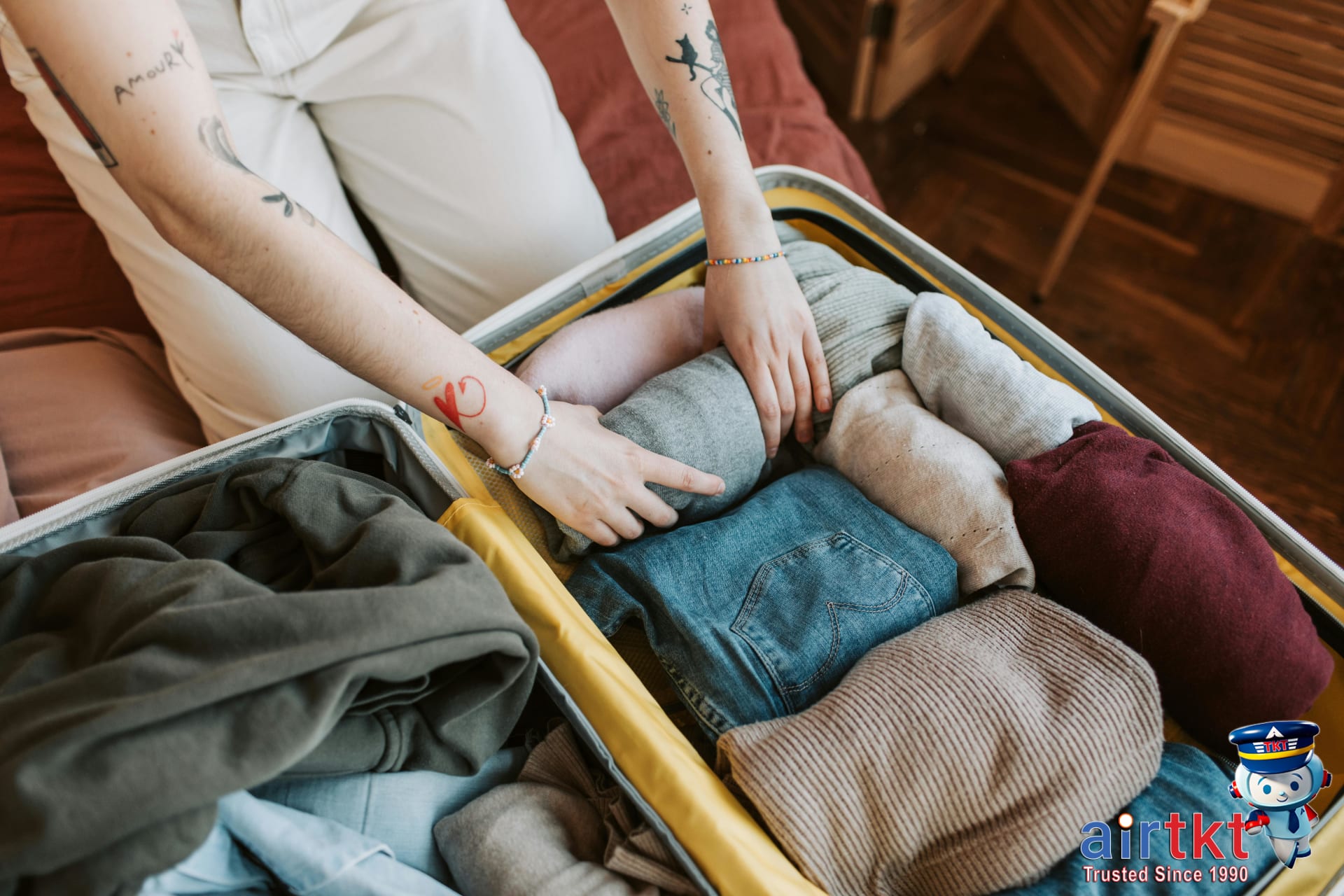
Planning ahead and packing efficiently is a crucial step for anyone embarking on adventure travel. By mastering this skill, you enhance not only your comfort and safety but also the overall enjoyment of your journey. For those booking flights and accommodations to kickstart the trip, AirTtkt offers reliable options and tips to complement your smart packing strategy.
Detailed Adventure Gear Checklist and Recommendations
Preparing for an adventure demands careful packing to ensure safety, comfort, and convenience. This comprehensive checklist breaks down essential gear into key categories, specifying practical quantities while offering brand recommendations for every budget. Whether you’re a weekend hiker or a multi-day trekker, packing smartly prevents surprises on the trail.
Clothing Essentials
- Moisture-wicking base layers: 2–3 sets – Change daily to stay dry and avoid chills.
- Insulating mid-layers: 1–2 pieces – Versatile warmth for varying temperatures.
- Outer waterproof shell: 1 jacket and pants – Protects from rain and wind.
- Lightweight hiking pants/shorts: 1–2 pairs – Durable and breathable for mobility.
- Extra socks: 3–4 pairs – Prevent blisters and offer freshness.
- Hat and gloves: 1 each – Shield from sun and cold.
Footwear Options
- Hiking boots: 1 pair – Essential for ankle support on uneven terrain.
- Camp shoes or sandals: 1 pair – Comfort after hiking hours and use around camp.
- Additional insoles: 1 pair – Add comfort and absorb impact.
Safety Gear
- First aid kit: 1 compact kit – Treat minor injuries quickly.
- Headlamp with extra batteries: 1 – Hands-free illumination in low light.
- Whistle: 1 – Signal for assistance in emergencies.
- Multi-tool or knife: 1 – Versatile utility for many situations.
Navigation Tools
- Map and compass: 1 each – Reliable, no batteries required.
- GPS device/smartphone with offline maps: 1 – Backup and real-time tracking.
Cooking and Hydration Equipment
- Portable stove and fuel: 1 set – For hot meals and boiling water.
- Lightweight cookware: 1 pot and pan – Optimize pack space.
- Reusable water bottles or hydration bladder: 2 liters total capacity – Hydration tailored for trip length.
- Water purification system: 1 (filter/tablets) – Ensure clean water access.
Emergency Supplies
- Emergency blanket: 1 – Compact heat retention in cold.
- Fire-starting kit: 1 set – Waterproof matches or lighter.
- Extra food rations: 1–2 days’ worth – Sustain energy if delayed.
- Emergency shelter (bivy sack or tarp): 1 – Lightweight protection against elements.
Brand Recommendations by Budget
Choosing gear that matches your budget ensures you get quality without overspending. Here are some trusted brands categorized by price range:
| Category | Budget-Friendly | Mid-Range | Premium |
|---|---|---|---|
| Clothing | Columbia, REI Co-op | Patagonia, The North Face | Arc’teryx, Outdoor Research |
| Footwear | Merrell, KEEN | Salomon, Vasque | La Sportiva, Lowa |
| Safety Gear | Adventure Medical Kits, Coast | Leatherman, Black Diamond | MSR, Gerber |
| Navigation | Suunto, Silva | Garmin | Garmin (Explorer series) |
| Cooking & Hydration | Jetboil Flash, Platypus | MSR, Hydro Flask | Snow Peak, Katadyn |
Space-Saving Packing Techniques for Adventure Trips
Packing efficiently for adventure trips demands a balance between minimizing volume and maintaining easy access to essential gear. Choosing the right methods can significantly reduce bulk and weight while keeping you prepared for varying conditions. Let’s explore practical techniques to streamline your pack without compromising functionality or safety.
Roll vs Fold Clothing
Rolling clothes typically saves more space than folding by eliminating sharp creases and allowing garments to compress together more tightly. This method is ideal for casual or stretchy fabrics like t-shirts, pants, and synthetic layers. Rolling also makes it easier to spot and retrieve individual items without disturbing the entire pile, enhancing accessibility.
Folding works better for structured clothing like button-ups or stiffer fabrics where maintaining shape matters. It helps keep these items wrinkle-free but tends to take up more sequential space. Many seasoned travelers combine both—rolling casual layers and folding formal or delicate pieces for a versatile, compact pack.
Use Compression Bags and Packing Cubes
Compression bags significantly reduce volume by expelling excess air from bulky items like jackets and sleeping bags. This method can shrink down insulation layers by up to 50%, freeing critical room in your backpack or duffel.
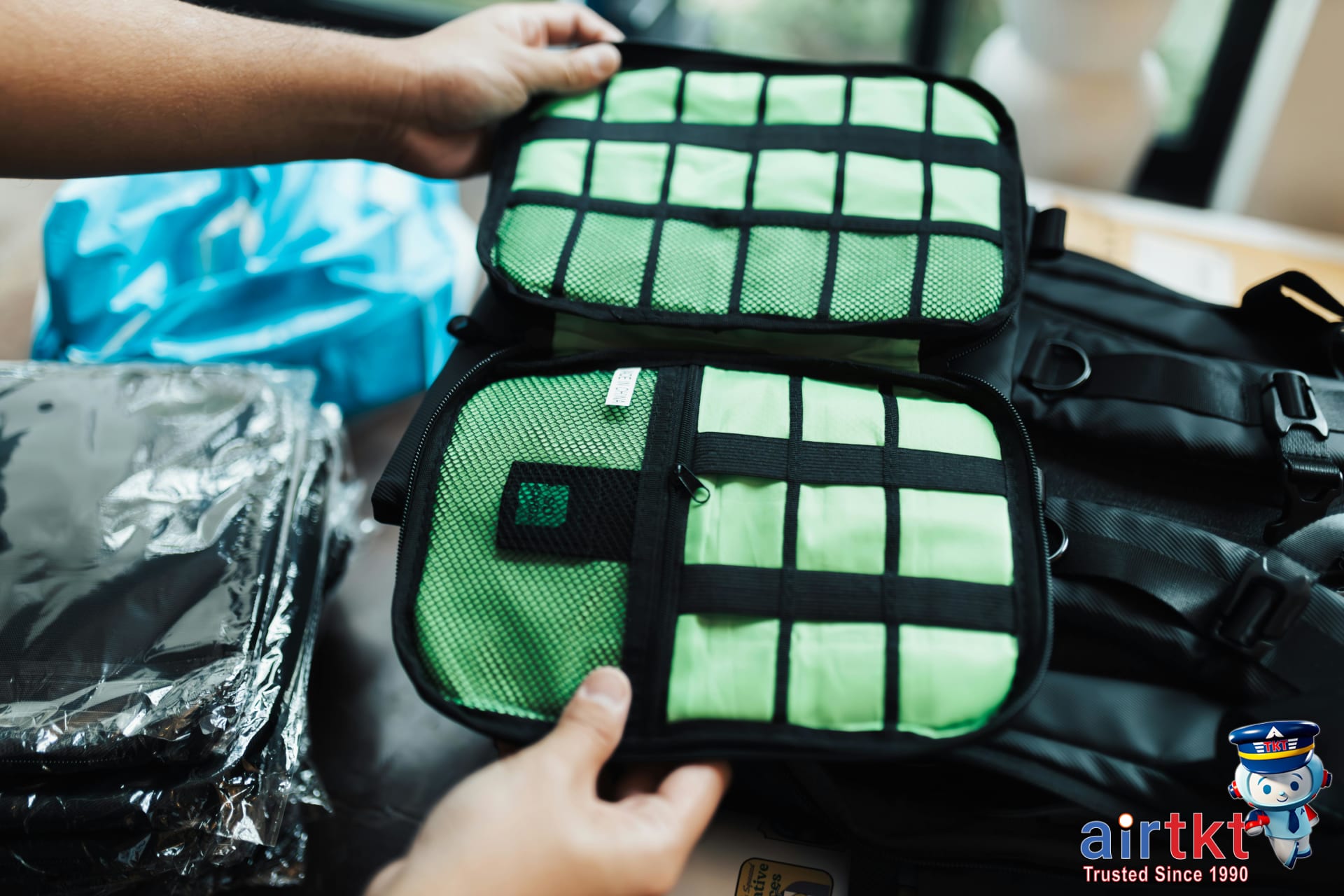
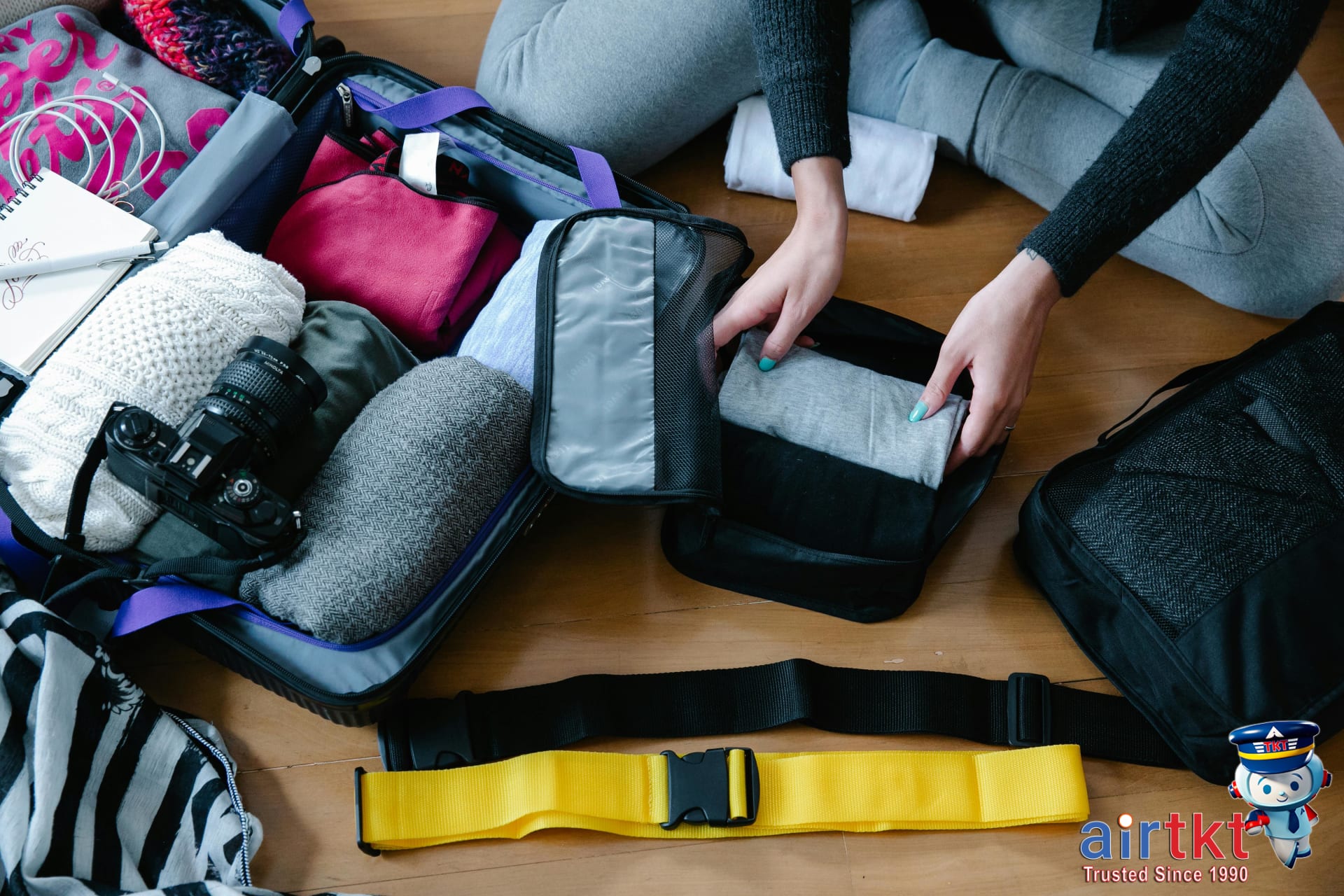
Packing cubes complement compression bags by organizing smaller items such as socks, underwear, and electronics. They enhance packing efficiency while keeping your gear categorized. Using different cube sizes tailored to your bag’s compartments ensures that every inch is maximized without becoming cluttered.
Layer Clothing for Space and Climate
Layering isn’t just smart for weather control—it’s also a space-saving strategy. Instead of packing multiple heavy garments, opt for lightweight layers that serve multiple purposes. A moisture-wicking base layer, an insulating mid-layer, and a waterproof outer shell can be combined as needed without carrying redundant bulk.
This approach reduces the number of individual items and allows you to adapt to varying climates without overpacking. Select clothes made from multipurpose fabrics that are breathable, quick-drying, and compressible to optimize both space and performance.
Choose Smart Gear for Minimal Bulk
Simplify your gear selection by focusing on multifunctional items. For example, a travel towel can double as a picnic cloth, or trekking poles can serve as tent supports. Avoid packing specialized equipment unless absolutely necessary.
Opt for compact, lightweight versions of essential gear, such as inflatable pillows instead of bulky ones or a minimalist first-aid kit tailored to your trip’s potential risks. Prioritize quality over quantity by selecting durable items that last and reduce the need to carry backups.
Volume Savings and Organization Tips by Bag Type
Backpacks: Use compression sacks primarily for bulky sleeping bags or jackets, and place heavier items close to your spine for better balance. Keep frequently used items in accessible side or top pockets to avoid unpacking everything.
Duffel Bags: Rely on packing cubes to segment your gear and prevent a tangled mess. Rolling clothes works best here, and compression bags can fit snugly in corners, maximizing space. Use internal compartments or smaller pouches to store valuables and toiletries securely.


TSA Compliance and Travel Security for Adventure Gear
When preparing for an adventure trip, understanding the latest TSA regulations is essential to avoid delays or confiscations at airport security. As of 2026, the TSA maintains strict rules for liquids, aerosols, and specialized outdoor equipment, ensuring safe and efficient screening while accommodating outdoor enthusiasts.
Liquid Rules for Outdoor Gear
The TSA’s 3-1-1 liquids rule still applies to items like fuel canisters, insect repellents, and aerosols used in adventure travel. Each liquid container must be 3.4 ounces (100 milliliters) or less and placed in a single, clear, quart-sized bag. This includes lightweight camping fuels (aerosol versions), sunscreen, and similar products. Larger fuel containers or chemical sprays must be checked in your hold luggage and adhere to airline hazardous materials restrictions.
Knives, Tools, and Sharp Objects
Sharp tools and knives are under heightened scrutiny. The TSA prohibits all knives in carry-on bags, including multi-tools with blades. Certain tools essential for outdoor activities—such as metal spikes, axes, or ice picks—are strictly banned from carry-on and must be packed in checked baggage. Always check your airline’s policies beforehand, as some may have more restrictive rules on tool sizes and types.
Checklist for TSA-Compliant Adventure Gear
- Liquids: Pack all liquids and aerosols (including fuel sprays) in containers of 3.4 oz or less, inside a clear bag.
- Sharp Items: Place knives, blades, and sharp tools inside checked luggage.
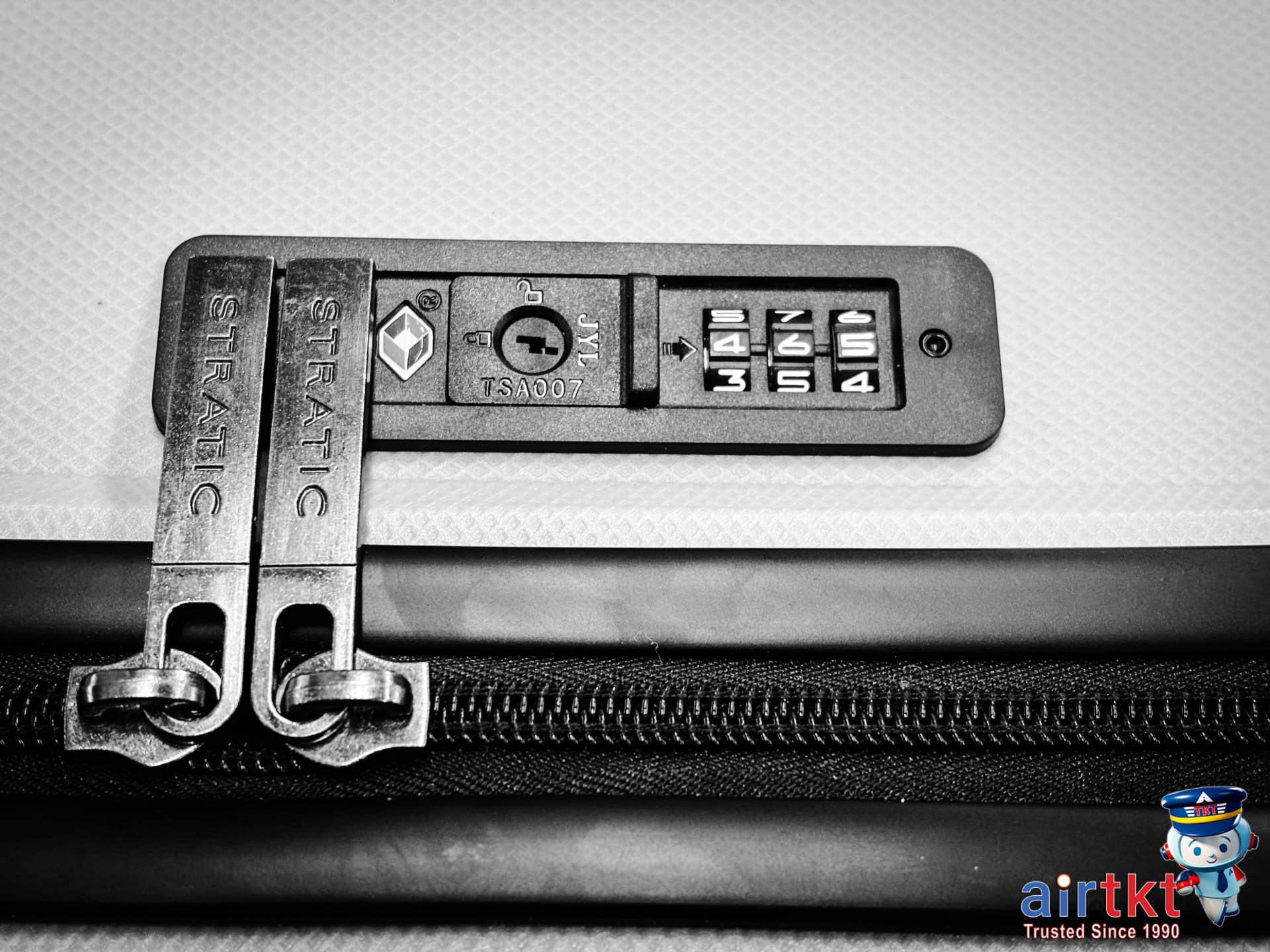
- Gear Packaging: Use durable, transparent bags or cases for small items to speed up inspection.
- Electronics: Prepare GPS devices or battery-powered gear for separate screening.
- Hazardous Materials: Avoid carrying banned substances like camping fuel in carry-on; confirm airline policies.
2026 TSA Updates Impacting Adventure Travelers
This year’s updates include enhanced screening for lithium batteries often found in outdoor tech gear. Travelers must remove power banks larger than 100 watt-hours from bags during screening. Additionally, TSA has increased use of advanced imaging technology for gear with hidden compartments. Transparent packing and clearly labeling your adventure equipment can help streamline the process.
Staying informed on these TSA guidelines guarantees a smoother experience when flying with adventure gear. For hassle-free bookings and to align your travel plans with current airport regulations, visit AirTtkt for real-time offers and expert travel tips.

Weight Distribution and Comfort Strategies for Backpacks
Proper weight distribution inside your backpack is critical for reducing fatigue and preventing injury on long treks or adventure trips. The key is balancing heavy and light items strategically to align with your body’s natural support zones. Bulkier, heavier gear should rest close to your back and centered, while lighter items can fill peripheral spaces.
Ergonomically, positioning weight centrally near your spine allows your back muscles and hips to carry the load efficiently. Avoid placing heavy objects at the bottom or far from your back, as this pulls you backward and strains your posture. Instead, stack heavy items high and close to your torso, with medium-weight gear below and lightweight things packed toward the outer edges or top.
Fitting Your Backpack for Maximum Comfort
The fit of your backpack directly impacts your comfort and endurance. The hip belt is your pack’s powerhouse—it transfers the load from your shoulders to your hips, the strongest weight-bearing structure. Adjust the hip belt snugly around the top of your iliac crest (hip bones) to relieve shoulder stress.
Shoulder straps should wrap comfortably without digging in or leaving gaps, providing stability rather than bearing most of the weight. Load lifters—small straps near the top of shoulder straps—help position the pack closer to your back, improving balance and reducing sway.
Ideal Weight Zones and Packing Sequence
Visualizing your pack as divided vertically into three zones helps with arrangement:
- Top zone: Light items such as clothing, rain jackets, or sleeping bag cover.
- Middle zone: Heaviest and most compact gear like cooking equipment, food supplies, or water reservoir placed close to the spine.
- Bottom zone: Medium weight items like tent footprint or sleeping pad.
Pack items so that the center of gravity stays close to your body’s natural midline. Begin packing the bottom zone first, then add the middle heavy items snugly against your back, finishing with light gear at the top. Use compression straps externally to reduce shifting and improve balance.
Checklist for Efficient Load Organization
- Pack heavy items closest to your back, near the middle of the pack.
- Use your hip belt to bear most of the load, adjusting for snug fit.
- Keep lighter gear like clothing and accessories toward the top and outer edges.
- Utilize shoulder straps and load lifters for extra support and balance.
- Compress load with straps to prevent movement during walking.
- Distribute weight evenly side-to-side to avoid uneven strain.
- Place frequently accessed items in external pockets for convenience.
Common Packing Mistakes and How to Avoid Them
Packing for an adventure trip can be daunting, especially when balancing gear, airline rules, and unpredictable weather. Yet, many travelers frequently fall into a few common pitfalls that can jeopardize both comfort and safety. Recognizing these mistakes early is key to stress-free travel.
Typical Packing Mistakes and Their Consequences
- Overpacking: Bringing too many items often leads to heavy, bulky luggage. This not only results in excess baggage fees but can strain your back and limit mobility during your trip.
- Neglecting Weather-Specific Gear: Ignoring forecast conditions risks discomfort or dangerous exposure. For instance, omitting waterproof clothing in rainy regions or underpacking insulation in cold climates compromises your health.
- Ignoring TSA Rules: Overlooking transportation security regulations may cause delays, confiscations, or fines at airport checkpoints, disrupting your travel plans.
- Poor Weight Distribution: Improperly organizing heavy and light items can cause luggage imbalance, leading to damage or accidents when carrying your backpack or suitcase.
Preventative Strategies for Smart Packing
To avoid these pitfalls, apply these practical tips:
- Embrace Minimalism: Prioritize essential, versatile items that serve multiple purposes. Select lightweight fabrics and layer clothing.
- Research Weather and Activity Needs: Check updated weather reports and gear requirements before packing. Include waterproof jackets, insulated layers, or sun protection as needed.
- Review TSA Guidelines: Confirm allowed liquids, electronics, and prohibited items via the official TSA website to ensure smooth airport security screening.
- Distribute Weight Evenly: Place heavier items close to your back center in backpacks or bottom-center in suitcases to maintain balance and reduce strain.
Pre-Trip Packing Review Checklist

By steering clear of these common mistakes and adopting a strategic packing approach, travelers can enhance their adventure experiences with greater ease and confidence. Proper preparation ensures your journey starts smoothly, letting you focus on the adventure ahead without avoidable hassles.
Smart Adventure Packing Summary and Travel Savings
Packing efficiently is more than just a travel task—it’s a crucial step that ensures safety, compliance, and comfort throughout your adventure. Carefully selecting and organizing gear reduces stress, helps you avoid baggage fees, and guarantees you’re prepared for any situation. A well-planned packing approach keeps you swift during airport security checks and prevents last-minute inconveniences that can disrupt your trip.
By using a comprehensive checklist, you streamline your packing process, making sure no essential item is forgotten. Gear organization techniques, such as using packing cubes or dedicated compartments, optimize your luggage space and protect fragile equipment. Adhering to TSA regulations not only speeds up security screening but also minimizes the risk of having to discard prohibited items. These strategies combine to create a hassle-free travel experience, allowing you to focus on your adventure rather than packing worries.
Smart packing also directly complements your efforts to save money on travel. When your luggage is lightweight and compliant, you avoid costly airline fees or last-minute purchases at your destination. This, paired with savvy flight and hotel booking, maximizes your budget and keeps your adventure affordable. That’s where AirTtkt comes in—offering a user-friendly platform tailored for budget-conscious travelers like you. With real-time fare comparisons, exclusive discounts, and 24/7 support, AirTtkt helps you secure the best deals on flights, hotels, and car rentals.
Implementing these packing tips along with booking smartly through AirTtkt empowers you to travel lighter, safer, and smarter—while keeping costs low. Prioritize your packing checklist and gear organization before your next adventure, then head to AirTtkt’s platform to find unbeatable travel savings. This combination ensures your trip is both practical and budget-friendly from start to finish.
Adventure Travel Packing FAQ
How to pack adventure gear efficiently for multi-day trips?
Organize your gear by priority and pack items in compression sacks to save space. Use a packing checklist to avoid forgetting essentials. Distribute heavier items near your back for balance, and keep frequently used gear accessible. Rolling clothes can also maximize space and reduce wrinkles.
What is the TSA liquid limit for camping and hiking supplies?
TSA limits liquids in carry-on bags to containers of 3.4 ounces (100 ml) or less, placed in a single quart-sized clear bag. Larger liquid camping essentials must go in checked luggage. Always check specific airline rules on fuel or aerosols before flying.
When should I start packing for an adventure trip?
Begin packing at least one week before departure to avoid last-minute rushes. This allows time to gather forgotten items, test gear, and adjust for weather changes. Early packing also helps reduce travel stress and ensures a more organized trip preparation.
Why is weight distribution important in backpacking?
Proper weight distribution enhances comfort and stability on uneven trails. Keeping heavier items close to your back and centered reduces strain, prevents muscle fatigue, and improves balance. This helps maintain energy over long distances and minimizes injury risks.
Can I bring fuel canisters in checked luggage on flights?
Fuel canisters are generally prohibited in both carry-on and checked luggage due to flammability risks. Always check TSA and airline-specific regulations before your flight. When traveling, consider purchasing fuel locally at your destination to comply with safety rules.
What are the best budget-friendly brands for durable adventure gear?
Brands like REI Co-op, Decathlon, and Columbia offer reliable, affordable gear suited for adventure travel. These brands balance durability and cost, making them popular choices for budget-conscious explorers without sacrificing quality or performance.
How to ensure my packing complies with TSA rules in 2026?
Stay updated by reviewing the official TSA website before traveling. Use TSA-approved travel containers, avoid prohibited items, and pack strategically. Checking your airline’s baggage policies and consulting resources like AirTtkt can keep you informed on the latest regulations.