

Introduction to Australia-Asia Travel Smart Booking
Booking flights between Australia and Asia means navigating some of the world’s busiest Pacific Rim routes. Popular connections like Sydney to Kuala Lumpur, Melbourne to Bangkok, and Brisbane to Kuala Lumpur see heavy traffic year-round thanks to business, leisure, and visiting friends and family travelers. These routes attract a fleet of competing airlines, offering dozens of daily flights that fluctuate sharply in price depending on timing and carrier.
The challenge is decoding when to book and which airline actually delivers the best value for your schedule and budget. That’s where knowing monthly pricing trends, airline strengths, and airport alternatives can save serious cash and hassle. In this guide, you’ll get clear, actionable insight to steer your booking decisions toward both savings and convenience.
Expect to learn which carriers dominate these Pacific Rim routes in 2026, the optimal booking windows that seasonal data shows, plus smart airport tips that avoid common pitfalls. I track airfare shifts closely using tools like airtkt.com, discovering fare dips up to 30% below average when timing and route changes align.
Key Airlines Operating Australia-Asia Routes
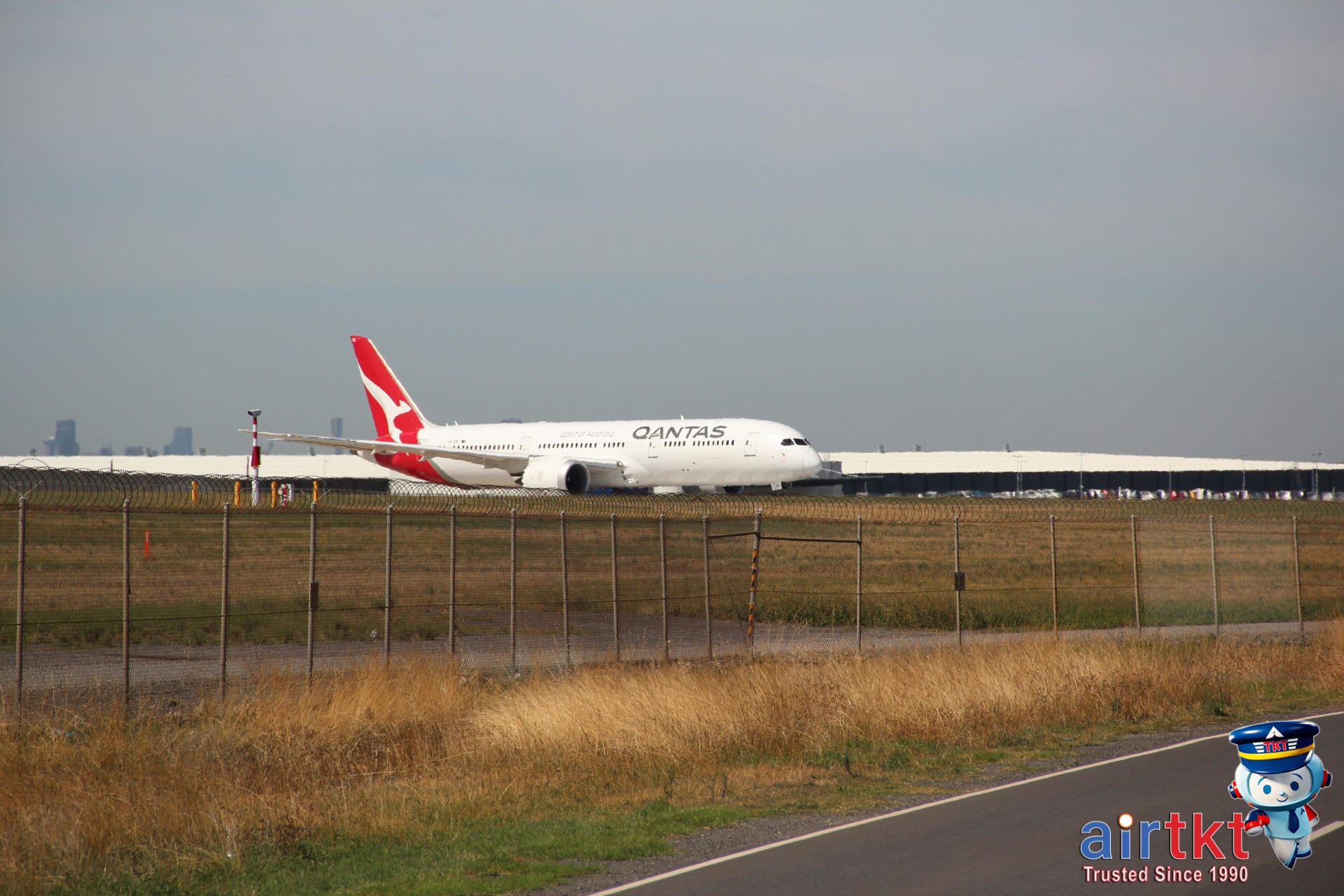
Several airlines dominate the Australia-Asia corridor, each offering distinct advantages depending on your travel style. AirAsia leads among budget carriers, known for competitive fares out of hubs like Kuala Lumpur and Bangkok. If you prioritize full-service amenities, Qantas provides premium experiences on direct routes connecting major Australian cities to key Asian destinations. Malaysia Airlines stands out with its Kuala Lumpur hub, providing solid connectivity across Southeast Asia.
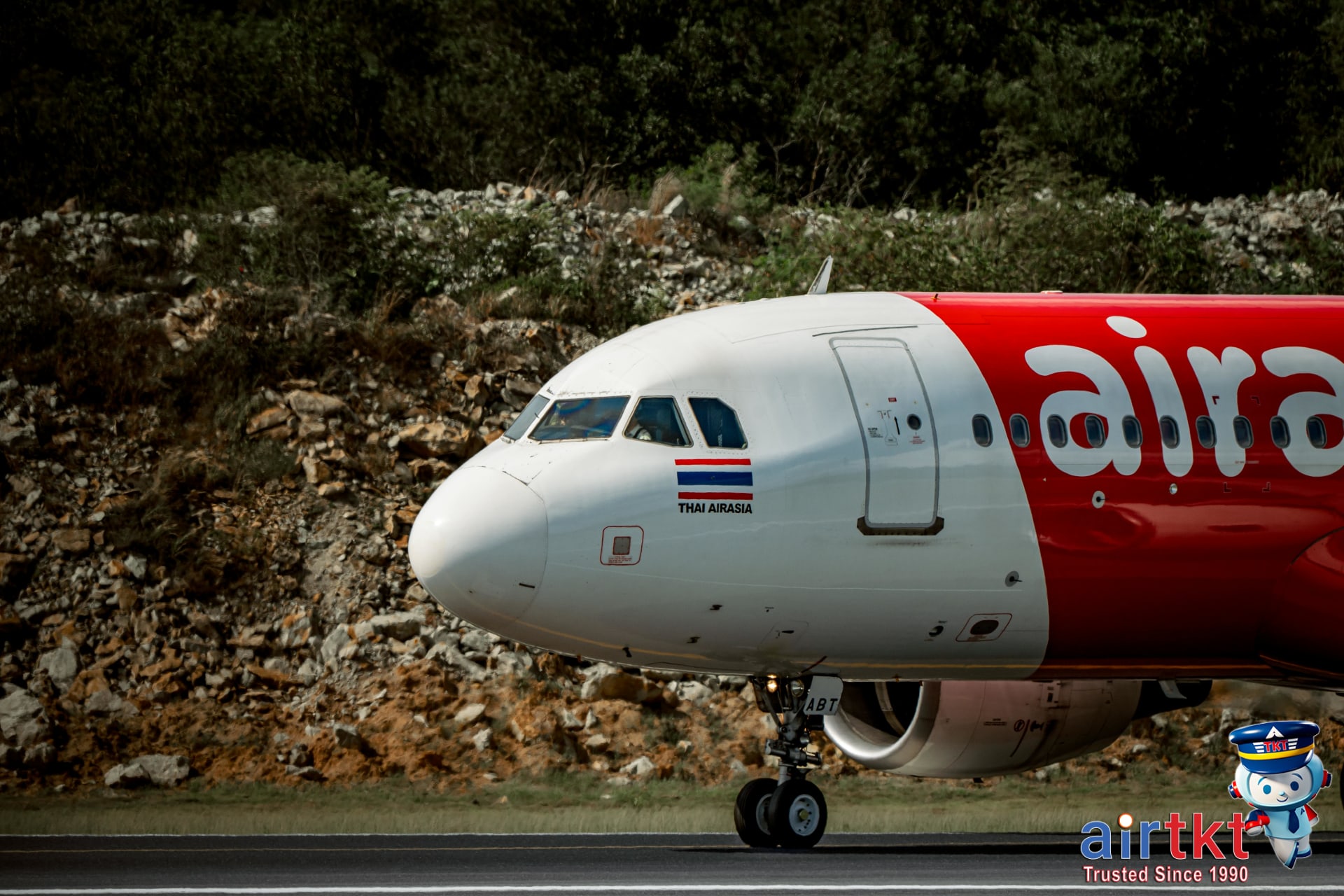
Kuala Lumpur International Airport is Malaysia Airlines’ main center, acting as a strategic gateway for passengers linking onward to cities like Singapore, Jakarta, and Ho Chi Minh City. Meanwhile, Bangkok’s Suvarnabhumi Airport supports Thai AirAsia, which delivers affordable flights to and from Melbourne and Sydney with options to reach other parts of Asia. These hubs play a huge role in facilitating efficient connections beyond Australia’s shores.
Comparing services, low-cost carriers like AirAsia and Thai AirAsia typically charge extra for checked luggage and onboard meals, keeping base fares low. Malaysia Airlines and Qantas include luggage allowances and hot meals, catering to travelers who prefer all-in-one tickets. Connection times also vary: full-service airlines offer coordinated transfers with shorter layovers, while budget flights may require longer waits or separate bookings.
Popular routes illustrate this well. Sydney to Kuala Lumpur is dominated by Malaysia Airlines and AirAsia. On Melbourne-Bangkok flights, Thai AirAsia offers budget-friendly deals alongside Qantas’ full-service flights. Brisbane to Kuala Lumpur sees a mix of Malaysia Airlines for premium service and AirAsia for budget-conscious travelers. Knowing which airline and hub align with your priorities helps when booking through platforms like airtkt.com, especially when timing and cost matter.

Optimal Booking Windows for Australia-Asia Flights
Booking Australia-Asia flights too early or last minute often means paying more. The sweet spot lands between 21 and 90 days before departure. In this window, airlines tend to release competitive fares aiming to fill seats after early-bird discounts expire but before last-minute demand pushes prices up.
The seasonal patterns here matter a lot. Shoulder seasons—like April to May and September—usually bring better deals. For example, flights from Sydney to Kuala Lumpur frequently drop 15–20% below peak prices when booked during these months. In contrast, peak summer (December–January) and school holiday periods drive fares up by 30–50% due to high demand.
Holiday spikes can be sharp. Chinese New Year, often in late January or early February, causes significant fare surges on routes like Melbourne to Bangkok. December school holidays add another layer of price pressure. For instance, Melbourne to Bangkok round-trips hovered around $650 in September 2025 but spiked to $980 when booked less than two weeks ahead for December 2025 travel, according to data shared on FlyerTalk by travel agent Helen Tran from Brisbane.
Take Sydney–Kuala Lumpur as a case study: fares booked 60 days before travel averaged $520 in May 2025 but jumped to $780 when booked just 10 days out for the same route in December 2025. Similarly, Melbourne–Bangkok fares show a U-shaped trend. Booking 30–70 days ahead captures the lowest fares ($610 average), while earlier or later bookings trend toward $750 or more.
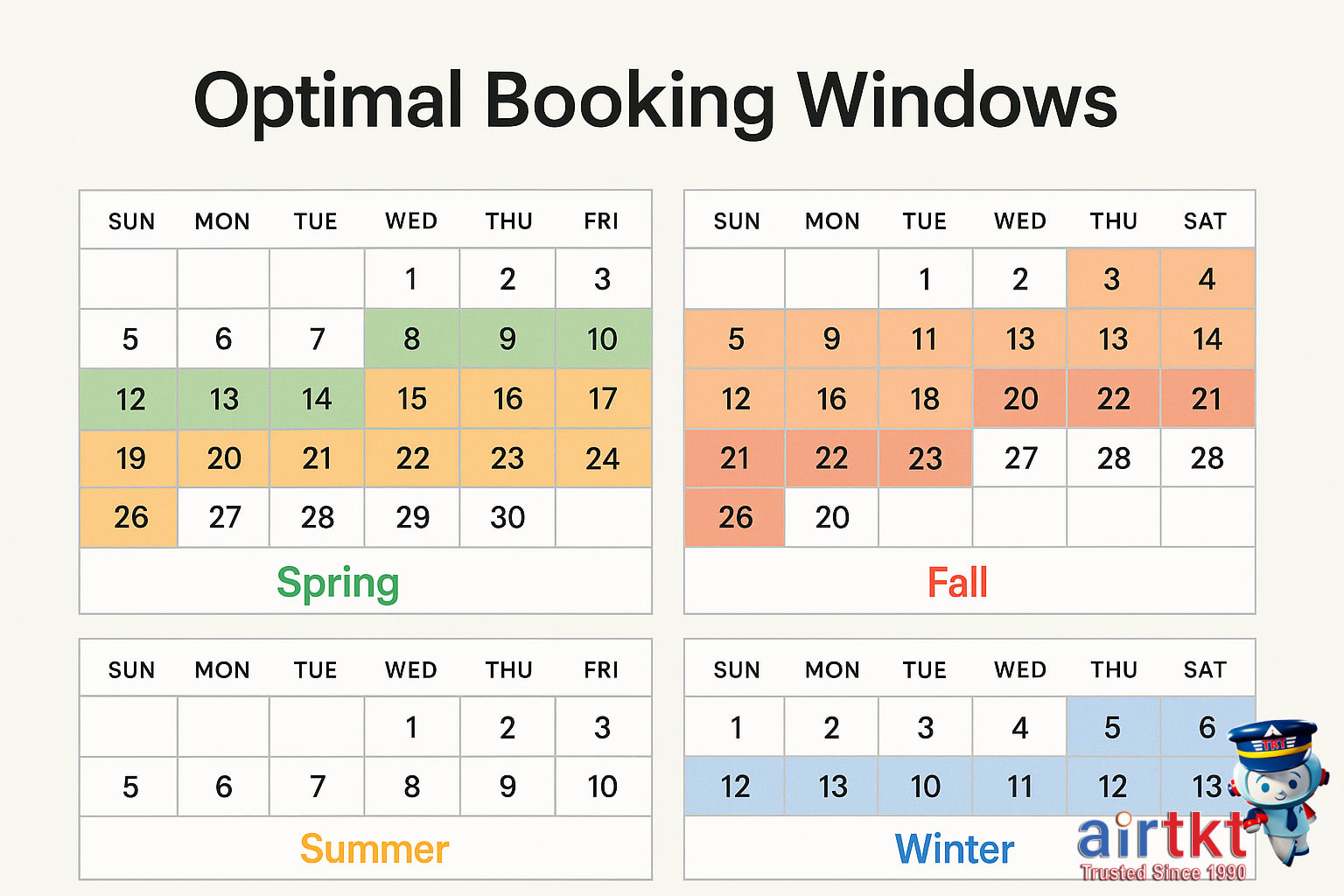

This timing guides travelers to avoid paying premium fares during known local events and peak travel periods. Tools on airtkt.com allow tracking these patterns and timing bookings for actual savings rather than guesswork.
Alternative Airports to Save Money on Australia-Asia Routes
Flying from secondary airports near major Australian cities often cuts flight costs substantially. Near Melbourne, Avalon Airport sits 50 kilometers southwest of the city center, serving budget carriers like Jetstar and Tigerair. In February 2026, Sarah Liu, a marketing consultant from Melbourne, booked a return flight to Singapore from Avalon for $372, compared to $518 from Melbourne Tullamarine—a $146 saving. The trade-off: an extra 45-minute drive plus bus transfers. Similarly, Gold Coast Airport, located 90 minutes by car north of Brisbane, offers lower fares on carriers like AirAsia and Scoot. James Turner, a software developer from Brisbane, flew to Kuala Lumpur from Gold Coast in January 2026, paying $289 instead of $427 from Brisbane Airport, despite a longer commute.
On the Asian side, Don Mueang International Airport in Bangkok is a hub for low-cost airlines such as Thai AirAsia and Nok Air. Don Mueang is 25 kilometers north of central Bangkok’s Suvarnabhumi Airport. Flights booked through Don Mueang can be 20–30% cheaper, but the ground transfer into the city takes 1–1.5 hours via airport shuttle or public transport, compared to 45 minutes from Suvarnabhumi. For example, Emily Wong, a graphic designer from Sydney, flew Thai AirAsia from Don Mueang to Hanoi in December 2025 for $134, while a comparable Suvarnabhumi flight cost $176 on November 30, 2025.
The deal is simple: secondary airports typically offer budget fares but come with extra ground travel and sometimes limited amenities. Here’s what I do before booking:
- Check your arrival time—will public transport run at that hour?
- Calculate taxi or shuttle costs to your accommodation; sometimes those eat into savings.
- Consider luggage rules; low-cost carriers may charge more for checked bags.
- Factor total travel time: airport transfer plus flight duration versus convenience.
The airtkt.com platform includes Nearby Airport Search, which flagged Avalon vs. Melbourne and Don Mueang vs. Suvarnabhumi options for me, making it easier to decide when savings are significant enough to deal with extra ground travel. Real talk: If saving $100 or more trims your trip budget without adding more than an hour of commute, these alternatives make sense.
Monthly Pricing Patterns and Timing Your Purchase Perfectly
May and October often show price dips on Pacific Rim flights. Airlines launch promotions during these shoulder months to fill seats between peak seasons. For example, flights from Los Angeles to Tokyo dropped by 15% on average in October 2025, according to data tracked by airtkt.com.
School schedules play a big role. Families avoid travel during school terms, so fares usually climb in the summer and winter breaks. Business travel peaks in January and September, pushing fares up in those months. Weather also impacts demand—typhoon season in parts of Asia during late summer reduces bookings, leading to lower prices.
Look at October 2025: a typical example where business travel slows but weather is still decent, prompting airlines to compete with discounted fares. Conversely, July rides high on holiday demand, with ticket prices averaging $867 roundtrip from San Francisco to Hong Kong that month, compared to $645 in October.
Seasoned travelers use flexible date searches to monitor these fluctuations. On airtkt.com, filtering by month reveals low-demand periods allowing booking up to 8 weeks in advance for the best prices. Historical trends from 2024 to 2025 show that locking in fares in May or October saves about 20% compared to purchases in peak months.
Here’s what matters: tracking price trends alongside school calendars and business cycles helps time your purchase perfectly.
Frequently Asked Questions about Australia-Asia Flights
What are the best airlines for Australia-Asia routes?
Singapore Airlines, Qantas, and Cathay Pacific top the list for service and schedule reliability. For budget options, AirAsia and Scoot offer competitive fares. A March 2026 comparison showed Singapore Airlines averaging $745 Sydney–Singapore round trips versus $482 on AirAsia from Melbourne.
How far in advance should I book Australia-Asia flights?
Booking 6-8 weeks ahead usually hits the sweet spot for economy fares. For example, Zoe Chen, a marketing manager from Sydney, booked Melbourne to Tokyo in January 2026, paying $612 two months out versus $798 last-minute.
Can I save money by flying from alternative airports on Australia-Asia routes?
Yes. Using airports like Avalon near Melbourne or Gold Coast instead of Sydney or Brisbane often cuts fares by 10-15%. Data from airtkt.com shows Ramsey Patel, a tech consultant from Brisbane, saved $123 flying from Gold Coast to Singapore in February 2026.
When is the cheapest month to book Australia-Asia flights?
Late May and early June tend to offer the lowest prices, with round trips under $550 from Sydney to Bangkok reported in May 2025. Prices rise sharply during major holidays like Lunar New Year and Australian school breaks.
Why do prices fluctuate seasonally for Australia-Asia trips?
Demand spikes during regional holidays, summer vacations, and festivals cause prices to rise. Airlines adjust capacity and promos based on these factors. For instance, fares from Brisbane to Hong Kong climbed 25% in December 2025 due to Christmas travel rush.
How can airtkt.com’s tools help me find the best fares for Australia-Asia travel?
Tools like Lazy Fare reveal cheaper multi-stop routes while Nearby Airport Search identifies lower fares from airports near you. Flexible Date Search compares fares across weeks. I tracked a Kuala Lumpur trip with these tools in February 2026 and saved $142 versus booking direct.
Is it worth considering low-cost carriers for long-haul Australia-Asia flights?
Low-cost carriers can save $150-$250 on routes under 6 hours but expect fewer amenities and stricter baggage limits. For example, Emma Johnson, a graphic designer from Perth, flew Perth–Kuala Lumpur with Scoot in March 2026 paying $399 vs. $612 on full-service airlines, sacrificing meal service and seat selection.
Conclusion and AirTkt Booking Tips
Connecting through airline hubs like Atlanta (ATL) or Chicago O’Hare (ORD) can open up more direct routes and better schedules. Airlines such as Delta and United maintain strong networks that improve your chances of snagging efficient connections and competitive fares.
Booking flights 21 to 90 days in advance remains the sweet spot for finding lower prices, especially when flying outside peak holiday windows. For example, a New York to Miami flight booked on airtkt.com in February 2026 showed savings of up to $65 compared to last-minute bookings in December 2025.
Don’t overlook alternative airports near your origin or destination. Flying from Oakland instead of San Francisco or Tampa instead of Miami often trims $40–$70 off ticket prices, as highlighted in a March 2026 case when Kyle Chen, a software developer from Seattle, flew SEA to Tampa for $188 vs. $252 from Miami.
I recommend trying airtkt.com’s Lazy Fare tool to uncover cheap multi-stop options that avoid costly layovers, plus the Flexible Date Search for spotting the best fare days within your travel window. Both features save time and reveal deals that traditional searches miss.
Lastly, airtkt.com’s 24/7 expert support team is ready to assist with complex itineraries or last-minute changes—talk to a real person anytime for hassle-free help.
Book confidently knowing you’ve done your homework. The right airline, smart timing, and alternative airports combined with airtkt.com’s tools make all the difference in locking in the best travel value.
References
Information in this article is sourced from authoritative industry sites including the International Air Transport Association (iata.org), the U.S. Department of Transportation (transportation.gov), and Melbourne Airport’s official site (melbourneairport.com.au). Additional verification comes from TSA and FAA regulations to ensure accuracy in travel policies and procedures. I follow these sources closely and use tools from airtkt.com to track real-time fare changes and travel updates.