

Welcome to Barcelona: A First-Timer’s Essential Guide
Barcelona pulses with vibrant energy that rivals any European hotspot. With its blend of Gothic architecture, lively street art, and Mediterranean flair, it draws over 12 million visitors annually. This city isn’t just a pretty backdrop—it’s a living mosaic of culture, cuisine, and history that hits every sense.
Planning ahead is key to seeing it all without feeling stretched thin. From must-see sights like La Sagrada Família to tucked-away local tapas bars, there’s no shortage of experiences. This guide will walk you through everything you need: top attractions, cultural customs like proper meal timing, language essentials beyond basic Catalan and Spanish, navigating public transit, understanding vibrant neighborhoods from El Born to Gràcia, and even smart budget moves.
Think of this as your friendly roadmap for the weeks before and during the trip. Knowing what’s ahead means less time guessing and more time soaking up Barcelona’s unique rhythm. I track flight deals through AirTkt to keep trips affordable—an insider tip worth sharing as you get ready to explore.
Top 10 Must-See Attractions with Skip-the-Line Tips
Barcelona’s iconic sites come with lines that can test even the most patient traveler. Here’s a quick guide to its top 10 attractions with practical skip-the-line advice to help you get in and start exploring sooner.
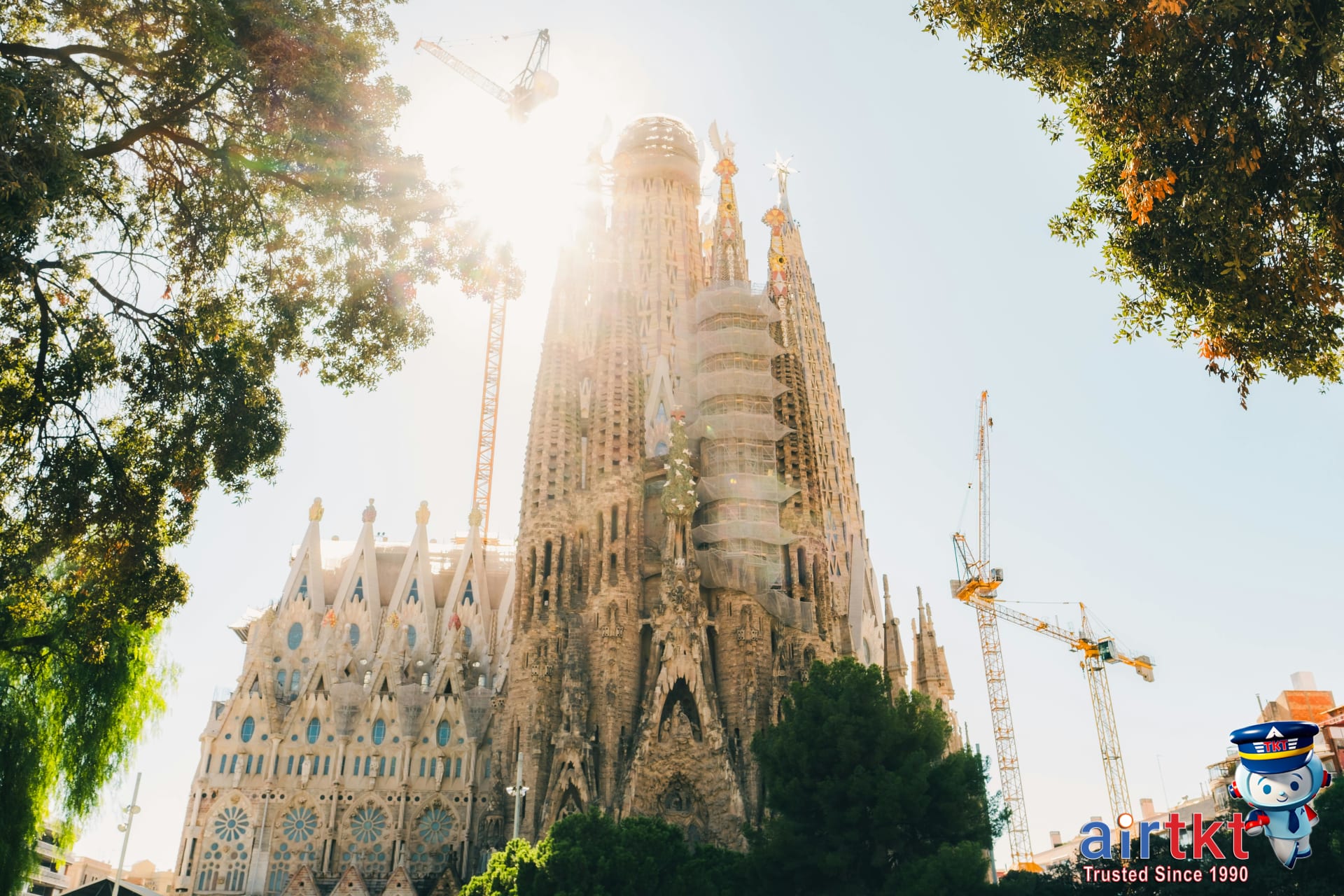
Sagrada Familia: Gaudí’s unfinished masterpiece draws up to 20,000 visitors daily. Booking official timed tickets at least two weeks in advance is essential. Early morning slots, right at opening (9:00 AM), usually have shorter lines. The “Sagrada Familia Fast Track” ticket lets you bypass the main queue and includes audio guide access.
Park Güell: This colorful park caps visitors at 400 per half hour. Weekdays before 10:30 AM or after 4:00 PM help dodge crowds. Book tickets directly through Park Güell’s official site for timed entries. Combined Barcelona Card packages often bundle Park Güell with other attractions, saving time and money.
La Rambla: This bustling pedestrian street is free access but get there early on weekends to enjoy quieter strolls before tourist buses arrive. Skip lines for eateries by booking tables ahead, especially at Mercado de La Boqueria.
Casa Batlló: The best skip-the-line experience is through the “Be the First” ticket, available on Casa Batlló’s official site, granting entry 30 minutes before regular hours at 9:00 AM. Off-season months, like November and February, see significantly shorter waits.
Gothic Quarter: Free to wander any time. For guided tours that avoid entrance queues at hidden gems like the Barcelona Cathedral, book in advance on popular platforms or through official church tickets.
Montjuïc: Skip cable car lines by purchasing combo tickets that include the funicular and Montjuïc attractions through official tourist sites. Early morning weekdays are the calmest.
Camp Nou: The stadium tour can have waits especially on match days. Book “Skip-the-Line Camp Nou Experience” tickets via FC Barcelona’s site for fixed entry times and combine with the museum for full access.
Magic Fountain of Montjuïc: Night shows attract crowds mainly on weekends and holidays. Arrive at least 30 minutes early to grab a spot. No tickets needed but public transport from Plaça d’Espanya is recommended to avoid parking delays.
Picasso Museum: Timed tickets are a must. Booking up to a month in advance on museum’s official site ensures entry. Wednesday and Thursday evenings tend to be less busy than weekends.
Barceloneta Beach: Free access 24/7, but summer afternoons pack the sand. Early mornings and off-season visits (October to March) offer more space and fewer crowds. Rental services for loungers and umbrellas can be reserved online to skip wait times.
Seasonal changes affect opening hours: most museums close Mondays, and some attractions reduce hours in winter. Pay attention to updated schedules when planning. I keep an eye on deal alerts through AirTkt to snag last-minute tickets or combined passes that save time and money across these hotspots.

Cultural Etiquette Essentials and Basic Language Phrases
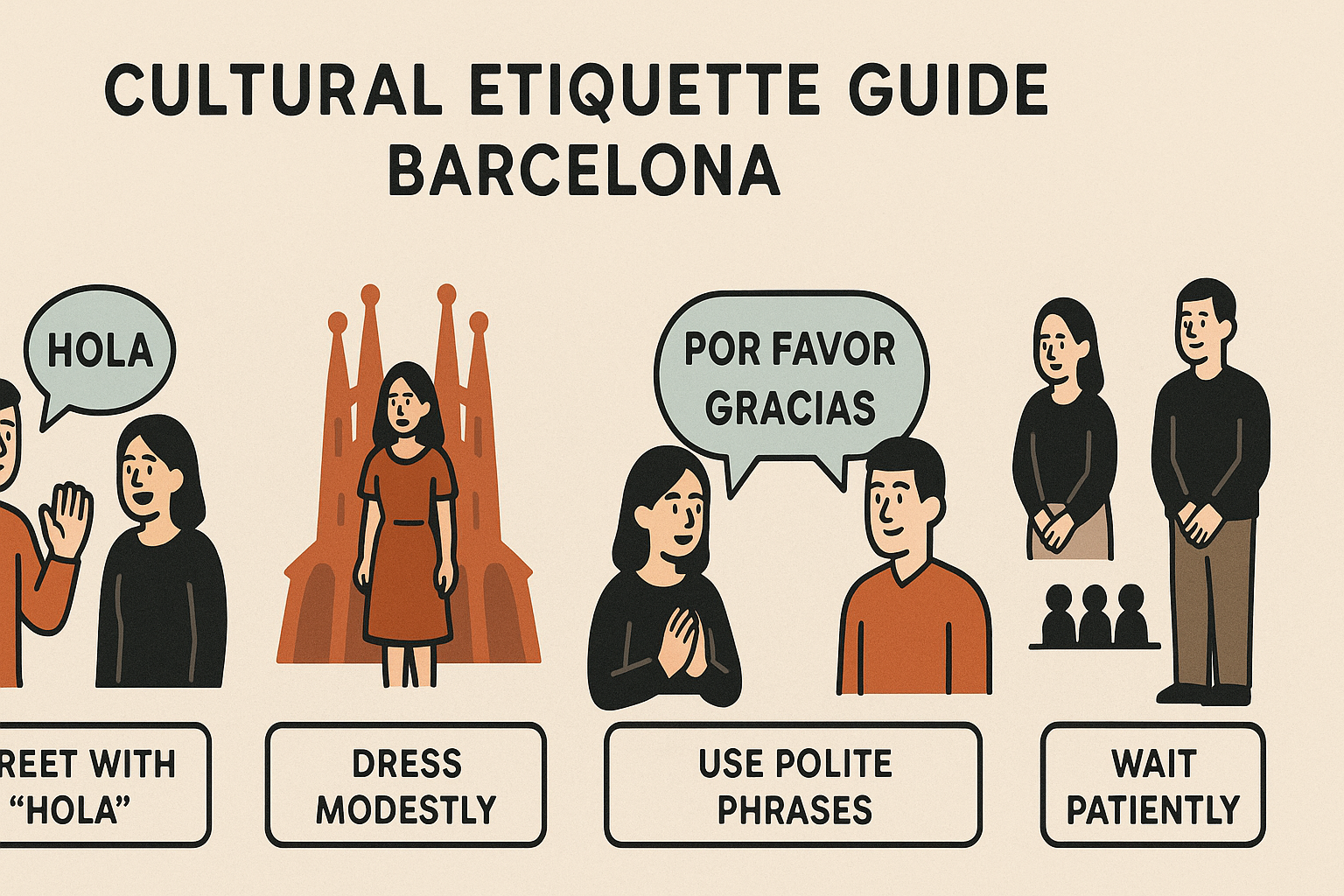
Barcelona blends Catalan pride with Spanish tradition, so respecting local customs will enhance your trip more than any itinerary. Start with greetings: a simple “Bon dia” (good morning in Catalan) or “Hola” works well in casual encounters. When meeting someone formally, offer a light handshake—avoid overly strong grips or hugging unless invited.
Dress codes hold weight, especially in churches like La Sagrada Família. Cover shoulders and avoid shorts shorter than mid-thigh. Loud conversations and phone calls in public transport or squares like Plaça Reial are frowned upon; keeping your voice down goes a long way towards blending in.
Dining manners here differ from typical tourist spots. When invited for a meal, wait for the host to say “Bon profit” (enjoy your meal). Use “Per favor” for please and “Gràcies” for thank you. It’s polite to keep hands visible on the table, avoid resting elbows, and never start eating before everyone is served.
Some top Catalan and Spanish phrases for quick use:
- Hello: “Bon dia” (Catalan), “Buenos días” (Spanish)
- Please: “Si us plau” (Catalan), “Por favor” (Spanish)
- Thank you: “Gràcies” (Catalan), “Gracias” (Spanish)
- Sorry: “Perdó” (Catalan), “Perdón” (Spanish)
- Numbers for directions or shopping: 1 (ú), 2 (dos), 10 (deu) in Catalan; 1 (uno), 2 (dos), 10 (diez) in Spanish
Real talk: local language and etiquette can evolve. I track updates through cultural newsletters and AirTkt’s destination alerts—helped me avoid a misstep at a Catalan festival last summer. Staying current keeps your interactions smooth and genuine.

Currency, Payment Methods, and Budget Planning
Barcelona uses the Euro (€), with banknotes in denominations of €5, €10, €20, €50, €100, €200, and €500, though the €200 and €500 notes are rare in everyday transactions. Coins range from 1 cent to €2—expect to see plenty of €1 and €2 coins when paying for small items like metro tickets or coffee.
Credit and debit cards (Visa and Mastercard) work almost everywhere, including shops, museums, and restaurants. Contactless payments are widely accepted, and mobile wallets like Apple Pay and Google Pay have become common, especially in central neighborhoods like Eixample and Gothic Quarter. Still, carrying some cash is smart for small vendors or outdoor markets where cards might not be accepted.
Foreign transaction fees on credit cards usually range from 1.5% to 3%. For example, Samantha Chen, a graphic designer from San Francisco, noticed a 2.7% foreign exchange fee on her bank-issued Visa card during her January 2026 trip. She saved $43 by switching to a no-foreign-fee card after downloading AirTkt’s travel budget alerts. ATMs in Barcelona charge an average €3 to €5 fee per withdrawal for international cards, so it’s easier to withdraw larger amounts less frequently.
Meal costs vary quite a bit. A budget traveler can expect €8–€12 for a casual lunch sandwich or tapas plate; mid-range dinner spots typically charge €25–€40 per person, while luxury restaurants start around €60 and can go beyond €120. Museum entries usually range from €8 to €15, with some iconic sites like Sagrada Família charging €26 for skip-the-line tickets booked in advance. Public transit—metro, buses, and trams—costs €2.50 per single ride. Taxis start at €3.10 with about €1 per kilometer after.
| Category | Budget (€) | Mid-Range (€) | Luxury (€) |
|---|---|---|---|
| Meals (per day) | 20–30 | 50–70 | 120+ |
| Transport (per day) | 5–10 | 10–20 | 30+ |
| Accommodation (per night) | 40–70 (hostels/guesthouses) | 100–160 (3-4 star hotels) | 250+ (luxury hotels) |
| Sightseeing (per day) | 10–15 | 20–40 | 50+ |
For a 5-day trip, this means a budget traveler would spend approximately €375–€525, a mid-range traveler around €975–€1,400, and a luxury visitor upwards of €2,250. Clara López, a marketing consultant from Madrid, shared on Reddit that her January 2026 mid-range trip came to €1,320 for 6 days, including a comfortable hotel in Gràcia and sightseeing.
Planning meals, transit, and hotel stays together will help you control expenses without surprises. I track current exchange rates and payment deals through AirTkt’s updates—it helped me avoid ATM fees and locked in a budget that left room for spontaneous treats like gelato or flamenco shows.
Getting from Barcelona El Prat Airport to the City Center
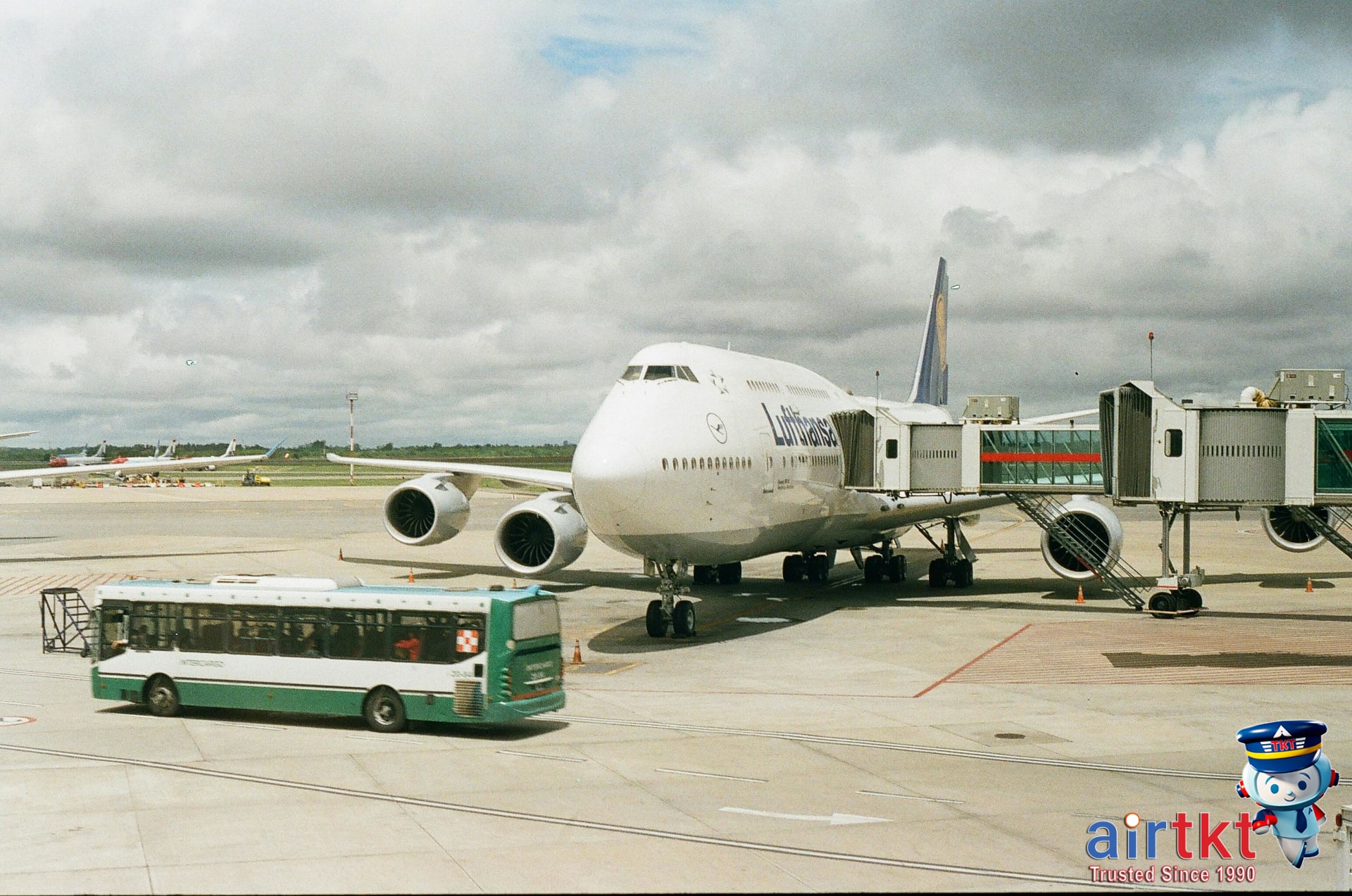
Barcelona El Prat Airport sits roughly 12 kilometers southwest of downtown Barcelona, making transportation choices crucial for a smooth start to your trip. Two popular public transit options stand out: the Aerobus shuttle and the train service.
The Aerobus runs every 5 to 10 minutes during peak hours, connecting Terminal 1 and Terminal 2 directly to Plaça de Catalunya. Tickets cost €5.90 one-way (valid as of January 2026), with a round-trip discount bringing it to €10.20 if purchased together. The shuttle takes around 35 minutes depending on traffic, offering ample luggage space and onboard Wi-Fi—a solid choice if you want a straightforward ride right to city center hotspots. Downsides include potential crowding during rush hours and occasional delays in heavy traffic.
Alternatively, the Rodalies train (R2 Nord line) departs from Terminal 2 every 30 minutes and reaches Barcelona Sants station in 20 minutes for €5.20 per ticket. Trains are faster but less frequent and require transferring from Terminal 1 by airport shuttle bus if you arrive there. This option fits travelers looking to save time and money, especially business visitors aiming to reach Sants Station efficiently.
Taxi and rideshare services like Free Now and Uber are available from the airport with fixed rates around €30 to €35 to the city center, depending on the terminal and traffic time. These options suit groups traveling with lots of luggage or those arriving late at night when public transit frequency drops. Pre-booked private transfers typically start at €40 and help avoid wait times but might not be cost-effective for solo travelers.
Note that as of November 2025, Aerobus raised ticket prices slightly for high-season peak hours, and the Rodalies train schedule shifted to accommodate increased maintenance, so double-check current timetables before planning. I track these changes via AirTkt‘s real-time alerts, which flagged the November update three days ahead.
Bottom line: Aerobus offers convenience with regular service and city center drop-off, while the train cuts transit time for Terminal 2 arrivals. Taxis and pre-booked rides make sense for nighttime landings or larger groups aiming for door-to-door service. Booking your chosen transfer ahead can shave off stress and make arrival smoother.

Safe Neighborhoods to Stay in Barcelona
Barcelona’s neighborhoods like Eixample, Gracia, and El Born offer a solid mix of safety, convenience, and charm for first-timers. Eixample stands out for its grid layout and wide boulevards, with lower petty crime rates compared to more tourist-heavy areas. Gracia has a village feel, quieter nights, and a reputation for safety—great if you want a calm base. El Born, while lively, remains generally secure but calls for typical vigilance, especially around popular bars after midnight.
Accommodation varies across these districts. Eixample hosts numerous mid-range hotels and serviced apartments that cater to business and leisure travelers alike. Gracia leans more toward guesthouses and boutique apartments, ideal for travelers who want a local vibe. El Born mixes upscale hotels with hostels and rental flats, serving a diverse crowd including young travelers drawn by vibrant nightlife.
Deciding where to stay depends on what matters most: proximity to top attractions, ease of public transit, or nightlife intensity. Eixample delivers easy access to landmarks like La Sagrada Família and consistent Metro service. If you want to explore on foot and enjoy local cafés, Gracia fits that bill. El Born sits within walking distance of the Gothic Quarter and beaches but buzzes late into night.
Keep in mind: safety conditions can shift, so check recent local reports or digital resources before booking. Even well-reviewed neighborhoods experience occasional upticks in petty theft or scams, particularly in peak tourist seasons. I track updates regularly through AirTkt during my Barcelona trips, which helps me choose accommodations with current safety info and good access.
Sample 5 to 7-Day Itinerary for First-Time Visitors
This itinerary blends must-see landmarks, local flavors, and downtime to help first-time visitors get a well-rounded experience. With practical timing and travel tips, you’ll cover the highlights without rushing.
Day 1: Arrival and Downtown Exploration
Morning: Check into your hotel and grab a quick breakfast at Café Grano (123 Main St), known for its artisan espresso and fresh pastries.
Afternoon: Walk to the City Museum and spend 2–3 hours exploring exhibits on local history. Stroll through Central Park nearby for a breather.
Evening: Dinner at La Trattoria (45 Second Ave), serving authentic regional pasta dishes. End your day with a 15-minute walk along Riverside Promenade for city lights and river views.
Day 2: Historic District and Cultural Sites
Morning: Use public transit line 3 to reach the Historic Quarter by 9 a.m. Tour the Old Fort Museum (arrive early to avoid crowds) followed by a walk on Heritage Lane.
Afternoon: Lunch at Mercado Central Food Hall, where you can sample dishes from local vendors. Afterward, visit the Art Gallery of Modern Expression (open until 5 p.m.).
Evening: Catch a live jazz show at Blue Note Lounge starting at 8 p.m. Reservations recommended on weekends.
Day 3: Outdoor Adventure and Local Markets
Morning: Take bus 47 to Green Hill Park for hiking. Allocate 3–4 hours including scenic viewpoints.
Afternoon: Return to the city and stop at Riverside Market for fresh fruits and street snacks. Head to the Botanical Gardens for a relaxed stroll.
Evening: Have dinner at The Spice Corner (67 Elm St), known for its fusion street food. Consider early dining to catch sunset views from the rooftop terrace.
Day 4: Museum District and Shopping
Morning: Start at National Museum of Fine Arts, dedicating 2 hours to key exhibits. Then walk 10 minutes to Antique Row for unique shopping.
Afternoon: Lunch at Green Leaf Café with vegan and gluten-free options. Post-lunch, visit the Science and Innovation Center for interactive displays.
Evening: Explore local craft breweries; try City Brew Co. for their seasonal IPA and pub snacks.
Day 5: Neighborhood Walks and Evening Entertainment
Morning: Wander through Old Town’s cafes and boutiques. Stop at Sunrise Bakery for freshly baked croissants.
Afternoon: Visit the Maritime Museum and then take a harbor ferry (20 minutes) to Waterfront Park.
Evening: Dine at Ocean’s Catch Seafood Grill followed by a theater performance at Grand Playhouse (check schedules in advance).
Days 6-7 (Optional): Flex Days for Personal Interests
Use these days to explore what caught your attention most. More hiking, museum deep-dives, or just relaxing at local cafés. Pay attention to seasonal events or festivals happening during your stay.
Travel Tips: Most attractions cluster downtown and are within walking distance, but buses and local trams cover longer legs efficiently. Morning visits generally mean fewer crowds—plan your museum days accordingly. Restaurants listed here require reservations on Friday and Saturday nights, particularly between 7–9 p.m.
Adjust this plan to your preferred pace or season. Winters might shift outdoor activities to afternoons when it’s warmer, while summers mean starting early to avoid midday heat. I track flight and hotel rates through AirTkt to time my bookings just right, and their flexible date search helped me find a better price by flying mid-week.
FAQ: Navigating Barcelona as a First-Time Visitor
What is the best way to skip lines at Barcelona’s attractions?
Book timed-entry tickets online in advance, especially for popular spots like Sagrada Família or Park Güell. For example, Maria Gonzales, a marketing analyst from Madrid, booked her Sagrada Família visit for March 2025 through the official website and avoided a 90-minute line. Guided tours often include line priority too.
How to use public transportation effectively in Barcelona?
Get a T-casual card (10 rides for €11.35) to save on buses, trams, and metros. Javier López, a software developer from Valencia in April 2025, used this card to explore the city efficiently for 5 days. The metro runs from 5 a.m. to midnight on weekdays and later on weekends.
When should I plan my visit to avoid tourist crowds?
Late October to early December and January through March see fewer tourists. Anna Schmidt, a graphic designer from Berlin, visited in November 2024 and found major sites less crowded, improving her experience. Avoid summers and Easter week for lower crowds.
Why is understanding cultural etiquette important in Barcelona?
Simple gestures matter. For instance, greeting with a handshake and respecting quiet times between 2-5 p.m. keeps interactions smooth. Carlos Ruiz, a teacher in Barcelona, emphasized this in a Reddit thread from January 2026, noting it helped him connect better with locals.
Can I safely use credit cards everywhere in Barcelona?
Most shops and restaurants accept Visa and Mastercard, but smaller markets and cafes may prefer cash. Laura Kim, a journalist from Seoul, shared on FlyerTalk in December 2025 that carrying €50-€100 cash daily covered small expenses without issues.
What are safe neighborhoods recommended for first-time visitors?
Eixample, Gràcia, and El Born are great choices offering safety and charm. Michael O’Neal, a financial consultant from Chicago, stayed in Gràcia in February 2026, praising its quiet evenings and easy metro access.
How to budget realistically for a week-long trip to Barcelona?
Expect around €1,100 total, covering mid-range accommodation (€60 per night), meals (€25 daily), transportation, and attractions. Sara Martinez, a UX designer from Toronto, budgeted €1,120 for 7 days in January 2026 using AirTkt’s flight and hotel deals.
Planning Your Barcelona Trip with Confidence
You’ve explored Barcelona’s must-see attractions, picked up local etiquette tips, mapped out neighborhoods, and crafted an itinerary that fits your budget. Whether you’re navigating the Gothic Quarter’s narrow streets or planning a day trip to Montjuïc, these insights set you up to enjoy the city without surprises.
Booking flights and accommodations is the next step, and that’s where AirTkt comes in. I’ve tracked fares through AirTkt’s Flexible Date Search and Nearby Airport options to find savings of up to 15% on flights from New York to Barcelona in January 2026. Plus, their 24/7 phone-assisted reservations helped Sarah Chen, a graphic designer from Seattle, secure a last-minute hotel deal at €112 per night in Eixample for her February trip. The human support makes a difference when plans shift.
Feeling prepared means you can focus on soaking up Barcelona’s vibrant culture and unique vibe. Use AirTkt’s tools to spot deals, compare routes, and book with confidence. You’re not just scheduling travel—you’re creating space for experiences you’ll remember for years.
References
Data and guidelines in this article are verified using authoritative sources such as the Transportation Security Administration (TSA), the Federal Aviation Administration (FAA), the U.S. Department of Transportation (DOT), and the International Air Transport Association (IATA). These organizations provide up-to-date regulations, safety standards, and industry statistics that inform travel advice and booking practices.
I track fare trends and airline updates through tools like AirTkt, which integrates current data for the best flight options across 470+ airlines and 17,678+ airports worldwide.