

Basic Economy vs Regular Economy Fares

If you’re hunting for the lowest fare online, you’ve probably noticed basic economy options sitting below regular economy on the search results. Basic economy is a bare-bones ticket class growing in popularity as airlines seek to attract budget travelers. Unlike regular economy, these fares typically come with more restrictions—think limited seat selection, luggage limitations, and often a no-changes, no-refunds policy. Regular economy usually includes one carry-on, seat assignment at booking, and the ability to make changes or upgrades for a fee.
Over the past few years, carriers have expanded basic economy options on many routes. It’s easy to see why—airlines want competitive price points on fare comparison sites, but those low prices often come with significant tradeoffs. I’ve personally weighed basic versus regular economy several times when booking a short flight for a quick getaway. If I knew I’d only travel with a small backpack and didn’t care about sitting in the middle seat, the basic fare sometimes felt worth the savings. Still, I always take a minute to check exactly what’s included, since missing a detail—like not being able to bring a carry-on—could wind up costing more in the long run.
Before you hit purchase, I recommend reading every fare rule on the final booking page. Even airlines that look nearly identical in search results might differ when it comes to what’s allowed or what costs extra. For more ways to trim your ticket price and avoid surprises, check out the budget travel tips on airtkt.com for guidance.
What Basic Economy Fares Include
Basic economy fares can look like a bargain, but they come with trade-offs you’ll want to understand before you book. At their core, these tickets are designed for travelers willing to give up certain conveniences for a lower fare. Typically, a basic economy ticket includes a standard seat somewhere in the main cabin (not premium zones), but seat assignments aren’t available until check-in—or sometimes even assigned at the gate.
Baggage rules are where most people, myself included, run into trouble. Many basic economy fares only allow one personal item that fits under the seat in front of you—no full-size carry-on goes in the overhead bin. I once found this out the hard way when my small suitcase was flagged at the gate and I had to pay about $35.00 to check it unexpectedly. The limits can be confusing, especially because carry-on bag rules, checked bag fees, and personal item sizes often differ between airlines, and sometimes even between routes.
Other Common Restrictions
- No changes or cancellations allowed (in many cases, tickets are fully non-refundable—even for a fee).
- Boarding group is typically last, which can reduce the chance of finding overhead bin space if your airline does allow a carry-on.
- No upgrades or eligibility for preferred boarding, frequent flyer benefits may be restricted.
- Some airlines don’t include any checked bag allowance—not even on international routes—so checking a suitcase means paying extra, often at a higher rate than standard fares.
Airlines set their own policies, which is why I always suggest checking baggage rules directly with your carrier before you finalize a booking. If you want extra clarity, airtkt.com offers a detailed guide to airline baggage policies to help compare before you click purchase. Remember, “basic” doesn’t mean the same thing everywhere.
Comparing Basic And Regular Economy Fares

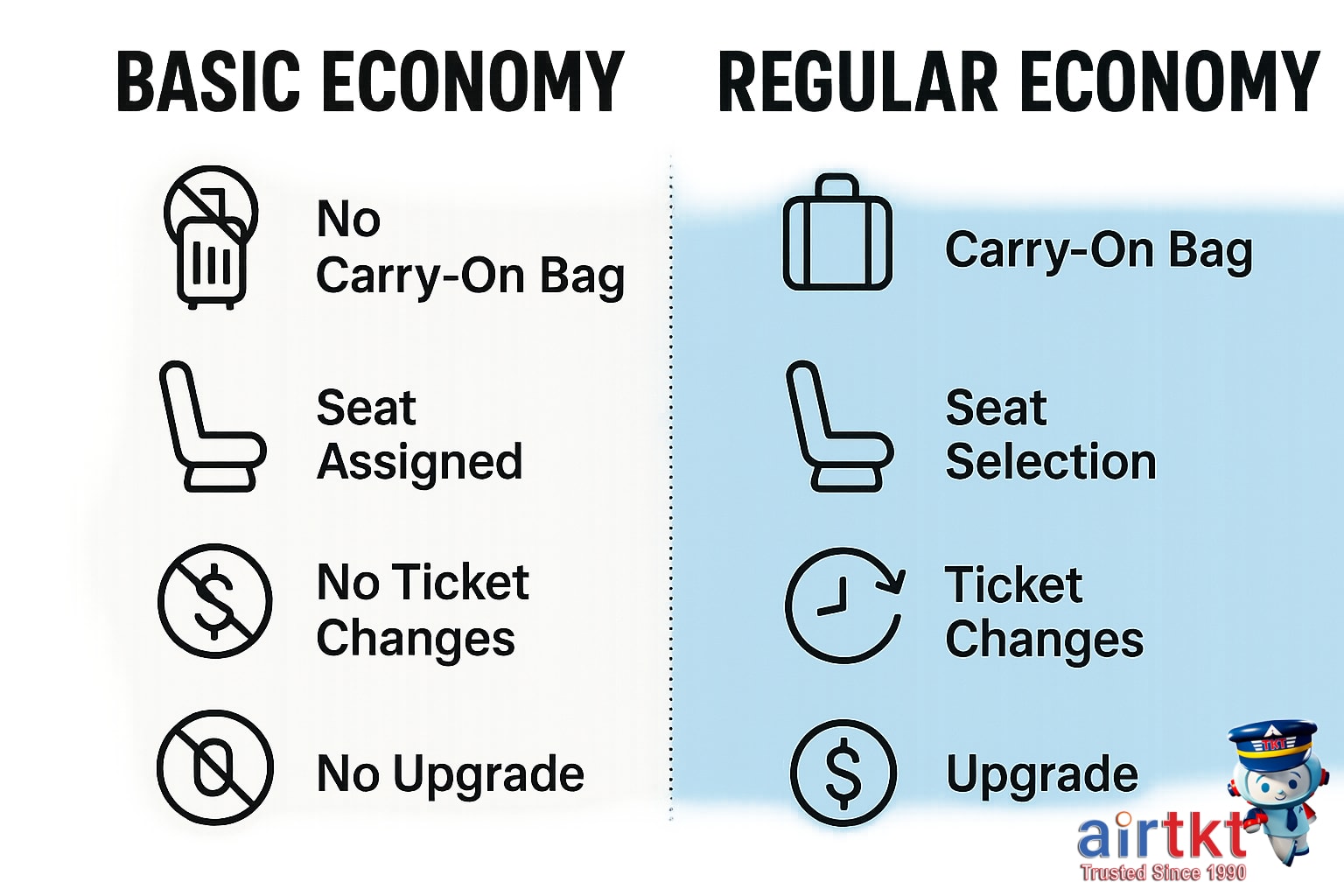
Basic economy and regular economy may sound similar, but the differences become pretty stark once you look closer—especially with seat comfort, rules around changes and cancellations, and what’s included on board. Here’s a straightforward comparison chart to help you quickly see how the main features stack up:
| Feature | Basic Economy | Regular Economy |
|---|---|---|
| Seat Selection | Usually assigned at check-in | Included or available during booking |
| Change/Cancellation Flexibility | Generally not allowed or fees are high | Some flexibility, lower or no fees |
| Onboard Benefits | No early boarding, limited overhead bin access | Standard boarding, full bin access |
| Checked & Carry-On Bags | Carry-on may cost extra | Full-size carry-on typically included |
| Meals & Drinks | Sometimes less selection | Standard options included |
Seat Comfort And Change Rules
If you’re tempted by the budget-friendly basic economy, just know you’re likely giving up advanced seat selection, extra legroom, and any real flexibility if your plans shift. I’ve had flights where saving a few dollars meant getting a middle seat in the very last row—definitely fine for a quick hop but not ideal for a longer journey.
Onboard Perks And Bin Access
Regular economy usually means a bit less stress: you can bring a full-size carry-on, board with your group, and count on having access to the overhead bins. Basic economy may restrict you to just a personal item, and you might board last (which risks your bag getting gate-checked). Meal service is also sometimes pared down for basic fares, especially on shorter or budget routes.
When I’m booking a cross-country or international trip, I’m much more likely to splurge on regular economy for the seat selection and change flexibility. For a short, one-hour flight, though, basic economy often gets the job done if I want the lowest price. If you’d like a deeper dive, check out airtkt.com‘s fare class comparison tools—they break down the differences in far more detail for your route.
Comparing Basic Economy Across Airlines

Basic economy isn’t a one-size-fits-all offer—what you get (and what you don’t) depends a lot on the airline you choose. Among the big three in the U.S., each carrier—Delta, United, and American—structures their basic economy fares a bit differently. If you’re only focused on saving money, all three typically offer competitive base fares, but it’s the fine print that really matters.
Baggage, Seats, and Fees
Delta’s basic economy lets you board with a full-sized carry-on, but you’ll be assigned your seat at check-in and can’t make changes. United also assigns seats at check-in and prohibits advance seat selection; you’re limited to a personal item only as a carry-on unless you pay extra. American allows both a carry-on and personal item, but again, seats are assigned at check-in and changes aren’t allowed. Change fees vary, and in my experience, United’s penalties feel the strictest if your plans change last minute.
Personally, I find Delta’s approach is easiest to live with—just having that full-sized carry-on makes a difference for short trips when I want to avoid checked bag fees. But if seat selection is non-negotiable, you might want to price out a main cabin ticket instead.
Finding the Best Value
Comparing all these small details can be a headache. That’s why I usually start with airtkt.com‘s fare comparison tools. You can easily spot which basic economy deal fits your route and preferences, and catch flash sales or last-minute offers that airlines sometimes bury on their own sites. I’d never recommend picking by price alone—especially for longer flights where small perks add up.
Common Restrictions In Basic Economy Tickets
Basic economy fares can be tempting when you’re chasing a lower price, but it’s important to know exactly what you’re signing up for. These tickets almost always come with a set of restrictions that set them apart from standard economy, and while the savings might look appealing on the screen, the reality can mean less comfort and higher costs if you’re not prepared.
Key Limitations To Expect
- No advance seat selection: You’re typically assigned a seat at check-in or even at the gate, which makes traveling with friends or family tricky and sometimes lands you in a less desirable spot.
- Limited carry-on baggage: Some airlines only allow a personal item that fits under the seat, while overhead bin space may come at an extra fee—or not be allowed at all.
- No ticket changes or refunds: If you need to change your flight, you’ll usually have to buy an entirely new ticket. This inflexibility can quickly eat up any initial savings.
- Last boarding group: You’ll likely board last, when most of the overhead space is gone—which can be stressful if you’re traveling with anything more than a small bag.
These restrictions can add both inconvenience and surprise expenses to your trip. For example, on one of my recent trips with a basic economy ticket, I was caught off guard when my carry-on bag was too large for the “personal item” limit and had to pay around $40.00 to gate-check it. I also found it inconvenient not sitting with my travel partner, especially on a long flight when we wanted to coordinate plans during the journey.
In my experience, you’ll want to pack extremely light and accept the lack of flexibility before committing to basic economy. Don’t count on being able to upgrade or adjust your travel plans later—these tickets just don’t offer the wiggle room many travelers expect from other fare classes.
Advantages of Choosing Regular Economy
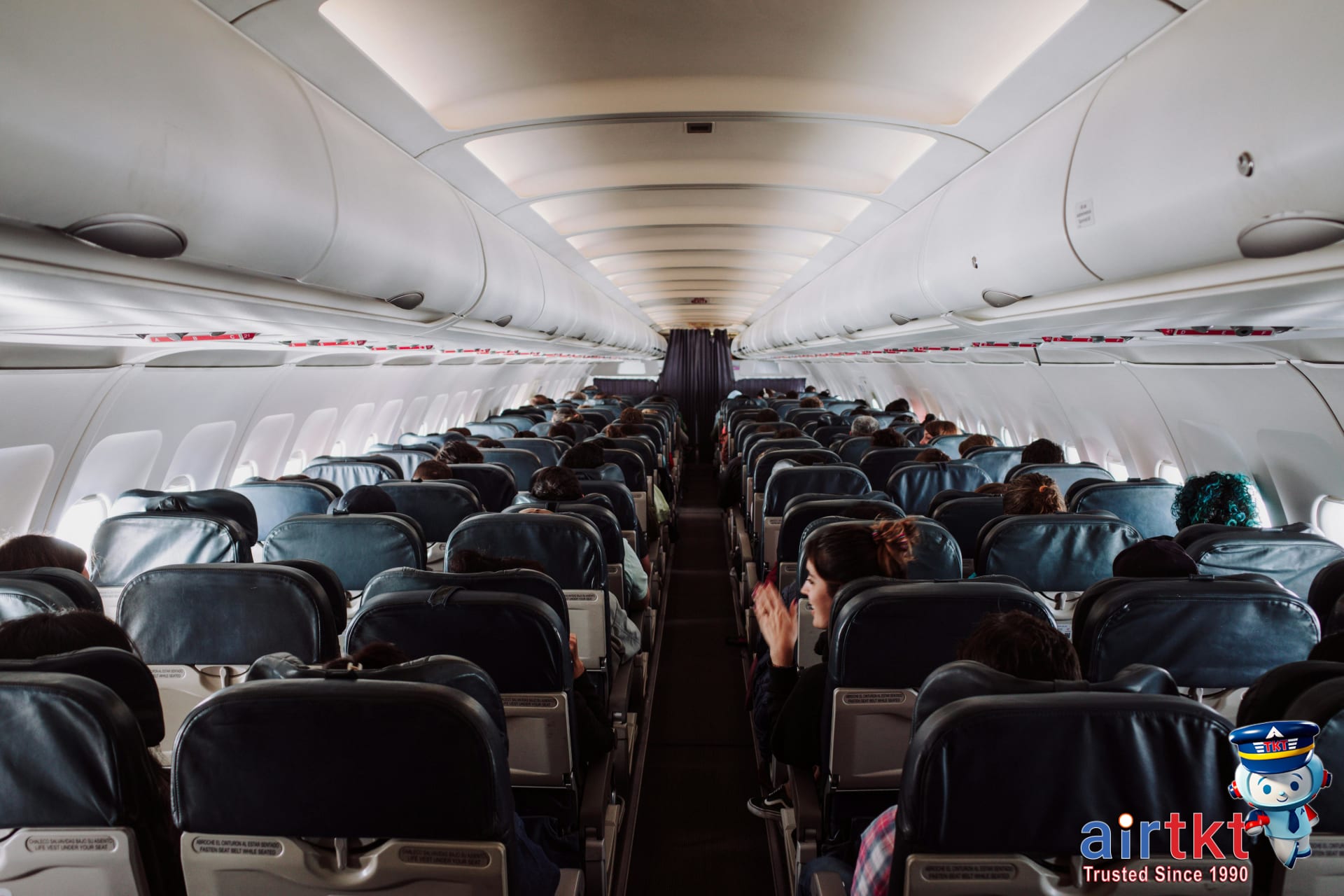
If you’re debating between basic economy and regular economy, it’s worth sizing up the upgrade—especially for longer flights. Regular economy often comes with more than just a better seat. Perks such as the ability to select your preferred seat in advance, regular meal or snack service, free carry-on bags, and extra legroom can all be included, making the travel experience noticeably more comfortable.
The area where regular economy really stands out is flexibility. Most regular economy fares allow you to change or cancel your flight for a reasonable fee, or sometimes for free, depending on the airline’s rules. If your plans might shift—think business trips, visiting family, or unpredictable schedules—this extra flexibility can be a real lifesaver. In my own travels, I’m willing to pay a bit more for regular economy if I think my schedule might change or if I know I’ll need space to work or rest. The peace of mind is usually worth it, even if basic economy looks cheaper at first glance.
Other benefits can include early boarding options, priority access to overhead bins, and a generally less restrictive baggage policy. Travelers who value comfort on the plane, want a more restful journey, or need reliability should seriously consider spending a little more for regular economy. If you’re wondering when to make the splurge, occasions like cross-country flights, business meetings the next morning, or connections with tight layovers are common times travelers find regular economy worthwhile.
If you’d like more guidance on flying comfortably, I’d suggest checking out the practical tips sections at airtkt.com—they’re a reliable place for smart, no-nonsense travel advice.
When Basic Economy Savings Are Worthwhile
There are plenty of travel scenarios where accepting the restrictions of a basic economy fare makes solid financial sense. In my experience, these savings are most worthwhile when I’m flying short-haul, don’t need checked baggage, or traveling alone. For a quick weekend trip where I just carry a backpack, basic economy often covers everything I actually need—and the lower fare leaves me more cash for things I care about once I land.
Solo travelers and those packing ultra-light are the biggest winners here. If you’re booking a flight under two hours, only need a personal item, and don’t care where you sit, basic economy can free up real room in your trip budget. For families or groups, the savings are less enticing once you factor in the extra costs for choosing seats or bringing additional bags—but for student trips, quick reunions, or spontaneous getaways, the math can work in your favor.
When I’m deciding, I weigh the total trip cost, not just the initial fare. Savings from basic economy really add up when multiplied across multiple trips or travelers. Just be sure you understand the limitations—like boarding order, change restrictions, or potential fees for seat selection—so there aren’t any surprises at the airport. Tools like the Lazy Fare search feature on airtkt.com make it easier to spot flights where basic economy offers the best overall value by comparing flexible routes and nearby airports.
Budget Table For Economy Fare Choices


It’s easy to focus just on the airfare when you plan your trip, but the decision between basic and regular economy actually ripples through your total budget. When I plan for a trip, I always notice basic economy fares can trim my upfront costs, but I’ve had to compensate elsewhere—like with added bag fees or less flexibility if my schedule changes. Here’s how a typical travel budget stacks up, depending on your fare class and spending style.
| Budget | Mid-range | Luxury | |
|---|---|---|---|
| Accommodation | $40.00 | $100.00 | $250.00 |
| Food | $15.00 | $40.00 | $100.00 |
| Transport | $70.00 | $150.00 | $300.00 |
| Activities | $20.00 | $60.00 | $150.00 |
How Fare Choice Impacts Your Budget
Choosing basic economy usually means the lowest advertised price, but remember, it typically excludes extras—like checked bags, advance seat selection, and sometimes even carry-ons. Regular economy fares cost more upfront, but if you value flexibility or know you’ll check a bag, that added cost can prevent later surprises. In my experience, doing the math for both ticket types before booking saves stress (and money) down the line.
Budgeting For The Whole Trip
It’s important to factor in more than just your airfare. Accommodation, meals, ground transport, and what you actually want to do at your destination all change what you’ll spend—even if you scored the best airfare deal from airtkt.com. Be sure to adjust each line of your budget depending on season, travel style, and whether your airline fare class will sneak in hidden fees, so you’re not caught off guard when it’s time to pay up.
Common Questions About Economy Fares

- What is a basic economy ticket?
Basic economy is a type of airline fare offering the lowest price but with more restrictions than regular economy. You usually get a standard seat, but there’s less flexibility for changes or cancellations, limited seat selection, and stricter rules for bags. It’s most attractive if budget is your top concern.
- Is basic economy really cheaper than regular economy?
Basic economy fares are typically the lowest offered on most airlines, but they come with trade-offs. While you might save money—often around $30.00 or so compared to regular economy—you’ll pay extra fees if you want to bring bags, choose seats, or make changes later.
- Can I bring a carry-on with basic economy?
Carry-on rules for basic economy vary by airline, but many limit you to just one personal item that fits under the seat. For example, a small backpack or purse is usually allowed. Overhead bin access may require an added fee, so check your ticket’s inclusions before you pack.
- Are basic economy tickets flexible if I need to change my flight?
Basic economy tickets are often non-refundable and don’t allow changes without a hefty fee—or sometimes not at all. If you want the freedom to adjust plans, it’s better to pay extra for a regular economy fare. I’ve seen this catch travelers off guard, especially on shifting itineraries.
- When should I pick regular economy instead of basic?
Choose regular economy if you want to pick your seat, travel with carry-on or checked luggage, or might need to change your flight. In my experience, travelers on longer trips or with tight connections often appreciate the extra perks and flexibility of regular economy, despite the higher price.
- Does earning frequent flyer miles differ between basic economy and regular economy?
Some airlines limit frequent flyer points or qualifying credits on basic economy fares, while regular economy tickets usually earn full rewards. If loyalty status is important, check your carrier’s rules before you book a basic economy ticket, as you could earn fewer miles on those fares.
- Are basic economy fares available on all flights?
Basic economy fares are widely available on major airlines and popular routes, especially in the U.S. and Europe. However, you won’t find them on every flight, particularly on regional or smaller international carriers. Always compare both fare types when booking on airtkt.com.
How To Make The Right Fare Choice
When it’s time to pick between basic economy and regular economy fares, it’s really about knowing your priorities and comfort level with trade-offs. Basic economy usually means traveling light, accepting a pre-assigned seat, and skipping early boarding—all in exchange for a lower price. Regular economy gives you a bit more wiggle room, like selecting a seat in advance and bringing a full-sized carry-on. I’ve noticed it comes down to how flexible I am for a specific trip, as well as how much I’ll mind extra restrictions.
Personally, if I’m heading out on a short weekend trip with just a backpack, I’ll seriously consider basic economy for the savings. But if family, long flights, or the chance of needing to change plans are involved, I lean toward regular economy. The fare comparison tools on airtkt.com make this whole decision easier for me, since I can easily spot which extras are included—and which ones might cost more than expected.
Before booking, I always recommend giving the airline fare rules and included amenities a careful review. Small details like checked bag charges or change penalty fees can make a low fare less of a deal than it seems. If you want to dig deeper, airtkt.com has easy-to-browse travel advice and detailed fare info to help you compare.
In the end, striking the right balance between up-front savings and the convenience you need is what makes a fare choice feel like the right one. Taking a few minutes to compare policies and think through your specific needs can save headaches later on.