

Economy Fare Options Overview
In recent years, Basic Economy fares have emerged as a significant part of airlines’ pricing strategies, offering travelers a no-frills option at a lower cost. This fare class strips down many traditional amenities to provide the bare essentials, allowing airlines to compete with low-cost carriers while maximizing revenue from passengers who prioritize price over comfort or flexibility. Understanding Basic Economy is key to navigating modern air travel deals wisely.
Traditional Regular Economy fares have long been the standard ticket type, including essential services such as seat selection, carry-on bags, and the option to change flights (often for a fee). Regular Economy represents the classic approach to pricing that balances affordability with comfort and convenience, appealing to the majority of travelers who seek value without forfeiting flexibility. Over decades, it has formed the backbone of airline ticketing structures worldwide.
This article will compare Basic Economy and Regular Economy fares in detail, helping you grasp their differences confidently. By understanding what each fare includes and excludes, you can make smarter booking decisions that fit your travel needs and budget. Whether you’re a seasoned flyer or booking flights for the first time, this knowledge empowers you to avoid unexpected fees and choose the best deal available.
Recent trends show airlines increasingly segmenting Economy into multiple fare buckets, responding to consumer demand for customizable options. While some travelers welcome reduced fares with limited perks, others find restrictions frustrating. Many consumers now scrutinize fare rules more closely, weighing the trade-offs before committing. Airlines continue to experiment with these fare classes to optimize profitability as the travel industry adapts to changing passenger preferences and competitive pressures.

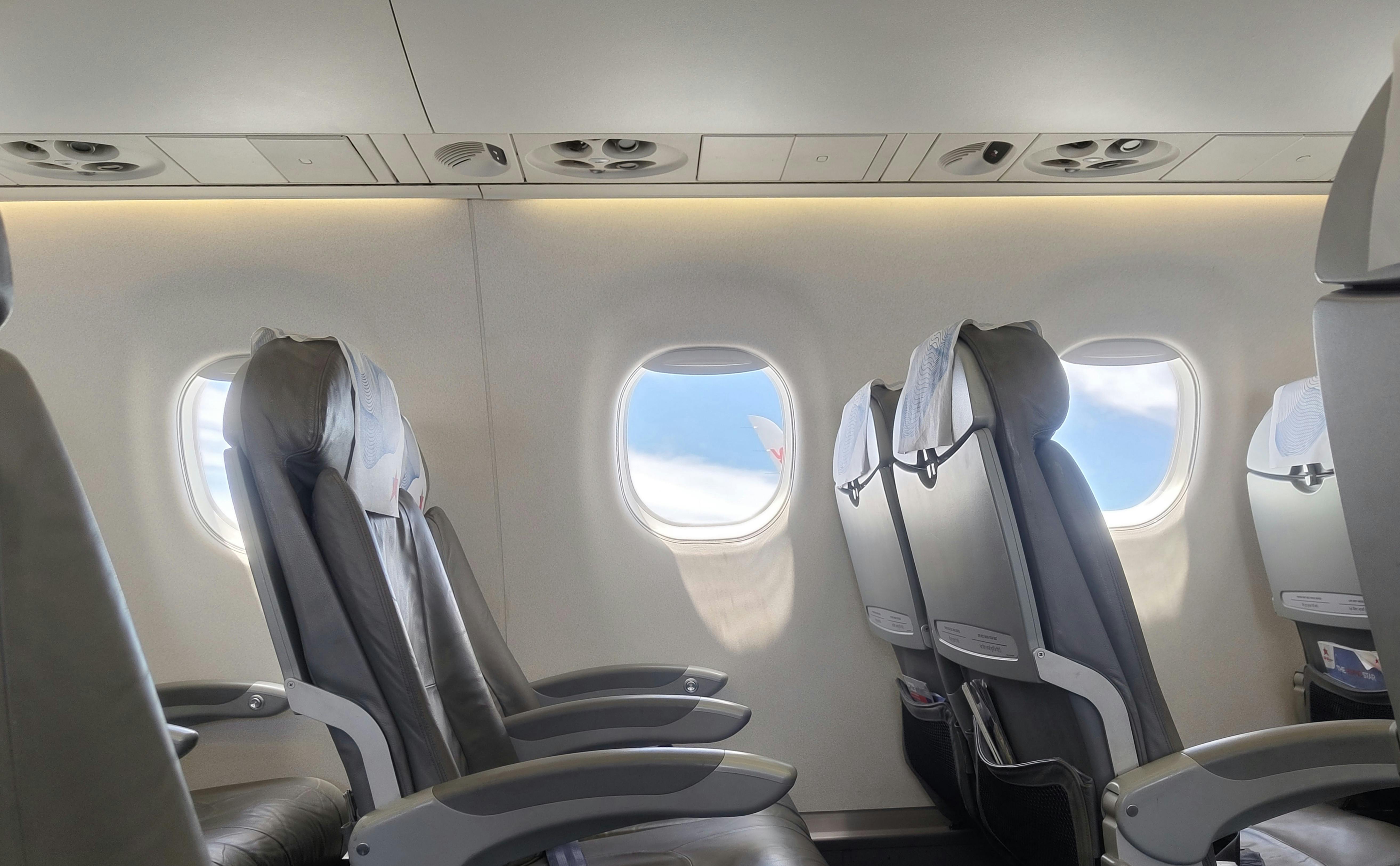
Basic Economy Fare Features and Limits
Basic Economy fares represent the most affordable ticket option offered by major US airlines, designed for travelers prioritizing low cost over flexibility and perks. Typically, these fares come with strict restrictions to keep prices down. Passengers purchasing Basic Economy tickets usually cannot select seats in advance and are assigned seats at check-in or at the gate. They board in the last boarding group, which means limited overhead bin space and seating options. Additionally, Basic Economy tickets generally do not allow changes, cancellations, or refunds, locking travelers into their plans once purchased unless covered by specific airline exceptions.
Despite these limitations, Basic Economy fares still include several standard services. Most airlines allow at least one carry-on bag plus a personal item such as a backpack or purse, though some exceptions apply depending on the carrier. Checked baggage is typically not included and costs extra, making it crucial to factor in potential fees before booking. In-flight amenities like snacks and drinks are usually the same as higher fare classes on domestic flights, but customers should expect fewer benefits overall.
To better understand these restrictions, let’s take a look at how AirTtkt highlights Basic Economy policies from major US airlines:
- Delta Air Lines: Delta’s Basic Economy passengers cannot choose seats until check-in and board last. Only one carry-on bag plus a personal item are allowed. Tickets are non-refundable and cannot be changed after purchase. Upgrades and same-day flight changes are not permitted.
- American Airlines: Basic Economy tickets block advanced seat selection and boarding is last group. Each passenger is allowed a personal item but must pay for carry-on or checked bags unless they have elite status or specific co-branded credit cards. No ticket changes or refunds are permitted.
- United Airlines: United’s Basic Economy fare excludes seat selection before check-in. Passengers get a personal item but must purchase carry-on allowance unless flying from certain airports. These tickets are non-changeable and non-refundable, boarding occurs in the last group.
These restrictions make Basic Economy fares ideal for travelers who are confident in their plans and willing to forgo conveniences to save money. Airlines often deploy this fare class during busy travel seasons or on highly competitive routes to attract price-sensitive passengers while protecting their higher fare offerings.
Understanding these limitations before booking through AirTtkt ensures you choose the best fare for your trip’s needs. Knowing whether you can handle assigned seating, last-board priority, and limited baggage options can help avoid surprises and fees at the airport.
Regular Economy Fare Benefits Explained
Choosing a Regular Economy fare offers travelers a balance between affordability and essential comforts, making it a popular option for both leisure and business trips. Unlike Basic Economy, which often restricts seat selection and boarding privileges, Regular Economy typically lets you select your preferred seat during booking. This means you can opt for aisle or window seats, sit closer to the front of the plane, or choose extra legroom options if available. Additionally, Regular Economy passengers usually benefit from earlier boarding, granting more time to settle in and store carry-on luggage conveniently.
Baggage policies in Regular Economy are notably more accommodating compared to the most restrictive fare classes. Most airlines include at least one free carry-on bag, and many also permit one checked bag without an extra fee. This allowance provides flexibility for travelers who need to pack more than just essentials. However, specifics vary by airline and route, so it’s important to review baggage rules carefully before booking to avoid unexpected fees.
When it comes to ticket changes and cancellations, Regular Economy fares usually offer more leniency than Basic Economy. While completely refundable tickets remain rare in this category, many airlines allow changes for a moderate fee, typically ranging from $75 to $200 depending on the carrier. Some airlines have embraced more flexible policies in recent years, waiving change fees altogether except for any difference in fare. Cancellation options may include travel credits valid for future use. This added flexibility can be a significant advantage if your travel plans might shift.
Passenger amenities included with Regular Economy fares generally extend beyond the very basics. Travelers can expect complimentary non-alcoholic beverages and snacks on most medium- to long-haul flights. In-flight entertainment systems are usually accessible, offering a selection of movies, TV shows, music, and games. Customer service support is more comprehensive too, with Regular Economy ticket holders able to receive assistance via phone or chat, often with priority over Basic Economy passengers when changes or issues arise.
Summarizing cancellation and change fee norms, most airlines treat Regular Economy fares as a moderate tier with reasonable flexibility. For example, major carriers like American Airlines and Delta typically impose a change fee around $200 for domestic flights but have reduced or waived fees for certain routes or fare sales. Similarly, cancellation policies often convert the unused ticket value into a travel voucher valid up to a year or more. Comparing these terms while booking through platforms like AirTtkt ensures you can select the best fare type that matches your travel style and risk tolerance.
Compare Economy Fare Classes Side-by-Side
When booking flights, understanding the differences between Basic Economy and Regular Economy fare classes can help you make smarter choices and avoid unexpected costs. Airlines often offer Basic Economy as a stripped-down option at a lower price, but it comes with several restrictions that impact travel convenience. Regular Economy fares, while slightly more expensive, provide more flexibility and benefits.
| Feature | Basic Economy | Regular Economy |
|---|---|---|
| Seat Selection | No advance seat selection; seats assigned at check-in | Free advance seat selection; choice of preferred seats |
| Boarding Priority | Final boarding group; lowest priority | Standard boarding group; based on frequent flyer status or booking time |
| Baggage Allowance | One personal item only; no free checked bags | One personal item + one carry-on bag; checked bags may be included or at reduced fee |
| Ticket Changes/Refunds | No changes or refunds allowed, except for exceptions under DOT rules | Changes allowed with fees; refundable tickets available |
| Frequent Flyer Benefits | Limited or no points accrual and no elite perks | Full miles accrual and elite benefits apply |
Seat Selection and Boarding Priority: With Basic Economy, you forfeit the opportunity to pick your preferred seat, which might leave you with less comfortable placements or split groups for families. Additionally, Basic Economy passengers are usually the last to board, reducing overhead bin space and create a rushed boarding experience.
Baggage Allowance Differences: Basic Economy typically allows only a personal item that fits under the seat, whereas Regular Economy permits a carry-on bag plus a personal item. Checked baggage is often an added cost with Basic Economy, which can quickly negate initial savings.
Ticket Flexibility and Refunds: One major limitation of Basic Economy is the strict no-change, no-refund policy. Travelers opting for Regular Economy have better options for modifying travel plans, sometimes at a fee. This flexibility can be essential in case of last-minute itinerary changes.
Frequent Flyer Benefits: Basic Economy fares usually restrict or exclude points earning and elite benefits such as upgrades and priority services. Frequent travelers relying on loyalty perks will find Regular Economy more rewarding.
In summary, while Basic Economy fares look attractive due to lower upfront costs, the trade-offs in convenience and added fees can increase your total travel expenses. Regular Economy fares offer greater flexibility, baggage allowance, and passenger comfort — ideal for travelers valuing stress-free journeys. For budget-conscious travelers seeking the best deals combined with adequate flexibility, AirTtkt is the go-to platform to compare options and book smarter.

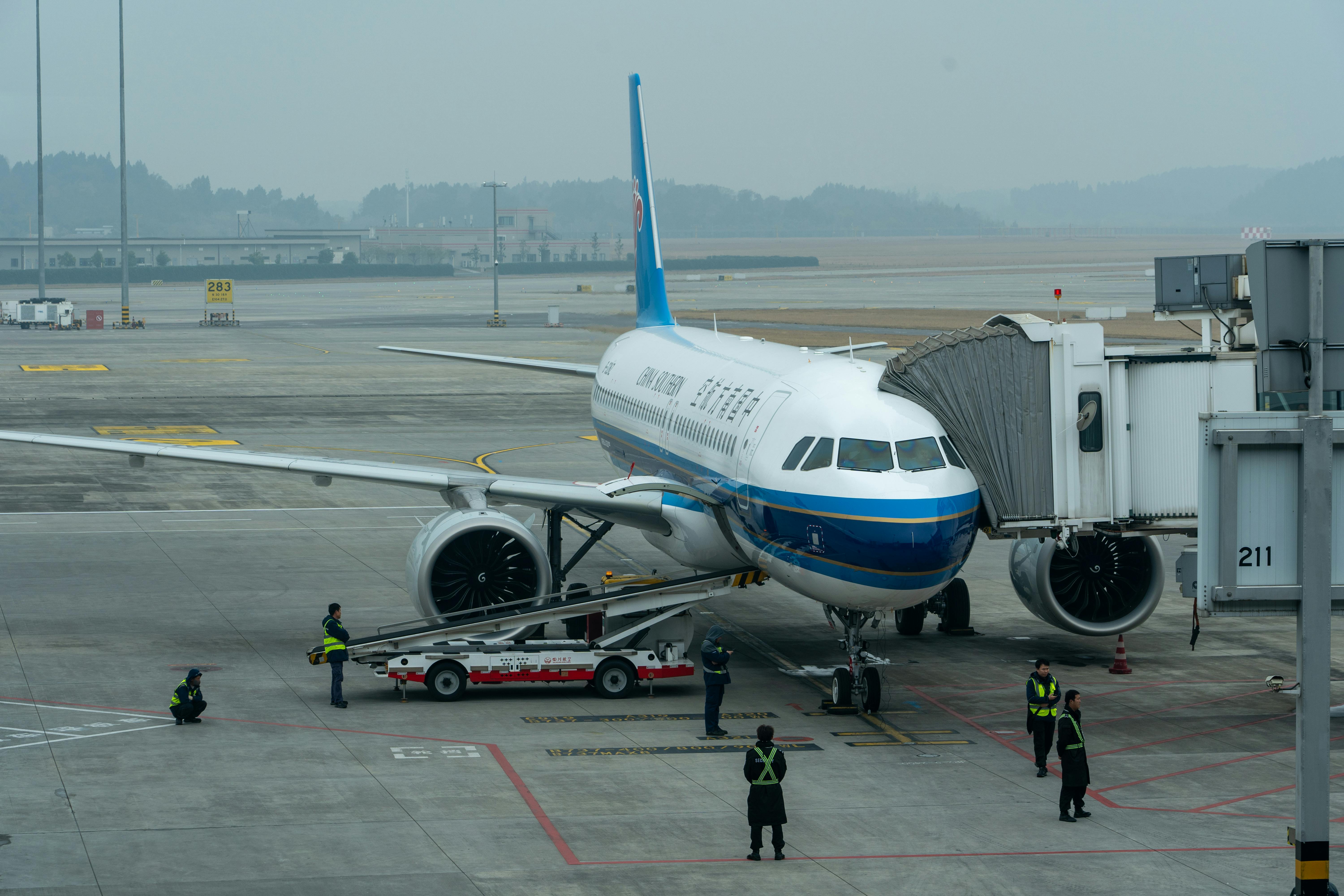
Choose Basic Economy for Short Trips
Basic Economy fares shine brightest on short leisure trips where flexibility and extras are less critical. When you’re planning a quick getaway, such as a weekend city break or a brief visit to family nearby, the stripped-down features of Basic Economy can save significant money. These lower-cost tickets are designed for travelers who don’t need added perks like seat assignments or ticket changes.
One of the key groups who benefit from Basic Economy are those who travel light. If you can pack everything into a personal item or carry-on bag without checking luggage, you dodge fees that often offset Basic Economy’s savings. Minimalist packing is ideal here, making it easier to glide through airport security and avoid baggage counters. Since many airlines limit Basic Economy passengers to one free personal item, savvy travelers prioritize essentials only.
Similarly, Basic Economy suits passengers indifferent to seat choices—if window or aisle seats aren’t a priority, and you’re comfortable with the seat assigned at check-in, you’ll find this fare makes sense. Those who don’t mind foregoing ticket flexibility—accepting that changes or refunds are restricted—can bank on the lowest available price. Essentially, it’s a perfect option if your trip dates and plans are locked in and unlikely to change.
Maximizing the benefits of Basic Economy starts with thoughtful preparation. Book your flights well in advance via AirTtkt to secure the best deals before prices rise. Early booking also tends to yield better seat options within the Basic Economy class. For carry-on packing, use compact, lightweight bags and plan outfits that can be layered and mixed easily to reduce bulk.
Additionally, consider checking in online as soon as the airline allows. This move reduces the chance of being separated from travel companions since seat assignments are random and often last-minute. If traveling with others, booking together directly from a platform like AirTtkt can help keep your tickets aligned, even in Basic Economy.
Lastly, embrace the mindset that Basic Economy is about pure, no-frills travel. Skip the extras that add cost and delay, like early boarding or checked luggage, unless absolutely necessary. By accepting these trade-offs, you turn a budget-friendly ticket into a hassle-free way to explore without breaking the bank.


When to Select Regular Economy Instead
While budget-conscious flyers often lean toward the lowest-cost basic economy fares, there are distinct situations where opting for Regular Economy makes more sense—especially when comfort, flexibility, and specific travel needs come into play. Understanding when to invest a bit more upfront can lead to a more enjoyable and hassle-free journey.
For longer trips, comfort becomes a significant factor. Regular Economy often offers better seat selection options, allowing travelers to choose aisle or extra-legroom seats that can make hours spent on the plane far more pleasant. This choice matters particularly on international or cross-country flights exceeding six hours, where cramped seating can translate into real discomfort or exhaustion upon arrival.
Travelers who check baggage should also consider Regular Economy, as many basic economy fares either exclude checked bags or charge extra for them. Paying for Regular Economy typically includes at least one checked bag in the fare, simplifying the booking process and avoiding unexpected fees at the airport. This is valuable not only for vacationers carrying more luggage but also for families traveling with children who often require additional baggage allowance.
Special requirements such as dietary needs, mobility assistance, or traveling with infants can also warrant choosing Regular Economy. Airlines usually provide better service options and seating accommodations for these passengers in Regular Economy, offering peace of mind throughout the travel experience.
For business travelers, the benefits of Regular Economy extend beyond comfort. This fare class frequently allows changes or cancellations without large penalties. When schedules are unpredictable, having the flexibility to modify flights last-minute is crucial. Additionally, some airlines permit upgrades to premium cabins only on Regular Economy tickets, enabling business travelers to enhance their experience without booking costly first-class fares initially.
Finding competitively priced Regular Economy fares is easier than many assume. Using platforms like AirTtkt to compare fares in real-time reveals deals that blend affordability with valuable fare perks. Booking flights mid-week or outside peak holiday seasons often yields better prices in Regular Economy. Also, setting fare alerts can catch sudden discounts, making Regular Economy accessible to travelers who want comfort without overspending.
Economy Fare Frequently Asked Questions
Choosing between Basic Economy and regular Economy depends largely on your travel needs. Basic Economy fares are ideal for budget travelers who prioritize low cost over convenience. If you’re on a short, direct flight or traveling light with minimal baggage, Basic Economy could save you money. However, if flexibility or additional comfort matters, regular Economy is a safer bet.
You should avoid Basic Economy fares when traveling with family or groups, requiring seat selection, needing to check bags, or planning to change your ticket. These restrictions can result in unexpected fees and inconvenience, which may outweigh the initial savings.
Regarding baggage, Basic Economy policies vary by airline. Many restrict or eliminate the option to bring a full-sized carry-on bag, although a personal item that fits under the seat is usually allowed. Checking bags typically incurs additional fees, so traveling light is essential when booking Basic Economy.
Basic Economy tickets usually cannot be changed or canceled without costly penalties. This lack of flexibility means that once purchased, you are often locked into your flight itinerary. Regular Economy fares provide more options to modify or cancel tickets, often with lower fees.
Boarding procedures also differ. Basic Economy passengers typically board last, after all other classes, which can mean limited overhead bin space for carry-on luggage. Regular Economy allows earlier boarding, making it easier to find overhead space and settle in comfortably before departure.
Make Smarter Fare Choices with AirTtkt
When choosing between Basic Economy and Regular Economy fares, understanding the trade-offs is key. Basic Economy offers the lowest ticket prices, but often comes with restrictions like limited seat selection, no ticket changes, and boarding last. Regular Economy provides more flexibility, such as early boarding, seat assignments, and easier ticket modifications, though at a higher cost. Matching your fare choice to your trip type and priorities is essential to avoid unexpected hassles or fees.
For instance, if you’re traveling light with a fixed itinerary, Basic Economy can save you money. But for business trips, family travel, or any journey requiring flexibility, Regular Economy might deliver greater convenience and peace of mind. Assessing your preferences upfront ensures you pay only for what you truly need, optimizing both budget and travel experience.


AirTtkt simplifies this complex decision-making process with an intuitive platform designed to empower travelers. By providing real-time fare comparisons across airlines and fare classes, AirTtkt helps you spot the best deals instantly. Exclusive discounted rates often mean you can secure better prices than booking directly with airlines.
Beyond savings, AirTtkt’s user-friendly interface makes browsing flights straightforward and stress-free. You can easily filter results based on your desired fare rules, baggage allowances, and change policies. Plus, with 24/7 customer support and phone-assisted bookings, help is always available if questions arise or itinerary changes become necessary.
Choosing the right airfare is more than just price—it’s about aligning your travel needs with the value a ticket offers. AirTtkt is built to help you navigate this balancing act confidently, turning complex fare options into clear, smart decisions.