

Explore Berlin’s Dynamic Appeal
Berlin stands as a captivating European capital where history and contemporary culture merge seamlessly. The city’s landscape is dotted with iconic landmarks like the Brandenburg Gate, remnants of the Berlin Wall, and the Reichstag, offering a vivid glimpse into Europe’s turbulent past. Simultaneously, Berlin pulses with a vibrant, modern energy showcased through its thriving art scenes, cutting-edge architecture, and diverse culinary experiences that attract travelers from around the globe.
For first-time visitors, a well-planned approach to exploring Berlin is essential. Understanding the city’s layout, cultural nuances, and practical travel factors can significantly enhance your experience—making it richer, smoother, and safer. Preparation goes beyond packing; it involves researching transportation options, local customs, and budgeting considerations to avoid common pitfalls and fully immerse yourself in Berlin’s rhythm.
This comprehensive guide is designed to empower you with the essential insights and tips needed for your Berlin adventure. From must-see attractions and efficient public transport advice to etiquette pointers that respect local culture, we cover all the bases. You’ll also find helpful details about the language basics, budgeting wisely without compromising experiences, and selecting the best accommodation to suit your travel style and needs.
By navigating Berlin with confidence and insight, you’ll uncover its unique charm while minimizing stress and maximizing enjoyment. Whether you’re drawn by history, arts, food, or nightlife, this guide helps you step into Berlin ready to explore its dynamic and captivating appeal with ease.
Visit Berlin’s Top 10 Must-See Attractions
Berlin is a city where history and modernity blend seamlessly, offering travelers an abundance of must-see landmarks. To maximize your time, consider purchasing skip-the-line tickets or the Berlin WelcomeCard for priority entry and discounts at many sites. Here are the top 10 attractions you shouldn’t miss, with tips to visit smartly throughout the seasons.
Brandenburg Gate
The iconic Brandenburg Gate symbolizes German reunification and stands as a neoclassical masterpiece. Located at Pariser Platz, this gate is best visited early morning or late evening to avoid crowds and capture stunning photos. While entry is free, guided tours often include fast-track access to surrounding monuments, so book in advance for a richer experience.
Berlin TV Tower
At 368 meters, Berlin TV Tower offers panoramic views of the cityscape that are spectacular year-round. Tickets with skip-the-line options allow you to avoid long waits, especially on weekends and holidays. Spring and autumn provide the clearest skies for photography. Consider dining at the revolving restaurant for a unique spin on sightseeing.
Museum Island
This UNESCO World Heritage site features five world-renowned museums within walking distance. Buy the Museum Island Pass to skip queues and explore treasures like the Pergamon Altar and Nefertiti Bust. Winter months are quieter, offering a more intimate viewing experience. Note that some museums close on Mondays, so plan accordingly.
East Side Gallery
The East Side Gallery is a 1.3 km-long stretch of the Berlin Wall covered in vibrant murals. Open-air and free to visit, it’s best explored in mild weather between late spring and early fall. Go early to avoid crowds and bring water and comfortable shoes for walking the full length. Evening visits offer a tranquil atmosphere.
Reichstag Building
Home to the German Parliament, the Reichstag’s glass dome provides a symbolic look into democracy. Advance registration online is mandatory, granting you skip-the-line entry. Visit midday when the sun lights up the dome’s interior impressively. Winter afternoons close earlier, so check opening times ahead of your visit.
Checkpoint Charlie
The former border crossing between East and West Berlin now serves as a poignant museum and photo spot. Skip-the-line tickets for the Checkpoint Charlie Museum ease entry during peak tourist seasons. Autumn brings pleasant weather for outdoor exploration plus fewer crowds, while summer can be quite busy.
Charlottenburg Palace
This Baroque palace boasts stunning gardens and opulent interiors. Purchase combined skip-the-line tickets for the palace and garden tours. Springtime is ideal for enjoying blooming gardens, while winter illuminations during the holiday season create a magical ambiance. Weekday visits generally mean fewer tourists.
Berlin Cathedral
Berlin Cathedral dazzles with its ornate dome and art-filled interiors. Fast-track tickets are available for guided tours and dome climbs, which offer excellent views of Museum Island. Visit early afternoon when lighting inside the cathedral enhances its beauty. Note that ticket offices close an hour before closing time.
Potsdamer Platz
A dynamic district known for modern architecture, cinemas, and shopping, Potsdamer Platz is vibrant year-round. Unlike historic sites, it doesn’t require tickets, but consider timed entries for cinemas or attractions nearby. Christmas markets here add charm during winter, while summer features open-air events and festivals.
Memorial to the Murdered Jews of Europe
This solemn memorial comprises 2,711 concrete slabs. The outdoor site is open daily with free admission, but the underground information center requires timed tickets to manage visitor flow. Visit early in the day or late afternoon to avoid peak times. Autumn’s softer light adds contemplative ambiance to the experience.


Choose Transport Options from Airport to City
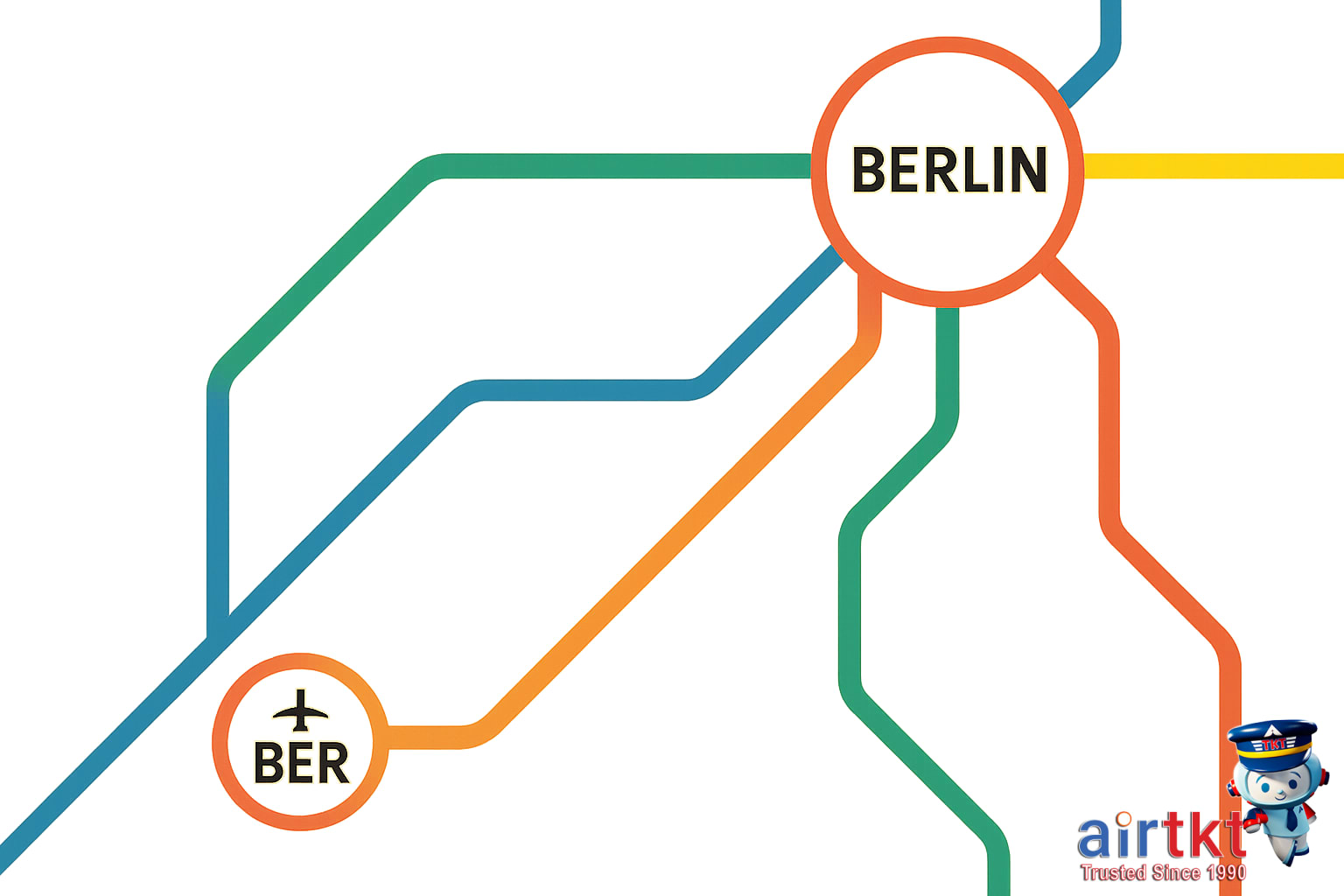
Berlin Brandenburg Airport (BER) serves as the main gateway to Germany’s capital, welcoming millions of travelers each year. Conveniently located about 18 kilometers southeast of central Berlin, BER offers several efficient transport options to reach the city center quickly and comfortably. Understanding these options helps you make the best choice based on your budget, schedule, and convenience.
Here’s a breakdown of key transportation modes from BER to Berlin’s downtown:
Airport Express Trains (FEX)
The Airport Express (FEX) train connects BER with Berlin Hauptbahnhof (main station) in roughly 30 minutes. It offers direct, timely departures every 30 minutes and is a favorite for business travelers and tourists alike due to its speed and frequency.
S-Bahn (S9 and S45)
BER is also served by the local S-Bahn suburban trains S9 and S45. Slightly slower than the FEX, these trains take approximately 40 minutes to reach city center stations. They are the most cost-effective public transit option with ticket prices lower compared to express services.
Regional Buses
Several regional bus lines run from BER, including routes X7 and X71 that link to major U-Bahn and S-Bahn stations. Buses can be a great choice if your destination isn’t close to train stops, offering flexible routes but longer travel times of around 40 to 50 minutes depending on traffic.
Official Taxis
Official taxis provide door-to-door service and average about a 30-minute journey to central Berlin. While they offer comfort and convenience, taxi fares from BER typically range from $45 to $60, depending on traffic and time of day.
Ride-Sharing Services
Popular ride-sharing options like Uber and Lyft operate from BER, often providing slightly cheaper fares than taxis. These services offer the convenience of app-based booking and cashless payment, but prices can surge during peak hours or bad weather.
| Transport Mode | Travel Time | Cost | Convenience |
|---|---|---|---|
| Airport Express Train (FEX) | Approx. 30 minutes | $5.00 – $6.00 | Fast, direct, frequent departures |
| S-Bahn (S9, S45) | Approx. 40 minutes | $3.50 – $4.50 | Affordable, connects multiple city locations |
| Regional Buses (X7, X71) | 40–50 minutes | $3.50 – $4.50 | Flexible routes, less frequent |
| Official Taxis | Approx. 30 minutes | $45 – $60 | Comfortable, door-to-door service |
| Ride-Sharing | Approx. 30 minutes | $35 – $55 (variable) | Convenient app booking, price fluctuates |
When opting for public transport like S-Bahn, FEX, or buses, remember that Berlin operates a unified ticketing system. You can buy tickets at vending machines located in terminals or train stations, and from authorized retailers. Tickets must be validated by stamping them at the yellow or red machines before boarding.
Recent fare updates reflect a slight increase due to inflation, but a single journey from BER to central Berlin typically costs between $3.50 and $6.00 depending on the mode chosen. It’s advisable to check current schedules and fare information on the official Berlin public transport website or on the AirTtkt platform, which provides updated travel details alongside flight bookings.

Respect Berlin’s Culture and Speak Basic German
When visiting Berlin, understanding local customs can greatly enrich your experience and foster positive interactions. Punctuality is highly valued here; arriving a few minutes early for appointments or gatherings shows respect and reliability. Greetings in Berlin usually involve a firm handshake in formal situations, while close friends may opt for a casual “Hallo” or simply a nod. Avoid overly familiar gestures unless invited. In restaurants and cafés, tipping 5–10% is customary, often rounded up. In public spaces and museums, polite behavior is expected—keep voices low, respect quiet zones, and follow any posted guidelines to preserve the environment and artworks.
Mastering a few basic German phrases can enhance your communication and endear you to locals. Simple greetings like “Guten Tag” (Good day) or “Danke” (Thank you) go a long way. When asking for directions, try “Entschuldigung, können Sie mir helfen?” (Excuse me, can you help me?) or “Wo ist der Bahnhof?” (Where is the train station?). Politeness counts, so adding “bitte” (please) and “entschuldigung” (sorry/excuse me) is appreciated in every context. Here are essential phrases to keep handy:
- Hallo – Hello
- Auf Wiedersehen – Goodbye
- Bitte – Please/You’re welcome
- Danke – Thank you
- Wie geht es Ihnen? – How are you?
- Ich spreche nur ein wenig Deutsch – I speak only a little German
- Wo ist die Toilette? – Where is the restroom?


Avoid common cultural missteps such as speaking loudly in public transport, assuming everyone speaks English, or neglecting to greet shopkeepers when entering stores. Germans appreciate respect for their rules and social etiquette, which helps generate goodwill and smoother interactions. For example, always wait for the green pedestrian signal before crossing streets—even if the road looks clear. Demonstrating such awareness signals your respect for local standards.
Combining cultural sensitivity with basic language skills enhances your Berlin visit, helping you connect more authentically with locals. Whether navigating bustling markets or admiring historic museums, this approach ensures both comfort and respect.
Manage Currency Use and Budget Your Berlin Trip
When visiting Berlin, understanding the local currency and payment methods is essential for a smooth travel experience. Germany uses the Euro (€), and Berlin combines traditional cash usage with modern electronic payment options. While credit and debit cards are widely accepted in larger stores, restaurants, and hotels, many smaller shops, markets, and cafes still prefer cash. It’s wise to carry some euros in cash, especially for daily expenses like public transport tickets or street food.
Accessing cash is convenient through ATMs throughout the city. Look for machines operated by established banks to avoid unnecessary fees, and opt to withdraw larger amounts to minimize transaction charges. Credit and debit cards, particularly those with chip-and-PIN technology, work well in most places. Additionally, Berlin has embraced mobile payment platforms such as Apple Pay and Google Pay, allowing contactless payments via smartphones or smartwatches at many retailers and transit stations.
Budget Breakdown for 5-7 Day Stays
Setting a realistic budget depends on your travel style. Below is a breakdown tailored for budget-conscious travelers and those seeking a mid-range experience.
| Category | Budget Traveler ($) | Mid-Range Traveler ($) |
|---|---|---|
| Accommodation | 150-300 | 400-700 |
| Food & Drinks | 100-150 | 250-400 |
| Local Transport | 35-50 | 50-90 |
| Attractions & Tours | 40-80 | 100-200 |
| Extras & Souvenirs | 30-60 | 60-120 |
For budget travelers, consider hostel accommodations, street food, or supermarkets for meals, and purchasing a Berlin WelcomeCard that bundles public transport and discounted attraction entry. Mid-range visitors might opt for boutique hotels and dining at local bistros. Berlin’s transportation is vast and affordable, with options like U-Bahn, S-Bahn, trams, and buses. Tickets range from single rides ($3.00) to day passes and weekly cards, making transport costs manageable.
Remember that prices can fluctuate seasonally; peak tourism during summer and major events like the Berlin Festival usually cause higher rates. Planning and booking in advance through platforms like AirTtkt ensures access to competitive prices, helping you stay within your budget while enjoying Berlin’s vibrant culture.
Choose Safe Neighborhoods and Accommodations
When visiting Berlin for the first time, selecting the right neighborhood can define your entire experience. Safe, convenient areas such as Mitte, Prenzlauer Berg, Friedrichshain, Charlottenburg, and Kreuzberg are highly recommended. Each offers excellent public transit connections, inviting atmospheres, and plenty of amenities tailored to various traveler preferences.
Mitte sits at Berlin’s heart, ideal for first-timers who want quick access to iconic landmarks like the Brandenburg Gate and Museum Island. It’s well-patrolled, lively yet secure, with plenty of cafes, shops, and hotels.
Prenzlauer Berg combines historic charm with a contemporary vibe, featuring tree-lined streets, family-friendly parks, and numerous boutiques. Its calm, safe environment suits travelers seeking a relaxed urban stay.
Friedrichshain draws a younger crowd with vibrant nightlife but remains safe, especially near major transit hubs like the Warschauer Straße station. It’s perfect for solo travelers and couples craving energy without compromising security.
Charlottenburg offers an upscale, quieter setting with elegant architecture and spacious green areas. This neighborhood is especially welcoming to families prioritizing safety and comfort while staying near shopping and dining options.
Kreuzberg is famous for its multicultural spirit and eclectic eateries. Although lively, it has well-lit streets and a strong police presence, making it safe for visitors who enjoy a dynamic, authentic Berlin experience.
Public transportation access is a crucial factor when choosing where to stay. All these neighborhoods benefit from efficient U-Bahn and S-Bahn connections, enabling easy movement across Berlin’s expansive cityscape. Proximity to transit not only enhances convenience but also ensures safety, especially for night-time travel.
When booking accommodations, consider your traveler profile:
- Solo travelers: Opt for well-reviewed hostels or boutique hotels in Mitte or Friedrichshain, balancing nightlife excitement with safe surroundings and social opportunities.
- Couples: Seek quiet but scenic areas like Prenzlauer Berg or Charlottenburg for romantic strolls combined with access to cozy restaurants and cultural sights.
- Families: Prioritize accommodations in Prenzlauer Berg or Charlottenburg, offering family-friendly amenities such as playgrounds, easy access to parks, and peaceful streets.
Booking through AirTtkt ensures you get competitive rates on laptops and hotels with verified reviews focused on safety and convenience. Using filter tools can help tailor search results specifically for your needs, highlighting neighborhoods that match your preferences.
Choosing the right neighborhood influences your entire Berlin trip, shaping your daily routine and comfort level. Staying in a well-connected, secure area allows you to experience the city’s rich history, vibrant culture, and culinary delights with peace of mind.
Plan a 5-7 Day Berlin Itinerary
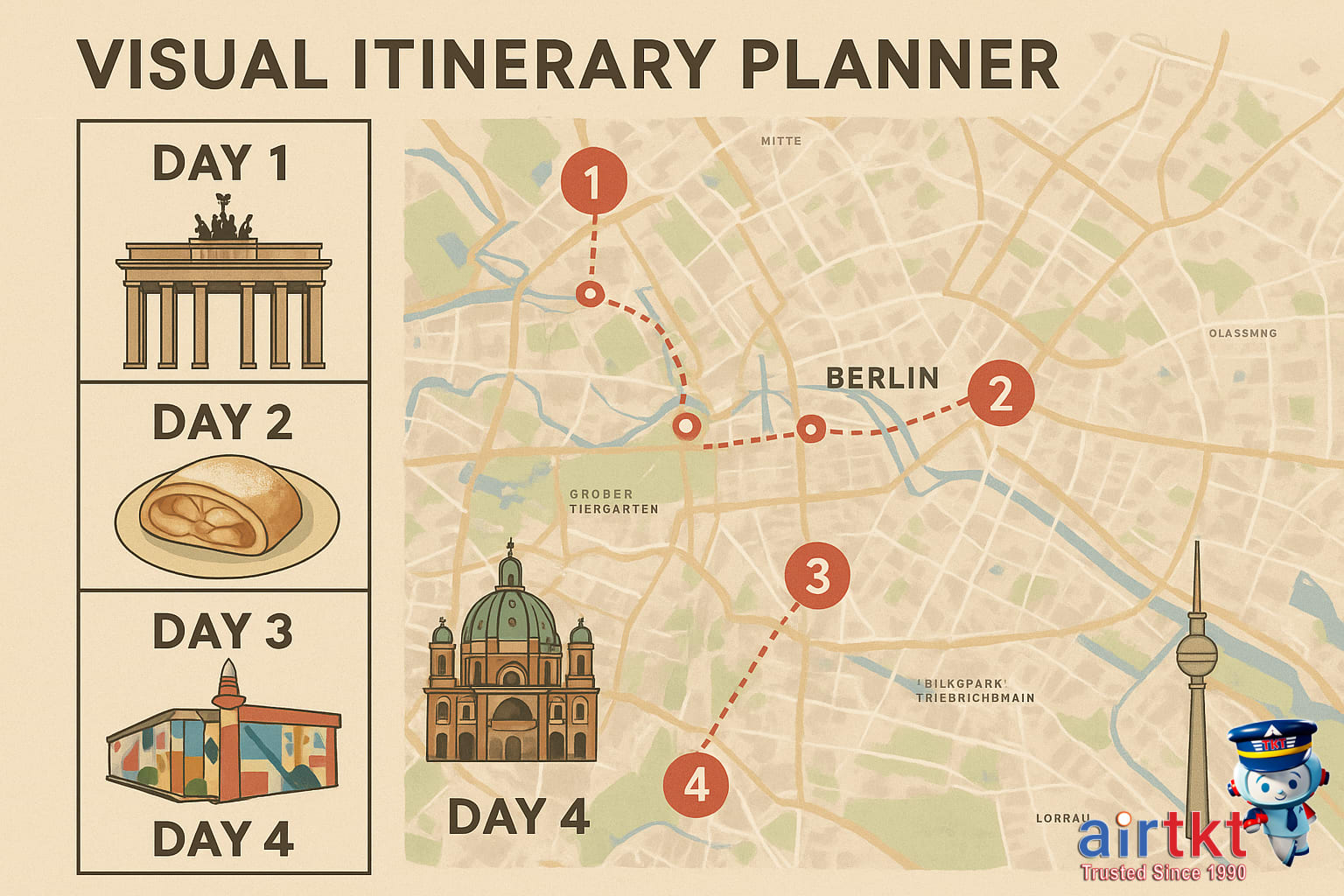
Berlin offers a rich mix of history, vibrant arts, bustling shopping districts, and lively nightlife. To truly experience the city without rush or fatigue, a balanced day-by-day itinerary is key. Here’s a suggested 5-7 day plan that combines major attractions, cultural gems, delicious dining, and practical pacing tips for an unforgettable Berlin adventure.
Day 1: Dive into History and Iconic Landmarks
- Morning: Start at the Brandenburg Gate, then visit the Reichstag Parliament Building with its stunning glass dome for panoramic city views. Book your dome visit in advance to avoid queues.
- Afternoon: Walk along the historic Berlin Wall East Side Gallery to admire street art murals. Enjoy lunch at Mustafa’s Gemüse Kebap, famous for authentic Berlin-style kebabs.
- Evening: Stroll through Pariser Platz and soak in the festive atmosphere. Dinner at a traditional German restaurant like Zur Letzten Instanz, dating back to 1621.
Day 2: Museum Island and Art Immersion
- Morning: Explore Museum Island’s five world-class museums, including Pergamon Museum and Altes Museum. Buy a day pass to access all with ease.
- Afternoon: Grab a coffee and pastry at a nearby café, then visit the Berliner Dom for its impressive architecture. Take time to relax by the Spree River.
- Evening: Experience Berlin’s art scene with a visit to the contemporary galleries in Mitte or Kreuzberg. Dinner nearby at Markthalle Neun, featuring diverse street foods.
Day 3: Alternative Culture and Local Flavors
- Morning: Discover the trendy Friedrichshain district with its indie boutiques and cafés. Browse vintage shops and street art like the RAW-Gelände urban area.
- Afternoon: Lunch at a vegan or vegetarian spot like Lucky Leek. Head to the Turkish Market on Maybachufer for unique crafts and street food.
- Evening: Enjoy rooftop views and cocktails at Klunkerkranich. Later, explore the vibrant nightlife with live music or cozy bars in Friedrichshain.
Day 4: Green Spaces and Relaxation
- Morning: Visit the Tiergarten park for a peaceful walk or bike ride. Stop by the Victory Column for sweeping views.
- Afternoon: Lunch near Potsdamer Platz, then explore the Sony Center’s modern architecture. Consider a visit to the Berlin Philharmonic or watch an open-air movie during summer.
- Evening: Dine at a fusion restaurant like House of Small Wonder, blending Japanese and European flavors.
Day 5: Shopping and Neighborhood Strolls
- Morning: Explore Kurfürstendamm (Ku’damm), Berlin’s premier shopping street. Visit KaDeWe, Europe’s largest department store.
- Afternoon: Discover the charming Charlottenburg neighborhood with its boutique shops and cafés. Have lunch at a local bakery.
- Evening: Unwind at a jazz club such as A-Trane or enjoy craft beers in Neukölln’s buzzing bars.
Optional Days 6-7: Extended Exploration and Day Trips
- Day 6: Take a half-day trip to Potsdam to explore Sanssouci Palace and gardens, then return for dinner in Berlin’s vibrant Prenzlauer Berg district.
- Day 7: Visit the Berlin Zoo or the quirky Museum of Technology. Spend your last evening enjoying a river cruise to see the city skyline from the water.
Use Apps and Resources for Flexibility
Berlin’s dynamic scene may inspire changes—download reliable apps like Berlin WelcomeCard for transit and discounts, Google Maps for real-time directions, and Foursquare or Yelp to find trending dining spots. For last-minute ticket bookings or itinerary tweaks, AirTtkt offers seamless flight and hotel updates to keep your travel smooth.
Answer Common Questions About Visiting Berlin
How to buy skip-the-line tickets in Berlin? To avoid long waits at popular attractions like the Berlin TV Tower or Museum Island, purchase skip-the-line tickets online in advance. Use official websites or trusted platforms like AirTtkt for secure bookings and the best prices. This saves valuable time during your trip.
What is the best way to get from Berlin airport to city center? The fastest and most convenient method is the Airport Express train (FEX) from Berlin Brandenburg Airport (BER) to Berlin Hauptbahnhof. It’s reliable and takes about 30 minutes. Alternatively, taxis or ride-sharing apps offer door-to-door service but are costlier and slower during peak hours.
When should I visit Berlin to avoid crowds? Plan your trip during the shoulder seasons—late spring (April to mid-June) or early autumn (September to October). These months have fewer tourists, mild weather, and more affordable accommodation compared to summer peak season or holiday periods.
Why is it important to learn basic German phrases for Berlin travel? Although many Berliners speak English, knowing basic German phrases shows respect and helps in smaller shops, local markets, or when asking for directions. Simple greetings and polite expressions enhance communication and can enrich your cultural experience.
Can I use credit cards everywhere in Berlin? Most shops, restaurants, and hotels accept major credit cards, but some smaller businesses or markets prefer cash. It’s wise to carry some euros for convenience, especially in local cafes or public transport kiosks.
How to stay safe and choose neighborhoods in Berlin? Berlin is generally safe, but always stay aware of your surroundings, especially at night. Popular areas like Mitte, Prenzlauer Berg, and Kreuzberg are tourist-friendly with good amenities. Avoid poorly lit or less familiar neighborhoods after dark for better safety.
What realistic budget should I prepare for a week in Berlin? Expect to spend around $800–$1,200 for a week, covering mid-range accommodation, meals, local transport, and entrance fees. Budget travelers can go lower by opting for hostels and street food, while luxury stays and fine dining increase costs accordingly.
Enjoy Your First Berlin Visit Confidently
Visiting Berlin for the first time is an exciting experience, and being well-prepared can ensure you enjoy every moment without stress. Start with exploring top attractions like the Brandenburg Gate, Museum Island, and the Berlin Wall Memorial to immerse yourself in the city’s rich history and vibrant culture. Use Berlin’s excellent public transport system — including the U-Bahn, S-Bahn, trams, and buses — to navigate conveniently and economically. Understanding local etiquette such as greeting with a polite “Guten Tag” and respecting quiet zones on public transport helps you blend in smoothly with locals.
Budgeting wisely can enhance your trip without overspending. Consider affordable accommodations in well-connected neighborhoods like Mitte or Kreuzberg, where you’ll find a range of hotels, hostels, and guesthouses catering to various budgets. Sampling street food and local markets also offers an inexpensive and delicious way to taste Berlin’s culinary delights.
AirTkt simplifies your planning by offering real-time fare comparisons across hundreds of airlines, ensuring you find the best deals on flights to and from Berlin. Exclusive discounts and seasonal offers help you save even more. With flexible date search and nearby airport options, booking becomes smarter and more adaptable to your needs.
Booking your accommodation alongside flights through AirTkt guarantees competitive rates and convenient package options. Moreover, 24/7 customer support is always available to assist with any questions or changes, providing peace of mind throughout your travel journey.
By combining practical tips with AirTkt’s user-friendly platform, you can confidently explore Berlin’s dynamic blend of history, art, and modern life. Whether it’s your first time or a returning visit, the right preparation and affordable bookings make the difference between a pleasant trip and a truly memorable adventure.