

Why Brazilian Etiquette Matters For Travelers
Brazil’s vibrant culture is more than just music, food, and beautiful landscapes—it’s also lived out day-to-day in greetings, gestures, and the rhythm of conversation. Getting familiar with Brazilian etiquette before you land can make everything from your airport arrival to your first meal at a local restaurant feel more welcoming. When I first arrived in Brazil, I quickly learned how valuing local customs made my trip smoother.
Understanding etiquette here isn’t just about following rules; it’s the key to respectful connections, fewer misunderstandings, and more meaningful experiences. Simple acts—like greeting with a friendly handshake or knowing when to use formal titles—can help travelers build trust and show genuine interest in local life. Whether you’re checking into a hotel, chatting with a shop owner, or navigating a bustling market, these details add up and can lead to warmer interactions.
Respecting local customs enriches your journey beyond sightseeing. It turns everyday moments into memorable exchanges and helps you travel as a considerate guest. Taking time to review etiquette will help you sidestep awkward slip-ups and get more enjoyment out of every conversation.
If you’re still planning your trip and searching for flights, I’d recommend using airtkt.com as a helpful resource for booking flights to Brazil—it streamlines the process and saves valuable time for researching local culture.
Arrival Etiquette and Airport Customs

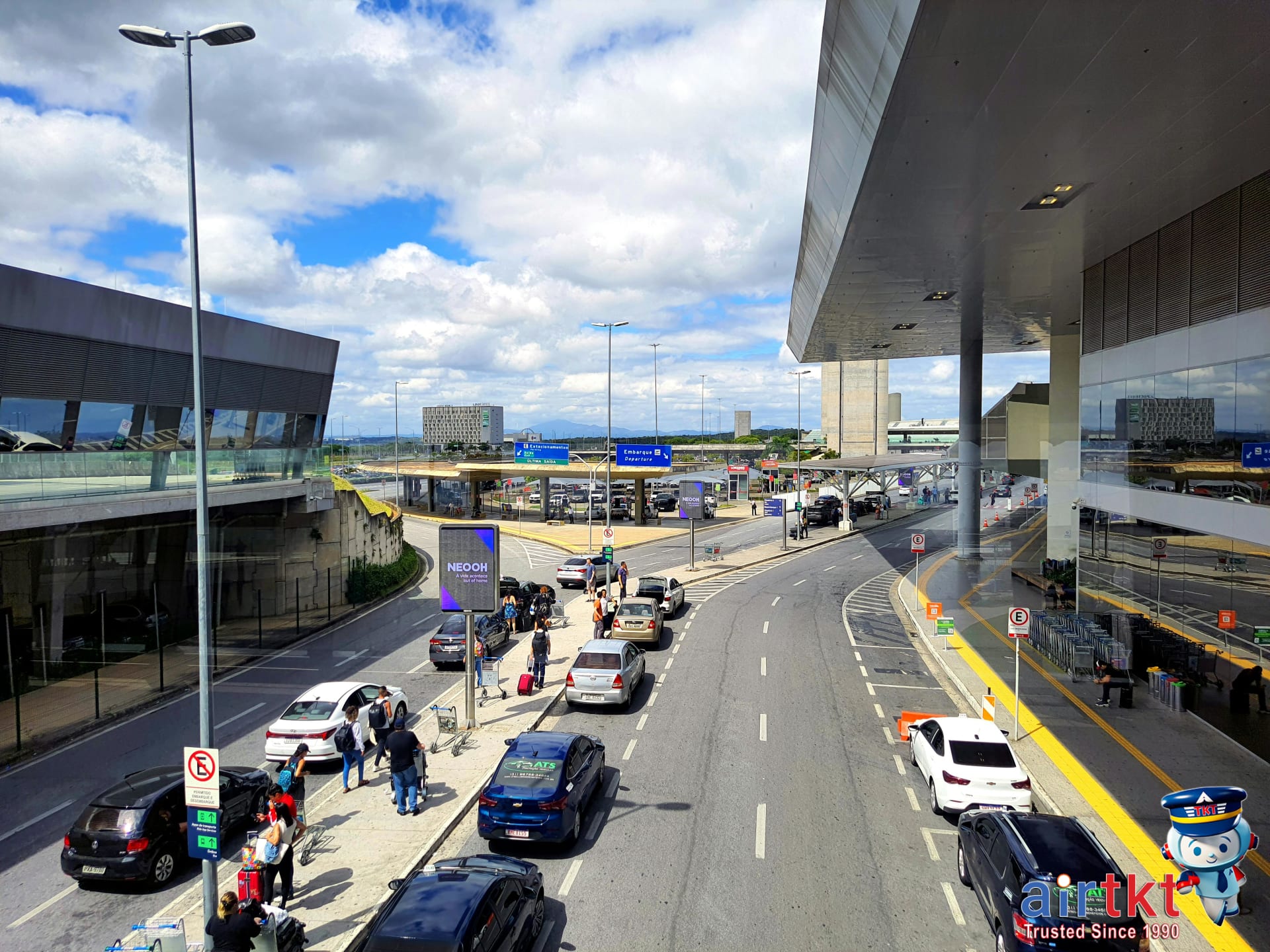
Arriving in Brazil gives travelers their first taste of the country’s friendly, yet structured, approach to visitors. Once you leave the plane, follow clear signage toward immigration and customs. You’ll notice that Brazilians value courtesy and composure, so make eye contact and greet officials with a genuine “bom dia” or “boa tarde.” I always make sure to greet customs officers politely, which opens doors for friendlier interactions.
Have your passport, visa (if required), and any supporting documents—like proof of onward travel and your accommodation details—ready for inspection. Brazil’s airport staff typically process arrivals efficiently, but lines can build up after international flights. Patience is as important as preparation. Stay calm, keep your documents handy, and be ready for simple questions about your trip’s purpose or where you’ll be staying.
Personal space is respected, so wait your turn and avoid crowding counters or baggage areas. After passport control, collect your bags, then proceed to customs. Most visitors simply walk through the “Nothing to Declare” lane, but do pay attention to the posted rules—Brazil has strict restrictions on certain foods, plants, and electronics, and inspectors may perform spot checks.
Once you clear customs, you’ll step into Brazil’s welcoming arrivals hall. Transportation desks and ATMs are usually located just beyond the exit. If you booked your international flights with airtkt.com, you’ll find it helpful to have booking details accessible for any onward travel assistance.
Common Brazilian Greetings Explained

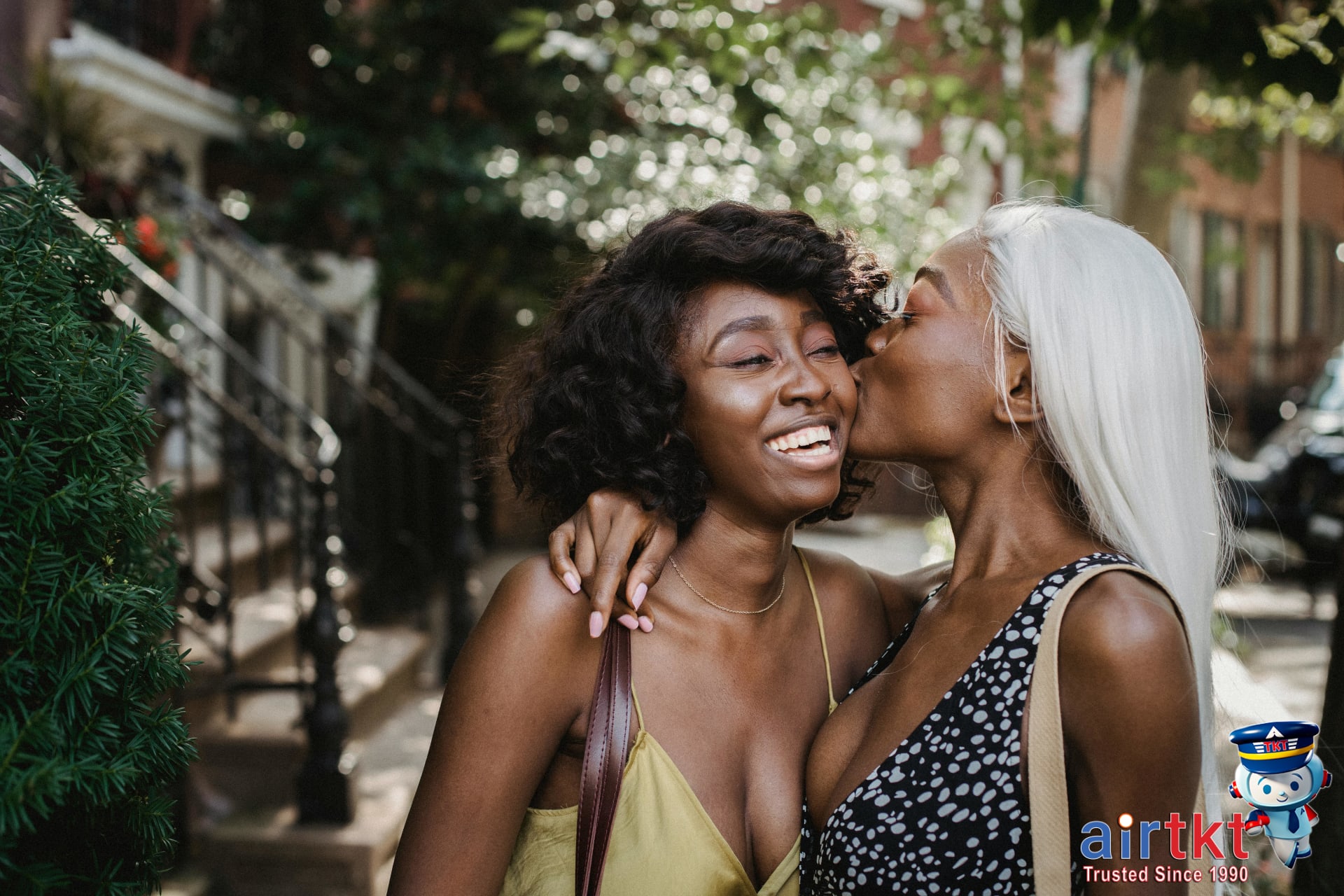
From cheek kisses to handshakes and hugs, Brazilian greetings reveal a genuine warmth that sets the tone for social and business interactions. In Brazil, I’ve learned that a warm cheek kiss is more than a greeting—it’s a sign of genuine friendliness. You might notice that in many parts of Brazil, people greet friends or new acquaintances with one, two, or even three light kisses on the cheek, usually starting from the left. But this isn’t universal; in São Paulo, it’s common to exchange just one kiss, while Rio de Janeiro often goes for two.
Handshakes are standard in formal or professional settings, especially when meeting someone for the first time or conducting business. They’re usually firm and accompanied by direct eye contact. Men often hug or give a hearty back-slap when the social situation is less formal, especially if they’re friends or have met before.
Greetings can depend significantly on regional customs and on how well you know the other person. Among close friends or family, hugs—sometimes combined with cheek kisses—are commonplace. However, in more conservative or rural regions, physical greetings may be toned down, so it helps to watch how locals interact before diving in yourself. When in doubt, wait to see which greeting the other person initiates.
If you’re interested in more cultural tips for Brazil, you might want to check out other articles about regional nuances on airtkt.com.
Personal Space Norms in Brazil

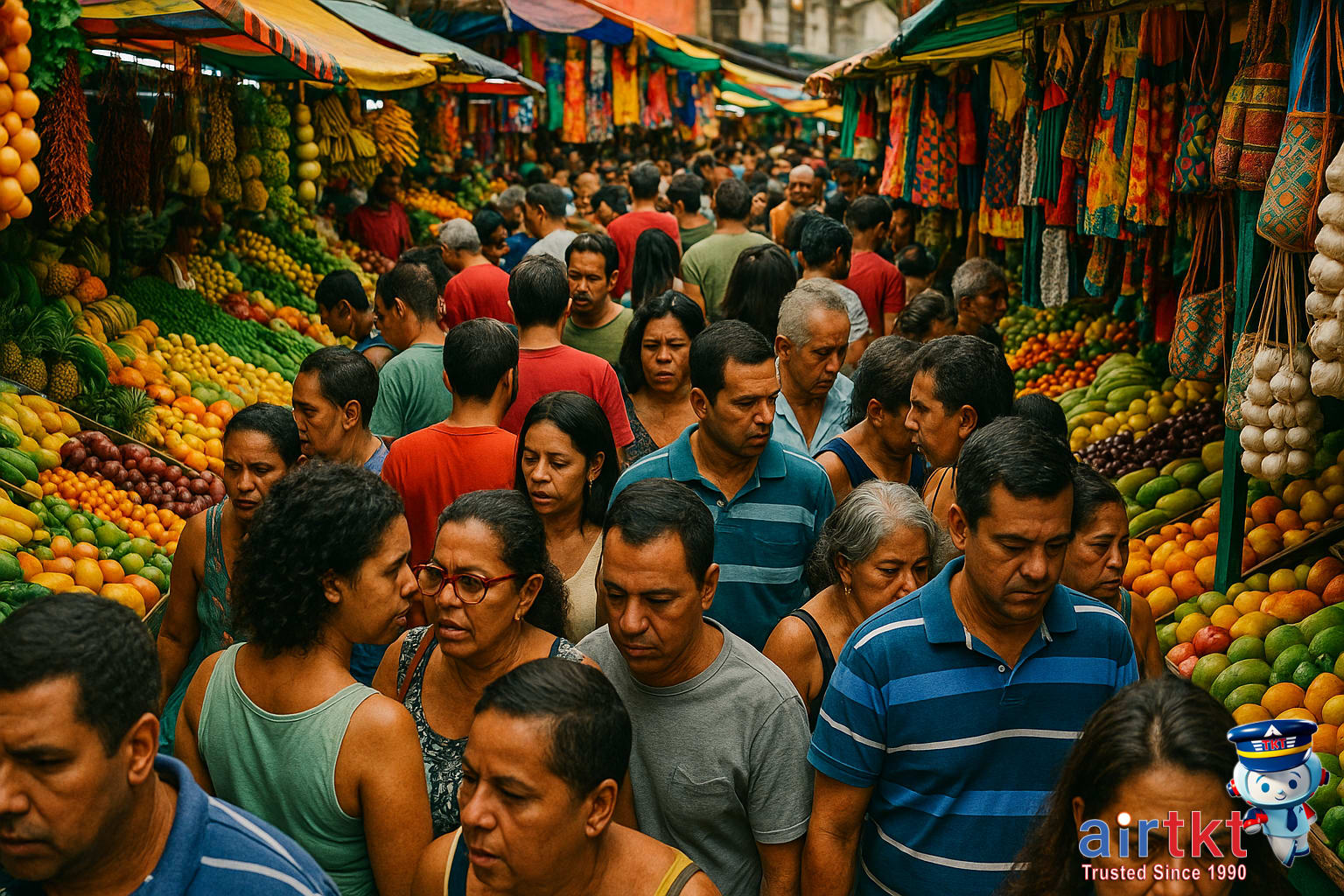
Brazilian culture is famously warm and expressive, and nowhere is this more noticeable than in how people approach personal space. In casual conversation or day-to-day interactions, Brazilians often stand closer than what some travelers—especially those from North America or parts of Europe—might be used to. Embraces, touches on the arm, and casual proximity feel normal here and are usually signs of friendliness, not invasion of privacy.
I found adapting to Brazil’s friendly closeness helped me connect better with locals. The first time someone stepped closer while chatting, I paused before realizing it was just a sign of genuine interest, not a push against boundaries. This closeness feels natural in markets, shops, or when standing in lines—Brazilians typically don’t expect as much physical distance as you might in other countries.
Reading Signals and Adjusting
It’s smart to stay aware of body language. If someone steps back or shifts away, take that as a subtle hint to provide more space. On the flip side, if a conversation partner steps in comfortably, you don’t need to retreat—it’s likely just their normal. Watch for facial expressions and posture, and, when in doubt, gently mirror what your new friend is doing.
If you want more background on general etiquette across South America, check out the travel etiquette guidance at airtkt.com.
Gift Giving Customs in Brazil
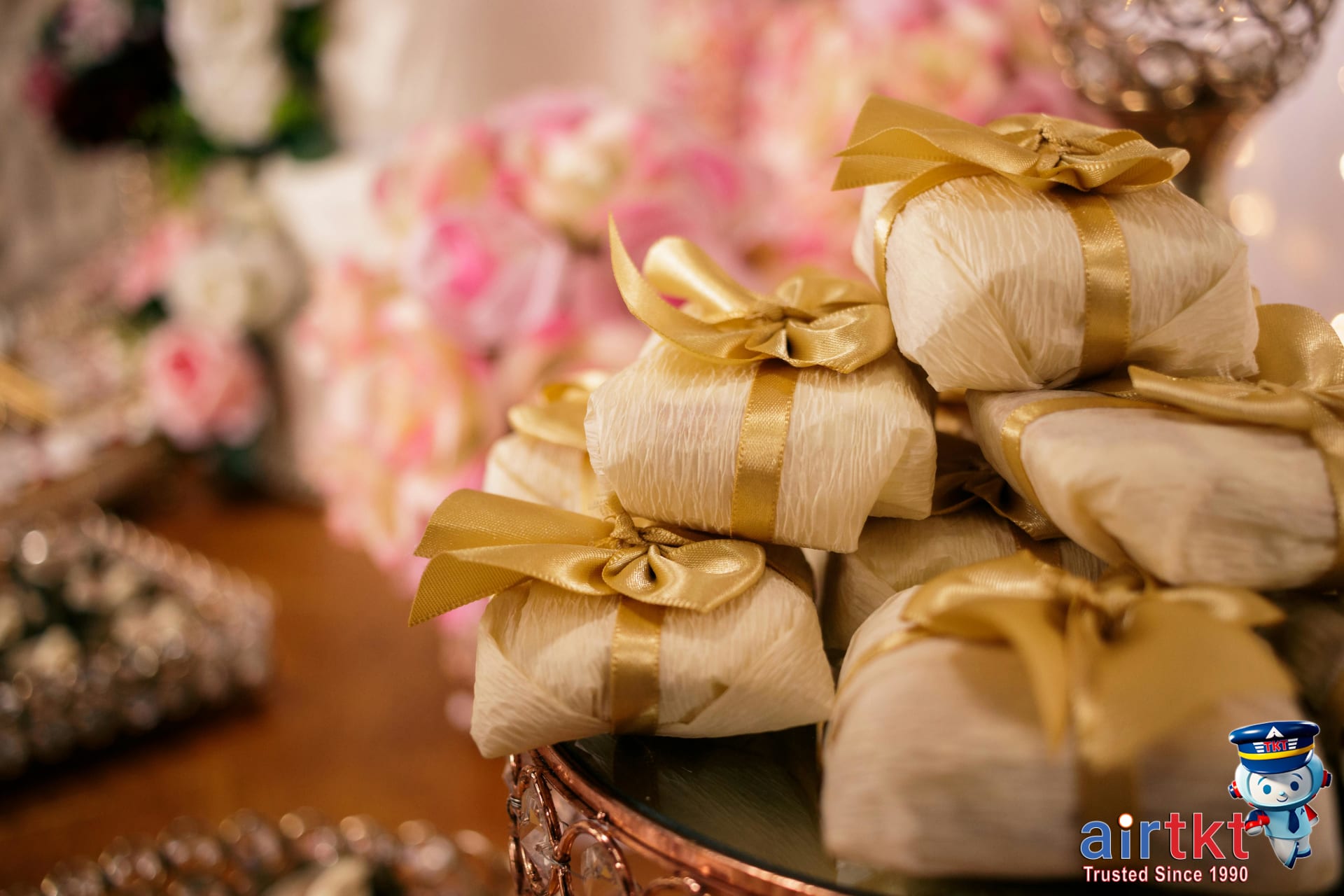
Gift giving plays an important role in both personal and professional relationships in Brazil. It’s a way to express appreciation and build genuine connections. Socially, gifts are commonly exchanged on birthdays, at dinner parties, and during festive occasions. In business, thoughtful tokens can help establish goodwill, especially after a contract is signed rather than at an initial meeting. In Brazil, I’ve noticed thoughtful gifts really strengthen friendships and business ties.
Brazilians appreciate small, meaningful gifts such as quality chocolates, local handicrafts, or specialty foods from your home country. Flowers are also appropriate, but always avoid purple and black blooms, as these colors are associated with mourning. Sharp objects like knives or scissors should be skipped because they’re believed to symbolize severed relationships. Additionally, practical items are often less well received than something given purely for pleasure or taste.
When wrapping a gift, vibrant paper in bright colors is welcomed, but steer clear of black or purple choices. Presentation matters: present gifts with both hands, along with a warm smile and words expressing your intentions. If giving a gift at someone’s home, it’s polite to hand it over when you arrive. Business gifts, on the other hand, are often exchanged at the end of a meeting or during a more relaxed lunch or dinner. For more advice on adapting to local etiquette while traveling, I’d recommend checking out business travel tips on airtkt.com as a helpful resource.
Dining Etiquette in Brazilian Homes

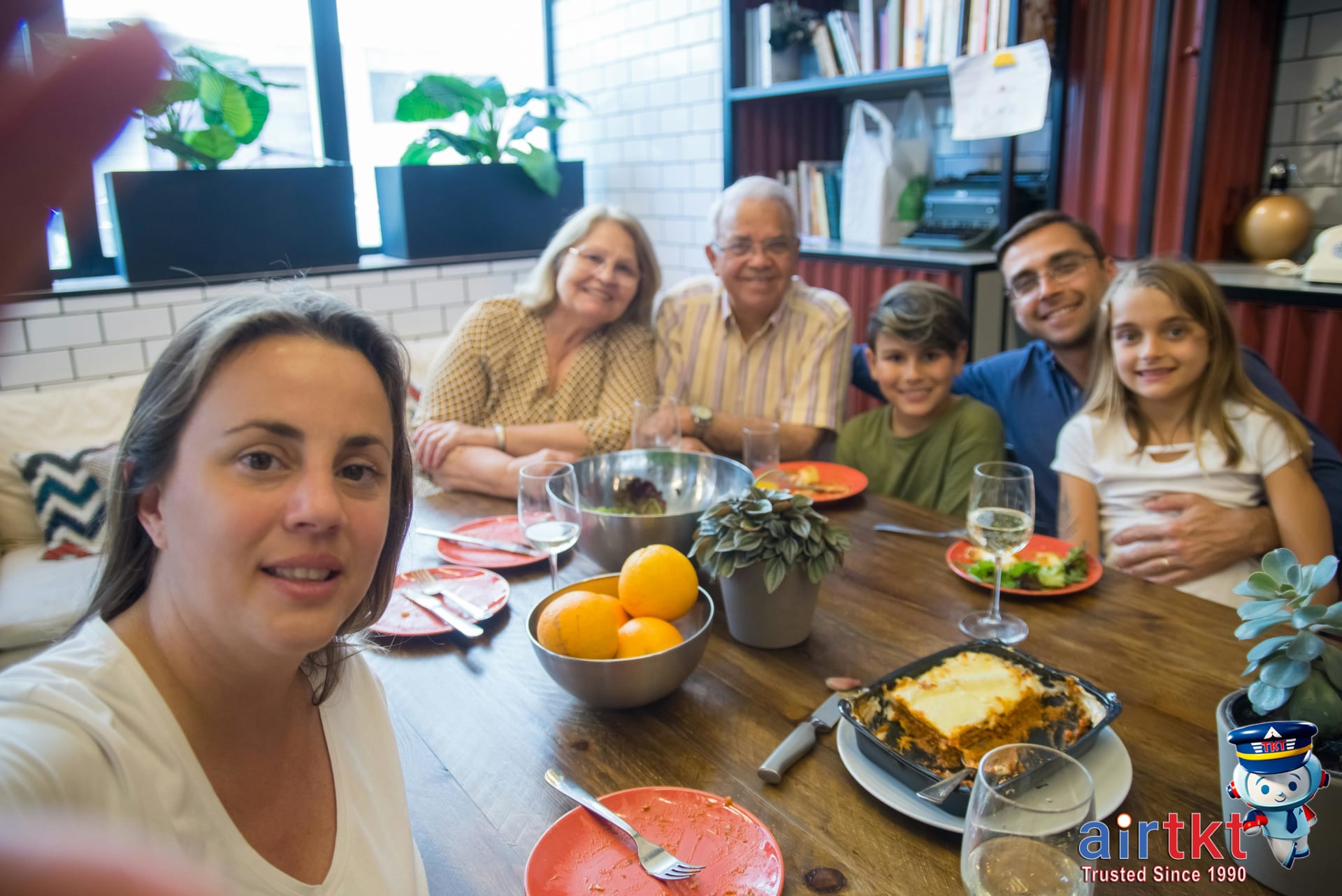
Sitting down to a meal in Brazil is as much about culture as it is about food. If you’re invited to a Brazilian home, it’s considered polite to wait until your host gives a clear signal to start eating. This often comes as a simple “bom apetite” from the host, and jumping in before they do can feel disrespectful. I noticed during meals with locals that patience matters—a chance to savor rich flavors and appreciate slow, joyful dining.
Expect communal dishes and plenty of sharing. Plates are often passed around, so don’t hesitate to help yourself when offered, but avoid reaching over others or grabbing the last piece without checking if anyone else wants it. Offering food from a shared plate is common, and it’s a genuine gesture of hospitality. If you’re full or need to decline more food or drink, a warm smile and a gentle “Não, obrigado” (No, thank you) is enough—Brazilians value friendliness and subtlety over blunt refusals.
Receiving an invitation to dine is an expression of trust, and bringing a small gift like dessert or wine is usually appreciated, though not always expected. At restaurants, polite interaction with waitstaff is important. A simple “por favor” when ordering and “obrigado” when thanking shows respect. If you’re curious about more on local dining culture, there are plenty of guides to Brazilian food experiences on airtkt.com that go deeper into flavors and traditions.
Brazilian Table Manners and Tipping


Dining out in Brazil comes with its own set of rhythms and expectations, which are friendly but do have some distinctive etiquette. At most restaurants, Brazilians use their fork in the left hand and knife in the right throughout the meal—switching hands mid-bite is less common here than in North America. Bread and appetizers often arrive without a formal starter course, and it’s polite to wait for everyone’s food to arrive before diving in.
Seating can be a subtle affair; hosts usually signal where to sit, especially at more formal or group meals. It’s considered bad form to start eating before the table is served, and keeping your hands visible (resting wrists on the table, not in your lap) is standard. You’ll also notice that casual, friendly conversation is expected at the table, but loud phone use and disruptive behavior are best avoided.
Tipping is straightforward in Brazil. Most restaurants tack on a standard service charge—about 10%—to your bill. If not, or if you want to go above and beyond for a standout experience, you can leave the tip in cash directly with the server. I always tip waiters in Brazil around 10% unless service is exceptional, when I might add a bit more. Skipping the tip is rare and generally not recommended. In more basic eateries or cafes, tipping is usually optional, but it’s still a kind gesture if service stands out.
For a deeper dive into Brazilian dining culture and tipping, check out airtkt.com’s guides on eating out and local customs. You’ll find more on what to expect and how to fit in at the table without stress.
Brazilian Dress Code and Etiquette Tips

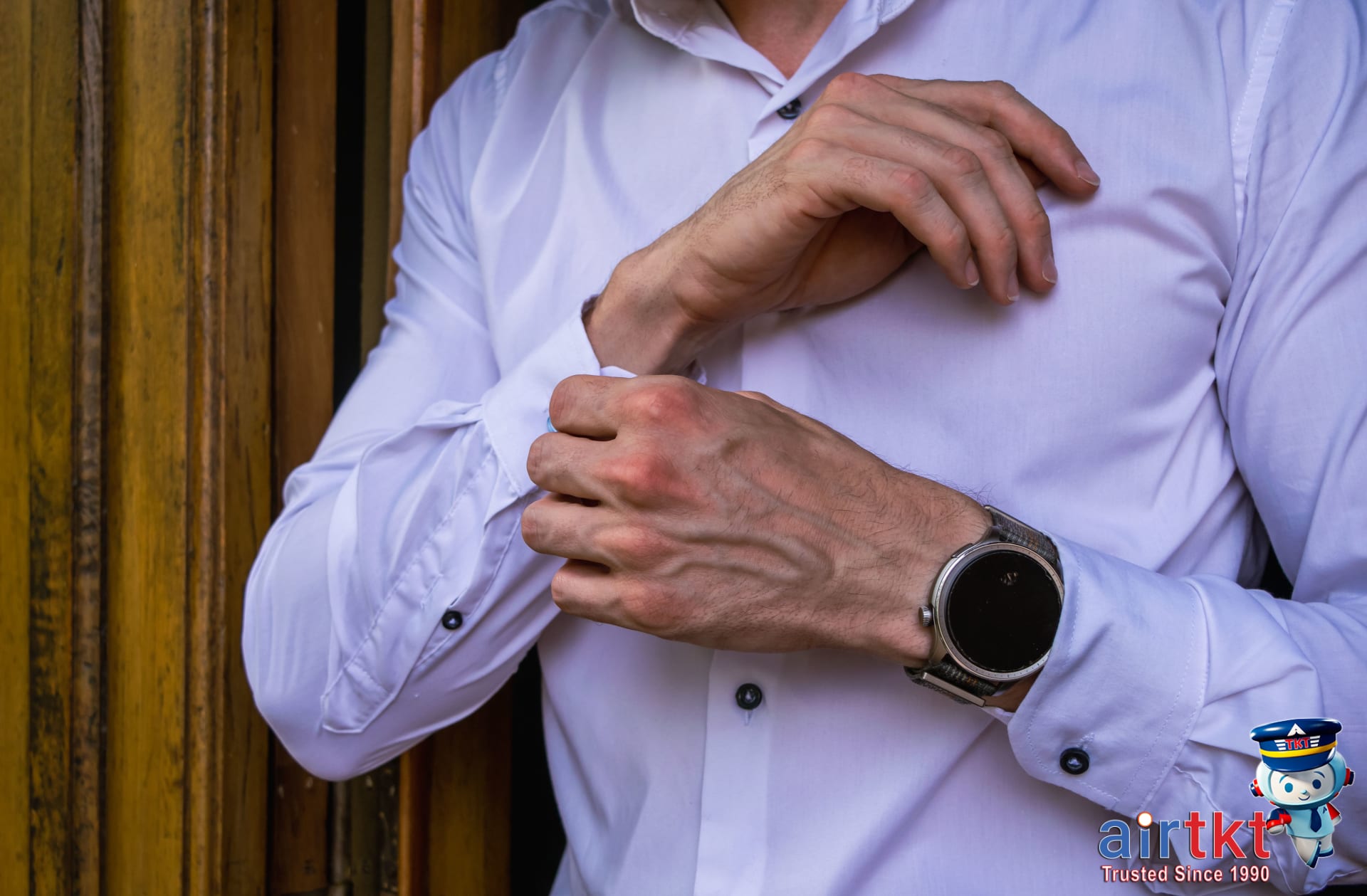
Brazil’s vibrant culture is reflected in what people wear, and dressing appropriately can help you feel at home whether you’re hitting the beach or attending a family celebration. I found that dressing according to the occasion in Brazil helped me gain respect and blend into social scenes effortlessly. Let’s break down what’s expected so your suitcase makes sense—and you avoid the classic traveler missteps.
Casual Outfits for Everyday Life
In cities and coastal areas, Brazilians favor comfortable, stylish clothes. Lightweight fabrics are a must due to the climate. For casual outings, T-shirts, jeans, sundresses, and sandals work well. Swimwear is reserved strictly for the beach—never for walking city sidewalks or dining at cafes.
Formal and Festive Occasions
For events like weddings or upscale dinners, locals dress elegantly. Men often wear dress shirts and slacks, while women lean toward colorful dresses or smart skirts and blouses. Be mindful: white is traditionally worn at New Year’s, and it’s commonly reserved for brides at weddings. Festive events, like Carnival, invite sparkling costumes—think bold colors and sequins. However, wearing green and yellow together may signal political affiliation, which might not be your intent.
Respectful Choices for Religious and Regional Settings
If you’re visiting churches or attending religious ceremonies, err on the side of modesty. Shoulders and knees covered is a good baseline. In some conservative regions, shorts or strapless tops may be frowned upon. I usually recommend carrying a scarf or light jacket for last-minute coverage.
Want more insight on fitting in? Check out airtkt.com’s travel advice for Brazil and other Latin American fashion tips to match your travel plans and local customs.
Brazil Travel Budget Breakdown Table
Figuring out how much to budget for your Brazil trip can really shape what kind of cultural experiences you’ll have. Adjusting my spending according to budget helped me experience Brazil’s culture fully without overspending. To make planning easier, here’s a straightforward breakdown of typical daily costs for Accommodation, Food, Transport, and Activities across three different spending levels.
| Accommodation | Food | Transport | Activities | |
|---|---|---|---|---|
| Budget | $25.00 | $15.00 | $10.00 | $20.00 |
| Mid-range | $70.00 | $35.00 | $20.00 | $35.00 |
| Luxury | $180.00 | $85.00 | $50.00 | $80.00 |
How Budget Influences Immersion
Your budget plays a surprisingly big role in how deeply you can connect with Brazil’s local culture. With a budget-friendly approach, you’ll likely stay in guesthouses or hostels and eat at neighborhood spots—great for meeting locals and trying regional flavors. Mid-range travelers often balance comfort with authenticity, perhaps opting for locally owned boutique hotels and guided community tours.
If you lean toward luxury, you might stay in upscale hotels and dine at top restaurants, but you can still join curated cultural experiences, like cooking classes or private walking tours. No matter your tier, I recommend carving out a portion of your daily spending specifically for cultural activities—things like samba lessons, street art tours, or museum visits can add layers to your trip beyond just sightseeing.
To book hotels, car rentals, or local activities in Brazil, I’d check out the relevant booking pages on airtkt.com—it’s worth comparing options ahead of time to see what best matches your style and what cultural extras you might be able to include.
Frequently Asked Questions About Brazil Etiquette
- What is the proper Brazil etiquette for greetings?
In Brazil, it’s common to greet with a handshake, but among friends, hugs or cheek kisses are typical. Cheek kisses vary by region, sometimes one or two. When in doubt, follow the local custom and let your host lead. I’ve found that a warm greeting goes a long way.
- How does Brazil etiquette influence dining habits?
Brazil etiquette values sharing and informality, but certain formalities are still expected. Wait to start eating until everyone is served. Keep hands visible on the table. If you’re invited to someone’s home, bringing a small gift, like dessert or wine, is considered thoughtful and polite.
- Are there etiquette rules for tipping in Brazil?
Tipping is straightforward in Brazil. Most restaurants include a service charge on the bill—typically about 10 percent. Extra tipping isn’t required, but if you receive excellent service, leaving a bit more is appreciated. Tipping taxi drivers isn’t obligatory, but rounding up the fare is common courtesy.
- What gestures or behaviors should I avoid in Brazil?
Some hand gestures common elsewhere can be offensive in Brazil—especially the “OK” sign. Don’t point at people, and avoid discussing sensitive topics like politics or religion unless you know someone well. I always remind myself to be mindful of local nonverbal communication and watch how others behave.
- How should I address people in Brazil?
Address people formally at first, using “Senhor” for men and “Senhora” for women, plus their first name. Brazilians often switch to first names quickly in conversation, but starting formally shows respect. Using titles in business or official settings is especially polite. People appreciate it if you make the effort.
- Does Brazil etiquette expect punctuality?
Punctuality is flexible in Brazil, especially for social events, where arriving about 15–30 minutes “late” is standard. For business meetings, it’s a good idea to be on time, though others may arrive a bit later. Using this flexibility as a guideline helps manage expectations during your stay.
- Are there special etiquette tips for tourists in Brazil?
Tourists are generally welcomed warmly, but showing politeness matters. Attempt a few words in Portuguese—locals appreciate the effort. Dress neatly, especially in nicer restaurants or when visiting religious sites. If you’re ever uncertain, a friendly smile and patient attitude help bridge any etiquette gap you encounter.
Conclusion and Respectful Travel Reminders
Taking the time to understand Brazilian customs can make a world of difference for any traveler. It’s not just about avoiding awkward moments—it’s about truly connecting with people and places on a deeper level. In my experience, understanding and practicing Brazil’s customs made my travels not just smoother but also more meaningful. It’s a reminder that whether you’re booking flights, chatting with locals, or simply exploring a new city, cultural respect adds a lasting richness to every journey.
If you’re planning your next adventure to Brazil, consider using airtkt.com to explore booking options and practical travel tools to support your trip. You’ll find flexible search features and useful fare tools designed for travelers who want both comfort and value. Ultimately, the most rewarding travel experiences happen when curiosity and respect go hand in hand.