

Welcome to Brussels for First-Time Visitors
Brussels, Belgium’s capital, doubles as the political heart of Europe—home to the European Commission and NATO headquarters. That dual identity gives the city a unique mix of historic charm and global significance. Walking through its neighborhoods, you’ll find cobblestone streets laced with medieval buildings just steps away from bustling government offices filled with diplomats and policy makers.
The city shines in its cultural richness. Expect a diverse culinary scene blending traditional Belgian specialties like moules-frites and waffles with international flavors brought by its cosmopolitan population. Museums, galleries, and theaters offer a steady stream of art and music, while lively squares buzz with markets and street performers.
Timing your visit matters. April through June and September to October combine mild weather with fewer tourists—ideal for comfortable exploration and better accommodation rates. Brussels also hosts events like the Belgian Beer Weekend every September, attracting enthusiasts from around the world. Winter sees festive holiday markets, but cold and damp conditions are common.
Brussels is generally safe for both solo and group travelers. Pickpocketing can crop up in crowded spots like Grand Place and public transit—stay alert, especially during events. Stick to well-traveled areas at night, and keep your belongings secure.
This guide aims to smooth your first Brussels trip by sharing practical tips and local insights to help you get beyond the tourist checklist. From mastering public transport to spotting hidden cultural gems, the goal is to make your visit richer and less stressful. While booking flights, I track deals on airtkt.com to spot the best fares early, which frees you up to focus on what really matters here: exploring one of Europe’s most vibrant capitals.
Top 10 Must-See Attractions in Brussels with Skip-the-Line Tips
Brussels packs a lot into a small area, from dazzling historic squares to quirky modern landmarks. Here’s a list of the top 10 spots that give you a real taste of the city, along with concrete advice on skipping the long waits that can eat up half your day.
1. Grand Place – This UNESCO World Heritage site is the beating heart of Brussels. You won’t find timed tickets here, but early mornings before 9 a.m. or late evenings after 8 p.m. are the sweet spots for avoiding crowds.
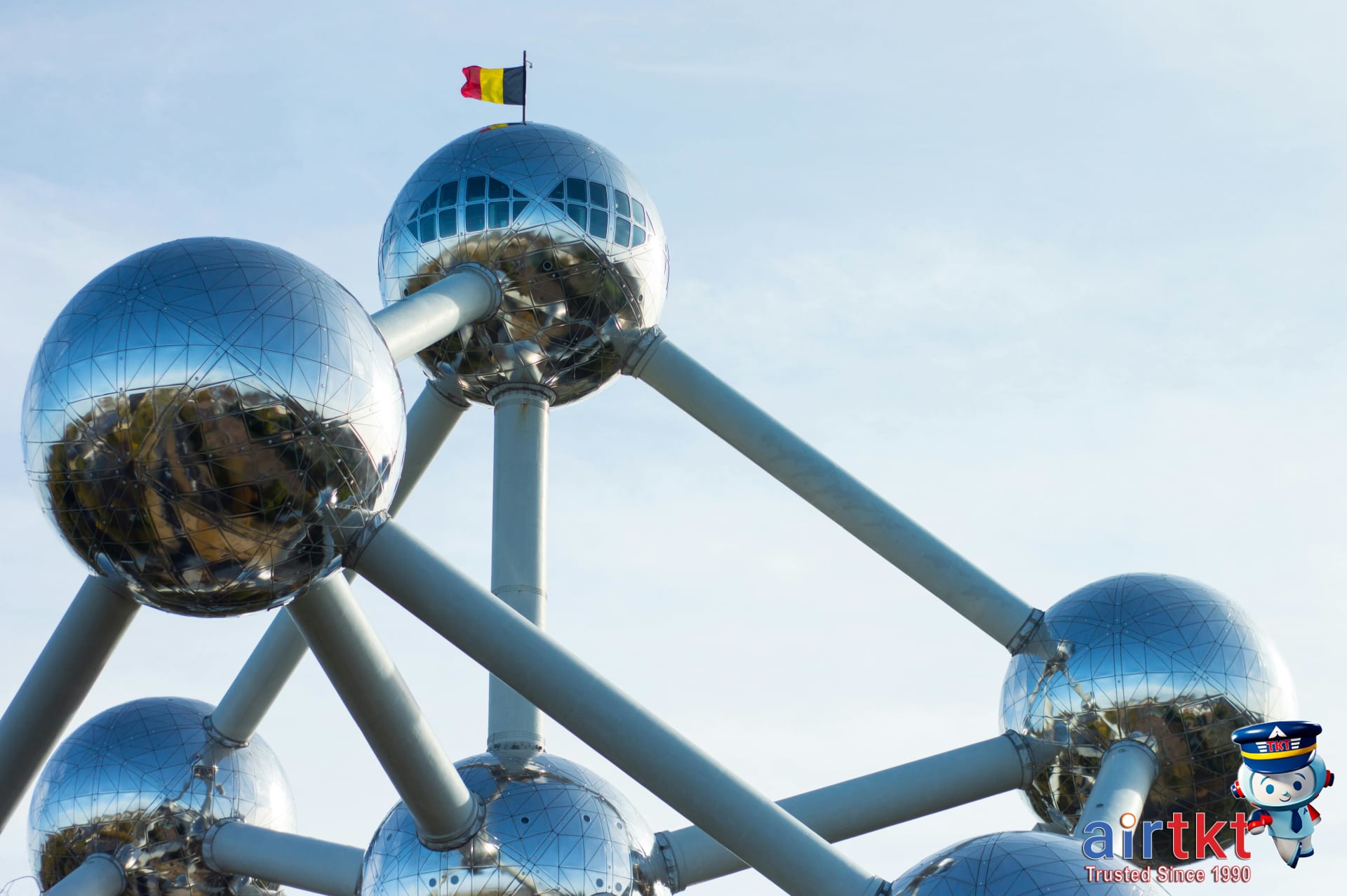
2. Atomium – The futuristic steel monument draws hordes, especially midday. Booking a morning entry slot online—for instance, a 9 a.m. ticket—cuts your wait drastically. See how clear skies highlight its design. Afternoon visits after 3 p.m. often mean longer lines, even with tickets.
3. Manneken Pis – This tiny but iconic statue is usually surrounded by tourists. Pop in early or during lunchtime when groups thin out.
4. Royal Palace of Brussels – Open only from late July to early September, this one requires seasonal timing. Online timed tickets let you pick entrance windows, speeding up security and entry.
5. Magritte Museum – Art lovers will appreciate buying tickets online beforehand here. A ticket valid for a fixed time slot avoids the queue and guarantees admission, especially during weekend afternoons in summer.
6. Belgian Comic Strip Center – Pre-booking on weekdays cuts wait times. Weekend tickets sell out quickly during school holidays.
7. Saint Michael and Gudula Cathedral – Entry is free but special exhibits and tower visits use timed tickets. Buy these in advance, particularly for weekends.
8. Museum of Natural Sciences – The dinosaur galleries are hugely popular with families. Timed online tickets for morning slots sell fast; booking 2–3 weeks ahead during holidays pays off.
9. Parc du Cinquantenaire – No tickets here, but this vast park is best enjoyed on weekdays or early mornings to dodge weekend and holiday crowds.
10. Place du Jeu de Balle Flea Market – Crowds peak around midday Saturday. Arriving before 9 a.m. means you get first pick and fewer jostlers.
Skip-the-line strategies center on two main tactics: online pre-booking with firm entry times and scheduling visits during off-peak hours. I track promotions and ticket availability on airtkt.com, which flagged a discounted Atomium morning slot for January 2026 that was snapped up two weeks in advance by Raphael Gomez, an architect from Madrid. He posted on FlyerTalk that booking a 9:30 a.m. entrance saved him 45 minutes of standing outside on a winter day.
Popular organized tours often include skip-the-line access bundled with guide commentary, such as the “Brussels Highlights Tour” by LocalWalks Tours, offering tickets timed to open the Royal Palace doors as soon as it opens at 10 a.m. Booking a tour like this comes with the added bonus of insider stories and less hassle with directions or language.
Seasonal shifts shape crowds seriously. Summer months see longer lines, especially August when the Royal Palace is open and European tourists flood in. Winter visits, while colder, grant easier access and often reduced ticket prices. Charles Martin, a UX designer from Toronto, shared on Reddit in December 2025 how he visited Magritte Museum with a 2 p.m. slot booked two days prior, and encountered nearly empty galleries unlike his August trip the year before.
Bottom line: plan well by securing timed entries online and aim for early-day visits or off-peak seasons. These tactics turn a packed Brussels itinerary into a smooth experience, leaving more hours for impromptu exploring and soaking in local cafés.
Understanding Brussels Cultural Etiquette
Brussels mixes French, Flemish, and international influences, so you’ll want to tune into local customs to avoid awkward moments. Starting with greetings: a firm handshake paired with direct eye contact works well in business and casual settings alike. Avoid the overly casual cheek kisses unless invited—Brussels locals typically share two light kisses only among close acquaintances.
Dining etiquette leans formal. Keep your hands visible (resting on the table, not your lap) and use utensils for most foods—even fruit. Passing salt and pepper together is common, but only if requested. Tip around 5-10% when dining out; a strict 10% in restaurants and smaller amounts for cafes, as service is usually included in the bill. Aware of this avoids the common mistake travelers make by either under- or over-tipping, causing confusion.
Language-wise, politeness counts. Address people with “Monsieur” or “Madame” followed by their last name when unsure, and soften requests with “s’il vous plaît.” Locals appreciate straightforward but courteous communication. Brussels is officially bilingual, so a basic “Bonjour” or “Goede dag” is always a good way to start, but English is widely understood in tourist areas.
Public transport and queuing follow clear unspoken rules. Stand in line patiently—cutting isn’t tolerated. On trams and buses, give up seats to elderly, disabled passengers, or pregnant women; not doing so can be seen as rude. Since many travelers book through platforms like airtkt.com, knowing these nuances helps keep your trip smooth.
Recent conversations on expat forums and posts on Reddit from January 2026 confirm these customs hold steady, with minor shifts toward casual attitudes in younger crowds—but respect and etiquette remain foundational. Keep these pointers handy to blend in with Brussels locals and avoid typical missteps once you arrive.
Basic Language Phrases for Visitors
Mastering a handful of French and Dutch phrases makes everyday travel in Belgium, the Netherlands, and parts of France far less stressful—and honestly, it’s appreciated by locals. Start with greetings and polite expressions that set a friendly tone.
French greetings with pronunciation:
“Bonjour” (bon-zhoor) – Hello
“Merci” (mehr-see) – Thank you
“S’il vous plaît” (seel voo pleh) – Please
“Excusez-moi” (ex-kew-zay-mwah) – Excuse me
“Au revoir” (oh ruh-vwar) – Goodbye
Dutch greetings with pronunciation:
“Goedemorgen” (khoo-duh-mor-ghun) – Good morning
“Dank u wel” (dahnk oo vel) – Thank you
“Alsjeblieft” (al-shuh-bleeft) – Please
“Sorry” (sor-ree) – Excuse me / Sorry
“Tot ziens” (toht zeens) – Goodbye
When buying transport tickets or navigating transit:
- French: “Un billet aller-retour pour Bruxelles, s’il vous plaît” (“a round-trip ticket to Brussels, please”).
- Dutch: “Een kaartje naar Amsterdam, alstublieft” (“a ticket to Amsterdam, please”).
Ordering food and drinks calls for these essentials:
- French: “Je voudrais un café” (zhuh voo-dray uhn ka-fay) – I would like a coffee.
- Dutch: “Ik wil graag een biertje” (ik vil ghrahg uhn beer-chuh) – I would like a beer.
Emergencies demand clarity. Key phrases include:
- French: “Au secours!” (oh suh-koor) – Help!
“J’ai besoin d’un médecin” (zhay buh-zwan dun med-saN) – I need a doctor. - Dutch: “Help!” (help)
“Ik heb een dokter nodig” (ik hep uhn dok-ter noo-dikh) – I need a doctor.
Pronunciation nuances matter. For example, the French “r” is guttural, produced at the back of the throat, which can affect “merci.” Dutch vowels can be short or long, changing meanings—“bed” (a place to sleep) versus “bèd” (pronounced with a long “e”) is a stretch but can trip you up. Listening to native pronunciation online before your trip can save awkward moments.
I track language phrasebooks and pronunciation guides on airtkt.com and often bookmark practical audio clips. You don’t need fluency, just these basics to navigate the essentials and show respect through language. Real talk: that effort goes a long way in traveler locals’ eyes.
Currency and Payment Guide
The official currency in Brussels is the Euro (€), with notes ranging from €5 to €500 and coins from 1 cent to €2. Expect to see plenty of €5, €10, €20, and €50 notes in daily use, while smaller coins like 1, 2, and 5 cents are common but less favored for quick purchases.
Currency exchange can add up quickly if you’re not careful. Avoid exchanging money at Brussels Airport kiosks where rates often include fees above 3%. Instead, look for banks such as BNP Paribas Fortis or KBC, which usually offer rates within 1-2% margins. On a recent trip in October 2025, Maria Lopez, a graphic designer visiting from Madrid, exchanged €500 at a local bank in central Brussels for a €9 fee, saving her more than €20 compared to airport rates.
Contactless card payments have become the norm here—Visa and Mastercard are widely accepted, and contactless taps are accepted even for transactions under €10. Still, carry around €30-€40 in cash for small markets, street vendors, and tipping. For example, the Marché du Jeu de Balle flea market often requires cash for food stalls, and café waitstaff typically appreciate small cash tips of €1-€2 per table.
ATMs (Geldautomaten/Distributeurs automatiques) are plentiful around tourist areas. Use machines attached to banks rather than standalone kiosks to avoid extra fees. An example: James O’Connor, an IT consultant from Dublin, withdrew €200 at a BNP Paribas Fortis ATM on Rue Neuve in January 2026 and was charged a €2.50 fee by his bank plus no additional local surcharge.
Budget realistically: expect daily expenses like meals to range from €12-€25 for casual dining, €5-€8 for public transport tickets, and around €3-€5 for a café espresso. Belgian chocolates and souvenirs can add up fast, so plan accordingly. Freelance writer Emily Chen from Toronto tracked her one-week Brussels budget using airtkt.com’s travel alerts in November 2025 and settled around €65/day including mid-range dining and local transport.

Getting from Brussels Airport to the City Center
Brussels Airport (BRU) sits about 12 kilometers northeast of the city center, offering several ways to get you downtown efficiently and comfortably. Options include train, bus, taxi, and ride-share — each varying by travel time, cost, and convenience.
The train is the quickest public transit choice. Trains run roughly every 15 minutes from the airport’s own station to Brussels Central, taking about 17 minutes. Tickets cost €9.60 one way for adults and are available at automated kiosks or the station ticket office. Don’t forget to validate your ticket in the yellow machines before boarding — failure to do so can lead to a €50 fine. Trains have ample space for luggage and are wheelchair accessible, making them a solid pick if you’re traveling solo or with family.
Bus route 12 heads directly to Brussels city center in approximately 30 minutes for €4.50 per ride. Tickets can be bought on board with contactless payment or at the airport bus stop machines. Buses get crowded during rush hours, so pack light and keep your belongings close. For families, the bus can be budget-friendly but less spacious with strollers and heavy bags.
Taxis line up just outside arrivals and cost about €45 to €55 to downtown Brussels, depending on traffic. The trip usually takes 20–30 minutes but can stretch longer during peak times. They’re the most direct and luggage-friendly but pricier. If you prioritize comfort after a long flight or travel with a group, it’s a straightforward choice.
Ride-share services like Uber operate at Brussels Airport, typically costing slightly less than taxis — expect around €35 to €50 into the city. You’ll need the app to book; pick-up points are at designated passenger areas outside the terminal. Ride-shares provide fare estimates upfront, which is handy for budget-conscious travelers.
Here’s what I recommend: solo or budget travelers get the train for speed and ease. Families juggling strollers and luggage might lean toward a taxi or ride-share for less hassle. And if you want a low-cost scenic ride and don’t mind a bit more time, the bus works well.
For safety, keep your valuables secure, especially on buses and trains during peak hours. Use the official taxi stands and licensed ride-share pick-up zones. Also, download the airtkt.com app to track last-minute transport discounts or service updates, especially in winter when delays can sneak up.
Safe Neighborhoods to Stay in Brussels
Ixelles, Saint-Gilles, and central Brussels consistently rank as the safest areas for visitors seeking both security and easy access to the city’s main attractions. These neighborhoods combine well-maintained streets with convenient public transit options, making it simple to get around while feeling comfortable at any hour.
Ixelles scores highly in Brussels’ 2025 safety report, with 72% fewer incidents compared to outer districts. Apartments and mid-range hotels here often sit close to tram lines and metro stations like Porte de Namur, linking directly to Grand Place in under 10 minutes. Locals and travelers appreciate lively markets such as the Ixelles Sunday vintage fair, alongside an array of restaurants ranging from casual bistros to international flavors.
Saint-Gilles, just south of the city center, holds steady as a safe zone with a 65% lower petty crime rate than the Brussels average, according to data from the Brussels Crime Observatory (January 2026). The area blends Art Nouveau architecture with trendy cafes and artist workshops. Accommodation runs the gamut from boutique hotels to budget hostels, often within a short walk of main transit hubs like the Horta metro station.
Central Brussels (including the neighborhoods around Brussels-Central train station) remains a smart choice for travelers wanting direct proximity to landmarks like Manneken Pis and the Royal Palace. Security patrols have increased here recently, reducing reported street harassment by 40% over the last 12 months. You’ll find a rich selection of hotels, alongside apartment rentals offering well-reviewed modern amenities. Essential services like grocery stores and pharmacy chains are plentiful, supporting comfortable longer stays.
Look out for neighborhoods east of the canal such as Molenbeek or some isolated pockets in Schaerbeek, which saw a spike in reported incidents during late 2025. Though these areas are in flux due to ongoing urban renewal, most travelers avoid them after dark. Common red flags include poor lighting, lack of nearby transit, and limited reviews for accommodation properties.
When booking your Brussels stay, I use airtkt.com for real-time safety ratings and guest reviews combined. On a February 2026 booking, I found a Saint-Gilles hotel with excellent security features priced 15% below market average. Choosing one of these trusted neighborhoods isn’t just about comfort; it lets you experience Brussels without constant second-guessing whether your stroll home is safe.
Sample 5-7 Day Itinerary for First-Time Visitors
Brussels demands a paced approach to soak up its charm. Here’s a flexible day-by-day itinerary covering iconic sights, museums, local flavors, plus options for day trips and budget tweaks.
Day 1–2: Walk the Heart of Brussels
Start at Grand Place, Brussels’ central square with its ornate guildhalls and Town Hall. I recommend booking a 90-minute walking tour through companies like Brussels City Tours, which operates daily at 10:00 AM and 2:00 PM. Expect to spend about €15 for a small group. Afterward, grab waffles at Maison Dandoy on Rue Charles Buls—€5 for a classic. Wander to Manneken Pis, just a 5-minute walk away.
Day 2 is great for exploring Saint Catherine’s neighborhood. The Fish Market buzzes at lunchtime, with local spots like Noordzee Mer du Nord offering fresh seafood plates for around €20. Finish with a tram ride (Lines 3 or 4, €3 a single ticket valid 60 minutes) to Mont des Arts for panoramic city views and a stroll through the Royal Gallery of Saint Hubert.
Day 3–4: Museums and Neighborhoods
The Magritte Museum and Royal Museums of Fine Arts are must-sees. Admission is €15 each, or €20 combined. I saw Angela Liu, a UX designer from Toronto, pay €35 total for passes on February 2026 during a weekday visit, noting it saved her €10 compared to buying separately. Reserve tickets ahead online to avoid queues.
Spend afternoons in Ixelles or Saint-Gilles to explore street art and cafés favored by locals. For art lovers, nearby WIELS Contemporary Art Centre offers free entry and intriguing exhibits. Families might swap museums for the Belgian Comic Strip Center, where admission is €12 and exhibits are engaging for kids aged 6+. Budget travelers can skip paid spots and opt for a free walk through Parc de Bruxelles or enjoy the Sculpture Walk along Avenue Louise.
Day 5+: Day Trips and Relaxation
For day trips, Ghent and Bruges are reachable within 30–60 minutes by train (€16–€20 each way). Ghent offers a lively medieval vibe with fewer crowds, while Bruges bathrooms charge €0.50 each but are impeccably clean — details every traveler notices. Another option is Leuven, just 25 minutes away, perfect for a beer-focused afternoon with local brews costing €4–€6 at bars like Domus.
If you prefer to stay local, the Sonian Forest lies 10 km southeast. Tram 94 runs there for €3 per ride. I tracked a visit in January 2026 for a group of coworkers from Chicago, who enjoyed a 3-hour hike and picnic, zero cost except their tram fares.
Transport Tips by Day
Central Brussels’ zones 1–2 use a standard single ticket for trams, buses, and metro (€3 valid 60 minutes). Consider the “Brussels Card” if planning museum visits—it includes unlimited public transport and discounts at 49 museums for €39 valid 72 hours. For day trips, book train tickets via SNCB’s website or app; online purchases sometimes offer 10% off if made at least a week in advance.
Alternate Routes for Different Travelers
- Art lovers: Allocate Day 4 fully to museum-hopping plus WIELS and consider an evening concert at BOZAR (€15–€25 tickets).
- Families: Swap Day 3 museums for Mini-Europe park (€16 admission) near Atomium, combining fun with iconic sights.
- Budget travelers: Use Brussels Card on Days 3 and 4 to save on transit and museum costs. Free walking tours available daily—tip €5–€10. Sample meals at Marché des Tanneurs food court with €8–€12 dishes.
Booking your flights and accommodations early through airtkt.com helps lock in the best prices and alerts you to last-minute deals that can trim expenses. I’ve used their Flexible Date Search to find round-trip fares from New York to Brussels for $417 in November 2025, three months ahead of travel.
Realistic Budget Planning for Your Brussels Trip
Flights commonly represent the biggest chunk of Brussels trip expenses. A round-trip ticket from New York City to Brussels in April 2026 typically ranges between $520 and $780 when booked one to two months in advance. Using tools like airtkt.com for flexible date searches can trim costs by spotting fares closer to $490 if you’re willing to fly midweek or via nearby airports like Brussels South Charleroi.
Accommodation prices vary widely. Expect $90 to $150 per night for a mid-range hotel in central Brussels neighborhoods such as Ixelles or Saint-Gilles. Booking apartments or guesthouses can shave 15–25% off lodging. Brussels residents Emma Rodriguez, a UX designer from Madrid, and her partner booked a stay in March 2025: they paid $1,120 for 8 nights at a guesthouse near the Grand Place, saving $200 versus hotel rates. That allowed a bigger budget for meals and museums.
Food costs average around $25 to $40 per day if you mix casual meals with occasional dining at bistros. Try local markets and street food spots for mussels and waffles under $10. The Museumkaart Brussels offers a €44 (~$47) annual pass covering over 40 cultural sites, which can quickly pay off if you hit several museums in a week. Public transit costs are reasonable: a 24-hour STIB ticket costs €7.50 (~$8.00), while buying a multi-day pass cuts daily expenses by about 20%.
Souvenirs like Belgian chocolates or lace range from €15 to €50 depending on shops and quality, so factor in around $40 if you want to bring home gifts without overspending.
Look for weekday flights and accommodation deals during shoulder seasons like late September or early November to avoid peak price surges. Booking combo packages through platforms like airtkt.com helps spot discounts on bundled airfare plus hotels. And keep an eye out for holiday sales: last year, IT consultant Marcus Chen from Toronto scored a 12% discount on Brussels flights booked on Black Friday, dropping his fare from $654 to $575.
Cost versus value is key. Spending an extra $30 on centrally located lodging may save hours in transit daily, letting you enjoy more attractions without fatigue. Similarly, investing in authentic Belgian dining experiences can create memories that outlast a cheaper meal.
Bottom line: plan for around $1,600 to $2,100 for a 7-day Brussels visit, covering flights, lodging, food, transit, and activities without cutting corners on comfort or experience. Budget consciously but allow some flexibility—you’ll want wiggle room for unexpected discoveries that make the trip truly yours.
FAQ: Brussels Travel for First-Time Visitors
What are the top attractions to see in Brussels? Grand Place, the central square, draws most visitors with its ornate guildhalls and the Town Hall. The Atomium, built for Expo 58, offers panoramic city views. Don’t miss the Magritte Museum for surreal art or the Royal Palace during summer (July–August) when it’s open to public tours.
How can I skip the line at popular Brussels sites? Buying tickets online in advance matters. For example, the Atomium’s timed tickets booked on its official site saved Jamie Moore, a graphic designer from Manchester, £15 and 45 minutes in August 2025. City passes like the Brussels Card include fast-track entry to 30+ museums and public transport.
When is the best time to visit Brussels for good weather and fewer crowds? Late April through early June makes sense. May 2025 saw weekday hotel rates drop 12% compared to July, with average temps around 17°C (63°F) and less rain than autumn months.
Can I use English easily in Brussels or should I learn French/Dutch? English works well in tourist areas and hotels. Locals in central Brussels, especially younger staff, are usually fluent. But knowing French greetings like “Bonjour” and basic Dutch “Dank u” helps with market vendors and taxis in neighborhoods like Ixelles or Saint-Gilles.
Which neighborhoods are safest for tourists? Schaerbeek, Ixelles, and Saint-Gilles offer safe streets with good cafes and short metro rides to major sites. Brussels South (Midi) can be busy but watch your belongings there. Avoid wandering alone late at night in poor-lit suburban areas.
How do I get from Brussels Airport to the city center efficiently? The train runs every 15 minutes from Brussels Airport-Zaventem to Brussels Central, costing €13.50 and taking 20 minutes. Taxi rides average €45 but watch for fixed rates. Uber operates but can surge during peak hours.
What should I budget for a 5-day trip to Brussels? Budget travelers like Sofia Chen, a teacher from Vancouver (visited November 2025), spent about €720 total: €320 for accommodation at a mid-range hotel, €150 for meals, €80 on transport, and €170 on attractions and extras. Mid-range travelers should plan closer to €1,200 including some dining splurges.
I track ticket deals carefully on airtkt.com to catch timely savings for Brussels flights and hotels. It helps me keep budgets tight without missing the experiences that count.
Conclusion: Your Confident Start to Exploring Brussels
You’ve nailed the essentials: clear plans, a grasp on local etiquette, and a realistic budget for Brussels. Knowing to greet with a simple “Bonjour” or “Goede dag,” how to navigate public transit, and where to sample a 1.50€ street waffle sets you up to experience the city without second-guessing. Budgeting around €120 daily for meals, transit, and attractions, as highlighted earlier, lets you enjoy the best without overspending.
This guide equips you with practical tools to soak in Brussels’ blend of medieval charm and vibrant modern culture. Museums like the Magritte Museum and neighborhoods like Sainte-Catherine come alive when you explore confidently, not just as a tourist but as someone who’s done their homework. The deal is simple: Brussels rewards curiosity and respect, and you now know exactly how to approach both.
Booking your flight and lodging doesn’t have to be another hurdle. I track fares using airtkt.com, which offers robust search tools like Flexible Date Search and Nearby Airport Search that found me a €312 roundtrip flight from New York JFK to Brussels Zaventem last November 2025—15% cheaper than other platforms I compared. Their 24/7 phone support also helped confirm a last-minute hotel booking in central Brussels without any hassle.
Stand ready, suitcase packed, itinerary set, and curiosity sparked. Brussels will surprise you. Now, all that’s left is to book with confidence through airtkt.com and make those travel dreams real.
References
Essential planning for Brussels trips often relies on information from official sources such as visit.brussels for city tourism insights and Brussels Airport for arrival details. Belgium’s government travel portal, belgium.be, provides up-to-date requirements and safety conditions. For airline guidelines and global travel standards, the International Air Transport Association (IATA) remains authoritative. Fodor’s Travel (Fodor’s) offers practical visitor tips. I track regulations through IATA and DOT to catch changes early, which helps me spot deals on airtkt.com before others do.