

Introduction: Understanding Airline Types and Why It Matters
When planning your next trip, knowing the difference between budget airlines and full-service carriers can significantly impact your travel experience and wallet. These two categories operate with distinct business models, catering to varying traveler needs and preferences. Grasping how they function enables you to make smarter decisions while booking flights, balancing cost, comfort, and convenience.
Budget airlines, often called low-cost carriers (LCCs), focus on offering the lowest possible ticket prices by streamlining services and minimizing operational costs. They typically charge extra fees for add-ons like checked baggage, seat selection, and onboard meals, which helps keep base fares low. Budget carriers tend to serve short to medium-haul routes, frequently between secondary airports or popular city pairs, prioritizing efficiency and quick aircraft turnaround times.
In contrast, full-service airlines provide a more comprehensive travel package. This includes amenities such as complimentary meals, free checked baggage, in-flight entertainment, and loyalty programs. These airlines usually operate extensive route networks, including long-haul and international flights, from major hubs. Their pricing generally reflects these inclusions, offering higher base fares but fewer surprise fees.
The differences between these airline types naturally influence ticket pricing and onboard comfort, shaping traveler expectations. For budget carriers, the appeal lies in ultra-affordable fares for cost-conscious flyers willing to accept a more no-frills journey. Full-service airlines attract those prioritizing comfort, flexibility, or loyalty rewards, often business travelers or families seeking convenience.

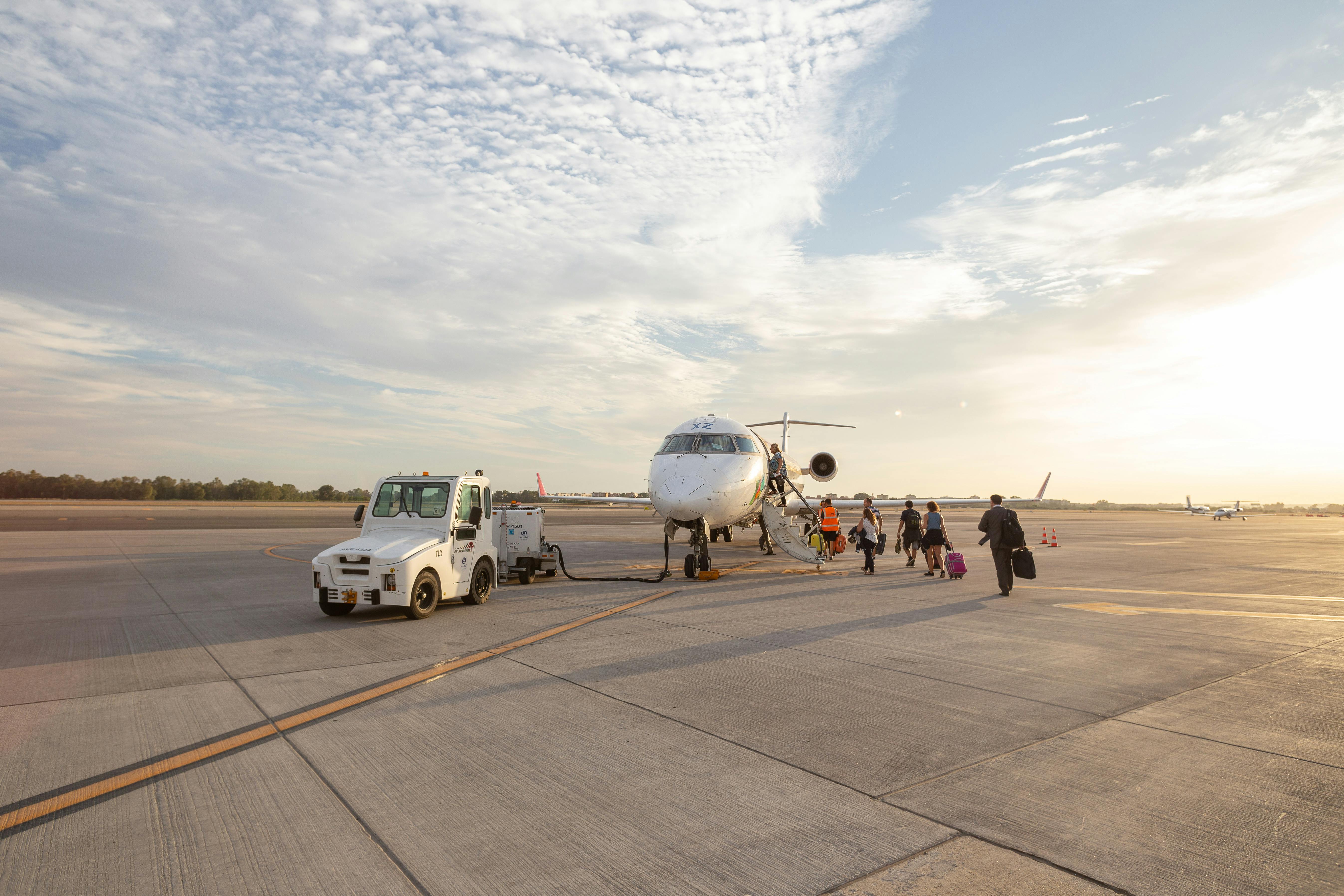
Some well-known budget airlines include Southwest Airlines in the U.S., Ryanair and easyJet in Europe, and AirAsia in Asia. On the other hand, flagship full-service carriers encompass American Airlines, Delta Air Lines, British Airways, and Emirates, among others. Each brings a distinct approach to passenger experience and pricing strategy.
Understanding these fundamental airline types is essential for optimizing travel plans, allowing you to match your budget and preferences with the right carrier. By consciously choosing between budget and full-service airlines, you can uncover better airfare deals or premium benefits tailored to your trip’s needs. For savvy travelers seeking affordable flights without sacrificing essential comforts, platforms like AirTtkt simplify this process by comparing options across many airlines, making it easy to find the best fit for every journey.
Ticket Prices and Fare Structures
Understanding how airline ticket prices are structured can transform the way you approach booking flights, especially when comparing budget airlines with full-service carriers. Budget airlines typically entice travelers with low base fares but rely on charging extra for many add-on services like checked baggage, seat selection, or priority boarding. In contrast, full-service airlines bundle these services into higher, all-inclusive fares, giving passengers a more predictable upfront price but less flexibility to pick and choose amenities.
Budget carriers adopt a “bare-bones” pricing model focused on offering the lowest possible base fare. This approach breaks down the travel experience into a core service—usually just the seat and a carry-on bag—while charging separately for anything beyond that. For example, a budget airline ticket may start at $50, but fees for one checked bag, selecting a preferred seat, and priority boarding could easily add an additional $40 or more to the total cost. This modular structure allows travelers to tailor expenses to only the services they value, but it can also mean the final price is higher than initially expected if you’re not careful.
Full-service airlines, on the other hand, often include many perks—such as checked baggage, meals, and seat selection—in the ticket price. These fares tend to be higher from the outset, but for many travelers, this simplicity and comfort justify the expense. The all-inclusive nature of full-service fares reduces uncertainty, especially for first-time flyers or families who prefer to avoid calculating every potential additional cost.
Behind the scenes, budget airlines use operational cost-saving tactics that allow them to keep base fares low. One key strategy is standardizing their fleet by using a single aircraft model, which streamlines maintenance, pilot training, and operational logistics, reducing overall expenses. They also frequently operate from secondary or regional airports that have lower landing fees and less congestion, cutting turnaround times and operational costs. These factors combine to help budget carriers offer competitive base fares, although the trade-off can include fewer amenities and less convenient airport locations.
To illustrate how add-on fees accumulate, consider a generic budget airline trip. The base fare might be $60, checked baggage $30, seat selection $15, priority boarding $10, and onboard food and drinks $20, bringing the total to $135. While still competitive, this breakdown shows how the initial low fare can nearly double once all desired extras are factored in. Travelers who don’t require extras can genuinely save money, but it’s crucial to calculate total costs before booking.
Seasonal demand and route-specific factors also play major roles in price fluctuations. During peak travel seasons—such as holidays, summer vacations, or popular event dates—both budget and full-service airlines tend to raise fares due to increased demand. Conversely, off-peak periods often see reduced prices and promotional deals. Popular or heavily trafficked routes generally maintain higher base fares compared to less common destinations, reflecting market competition and operational costs.
Fare classes, which determine refundability, change fees, and mileage accrual, also impact pricing. Budget airlines often restrict flexibility altogether or charge hefty fees to change tickets, while full-service carriers typically offer a range of fare classes with varying levels of freedom. Knowing these rules helps travelers interpret fare components beyond just the price tag, ensuring the chosen ticket matches their travel needs.
When looking for the best deals on airfare, platforms like AirTtkt provide valuable tools to compare base fares alongside add-on fees. By understanding how fare structures work, travelers can make informed decisions, balancing upfront cost versus convenience and additional services for a trip tailored to their budget and preferences.
Baggage Allowance and Fees
Understanding baggage policies is crucial when booking flights, especially since airline fees can significantly impact your overall travel budget. Full-service airlines typically offer more generous free baggage allowances compared to budget carriers, which often charge separately for carry-on and checked luggage.
Most full-service airlines include at least one free checked bag, often weighing between 20 to 23 kilograms (44 to 50 pounds), along with a carry-on bag at no additional cost. In contrast, budget airlines usually offer only a small personal item free of charge, while carry-on and checked bags require payment. These fees can quickly accumulate, sometimes exceeding the base ticket price, so it’s vital for travelers to factor baggage costs into their trip calculations before booking.
Budget airline baggage fees often follow a tiered pricing model: the earlier you pay, the cheaper the fee, but fees rise significantly if paid at the airport. For example, a budget carrier might charge $30-$50 for a carry-on and $40-$70 for checked baggage, depending on route and timing. Families or travelers carrying extra gear can find these fees adding hundreds to their total expenses unexpectedly.
Carry-on baggage restrictions are also stricter with budget airlines. The International Air Transport Association (IATA) recommends standard cabin baggage measurements of approximately 55 x 40 x 20 cm (22 x 16 x 8 inches), with weight limits generally around 7 to 10 kilograms (15 to 22 pounds). However, budget carriers often enforce tighter size and weight limits than full-service airlines, resulting in additional charges or forced checked baggage if requirements aren’t met.
To avoid surprises at the airport, consider this practical checklist when assessing baggage fees and airline regulations:
- Check the number of free baggage items: Know how many checked and carry-on pieces are included with your fare.
- Review exact size and weight limits: Each airline publishes specific baggage dimensions and weight allowances—confirm these carefully.
- Compare baggage fees between airlines: Include potential fees in your overall budget to identify the best deal.
- Investigate prepay options: Many airlines offer discounted rates for baggage fees paid online in advance.
- Consider your luggage needs: If you only carry a backpack or a small suitcase, a budget airline may still be cheaper even with fees.
- Verify updated TSA and airline baggage policies: Rules can change seasonally or due to security measures, so consult official TSA resources or the airline’s website regularly.

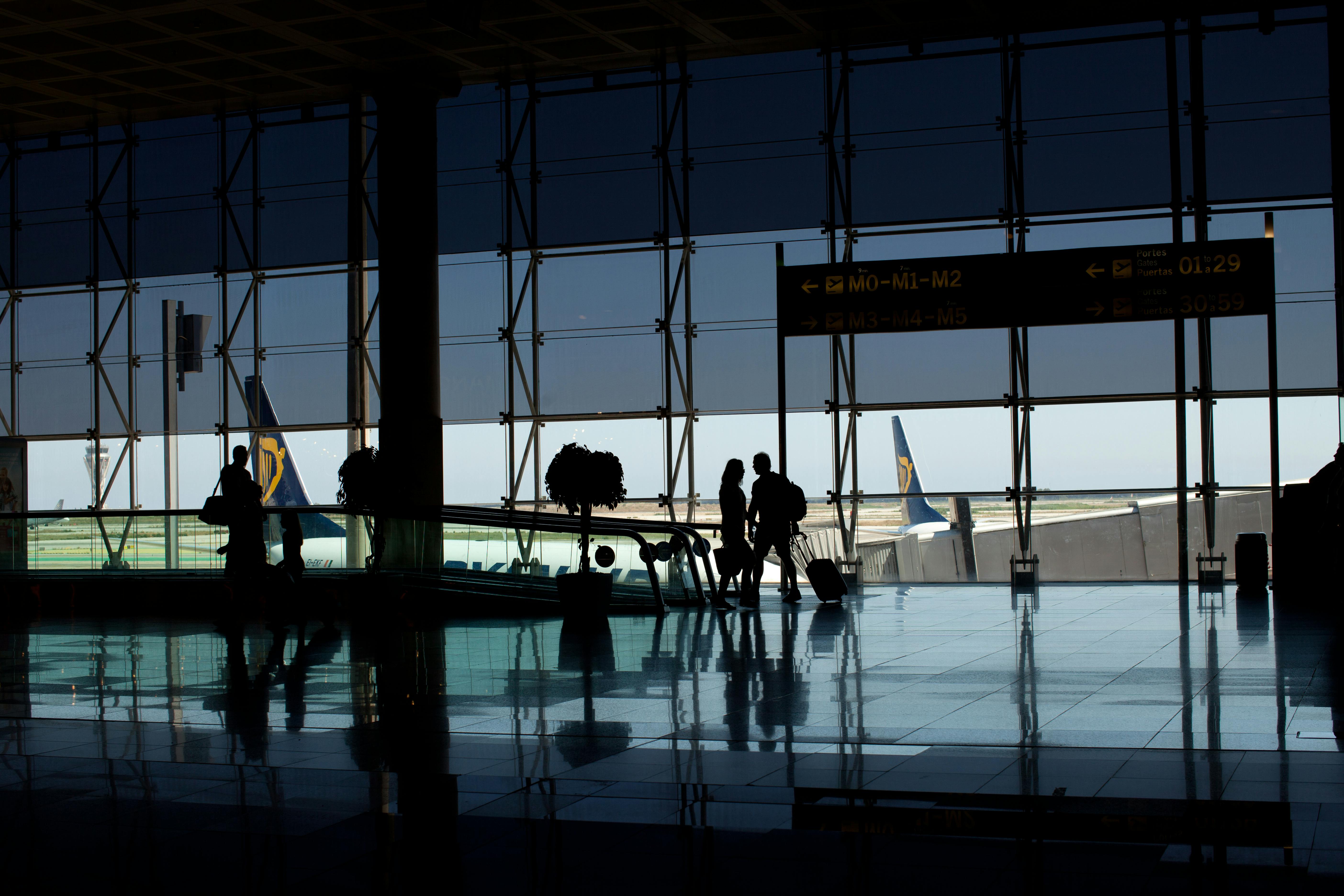
By carefully analyzing baggage allowances and fees, travelers can select flights that align with their needs and budget more effectively. Platforms like AirTtkt provide transparent fare comparisons including baggage fee information, helping you make informed choices and avoid hidden costs.
Seating Comfort and Cabin Experience
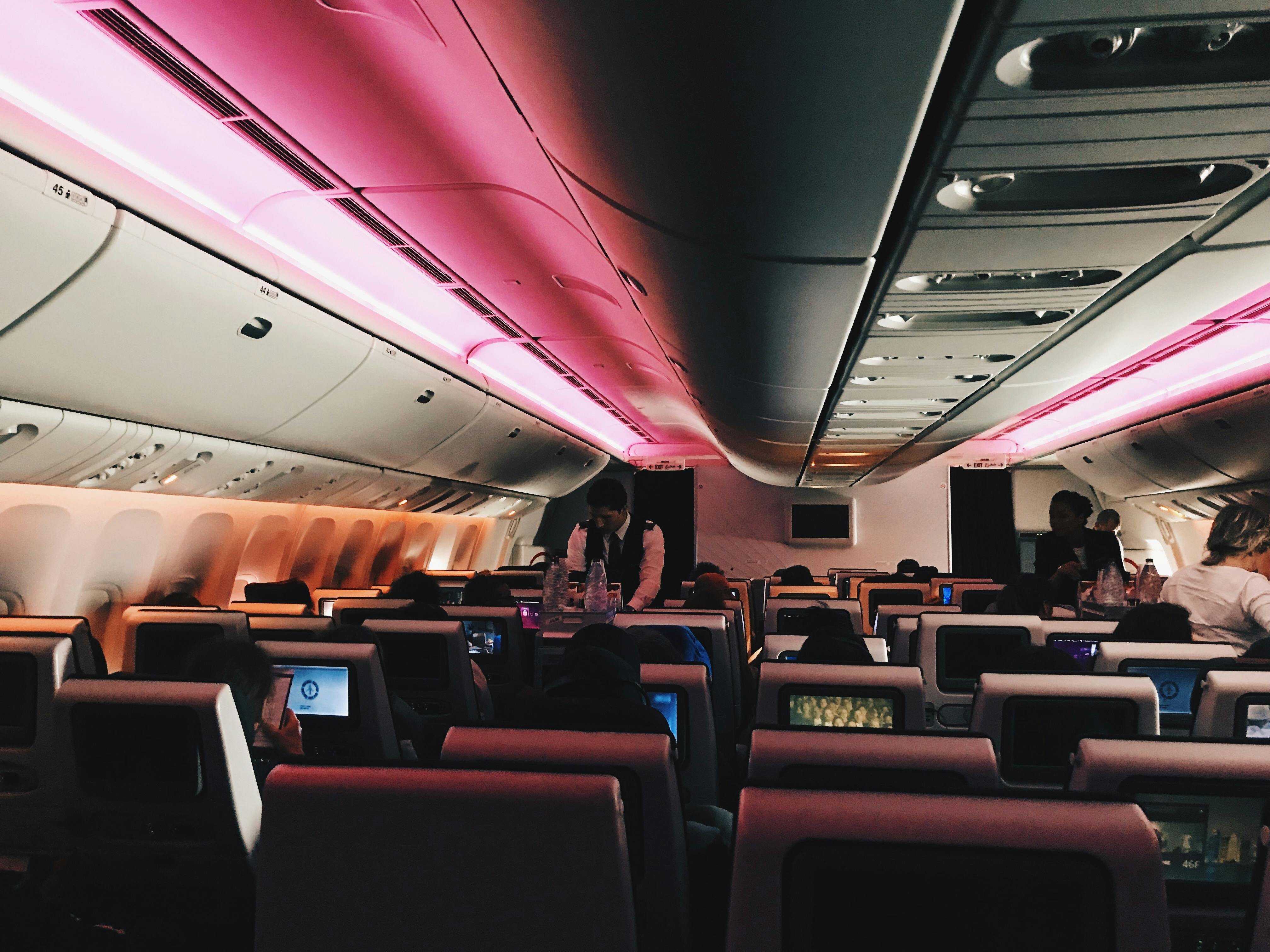
When comparing budget airlines to full-service carriers, seating comfort often stands out as a key differentiator. One of the most noticeable differences lies in seat pitch, width, and recline. Full-service airlines typically offer a seat pitch ranging from 31 to 34 inches, which means more legroom, allowing passengers to stretch and feel less cramped during flights. Seat widths on these carriers commonly measure between 17 and 18 inches, accompanied by better recline options that enhance overall comfort.
In contrast, budget airlines tend to compress their cabin space for higher seating density. Seat pitch on budget carriers often hovers around 28 to 30 inches, which can feel quite snug, especially on longer journeys. The seats themselves are usually narrower, averaging 16 to 17 inches in width, and recline is sometimes limited or disabled altogether to maximize capacity. This tighter configuration means passengers might trade off some personal space for a cheaper ticket price.
The choice of aircraft further influences the cabin experience. Full-service airlines often operate a mix of wide-body aircraft like the Boeing 777 or Airbus A350 on long-haul routes, offering spacious cabins with wider aisles and more seating options. Budget airlines, by contrast, commonly use narrow-body planes such as the Airbus A320 or Boeing 737 models, designed to maximize the number of seats and reduce operational costs. This inherent difference in aircraft design means that even without considering seat measurements, the ambiance and spaciousness on these flights can vary considerably.
Many budget carriers have introduced paid options for extra legroom seats, which can be a game-changer for comfort-conscious travelers on a budget. For an additional fee, passengers can select seats located in exit rows, bulkhead sections, or simply those with more space between rows. While this upsell increases overall ticket costs, it often remains more affordable than full-service alternatives and significantly enhances the flying experience for those who prioritize comfort.
For travelers aiming to maximize comfort on budget flights without breaking the bank, several practical tips come into play. Booking early can sometimes secure better seat choices, including the coveted extra legroom spots before they sell out. Checking in online promptly often allows you to modify or upgrade your seat selection. Bringing a compact travel pillow and a lightweight blanket can also help create a more comfortable environment. Lastly, consider the timing of flights—mid-week or less busy times often mean fewer passengers, increasing the chance to stretch out.
Understanding these differences and options can help you make informed decisions while booking through platforms like AirTtkt. This ensures that even when traveling on a tight budget, you can still enjoy a comfortable and pleasant journey.

In-Flight Amenities and Services
When booking a flight, travelers often weigh the value of onboard amenities and services offered by airlines. These elements can significantly shape the travel experience and serve as key differentiators between full-service and low-cost carriers. Understanding what to expect from each can help you make informed decisions that align with your budget and comfort preferences.
Full-Service Airlines: Comfort Comes Standard
Full-service airlines typically provide a comprehensive suite of complimentary offerings designed to enhance passenger comfort throughout the journey. These include free meals or snacks tailored to the length of the flight, often with beverage selections ranging from soft drinks to alcohol. Passengers can usually enjoy an expansive range of in-flight entertainment options, including movies, TV shows, games, and music, accessed via seatback screens or personal devices.
Moreover, many full-service carriers now offer Wi-Fi access, either complimentary or for purchase, enabling travelers to stay connected while cruising at 35,000 feet. This connectivity allows passengers to catch up on work, stay social, or simply browse the internet. Such amenities contribute not only to a more pleasant flying experience but also to a perception of greater value, especially on longer routes.
Low-Cost Carriers: Pay for What You Use
In contrast, budget airlines typically adopt a pay-for-extras business model. Base fares tend to be lower, but most in-flight services are unbundled and offered at additional cost. Meals, beverages, seat selection, and entertainment are often available only through purchase. This model gives travelers the flexibility to customize their experience and pay solely for what they need.
For example, on many low-cost flights, passengers bring their own snacks, use personal devices without provided entertainment, and forego amenities like Wi-Fi altogether. While this approach is ideal for price-sensitive travelers who prioritize affordability over frills, it may feel sparse for those accustomed to full-service offerings.
Ticket Change and Refund Policies: Flexibility Matters
Another area where these airline types diverge is in ticket policy flexibility. Full-service carriers generally provide more accommodating terms for ticket changes and cancellations, reflecting their emphasis on customer service. Travelers may alter flights with modest fees or even waive penalties under specific fare classes.
Conversely, low-cost carriers often enforce stricter, less flexible policies to keep prices down. Many cheap fares are non-refundable and changes can carry substantial fees or be prohibited altogether. However, recent shifts in industry standards—partly influenced by evolving customer expectations and external factors like the pandemic—have prompted some budget airlines to introduce more lenient policies or flexible booking options.
Loyalty Programs and Customer Service Quality
Frequent flyer programs are a hallmark of most full-service airlines, offering points, tiered status benefits, lounge access, priority boarding, and other perks that reward repeat travelers. These programs not only foster customer loyalty but also add value to regular flying by enhancing convenience and comfort.
Low-cost carriers usually offer simpler rewards schemes, focusing on discounts or future flight credits rather than comprehensive perks. Customer service levels also tend to differ; full-service airlines typically maintain robust support teams both on the ground and in the air, while budget carriers may rely more heavily on automated services or limited assistance to reduce costs.
For travelers booking through platforms like AirTtkt, understanding these distinctions can help tailor expectations and select flights that balance cost with comfort. Staying informed about the latest airline policy changes ensures travelers secure the best possible terms and avoid surprises during their journey.


Calculating the True Cost and When to Choose Each Airline Type
Understanding the true cost of a flight means looking beyond the base fare. Many travelers fall into the trap of choosing budget airlines simply because the ticket price appears lowest at first glance. However, hidden fees for checked baggage, seat selection, and onboard services can quickly add up. To make an informed choice, it’s crucial to calculate the total price, including these extras, and match that with your travel needs and comfort preferences.
How to Calculate the True Cost of Budget Airline Travel
Start by identifying the base airfare, which is usually the advertised price. Next, consider common additional charges that are often separate on budget carriers:
- Baggage fees: Check fees for checked bags and overweight limits. Some budget airlines charge for every bag individually.
- Seat selection: If you want preferred or extra legroom seats, these often come at a surcharge.
- Onboard services: Meals, drinks, and even carry-on bags might be chargeable extras.
- Booking and payment fees: Some low-cost airlines add fees for credit card payments or airport check-in.
Add all these costs to the base fare for an accurate total ticket price. For example, if a budget airline ticket costs $100, checked baggage $30, seat selection $15, and payment fees $5, the total cost becomes $150 — a significant increase from the initial fare.
When Budget Airlines Offer the Best Value
Budget airlines are an excellent choice for certain travel scenarios:
- Short-haul flights: When journey times are brief, and comfort needs are minimal, budget airlines help keep costs low.
- Traveling light: Passengers who can fit everything in a personal item or small carry-on and avoid checked baggage fees save substantially.
- Flexible itineraries: If you’re willing to forego extras like seat reservations or snacks, budget carriers often provide unbeatable low base fares.
- Last-minute trips: Budget airlines can have last-minute deals or flash sales that outshine full-service fares.
When Full-Service Airlines Are a Better Choice
For other instances, full-service airlines often provide superior value despite higher base prices:
- Long-distance and international flights: The inclusion of checked baggage, meals, and entertainment typically makes the experience more comfortable over extended travel times.
- Multiple bags or special items: When you require several checked bags, full-service carriers usually bundle fees into the ticket price, reducing surprise costs.
- Additional comfort and convenience: Priority boarding, lounge access, and inclusive amenities benefit travelers seeking a stress-free journey or traveling on business.
- Complex itineraries: With connecting flights or multi-city trips, full-service airlines often provide better baggage handling and customer support.
Decision Flowchart: Choosing Between Budget and Full-Service Airlines
To simplify your choice, consider the following checklist before booking:
- Flight duration: Is it a short trip under three hours? Budget airlines may suffice.
- Luggage needs: Are you packing light or require multiple checked bags?
- Extras: Do you want included seats, meals, or priority boarding?
- Comfort level: Is onboard space and service important for your flight experience?
- Cost clarity: Have you totaled base fares plus all potential fees?
If most answers indicate minimal baggage, short travel, and low extra service needs, budget airlines provide great savings. Conversely, if comfort, baggage, and amenities are priorities, the higher upfront price of a full-service airline often delivers better overall value.
Choosing the right airline type doesn’t have to be complicated. Using tools like those offered by AirTtkt, you can compare all-inclusive costs in real-time, ensuring you book flights that truly fit your budget and preferences without hidden surprises.
Conclusion: Making Informed Decisions for Your Next Flight
Choosing between budget and full-service airlines comes down to balancing cost savings with convenience. Throughout this article, we’ve explored how budget carriers often offer lower base fares but charge extra for essentials like checked baggage, seat selection, and onboard meals. Full-service airlines typically provide a more inclusive experience, with added comfort and ticket flexibility, but at a higher price point. Recognizing these trade-offs helps travelers align their flight choice with their individual needs and preferences.
It’s crucial to look beyond just the ticket price and evaluate the total value of your trip. Factors like baggage allowances, flight schedule convenience, onboard amenities, and refund or change policies can significantly impact your overall travel experience and budget. For example, a cheaper fare might turn costly if you need to pay for multiple checked bags or require a flexible ticket due to uncertain travel plans.
To navigate these variables efficiently, turn to trusted platforms like AirTkt. AirTkt offers a transparent and user-friendly flight search tool that compares fares across budget and full-service airlines in real time. This empowers you to make informed decisions based on your priorities—whether that’s securing the lowest possible fare, maximizing comfort, or opting for flexible booking options.
Using AirTkt, you can quickly filter flights that match your budget and preferences, avoid hidden fees, and confidently book your ideal flight. The platform’s comprehensive approach simplifies your planning process, letting you focus on what really matters: enjoying your trip. By considering both price and convenience pragmatically and leveraging smart tools, you’ll be better prepared to find the best flights for your next journey.