

Understanding Caribbean Hurricane Season Timing

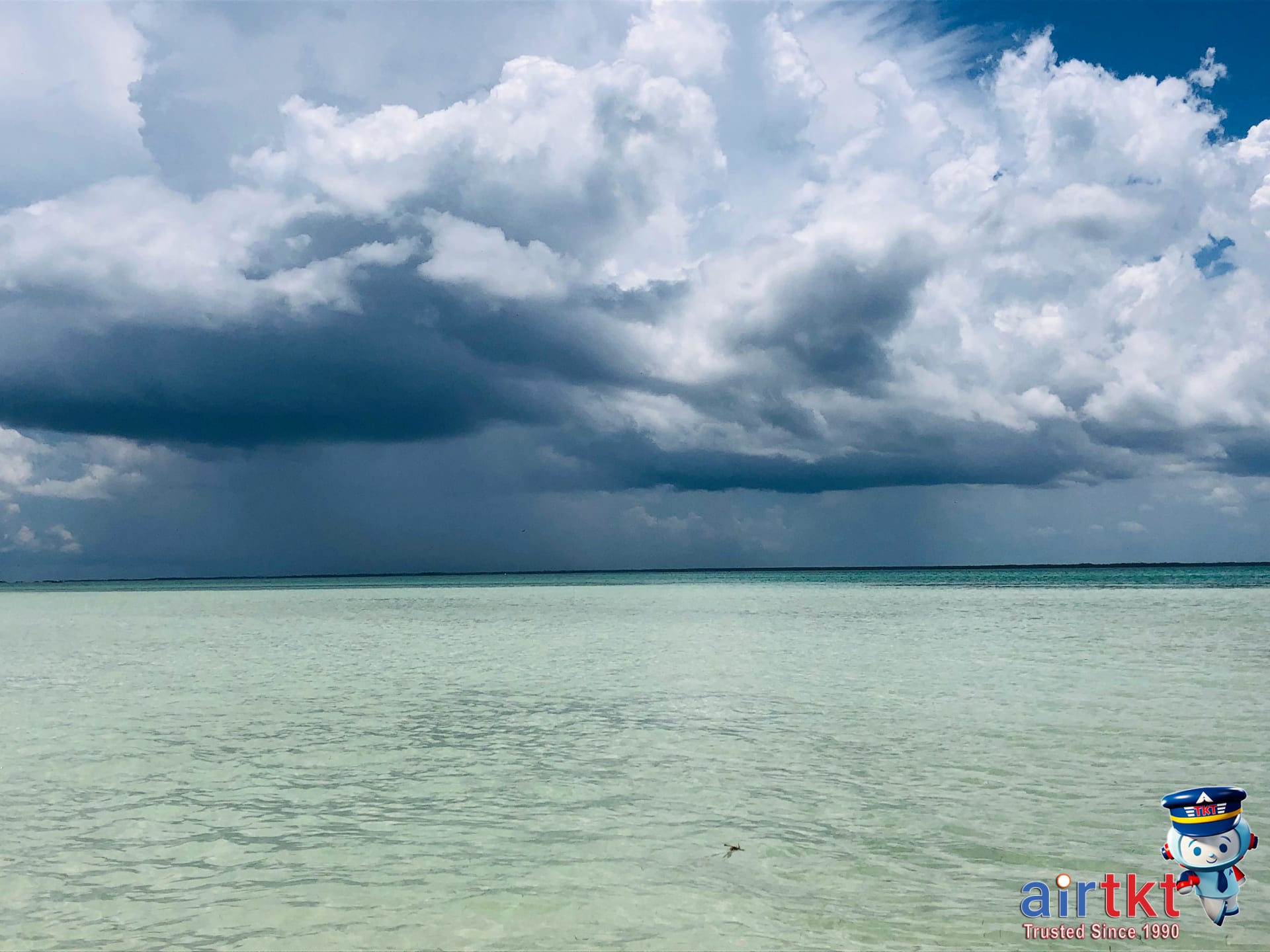
If you’re thinking about a Caribbean getaway, understanding hurricane season is essential for planning smart and safe travel. The official Caribbean hurricane season runs from June 1 to November 30 each year—a stretch when storms are most likely to develop in this part of the world. During these months, travelers sometimes worry about the risk of sudden storms disrupting their plans, flight cancellations, or even safety at their destinations.
From my own experience, traveling during hurricane season made me rethink my approach to trip planning. I paid closer attention to weather updates and felt more at ease with options that offered greater flexibility, just in case plans needed to change at the last minute.
Travelers often search for ways to add extra flexibility, and platforms like airtkt.com offer helpful tools designed for situations just like this. Flexible flight choices, deals that let you adjust travel dates, and features such as Flexible Date Search or Nearby Airport Search can make a difference if the weather becomes unpredictable. If you want to track active storms or get the latest official hurricane season info, resources like the NOAA Hurricane Season Calendar offer up-to-date maps and projections.
Understanding Weather Risks in the Caribbean

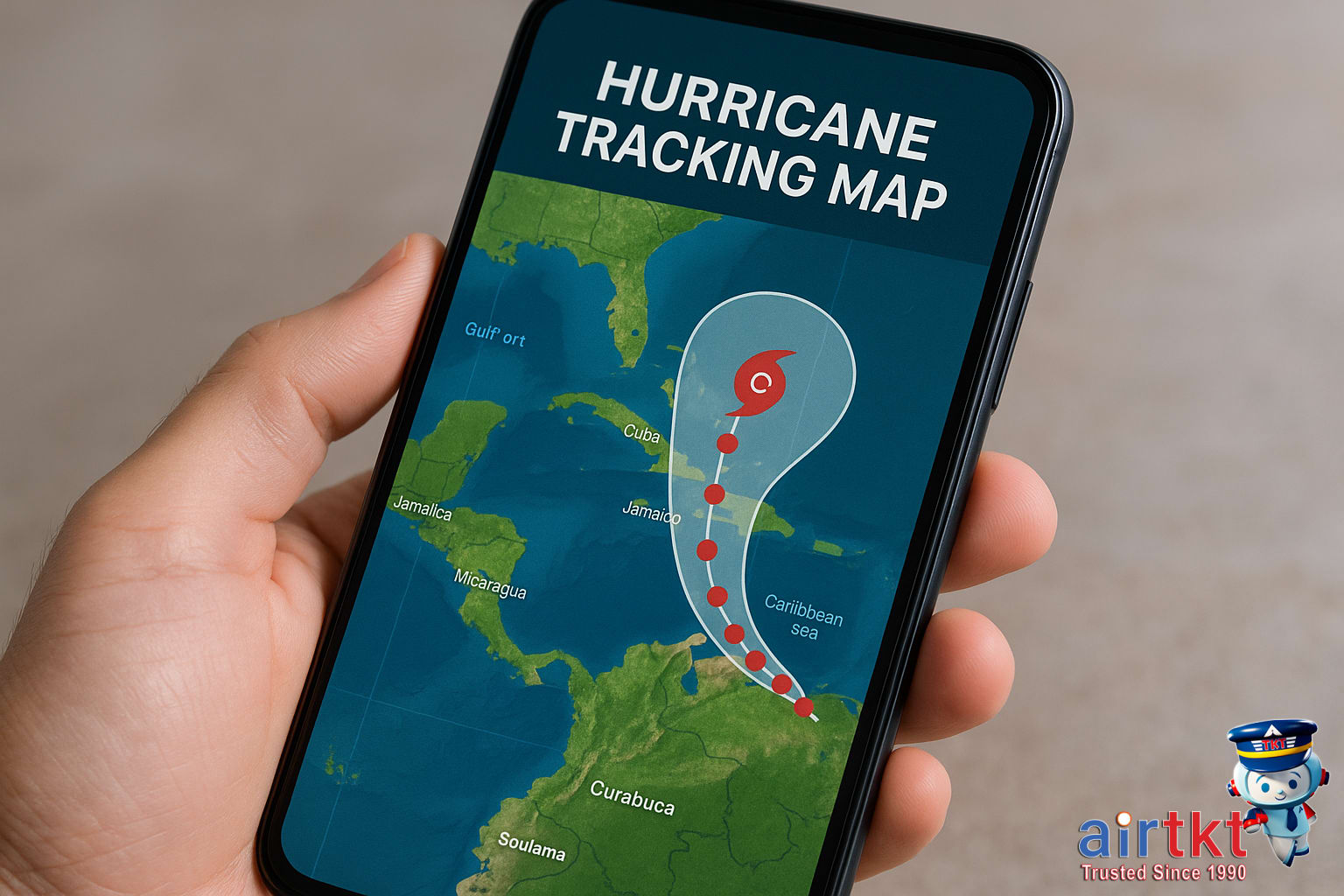
Weather in the Caribbean can be unpredictable, especially during hurricane season, so it’s smart to know the risks before booking your trip. Hurricanes and tropical storms are the two main weather threats here, and while both can disrupt your plans, their severity and impact can vary significantly.
Hurricanes Versus Tropical Storms
Tropical storms are organized systems with strong winds and heavy rain, but they become hurricanes when those winds reach at least 74 mph. Hurricanes generally bring far more intense winds, higher storm surges, and greater potential for flooding compared to tropical storms. A strong tropical storm might delay flights or cause minor property damage, but a hurricane can force widespread evacuations, disrupt all transport, and close hotels for days or weeks.
From what I’ve seen, it’s the sudden upgrades—like a storm intensifying into a hurricane—that catch travelers off guard. That’s why my trip planning always includes reviewing historical weather patterns and keeping tabs on the latest forecasts, especially when considering travel between June and November. I check forecasts from both NOAA and local Caribbean weather services right from the start, and then continue checking every few days during the weeks before my travel dates.
Monitoring Forecasts and Staying Prepared
Staying informed is your best defense against weather surprises. Tools like the National Hurricane Center’s forecast maps and local government weather services are excellent resources. Sign up for real-time alerts—either via the NOAA hurricane alert signup page or the websites of Caribbean national meteorological agencies—to get timely warnings straight to your phone or email. This helps you react quickly if a storm develops before or during your trip. If you haven’t reviewed them already, you might also want to look at airtkt.com’s flexible booking policies so you know your options if weather forces a change in your plans.
How Hurricane Season Unlocks Travel Savings

It’s surprisingly easy to score outstanding travel deals during hurricane season—especially if the Caribbean or Gulf Coast is on your radar. Airlines and hotels often see lower demand in these months, so they slash prices to fill those empty seats and rooms. If you’re willing to be a bit flexible and do some research, savings can be substantial compared to busier “dry” periods.
On airtkt.com, you can take advantage of these shifting prices by using Flexible Date Search, a tool I’ve used myself when planning trips in September and October. It reveals fare drops that appear only on certain weekdays, and often I’ve found tickets for around $80.00 less than what I’d seen just a week earlier. It pays to leave your dates open when searching! If you’re traveling to the Caribbean or southern U.S., try their Nearby Airport Search too—sometimes flying from an alternative airport unlocks deals that can save you enough for a bonus excursion or a nicer hotel room.
There’s also a steady flow of last-minute and exclusive discounts during hurricane season, highlighted right on the airtkt.com deals page. These specials target destinations expecting fewer bookings, so it’s worth checking back often. I once snagged a round-trip ticket to San Juan at the end of September for under $200.00 because I kept an eye on those flash offers—the price seemed almost too good, considering what I usually pay for that route during winter.
A little flexibility can go a long way. When you combine off-peak timing, smart use of search tools, and a willingness to look at nearby airports, the hurricane season can be a budget traveler’s secret weapon for beach destinations.
Tracking Hurricanes and Planning Smart
Staying ahead of hurricane season is a crucial part of planning trips to destinations that can be affected by severe storms. Today, there are reliable tools that make tracking storms easier and more precise than ever. The NOAA Hurricane Center is one of my go-tos for real-time storm forecasts, cone maps, and expert updates on any brewing hurricanes. It’s not just for meteorologists—NOAA’s site is designed for travelers, too, with easy-to-read graphics and alerts.
Weather apps are another practical resource. I find that apps like MyRadar, The Weather Channel, and AccuWeather make it simple to get push notifications on storm tracks and watches. Before locking in any summer or fall booking, I always pull up hurricane tracking maps and check the forecasted risk windows for my destination. It’s a habit that has saved me from last-minute changes and unneeded stress more than once.
As for timing, if you see a named storm heading toward your travel region—especially within a 5–7 day window before your trip—start following official alerts closely. Most major airlines and hotels will waive change fees or allow you to adjust plans if a hurricane threatens, but you need to act quickly. If emergency evacuation notices or hurricane watches go up in your travel area, I’d recommend weighing your options: sometimes shifting dates or looking for flexible rebooking is the wisest move.
Don’t forget that even distant hurricanes can disrupt airports, cruise departures, and connecting flights. I usually treat the first official hurricane forecast as a checkpoint: if uncertainty grows, it’s time to review my cancellation policy and keep a backup plan ready.
Packing Smart for Caribbean Hurricane Season

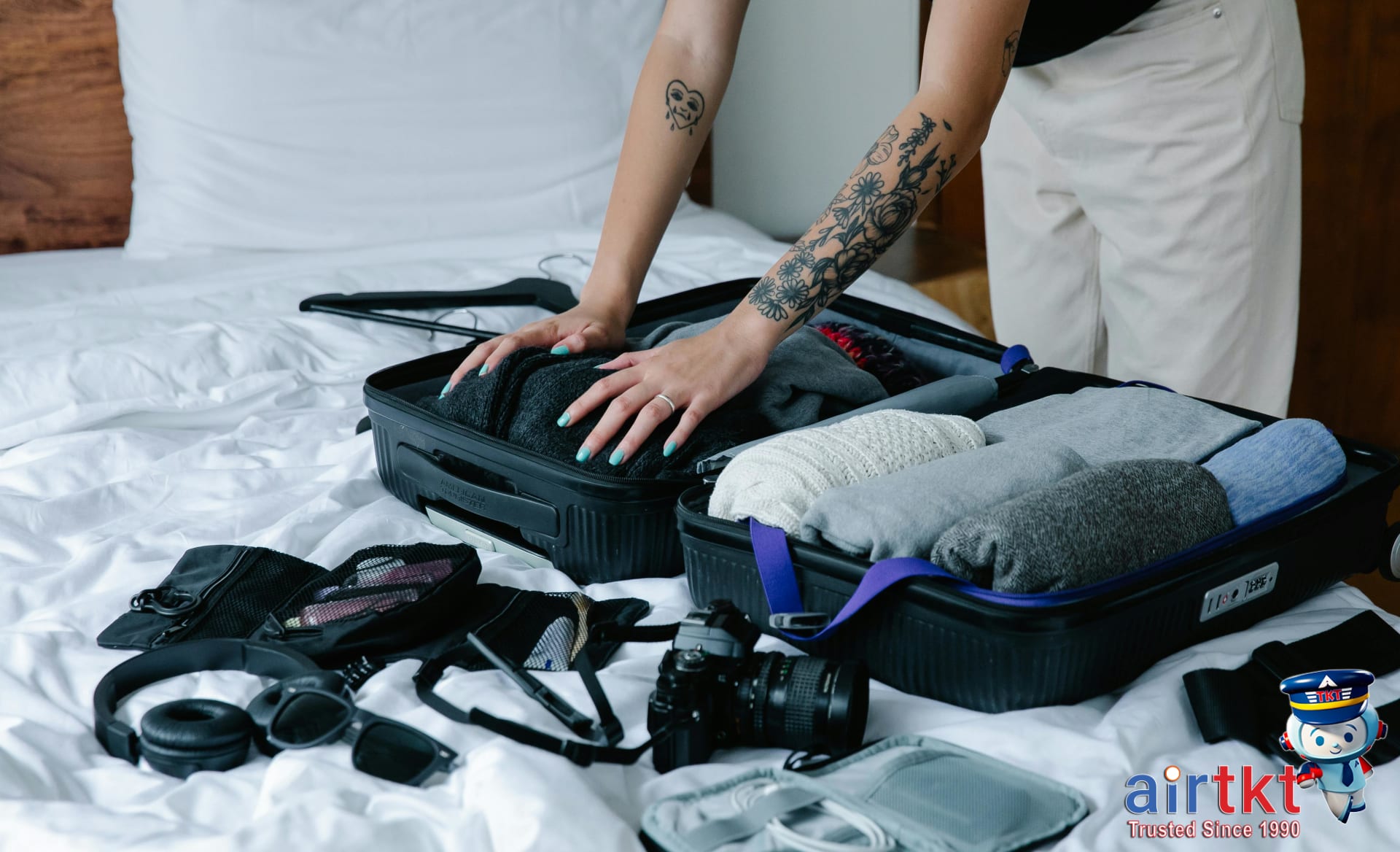
Packing for Caribbean hurricane season is all about finding the right balance between being prepared and traveling light. I always make sure to bring a few essentials whenever I’m heading to the islands during this time, prioritizing weather and emergency readiness.
Must-Have Packing List
- Lightweight rain jacket: Compact and crucial for sudden downpours.
- Waterproof pouch: Protects your passport, cash, and important documents from unexpected rain or flooding.
- Power bank: A charged portable battery keeps your phone available for emergency updates if power is lost.
- Medications & basic first aid: Refill prescriptions before your trip and carry a small kit for minor cuts or headaches.
- Travel insurance documents: Always pack printed copies alongside your emergency contacts. Digital copies are handy, but paper back-ups can save the day if your electronics fail.
- Snacks & bottled water: Hurricane disruptions can make finding supplies tricky. Pack a few energy bars and a reusable water bottle.
- Small flashlight or headlamp: Power outages are common during storms, so don’t rely solely on your phone light.
Packing Light Yet Prepared
Stick to lightweight clothing and avoid overpacking shoes or bulky gear. Focus your space on versatile outfits and the emergency essentials above. In my own kit, I never leave without my compact power bank—it’s saved me more than once during travel delays or blackouts. By sticking to this list, you can stay calm and comfortable, even if the weather turns quickly.
Booking Tips for Flexibility and Safety

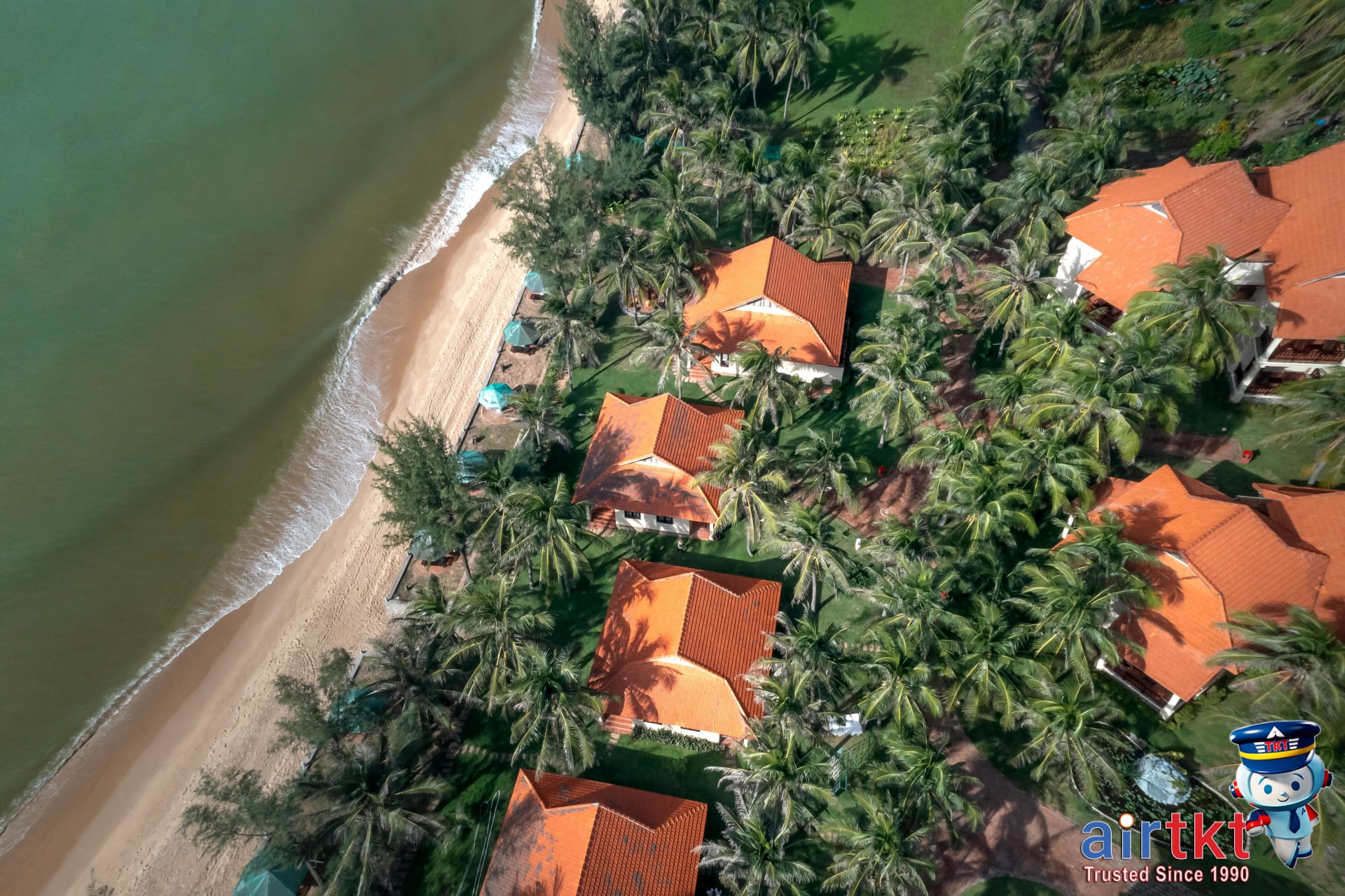
When planning travel to the Caribbean, I always look for flexible flight and hotel options that let me adjust plans if the weather takes a turn. Flexible cancellation policies have become even more important as storms and unexpected disruptions can change your itinerary in a hurry—especially during hurricane season. Before I book, I carefully check if an airline or hotel offers no-penalty changes and refundable rates, even if it might cost a bit more upfront. Being able to revise or cancel without stiff fees brings a sense of security that’s worth the added peace of mind.
Why Flexible Bookings Matter
Not all deals are created equal. Choosing flights and hotel rooms with strict non-refundable rules can cost you dearly if you have to change plans last minute. Many airlines now have flexible fare options, but always read the fine print—some “changeable” fares still come with hefty penalties or restrict your options for rebooking. As for hotels, I typically pick properties that let you cancel up to a day or two before arrival without losing your deposit. This flexibility is crucial in hurricane-prone regions, where travel advisories or airport closures could derail your vacation.
Travel Insurance and Disaster Protection
Travel insurance that covers hurricane disruptions is another layer of protection. Look for policies that explicitly mention coverage for weather-related trip cancellations, interruptions, or emergency evacuations. Options vary—some plans might only refund you if your resort is uninhabitable, while others offer broader coverage for airport closures or missed connections. Sites like Squaremouth or InsureMyTrip let you compare plans and filter for hurricane coverage, though it’s always wise to verify details directly with the insurer. I’d review any exclusions: policies rarely cover “foreseen” storms booked after a warning is issued, so booking early is always better.
For in-depth guidance on travel insurance and flexible booking strategies, check out airtkt.com’s travel insurance guides and flexible booking info—it’s worth reading before you lock in your plans.
Choosing Safe Caribbean Travel Dates
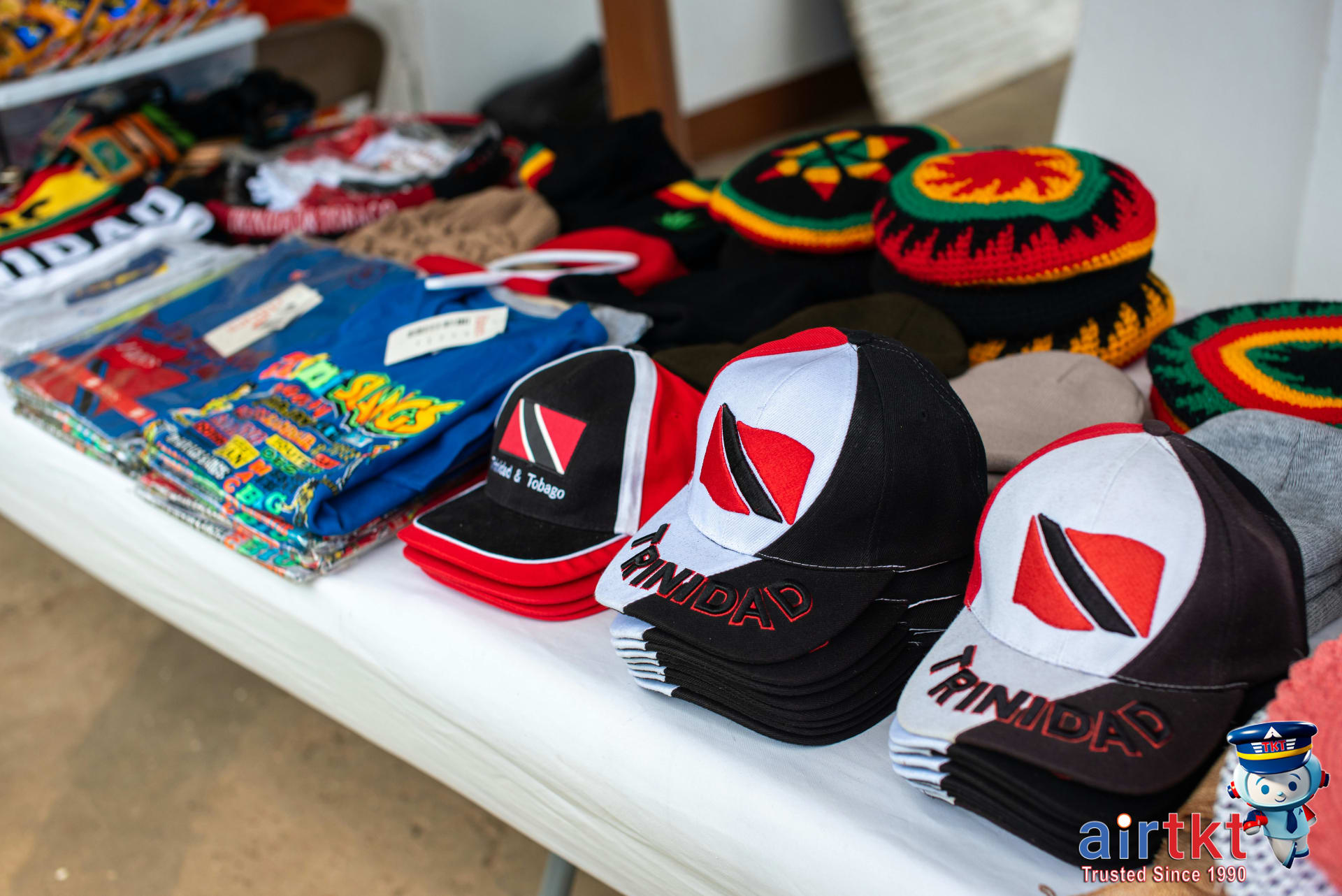
Caribbean hurricane season runs from June through November, but not every island is affected equally. I’ve found that islands like Aruba, Bonaire, and Curaçao—sometimes called the “ABC Islands”—are generally south of the hurricane belt and far less likely to experience storms, even at the peak of the season. If your travel window falls within late summer or early fall, considering these islands can help you lower your weather risks while still enjoying a true Caribbean escape.
Late spring (April and May) is usually calmer throughout the region, but even during officially riskier months, not every day brings storms. For peace of mind, I like to check in with official regional resources, like local tourism board updates or event calendars, to see not only the weather outlook but also which cultural events are scheduled during my wait-and-see periods. Many islands celebrate food festivals, art shows, and historical commemorations indoors, or in settings that move under cover if needed. For example, Curaçao North Sea Jazz Festival typically lands in late August or early September, drawing crowds to vibrant indoor performances that are hardly weather dependent.
Worried about activity options? There’s still plenty to do if the forecast turns gray. Historic museums, cacao or rum tastings, and classes on island cooking easily fill in for beach days. Some larger resorts offer guided yoga, spa afternoons, language lessons, and even small craft workshops, all in air-conditioned comfort. The key, as I learned on a recent trip to Bonaire, is having a loose plan for both sunny and stormy days—I was able to chase blue skies some mornings and retreat to a lively town food hall when tropical showers rolled in. I didn’t feel like I missed out; if anything, I got a deeper taste of the island’s daily life.
Budget Planning for Hurricane Season Trips
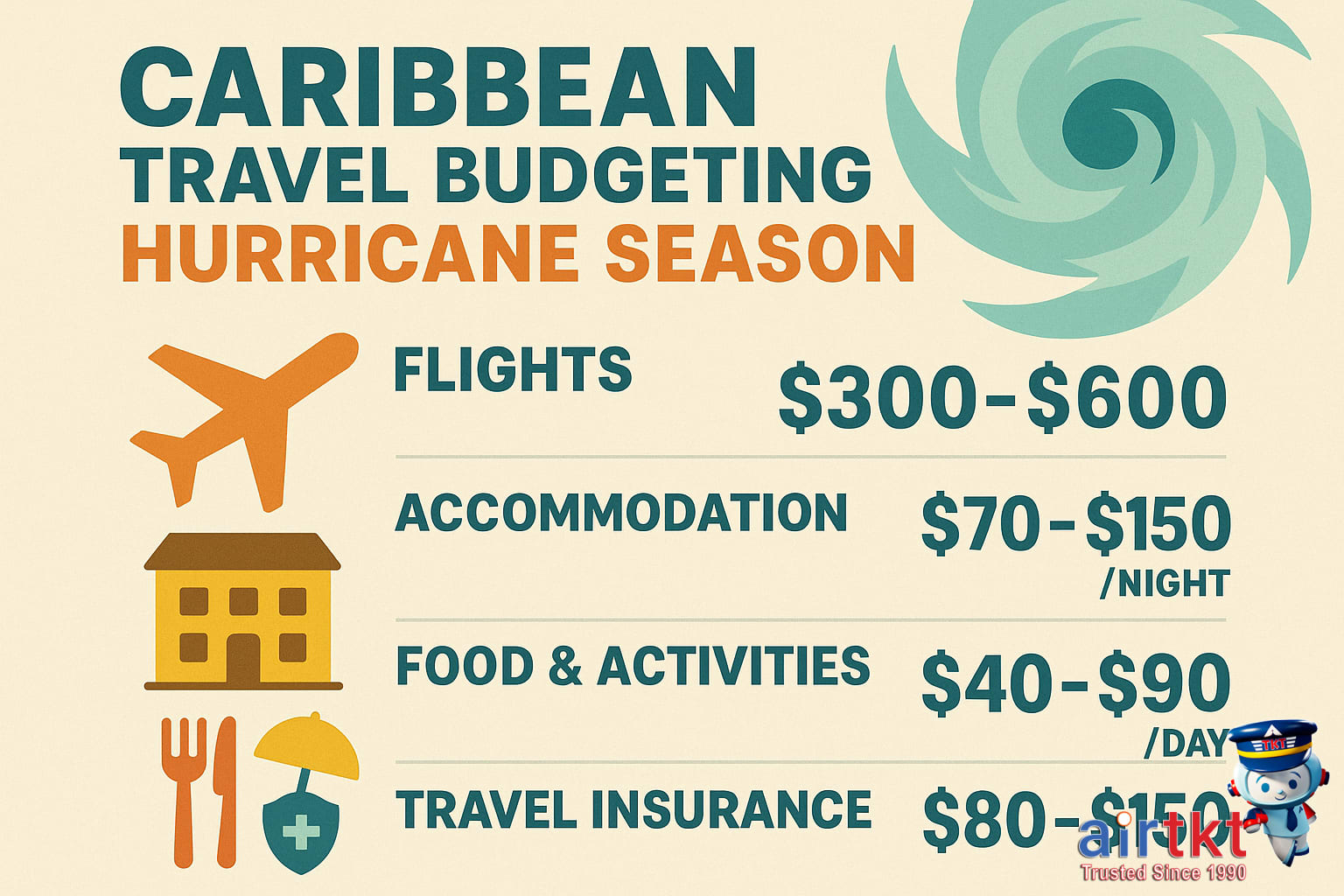
When you’re planning to travel during hurricane season, setting a clear budget can make a big difference—not only for your trip experience, but also for your peace of mind. Getting a handle on costs helps you prepare for unexpected hiccups, like flight delays or sudden itinerary shifts. In my own experience, the trips where I budgeted extra for emergencies were the ones where last-minute changes didn’t throw everything off.
Typical Cost Breakdown
| Accommodation | Food | Transport | Activities | |
|---|---|---|---|---|
| Budget | $50.00 | $15.00 | $10.00 | $20.00 |
| Mid-range | $110.00 | $30.00 | $25.00 | $45.00 |
| Luxury | $250.00 | $65.00 | $80.00 | $120.00 |
These daily estimates help set realistic expectations. Even if you’re aiming for a budget trip, hurricane season sometimes brings flash deals on rooms or tours, especially if you have flexibility to book last-minute. I usually recommend checking cancellation and change policies closely, though; a trip can get expensive fast if you’re locked into a non-refundable booking that you end up having to cancel.
Stretching Your Travel Dollars
If you like to plan in advance, use providers like airtkt.com that reward flexible dates—sometimes shifting your trip by a day or two drops flight costs significantly. Looking at refundable accommodation or changeable flights may cost a bit more upfront (for example, an extra $15.00–$30.00 per night or ticket), but in stormy months, paying for flexibility could mean saving hundreds if weather forces changes. Avoiding highly restrictive rates is something I learned the hard way after a Caribbean flight delay left me holding a useless, prepaid hotel reservation.
- Book hotels and flights with free or low-fee cancellation options, even if they cost a little more.
- If your plans are firm, last-minute deals can be tempting—but always review the supplier’s change policies.
- Set aside a small extra fund—maybe $100.00—specifically for on-the-road emergencies or rebooking costs.
How AirTkt Supports Travelers During Hurricanes


Traveling during hurricane season can come with plenty of what-ifs, so it’s reassuring to have real people in your corner when plans get disrupted. I trust airtkt.com because their 24/7 customer support means I never have to navigate last-minute changes on my own. The team is there—day or night—to help rebook, answer storm-related questions, and offer clear guidance if severe weather impacts your trip.
One of my favorite advantages is their exclusive hurricane season discounts. You might find special fares released only during major storm periods, and their agents can point you to these deals even if they’re not immediately visible on the site. This can be a real budget saver if you’re trying to stay flexible amid unpredictable forecasts.
Helpful Tools for Flexible Planning
When you’re booking travel during uncertain weather, airtkt.com offers tools that genuinely make a difference. The Lazy Fare option can uncover multi-stop routes that are often cheaper—helpful if storms divert direct flights. I also like to use the Flexible Date Search to see if shifting my flight by a day or two will land me a much lower fare or avoid an incoming weather system. And if your major airport looks risky, Nearby Airport Search helps you compare options from alternate airports that may not be in the storm’s path.
Whether you’re dealing with an unexpected flight cancellation or just want extra peace of mind, knowing real support—and smart savings tools—are always a call or click away takes some of the stress out of hurricane season travel.
Frequently Asked Questions About Caribbean Hurricane Season
- What is the Caribbean hurricane season?
The Caribbean hurricane season typically runs from June through November, with the peak of activity usually between August and October. During this time, tropical storms and hurricanes are more likely to form, so weather can be unpredictable. Travelers should monitor forecasts closely and consider travel insurance for extra peace of mind.
- Are Caribbean islands safe to visit in hurricane season?
Many islands remain open and safe during hurricane season, but it’s smart to stay flexible. Resorts and airlines may have policies for weather disruptions, and conditions can change quickly. Always check current weather updates before departing, and consider islands that historically see fewer storms, such as Aruba, Bonaire, and Curaçao.
- How can I find the best travel deals during hurricane season?
Airfare and hotel prices are often lower in hurricane season. Use tools like Flexible Date Search on airtkt.com to spot days with the best savings. Booking with refundable or flexible options can help you adjust plans if storms threaten your trip.
- What should I pack for travel during Caribbean hurricane season?
Pack lightweight clothing, but don’t forget a compact rain jacket, waterproof bag, and extra phone charger. Include travel essentials like copies of travel documents and an emergency contact list. A small flashlight and portable battery pack can also be handy if you experience unexpected weather delays or power outages.
- Will travel insurance cover hurricane disruptions?
Many travel insurance plans offer coverage for trip cancellations or interruptions caused by hurricanes, but you must buy insurance before a storm is named. Review policy details carefully to understand what’s included, such as evacuation or reimbursement for missed tours, before making your purchase.
- Can I change my Caribbean flights if a hurricane approaches?
Most airlines offer flexible change policies when a hurricane threatens a destination. If you booked through airtkt.com, customer support can help with rebooking or flight changes. It’s best to check the airline or booking platform’s policies for how to proceed before your scheduled departure.
Smart Strategies for Hurricane Travel
Traveling during hurricane season calls for a more thoughtful blend of preparation and flexibility. Some of the smartest approaches I’ve seen include booking flexible flights, purchasing travel insurance for peace of mind, and checking cancellation policies for every part of your trip. I’d also recommend keeping an eye on weather updates right up until departure and knowing the difference between flexible and nonrefundable bookings—especially if you’re committed to keeping costs down.
Planning with cost in mind means seeking out alternate airports, considering flights on less popular travel days, and using fare comparison tools like those found at airtkt.com. Features such as Flexible Date Search and Nearby Airport Search can really make a difference when weather-related cancellations or delays force you to adjust your itinerary quickly. And if you ever need guidance, 24/7 real human support is only a call away—ideal when plans change at the last minute.
Honestly, after helping many friends navigate stormy-season logistics, I believe that cautious planning and a willingness to adapt make a trip not just safer, but usually less stressful and more affordable too.
Even in hurricane season, proactive planning and smart use of tools let you travel calmly and get the most value from your adventure.