

Pack Light for Two Weeks Carry-On Only
Traveling for two weeks with only a carry-on might sound daunting, but the advantages are undeniable. Carry-on only travel offers unmatched convenience, allowing you to breeze through airport security and skip the wait at baggage claims. It also eliminates checked bag fees, which can add up to significant savings on long trips.
Many travelers worry that packing light for an extended trip means sacrificing essentials or comfort. However, this is often a misunderstanding. With the right strategies, it’s entirely possible to bring everything you need without overpacking. Smart packing revolves around versatility, layering, and choosing TSA-friendly items that comply with airline regulations.
This guide is designed to help you master the art of packing light for two weeks. We provide an itemized checklist to ensure you don’t forget any must-haves. You’ll learn how to pack within TSA guidelines for liquids, electronics, and carry-on size restrictions. Plus, we share practical space-saving tips that maximize your luggage capacity while keeping your items organized and easily accessible.
Booking affordable flights and crafting your travel plans is another key part of stress-free travel. AirTkt is a trusted platform that supports your journey from start to finish. With access to exclusive discounts and a simple, user-friendly interface, it makes finding the best deals straightforward. AirTkt’s customer service is available around the clock, providing personal assistance whenever you need it. Whether you’re looking for budget-friendly flights, hotels, or car rentals, AirTkt offers competitive pricing and smart tools that empower you to travel smarter and lighter.
Know TSA Rules and Carry-On Size Limits
Navigating airport security smoothly starts with understanding the Transportation Security Administration (TSA) rules. One of the most important regulations relates to liquids in carry-on baggage. The TSA’s 3-1-1 liquid rule stipulates that each passenger can bring liquids, gels, and aerosols only in containers that are 3.4 ounces (100 milliliters) or smaller. All these containers must fit comfortably inside one quart-sized, clear, resealable bag, with just one bag allowed per traveler. This rule aims to speed up security screening without compromising safety.
Besides liquids, travelers should be aware of commonly prohibited items in carry-ons. Sharp objects like knives, scissors with blades longer than 4 inches, and certain tools cannot be brought onboard. Batteries, especially lithium-ion ones exceeding specific watt-hour limits, might also be restricted or require special handling. Other banned carry-on items include flammable materials, firearms, and self-defense sprays. Being familiar with these prohibitions helps prevent confiscation and delays at security checkpoints.
Carry-on size and weight limits vary slightly across airlines but generally follow similar guidelines. Most major U.S. carriers allow carry-on bags with dimensions around 22 inches long, 14 inches wide, and 9 inches high, including handles and wheels. Here are examples from top airlines:
- Delta Airlines: Maximum 22 x 14 x 9 inches; no strict weight limit but must fit in overhead bin or under seat
- American Airlines: 22 x 14 x 9 inches; recommended weight limit around 40 pounds
- United Airlines: 22 x 14 x 9 inches; weight limit varies, typically around 40 pounds
- Southwest Airlines: 24 x 16 x 10 inches; no specific weight limit, but manageable handling required
Exceeding these limits can result in checked bag fees or denial to bring the item onboard. Always confirm with your airline before traveling, as international carriers often have different policies.
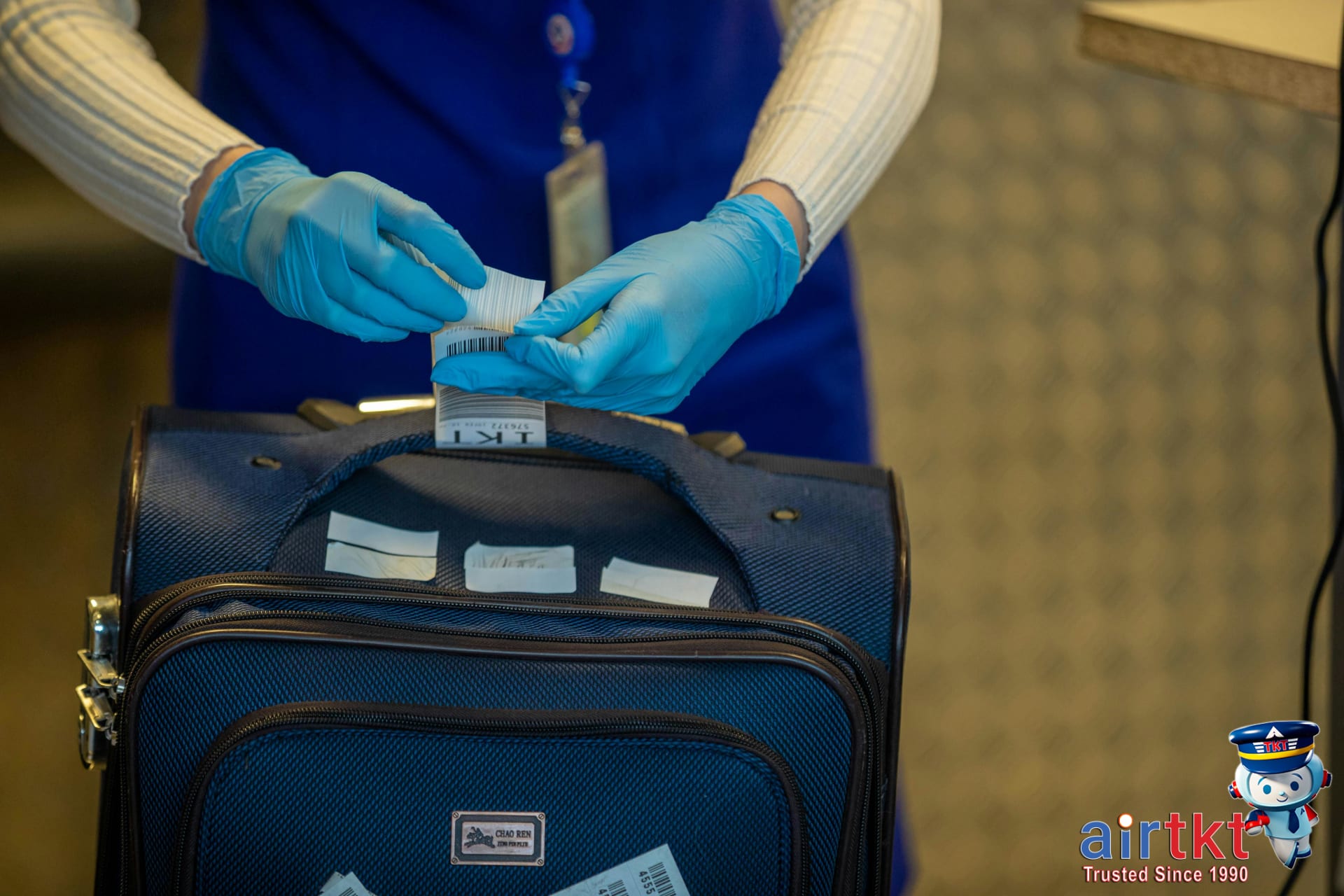
To prepare carry-ons for TSA screening efficiently, separate your quart-sized bag of liquids and place it at the top or in an easily accessible spot. Remove laptops and tablets from your bag for individual screening. Avoid packing prohibited items by cross-checking your bag’s contents against the TSA’s official list. Keep in mind that while TSA rules are uniform, airline policies and enforcement can vary slightly.


Pack Essential Items with Quantities for Two Weeks
Packing smart for a two-week trip means balancing enough clothes and essentials without overloading your luggage. Focus on versatile, comfortable fabrics like quick-dry, wrinkle-resistant materials that keep you looking fresh and allow easy layering for varied climates. Here’s a detailed checklist to help you pack efficiently.
Clothing Checklist
- 5 Tops: Choose breathable, quick-dry options such as merino wool or moisture-wicking synthetics. Include a mix of T-shirts, blouses, or casual shirts.
- 3 Bottoms: Pack lightweight jeans, travel pants, or versatile skirts. Opt for wrinkle-resistant fabrics that dry quickly.
- 1 Jacket: A compact, lightweight jacket suitable for layering is ideal. Consider a water-resistant shell or fleece depending on climate.
- 2-3 Layering Pieces: Include cardigans or long-sleeve shirts that can be worn alone or layered for warmth.
- 7-10 Underwear and Socks: Bring enough to last without laundry, prioritizing breathable, quick-drying fabrics.
- 1-2 Pairs of Comfortable Shoes: Include one pair for walking/exploring and one dressier option if needed.
Toiletries Checklist
- TSA-Approved Containers: Use travel-sized bottles (3.4 oz or less) for shampoo, conditioner, and lotion to comply with airline regulations.
- Essentials: Toothbrush, toothpaste, deodorant, razor, floss, and a small comb or brush.
- Extras: Multipurpose items like a combined shampoo and body wash can save space.
- Quantity Tips: Pack only what you’d realistically need for 14 days, factoring in accommodations that provide basic toiletries.
Electronics Checklist
- Phone & Charger: Essential for navigation, communication, and booking through platforms like AirTtkt.
- Travel Adapter: Universal adapter ensures your devices can charge in different countries.
- Headphones: Compact noise-canceling or wireless earbuds improve comfort during travel.
- Optional Electronics: Consider a lightweight e-reader or tablet instead of multiple books.
Accessories Checklist
- Multipurpose Bags: A foldable daypack or tote works for sightseeing and shopping.
- Scarves and Sunglasses: These add style and functionality by protecting against sun and chilly weather.
- Compact Travel Umbrella: Useful for unexpected rain without adding bulk.
- Reusable Water Bottle: Stay hydrated and reduce plastic waste.
Choosing multi-use items that serve multiple purposes drastically reduces bulk and weight. For instance, a scarf can double as a blanket or sun shield, and a jacket with removable liners adapts to changing temperatures. Prioritize fabrics that dry quickly and resist wrinkles, so you feel fresh without needing to press or do laundry frequently.
By planning your essentials thoughtfully, packing for two weeks becomes manageable, keeping your luggage light and your wardrobe flexible. Remember to book your flights and accommodations through AirTtkt, where easy booking and great deals make your travel experience smoother from start to finish.
Apply Space-Saving Techniques and Gear
Packing efficiently can transform your travel experience, making it easier to carry all essentials without excess bulk. Two primary clothing packing techniques—rolling versus folding—offer distinct advantages. Rolling clothes tightly minimizes wrinkles and compresses fabric to save space, perfect for casual wear like t-shirts and jeans. In contrast, folding suits structured items or dress shirts that benefit from flat storage to maintain their shape and reduce creases. For most travelers aiming to maximize space and prevent wrinkles, rolling often emerges as the preferred method.
Beyond clothing techniques, smart packing gear greatly enhances organization and volume reduction. Packing cubes compartmentalize items, making it simpler to locate belongings and keep your suitcase tidy. They come in various sizes, allowing you to group outfits or separate dirty clothes for convenience. Compression bags further shrink bulky items like jackets or sweaters by squeezing out excess air, freeing up valuable trunk space. Additionally, stuffing small items such as socks or chargers inside shoes maximizes every inch within your luggage.
To fit different budgets and preferences, we recommend reliable packing gear brands:
- Budget-friendly: AmazonBasics offers affordable packing cubes and compression bags that deliver good quality for occasional travelers.
- Mid-range: Eagle Creek provides durable, thoughtfully designed packing solutions with excellent compression and organization features ideal for frequent flyers.
- Premium: Peak Design combines innovative materials with sleek design, offering versatile packing cubes that double as carry organizers for tech-savvy or style-conscious travelers.
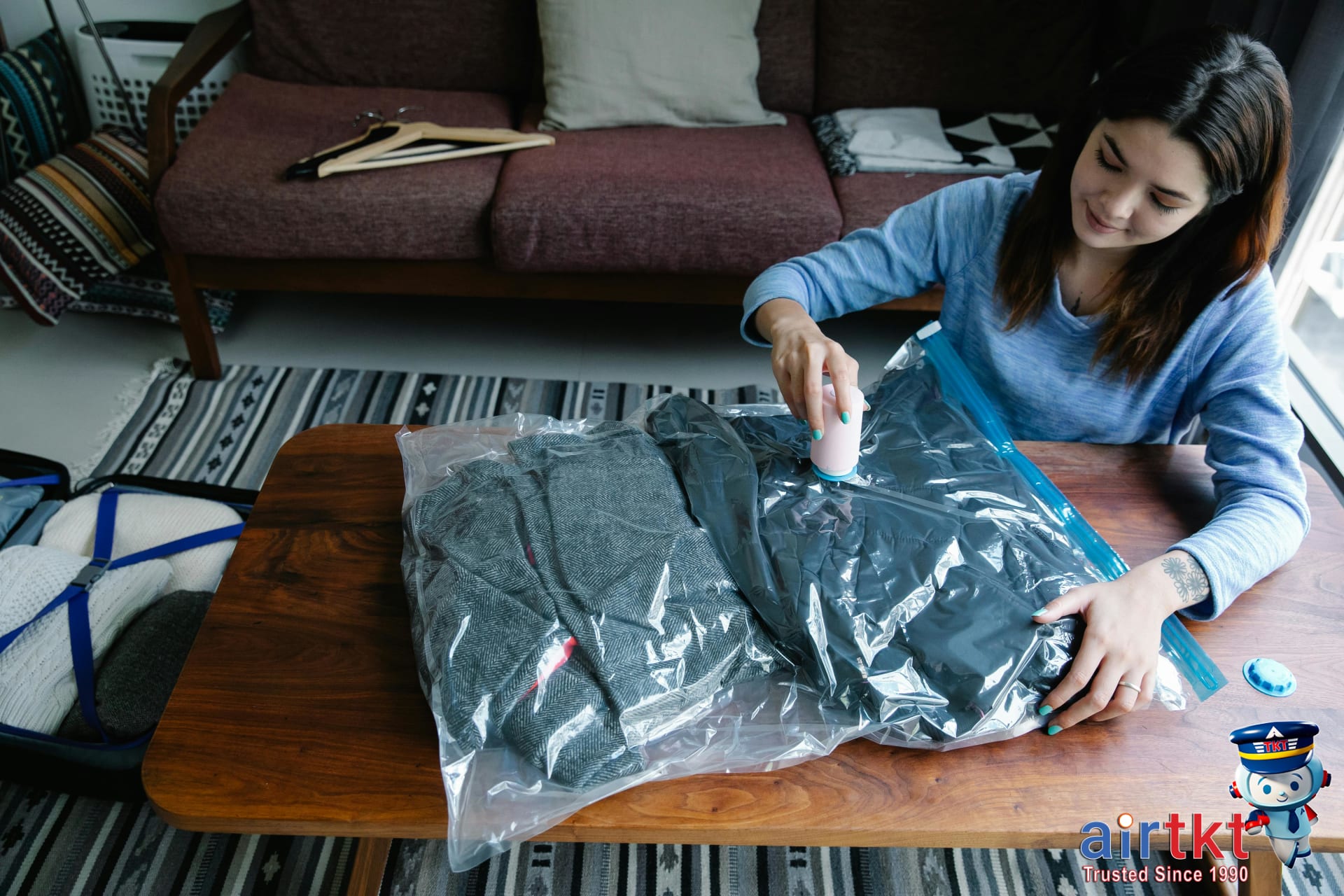
In practice, start by rolling your lightweight clothes and folding structured items neatly. Place rolled clothes inside packing cubes, then compress bulky items separately in vacuum bags when possible. Use small cubes or pouches for electronics and accessories, and gently fill shoes with smaller gear. This layered technique not only conserves space but also keeps all items easy to access without unpacking everything.
Balance Weight and Organize Smartly
Packing your carry-on efficiently is more than just fitting everything in—it’s about balancing weight and organizing for ease of use and smooth airport security checks. One key to easier handling is placing the heaviest items near the suitcase’s base, close to the wheels. This lowers the center of gravity, giving your bag better stability and making it roll more smoothly without tipping over.
Think of your carry-on like a well-built tower: a solid foundation keeps everything together and steady. By keeping heavier objects like shoes, books, or electronics at the bottom, you’ll reduce strain on your arms and avoid awkward shifts while wheeling through crowded terminals.
Layering is another smart strategy. Pack items you’ll need most often near the top for quick access. For example, place your travel documents, headphones, or snacks just beneath the opening flap. This setup lets you grab essentials without unpacking the entire bag, saving valuable time at airport lounges or on the plane.
Small travel organizers and packing folders serve as game changers in separating categories of belongings. Use slim pouches for chargers, cables, and adapters, and packing folders to compress clothing or accessories. These tools prevent clutter and keep items neatly grouped, so you won’t be digging through a jumbled mess. Plus, organizing by category speeds up unpacking and repacking during trip layovers.
Preparing for TSA inspections also means thinking ahead about how you pack toiletries and electronics. Store liquids and gels in transparent quart-sized bags near the top or in an easily reachable compartment. This placement helps security agents quickly view your items, reducing delays. Electronics like laptops, tablets, and cameras should be packed in a way that allows quick removal if requested—usually in a dedicated, padded sleeve at the top or front of your carry-on.
By balancing the weight strategically and organizing items with the frequency of use and TSA inspection in mind, your carry-on becomes easier to carry and navigate. Streamlining your packing system not only saves time but also reduces stress, making your travel experience smoother and more enjoyable from start to finish.
Avoid Frequent Carry-On Packing Mistakes
Packing a carry-on for a two-week trip is a balancing act that trips up many travelers. One of the most common pitfalls is overpacking, ignoring size and weight limits imposed by airlines. Carry-on restrictions vary, but typically bags must fit specific dimensions and weigh under 15–22 pounds. Exceeding these limits can lead to unexpected fees or forced gate-checking.
Ignoring these limits often stems from the mistaken belief that carry-ons are just “small checked bags.” This mindset quickly leads to bulky, disorganized luggage that is hard to manage and slows you down at security and boarding.
Strict adherence to TSA rules is another frequent error. Misunderstanding guidelines for liquids, electronics, or prohibited items can cause confiscations or delays. For example, liquids must be in containers of 3.4 ounces (100 milliliters) or less, all fitting in a single quart-sized bag. Keeping compliant saves time and stress.
Another packing misstep involves choosing non-versatile clothing with limited mix-and-match potential. Opting for single-use outfits adds unnecessary bulk. Instead, prioritize neutral colors, layers, and wrinkle-resistant fabrics to maximize outfit options with fewer items.
Forgetting essentials such as chargers, medication, or travel documents is surprisingly common. These items often get left behind or buried in rubble of overstuffed bags. Having a designated carry-on organizer or small pouch can keep important essentials easily accessible.
Visualize the difference: an overstuffed carry-on looks like a bursting suitcase with clothes spilling out, while an organized carry-on displays neat packing cubes and rolled clothes maximizing every inch efficiently. A well-planned bag fits all necessities securely, complies with airline rules, and simplifies the travel experience.
Here’s a quick self-audit checklist to avoid common carry-on mistakes:
- Confirm airline carry-on size and weight limits for your flight.
- Pack only multipurpose clothing items in neutral colors.
- Use packing cubes or compression bags to save space.
- Keep liquids in TSA-approved containers and a clear quart bag.
- Set aside a pouch for essentials—chargers, documents, meds.
- Weigh your bag before heading to the airport.
By applying these tips, you minimize packing errors that cause frustration and delays. For travelers looking to streamline their entire trip—from booking to baggage handling—using AirTtkt ensures a smooth, affordable experience, helping you fly smarter with confidence.
Essential TSA and Packing FAQs for Carry-On Travel
What is the TSA liquid rule for carry-on luggage? The TSA enforces the 3-1-1 rule for liquids in carry-ons: containers must hold 3.4 ounces (100 milliliters) or less, all placed inside a single quart-sized, clear, resealable plastic bag. Each passenger is allowed only one bag. This rule helps speed up security checks and prevents liquid hazards on planes.
How can I pack two weeks’ clothes in a carry-on without laundry? Packing light yet sufficient for two weeks requires creative strategies. Opt for versatile, mix-and-match items in lightweight fabrics. Roll clothes tightly to save space and prevent wrinkles. Use packing cubes to organize and compress your wardrobe efficiently. Don’t forget wrinkle-resistant garments and multiple layering pieces to adapt to various climates.
When should I check airline size limits before packing? Always verify your airline’s specific carry-on size and weight restrictions before packing. Limits vary widely between airlines and sometimes even between aircraft types within the same airline. Checking early ensures you choose the right bag and avoid surprise fees or the hassle of gate check-in. Visit your airline’s official site or trusted travel resources like AirTtkt for updated policies.
Why is TSA compliance important for carry-on only trips? TSA compliance accelerates security screening and reduces stress. Non-compliance can cause delays, re-screening, or confiscation of items. When relying on carry-on bags alone, avoiding TSA hassles is essential to stick to your travel timeline and avoid checked baggage fees. Smooth airport navigation allows more time to enjoy your trip.
Can I bring all my electronics in my carry-on? Yes, you can bring laptops, tablets, smartphones, cameras, and other electronics in your carry-on bag. Keep them easily accessible for separate screening at TSA checkpoints. Remove larger devices from bags when requested to speed up the security process. It’s best to carry valuable electronics with you rather than in checked bags to reduce the risk of loss or damage.
How to pack smart to avoid airline carry-on fees? Choose airlines that allow free carry-ons or offer generous size limits. Pack a compliant bag that fits overhead compartments without expansions. Avoid overpacking and consider using personal item allowances, like backpacks or laptop bags. Weigh your bag before heading to the airport to ensure it meets airline weight restrictions. Visit AirTtkt to compare flight options and baggage policies easily.
What are the best space-saving gear options for carry-on travelers? Invest in multi-use travel gear such as travel-sized toiletries, collapsible water bottles, and compact travel pillows. Use compression packing cubes and vacuum-seal bags to maximize space. Choose footwear that is lightweight and versatile. Electronic accessories with foldable or detachable cables also save room. Picking the right gear makes two-week trips manageable with just a carry-on.
Pack Confidently for Two Weeks Carry-On Only
Traveling light for a two-week trip is not only possible but also highly rewarding. Packing strategically with carry-on luggage offers clear advantages: you breeze through TSA checkpoints faster, avoid checked bag fees, and eliminate the stress of lost or delayed luggage. By applying smart packing tips—like rolling clothes, using packing cubes, and prioritizing versatile garments—you maximize space and keep your bag organized and TSA-compliant.
Focus on versatility and mix-and-match pieces to cover various activities and climates without overpacking. Space-saving techniques such as compression bags and limiting bulkier items keep your carry-on light and manageable. Equally important is balancing the weight to keep the bag comfortable and within airline limits, preventing last-minute repacking at the airport.
Remember, packing efficiently means preparing for any situation without carrying excess. Layering clothes and selecting travel-sized essentials help accommodate both warm and cool destinations. Plus, minimalism in toiletries and electronics means more room for essentials and souvenirs.
Planning your travel should be as hassle-free as packing smart. AirTkt makes booking your flights easy, affordable, and tailored to your needs. With access to over 470 airlines and more than 17,000 airports, you can find the best fare no matter your itinerary. Whether you want nonstop flights or multi-stop adventures, AirTkt’s intuitive tools help you uncover great deals effortlessly.
Beyond competitive prices, AirTkt offers round-the-clock expert support to guide you through booking or answer any travel questions. This human touch ensures confidence from start to finish, especially when traveling internationally or during peak seasons. AirTkt continues the legacy of a trusted family business with a commitment to making travel affordable and accessible for millions worldwide.
So, pack your bag light and let AirTkt handle your bookings with seamless service. Efficient packing meets unbeatable travel deals to create your best trip yet.