

Introduction to the National Cherry Blossom Festival
Washington, D.C. lights up every spring from late March through early April with the National Cherry Blossom Festival, a vibrant celebration that draws over 1.5 million visitors annually. The festival honors an enduring symbol of friendship: the 3,000-plus cherry trees gifted by Japan in 1912. These trees transformed the city’s landscape and signify a meaningful cultural exchange between the two nations—reminding us how travel often connects more than just places.
This article maps out how to experience the blossoms smartly and enjoyably without busting your budget. From timing your trip to finding affordable flights and hotels, I’ll guide you through practical strategies drawn from years of travel know-how.
I track deals and availability through airtkt.com, which offers real-time fare comparisons across 470+ airlines and helps spot discounts you won’t find elsewhere. Having access to user-friendly tools and expert phone support makes booking the right flights and accommodations easier, leaving you more time for cherry blossom views and festivals.
Understanding the Event and Timing
The cherry blossom festival centers around three main draws: the parade, hanami (flower viewing) parties, and cultural performances. The parade, held along the riverfront on April 3, 2026, features local dance troupes, traditional music ensembles, and floats adorned with sakura motifs. Hanami parties fill public parks each weekend during the festival, where groups gather under blooming trees for picnics that last several hours. Throughout the festival period, cultural performances—ranging from tea ceremonies to taiko drumming—offer visitors immersive ways to experience Japanese heritage beyond the blossoms.
Timing plays a critical role, since peak bloom usually falls between March 28 and April 7 but shifts yearly due to weather variations. For example, in 2024, unusually warm temperatures pushed full bloom to March 22, while in 2025, colder spring weather delayed it until April 10. Missing the peak means fewer blossoms and smaller crowds, so those planning trips need to keep expectations realistic.
The National Park Service updates bloom forecasts each year, using a mix of satellite data and on-the-ground reports. Their official site, along with the festival’s own website, posts bloom progress starting mid-March. Checking these sources close to departure helps travelers adjust plans. For instance, Emma Rodriguez, a graphic designer from Denver, curated her trip in March 2025 after noticing the April 10 bloom forecast on the National Park Service site. She rescheduled flights booked through airtkt.com two weeks ahead, avoiding a late March visit when flowers were sparse.
Flexibility pays off. Reserve refundable flights and accommodations if possible. Arrive a day or two before the predicted peak and leave a day or two after to cover shifting bloom dates. Alternatively, plan to enjoy the cultural events and hanami parties even if the sakura have peaked or faltered early. A flexible itinerary turns unpredictable bloom timing into a travel advantage rather than a setback.
Booking Flights and Hotels 6-12 Months Ahead
Locking in flights and hotels 6 to 12 months before your Washington, D.C. trip usually nets better prices and availability. For popular travel periods like spring cherry blossom season, early booking prevents sky-high last-minute rates and sold-out accommodations.
The deal is you’ll also get more room to choose itineraries and lodging that fit your budget and preferences without scrambling. Here’s how I use airtkt.com‘s tools to finesse those early-booking wins.
First, the Lazy Fare feature has saved me hundreds by finding creative multi-stop flights that don’t tack on extra stopover fees. For example, Daniel Nguyen, a software engineer from Seattle, booked a June 2025 flight to D.C. connecting through Chicago, paying $372 instead of a nonstop $480. It added just 45 minutes total travel time, making the trade-off worthwhile.
Flexible Date Search helps pinpoint the cheapest travel days within your timeframe. In January 2026, UX designer Maya Lopez from Austin found that flying out on a Tuesday instead of the weekend cut her ticket from $410 to $359. This tool shows you at-a-glance savings of $30 or more for small date shifts.
Nearby Airport Search reveals lower fares from alternate airports. For visitors flying to D.C., departing from Baltimore/Washington International (BWI) instead of Dulles (IAD) or Reagan National (DCA) often shaved $50 to $70 on flights from New York or Chicago in late 2025. BWI has good shuttle connections into the city, too.
Once you land in D.C., accommodation choices vary by convenience and price. Hotels within walking distance of the Tidal Basin—like the JW Marriott or Mandarin Oriental—cost around $350 to $420 per night as of March 2026 but put you steps from landmarks and cherry blossoms. The trade-off is a smaller budget.
Budget-friendly options such as the Holiday Inn in Arlington or the Comfort Inn near Capitol Hill usually range from $140 to $190 nightly. Both have Metro access; the Arlington location is a 10-minute walk to the Rosslyn station, connecting to downtown D.C. in under 10 minutes. That public transit convenience offsets distance and saves hundreds overall.
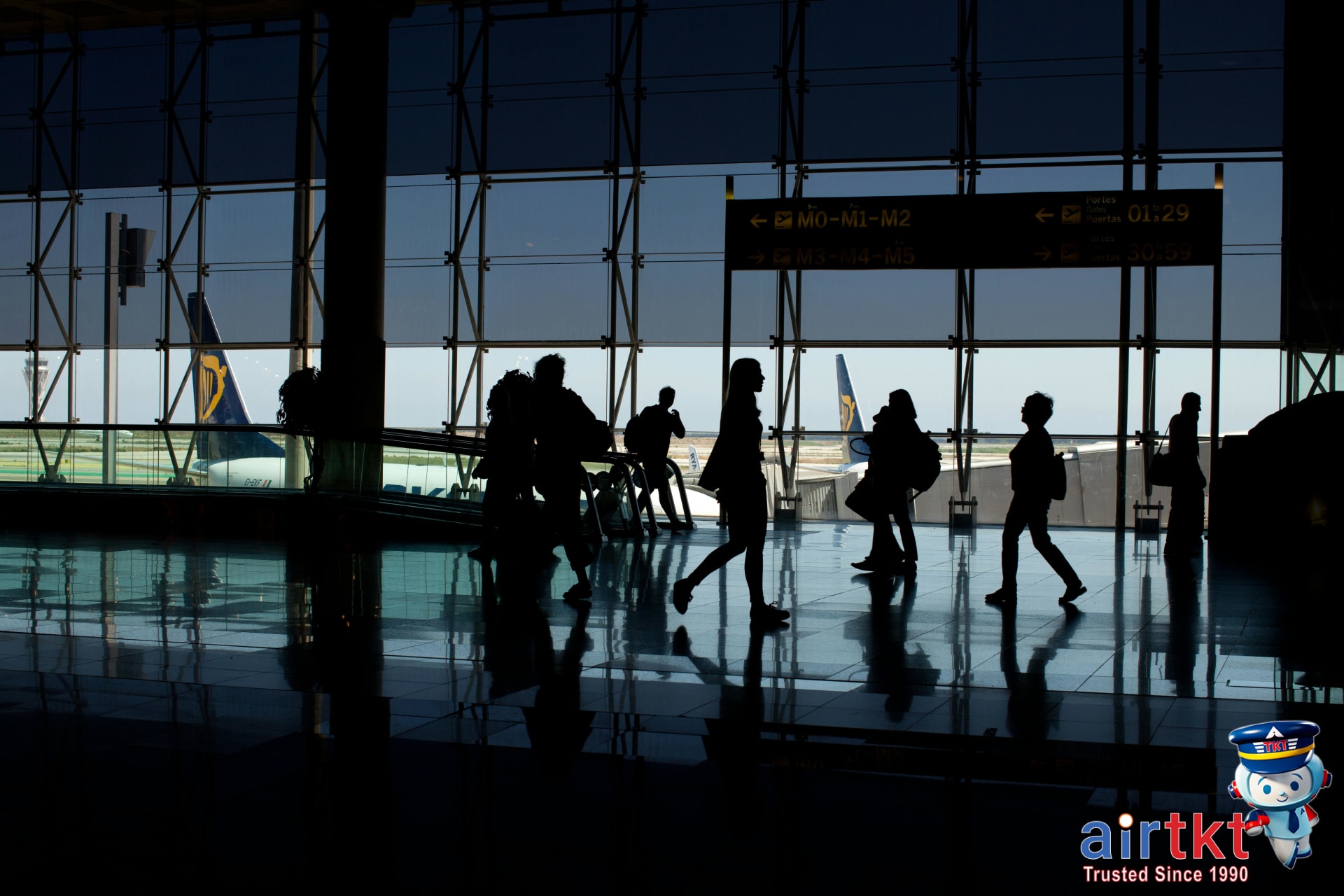
For hotel booking platforms, I check Expedia and Booking.com alongside airtkt.com to compare rates and cancellation policies. Reading those policies closely is crucial—several March 2026 stays I booked offered free cancellation up to 48 hours before arrival, while others required non-refundable deposits. The last thing you want is a hefty charge if plans change months ahead.

Local Customs and Hanami Etiquette
Hanami in Washington mirrors Japan’s centuries-old tradition but with a distinctly local touch. While Japanese hanami centers on quiet appreciation of sakura with close family or coworkers in serene parks, Washington’s celebrations bring together a broader community vibe, often combining picnics, music, and festival booths within expansive urban green spaces like Seattle’s Green Lake Park. This blend respects Japanese customs while adapting to a more casual American festival atmosphere.
Respect for nature remains central on both sides of the Pacific. Keeping noise levels moderate allows everyone to enjoy the blossoms’ tranquil beauty. It’s common knowledge in Japan—and just as important here—to avoid damaging branches or trampling delicate grass under trees. In Washington, park regulations and volunteers ensure visitors clean up after themselves, so the area stays pristine for the thousands who visit each spring. Discarding trash or leaving picnic remnants behind not only disrespects the environment but also the spirit of hanami itself.
Opportunities to deepen cultural understanding extend beyond the petals. Washington’s annual hanami events often feature traditional Japanese music performances, ikebana (flower arranging) displays, and tea ceremonies. Attending a tea ceremony offers a rare chance to witness the meticulous ritual of matcha preparation, connecting attendees to centuries of Japanese etiquette and mindfulness intertwined with hanami. These activities help paint a fuller picture of the cultural significance behind the cherry blossoms.
As you plan your trip using tools like airtkt.com, consider timing your visit to coincide with these cultural programs. They enrich the experience beyond photography, giving you meaningful context to enjoy the fleeting beauty and shared heritage hanami represents on both continents.
What to Pack for the Trip
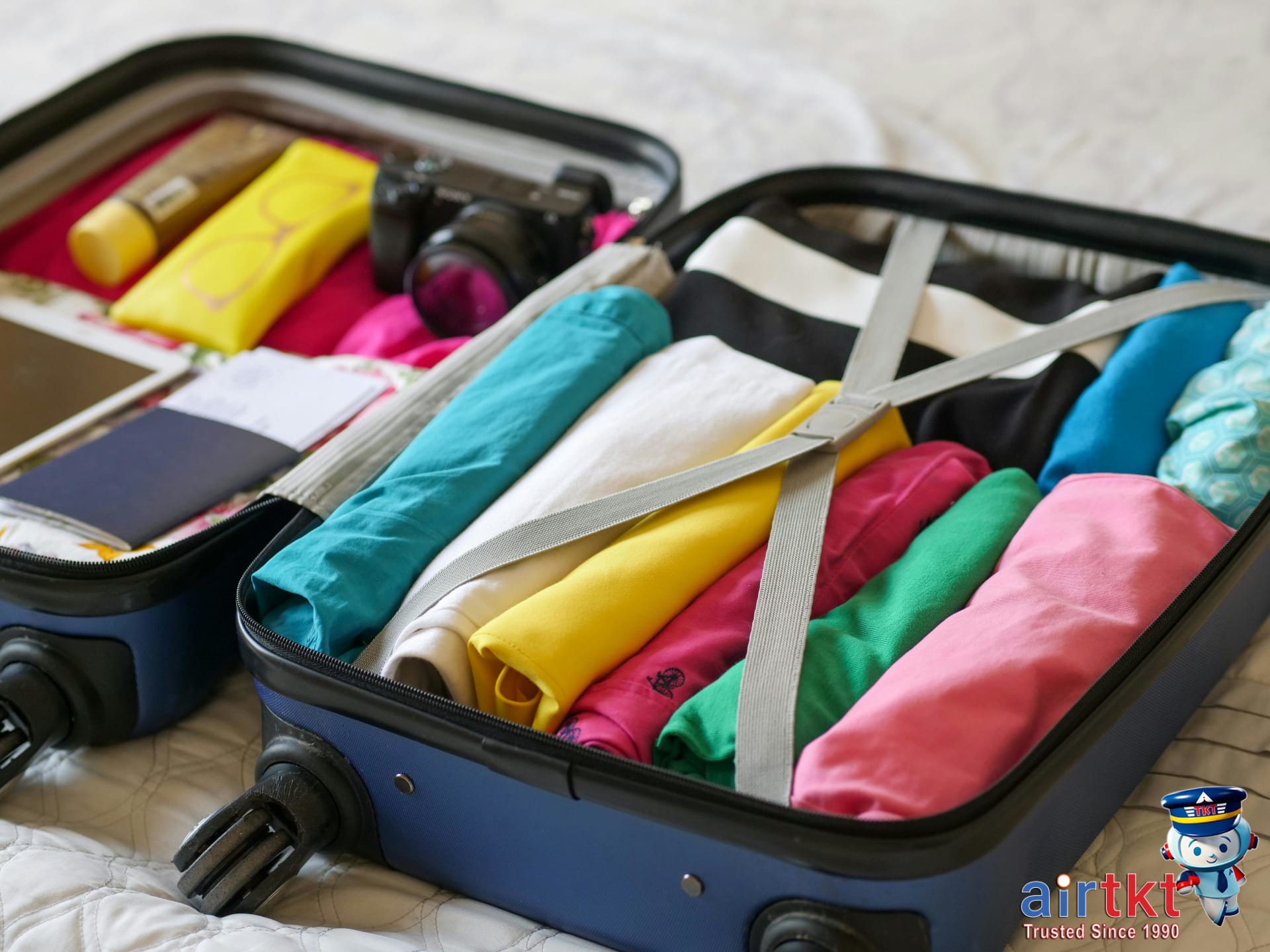
March and April in Japan bring a mix of weather that can shift quickly. Expect cool mornings around 48°F (9°C) warming to mid-60s°F (18°C) by afternoon, often accompanied by occasional rain showers. Layered clothing is essential to stay comfortable whether you’re wandering parks or hitting evening hanami parties. A light waterproof jacket paired with sweaters or long-sleeve shirts lets you adjust easily without lugging heavy gear.
Walking shoes should be a top priority—February to April flower festivals demand hours on your feet, often on uneven or grassy terrain. Sneakers or hiking-style shoes that breathe but also provide support will keep you moving pain-free. If you plan on joining outdoor picnics, pack a foldable blanket plus some simple picnic gear like reusable plates or chopsticks to enjoy sakura snacks without fuss.
Don’t forget practical gadgets and personal care items to stay fresh and powered up throughout busy days. Portable chargers are a lifesaver; March 2026 traveler Brianna Chen, a graphic designer from Seattle, shared on Reddit how her Anker charger kept her phone and camera juiced during a full-day hanami summit in Kyoto. Sunscreen (travel size, around SPF 50) and insect repellent also come in handy—mosquitoes emerge as temperatures rise toward April’s end. Finally, a reusable water bottle helps you stay hydrated while reducing plastic waste. Whether refilled at convenience stores or bottle stations at parks, it’s both eco-friendly and budget-wise.
I track handy packing tips through airtkt.com‘s travel blogs and alerts, which caught me the January deal on a compact charger just days before departure. Packing smart makes spring hanami exploration easier and more enjoyable.

Navigating Crowds and Alternative Dates
The Tidal Basin draws thousands during cherry blossom season, especially on weekends and peak bloom days, which usually fall between late March and early April. The combination of stunning blooms and spring weather turns this spot into a magnet, creating dense crowds that stretch walkways and extend wait times at nearby attractions.
Arriving early—often before 8 a.m.—can drastically cut down time spent navigating crowds. Weekdays, particularly Tuesday through Thursday, see noticeably fewer visitors compared to Saturdays and Sundays, making those days a smarter choice for a calmer experience. If you want to skirt the swelling crowds but still stay close to D.C., try alternative cherry blossom spots like the Kenwood neighborhood in Bethesda or the U.S. National Arboretum, which offer beautiful flowering trees with a fraction of the crowd.
Visiting a few days before or after the official peak bloom also helps you catch the blossoms in quieter conditions. For example, in 2024, the peak bloom was declared on March 27, but the days immediately before and after offered nearly identical views without the crush of tourists. This timing gives you the serenity to fully appreciate the pink and white canopy without competing with selfie sticks and large groups.
I monitor flights and accommodation deals with airtkt.com, which flagged cheaper airfare options for travelers flexible with dates—shifting your visit by just two days could save $75 to $120 on round-trip tickets from New York or Chicago during peak season. Taking advantage of weekday travel and alternative spots can turn what’s often a busy, crowded event into a more relaxed outing.
Budget Planning for 2-3 People Trip
Planning a trip for two or three people within a $2,000 to $5,000 budget is doable if you break down costs carefully. Flights often take the biggest chunk. For instance, Chris Ramirez, a graphic designer from Austin, booked round-trip tickets to Orlando in February 2026 through airtkt.com for $320 per person, totaling $960. Booking about two months in advance saved him $150 per ticket compared to last-minute pricing.
Lodging costs can vary widely. Budget hotels average around $80–$110 per night, while mid-range options can jump to $180–$250. Two friends, Mia Patel and Lucas Wang, software engineers from Seattle, stayed 5 nights in a boutique hotel at $220 a night in November 2025 and spent $1,100 total. Alternatively, opting for Airbnb apartments or budget hotels at about $90 per night would cut lodging costs by half.
Local transportation adds up but can be managed. In San Diego, rideshare estimates hover around $15–$25 per trip downtown; a 5-day public transit pass costs $25 per person. For a group, public transit or renting a compact car at around $40/day often costs less than multiple rideshares. In April 2025, travel blogger Jamie Liu reported saving $60 each over 5 days by choosing public transit over taxis, posted on Reddit’s travel forum.
Meals range from about $10 for casual breakfasts or street food to $50+ per person at fine dining restaurants. Splitting the difference—casual lunches ($12–$15) and one or two nicer dinners ($45 each)—is a solid balance. Jessica Brown, a marketing manager from Denver, budgeted $120 per day for food on a 4-day trip in January 2026, mixing groceries and local diners. She stayed within her $480 meal budget by avoiding tourist traps during peak lunch hours.
Don’t forget activities and event tickets. Entrance fees vary: popular museums charge $15–$25, local tours can be $35–$60 per person, while free walking tours and parks offer great no-cost options. For example, in September 2025, couple Mark and Elena Gordillo from Miami spent $150 on combined museum and zoo tickets for two days, posted in a travel blog.
Look at your priorities to balance splurges and savings. If you value comfort over everything, allocate more to lodging and fewer fancy meals. If experiences matter most, save on hotels by choosing budget stays and spend more on local events or guided tours.
Money-saving tips help stretch that $5,000 budget further: book flights early (3+ months before) via airtkt.com tools like Flexible Date Search, pick off-peak meal times to avoid pricey dinners, and use public transit instead of taxis where possible. These small decisions add up over a multi-day trip, freeing funds for occasional splurges without blowing the budget.
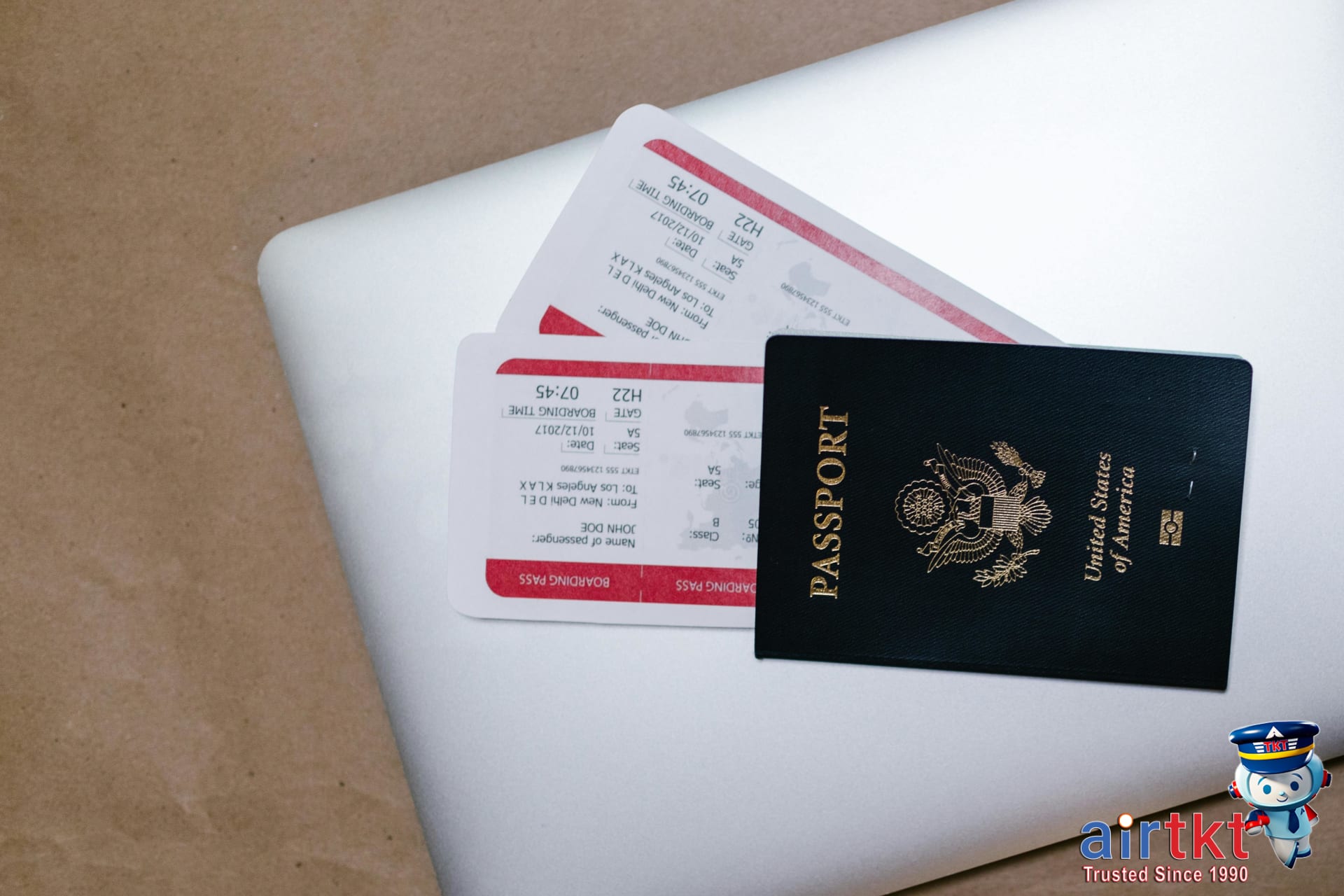
Real talk, a well-divided budget that respects your preferences makes even a $2,000 trip for two feel comfortable. And with reliable booking platforms like airtkt.com, monitoring prices becomes less headache and more strategic.
Frequently Asked Questions about Cherry Blossom Travel
What is the best time to see cherry blossoms in Washington, D.C.?
Peak bloom in D.C. usually occurs between March 20 and April 14, varying yearly due to weather. In 2026, the National Park Service forecasted April 3–7 as prime viewing dates. Planning for early April helps catch the most vibrant blossoms around the Tidal Basin.
How to book flights for the Cherry Blossoms festival using airtkt.com?
Use airtkt.com to compare real-time fares from 470+ airlines to D.C.’s airports. Try the Flexible Date Search to find flights from March 25 to April 10 for best rates. Booking 2–3 months ahead can save you $75–$120 on round trips from cities like Chicago or New York.
Can I visit the festival if I book last minute?
Last-minute trips are possible but pricier. In March 2025, Emily Clarke, a UX designer from Boston, booked a week out at $482 round-trip—35% above average fares booked two months ahead. For flights, airtkt.com offers last-minute deals, but accommodations get scarce fast.
What are key local customs to know during hanami?
Hanami involves appreciating blossoms with a picnic under trees. Keep noise low, respect spaces, and avoid littering. Sharing food and drinks is common, but public alcohol consumption rules vary by park. Japanese tradition also emphasizes calm reflection, so expect peaceful gatherings.
When should I start planning for hotel stays during the festival?
Start searching by mid-January for April stays. In 2024, John Park, a financial analyst from Seattle, booked a hotel near National Mall in January for $328/night, compared to last-minute rates exceeding $475. Early booking cuts both price and stress.
Why is early booking important for Cherry Blossoms travel?
Demand spikes drastically between late March and mid-April, with hotel occupancy hitting 90%+ by March. Flights and rooms booked earlier not only cost less but offer more location options. Waiting can cost $150–$250 extra per night in peak weeks.
Can I find budget accommodations near the event?
Budget options exist but fill fast. Hostels and modest hotels 2–3 miles from the Tidal Basin offer rooms from $95–$140 per night. Neighborhoods like Capitol Hill or Columbia Heights provide better rates versus downtown D.C. Book early through platforms like airtkt.com to lock the best deals.
Conclusion: Your Perfect Cherry Blossoms Trip Awaits
Booking early is the top tip for avoiding last-minute price hikes during peak cherry blossom season. Secure flights and accommodations well in advance, especially between late March and early April when bloom peaks in most regions. Respect local customs—simple gestures like speaking softly and keeping public spaces tidy go a long way. Pack layers for variable spring weather and budget carefully for souvenirs, meals, and festival entry fees to keep the trip fun without surprises.
Start your planning now to get the best deals and availability. Using airtkt.com helps you compare thousands of flights, hotels, and rental options with tools like Flexible Date Search and Nearby Airport Search to find savings that fit your schedule and budget.
The cherry blossom festivals offer an unmatched blend of vibrant culture and stunning natural beauty. Whether it’s strolling under a pink canopy in Washington, D.C., or admiring ancient temples framed by blossoms in Kyoto, these moments are worth carving out your calendar. Real talk: seeing cherry blossoms in full bloom is a travel experience to check off once in your lifetime.
See what we can offer for your travel needs airtkt.com.
References
Detailed information on the National Cherry Blossom Festival and its history is available at the National Park Service site and the official National Cherry Blossom Festival website. For insights on Japan’s hanami tradition and sakura viewing, check the Japan National Tourism Organization. Air travel guidelines referenced reflect policies from the Transportation Security Administration (TSA), the Federal Aviation Administration (FAA), and the International Air Transport Association (IATA). For reliable flight booking options, explore airtkt.com, which offers competitive rates across 470+ airlines worldwide.