

Chinese New Year’s Global Significance

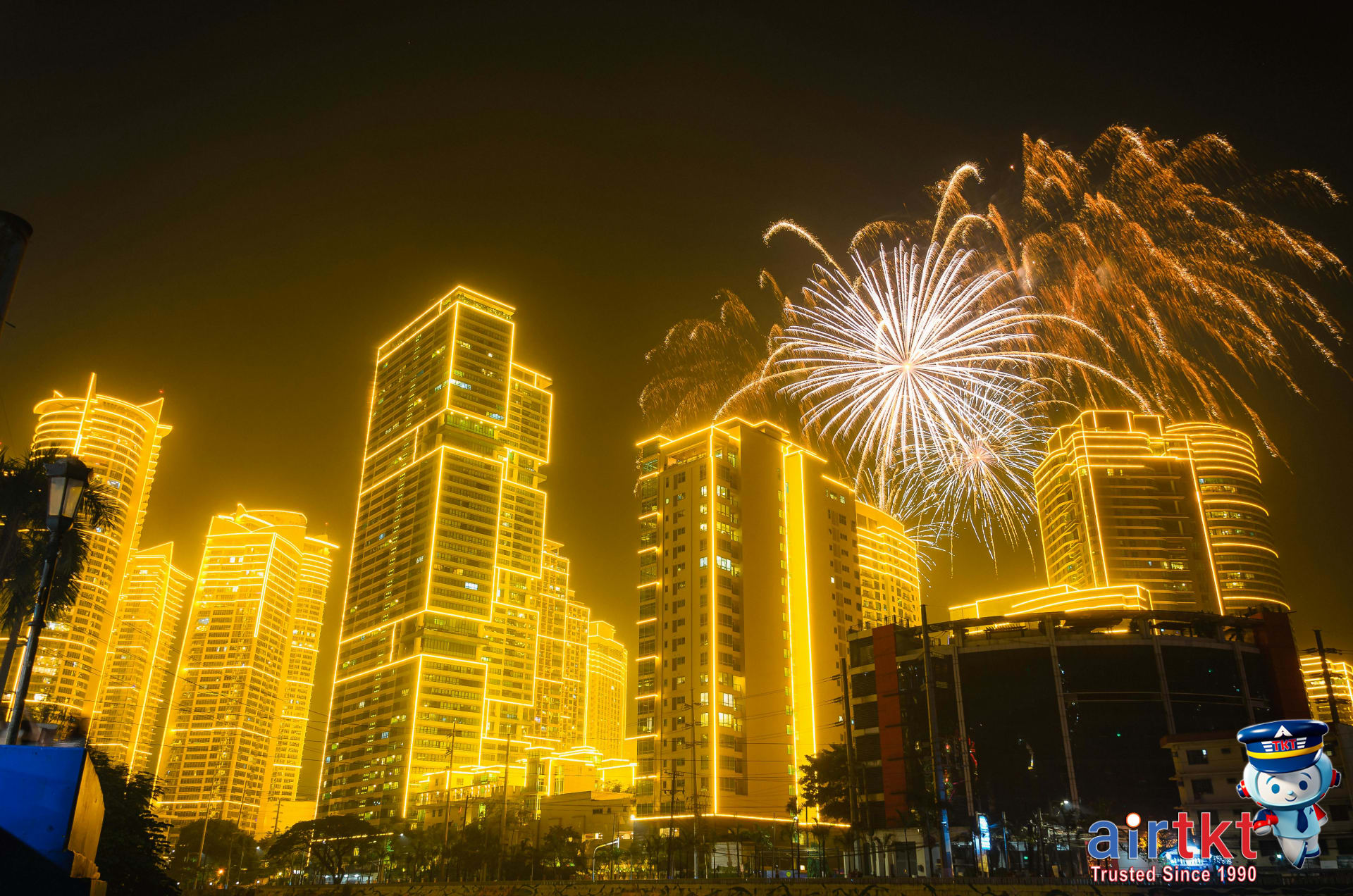
Chinese New Year, also known as Lunar New Year or Spring Festival, is one of the world’s most important and widely celebrated festivals, marking the beginning of the lunar calendar. This holiday is much more than a time for families to gather and enjoy traditional foods; it’s also a vibrant, cross-cultural celebration that unites communities around the globe. Whether you’re walking beneath lantern displays in Shanghai, marveling at lion dances in San Francisco, or savoring festive snacks in Singapore, the energy surrounding Lunar New Year is infectious. I always find the vibrant atmosphere of Lunar New Year celebrations captivating wherever I go, no matter the country or the scale of the festivities.
In this article, we’ll explore how Chinese New Year comes alive in different corners of the world. We’ll look at major public festivities, local customs, and must-see events across Asia—including China, Singapore, Vietnam, Malaysia, and Taiwan—as well as the Americas, where cities like New York, Vancouver, Los Angeles, and Lima offer their own unique Lunar New Year experiences. Expect practical guidance on the most notable parades, fireworks, public traditions, and lesser-known cultural highlights that make each location’s celebrations distinctive. Whether you’re planning to join the color and spectacle in bustling Chinatowns or eager to understand how diverse communities embrace the Lunar New Year spirit, you’ll find tips and ideas to make your trip more meaningful.
If you’re thinking of traveling for the festival, be aware that flights and hotels can sell out quickly due to heightened demand. I recommend checking the airtkt.com deals page early because Chinese New Year is a peak season for holiday travel—booking in advance can make all the difference for both availability and savings.
Top Asia Lunar New Year Events

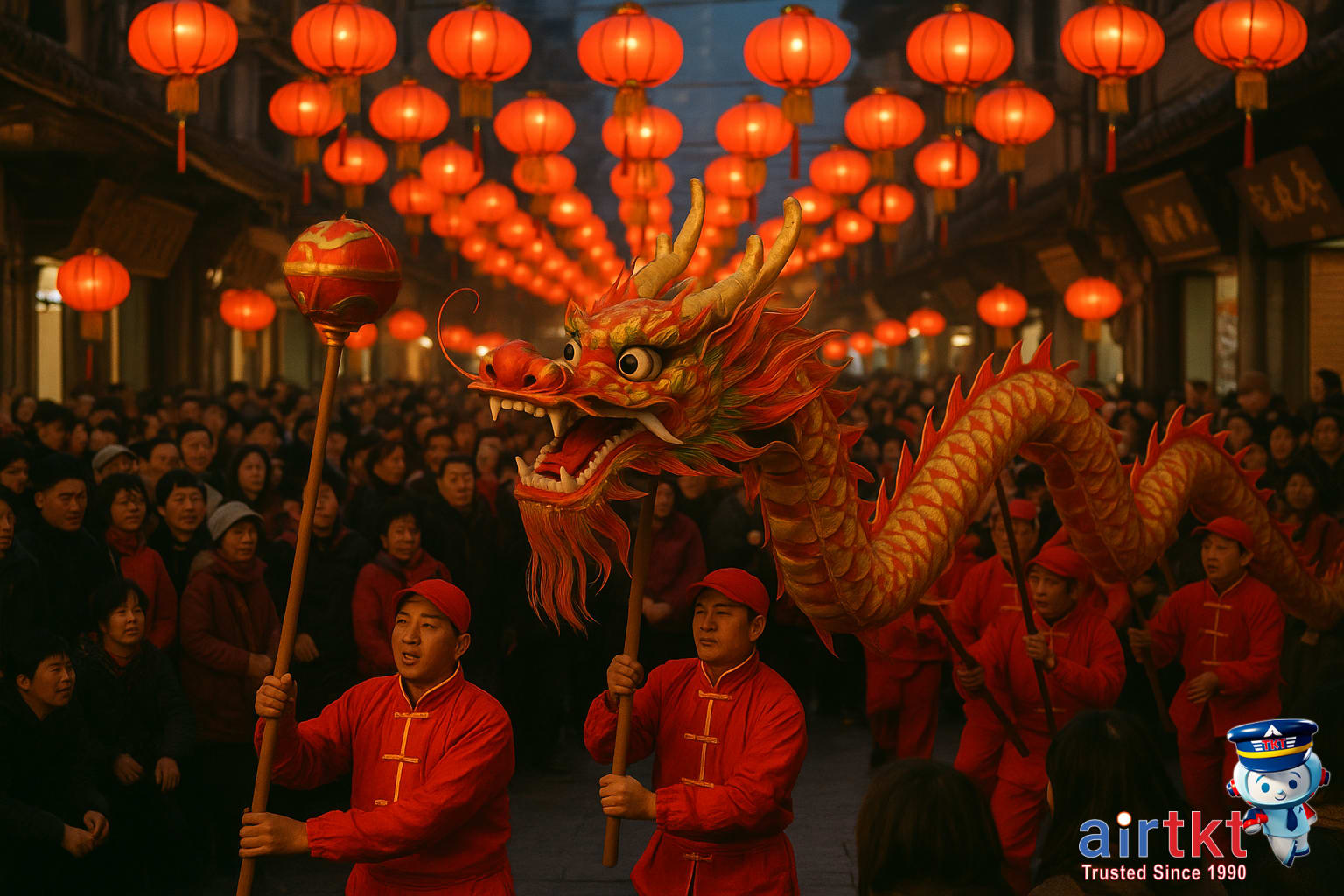
Asia truly lights up during Lunar New Year, with each country embracing the festival in bold and unforgettable ways. Across China, the Spring Festival transforms cities with lively dragon and lion dances, bustling temple fairs, and rich red lanterns brightening the streets. Beijing’s iconic temple fairs stand out for their blend of folk performances, street snacks, and fireworks. I’ve been amazed by the vibrant parades and traditional performances that bring these cities to life—especially in places like Shanghai and Guangzhou, where the rhythm of drums and the energy of costumed dancers sweep you up in celebration.
Hong Kong hosts some of the region’s most dazzling Lunar New Year events. The Tsim Sha Tsui Night Parade draws huge crowds, featuring floats and acrobatic troupes. Fireworks over Victoria Harbour are a major highlight—so popular that people line up early along the waterfront for the best view.
In Singapore, Lunar New Year (locally called Chinese New Year) is celebrated with the famous Chingay Parade: a kaleidoscope of costumed performers, multi-cultural floats, and roaring lion dancers. Chinatown’s streets are packed for the festive bazaar, and the city’s River Hongbao at Marina Bay brings in stage shows, lantern displays, and fireworks each night.
Vietnamese New Year, known as Tet, has a reputation for its flower markets and ancestral traditions. In Hanoi and Ho Chi Minh City, locals flock to temple ceremonies, watch lion dances, and admire elaborate street decorations. I found the sheer scale of family gatherings and temple offerings here one of the most heartfelt parts of the season.
South Korea’s Seollal is a more family-centered affair, but public spaces like palaces and parks host traditional music, dance, and folk games. Wearing hanbok and joining in folk games at Seoul’s palaces lets you experience the festival’s warmth firsthand—even if you’re just visiting for a few days.
If you want to elevate your trip, I’d suggest arranging a local cultural walking tour or joining special New Year activities. Many city tourism boards and travel experts compile festival highlights, so you don’t have to worry about missing out. You can easily organize these experiences ahead of time while booking Asia flights and hotels through airtkt.com for a seamless trip.
Unique Ways China Celebrates New Year

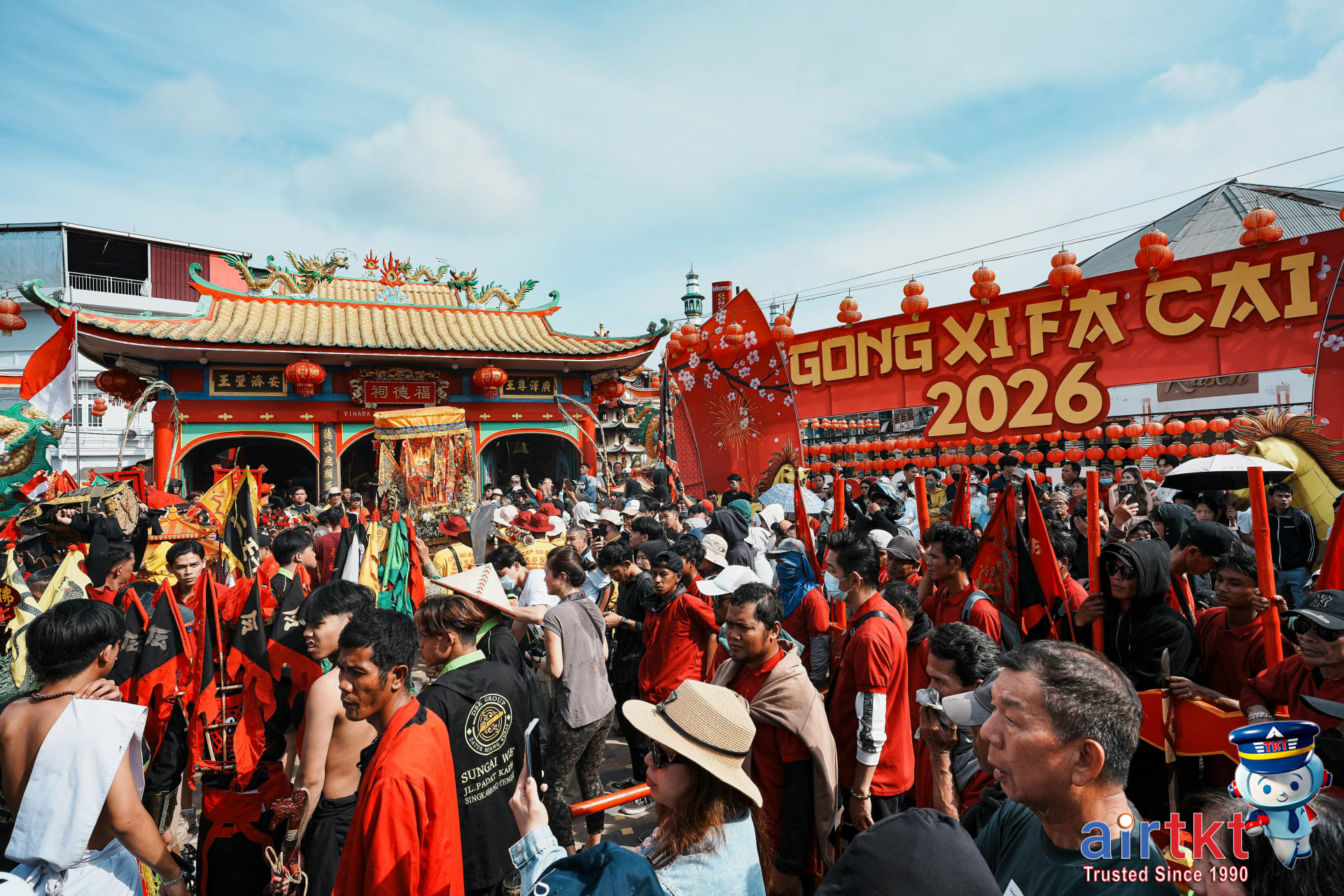
Chinese New Year’s celebrations across China are something that needs to be seen to be believed. Every city comes alive with historic traditions and vibrant local events. Temple fairs are easily one of the highlights—filled with traditional performances, folk art displays, acrobatics, lanterns, and a sense of festive energy that sweeps you off your feet. Watching temple fairs firsthand in Beijing was an unforgettable cultural experience for me—the authenticity and spectacle are simply remarkable, and there’s always something new to discover at every stall or stage.
Another essential part of the festival is the family reunion dinner held on New Year’s Eve. It’s the most important meal of the year, with relatives traveling from far and wide to gather around the table. Dishes like dumplings, fish, and glutinous rice cakes all carry symbolic meanings for good luck and prosperity. After dinner, it’s customary for adults to give children red envelopes (hongbao) filled with money, wishing them happiness and fortune for the year ahead. The excitement on kids’ faces when they receive their red envelopes is a genuine highlight of the holiday season. Even as a visitor, witnessing a local family share these moments is both heartwarming and eye-opening.
In major cities, fireworks transform the sky into a blaze of color—especially in places like Beijing, Shanghai, and Guangzhou. The displays can be staggeringly large, with bursts of sound and light echoing through the city late into the night. I’d recommend catching the spectacle around landmarks like Beijing’s Temple of Heaven or along the Bund in Shanghai, where the energy is contagious and the views are fantastic.
If you’re planning to join the crowds, these cities offer some of the grandest public celebrations and have plenty of options for sampling authentic festival food. Booking flights and hotels through airtkt.com makes it much easier to line up your trip around the best festivities in China’s top destinations.
Lunar New Year Markets And Customs
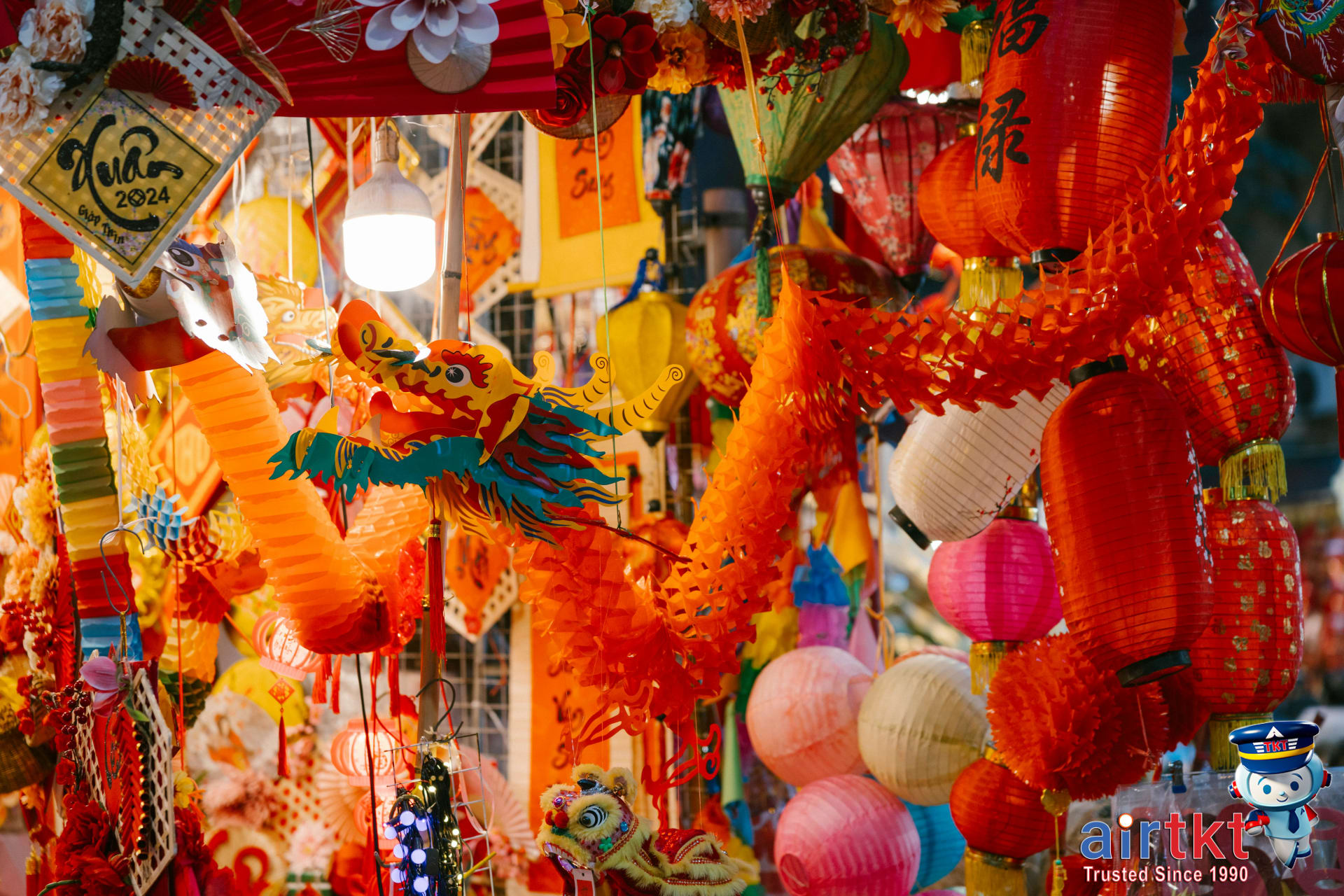
Lunar New Year transforms much of Southeast Asia into a riot of lights, sound, and street-side celebrations. While Chinese New Year traditions shape the core festivities in Malaysia, Indonesia, Thailand, and the Philippines, each country weaves in distinctive touches that reflect its local culture and flavors. What stood out to me most was how each city’s approach felt both grand and personal—welcoming everyone to sample, watch, and join in.
In Malaysia, Lunar New Year (Hari Raya Cina) is concentrated in Penang and Kuala Lumpur’s Chinatown districts. Here, you’ll see red lanterns, lively lion dances, and a mix of Chinese and Malay treats—think pineapple tarts and dodol. Indonesia celebrates as Imlek, especially around Glodok in Jakarta, with bustling markets, temple fairs, and barongsai (lion dance) troupes moving through jam-packed alleys. In Thailand, Yaowarat Road in Bangkok becomes a pedestrian festival of food stalls, gold shops, and firecrackers, where locals and tourists both line up for symbolic dishes like steamed fish and sticky rice cakes.
The Philippines has Binondo—often called the world’s oldest Chinatown—which bursts with dragon parades and street vendors selling tikoy (sweet rice cake) and lumpia (spring rolls). Local customs might add Filipino touches to the décor, blending red-and-gold banners with traditional banderitas. Visiting these places during Lunar New Year, I found that sampling festive treats in Southeast Asia’s night markets made the celebration truly memorable.
If you’re planning a trip timed for Lunar New Year, I’d recommend mapping out which neighborhoods and street markets are prime for festivities in advance. In my own travel plans, I’ve found that checking airtkt.com for flights and hotels during the holiday period helps when booking near these lively districts.
Lunar New Year Festivals Across Americas
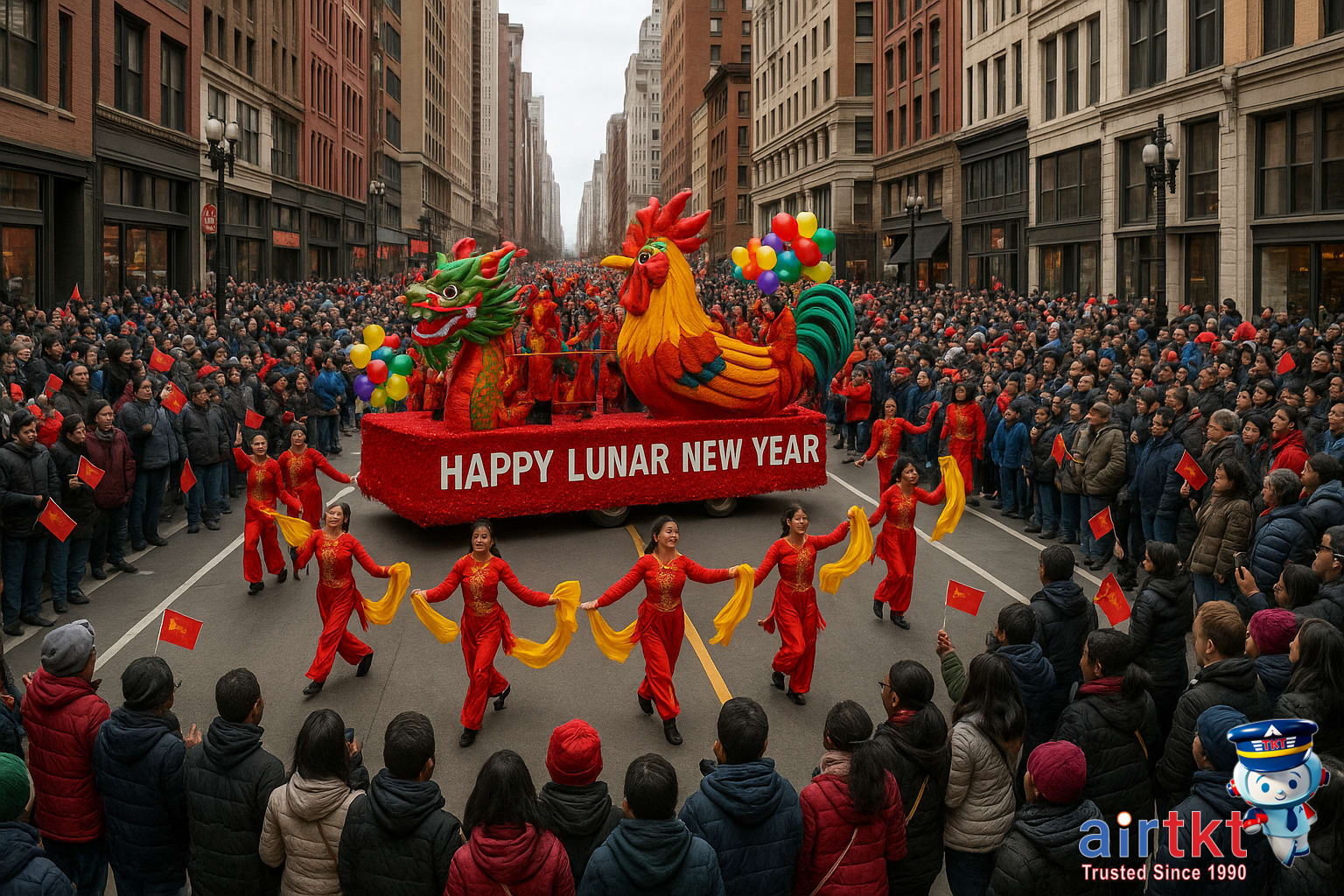
Lunar New Year in North America is a feast for the senses and a powerful display of multicultural spirit. Major cities like San Francisco, New York, Toronto, and Vancouver transform their neighborhoods into vibrant hubs of celebration, uniting people from a variety of Asian backgrounds—and beyond—around a tidal wave of color, music, and food.
San Francisco’s Chinatown hosts what many consider one of the biggest and most storied Lunar New Year parades outside Asia. Floats snake through lantern-lit streets, accompanied by thunderous firecrackers and mesmerizing lion and dragon dances. I’ve really enjoyed watching how seamlessly these parades blend time-honored Chinese customs with local flair, like samba dancers from the Bay Area’s Brazilian community joining the procession or the mix of Vietnamese and Korean performance groups on stage.
New York’s Lunar New Year experience is equally powerful—especially in Manhattan’s Chinatown, Flushing in Queens, and Brooklyn’s Sunset Park. Huge fireworks cap off energetic parades, and food stalls spill out onto the streets serving everything from dumplings to bánh chưng and spicy Korean rice cakes. Toronto and Vancouver’s downtown districts turn into multicultural showcases featuring musical acts, martial arts, calligraphy, and even “fusion” food fairs that highlight Vietnamese, Filipino, and Japanese New Year snacks alongside traditional Chinese treats.
This blending of traditions is something North America does especially well, thanks to the diversity of the communities involved. You’ll see crowds waving both Chinese and American flags, kids learning the meaning of “red envelopes,” and even storytelling by Indigenous artists alongside lion dance crews. Public squares become a meeting ground for different generations, backgrounds, and beliefs—making each city’s festivities unique to its own tapestry.
If you’re planning to visit for the festivities, it’s smart to check the city’s event calendars for parade routes and best viewing locations. Many of these neighborhoods are walkable, and using public transportation helps you avoid parking stress and puts you right in the middle of the action. For help booking North American flights and hotels, I always start with airtkt.com for a simple head start on travel prep.
Iconic Fireworks Displays for Lunar New Year
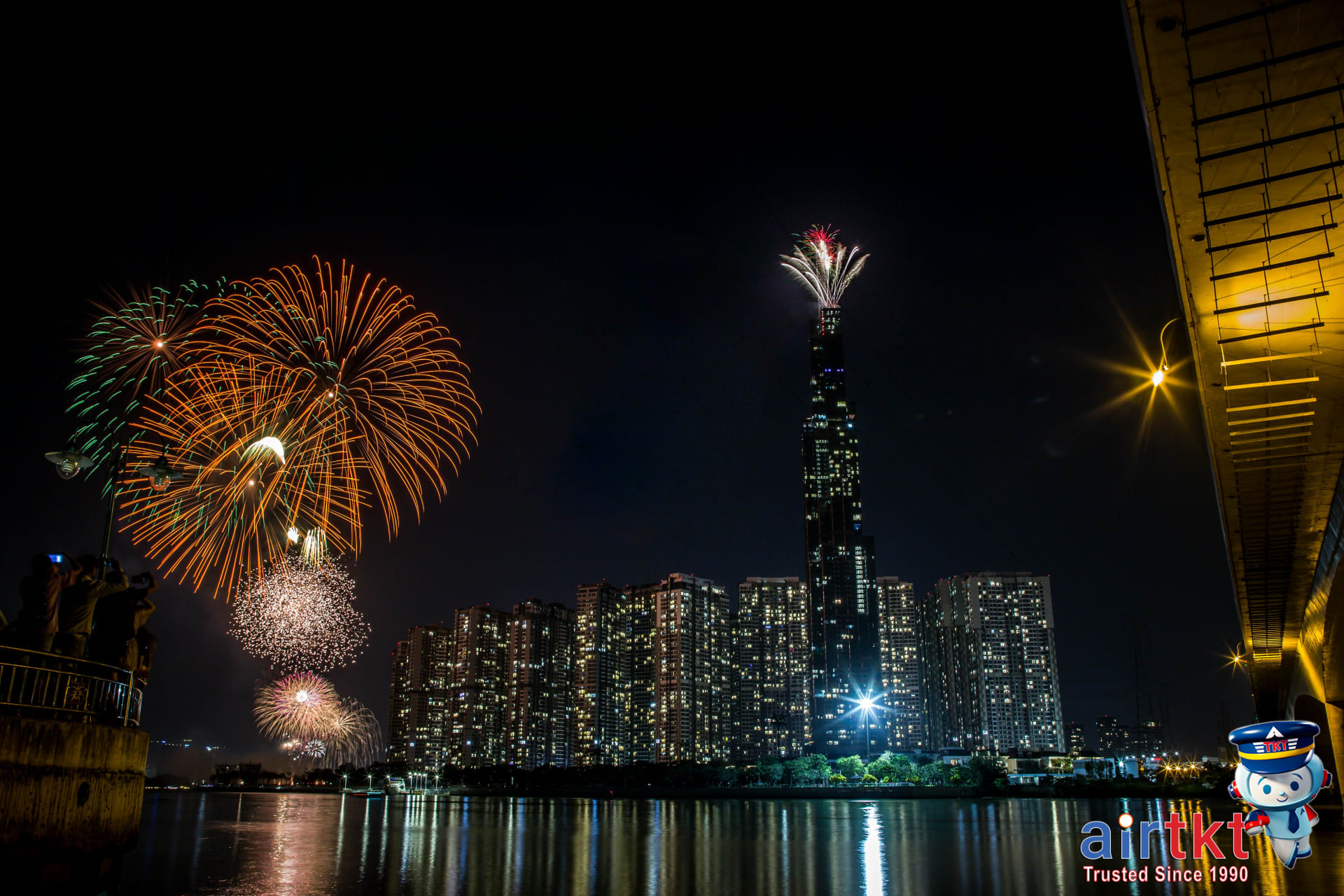
One of the most vibrant ways to experience Lunar New Year is through its legendary fireworks displays. From the skyscraper-filled skylines of Asia to bustling communities in the Americas, cities around the globe light up with bursts of color that signal good luck and fresh beginnings. Places like Hong Kong’s Victoria Harbour, Singapore’s Marina Bay, and Shanghai’s Bund are world-renowned for their dazzling shows, drawing crowds that come early just to secure a good vantage point. In the Americas, you’ll find huge Chinatown celebrations in San Francisco and New York City featuring synchronized fireworks, filling the night air with cheer and excitement.
Fireworks hold a special place in Lunar New Year traditions, believed to ward off bad spirits and welcome prosperity. The atmosphere is electric: music pulsing, crowds roaring, and families gathering for the countdown. Seeing the fireworks light up the sky over a cityscape or riverbank is truly exhilarating and unforgettable, especially when you’re out there with locals and travelers alike—there’s something universally thrilling about each colorful explosion reflected on the water or framed by urban lights.
If you want to catch the best displays, keep in mind that the largest events often spill into adjacent neighborhoods and parks. I’ve found that riverside promenades and quieter bridge crossings can be excellent spots for enjoying the full spectacle without being caught in the densest crowds. Don’t forget to bring your camera—and maybe earplugs if you’re close to the action!
Family Traditions and Festivities Explained
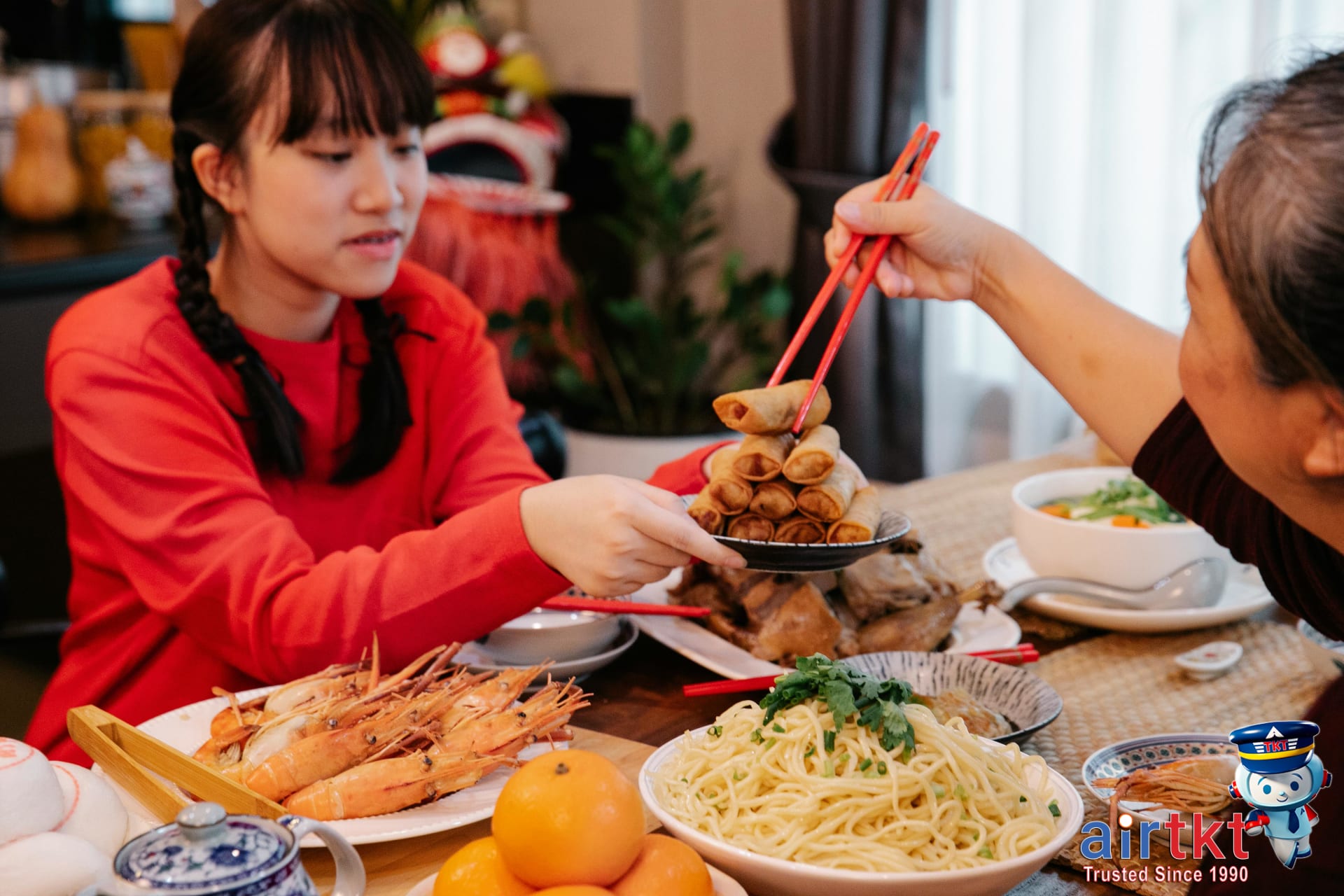
During Lunar New Year, families come together in vibrant, heartfelt ways. One of the most cherished traditions is the reunion dinner on New Year’s Eve, where relatives—often traveling from afar—gather around a table filled with symbolic dishes like dumplings, whole fish, spring rolls, and rice cakes. I’ve always found that joining in family reunion dinners made me appreciate how Lunar New Year strengthens cultural bonds that last beyond the holiday.
Giving and receiving red envelopes—called hongbao or lai see—is another meaningful custom. Elders present these envelopes, filled with money, to younger generations as a way to pass on blessings, luck, and wishes for prosperity. The act isn’t just about the money; it signifies goodwill, respect, and the sharing of hope for the year ahead. In some homes, everyone cleans and decorates the house beforehand, sweeping away bad fortune to make room for good luck. Bright lanterns, paper cuttings, and couplets bearing messages of happiness decorate doors and walls, making the atmosphere feel truly festive.
These traditions aren’t just rituals; they’re daily reminders of values like respect, gratitude, and togetherness. Participating year after year, many families form memories and connections that tie generations together. If you’re hosting your own celebrations, drawing inspiration from these customs can bring warmth and meaning to your home, even if you’re far from your roots.
Travel Planning And Budget Tips
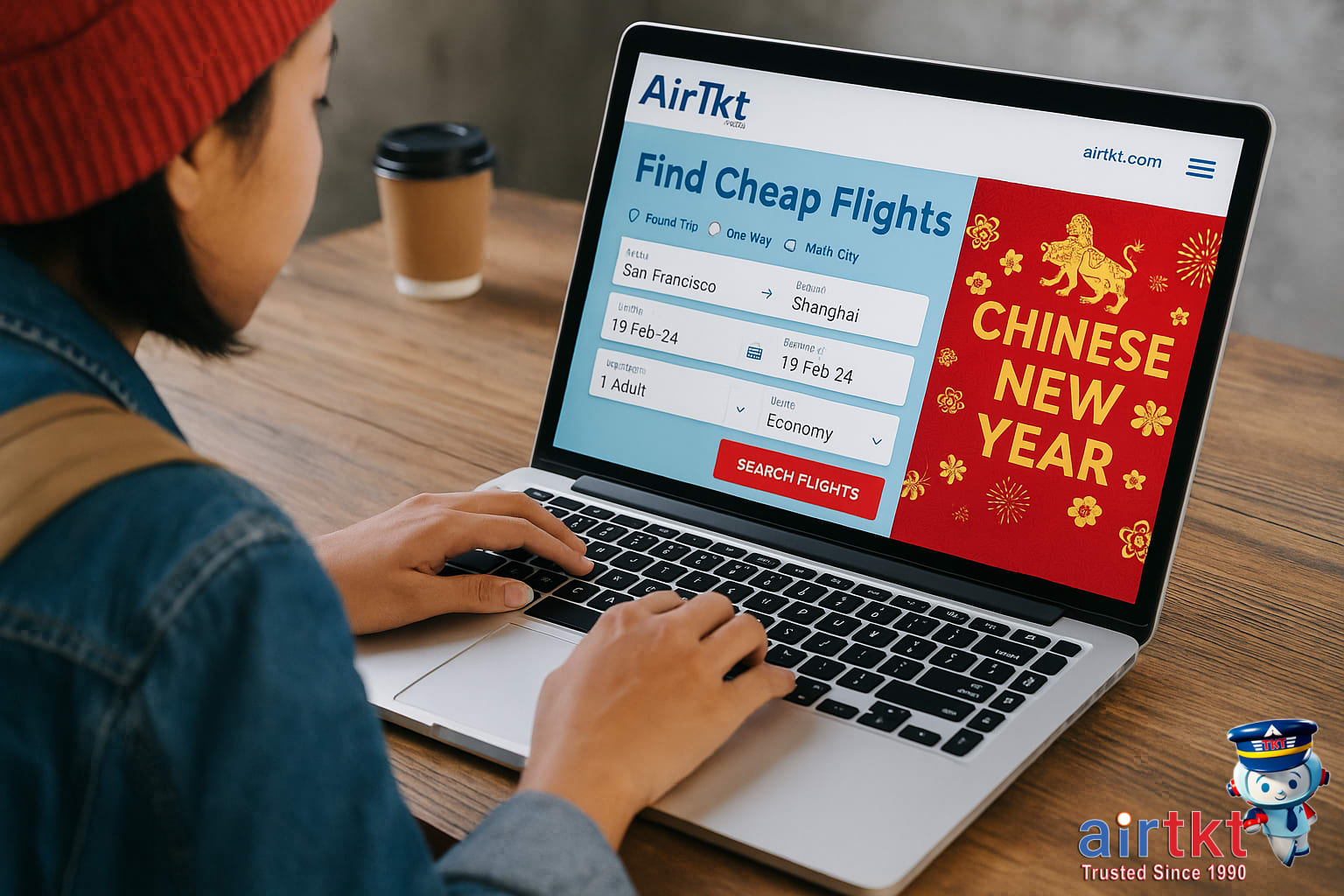
Booking travel during the busy Lunar New Year period can feel daunting, but using the right tools definitely makes it less stressful—and more affordable. I’ve personally found that combining a few smart strategies on airtkt.com can stretch your budget further, especially when availability is tight and prices climb fast.
Save With Lazy Fare Tool
If you’re not set on a direct route, try the “Lazy Fare” feature. It automatically shows more affordable multi-stop flights that don’t require extra stopover fees. For destinations in Asia, this often pulls up savings you might not spot on other sites. In my experience, selecting a Lazy Fare option let me fly over the holiday at a much lower cost, with only a short layover added to my itinerary.
Finding Better Prices Nearby
Lunar New Year can see main airports fully booked or overpriced. The Nearby Airport Search on airtkt.com will spot alternate airports, sometimes just a short drive or train ride away. I usually recommend checking this early in your search—you’d be surprised how a different airport can shave $40.00 or more off each ticket.
Flexible Dates, Flexible Deals
Flight and hotel prices spike around holiday eves. The Flexible Date Search helps you visualize when fares dip—sometimes just flying a day or two earlier makes a huge price difference. I used this tool for my last New Year trip, and shifting my departure by 24 hours dropped my airfare by about $120.00.
Budget Table: Lunar New Year Edition
| Accommodation | Food | Transport | Activities | |
|---|---|---|---|---|
| Budget | $45.00 | $15.00 | $8.00 | $12.00 |
| Mid-range | $90.00 | $30.00 | $20.00 | $35.00 |
| Luxury | $220.00 | $70.00 | $55.00 | $90.00 |
We’d treat this table as a planning checkpoint, not a last-minute detail—it really helps set spending expectations for a Lunar New Year trip.
As you search for flights and hotels, keep an eye on airtkt.com’s flight deals and hotel deals pages for timely discounts that stack on top of tool-based savings.
FAQ About Chinese New Year Travel
- When is Chinese New Year in 2026?
Chinese New Year in 2026 falls on February 17th, according to the official lunar calendar. Since the exact date varies every year, it’s always smart to verify holiday schedules before committing to travel plans. I usually check lunar calendar resources or local event listings as my first step.
- How can I find affordable flights for Lunar New Year?
To find affordable flights for Lunar New Year, search and book as early as possible—fares usually go up quickly near the holiday. Use flight comparison tools like those on airtkt.com to track deals. Flying on less popular dates or mid-week can also help you save.
- What are popular Chinese New Year destinations?
Major cities such as Beijing, Shanghai, and Hong Kong see huge celebrations and draw many travelers during Chinese New Year. Some travelers also visit family in smaller towns or go on vacation to tropical destinations. Each spot has its own traditions and events, so consider what kind of experience you want.
- Will attractions and shops be open during the holiday?
Many businesses close for the first few days of Chinese New Year, especially in smaller towns. However, larger attractions in big cities often stay open or offer special programming for the holiday. In my experience, it’s best to check directly with hotels, restaurants, or venues before traveling.
- Is Chinese New Year travel crowded and expensive?
Yes, this is one of the busiest and priciest travel times in the region. Trains, planes, and hotels fill up quickly due to the world’s largest annual migration—often called “Chunyun.” If you want to avoid crowds, try traveling before or after the main holiday rush.
- Any tips for booking Lunar New Year hotels?
Book hotels as early as you can—rooms at popular destinations get reserved months in advance. I recommend double-checking cancellation policies and confirming all reservations by email or phone, since staffing can be tight during the holidays. Look for hotels offering festive events or traditional meals for guests.
Wrapping Up Chinese New Year Travels

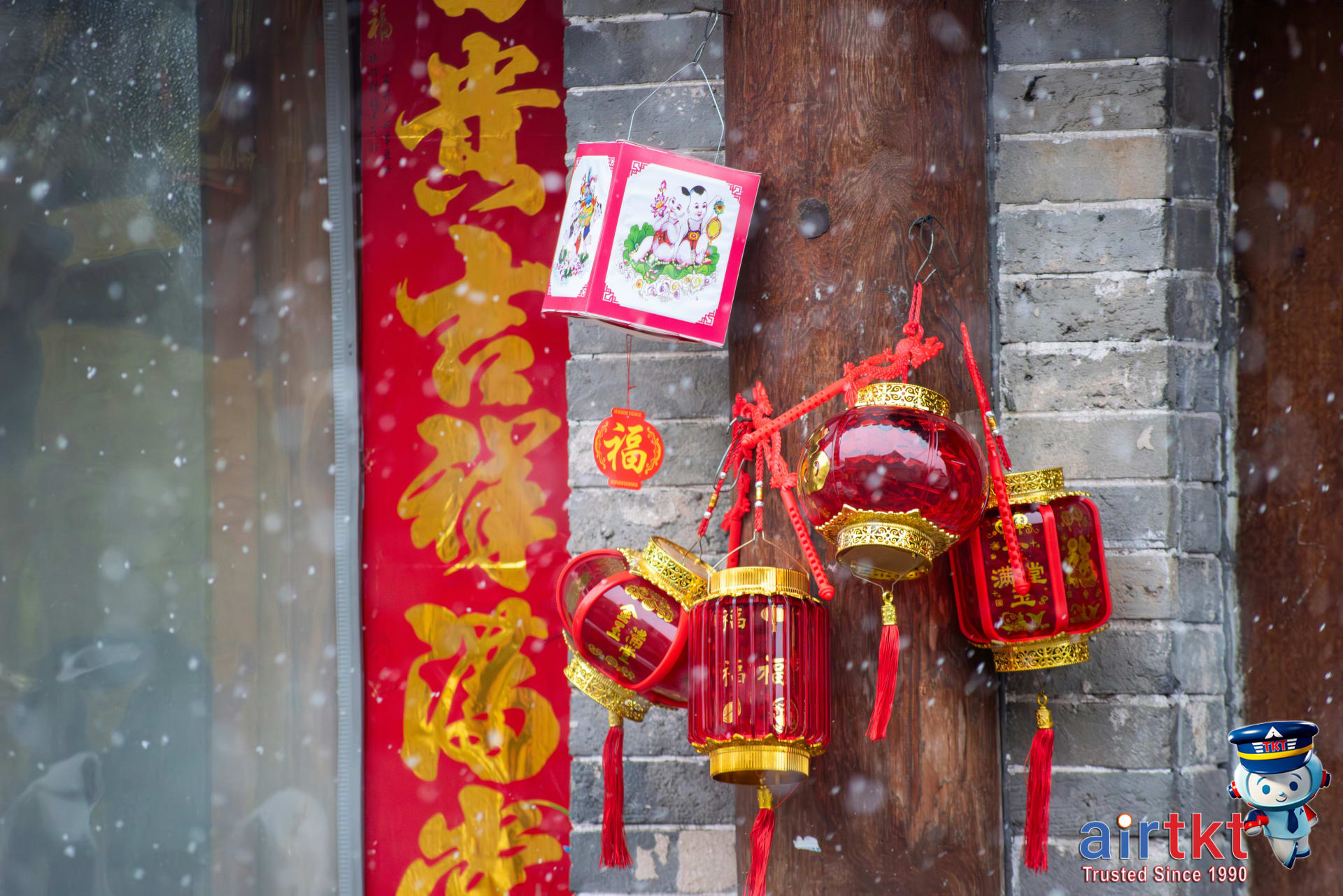
Chinese New Year celebrations are a dazzling fusion of tradition, vibrant energy, and worldwide community. From the lantern-lit streets of Asia’s cities to enthusiastic lunar festivals in global Chinatowns, each destination offers its own way to ring in the new year. Families reunite for feasts, fireworks light up the night sky, and lion dances sweep through the streets, carrying wishes of fortune and happiness far beyond city limits.
What makes these festivities truly special is their warmth and inclusiveness—whether you join in Seoul’s bustling parades or New York’s lively alleys, you’re welcomed by lively crowds, rich cultural displays, and endless opportunities to celebrate together. The chance to witness traditional performances, sample holiday treats, and learn festival customs is something I can never get enough of. Honestly, I can’t wait to join more vibrant Lunar New Year festivals around the world soon.
If you’re dreaming of your own adventure next Lunar New Year, browsing local event calendars and planning ahead pays off. Reserving your flight and stay early through platforms like airtkt.com makes the practical side of your celebration trip easier, so you can focus on soaking up the festivities wherever you land.