

Benefits of Compression Bags for Travel Packing
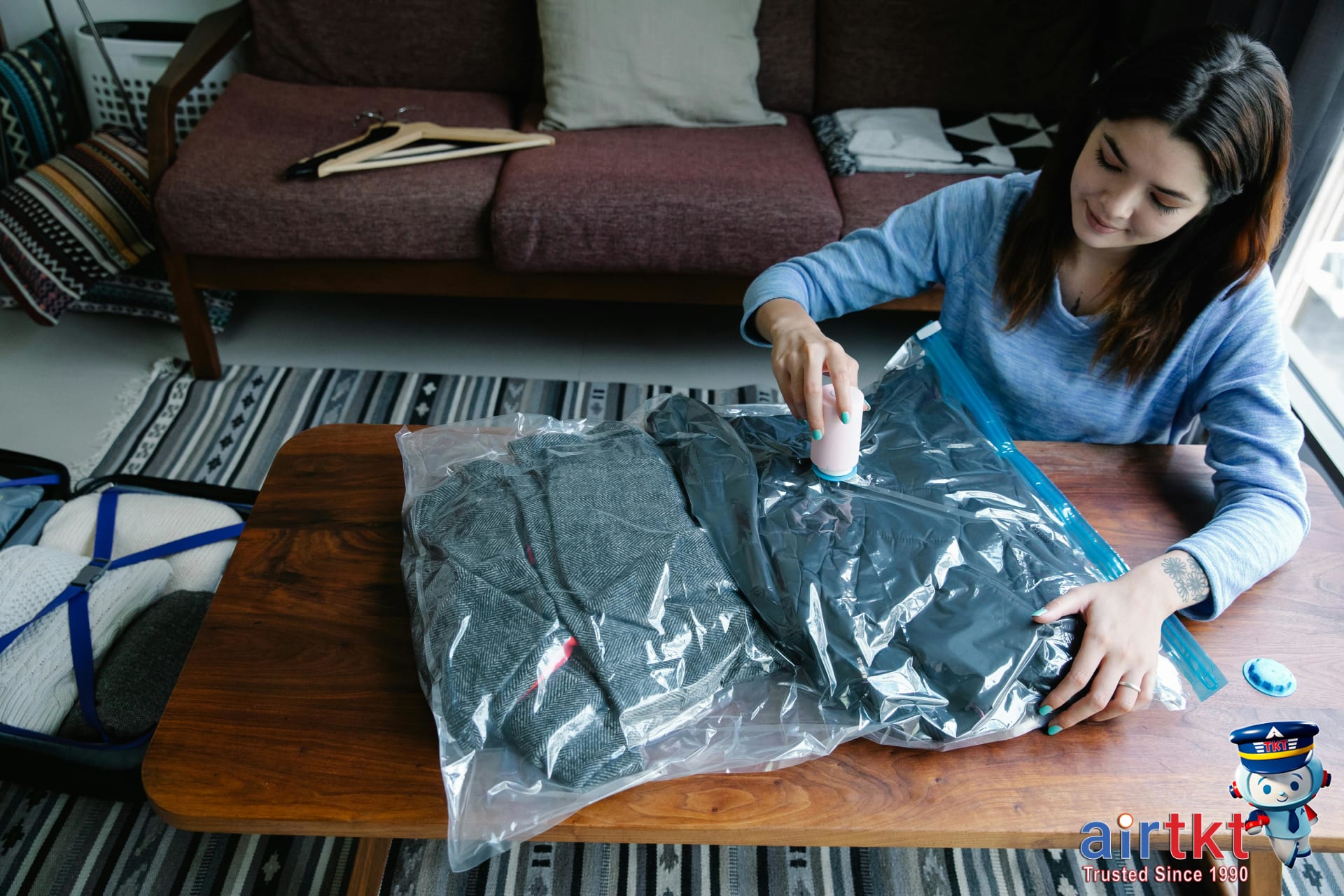
Compression bags are a game-changer for travelers aiming to pack smarter and carry less. By squeezing out excess air from clothing and soft items, these bags can reduce volume by up to 50%, allowing you to fit significantly more into your suitcase compared to traditional packing. Imagine turning a bulky winter jacket into a space-saving bundle or consolidating multiple t-shirts into one compact pack—this efficiency is especially valuable for long trips or when luggage space is at a premium.
Beyond maximizing volume, compression bags greatly enhance organization. Separating your clothes by type, outfit, or activity becomes easier when each group is neatly compressed and sealed. This not only prevents your suitcase from turning into a jumbled mess but also simplifies finding specific items without unpacking everything. Whether you’re juggling business attire, casual wear, or active gear, compression bags keep your travel essentials tidy and accessible throughout your journey.
Traveling through varying climates or facing strict baggage allowances makes compression bags even more essential. They offer the convenience of packing multiple layers or seasonal clothing in a minimal footprint while complying with airline regulations. This is particularly important for trips that mix outdoor adventures with city excursions, where wardrobe flexibility is key yet luggage weight and space must be managed carefully.
This article will further explore different types of compression bags available on the market, offering checklists to streamline your packing process. We’ll also cover TSA compliance tips to ensure hassle-free security checks and share expert packing strategies to maximize your luggage efficiency.
Types and Brands of Compression Bags
Compression bags are essential travel tools for maximizing luggage space and organizing belongings efficiently. There are three main types: vacuum-sealed, roll-up, and zip-lock compression bags. Each category offers different benefits depending on your travel needs and preferences.
Vacuum-Sealed Compression Bags
Vacuum-sealed bags rely on an external pump or vacuum cleaner to remove air, reducing volume drastically. These are ideal for long trips or bulky items like winter coats and bedding. They provide the highest compression ratio but require additional equipment for sealing.
Pro: Superior space-saving and airtight protection.
Con: Less convenient during short trips; pump needed; potential puncture risk.
Trusted brands:
- Budget: SpaceSaver Basic – Simple design, affordable, performs well for casual travelers.
- Mid-range: Ziploc Space Bag – Known for reliability and ease of use with most vacuum cleaners.
- Premium: Eagle Creek Pack-It


Roll-Up Compression Bags
Roll-up bags use manual compression by rolling the bag to expel air via a one-way valve. No pump is required, making them lightweight and portable. They’re great for travelers needing quick, easy packing without extra accessories.
Pro: No pump needed; reusable and durable; compact when rolled.
Con: Moderate compression; less effective for very bulky items.
Popular brands include:
- Budget: MIER Roll-up Bag – Affordable, easy to handle, good for weekend trips.
- Mid-range: AmazonBasics Compression Bag – Reliable valve seal, good durability.
- Premium: Eagle Creek Pack-It Specter Sac – Ultra-light, made of high-quality materials, ideal for minimalist travelers.
Zip-Lock Compression Bags
Zip-lock compression bags are manually sealed airtight with a zipper mechanism and compressed by pressing air out before final sealing. They’re ideal for organizing smaller items or casual trips but depend on careful sealing to ensure effectiveness.
Pro: Extremely affordable; simple to use; great for small clothing or toiletries.
Con: Less durable; weaker compression; risk of zipper leaks over time.
Recommended brands:
- Budget: Generic Zip-Lock Bags – Widely available and useful for low-cost packing solutions.
- Mid-range: Travelon Compression Bags – Slightly thicker material with improved zipper design.
- Premium: Eagle Creek Pack-It Zip Compression Cubes – Stylish, sturdy, with enhanced sealing and organization features.
Comparing Types for Usability, Durability, and Portability
Ease of Use: Zip-lock bags are simplest, followed by roll-up bags. Vacuum-sealed bags offer the best compression but require a pump, limiting ease on the go.
Effectiveness: Vacuum-sealed bags compress most efficiently, significantly reducing volume. Roll-up bags offer moderate compression, while zip-lock bags provide the least.
Durability: Premium vacuum and roll-up bags usually use tear-resistant materials. Zip-lock bags tend to wear faster and are less suitable for heavy usage.
Portability: Roll-up and zip-lock bags are highly portable and don’t require accessories. Vacuum bags can be bulky due to pumps and thicker materials.
Choosing Compression Bags for Travel Styles
- Backpackers or light travelers: Roll-up or premium zip-lock compression bags offer convenience and sufficient compression without extra equipment.
- Extended trips or bulky gear: Vacuum-sealed compression bags maximize space for heavy packing but need planning due to pump use.
- Organized travelers: Zip-lock or roll-up compression cubes help keep items sorted inside carry-ons or suitcases.

Compression Bag Packing Checklist with Quantities
Packing efficiently with compression bags can transform how much you carry, especially on trips where space is limited. Below is a detailed checklist organized by categories with recommended quantities tailored for typical 5 to 7-day trips. This includes tips on fabric choices and packing techniques that maximize compression, plus how to create printable checklists for easy travel preparation.
Clothing Essentials and Quantities
- T-shirts: 5 pieces — opt for lightweight, quick-dry, and compressible fabrics like merino wool or synthetic blends.
- Long-sleeve shirts: 2 pieces — choose thin, breathable fabrics that fold or roll tightly.
- Underwear: 7 pairs — fabrics like nylon or polyester compress better than thick cotton.
- Socks: 5 pairs — look for thin, moisture-wicking options that do not add bulk.
- Pants/shorts: 2 to 3 pairs — prefer stretchy, lightweight materials that fold compactly.
- Light jacket or sweater: 1 piece — a packable fleece or softshell that compresses well.
- Sleepwear: 1 to 2 sets — thin, foldable fabrics for space-saving comfort.
Accessories and Toiletries
- Belts, hats, scarves: 1 each — soft fabrics that can be rolled or tucked around other items.
- Toiletries: Travel-sized bottles (100 ml or less) of essentials such as shampoo, conditioner, and lotion.
- Electronics and chargers: Pack in a separate small pouch to avoid compression damage.
- Small laundry kit: Compact detergent sheets and a sink stopper for quick washing on the go.
Maximize Compression with Fabric and Rolling
The right fabric choice greatly improves your packing efficiency. Avoid bulky cotton or heavy canvas; instead, lean toward fabrics engineered to compress well, such as nylon, polyester, or merino blends. These materials not only shrink under pressure but also dry quickly and resist wrinkles.
Rolling vs. Folding: Rolling clothes tightly is generally superior for compression bags. Rolling reduces air pockets and compresses fabric fibers to their minimum volume. Combine rolling with layering—placing smaller items inside larger garments—to optimize space.


Create Printable Packing Checklists
To keep your packing organized, consider making your own checklist based on this guide or downloading preformatted ones online. A printer-friendly format helps ensure you don’t forget essentials and can quickly adjust quantities based on trip length.

Space-Saving and Weight Distribution Techniques
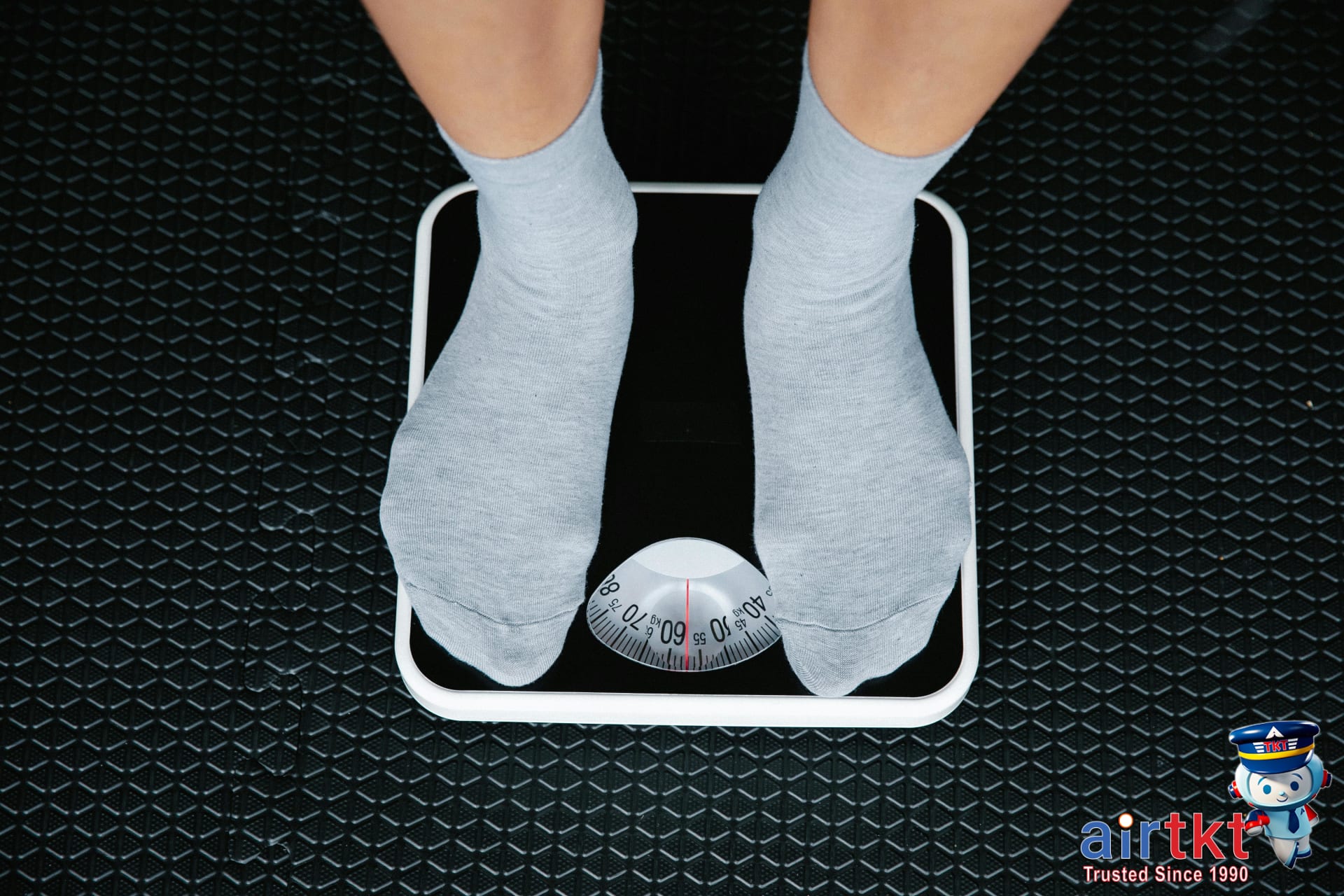
Maximizing luggage space while evenly distributing weight is essential for avoiding overweight fees and enjoying a hassle-free travel experience. Strategic packing begins with organizing and layering items inside compression bags, a proven method for compact storage. Group similar items together—such as clothing or toiletries—before compressing. This not only reduces bulk but also makes unpacking easier. For example, layering lightweight fabrics like t-shirts on top of heavier sweaters within a compression bag optimizes space by compressing the denser packing layers evenly.
Weight distribution is equally important. Uneven weight in your suitcase can make it harder to maneuver and may trigger airline staff to weigh bags more carefully. Aim to balance weight across compartments: place heavier items in the center and closer to the wheels of rolling luggage. This stabilizes the bag’s center of gravity and prevents tipping. Use smaller pouches or packing cubes to allocate weight evenly throughout your suitcase, minimizing awkward weight clusters that cause strain while carrying or lifting.
Use Compression Bags Differently by Luggage Type
Compression bags work differently depending on whether you use them in checked luggage or carry-ons. For checked bags, compression bags can be maximized to reduce bulky winter gear or multiple outfits, enabling you to fit more into your allowance. However, be cautious not to overpack; airlines strictly enforce weight limits, and a compressed bag still counts toward your total weight.
In carry-ons, space-saving is critical but weight limits tend to be lower—usually around 15 to 22 pounds. Compression bags here should be used selectively, ideally for softer items like clothing instead of toiletries or electronics. Also, compact your packing but ensure quick access to essentials for security checks and inflight convenience. Carry-on compression bags are better kept manageable to avoid bursting seals or wrinkles during the trip.
Account for Airline Weight Policies and Seasonal Packing
Airline baggage policies vary greatly; some allow 50 pounds for checked bags, while others enforce stricter, lower limits or fees for every pound over. It’s wise to check the specific weight allowance of your airline before packing. Seasonal changes also affect packing choices. Winter travel demands heavier clothing, requiring smarter compression and weight balancing. Round out your packing by distributing bulky items like boots or coats between checked and carry-on bags to avoid excess weight concentrated in one piece.
Pay attention to seasonal baggage promotions or restrictions too. Some airlines waive fees for holiday travel or offer discounted overweight fees during off-peak seasons. Using AirTtkt’s platform helps you stay updated on airline policies, allowing you to plan your packing with current regulations and fees in mind.
TSA Compliance and Travel Security Tips
When packing compression bags for your trip, understanding current TSA regulations is essential to ensure a smooth security screening process. For liquids packed inside compression bags, the TSA requires that each passenger’s liquids, gels, and aerosols be in containers of 3.4 ounces (100 milliliters) or less. All such containers must fit comfortably within a single, clear, quart-sized zip-top bag, which must be presented separately during security checks. It’s important to note that compression bags themselves should primarily contain dry, non-restricted materials—such as clothing or soft goods—to avoid complications.
The TSA restricts certain items inside carry-ons, including sharp objects, flammable materials, and other hazardous substances. Compression bags filled with clothing, underwear, and fabrics are generally allowed, but packing prohibited items inside them can lead to delays or confiscations. Additionally, when liquids are involved, never pack them directly within a compression bag sealed in another opaque bag; security officers need clear visibility of the quart-sized liquid bag at screening checkpoints.
To facilitate swift inspections, arrange compression bags so that the quart-sized liquid bag is easily accessible and separate from other items. Place compression bags toward the top of your carry-on or in an outer compartment to avoid unloading your entire luggage at security. Rolling clothes inside compression bags can optimize space while keeping your clothing organized and allowing tsa officers to quickly verify contents without unpacking everything.
For the latest, official regulations and security updates, travelers should refer to the TSA website, which outlines carry-on and checked baggage rules in detail. The Federal Aviation Administration (FAA) provides additional guidance on safety and travel security. Furthermore, the International Air Transport Association (IATA) is a trusted resource for international travelers seeking compliance information across different countries.
Staying informed on evolving TSA rules for 2026 ensures your packing strategies remain compliant and hassle-free. Compressing and organizing clothing can reduce carry-on bulk without slowing security line progress. With correct packing and attention to TSA guidelines, your travel experience becomes more efficient and stress-free.
Avoid Common Compression Bag Packing Mistakes
Packing with compression bags seems straightforward, but many travelers stumble into traps that undermine efficiency. Common errors include overstuffing bags, using them for non-compressible items, ignoring weight distribution, and skipping durability checks. Each mistake can lead to damaged gear, wasted space, or heavier, bulkier luggage.
Overstuffing Compression Bags
One of the biggest slip-ups is trying to cram too many clothes into a bag. Compression bags are designed to reduce volume but have limits. Overstuffing often leads to bags bursting or seals failing mid-trip.
How to fix it: Pack only what realistically fits and compress in smaller batches. Distribute your clothes across multiple bags rather than cramming everything into one.
A frequent traveler shared, “I once squeezed all my sweaters into one large compression bag and lost the seal during a layover. My clothes ended up wrinkled and scattered across my suitcase.” Proper portioning prevents this.
Packing Non-Compressible Items
Compression bags work best with soft, flexible fabrics. Travelers sometimes pack shoes, bulky jackets, or electronics inside these bags, hoping to save room. This backfires since rigid items don’t compress and can damage the bag.
How to fix it: Keep hard items separate. Use compression bags strictly for clothes like T-shirts, underwear, and towels to maximize space savings.
Ignoring Weight Distribution
Many underestimate how weight placement impacts handling. Overloading one side with heavy compressed bundles can unbalance your luggage, making it awkward to carry or risking damage during transit.
How to fix it: Pack heavier compressed bags closer to the center or base of your suitcase and lighter ones on top. This stabilizes weight and improves mobility.
Neglecting Bag Durability Checks
Reusable compression bags vary in material strength. Not checking for tiny holes, weak seams, or faulty zippers before packing can cause leaks or bursts en route.
How to fix it: Inspect your bags before every trip. Replace worn-out bags or reinforcements like additional sealing clips to avoid sudden failure.
A backpacker recounted, “I didn’t realize my compression bag had a small tear until my clothes soaked the inside of my backpack during a rainstorm. It ruined several outfits.” Routine maintenance prevents such mishaps.
Frequently Asked Questions About Compression Bags
What is the best way to use compression bags for travel?
To maximize space, place clean, dry clothing inside compression bags and seal them tightly. Use a vacuum or roll the bag to expel air completely. Pack heavier items near the bottom to maintain balance. Always follow manufacturer instructions to avoid overstretching or damaging the bags.
How do compression bags help save luggage space?
Compression bags reduce the volume of clothes by removing trapped air, often shrinking bulky fabrics by up to 80%. This makes more room for other essentials and helps travelers avoid extra baggage fees, allowing them to pack efficiently without overloading their suitcase.
When should I start packing with compression bags before my trip?
Begin packing with compression bags at least one day before departure. This gives you time to reorganize or repack if needed. Avoid waiting until the last minute to ensure bags are sealed properly and there’s no need to rush, which can lead to damaged items or inefficient packing.
Why is TSA compliance important when using compression bags?
TSA rules restrict items you can place in carry-ons, including liquids and sharp objects. Using compression bags that are transparent and easy to open helps security personnel inspect your luggage quickly, reducing delays and ensuring your travel experience stays smooth and hassle-free.
Can I pack liquids inside compression bags in my carry-on?
Liquids should be packed in a separate, clear quart-sized bag following TSA regulations. While compression bags save space for clothes and non-liquid items, packing liquids inside them can cause leaks and makes TSA inspections more complicated, potentially slowing down security checks.
How do I avoid damage when using vacuum-sealed compression bags?
To prevent damage, avoid overstuffing compression bags or placing sharp objects inside. Use bags made of durable materials and seal them carefully. When vacuum sealing, apply steady pressure and avoid excessive force that might cause tears or punctures.
Are compression bags suitable for all types of trips?
Compression bags are ideal for most trips, especially long vacations or multi-destination travels that require packing various clothing types. However, for very short trips or business travel, they might be unnecessary. Choose based on your luggage size and travel needs.
Smart Packing with Compression Bags for Easy Travel
Compression bags are a traveler’s best friend when it comes to optimizing suitcase space and keeping belongings organized. By removing excess air from your clothes, these bags significantly reduce bulk, allowing you to pack more efficiently while complying with TSA regulations for carry-on limits. Beyond space-saving, compression bags help separate clothing types and protect items from spills or moisture, simplifying unpacking and keeping your luggage tidy throughout your trip.
To maximize these benefits, thoughtful packing is essential. Consider the length and purpose of your trip to choose the right mix of garments and accessories. For shorter trips, compressing essentials like shirts, underwear, and pajamas can free up valuable space for souvenirs or additional footwear. Longer journeys might require layering compression bags by category or trip day to quickly access what you need without disrupting your entire suitcase.
Also, review your airline’s baggage restrictions to avoid unexpected fees or repacking at the airport. Compression bags provide a practical edge, but balancing volume with weight is key to staying within limits. This planning ensures a smoother travel experience without sacrificing comfort or style.
For travelers seeking to elevate their journeys, AirTkt offers an extensive array of tools designed to streamline your travel planning. Our exclusive deals on flights, hotels, and car rentals empower you to find affordable options tailored to your itinerary. Features like Flexible Date Search and Nearby Airport Search help uncover the best prices, while our 24/7 customer support guarantees expert assistance whenever you need it.
By blending smart packing techniques using compression bags with savvy booking strategies through AirTkt, travelers can focus more on enjoying the trip and less on logistics. Whether it’s a quick weekend getaway or an extended international adventure, taking control of your packing and flight options makes all the difference.
Explore AirTkt today and experience affordable, hassle-free travel booking that complements your efficient packing for every journey.