

Benefits of Compression Bags for Travelers
Compression bags are an essential packing tool for travelers aiming to maximize luggage space without sacrificing organization. These specially designed bags reduce the volume of clothing and soft items by removing excess air, allowing you to pack more efficiently and keep your belongings neatly contained. For anyone seeking to avoid bulky suitcases or extra baggage fees, compression bags offer a smart, practical solution.
One of the primary advantages of using compression bags is the ability to optimize limited luggage space. By compressing clothes, towels, or even bulky winter wear, travelers can fit more into carry-ons or checked bags. This is especially valuable when flying with airlines that enforce strict baggage size limits or charge high fees for overweight luggage. Compression bags also enhance organization by grouping related items together, which makes unpacking easier and helps prevent wrinkles or damage during transit.

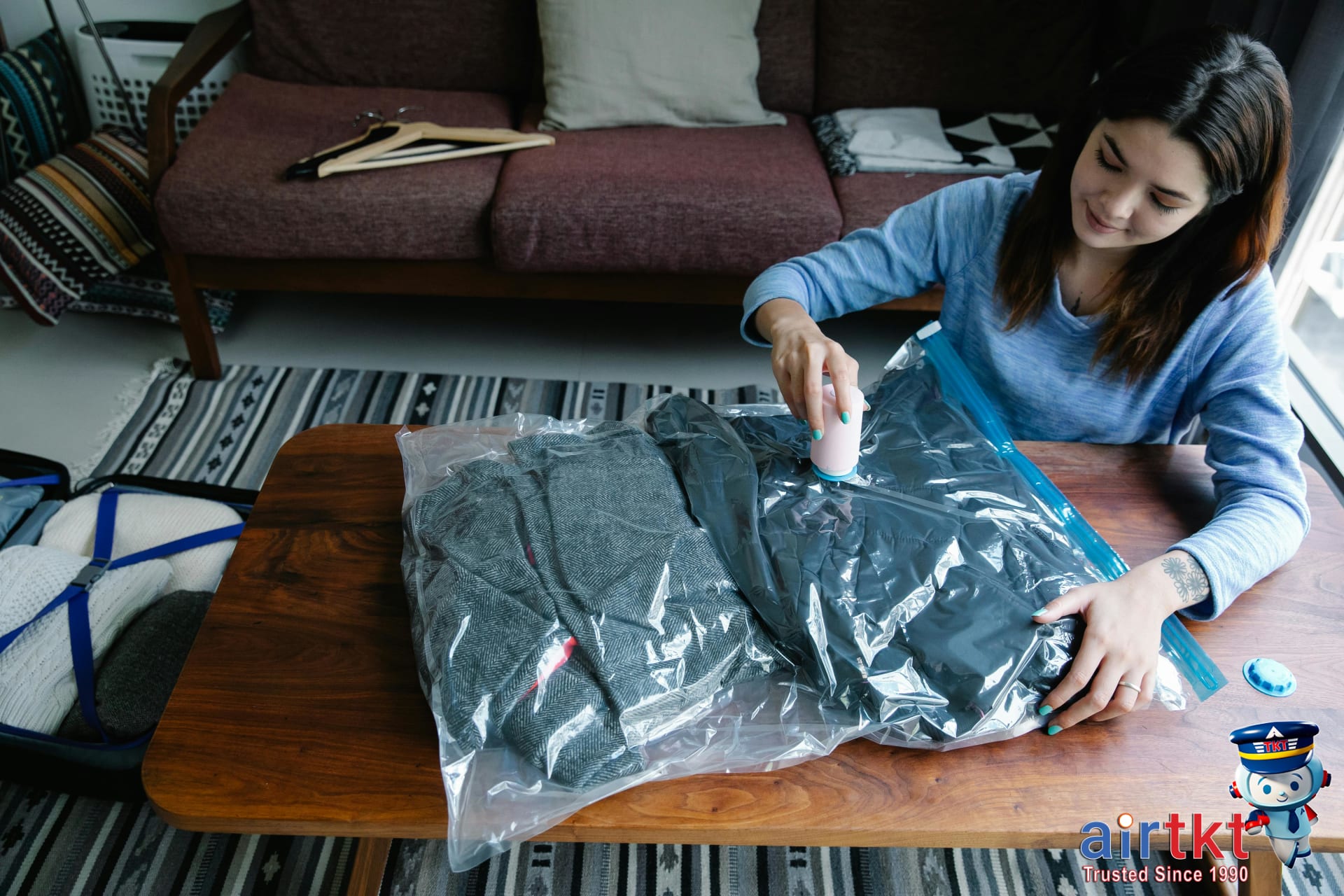
Travelers who use compression bags benefit from better space management and improved packing order, reducing stress at the airport. These bags are compatible with most TSA guidelines and align with airline baggage policies concerning size and weight, making them travel-friendly without raising security concerns.
This article will provide a detailed packing checklist centered on maximizing efficiency with compression bags, including recommendations for the best brands that combine durability and cost-effectiveness. Additionally, we’ll cover TSA compliance tips to ensure hassle-free security screenings and smart strategies to further save space in your luggage. Whether you’re a frequent flyer or an occasional traveler, mastering these methods will help you travel lighter and smarter.
Types and Features of Compression Bags
Compression bags come in various designs, each tailored to streamline packing by reducing the volume of your clothes and gear. The three primary types are manual vacuum bags, zip compression bags, and electric pump models, each offering unique benefits and suited for different traveler preferences.
Manual Vacuum Compression Bags
Manual vacuum bags require you to squeeze or roll out the air yourself after sealing to compress the contents. These bags are typically made from thick, durable plastic and have a one-way valve to prevent air from re-entering. They are highly portable since they don’t rely on any specialized equipment. However, compressing items manually can require some effort, especially if packing bulky items like jackets or blankets.
Zip Compression Bags
Zip compression bags use a double or triple zipper seal to enclose your clothes tightly. By pressing the air out before sealing, they reduce volume without needing a vacuum pump. Their materials often feature reinforced seams to ensure airtight compression. These bags are convenient for casual travelers who want a simple, budget-friendly option. Their reusability varies, with higher-quality zippers lasting multiple trips.
Electric Pump Compression Bags
Electric pump bags come equipped with built-in or attachable pumps that automate air removal, making them ideal for frequent travelers and those with limited packing time. These models tend to be bulkier and pricier, but save significant effort and provide consistent compression. Most feature robust plastic materials designed to withstand repeated use.
Materials and Durability
Compression bags are typically made from polyethylene, nylon, or TPU (thermoplastic polyurethane). Polyethylene offers affordability but may be less resistant to punctures. Nylon bags provide greater toughness and flexibility, while TPU is prized for its elasticity, abrasion resistance, and environmental sustainability. Seals and zippers play a crucial role in durability; poorly designed seals can leak air, affecting performance.
Comparing Reusability, Portability, and Storage
Manual vacuum and zip compression bags excel in portability due to their lightweight and compact nature when empty. They can fit easily into a suitcase without adding bulk. Electric pump models, while less portable due to their integrated devices, compensate with ease of use. Regarding reusability, premium materials and quality seals increase lifespan, making bags more cost-effective over time. Storage convenience also depends on whether the bags can be flattened completely and the durability of their seals when repeatedly compressed.
Popular Brands by Price and Features
- Budget-friendly: SimpleCube and SpaceSaver offer reliable manual vacuum and zip compression bags at affordable prices. They are great for travelers on a tight budget looking for effective compression without extra gadgets.
- Mid-range: Foval and Ziploc brand bags provide a balance of durability and ease, with some models including hand pumps or reinforced materials suited for frequent users.
- Premium: SpaceSaver Pro and Vacsy Electric feature high-grade TPU materials and electric pumps for effortless compression, perfect for business travelers or those packing often and prioritizing convenience.
Selecting Bags for Your Travel Needs
When choosing compression bags, consider your trip length, luggage size, and how often you travel. For weekend trips, lightweight manual or zip bags may suffice. Longer journeys or regular flying might justify investing in premium electric pump models for the time saved. Also factor in climate; water-resistant materials can protect contents in humid or rainy environments. Keep in mind your budget and how much space you aim to save to find the best fit.
By understanding the types, materials, and features of compression bags available today, you can optimize your packing efficiency and travel with greater ease. For affordable flights and travel tips, visit AirTtkt to start planning your next journey.
Detailed Compression Bag Packing Checklist
Packing efficiently with compression bags can transform your travel experience, especially when space is limited. To help you make the most of your luggage, here’s an expert-approved, itemized clothing and accessory checklist tailored to different trip lengths—from quick weekends to extended getaways.
Clothing Quantities by Trip Length
| Item | Weekend (2-3 days) | One Week (7 days) | Multi-Week (14+ days) |
|---|---|---|---|
| T-Shirts / Tops | 3-4 | 7 | 14 |
| Socks (pairs) | 3-4 | 7 | 14 |
| Underwear | 3-4 | 7 | 14 |
| Bottoms (pants/shorts) | 1-2 | 3-4 | 5-7 |
| Outerwear (jackets/sweaters) | 1 | 1-2 | 2-3 |
| Sleepwear | 1-2 | 2-3 | 3-4 |
| Shoes (pairs) | 1-2 | 2 | 2-3 |
| Accessories (belts, hats, scarves) | 1-2 | 2-3 | 3-5 |
Organize by Clothing Categories
Sorting your items into logical groups before packing your compression bag helps maximize space and ease. Separate clothes into:
- Underwear: daily essentials, easy to compress
- Tops: include T-shirts, blouses, and casual shirts
- Bottoms: pants, skirts, and shorts depending on destination
- Outerwear: jackets, sweatshirts, and rain gear for layering
- Accessories: small items like belts, hats, and scarves that fit neatly around bulkier clothes
Rolling vs. Folding Techniques
Before placing clothes in compression bags, consider how you prepare each item:
- Rolling: Ideal for T-shirts, pants, and soft fabrics. Rolling reduces creases and saves space by tightly coiling garments.
- Folding: Best for structured pieces like jackets or dress shirts that could lose shape when rolled.
After rolling or folding, layer items evenly to avoid bulky lumps and ensure the compression bag seals smoothly. Combining these techniques allows maximum compression without damaging your clothes.
Include Small Items Efficiently
Compression bags are excellent for streamlining smaller essentials. Items like socks, underwear, and scarves compress exceptionally well and fill gaps around larger pieces, preventing wasted space. Consider using small pouches for toiletries or electronics and placing these near the compression bag’s edges for easy access.
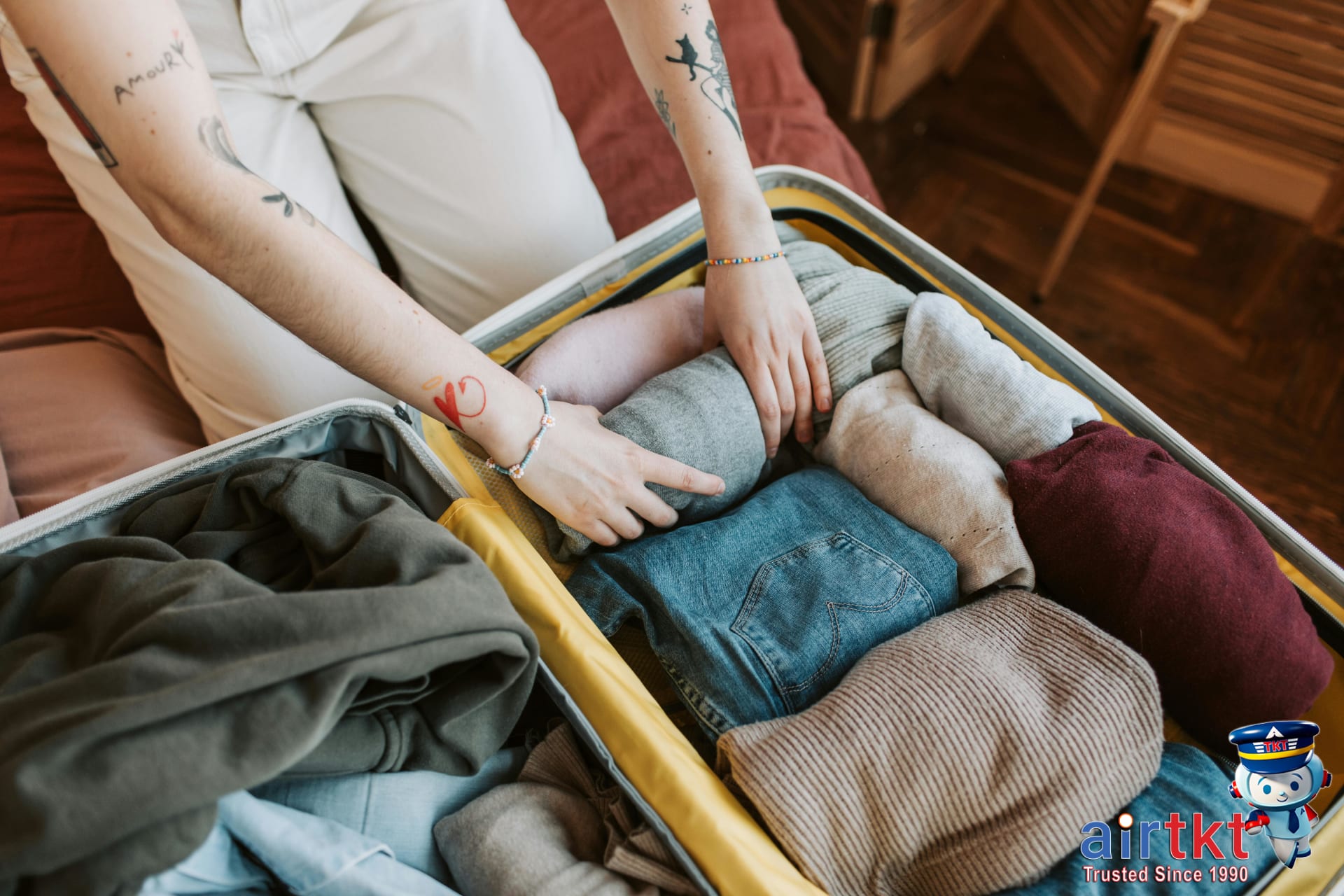


Expert packing guidelines emphasize tailoring quantities to the trip length to avoid overpacking, which defeats the purpose of compression bags. For longer trips, plan to do laundry to reduce the number of items you need.
Space Maximizing and Weight Distribution Tips
Efficient packing starts with smart space maximization and careful weight distribution. Combining compression bags with packing cubes and organizers is an excellent way to reduce bulk and keep belongings orderly. Compression bags squeeze out excess air from clothes, allowing you to layer them neatly inside packing cubes. Organizers keep smaller items separated, which not only saves room but also speeds up locating essentials during your trip.
When it comes to weight distribution, balance is key. Distribute dense and heavy items evenly throughout your luggage to avoid awkward shifting and to make carrying more manageable. Placing heavier items—like shoes or toiletries—near the bottom of your bag helps maintain a low center of gravity, making the luggage stable and easier to maneuver.
For carry-ons, pack heavier items closer to the wheels or base of the suitcase, which enhances balance when rolling. Checked bags can handle a bit more weight, but it’s still crucial to spread items evenly to prevent one side from becoming lopsided, which can cause strain during handling. Keeping your bag balanced also helps avoid unexpected fees, as airlines often assess weight per bag rather than per overall trip.
- Use compression bags layered within packing cubes for maximum space efficiency and organization.
- Distribute weight evenly between dense and light items to improve transport ease and prevent discomfort.
- Place heavy items at the bottom or near wheels in carry-ons for better stability and smoother mobility.
- Balance the content of checked luggage to avoid uneven weight distribution that could lead to damage or difficulty.
Always verify your luggage against TSA guidelines and your airline’s weight allowances before departure. Overweight bags can lead to additional fees or the need to repack at the airport. Airlines differ in their limits for carry-on and checked bags, so check your specific flight details carefully to avoid surprises.
By integrating these packing strategies, you’ll optimize space, reduce stress during transit, and enjoy a smoother travel experience. For more tips and affordable flights, visit AirTtkt.
TSA Compliance and Security Check Strategies
Understanding the Transportation Security Administration (TSA) rules regarding compression bags is essential for travelers aiming to breeze through airport security. Compression bags can be a space-saving miracle, but when it comes to liquids inside them, strict adherence to TSA guidelines is non-negotiable. Currently, TSA permits liquids in carry-on bags only if each container is 3.4 ounces (100 milliliters) or less, and all must fit within a single quart-sized, clear, resealable plastic bag. Compression bags themselves do not exempt liquids from this policy.
During security screening, TSA agents carefully inspect compression bags. These bags may be subject to additional scrutiny because compression can obscure the contents, making it harder to identify potentially restricted items. Security officers might request you to remove compression bags from your carry-on for separate screening or even open them to verify the contents. Ensuring your liquids are clearly visible and properly contained within the quart-sized bag helps expedite this process.
To facilitate swift TSA security checks, pack strategically. First, organize liquids into the approved clear plastic bag and place it near the top of your carry-on for easy access. Avoid overstuffing compression bags with items that might shift and conceal prohibited materials. Labeling the compression bag with a simple, visible note that liquids are inside can alert TSA officers and can reduce delays. Additionally, consider packing heavier or non-liquid items toward the bottom of your bag to prevent the compression from dislodging your liquid containers.
Strict compliance with liquid limits inside compression bags is imperative, as TSA agents will confiscate any liquids exceeding the allowed volume, regardless of how well the items are compressed. Non-compliance can lead to delays or denied entry to the boarding gate. For accurate and up-to-date regulations, always refer to official TSA resources, such as tsa.gov/liquids-rule, and review airline policies on IATA’s website for global travel guidance.
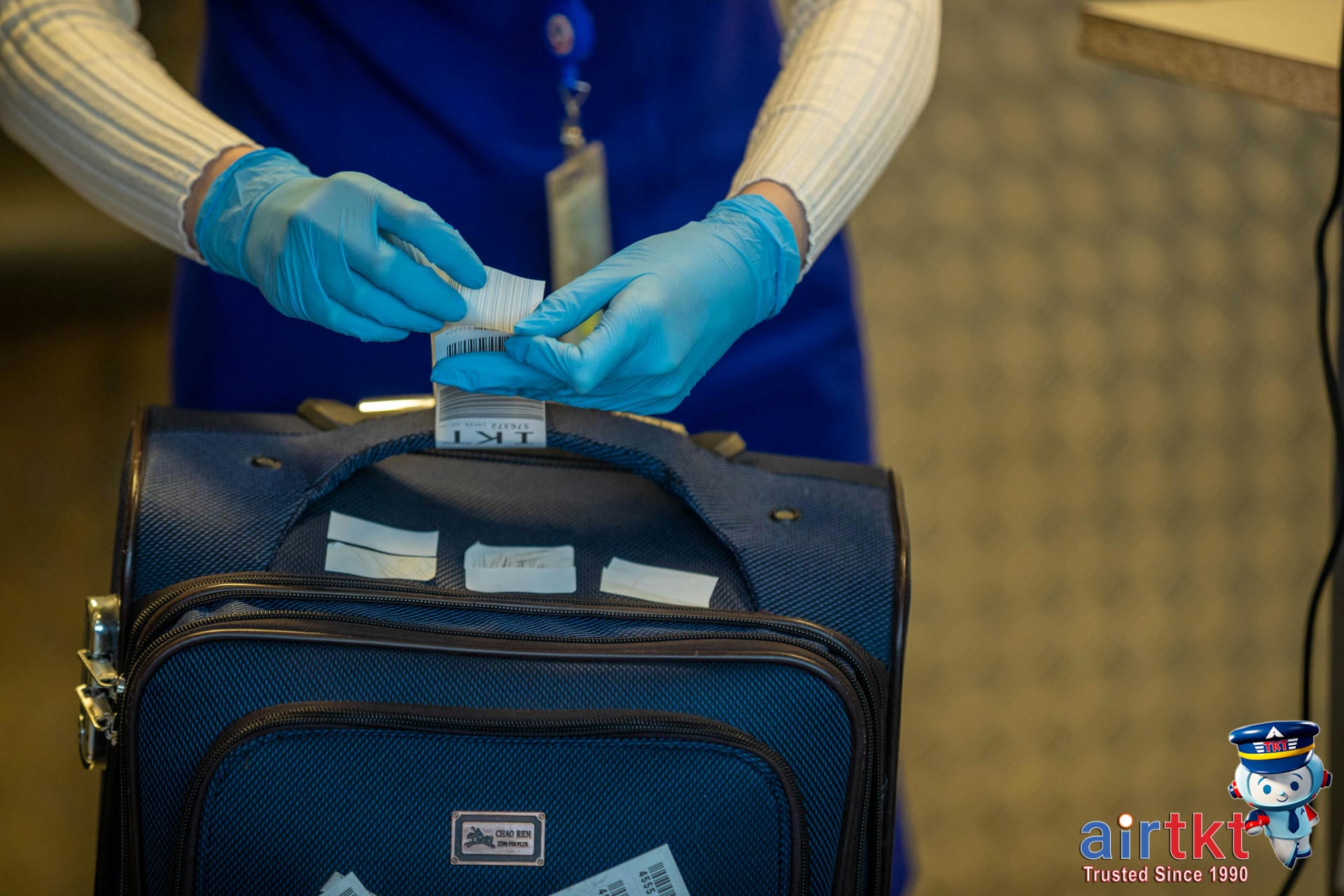
Applying these TSA compliance tips and security check strategies can transform an often stressful checkpoint experience into a smooth start to your trip. For affordable travel deals and expert advice, explore AirTtkt to make your journey affordable and hassle-free.
Common Compression Bag Packing Mistakes
Compression bags can be a game-changer for travelers aiming to save space, but misusing them often leads to frustration and even damage. One frequent error is overfilling the bags. Stuffing clothing beyond the bag’s capacity not only makes sealing difficult but risks tearing the material or zipper, compromising its airtight function.
Improper sealing is another common mistake. Travelers sometimes rush the sealing process or fail to smooth out air pockets, which defeats the purpose of compression and increases volume. Ensuring a tight seal is essential to maintaining compactness and preventing moisture or dirt from entering during transit.
Misusing compression bags by applying excessive force during the compression step or repeatedly compressing the same bag can weaken the plastic material. Over-compression can lead to permanent creases or damage to delicate fabrics inside, such as silk or knits.
Many travelers believe compression bags reduce baggage fees by significantly shrinking their luggage size. While these bags do optimize packing space, airlines typically charge fees based on weight and overall dimensions, not volume alone. Setting realistic expectations helps avoid surprises during check-in.
To protect your belongings and prolong the life of compression bags, regular inspection before and after travel is key. Check for small holes, zipper malfunctions, or weakened seams that may cause air leakage or exposure to elements. Replace bags showing signs of wear to avoid lost compression and potential damage to clothes.
To summarize, avoiding common mistakes like overfilling, improper sealing, and over-compression safeguards both your clothing and bags. By dispelling myths about baggage fees and routinely inspecting your compression gear, you can confidently employ these space-saving tools on your next trip.
Compression Bags Frequently Asked Questions
What is the best way to pack clothing in compression bags?
To maximize space savings, fold clothes neatly and arrange heavier items at the bottom. Avoid overstuffing to ensure the bag seals properly. Rolling thin fabrics before compressing can also reduce wrinkles and enhance compression efficiency.
Can I bring compression bags through TSA security checks?
Yes, compression bags are allowed through TSA security checkpoints. However, all liquids packed inside must comply with TSA’s 3-1-1 liquids rule. Ensure bags are transparent or easily accessible for inspection to avoid delays.
When should I use manual vs. electric compression bags?
Manual compression bags are ideal for casual travelers who prefer a lightweight, budget-friendly option. Electric compression bags suit frequent travelers or those packing large volumes, as they save time and effort by quickly removing air with a built-in pump.
Why is weight distribution important when using compression bags?
Proper weight distribution prevents your luggage from becoming unbalanced and difficult to carry. Evenly packed compression bags keep your suitcase stable, protect delicate items, and comply with airline weight restrictions more easily.
How do compression bags affect carry-on luggage dimensions?
Compression bags can slightly change the shape of your carry-on but generally help you pack more efficiently without exceeding airline size limits. Be sure to compress items uniformly to maintain a compact, suitcase-friendly profile.
Can I pack liquids inside compression bags on flights?
Yes, but liquids must follow TSA regulations: containers 3.4 ounces (100ml) or smaller placed within a 1-quart clear plastic bag. Compression bags can be used to organize these but cannot replace the TSA-approved liquid bag requirement.
What brands offer reliable compression bags for different budgets?
Popular brands like AirTtkt recommend affordable, durable options such as Ziploc Space Bags for budget travelers, Eagle Creek Pack-It for mid-range quality, and Vacu Vin Electric Bags for premium convenience. Choosing a brand depends on your packing frequency and style.
Summarize Guide and Encourage Smart Packing
Efficient packing starts with a well-prepared checklist that ensures you never overlook essentials. Using the right compression bags can dramatically reduce your luggage’s bulk, giving you more space and better organization. Staying informed about TSA regulations prevents last-minute surprises at security checkpoints, while strategic packing techniques help balance weight and protect fragile items.
By experimenting with these methods, you can streamline your travel preparation, reduce stress, and enjoy more convenience on the go. Whether it’s rolling clothes to save space or layering suitcases with reusable packing cubes, small adjustments make a big difference in how smoothly your trip unfolds.
Alongside packing smart, planning your journey is crucial. AirTkt offers comprehensive travel booking services designed to complement your efficient packing habits. From finding affordable flights and hotels to arranging car rentals and cruises, AirTkt provides a user-friendly platform with real-time comparisons, exclusive discounts, and reliable customer support 24/7. This integration of smart packing and savvy travel planning ensures you maximize comfort and savings in every trip.
As you prepare for upcoming travels, keep refining your packing skills alongside leveraging AirTtkt’s tools for the best deals. Together, these strategies will help you travel lighter, faster, and smarter.