

Why Currency Exchange Matters Abroad

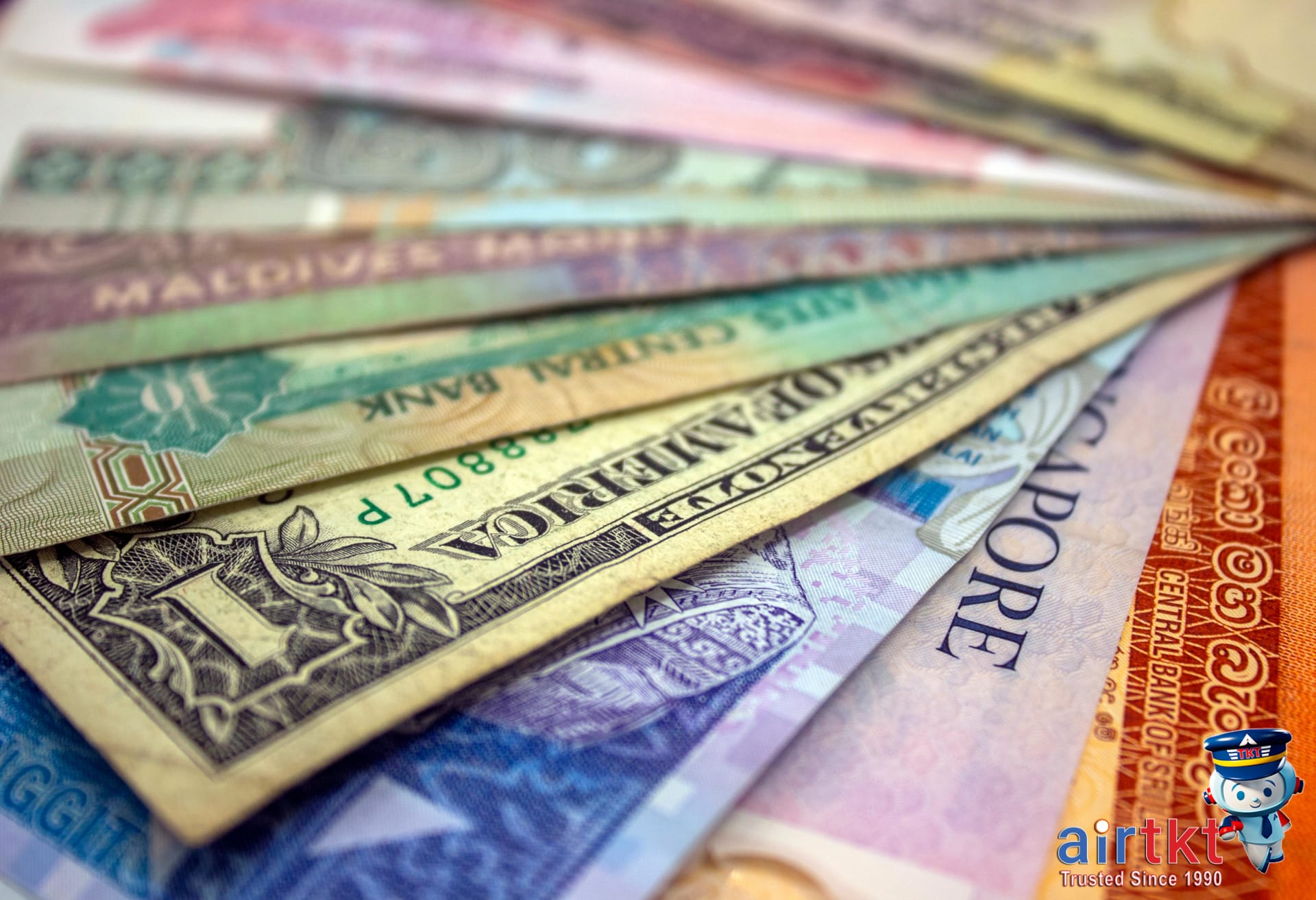
One of the fastest ways to lose money while traveling is by underestimating currency exchange rates and the fees that often come with them. Even the most careful trip planner can end up surprised by how much small differences in rates—or extra commission charges—can add up. Understanding how currency exchange works isn’t just about math; it directly affects your daily budget abroad and can mean the difference between sticking to your plans or spending more than intended.
I always make a point to check real-time exchange rates before heading out, and it’s saved me from making impulse exchanges at airports or hotels where rates aren’t as favorable. There’s real peace of mind in knowing roughly how much you’re getting for your money—especially if you want to avoid unpleasant surprises at the ATM or the counter.
Whether you’re traveling for business or vacation, it pays to do your homework on currency conversion ahead of time. That way, you won’t be caught off guard by unexpected fees or less-than-ideal rates. Being proactive about currency exchange is one of the simplest ways to protect your travel budget.
How Exchange Rates Really Work

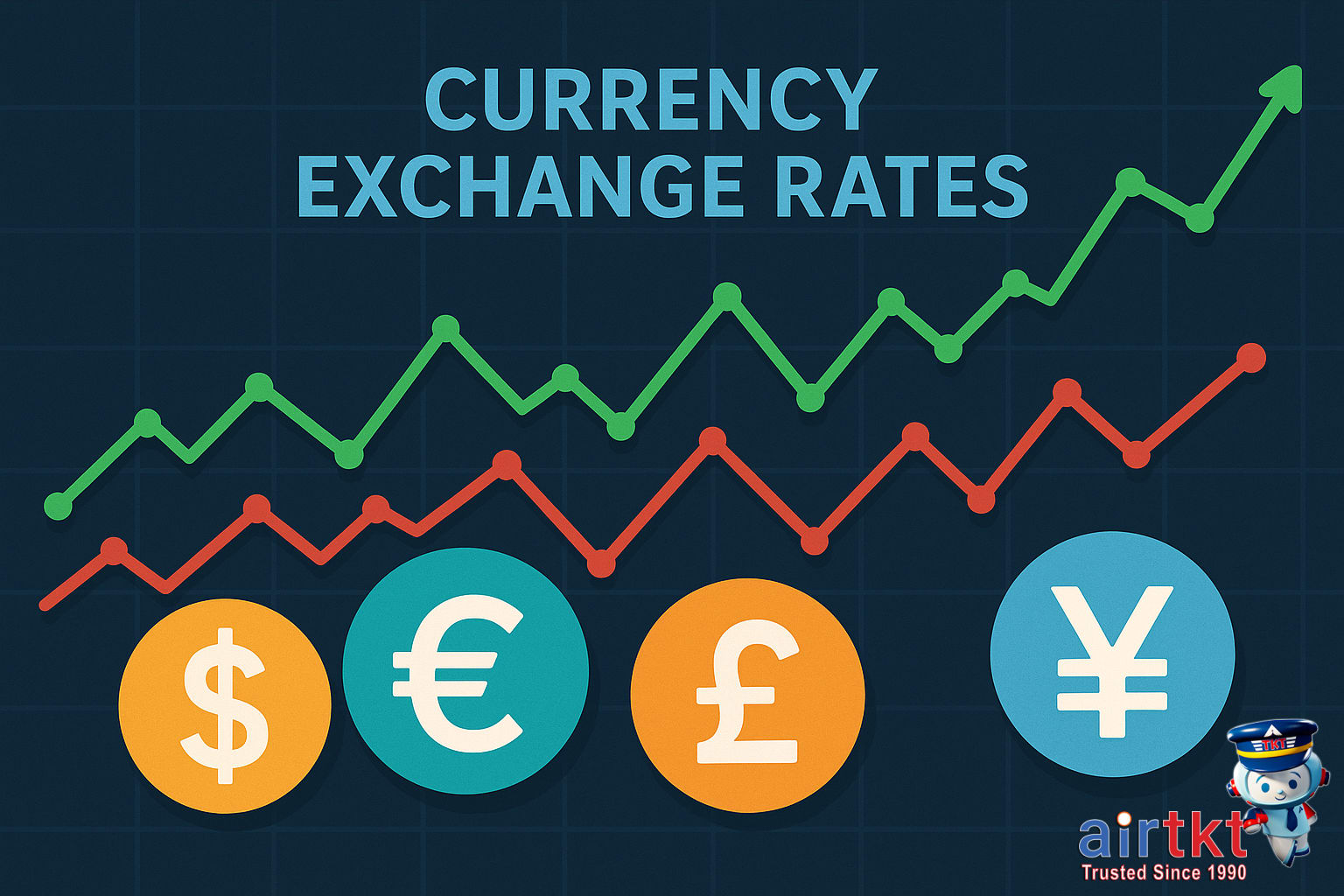
Exchange rates tell you how much one currency is worth compared to another. These rates change constantly due to a mix of global factors—central bank policies, economic reports, political uncertainty, and even sudden global events can all move the market. If you’ve ever tracked your home currency against the dollar or euro, you’ll notice rates can swing wildly from day to day, sometimes even hour to hour.
I’ve found that keeping an eye on exchange rates for several days before traveling can make a real difference. Sometimes waiting just a little longer before exchanging cash lets you snag a more favorable deal. While it can feel like trying to time the stock market, a consistent daily check on reputable currency converters can guide your decision. Also, knowing what affects the rates, like big policy changes or major news, can help you anticipate shifts.
What Is the Mid-Market Rate?
The mid-market rate is basically the halfway point between what buyers and sellers in the global currency markets are willing to pay. It’s also called the “real” or interbank rate. This rate serves as a baseline—you’ll see it published by sources like XE or OANDA—but most banks and currency exchange services add a margin, meaning you rarely get the mid-market rate as an individual traveler. Still, knowing the mid-market rate helps you recognize how much extra is built into the rates you see at kiosks and banks.
Many travelers lose money exchanging currency at airport desks, which almost always offer some of the least favorable rates and higher fees. I usually advise friends and readers to plan ahead, using an ATM at their destination or visiting a local bank instead.
For ideas on stretching your travel budget further and tips on managing cash abroad, check out the practical budget guidance on airtkt.com.
Comparing Cash, Card, and ATMs Abroad

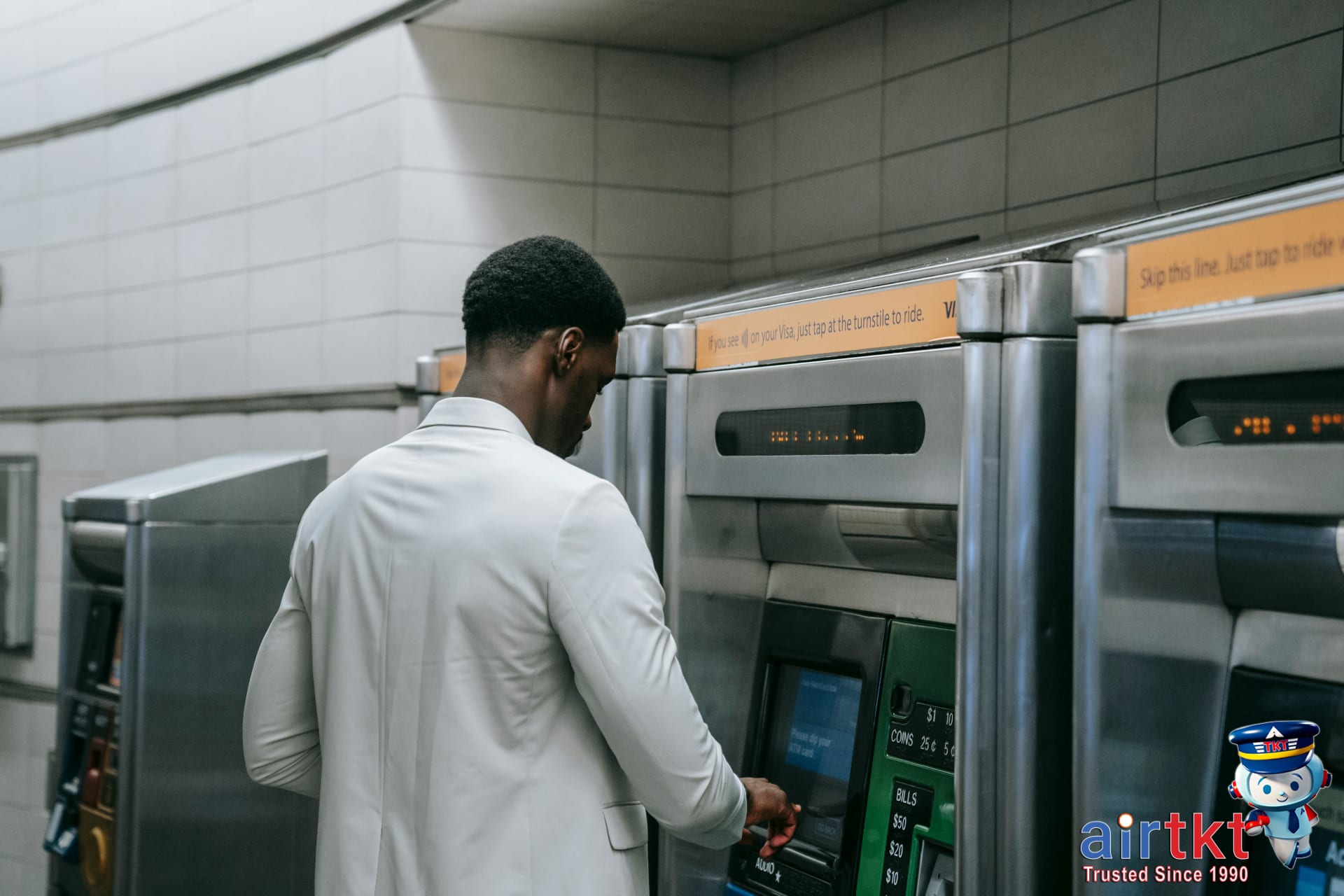
When you’re traveling internationally, you’ll likely juggle a mix of cash, cards, and ATM withdrawals to cover your expenses. Each method comes with its own quirks, fees, and convenience factors, so it’s important to know the trade-offs before you land.
Cash Exchange Desks
Cash exchange counters—often found at airports and major tourist hubs—offer immediate access to local currency. While it’s simple to hand over dollars and get local banknotes back, exchange desks typically give rates less favorable than what you’ll find at banks or ATMs. They may also tack on commission fees. I usually avoid exchanging large sums this way because the costs add up fast, especially after a long flight when it’s tempting just to get it over with.
Using Credit and Debit Cards
More destinations now accept major credit and debit cards, and using them can be incredibly convenient. However, watch out for foreign transaction fees—usually around 3% of each purchase. Some banks issue travel-friendly cards with no such fees, but always double-check before you rely on your card abroad. Merchants sometimes offer to charge you in your home currency (“dynamic currency conversion”), but this almost always means a worse exchange rate than being charged in the local money.
Withdrawing Cash from ATMs
ATMs abroad usually offer better exchange rates than airport counters or hotels, plus you get exactly as much cash as you need. Some ATMs charge a usage fee or your home bank may charge a withdrawal fee, so it’s smart to pull out reasonable amounts at a time rather than lots of small transactions. Personally, I prefer using ATMs for most of my cash needs but always check for any fee notices before finalizing a withdrawal. This approach gives me the local rate while helping me avoid the cost traps of airport counters.
If you want to learn more about travel-friendly payment options, check out the airtkt.com blog for tips on safe and budget-conscious ways to pay abroad.
Avoiding Hidden Fees When Exchanging Money
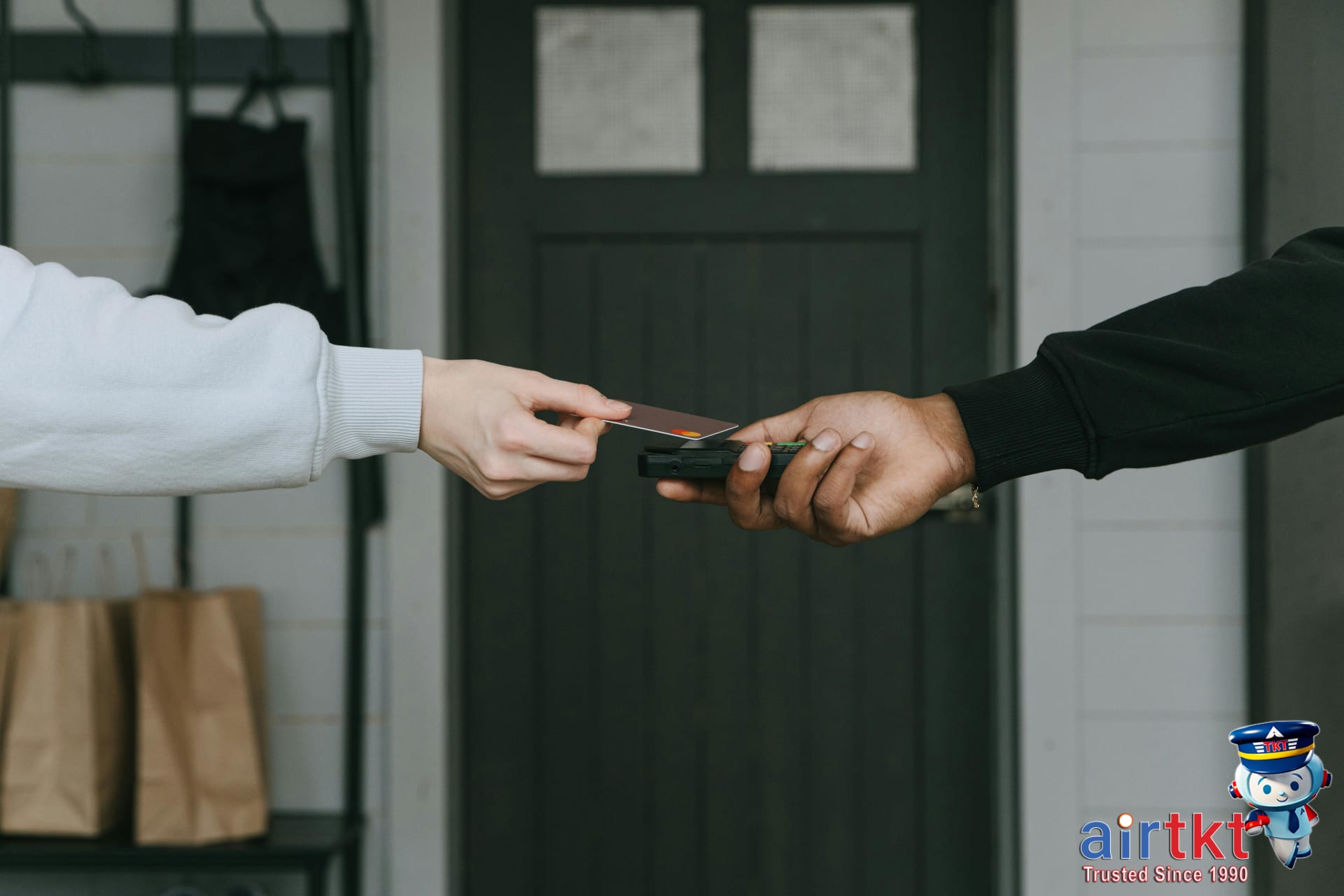
Hidden fees can sneak up fast when you’re exchanging money or paying for things abroad. On top of the headline exchange rate, you might encounter commission charges at exchange counters, padded rates that quietly shave more off your dollars, or small “service fees” that inflate what should have been a straightforward transaction. And the less transparent a process feels, the more likely you’ll walk away with less than you expected.
Dynamic currency conversion (DCC) is one of the trickiest surprise fees. This happens when you’re overseas and a payment terminal or ATM offers to charge your purchase in your home currency rather than the local one. The catch: the exchange rate is almost always worse, with an additional hidden markup added to your total. It sounds convenient, but you pay for that convenience through a few extra dollars on every swipe. I learned pretty quickly to always ask before exchanging cash or using my card—sometimes the fees aren’t posted, so it’s best to be direct and check up front.
The key to avoiding these costs is vigilance and a willingness to ask direct questions: “Are there any commissions or extra service fees included?” “Does this rate include all costs?” When at a card terminal, always select to pay in the local currency and firmly say no to any DCC offers, no matter how friendly they sound. Your bank may still charge a conversion fee, but it’s almost always lower than the DCC markup you’d face by saying yes.
For even more tips to outsmart these expenses while abroad, check out the airtkt.com guide on travel budgeting and fee avoidance—it’s full of practical strategies for keeping more of your travel money in your pocket.
Best Places to Exchange Money Abroad
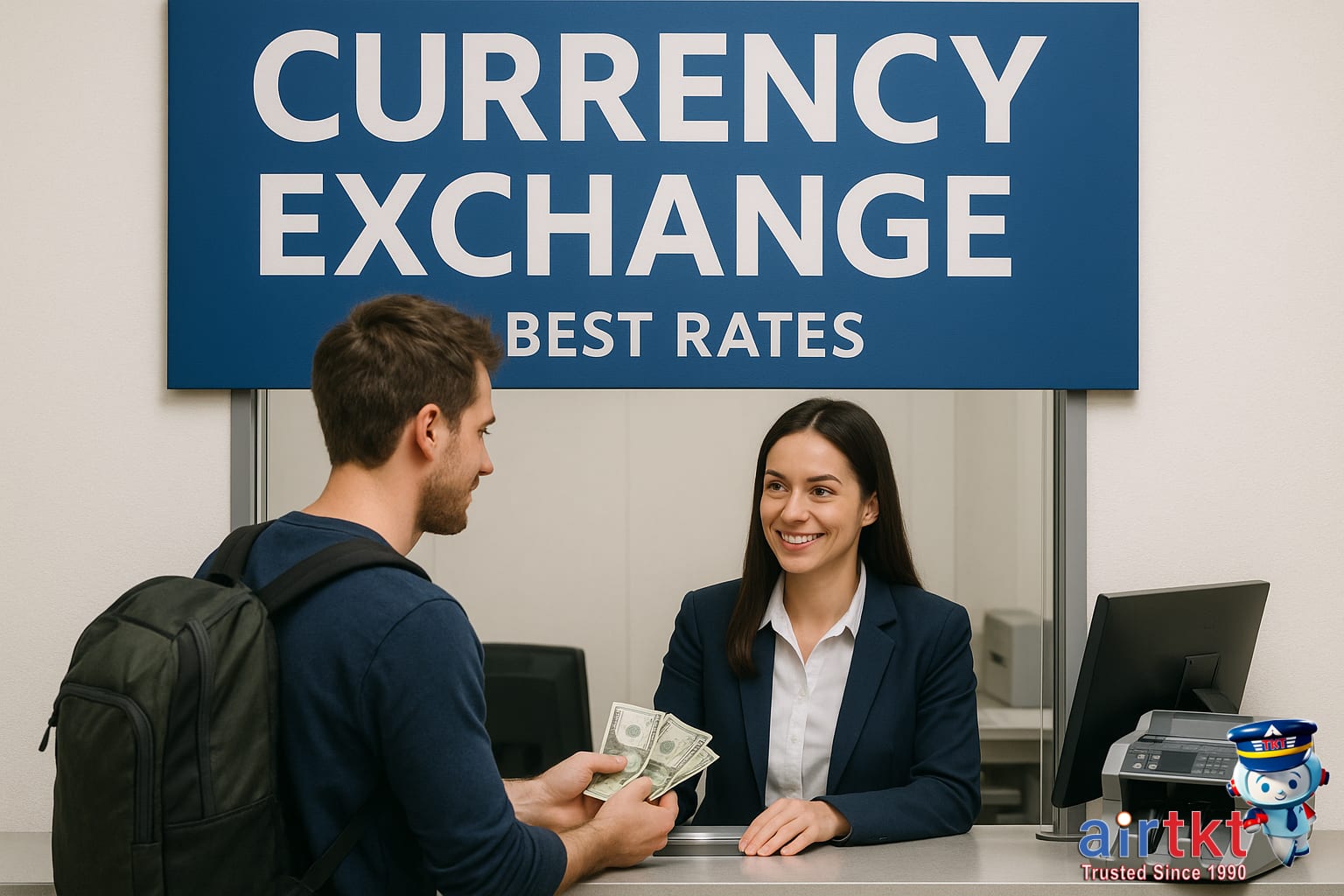
Choosing the right place to exchange currency abroad can make a surprising difference in how much local cash you actually get for your dollars. I’ve found that local banks usually offer more favorable exchange rates and lower fees than what you’d find at hotels, airports, or flashy currency booths. If you have a bit of flexibility in your schedule, visiting a reputable local bank is often worth the effort—they’re typically regulated, more secure, and less likely to inflate rates with hidden commissions.
ATMs are another practical choice, especially at established bank branches within cities. Using your debit card at a secure ATM generally yields better rates than airport kiosks or hotel desks, though you should check with your bank beforehand about any international withdrawal fees. Reputable, well-known currency exchange offices in city centers can also be solid options if you need cash quickly, but look for posted rates and avoid those with poor reviews or no clear signage.
It’s best to avoid exchanging money at airports or in hotels unless you have no other choice. Convenience comes at a cost, and rates at these locations tend to be much less favorable. I also steer clear of any booth that looks unprofessional or doesn’t clearly display exchange rates—getting lured by convenience can mean losing real value on your money.
If you care about making the most of your funds, I’d recommend seeking out local bank branches during business hours. You may need to bring a passport or government-issued ID, and some banks only serve account holders, so plan ahead. For more practical advice on managing your travel funds safely, check out the detailed tips in the airtkt.com guide on keeping money safe while abroad.
Planning Currency Exchange Before Your Trip

Arranging your currency exchange before you travel is a simple way to dodge last-minute stress and unfavorable airport rates. I’ve found that by checking rates ahead of time and securing cash with my home bank, I usually get more value and peace of mind. Planning ahead shields you from service fees and poor exchange rates often found at airports or hotels.
Several reliable apps and websites let you track real-time exchange rates and set personalized alerts. Tools like XE, Revolut, and OANDA send notifications when rates hit your target, letting you exchange money when it’s more favorable. On my last international trip, I set up alerts through a currency app and waited until the rate moved in my favor. That small effort translated into actual savings when I exchanged funds in advance instead of waiting until arrival.
Even if you plan to rely mostly on cards or ATMs while abroad, I always suggest exchanging a modest amount of cash before you leave. Having at least enough local currency to cover transportation, a snack, or an urgent purchase takes the pressure off if you arrive late or ATMs aren’t immediately accessible. Personally, I advise treating this as a backup rather than your entire travel fund, but having the equivalent of about $75.00 in cash is usually enough to start out smoothly.
If you want to get more out of advance planning, check out the travel prep resources and budgeting tools over at airtkt.com. These resources can help you organize your finances and avoid unpleasant surprises abroad.
Currency Exchange Safety Tips Abroad
Whenever I travel, keeping money and cards secure is one of my non-negotiable habits. It’s far too easy for travelers to get careless with foreign currency, especially if you’re juggling receipts, coins, and other essentials. One safety trick I swear by is splitting my cash between several secure places—usually a wallet, a zipped pocket, and a hidden pouch in my bag. This way, if something is lost or stolen, I still have backup funds.
I recommend using an RFID-blocking wallet to shield your credit cards and passport from electronic pickpocketing. These wallets have special linings to block portable scanners that thieves may use in tourist hotspots or busy transit areas. Before you leave your hotel or accommodation, only carry as much cash as you’ll realistically need for the day and keep bigger sums stored safely in a locked bag or hotel safe.
Never flash your cash or cards publicly, especially when paying for things at markets or street stalls. Try to use ATMs inside banks or reputable buildings rather than on the street. Remember, it’s smart to diversify where you carry your valuables—don’t keep cards, cash, and your passport all in the same wallet.
If you’d like more tips on safe travel packing or currency management, it’s worth checking the practical advice in the travel safety section by airtkt.com.
Travel Budget Table for Currency Exchange
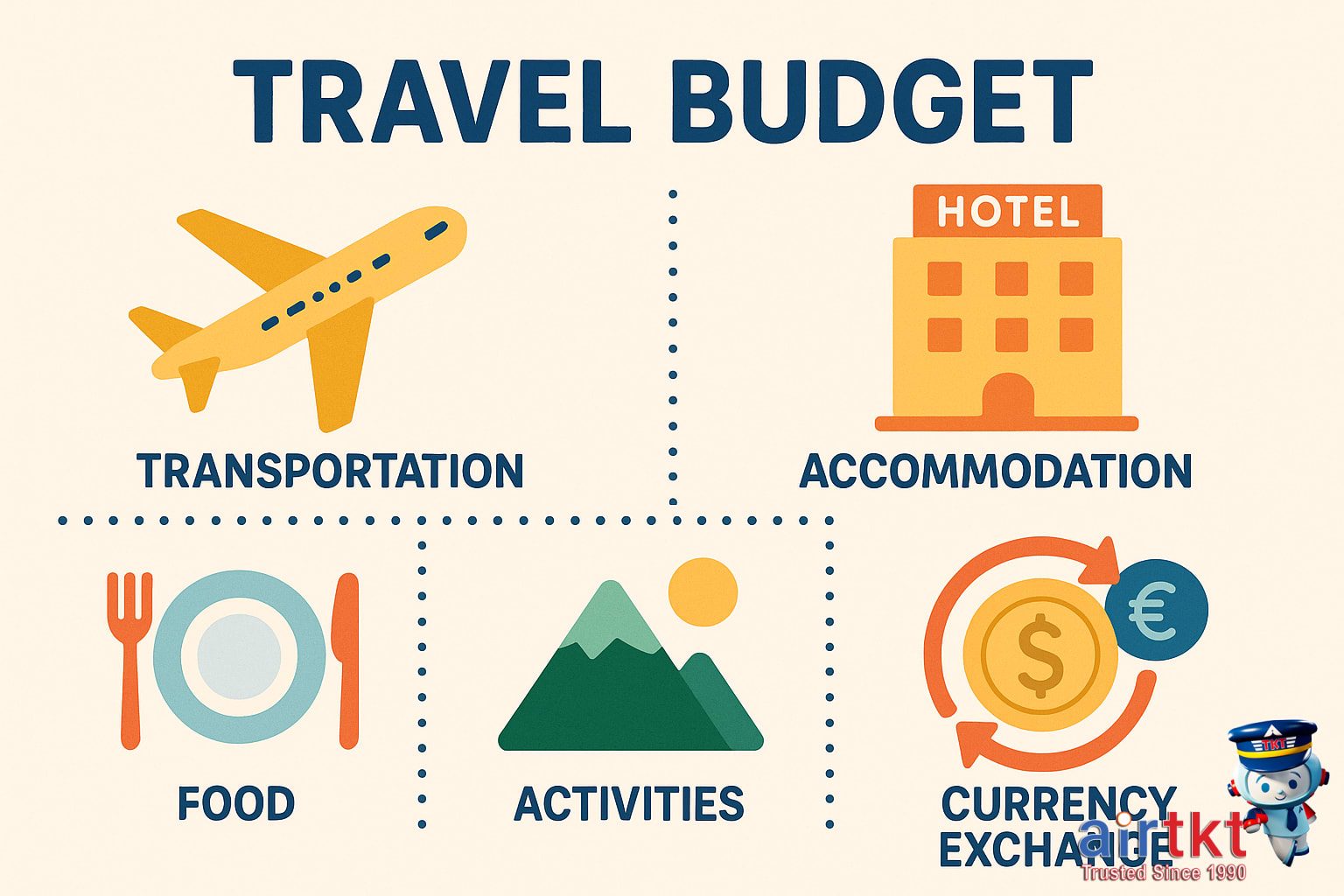
Planning your travel budget with currency exchange in mind can help you avoid unwanted surprises during your trip. Whether you’re sticking to a tight budget or looking for a bit of luxury, having a clear expense breakdown lets you know exactly how much local currency to exchange—or whether you’d be better off using a credit card for most purchases. I’ve found that setting a budget tier before exchanging money keeps spending under tighter control, especially when prices can fluctuate between destinations.
| Budget | Mid-range | Luxury | |
|---|---|---|---|
| Accommodation | $30.00 | $80.00 | $250.00 |
| Food | $12.00 | $35.00 | $100.00 |
| Transport | $7.00 | $20.00 | $70.00 |
| Activities | $15.00 | $40.00 | $120.00 |
If you already know which tier you’ll be traveling in, you can convert just the right amount of currency before you go—and avoid unnecessary fees or repeated ATM transactions. For even more planning resources and travel tips on stretching your travel dollars, you can check out airtkt.com’s budget travel guides or helpful booking tools.
FAQs on Currency Exchange and Fees
- When should I exchange currency for my trip?
It’s usually best to compare currency rates before you leave. Airport kiosks often have higher rates and fees. If you wait until arrival, you might pay more. I double-check rates at my local bank and compare with trusted local ATMs at my destination before deciding.
- How can I avoid hidden currency exchange fees?
Hidden fees can show up in the exchange rate, ATM withdrawal, or foreign transaction charges. I always double-check my credit card and bank fee policies before traveling to avoid surprises and prefer cards with no foreign transaction fees when possible. It pays to ask your bank specifically about these charges.
- What’s better: cash exchange or using cards abroad?
Using cards is often more convenient, but some cards charge about 3% foreign transaction fees. Cash exchange may have higher upfront rates at airport kiosks or hotels. I’d compare both options before choosing for each destination, and sometimes carry a small amount of local cash for emergencies.
- Are ATM withdrawals a safe currency exchange method?
ATMs can offer fair exchange rates, but watch for local ATM fees and your home bank’s international charges. I usually look for ATMs operated by major banks and avoid those in tourist spots, since they often carry higher fees or less favorable rates to travelers.
- Will my U.S. card work everywhere if I travel abroad?
Many places accept major U.S. credit cards, but smaller shops, markets, and remote areas might only take cash. It’s smart to inform your card provider about your travels to avoid security holds and carry some local currency just in case your card isn’t accepted somewhere unexpected.
- What’s the primary currency exchange keyword travelers should know?
Understanding “dynamic currency conversion” can help you avoid extra charges. When you’re asked if you want to pay in U.S. dollars or the local currency at checkout abroad, pick the local currency so your bank—rather than the merchant—handles the conversion, usually at a better rate.
- Should I bring traveler’s checks for currency exchange?
Traveler’s checks have become much less popular, and they aren’t widely accepted anymore. I find that relying on cards and a bit of cash makes more sense for most destinations now. If you decide to bring them, verify ahead whether they’re accepted and how you can cash them.
Wrapping Up Smart Currency Exchange
Planning smart currency exchange before a trip really pays off. By comparing exchange options early, paying close attention to potential fees, and skipping airport kiosks, you’re more likely to keep extra money in your pocket. I always try to use local ATMs linked to my bank and avoid dynamic currency conversion at shops, which can sneak in extra charges. The peace of mind that comes from having a strategy—like ordering some foreign cash from my bank ahead of time—absolutely reduced my travel stress.
Another point worth remembering is to use credit cards wisely: stick to those with minimal or no foreign transaction fees whenever possible. Having a mix of payment options prepared in advance covers you for most surprise scenarios, from markets that only take cash to taxis needing small bills.
You’ll find even more practical suggestions in the budget travel ideas and savings guides at airtkt.com. Their travel deals can help stretch your trip budget even further by saving on flights and accommodation, leaving you with extra cash for local experiences.