

Celebrate Diwali in India October-November
Diwali, known as the Festival of Lights, is one of India’s most beloved and culturally rich celebrations. Taking place in October or November each year, it marks a time of joyous family reunions, glowing diyas (oil lamps), vibrant rangoli designs, and lively community events. This festival symbolizes the triumph of light over darkness and good over evil, inviting travelers to witness centuries-old traditions come alive through dazzling fireworks, temple visits, and festive feasts.
Held during the lunar month of Kartika, Diwali’s date shifts annually, typically falling between late October and early November. This period is especially inviting for global travelers as it coincides with India’s pleasant post-monsoon climate. The air is crisp and festive, making it ideal for exploring both bustling urban centers and serene ancient towns at the peak of cultural expression.
Several cities stand out as prime destinations to immerse in Diwali festivities. Delhi lights up with spectacular markets, street performances, and grand temple ceremonies. Varanasi, one of the world’s oldest cities, offers an unforgettable spiritual experience along the ghats of the Ganges, where riverside lamps float into the night sky. Mumbai dazzles with its mix of modern celebrations and traditional pujas (rituals), while Jaipur’s royal heritage adds a majestic flair to the festival. Each location presents its own unique flavor of Diwali, making it a vibrant season for cultural exploration.

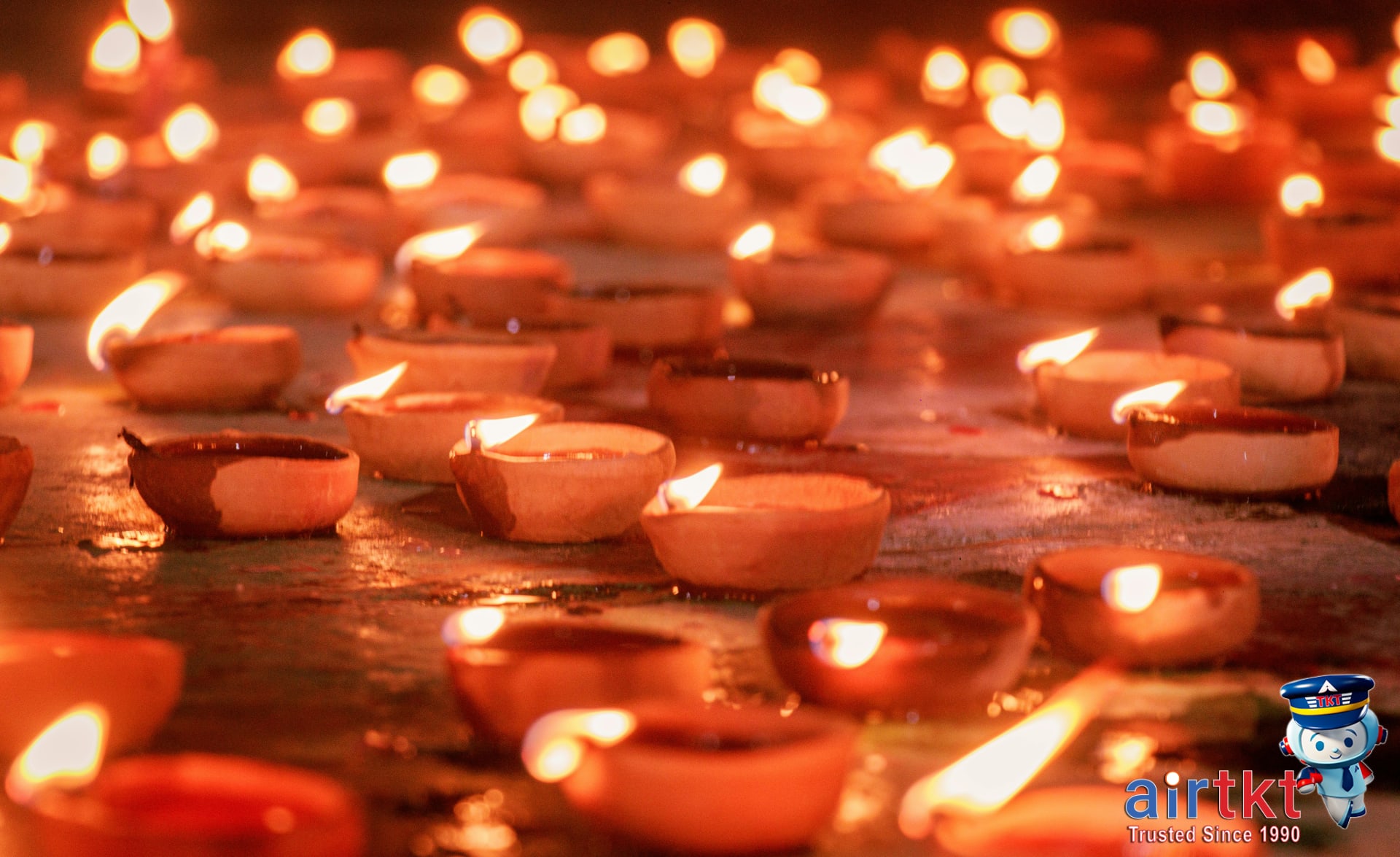
For travelers planning a visit during this luminous festival, understanding its cultural depth and regional customs enriches the experience immensely. This article aims to guide you through preparing a memorable trip to India during Diwali, from choosing the best destinations to navigating local traditions. With thoughtful planning and the right resources, such as booking affordable flights and accommodations through AirTtkt, you can ensure your journey is both seamless and unforgettable. Embrace the spirit of Diwali and discover why it captivates visitors from around the world every year.
Book Flights and Hotels Early for Diwali
Diwali, the Festival of Lights, is one of the most celebrated occasions in India and among Indian communities worldwide. This festive period triggers an enormous surge in travel demand, making early bookings for flights and hotels essential. Waiting too long can mean paying inflated prices or facing limited availability as popular routes and accommodations fill up quickly during this time.
Booking flights and hotels 6 to 12 months in advance helps you secure the best rates and preferred itineraries. Airlines and hotels often increase prices as Diwali approaches, reacting to strong demand. Moreover, last-minute bookings can leave you without options, forcing compromises on location, comfort, or budget. Early planning allows you to choose your ideal travel times and accommodations without stress.

Use AirTkt Tools to Find Best Deals
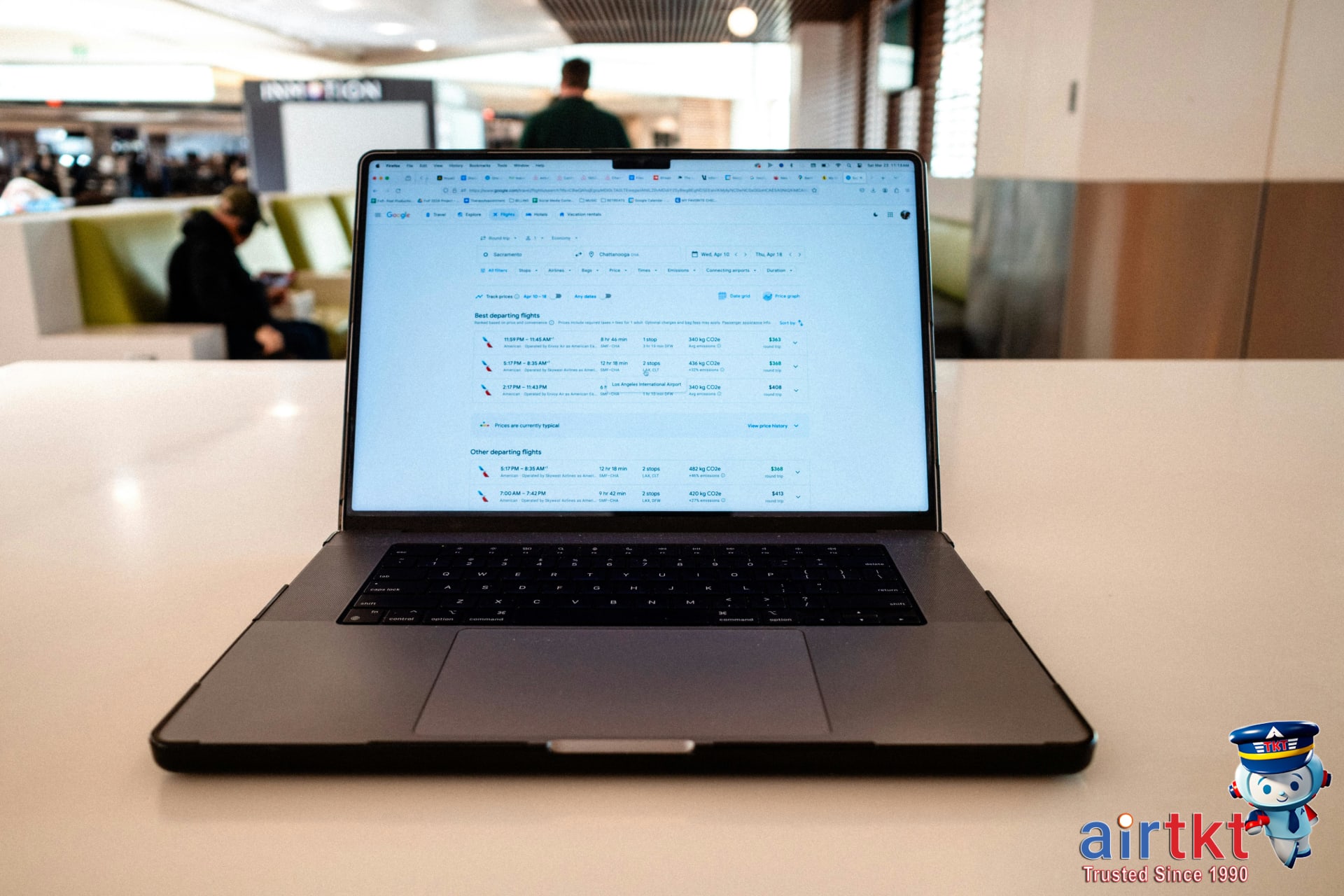
AirTkt offers powerful, user-friendly tools to help you navigate the Diwali booking rush with ease:
- Price Comparison: Quickly compare fares across 470+ airlines and thousands of hotels in one search, ensuring you get competitive prices without hopping between multiple sites.
- Flexible Date Search: Explore fares a few days before or after your preferred travel dates to identify cheaper alternatives, which is helpful if your dates are flexible.
- Nearby Airport Search: Find more affordable fares by considering nearby airports that could offer better deals or more convenient flight options.
- Filter and Sort: Narrow results by time, airline, refund policy, and ratings to match your preferences efficiently.
These tools combine to simplify the search process, making it faster and more precise so you can lock in reservations confidently.
Find Exclusive Discounts and Promotions
Beyond early booking, be strategic about finding discounts that optimize your holiday budget. With AirTkt, you can discover a variety of special offers designed to add savings around peak travel times:
- Military and Veteran Offers: These provide exclusive rates for eligible travelers, making Diwali travel more affordable for service members and families.
- Early Bird Deals: Airlines and hotels often reward early reservations with discounted prices or added perks, so watch for these while booking months ahead.
- Seasonal Promotions: Look out for holiday-specific sales, including deals around Black Friday, Cyber Monday, or Diwali festivals, to maximize savings.


Secure Reservations to Avoid Price Surges
Once you identify your preferred flights and hotel options for Diwali travel, don’t delay securing your booking. High demand swiftly pushes prices up, and once capacity is maxed out, you may have to settle for more expensive or less desirable alternatives. Early reservations provide peace of mind and help you avoid last-minute price spikes or sold-out frustrations.
AirTkt also offers 24×7 customer support with real travel experts ready to assist in confirming bookings or exploring alternate options should changes arise close to your travel date. This human touch ensures your entire booking experience runs smoothly, even during peak festive seasons.
Choose Accommodation: Venue Proximity vs Budget
When planning your Diwali trip, deciding where to stay is crucial. Staying near major Diwali venues offers unmatched convenience and a lively festive atmosphere, but it often comes at a higher price. Alternatively, budget hotels located farther away can save you money, though they may require additional travel time and planning. Weighing these options carefully helps you maximize your experience without breaking the bank.
Stay Near Diwali Venues for Convenience
Accommodations close to prominent Diwali events in cities like Delhi, Varanasi, and Mumbai place you right in the heart of celebrations. These areas often abound with local markets, street decorations, and easy access to temples and community gatherings. For example, neighborhoods near Old Delhi’s Chandni Chowk or Varanasi’s Ghats provide immersive festival vibes right at your doorstep.
However, this convenience comes at a premium. Hotels close to popular venues typically range from $80 to $200 per night depending on the city and season. During Diwali peak season, expect prices to be on the higher end. The festive energy outside your hotel adds to the experience but can also mean more crowds and noise.
Choose Budget Hotels and Manage Transport
Opting for budget hotels located farther from the main events can reduce lodging costs substantially—rooms might start as low as $30 to $60 per night. Popular budget areas include South Delhi’s Saket or Mumbai’s Andheri, where options balance comfort and affordability.
The trade-off is transportation time and expense. Regular taxis, app-based cabs, local buses, or metro lines connect these neighborhoods with Diwali venues. For instance, a 20- to 40-minute taxi ride within Delhi may cost around $5 to $15, depending on traffic. Using public transport reduces costs further but requires extra time and planning during busy festival days.
Typical Accommodation and Pricing by City
| City | Nearby Hotels | Budget Hotels Distance | Approximate Price Range |
|---|---|---|---|
| Delhi | Old Delhi, Connaught Place | Saket, Greater Kailash | $90 – $200 (near venues), $35 – $70 (budget) |
| Varanasi | Ghats, Chowk Area | Ramnagar, Lanka | $80 – $150 (near venues), $30 – $60 (budget) |
| Mumbai | Colaba, Fort | Andheri, Bandra | $100 – $220 (near venues), $40 – $80 (budget) |
Balance Safety, Amenities, and Comfort
Safety should be a priority—areas near Diwali events are generally crowded and bustling, which offers security in numbers but also requires vigilance. Budget hotels farther out may offer quieter environments but could be located in less central neighborhoods, so research reviews and transport options.
Look for accommodations with key amenities like 24/7 reception, secure entry, and comfortable bedding. Many budget hotels now compete by offering free Wi-Fi, breakfast, and shuttle services. If you plan to rest between celebrations, prioritize comfort alongside your budget.
Ultimately, your choice depends on your preferences for immersion versus savings. By comparing prices, locations, and transport options through trusted platforms like AirTtkt, you can find the perfect place that fits your Diwali travel style.
Buy Diwali Event Tickets Early and Smart
Many popular Diwali ceremonies and public celebrations require tickets or passes for entry, especially at major temples and large organized events. These tickets help manage crowds, ensure safety, and provide a smooth experience for attendees. It’s essential to check in advance whether your desired event mandates a ticket. For temple ceremonies, passes can range from free entry with online registration to paid VIP access for special rituals. Public Diwali festivals often sell general admission or reserved seating tickets.
Purchasing tickets early is crucial during Diwali. High demand and limited seating mean popular events sell out quickly—sometimes weeks before the festival. Early booking secures your spot and prevents disappointment at the gate. It also protects you from last-minute price hikes or counterfeit ticket sellers. Use official websites of event organizers, temples, or trusted platforms like AirTtkt to confirm ticket availability and make your purchase securely.
Understanding the difference between digital and physical tickets can help you decide which suits you best. Digital tickets, often delivered via email or mobile apps, offer convenience. You can store them on your phone, reducing the risk of loss or damage. They might also include QR codes or barcodes for quick scanning at entry points. On the downside, issues like phone battery failure or internet connectivity can complicate digital ticket use.
Physical tickets, such as printed passes or wristbands, provide a tangible proof of entry and might be preferred for certain traditional ceremonies or events where digital infrastructure is limited. However, they can be lost, stolen, or damaged, and require physical pickup in advance, which may not be convenient for all attendees.
In case tickets to your chosen Diwali event are sold out, don’t worry. There are several alternatives:
- Standby entry options: Some events hold limited standby queues for last-minute entry, though spots are not guaranteed.
- Alternative events: Many cities host several Diwali celebrations simultaneously. Exploring smaller community events can offer equally joyful experiences with less hassle.
- Local experiences: Attend temple rituals open to the public without strict ticketing or enjoy cultural shows, street fairs, and food festivals celebrating Diwali traditions.
Follow Diwali Customs and Etiquette
Experiencing Diwali authentically means embracing key customs and respectful behaviors that enrich your celebration and interactions. Observing traditional dress codes, gifting practices, and food etiquette not only honors the culture but also helps you connect meaningfully with locals.
When attending temples or Diwali events, modest attire is essential. Women often wear sarees or salwar kameez, while men usually opt for kurta pajamas or formal ethnic wear. Avoid shorts, sleeveless tops, or revealing clothes, especially inside sacred places. This shows respect for the religious ambience and local traditions.
Gifting is a cherished aspect of Diwali. Common presents include sweets, dried fruits, and decorative items like diyas or candles. Always offer gifts with your right hand or both hands as a mark of respect. Avoid giving leather products or sharp objects, which are considered inauspicious.
Food etiquette is also crucial. Many households prepare vegetarian meals during Diwali, and guests are expected to accept offerings politely. It’s customary to wash hands before eating and use your right hand for both eating and receiving food items. Sharing sweets symbolizes spreading joy and prosperity.
Cultural Do’s and Don’ts During Diwali
- Do participate in lighting diyas (oil lamps) to welcome prosperity and good luck.
- Do greet others with “Shubh Diwali” or “Diwali ki hardik shubhkamnayein,” meaning “Happy Diwali.”
- Do remove shoes before entering homes and temples to keep spaces clean and sacred.
- Don’t wear dark or dull colors; bright colors like red, yellow, and orange are preferred for their positive symbolism.
- Don’t touch anyone’s head or feet directly, as these are considered sacred or impure respectively.
- Don’t refuse prasad (holy food) when offered—it is a gesture of goodwill.
Helpful Hindi Phrases for Diwali Greetings
- “Shubh Diwali” – Happy Diwali
- “Diwali ki shubhkamnayein” – Best wishes for Diwali
- “Aapko aur aapke parivaar ko Diwali ki badhaiyan” – Congratulations to you and your family on Diwali
- “Dhanyavad” – Thank you
- “Kripya” – Please
- “Namaste” – A respectful greeting or farewell
Show Respect at Religious Sites and Family Ceremonies
At temples and family rituals, adhere to simple yet significant gestures of respect. Always enter with clean hands and feet, and remove your footwear beforehand. During prayers, avoid loud conversations or taking photos without permission. Follow the family’s lead regarding participation, such as offering flowers or lighting incense.
Diwali is deeply spiritual, so allow moments of quiet reflection and reverence. Express gratitude for the hospitality extended to you, and use polite language throughout your visit. By observing these customs carefully, you’ll not only avoid cultural faux pas but also foster positive connections that enhance your travel experience.
Pack Smart for Diwali Travel
Traveling during Diwali in October and November means preparing for variable weather and festive activities. Days can be pleasantly warm, but nights often turn cooler, so layering your clothing is essential. Opt for lightweight cotton or linen tops to stay comfortable in the daytime heat and pack a few cardigans, shawls, or light jackets to keep warm after sunset. Traditional attire is common during Diwali celebrations, so consider including festive outfits, but ensure they are breathable and easy to move in for all-day wear.
When it comes to footwear, choose comfortable and durable options that can handle walking across crowded markets, temples, and event spaces. Closed-toe shoes or supportive sandals with good grip work best to protect your feet while standing for long periods. Avoid new shoes that might cause blisters, and pack a pair of backup shoes just in case.
Electronics are indispensable for any trip, so don’t forget chargers for your phone, camera, and any other devices. Diwali festivities often involve extended outings, so a portable power bank can be a lifesaver. Considering power outlet differences, especially if traveling internationally, pack universal adapters compatible with Indian sockets to keep your gadgets powered without interruption.
The festival itself has some unique packing needs. Bring small decorative lights or fairy lights to enhance your accommodation’s festive vibe. Incense sticks are widely used in Diwali pujas and rituals, so including some in your luggage can help you participate fully. Gifts and sweets are customary, so leave space for boxes of mithai (Indian sweets) or souvenirs you might buy along the way, as well as presents if you plan to visit friends or family.
Health essentials are equally important during this busy season. Carry a basic first aid kit with any prescribed medications and over-the-counter remedies for common ailments. Hand sanitizer and face masks remain useful as Diwali gatherings can be crowded, and maintaining hygiene helps prevent illness. This is especially vital for travelers with sensitive health or those visiting relatives.
To make packing stress-free, here’s a checklist to consider:
- Layered clothing: lightweight tops, cardigans, shawls, and jackets
- Comfortable, sturdy footwear plus a backup pair
- Chargers for phone, camera, and portable power bank
- Universal power adapters for electronic devices
- Festive items: small lights, incidence sticks, gifts, sweets
- Health essentials: medications, hand sanitizer, masks
- Traditional attire suitable for Diwali ceremonies and parties
- Reusable water bottle and snacks for long outings
Packing thoughtfully for Diwali ensures you enjoy both the cultural richness and the comfort of your trip. Whether you’re attending temple ceremonies or exploring bustling markets, these essentials cover your needs for a joyous and hassle-free celebration.
Navigate Crowds and Local Transport During Diwali
Diwali, the Festival of Lights, transforms cities into vibrant hubs brimming with celebrations, markets, and spectacular events. However, this also means navigating through some of the busiest crowds and traffic patterns. To help you enjoy the festivities without hassle, here’s how to plan your travels and stay safe during peak Diwali days.
Avoid Crowded Hotspots and Peak Times
Popular Diwali attractions like major temples, city squares, and night bazaars tend to become extremely crowded, especially in the evenings from around 6 PM to 10 PM. To avoid long waits and dense crowds, consider visiting earlier in the day or late at night after major fireworks displays wind down. Weekends typically draw larger crowds, so if your schedule allows, try weekday visits for a smoother experience.
Choose Recommended Transport Modes
Navigating through the city during Diwali requires smart transport choices. Public transit—metros, buses, and local trains—often run extended hours but can get packed. For safer and more comfortable travel, ride-sharing apps like Uber and Ola provide contactless rides with upfront pricing. Local taxis are also an option but confirm fares beforehand to avoid tourist premiums.
- Public Transit: Best for affordability but expect crowded vehicles during rush hours.
- Ride-Sharing Apps: Convenient and generally safer with real-time tracking features.
- Local Taxis: Use meter-based taxis or agree on fares upfront to avoid scams.
Safely Maneuver Through Crowds and Marketplaces
Large festival crowds can be overwhelming. Keep your belongings secure in a front-facing, zipped bag and stay alert to your surroundings. Use landmarks or maps on your phone to navigate through market lanes. Moving with the flow of the crowd rather than against it reduces stress and risk. If traveling with family, designate a clear meeting spot in case anyone gets separated.
Understand Local Traffic Patterns and Travel Timing
Diwali evenings see heavy road traffic near popular venues and marketplaces. Local roads may also close temporarily for processions and fireworks. Traveling before sunset or after 10 PM can save you hours in traffic. Additionally, plan for longer travel times when commuting between the airport, hotels, and festival sites.
Keep Safety Reminders for Personal Belongings and Avoid Scams
Busy Diwali gatherings are potential hotspots for pickpocketing and petty theft. Keep phones and wallets in inner pockets, avoid flashing expensive jewelry, and never leave bags unattended. Be cautious of over-friendly strangers offering unsolicited help or deals that sound too good to be true—these are often scams targeting tourists.
Use Alternative Dates and Plan B Options if Sold Out
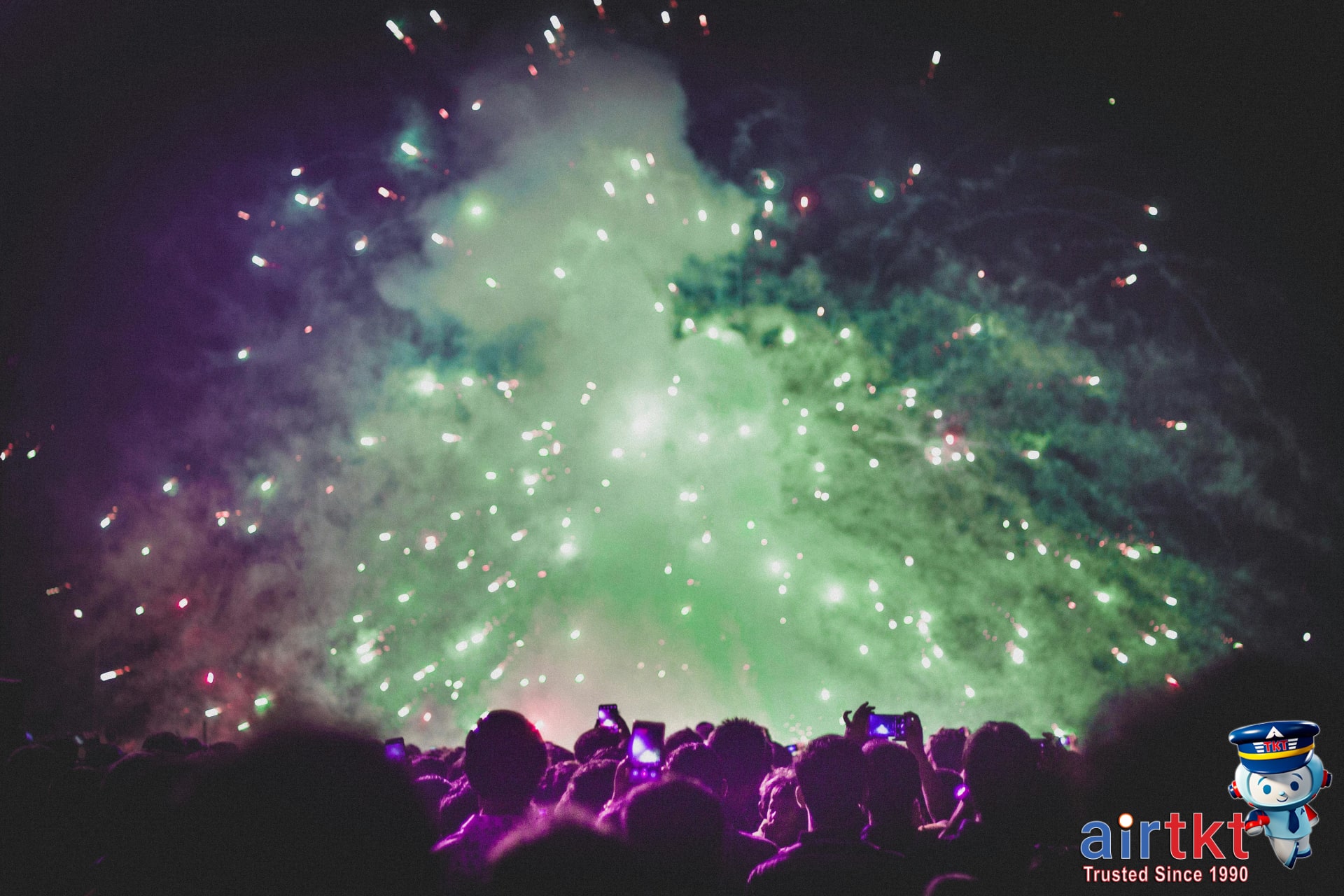
Traveling during Diwali, one of the world’s most vibrant and widely celebrated festivals, often means facing sold-out flights and fully booked hotels during peak days. However, flexibility in your travel dates and having backup plans can make a huge difference in enjoying the festivities without stress. Instead of limiting your trip to the busiest days, consider traveling just before or after the main events. These alternative dates usually offer fewer crowds, better availability, and sometimes even discounted rates.
For example, the days leading up to Diwali or the festival of Bhai Dooj, which follows shortly, present excellent opportunities to experience the cultural atmosphere with less congestion. Exploring these adjacent dates allows you to witness daytime celebrations, local fairs, and traditional rituals that are equally enchanting but more accessible.
AirTtkt offers a flexible date search feature designed to help you identify the most affordable and convenient days to fly. By adjusting your travel window by a few days, you can uncover hidden flight deals and hotel options that might otherwise go unnoticed during strict peak date searches. Additionally, the platform’s nearby airport search can reveal alternative departure or arrival airports, offering more choices and better rates.
Another useful strategy is to consider nearby or secondary festival locations if the primary city or event sells out. Many regions celebrate Diwali with unique local customs, and visiting these can provide a richer and fresher cultural insight. For example, if flights to Mumbai are sold out during Diwali, looking at flights into Pune or Ahmedabad and then commuting could be a rewarding, hassle-free alternative.
By remaining open to visiting daytime events, smaller fairs, or related festivities in surrounding areas, you maximize your chances of enjoying the Diwali spirit fully. Flexibility reduces the risk of last-minute disappointments and allows for a more relaxed travel experience, saving you from price spikes and overcrowded venues.
Ultimately, being adaptable with both your travel schedule and event plans transforms potential challenges into opportunities. Using AirTtkt as your booking companion ensures you have the best tools and support to navigate peak travel seasons and secure your preferred Diwali experience with confidence.
Plan Your Diwali Trip Budget for 2-3 People
Planning a memorable Diwali trip for 2-3 people with a budget between $2,000 and $5,000 requires smart allocation across flights, accommodation, meals, transportation, and activities. With thoughtful planning, you can enjoy rich cultural experiences without financial stress.
| Category | Estimated Cost (USD) | Notes |
|---|---|---|
| Flights | $900 – $2,000 | Round-trip economy fares with advance booking through AirTtkt |
| Accommodation | $500 – $1,200 | Mid-range hotels or boutique guesthouses offering Diwali deals |
| Meals | $200 – $400 | Local dining and occasional splurges on festive foods |
| Transportation | $100 – $300 | Convenient options include auto-rickshaws, taxis, and local trains |
| Activities & Events | $200 – $600 | Entry fees for cultural shows, temple visits, and Diwali celebrations |
This budget framework offers flexibility; the lower end suits more budget-conscious travelers, while the upper end allows for extra comfort and immersive experiences.
Save Costs Without Sacrificing Experience
- Book early: Secure flights and accommodations days or weeks ahead using AirTtkt to access exclusive discounts and low fares.
- Use local transport: Opt for shared rickshaws or metro rides whenever possible to cut transport costs.
- Dine like locals: Sampling street food and family-run eateries keeps meals affordable while offering authentic flavors.
- Leverage festival discounts: Many cultural events offer discounted or free entry during Diwali for early registrants.
Manage Currency Exchange and Tipping Customs
When planning your budget, remember that the Indian Rupee fluctuates, so monitor exchange rates before converting your dollars. Exchange money at authorized counters or banks to get competitive rates and avoid scams.
Tipping in India is customary but modest—typically, 10-15% in restaurants or a small amount to drivers and hotel staff. Including these gratuities in your budget ensures courteous cultural engagement without surprise expenses.
Budget for Comfortable Cultural Immersion
Balancing costs to enable full participation in Diwali festivities makes your trip truly unforgettable. Allocate funds for purchasing traditional clothing, sweets, and attending local ceremonies to enrich your experience. Avoiding overly tight budgets guarantees you won’t miss out on key cultural highlights.
FAQs About Traveling to India for Diwali
Can I book Diwali trip flights last minute?
Booking last-minute flights for your Diwali trip is possible but often more expensive. Use platforms like AirTtkt to monitor real-time fares and score last-minute deals. Flexible dates and nearby airports increase your chances of finding affordable options quickly.
What is the best way to find affordable Diwali trip accommodation?
To find affordable lodging, book early and compare options on trusted sites such as AirTtkt. Consider guesthouses and smaller hotels outside major event hubs. Flexible date searches and user reviews help secure the best balance of price, comfort, and location during Diwali.
When should I book flights for Diwali to get the best prices?
Book flights 2-3 months before Diwali to access the best pricing and seat availability. Demand spikes as the festival nears, so planning early with tools like AirTtkt’s fare alerts and flexible date searches can lock in savings and avoid last-minute surges.
Why is it important to understand Diwali customs before traveling?
Grasping Diwali customs enhances your experience and shows respect to local traditions. It helps you participate meaningfully in celebrations and avoid cultural faux pas. Knowing the significance of rituals, dress codes, and etiquette fosters respectful interactions throughout your Diwali trip.
How can I avoid crowds during Diwali events?
Avoid peak crowd times by attending early morning or late evening celebrations. Explore less touristy neighborhoods or smaller temple events away from city centers. Early planning using AirTtkt’s local insights can help you enjoy Diwali with fewer crowds and more authentic experiences.
What should I pack for a Diwali festival trip?
Pack light, breathable clothing with traditional attire if you wish to join festivities. Include comfortable walking shoes, a portable phone charger, and basic first-aid. Sunscreen and masks might be helpful due to firecrackers and crowded celebrations during your Diwali trip.
Can I find alternative dates if Diwali flights or hotels are sold out?
If booking around peak Diwali dates is challenging, look for flights and stays a few days before or after the festival. AirTtkt’s flexible date search tool reveals alternative travel windows with better availability and pricing to help you enjoy the festival without compromise.
Maximize Your Diwali Experience with Planning
To fully enjoy the magic of Diwali, thoughtful planning is essential. Start by booking your flights and accommodations early to avoid last-minute price surges and limited availability. Familiarize yourself with the local customs and traditions to immerse yourself in the festival’s cultural richness. Smart packing tailored to the season and travel itinerary ensures comfort and ease throughout your journey. Prepare to navigate large crowds, especially at popular temples and marketplaces, by scheduling visits during off-peak hours. Finally, set a realistic budget covering travel, festivities, meals, and souvenirs for a stress-free celebration.
Embracing Diwali’s vibrant traditions becomes more fulfilling with organized preparation. From lighting diyas to enjoying the sweet treats, every moment gains meaning when you’re relaxed and ready. This balance between excitement and readiness lets you connect deeply with the festival’s spirit and the communities celebrating it.
Before you finalize your bookings, use this quick checklist to make sure nothing is overlooked:
- Confirm early flight and hotel reservations
- Review essential travel documents and visas
- Plan your festive wardrobe and gifts
- Check local transport options and timing
- Prepare your budget including contingency funds
Booking early not only guarantees better deals but also gives you peace of mind to enjoy the festival fully.
AirTkt offers a streamlined platform to simplify your travel planning. With access to over 470 airlines and flexible date search tools, you can easily find affordable flights that fit your schedule. Their extensive hotel options make it convenient to find the perfect stay close to Diwali events. Plus, AirTtkt’s 24×7 expert support ensures you have assistance whenever needed—whether for booking changes or travel advice.
Make this Diwali unforgettable by combining cultural immersion with smart travel planning. Explore AirTtkt for your flight and hotel bookings to secure the best prices and a hassle-free experience. Celebrate the Festival of Lights with confidence and joy, knowing your travel is expertly handled.