

Common Myths About Flight Prices

Search for flights online and you’re sure to encounter a handful of so-called “tricks” promising cheaper airfare. Some travelers swear that ticket prices skyrocket if you check the same route twice, while others insist booking on a particular day guarantees the lowest fares. But by far the most widespread myth is the idea that using incognito or private browsing mode can prevent airlines or booking sites from raising prices based on your search history.
I’ve bumped into these claims while planning my own trips and always wondered if my browser habits could really make my airfare jump at the last minute. The incognito mode theory seems especially popular—in fact, it’s mentioned in forums, travel blogs, and even by friends swapping travel tips. Because flight costs matter for every budget, understanding what really influences them isn’t just academic—your wallet depends on it.
It’s easy to see why people are drawn in by these stories: nobody wants to pay more for a flight than they have to. But, before trusting every hack you read about airfare, it’s well worth examining what actually impacts prices and how airlines set their fares. That’s the goal here: to dig into the real workings behind flight pricing, starting with the incognito myth. And if you want a practical edge, learning how to use flight search engines effectively can help you spot genuine deals instead of chasing myths.
How Flight Pricing Actually Changes

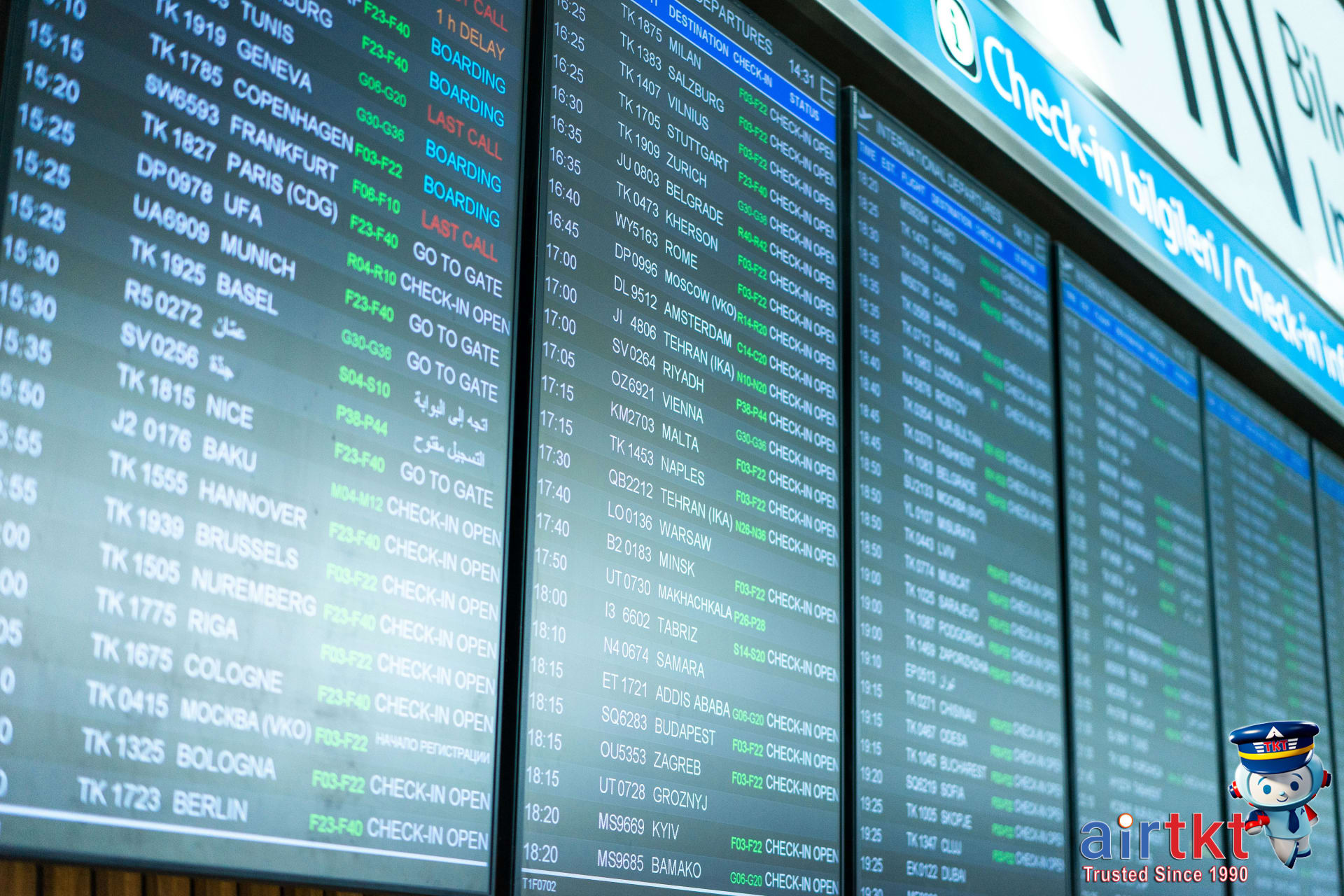
Flight prices might seem random, but there’s a data-driven logic behind every fare you see. Airlines use something called dynamic pricing—a flexible model that allows fares to rise and fall around the clock based on real-time factors. Unlike products with set price tags, airfares are constantly in motion, responding to supply and demand almost instantly.
Some of the main triggers are easy to spot: the number of available seats, how close you are to the departure date, and the popularity of the route at that moment. For example, as a plane fills up or a holiday approaches, prices usually rise. On quieter days or for less popular routes, airlines might drop fares to entice buyers. Airlines are also keenly aware of their competition. If another carrier lowers prices on the same route, you’ll often see similarly timed sales or sudden discounts pop up elsewhere.
In my experience, checking the same route at different times—say morning versus evening, on a Wednesday compared to a Saturday—can result in noticeably different fares. Once, I thought I’d found the lowest price in the afternoon, only to spot a better deal the next morning on my phone. That taught me the value of patience and monitoring price shifts.
Don’t get distracted by myths about cookie tracking or sneaky device-based price hikes. According to airline revenue management sources and independent travel economics experts, major price changes are primarily dictated by demand and live inventory—not your browsing history or the type of device you use. At airtkt.com, you’ll find their fare tools highlight these dynamic patterns, making it easier to spot shifts and identify good booking windows. For a deeper look at smart timing, check out our guide on best days and times to book flights.
Does Incognito Mode Affect Flight Prices?

It’s one of the most common tips circulating in travel forums: open an incognito or “private” browser window and you’ll see cheaper airfare. The idea seems plausible—after all, airlines and booking sites track your searches using cookies. But what actually happens when you use incognito mode, and does it genuinely help you score a better deal?
What Incognito Mode Does
Incognito or private browsing essentially prevents your browser from storing cookies, search history, and form entries once you close the window. This means any site you visit doesn’t have access to the cookies that were saved in your regular browsing sessions. However, your IP address and some basic system information (like your browser type) remain visible, and websites may use that for things like region-based pricing or fraud prevention.
Can Sites Adjust Prices Based On Browsing?
The myth is fueled by the suspicion that repeatedly searching for the same flights can trigger sites to “punish” you with higher fares. In reality, most airlines and large travel sites—including airtkt.com—display airfares based on real-time inventory and fare classes supplied directly by airlines and global distribution systems, not by your personal browsing history in a specific session. Industry studies and major booking engines like Skyscanner and Expedia have publicly stated that they do not increase prices just because you’re searching repeatedly. The travel expert Scott Keyes of Going.com has addressed this often, writing, “There’s no evidence that cookies or your browser history lead to higher airfare prices.”
What I’ve Seen With Incognito Searches
From my own experience, I’ve sometimes compared flights side-by-side in regular and incognito mode expecting a drop, only to see either identical results or unpredictable changes. In fact, the minor day-to-day price shifts were likely due to real inventory updates, not cookie-based pricing tricks. It’s a handy reminder that most price changes are driven by demand, timing, or fare rule updates rather than your browser settings.
If you’re interested in safe browsing while traveling, I’d suggest checking out our article on safe browsing tips for travelers—these privacy basics can matter much more than trying to “game” airfares with incognito windows.
How Cookies Affect Flight Pricing

Browser cookies are small data files that websites place on your computer or device to remember your activity and preferences. Most travel booking sites rely on cookies for tasks like remembering previous searches, holding your selected flights in the cart, and saving your login details. According to CNET’s digital privacy overview, cookies also power site analytics and help personalize the experience—think auto-filled forms or showing you recent searches.
When it comes to flight pricing, there’s a lot of confusion about what cookies can and can’t do. Many people believe that repeatedly searching for the same flight causes prices to increase. In reality, most major booking platforms—including airtkt.com—state that they don’t use cookies to drive up fares based on your browsing behavior. While cookies personalize recommendations and make sure you see recently searched routes, actual fare changes are far more likely to be caused by seat availability and airline pricing algorithms. I’ve cleared my cookies before and after searching for flights, and the price difference was almost always zero, though I did notice that sites tended to load a bit faster with fewer stored cookies.
It’s important to separate real price changes from the myth that website cookies alone make airfares climb. What cookies can impact is your user experience: personalized suggestions, site speed, and occasionally the homepage you land on. But the vast fluctuations in fares are rarely about cookies and almost always tied to when and how airlines update their seat inventory.
If you want to dig deeper into privacy settings for travel booking, I’d suggest checking out this browser privacy and cookie control tutorial, which has a straightforward breakdown for all common browsers.
Testing the Flight Price Myth

There’s a persistent rumor that airline websites and booking platforms sneakily raise flight prices if you repeatedly search the same route, especially if you’re not browsing in incognito or private mode. I decided to put this claim to the test across several searches, devices, and browsers to see whether your browsing habits really affect airfare.
How I Ran My Experiment
To keep things fair, I used two laptops and my phone, running searches for the same New York–London roundtrip on each device. On every device, I opened both a standard browser window as well as an incognito (private) window at the same time. I repeated these search sessions at different times of day and tried a couple of major booking platforms, including airtkt.com. I also made sure to log out of all user accounts to avoid any loyalty pricing effects. On each platform, I took screenshots and tracked any price changes I spotted.
What I Actually Found
Here’s the practical reality: in almost all cases, the flight prices shown in incognito mode were identical to those I saw in a regular browser. Occasionally, I did spot a very small difference—about $4.00, which I suspect was due to a fare expiring between searches or a cached result, not browser tracking. On airtkt.com, my tests never showed the price jumping just because I’d searched before without incognito. I also noticed that clearing cookies or switching devices didn’t make any significant change in fare. The idea that incognito mode reliably gets you a better deal just didn’t line up with my data.
Is the Incognito Flight Price Trick True?
So does incognito mode really save you big money on airfare? In my experience, the myth doesn’t hold up. Most booking engines—including airtkt.com—show the same lowest available fares no matter how you browse. It’s more likely you’ll notice price variation because of changes in seat availability or dynamic pricing by the airlines rather than web tracking. For travelers who want to be absolutely sure they’re seeing the lowest fare, I usually suggest comparing the same route on several platforms and devices and watching for any patterns. If you want more hands-on tips for double-checking deals, check out our earlier guide on how to verify flight deals before booking.
Major Factors That Influence Flight Prices
While clearing cookies or using incognito mode grabs a lot of attention, there are far more powerful forces at work when it comes to airfare changes. I’ve personally noticed that the price I get has more to do with when I search and the season than whether or not I’m browsing in private mode. If you’re hunting for flight deals, it pays to focus on these bigger-picture factors.
Seasonality and Holiday Timing
High-demand travel periods—like school vacations, major holidays, or local festivals—almost always push prices up. Airlines know demand spikes during these windows, so they adjust fares accordingly. Booking a flight the week before Christmas, for example, will usually show much higher prices than booking for an off-peak week in early February. To make the most of your budget, I’d suggest reading an article about best seasonal destinations and peak travel dates so you can plan around these fluctuations.
Route Demand, Competition, and Strategy
Flights on popular, competitive routes (like New York to Los Angeles) tend to have more variable pricing compared to monopoly routes with less competition. Airlines use highly sophisticated revenue management: they analyze demand, competitor pricing, and booking patterns to shift fares dynamically—sometimes multiple times per day. This is why you might see flights shift by $20.00 or $50.00 just based on the day you look. Resources like the IATA Passenger Traffic Data shed light on global demand patterns if you’re curious about travel trends.
Why Context Matters Most
The hype surrounding browser tricks sometimes overshadows the real drivers behind price swings. Circumstantial elements—like when you book, for what dates, and which route you fly—generally outweigh any effect your browser settings may have. In my experience, shifting your trip by a few days or choosing a less popular departure date can make a bigger difference than anything else. Context and timing simply matter more than techy “hacks.”
Practical Tips To Find Best Deals

Finding the best airfare can feel overwhelming, but you don’t have to leave it to luck or endless browser refreshing. Flexibility is key—if your travel dates aren’t locked in, using a flexible date search helps you spot days when fares dip significantly. I usually start my searches this way because it’s surprising how flying midweek or avoiding holiday weekends can trim costs by quite a bit. Also, being open to flying in or out of nearby airports gives you more options. For example, if you’re planning a trip to San Francisco, check both San Jose (SJC) and Oakland (OAK) for potentially lower fares than SFO.
Setting up fare alerts is another strategy I rely on heavily. These alerts keep you posted when prices drop for routes you’re watching. More than once, I’ve snagged tickets at a much lower price by jumping quickly as soon as one of these alerts landed in my inbox. On airtkt.com, you can sign up for exclusive deals sent via email or SMS—handy for catching limited-time offers that don’t always appear in standard searches.
If you want to stay ahead of the game, take advantage of the smart search tools built into airtkt.com. Their Flexible Date Search feature helps you identify the cheapest days to fly, while the Nearby Airport Search reveals whether shifting your departure or arrival airports saves money. There’s also the innovative Lazy Fare tool, which checks whether booking a route with a hidden stopover is cheaper without forcing a long layover on your itinerary. Each tool shines when you’re looking for the real sweet spot between savings and convenience.
For even more practical advice, check out airtkt.com’s blog resources on deal-finding tips—sometimes you just need a simple step-by-step list to follow when you start planning. Remember, exclusive discounts for seniors, military travelers, and last-minute bookings are also available, so always scan for special offers before you hit “book.”
Best Times To Clear Cookies
Most of us hear about clearing browser cookies in hopes of finding cheaper flights, but the real value is in improving your privacy and resolving odd website behavior—especially when booking travel. I’ve found that clearing cookies can refresh a travel site’s performance if it’s running slowly or showing repeat errors, but I haven’t seen any dramatic price differences afterward.
When Cookie Clearing Makes Sense
Clear your cookies when:
- You want to remove stored personal data, especially on shared computers.
- Sites are loading slowly, glitching, or not showing up-to-date deals.
- You’ve logged in on a public device and want to protect your privacy.
- You’re troubleshooting recurring sign-in issues or repeated error messages.
I usually recommend treating cookie clearing as standard digital hygiene, not a travel-saving hack.
Does Clearing Cookies Lower Prices?
There’s a popular myth that erasing cookies will magically reveal cheaper fares on sites like airtkt.com. In reality, travel prices shift due to demand, seat inventory, and other factors—rarely based solely on your cookies. While you might notice a price change after clearing cookies, it’s just as likely you’d see the same price by using another device or browser tab. Always double-check with a fresh search, but don’t expect guaranteed discounts from this move alone.
How To Clear Cookies Safely
Each browser’s steps are slightly different, but here’s how to tackle the basics:
- On Chrome, visit Google’s support page and follow the guidance under “Clear browsing data.”
- For Firefox, check out Mozilla’s instructions for removing cookies and website data.
- If you use Safari, Apple’s step-by-step guide will walk you through erasing cookies without deleting passwords or forms you want to keep.
If you want wider privacy tips—like using private browsing modes—I suggest reading our browser privacy and security tips for travelers.
Flight Budget Planning Breakdown Guide
Getting a handle on flight-related travel costs starts with a realistic breakdown by budget tier. Whether you’re a backpacker watching every dollar, a mid-range explorer, or someone who prioritizes comfort and premium service, organizing your expenses into categories can really help set reliable expectations. I’ve found that separating costs for accommodation, food, transport, and activities kept my last trip within reach—no last-minute bill shock. Below is a snapshot of typical daily expenses for three travel styles:
What Each Tier Means
- Budget: Think hostels, local eats, public transit, and mostly free sightseeing.
- Mid-range: Standard hotels, mix of casual restaurants and a few splurges, taxis or ride-shares, and some paid activities.
- Luxury: Upscale hotels, fine dining, private transfers, and guided experiences or special tours.
| Budget | Mid-range | Luxury | |
|---|---|---|---|
| Accommodation | $35.00 | $110.00 | $300.00 |
| Food | $18.00 | $45.00 | $110.00 |
| Transport | $9.00 | $30.00 | $70.00 |
| Activities | $12.00 | $40.00 | $90.00 |
Budget travelers often prioritize getting from point A to B for less, even if it means more time on buses or trains. Mid-range travelers typically appreciate a balance between comfort and value, while luxury travelers prefer convenience and enhanced comfort at a higher daily cost.
For a full breakdown on how to create a realistic travel budget—including flights and ground costs—check out this airtkt.com guide to building a complete trip budget.
FAQs About Flight Pricing Myths

Flight pricing myths pop up in almost every traveler conversation I’ve had. That’s exactly why I put together this FAQ section—to clear up the most common misunderstandings about dynamic pricing, incognito mode, cookies, and devices. If you want a deeper dive, there’s a full myth-busting article on flight deal strategies linked elsewhere on the site.
- Does using incognito mode save money on flight searches?
Switching your browser to incognito mode won’t reliably score you cheaper airfare. There’s no direct evidence that airlines or booking sites increase prices simply because you’ve searched more than once on the same device or account. Sometimes, a price might change due to real-time fare updates, not your browsing history.
- How do cookies affect flight prices online?
The impact of cookies on airfare is frequently misunderstood. Most sites use cookies to remember your preferences or speed up search results, but there’s no consistent proof they actually raise flight prices if you return to search again. Instead, price fluctuations usually reflect demand changes or updated seat availability.
- What exactly is dynamic pricing for flights?
Dynamic pricing is when airlines adjust fares automatically in response to factors like demand, day of week, time until departure, and even how quickly seats are selling. It happens behind the scenes and is based on market data, not your personal search habits or browsing history. Travelers can’t directly influence these algorithms.
- Is it better to use a phone or computer to book?
Device choice makes little difference; flight prices shouldn’t change just because you’re searching on a phone, tablet, or desktop. However, mobile apps and some sites occasionally offer exclusive deals or app-only discounts, so it doesn’t hurt to check all options if you want every possible fare.
- Does booking on certain days really mean lower fares?
The belief that Tuesdays or Wednesdays always have the cheapest flights is mostly outdated. Prices shift constantly due to demand and inventory, not just day of the week. I usually suggest tracking routes for a few days to spot fare drops rather than relying on a strict booking calendar.
- Will repeatedly searching for the same flight make the price rise?
This is a common concern. Most airline and travel sites do not raise prices just because you search multiple times. Fluctuations usually occur because seat inventory is constantly updating. If you see a sudden jump, it’s far more likely due to genuine fare updates from the airline than your search habits.
- How can I actually find the best flight deals?
It’s best to compare fares across multiple search engines, set flight alerts, and check nearby airports or flexible dates for lower prices. Tools on airtkt.com help with real-time comparison and flexible searches, giving you a clearer look at what’s available for your specific trip plans.
Setting Realistic Flight Deal Expectations
If you’ve made it this far, you probably realize that private browsing and clearing cookies aren’t the magic keys to lower airfares. While these strategies are popular travel myths, they typically don’t have a measurable impact on what you actually pay. The real driver of price changes? Airlines constantly adjusting fares based on demand, inventory, and hundreds of behind-the-scenes variables—not your browser settings.
So what genuinely helps you find better deals? In my experience, putting your focus on flexible dates, comparing nearby airports, and using smart booking tools makes all the difference. Instead of worrying about leaving digital footprints, I’d rather spend my energy double-checking routes and exploring features like Flexible Date Search or the Nearby Airport Search directly on airtkt.com.
I’ve learned that the best strategy is to make the most of the resources available, especially if they come with real-time fare comparisons and exclusive offers across a wide mix of airlines. That’s why I recommend starting your search right from the airtkt.com homepage—there you’ll find handy filters and helpful savings features, whether you’re looking for last-minute travel or planning ahead. The biggest takeaway? Don’t get sidetracked by persistent internet myths; instead, prioritize research and flexible planning to land more affordable flights.