

Why Earth Day Matters For Travelers


Every year on April 22, Earth Day calls our attention to protecting the planet—and as travelers, our choices can make a surprisingly big difference. Picking green destinations and practicing eco-friendly habits while exploring help reduce our own impact, while lending support to communities and natural areas that value preservation. Earth Day isn’t just a date on the calendar; it’s a reminder that every trip has an ecological footprint, so celebrating it through mindful travel is one way we can all do our part.
Eco-tourism goes far beyond simply picking a pretty place. In my experience, it’s about choosing destinations and activities that actively serve conservation efforts, support local economies, and tread lightly on the environment. When I opt for a nature-focused lodge that invests in the surrounding forests or book a guided hike that employs people from the local village, I feel good knowing that my dollar is helping protect habitats and sustain livelihoods. Traveling sustainably isn’t just a personal goal for me—it makes the experience richer and more meaningful.
If you’re ready to plan a trip that supports the planet, airtkt.com offers a dedicated sustainable travel deals and tips page where you can find more on eco-friendly accommodations, activities, and responsible travel pointers.
Why Sustainable Travel Matters Today


Sustainable travel is about making choices that allow us to see the world while protecting it for future generations. By minimizing our ecological footprint, we help preserve natural habitats and safeguard wildlife. For example, sticking to marked trails in national parks keeps fragile plants undisturbed and reduces erosion. Supporting eco-focused tours can also mean your dollars are used for local conservation projects, which is something I’ve started to prioritize when booking new adventures.
Sustainable travel isn’t just about the environment—it directly benefits local communities, too. Opting for tours led by local guides creates real economic opportunities and can give you unique insights into a destination’s culture. I’ve found that buying locally made products, from crafts to regional snacks, tends to reduce the carbon impact tied to shipping and supports the small businesses that make each community special. Another simple switch I’ve made is traveling with reusable items. Using my own water bottle, utensils, and cloth shopping bag has made a noticeable dent in how much single-use plastic I go through on the road.
Reducing waste by choosing eco-friendly hotels, saying no to daily towel changes, or utilizing local public transportation all add up. These are small but meaningful actions any traveler can take. If you want to get more ideas for responsible packing and the latest on green travel gear, I’d suggest checking out airtkt.com’s tips on eco-travel packing and sustainable products before your next trip.
Top Green Destinations to Explore

If you’re browsing destinations for an eco-conscious getaway, Earth Day is the perfect occasion to focus your search on places that prioritize the planet. Here are five of the world’s most inspiring green destinations—each offering something distinct for responsible travelers. If you’d like more in-depth info as you plan, I always recommend checking out the detailed destination guides available on airtkt.com.
Amazon Rainforest Wonders
The vast Amazon Rainforest offers unforgettable biodiversity, but its delicate ecosystem requires our respect. When visiting, choose eco-lodges that use renewable energy and only join wildlife tours led by local, certified guides. Avoid plastic waste by packing reusable essentials and never stray from marked paths to help protect rare species and delicate plants.
Galápagos Islands Eco-Excursions
Strict visitor limits and conservation rules protect the unique habitats of the Galápagos. I found this destination eye-opening for seeing how tourism and conservation can coexist. Always clean your shoes and gear before moving between islands, follow designated trails, and never get close enough to disturb wildlife—no matter how photogenic a lounging sea lion might look.
Rwanda’s Wildlife Conservation
Rwanda’s mountain gorilla trekking is carefully regulated, with most tours supporting anti-poaching projects and reforestation. Join small group treks run by authorized local organizations. Book early, listen to wardens, and respect the ‘ten-meter’ rule to help keep both gorillas and humans safe. Consider offsetting your carbon footprint through local reforestation donations after your trek.
Costa Rica Eco-Adventures
Widely considered a leader in sustainable travel, Costa Rica is full of protected parks and green resorts. Use reputable tour companies that promote “leave no trace” ethics, and always stick to marked trails in rainforests or cloud forests. I usually suggest travelers try homestays, as they help distribute tourist dollars directly to local communities.
Fjord Journeys in Norway
Norway’s fjords are pristine spaces for low-impact adventures like hiking, kayaking, and scenic train trips. Choose operators certified by local green tourism programs, and try to rely on public transport to reduce emissions. Pack out all trash and avoid single-use plastics, especially on boat trips or remote hikes.
I have to admit: The Galápagos left the biggest impression on me. Seeing such well-protected wildlife and learning from local guides made me appreciate how responsible travel can support conservation and vibrant local cultures at the same time.
Amazon Rainforest Eco-Tourism Activities
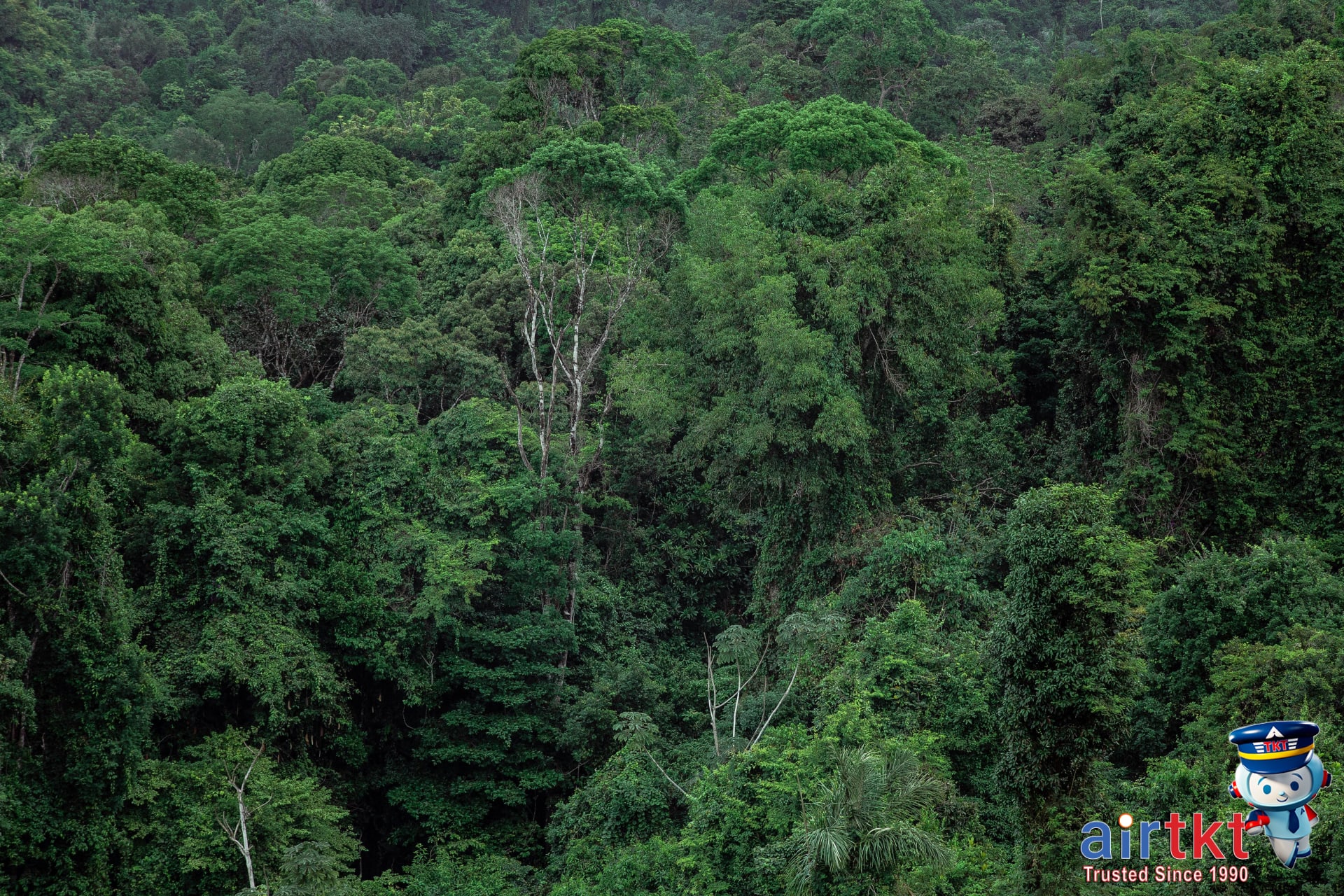
The Amazon rainforest invites adventure with activities that bring you closer to its remarkable biodiversity. Canopy tours are a favorite among eco-tourists—you’ll traverse suspended walkways high above the forest floor, spotting unique plants, monkeys, and sometimes sloths right in the treetops. Birdwatching is an early morning spectacle, with a chance to see toucans, macaws, and dozens of rare species that make the Amazon a true haven for ornithologists. Many eco-lodges also offer guided biodiversity walks, where local guides help you spot frogs, insects, giant trees, and the extraordinary details that define this ecosystem.
In my experience, nothing compares to hearing the dawn chorus in the middle of the rainforest and realizing how interconnected—and fragile—this environment truly is. Witnessing the delicate balance up close reminded me that responsible travel is more than just minimizing footprints; it’s about making intentional choices that support local conservation.
Planning Your Responsible Visit
For a truly eco-friendly Amazon adventure, I’d recommend choosing operators that are committed to sustainability. Look for tour providers who use certified local guides, avoid wildlife disturbance, support indigenous communities, and contribute directly to conservation projects. Some reputable options, like those available on airtkt.com, offer Amazon eco-tourism packages that emphasize both low environmental impact and authentic experiences.
Galápagos Islands Wildlife Wonders

Witnessing wildlife in the Galápagos Islands is like stepping into a natural documentary. From the slow-moving giant tortoises lumbering through volcanic meadows to the sleek sea lions sunbathing on black lava rocks, the variety here is almost surreal. One highlight is seeing green sea turtles gliding peacefully through shallow bays—a moment that really puts the unique biodiversity of this archipelago into perspective.
Few places in the world offer such close encounters with animals that have little fear of humans. You’ll spot blue-footed boobies performing their quirky dances and marine iguanas basking after a swim. But this privilege comes with responsibility. Strict conservation rules exist for a reason: the entire ecosystem is more delicate than many visitors realize at first glance. When I visited, seeing worn footpaths and the impact of even modest tourism made me rethink how travel and conservation intersect.
Significant conservation efforts are underway, particularly to protect habitats critical for species like Galápagos penguins, flightless cormorants, and the vulnerable sea turtle. Guided tours often emphasize eco-friendly behaviors, such as sticking to marked trails and keeping a respectful distance from wildlife. In my experience, being mindful of these small actions helps maintain the fragile balance and allows future travelers to enjoy these natural wonders as well.
If you’re planning a trip, check out airtkt.com’s Galápagos travel guide and eco-tourism offers—they’re a great starting point for finding itineraries that support conservation and minimize impact.
Rwanda Wildlife Conservation Efforts Explained

Rwanda’s wildlife conservation work has become world-renowned thanks to mountain gorilla trekking in Volcanoes National Park. Guided treks through the lush highlands let visitors observe gorillas at a safe distance, an experience that not only inspires wonder but also directly funds habitat preservation and research. Permit fees support ongoing anti-poaching patrols and reforestation, so responsible tourism is part of the lifeline for this endangered species.
What stood out for me was seeing how conservation and community go hand-in-hand in Rwanda. Responsible tourism makes you realize how essential it is for locals to benefit from, and be stewards of, these natural wonders. Community-led initiatives, like eco-lodges and ranger training programs, empower people while protecting gorilla habitat—so your travel choices genuinely matter.
To truly support conservation, I’d suggest travelers seek out community-based tourism projects where possible. These programs often prioritize both wildlife and local livelihoods, offering thoughtful encounters over shallow “see-and-go” tours. If you’re considering a trip, take a look at airtkt.com’s Rwanda wildlife tours and conservation travel deals—they’re a good place to find options that partner with grassroots efforts.
Popular Eco-Adventures In Costa Rica
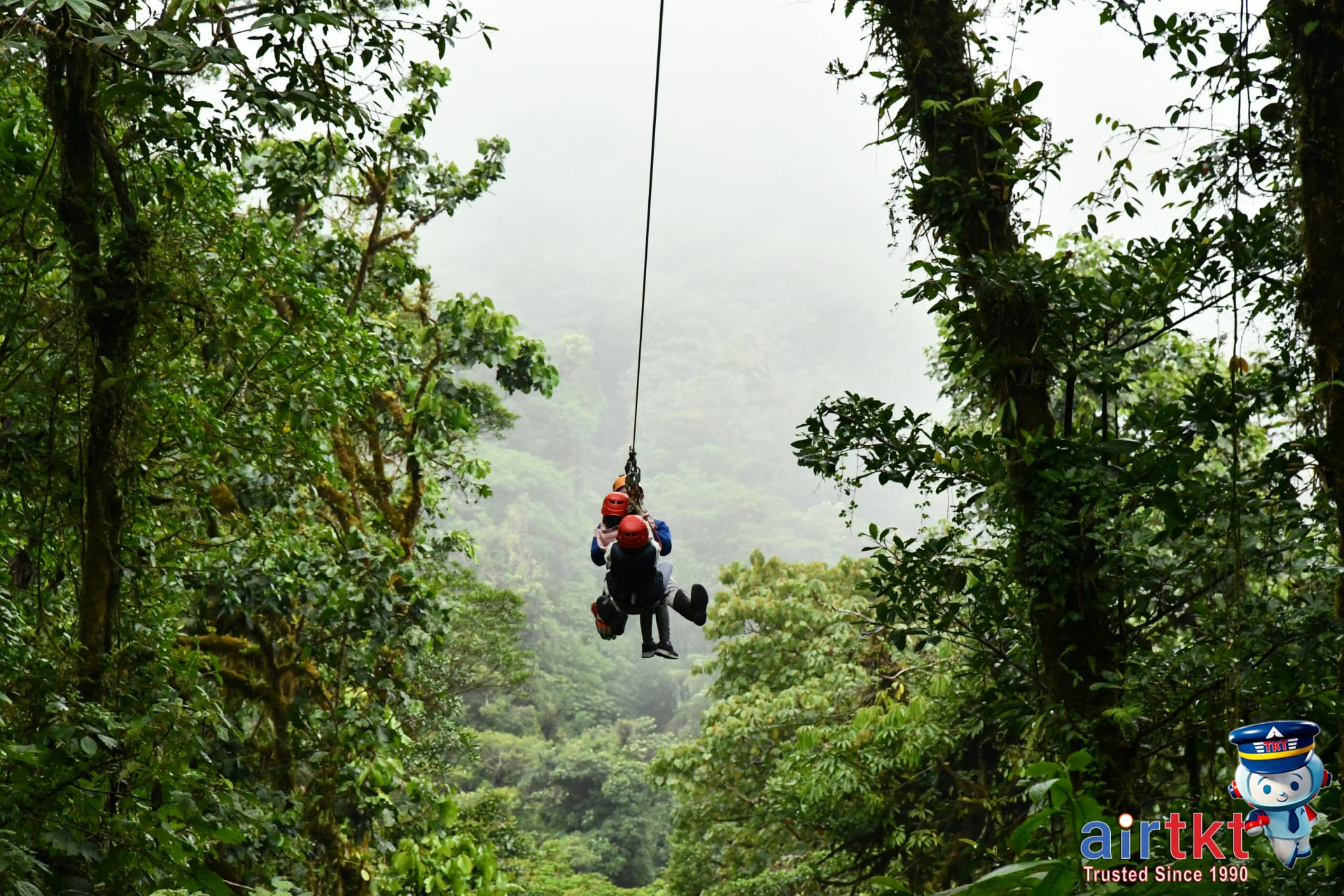
If you crave a rush but want to keep your travels green, Costa Rica is hard to beat. I always feel energized seeing just how many ways adventure and sustainability go hand in hand here. Canopy zip-lining really stands out—gliding through treetops with the rainforest stretching below is both a major thrill and a great way to learn about the ecosystem without leaving a heavy footprint.
Rainforest hiking is another favorite for me. Whether you’re winding through the misty Monteverde Cloud Forest or watching vivid wildlife in Corcovado National Park, each step is a reminder of how delicate and remarkable the environment is. Local guides often share insights on sustainable practices—like sticking to trails and supporting reforestation—which deepens the experience while minimizing impact.
Eco-Friendly Stays And Green Practices
Choosing where you stay makes a big difference. Costa Rica boasts a solid list of eco-resorts and lodges certified for their green policies—think water conservation, on-site solar power, and farm-to-table dining that supports local communities. I recommend researching accommodations certified by the Costa Rican Tourism Board’s “Certification for Sustainable Tourism” (CST), which highlights true leaders in responsible hospitality.
If you want ideas, airtkt.com hosts a collection of Costa Rica eco-adventure packages and suggests stays that meet high sustainability standards. Combining these thoughtful lodges with wild outdoor activities lets you get your adrenaline fix while helping to protect these lush landscapes for the next traveler.
Eco-Friendly Hiking In Norway Fjords

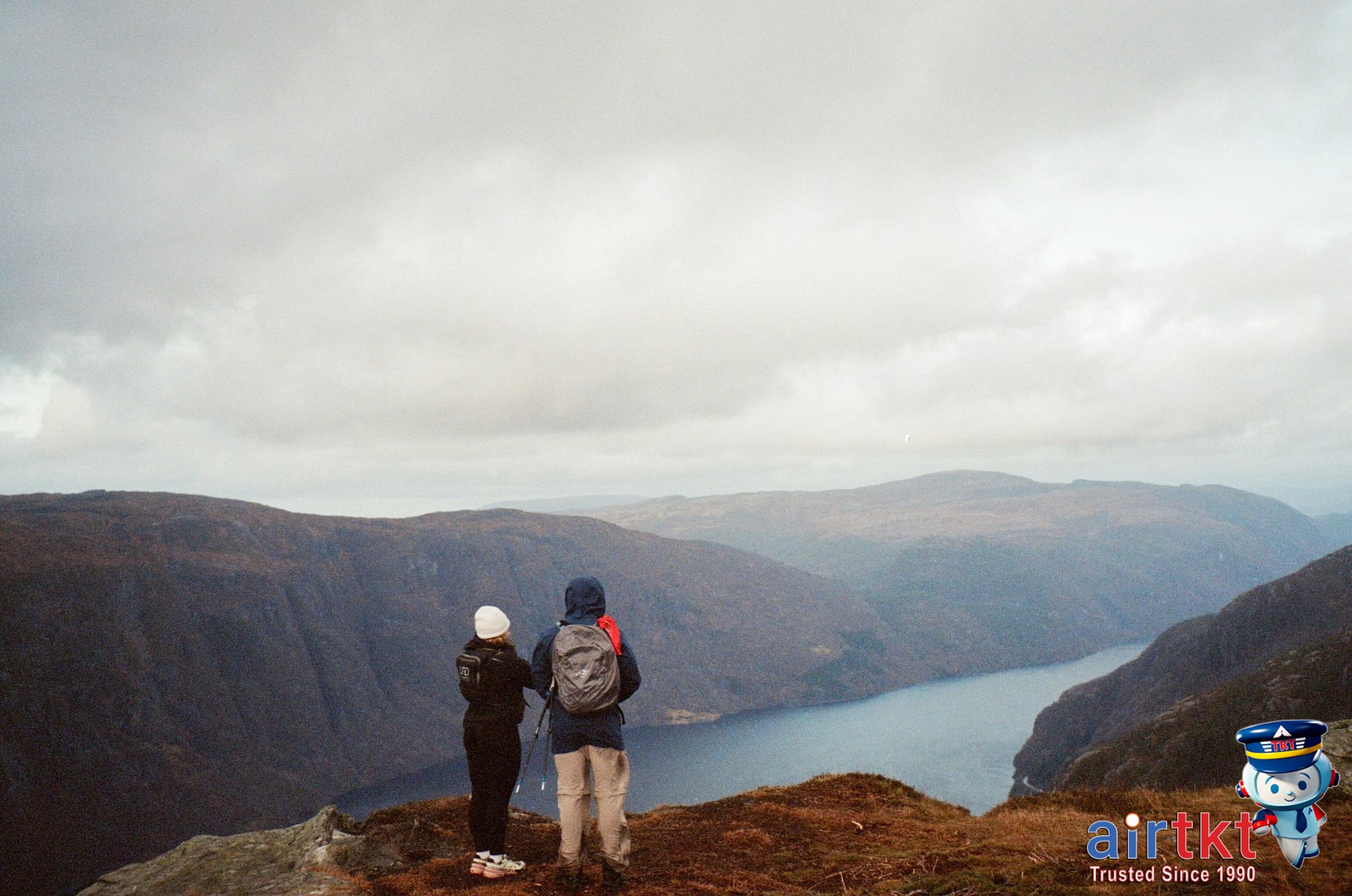
The Norway fjords are a paradise for hikers and nature lovers, offering well-marked trails that wind along dramatic cliffs and mirror-like waters. Some of the most popular routes include the legendary Trolltunga hike for stunning fjord panoramas, the Preikestolen (Pulpit Rock) trail above Lysefjord, and the family-friendly paths near Geirangerfjord’s cascading waterfalls. No matter which route you pick, you’ll find yourself immersed in landscapes shaped both by time and committed conservation efforts.
Norway’s dedication to eco-tourism is apparent in the careful maintenance of its trails, eco-friendly lodges, and ongoing efforts to protect wildlife habitats. I found that hiking here invites a different pace—one that encourages you to move mindfully, tread lightly, and truly take in each detail of the landscape around you. For me, there’s something deeply rewarding about knowing that I’m helping preserve this wild beauty for future generations by respecting posted signs, staying on marked trails, and carrying out all waste.
To keep your environmental footprint small, consider exploring the fjord regions by public bus, local ferries, or rented bicycles. Not only does this minimize emissions, but it also lets you connect more closely with local communities and enjoy the scenery from a new perspective. If you’re planning a hiking trip, I’d recommend checking airtkt.com for Norway travel and hiking itineraries that incorporate practical, sustainable transport options and bundled eco-friendly experiences.
Eco-Tourism Travel Budget Table

Eco-friendly travel doesn’t have to break the bank, but costs can stack up fast if you don’t plan ahead. In my own experience, booking sustainable lodges and eco-tours well before a trip helps secure the best options—and often saves serious cash. Below you’ll find a practical budget table comparing costs across three comfort tiers. These estimates cover the basics: accommodation, food, transport, and activities, giving you a solid foundation for planning your responsible adventure.
| Accommodation | Food | Transport | Activities | |
|---|---|---|---|---|
| Budget | $45.00 | $18.00 | $16.00 | $20.00 |
| Mid-range | $90.00 | $35.00 | $30.00 | $45.00 |
| Luxury | $230.00 | $80.00 | $75.00 | $110.00 |
These numbers reflect one-day costs per person, rounding up for meals at certified green restaurants and transportation methods with lower emissions (like trains or shared hybrid vehicles). For a longer trip, simply multiply out—but don’t forget to reserve in advance. I’d also suggest regularly checking airtkt.com’s travel deals page for sustainable trip savings; sometimes you find valuable discounts you wouldn’t see elsewhere.
Common Eco-Tourism Travel Questions
- How do I plan eco-friendly trips?
Start by selecting destinations with strong environmental stewardship, opt for eco-certified lodging, and prioritize public transportation or walking when practical. I always check for accommodations with clear sustainability policies and look for tours that directly benefit local communities. Packing light and bringing reusable items further reduces your environmental impact.
- What are the main benefits of sustainable travel?
Choosing sustainable travel helps protect natural habitats, supports local economies, and preserves culture. For instance, staying at eco-lodges or choosing locally operated tours means more of your money remains in the community and helps conserve the area you’re visiting. It also results in a more authentic travel experience for you.
- Which destinations are known for eco-tourism?
Some well-known eco-tourism destinations include Costa Rica, New Zealand, and Norway thanks to their conservation efforts and sustainable tourism infrastructure. I recommend researching parks and reserves that highlight local biodiversity. North American spots like Yellowstone and Canada’s Banff also incorporate eco-friendly visitor education and responsible travel options.
- How can I be sure an activity is truly eco-friendly?
Look for certifications like Global Sustainable Tourism Council or Green Globe, and carefully review the company’s environmental policies. Genuine eco-activities support wildlife education, avoid animal exploitation, and offer benefits to the local population. I usually compare multiple operators and read recent reviews before booking anything labeled “eco.”
- What are some best practices for eco-tourism travelers?
Minimize waste by carrying your own water bottle and reusable bags, respect wildlife viewing guidelines, and keep to marked paths in parks. Offset your flight emissions if possible and choose accommodations that power operations sustainably. Every step toward lowering your impact matters more than most travelers realize, in my experience.
- How can I find eco-tourism ideas on airtkt.com?
Check the sustainable travel tips and specific destination guides available through airtkt.com. There you can find practical advice on planning, ways to identify truly eco-friendly options, and destination-specific insights for travelers who want to minimize their footprint while getting the best experience possible.
Final Thoughts on Sustainable Travel
Earth Day always brings our travel priorities into sharper focus. Every choice we make as travelers—where we visit, how we get there, and whom we support along the way—can have a real impact on both the planet and local communities. Sustainable travel isn’t just a seasonal trend; it’s a lasting commitment to making those small, mindful decisions that collectively support eco-tourism all year round. I’ve found that even simple changes, like choosing greener transportation options or seeking out accommodations with eco-certifications, can add up to something meaningful over time.
It’s not always about going off the grid or sacrificing comfort. Sometimes, it’s about asking yourself which decisions can lighten your environmental footprint without weighing down your travel experience. Personally, I try to pause and look up eco-options whenever I book, because I know it matters in the bigger picture—especially when so many destinations are feeling the effects of overtourism and climate change.
If you’re ready to make your next adventure a little greener, you might want to check the airtkt.comsustainable travel benefits page before you finalize your booking. There are practical ways to ensure your trip supports both the people and the places you visit.