

Why Mediterranean Beaches Attract Summer Travelers

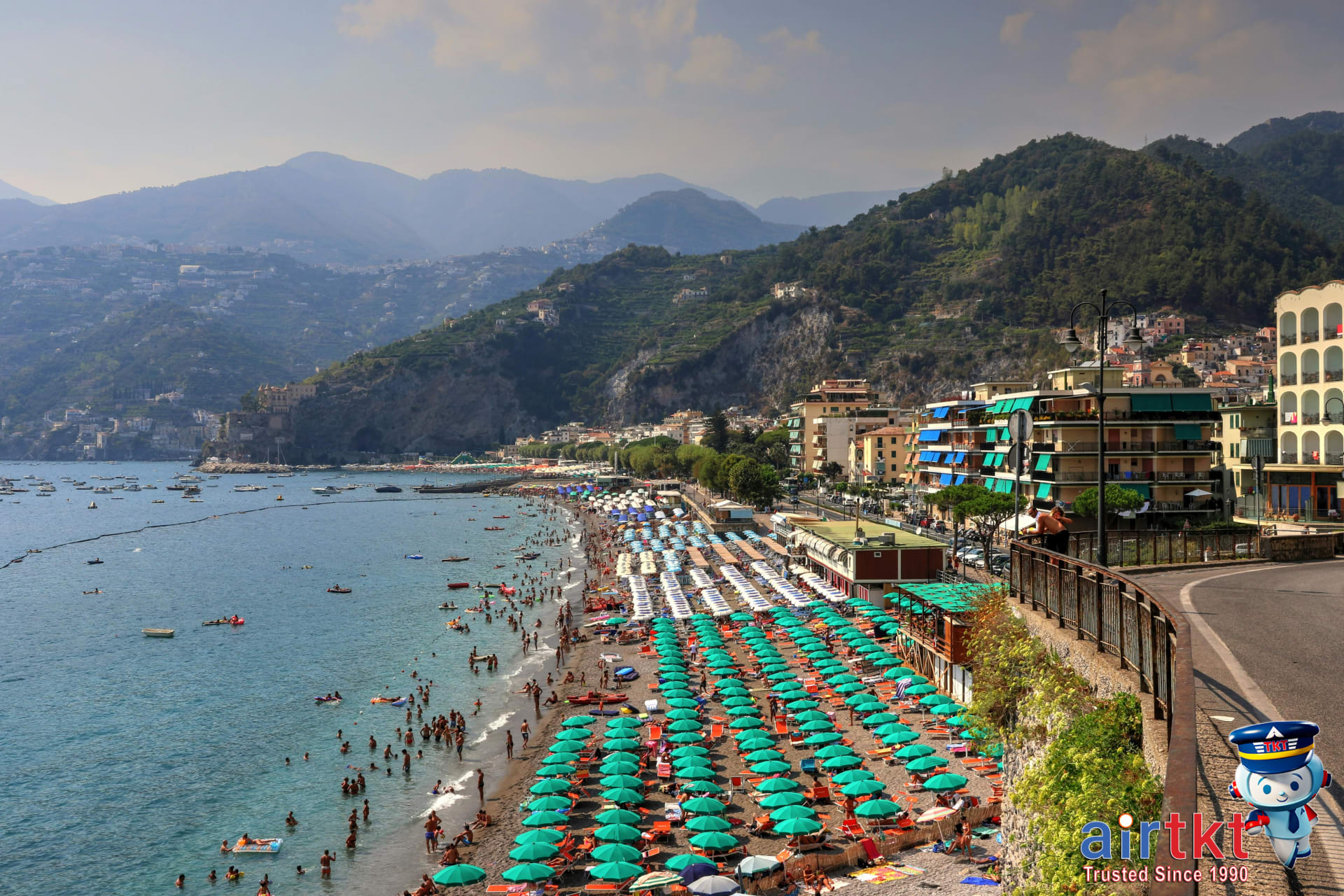
Europe’s Mediterranean coastline is a true summer classic—think sparkling blue water, golden sand, fresh seafood, and towns tumbling down sun-washed cliffs. From the whitewashed villages of the Greek Isles to Italy’s famed Amalfi Coast, the options for sun and sea adventures feel almost endless. I get a spark of anticipation every time I picture myself relaxing by the Mediterranean Sea, beach towel out and a gentle breeze in the air.
It’s not just about hopping from one postcard-worthy beach to the next—each region brings its own vibe. Spain’s Costa Brava combines dramatic coves with lively coastal towns, while Croatia’s Dalmatian Coast boasts pebbled stretches and charming islands. Over in southern France, you’ll find a blend of glitz and natural beauty along the French Riviera. There’s a reason Mediterranean beaches are top of mind when summer rolls around—they deliver on easy pleasures and everlasting appeal.
If you’re already dreaming about sunbathing in Santorini or swimming off the shores of Nice, it’s wise to start planning early. For help finding the right flight and destination airport, I usually browse the airtkt.com airport destination guides for Mediterranean getaways—they make the logistics a lot simpler if you want to avoid endless searching across multiple sites.
Top Greek Isles Beach Spots

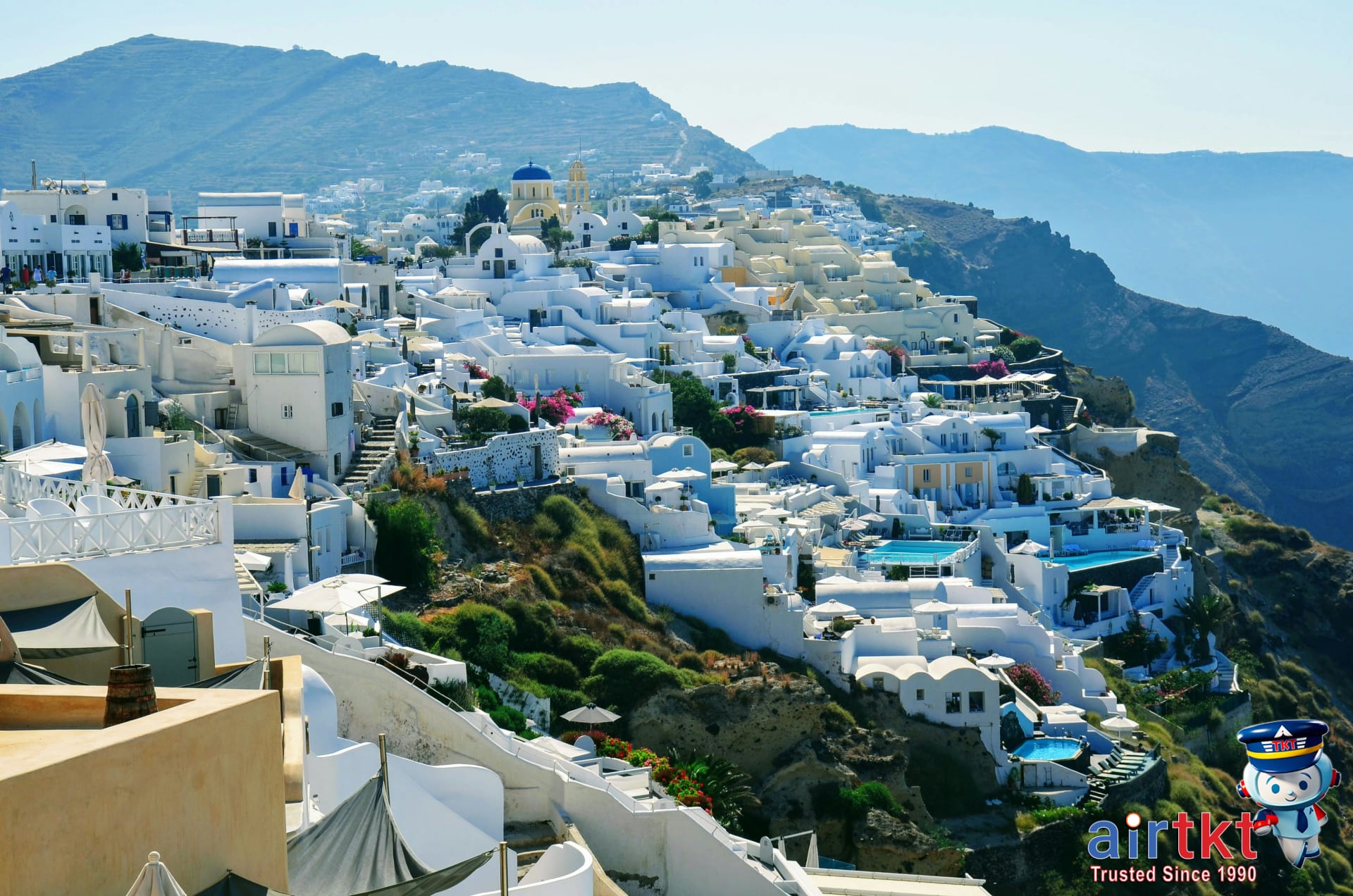
The Greek Isles are legendary for their beaches, and each island brings its own signature vibe. On Santorini, you’ll find striking volcanic sands—especially at Red Beach and Perissa—set against that famous backdrop of whitewashed buildings and blue domes. The beaches here feel dramatic and a little mystical, especially if you catch the sunset from a lounge chair with the cliffs behind you.
Over on Mykonos, the scene transforms entirely. Psarou and Paradise Beach are where the buzz happens, with lively beach clubs, DJs, and stylish crowds filling the sunbeds every afternoon. Mykonos is tailor-made for those who love a social vibe paired with turquoise water. That said, if you time it right—usually before noon—I’ve managed to find even the famous beaches surprisingly serene for a quick swim or stroll.
Crete’s coastline is the most diverse of the three, and in my experience, this is where you get those endless options. Elafonissi is an absolute standout with its pale pink sands and shallow, crystal-clear water that stretches for what feels like miles. My most vivid memory is wading ankle-deep through the warm surf at Balos Lagoon, with only the sound of seabirds in the air and postcard scenery in every direction.
Getting to the Islands
Each of these islands is accessible by direct flights from Athens—especially during the peak spring and summer seasons. Ferries also connect them regularly, with schedules adjusting by time of year and demand. If you’re planning to hop between islands, I usually recommend comparing ferry routes and times before you lock in your itinerary, since frequent connections run from Piraeus or Rafina to most major islands, but inter-island links can be less frequent outside midsummer.
If you want to dig into the specifics of Greek ferry schedules, local airport options, or other detailed travel planning advice, check out the Greek Isles guides and ferry tips on airtkt.com.
Italy’s Amalfi Coast Beach Highlights

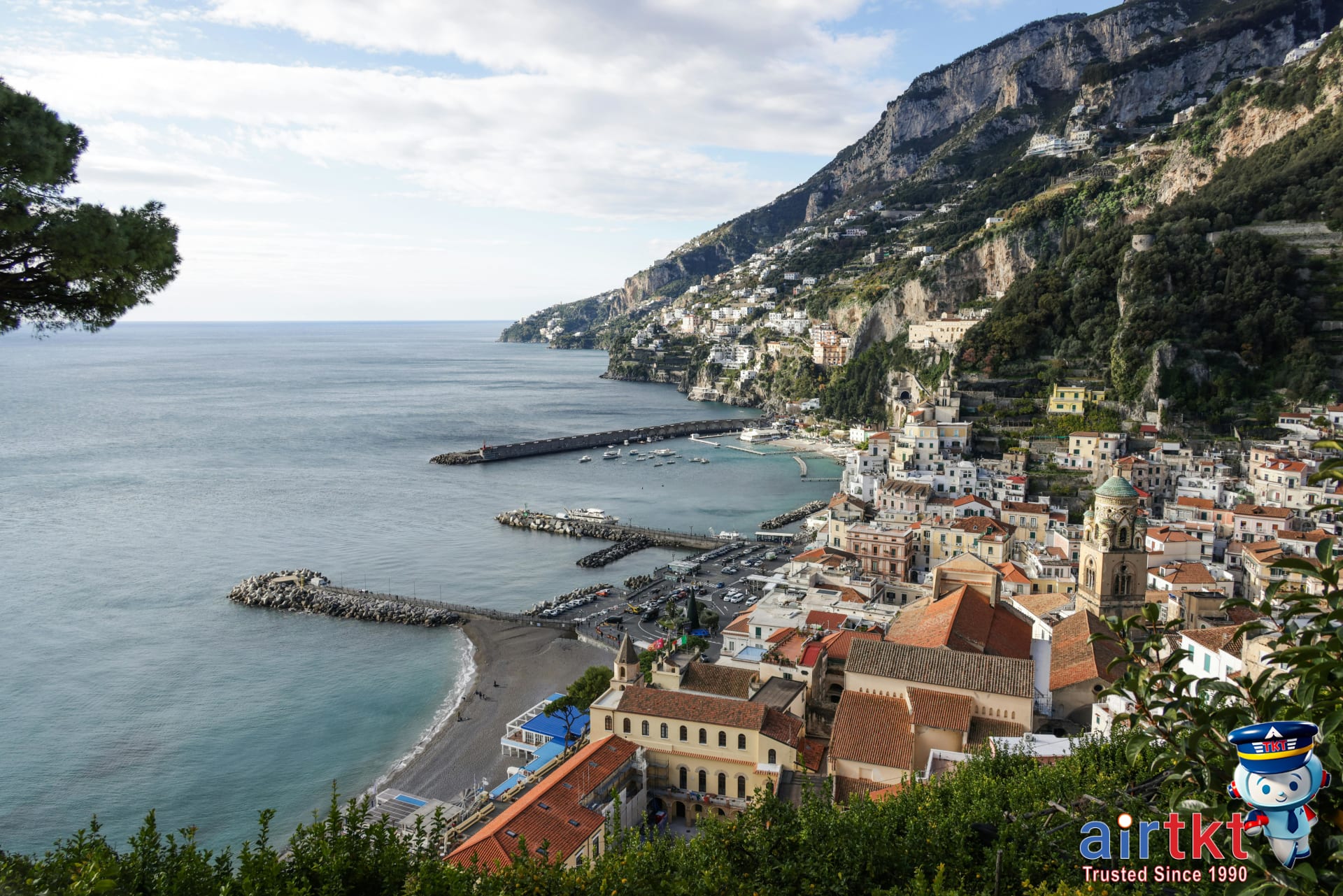
Few coastlines capture the imagination quite like Italy’s Amalfi Coast. This rugged stretch between Sorrento and Salerno is famed for its vertical cliffs, scattered lemon groves, and picture-perfect seaside towns clinging impossibly to hillsides. Each visit reminds me how dramatic geography can give even the sandiest afternoon an unforgettable edge—there’s something about swimming beneath towering rocks with pastel houses above that stays with you long after you leave.
Must-Visit Amalfi Coast Beaches
The world-renowned Positano Beach, called Spiaggia Grande, offers the classic Amalfi Coast scene: vibrant umbrellas, gentle waves, and a cascade of pink and yellow homes above the shore. Narrower Fornillo Beach, a short walk west, is another local favorite if you want a quieter sunbathing spot.
To the east, the town of Amalfi boasts Marina Grande, its main beach right beside the lively central piazza. Ravello, though set high in the cliffs, rewards those willing to head downhill with access to the smaller Castiglione Beach—just be prepared for stairways and a bit of a trek. Maiori and Minori (slightly further east) offer broader stretches of sand and easy-going waterfront promenades, both excellent if you’re seeking a little more space.
Reaching Beaches: Transport and Parking
Getting to the Amalfi Coast can be half the adventure. From Naples or Sorrento, many travelers opt for public buses or ferries—a wise choice, as parking in high season is often stressful and pricey. In my experience, Amalfi’s tiny roads get crowded quickly, and local buses (SITA Sud) are frequent, scenic, and much less hassle than hunting for a spot. Ferries run between Salerno, Positano, and Amalfi, offering stunning sea views without sitting in traffic jams above the cliffs. If you’re considering a rental car, double-check with your hotel or guesthouse about their parking options before arrival.
If you want extra resources on Italian transport tricks or detailed destination planning, I’d check out airtkt.com’s Italy guides for recommended routes and booking advice designed for smoother travel along the coast.
Spain’s Mediterranean Coastal Beaches
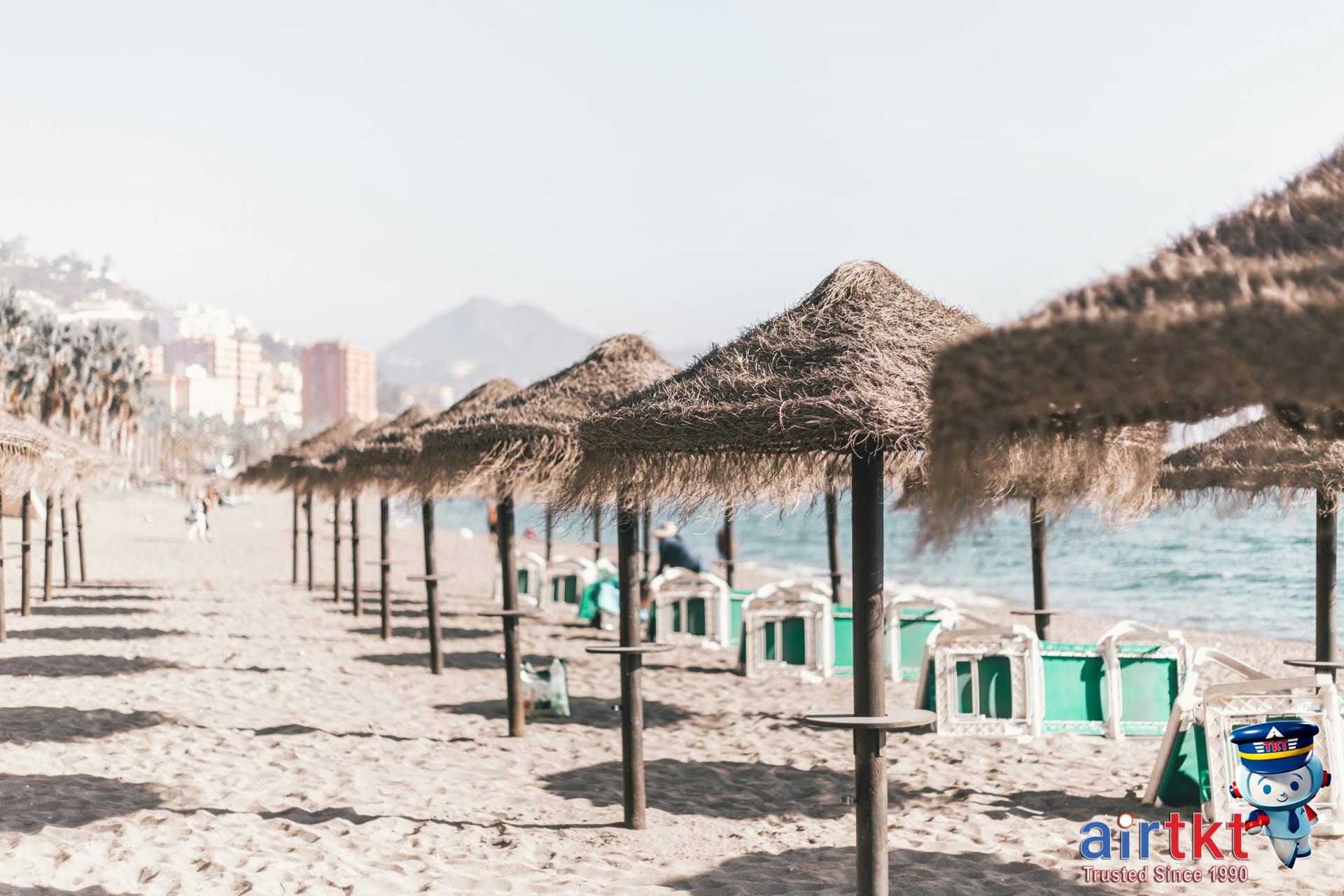
Spain’s Mediterranean coastline is legendary for its sweeping sandy beaches, lively boardwalks, and inviting blue water. Along the Costa Brava in the northeast, you’ll find a combination of rugged cliffs and tranquil coves, with towns like Tossa de Mar and Calella de Palafrugell offering a family-friendly vibe and gentle waves that are perfect for swimming. Venture south, and the Costa del Sol unfolds with miles of bustling sands, vibrant beach clubs, and kid-friendly amenities in places like Marbella and Nerja.
What I really love about Spanish beach life is how every day feels like a celebration—afternoons are made for paella on a seaside terrace, and evenings often bring local festivals with music and fireworks right on the beach. There’s a contagious energy, especially during summer when villages host open-air movie nights and sandcastle competitions for families. It’s easy to see why Spanish beaches draw such multigenerational crowds—the onshore scene is lively but keeps a relaxed, welcoming attitude.
Family Beaches and Seasonal Tips
If you’re traveling with kids, look for Blue Flag-certified beaches, which are recognized for safety and cleanliness. I usually recommend beaches like Playa de la Malagueta in Málaga for lifeguard stations and shallow waters, or Playa de Fenals in Lloret de Mar where playgrounds and beachfront cafés make family days effortless. Remember that summer is the busiest season, but late spring and early fall still bring warm days and thinner crowds. Local festivals, like Andalusia’s “Noche de San Juan,” add a fun cultural element if your timing matches up.
Looking for more details on Spanish coastal destinations or tips for soaking up local culture? Check out the Spain destination guides on airtkt.com for inspiration and practical advice.
Elegant Beaches On The French Riviera

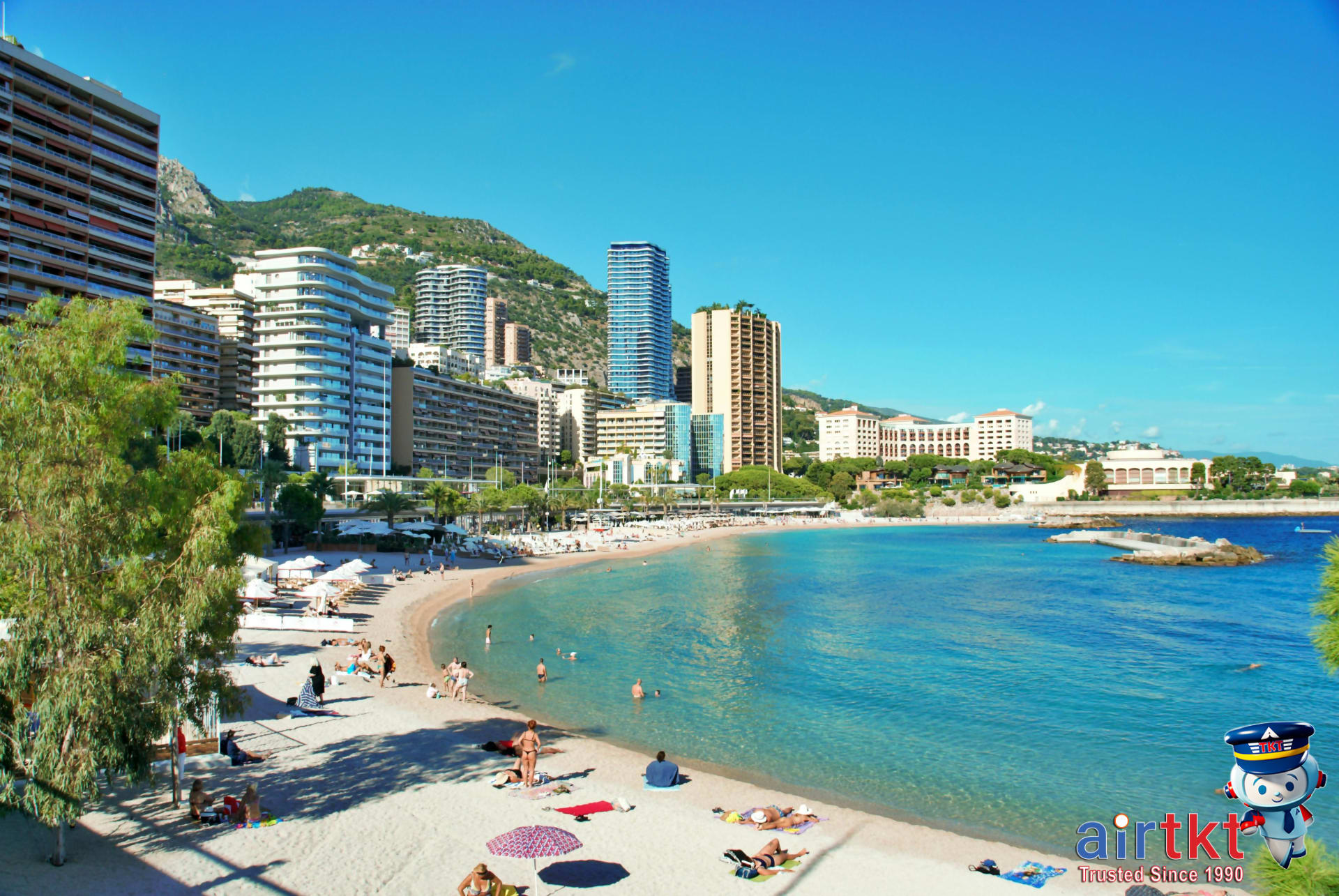
The French Riviera’s beaches are the embodiment of Mediterranean glamour—picture long stretches of golden sand, vibrant parasols, and sparkling turquoise water overlooked by iconic palm-lined promenades. From the chic shores of Nice to the glitzy boardwalks of Cannes, every stop on this coast offers a blend of stylish comfort and classic French charm. When I first set foot on the pebbled beaches of Nice, I couldn’t help but notice how effortlessly even everyday moments—like sipping a coffee at a sea-view café—felt sophisticated.
Popular Riviera beaches, such as Plage de la Croisette in Cannes and the Baie des Anges in Nice, are synonymous with luxury. Private beach clubs line much of the waterfront, complete with crisp white loungers, attentive service, and menus brimming with local rosé and freshly caught seafood. But you don’t have to break the bank to soak up the Riviera ambiance—most towns maintain sections of free public beach, especially east of the main private stretches in Nice or just beyond the main glitz in Cannes. Bring a lightweight towel, and you can enjoy the same sea and sunshine as the jet set.
When you’re ready for a meal, walk a block or two inland to find authentic Niçoise restaurants and bakeries with savory socca (chickpea pancake) or pan bagnat (stuffed tuna sandwich) for about $7.00. Exploring local open-air markets is another great way to snack affordably, whether you’re hunting down olives and cheese in Nice’s Cours Saleya or eyeing the colorful fruit stalls in Antibes. If you want to balance beach time with culture, make a stop at the Musée Matisse or stroll the bustling Old Town in Nice—both are pleasant ways to keep costs in check while experiencing the Riviera’s artistic side.
If you’re mapping out a Riviera trip, I’d recommend checking out airtkt.com’s travel guide to the French Riviera for accommodation ideas and ways to maximize your sightseeing budget. Even one afternoon at a public beach here lets you sample the region’s renowned elegance without a luxury price tag.
Active Coastal Activities to Try

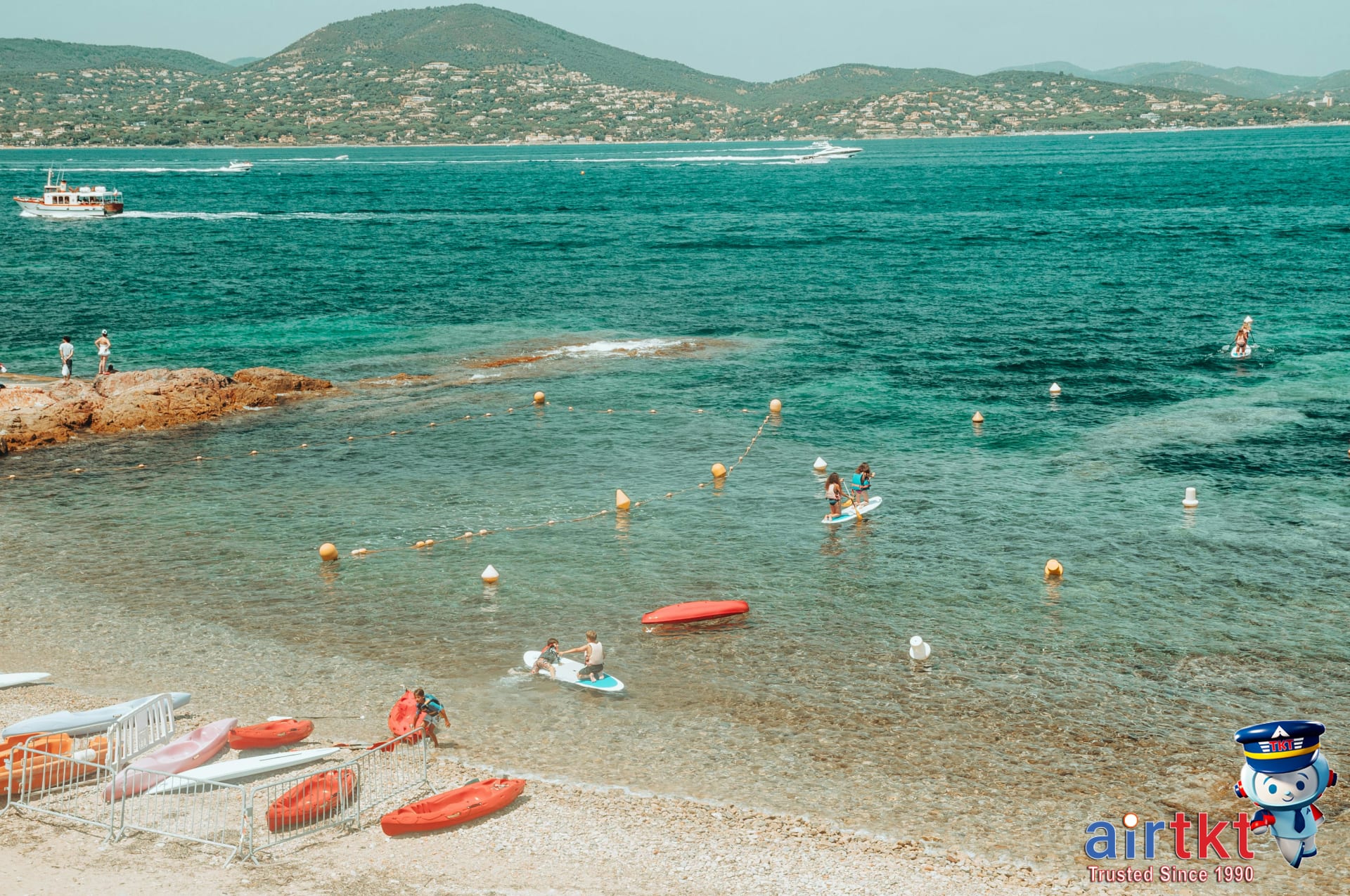
The Mediterranean coast is famous for its clear waters and vibrant beach life, making it an ideal spot for active travelers. Whether you’re keen on snorkeling along rocky coves, trying stand-up paddleboarding on calm mornings, or paddling a sea kayak past fishing villages, there’s a coastal activity here for every energy level. In my own experience, nothing compares to spending a lively day testing out paddleboarding in a Mediterranean bay, with just the sound of water and a mild breeze for company—it’s both invigorating and peaceful.
Snorkeling and Paddleboarding Tips
Snorkeling is a great entry point for families or beginners. Popular beaches in Spain, Croatia, and Greece have shallow areas where fish and underwater landscapes are easily visible close to shore. Paddleboarding is another crowd favorite—especially early in the day when the water is flatter. Boards can be rented from reputable stands right on the sand; look for licensed operators with well-reviewed equipment and visible price lists. Rental staff often give a quick tutorial, which is especially useful if it’s your first time balancing on a board.
Safe Kayaking Along the Coast
Kayaking lets you explore hidden bays and sea caves at your own pace. I usually recommend sticking to well-trafficked routes and choosing single or double kayaks depending on your comfort level. Beaches near larger resort towns often have outfitters offering guided tours, which provide extra safety and local insight. For self-guided outings, always watch the weather (afternoon winds can pick up quickly) and bring plenty of water, a hat, and sun protection. Make sure rental providers supply life jackets and check the condition of the equipment before heading out.
- Rent from beachside stands with clear signage and professional staff.
- Arrive early during high season as gear can get booked out.
- Ask about return times and deposit requirements upfront.
Mediterranean Beach Trip Budget Planning
Planning a Mediterranean beach getaway feels much smoother when you know what to expect financially. I’ve learned first-hand that laying out all your likely expenses ahead of time makes for a far more relaxing trip—no unpleasant money surprises, just sunshine and coastline. Here’s a budget overview for three typical travel styles, keeping costs in U.S. dollars for easy comparison:
| Budget | Mid-range | Luxury | |
|---|---|---|---|
| Accommodation | $45.00 | $120.00 | $350.00 |
| Food | $15.00 | $60.00 | $130.00 |
| Transport | $10.00 | $35.00 | $90.00 |
| Activities | $20.00 | $55.00 | $120.00 |
How To Stretch Your Budget
Even if you’re flexible on comfort, airfare and lodging are where most travelers can save the biggest chunk. Before each trip, I turn to airtkt.com’s search tools. Using the Lazy Fare option often uncovers cheaper multi-stop routes—sometimes knocking quite a bit off the total airline cost. The Flexible Date Search is equally valuable if your travel dates aren’t set in stone, as shifting by just one or two days could lead to extra savings on both flights and hotels.
When you use airtkt.com’s comparison features, look for their hotel booking tool as well (found here). You’ll widen your accommodation options across price categories—it’s a real game changer when you’re trying to keep daily costs predictable.
Common Questions About Europe Beaches
- What are the best Europe beaches for summer travel?
Some of Europe’s standout beaches for summer include Spain’s Costa Brava, Greece’s Crete and Mykonos, Italy’s Amalfi Coast, and Croatia’s Dalmatian coast. Each offers unique scenery and crystal-clear Mediterranean waters. I usually suggest comparing different regions based on crowds, sand type, and cultural vibe to match your travel style.
- How to find affordable accommodations on Mediterranean coasts?
Book early—rooms fill up quickly for summer. Look at guesthouses and smaller hotels just inland from the main beaches, as these are typically more budget friendly than beachfront options. I’ve found that traveling in June or September can also help secure better prices and avoid peak season crowds.
- Can you swim safely in Mediterranean beaches?
Swimming is generally safe at popular Mediterranean spots, but always watch for local flags or posted advisories about currents or jellyfish. Lifeguards are common on busier beaches, especially in summer. Conditions can change day by day, so I recommend checking the beach’s safety information each morning before heading out.
- What’s the dress code like for Mediterranean beaches?
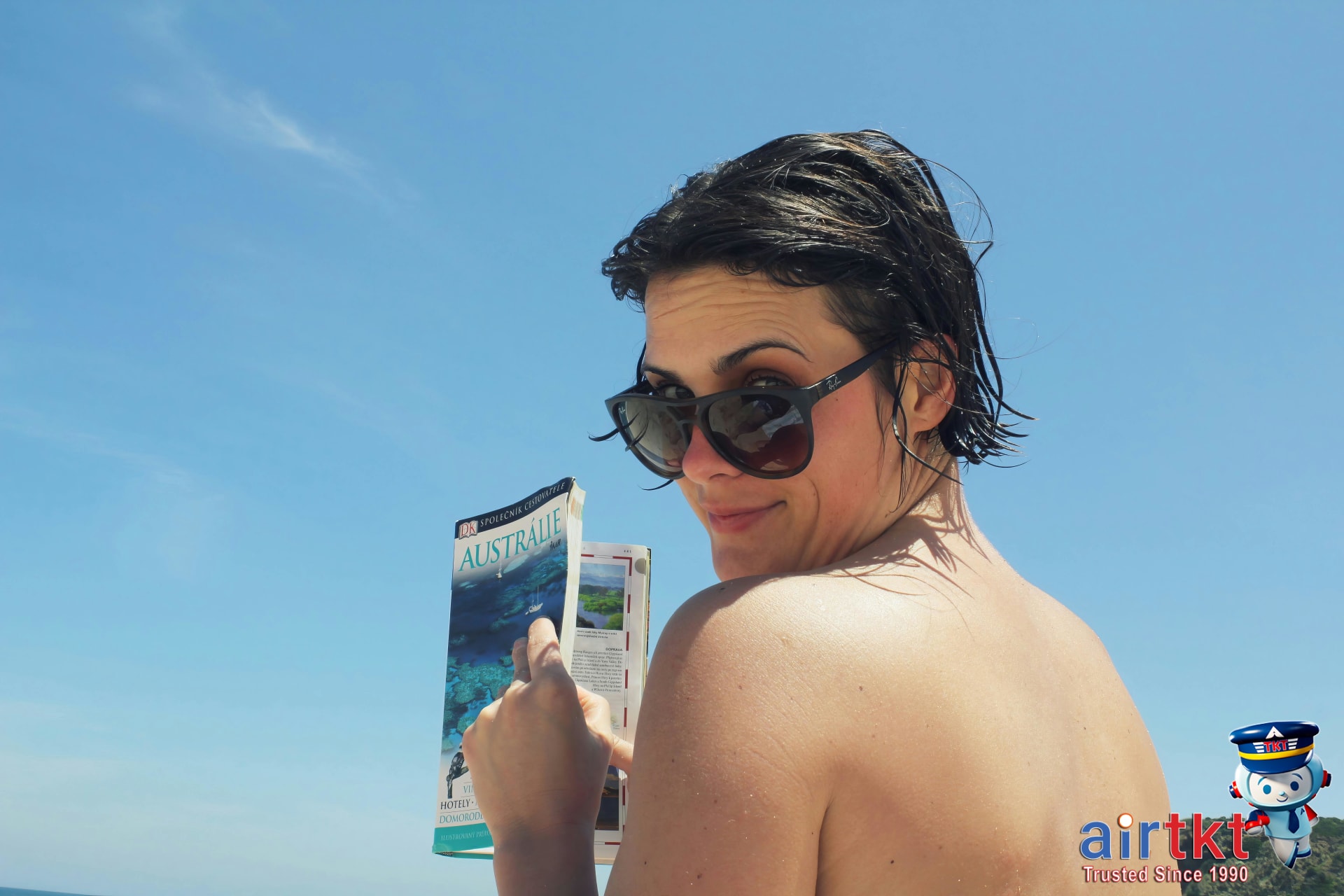
Most Mediterranean beaches don’t require any special dress code; just bring your usual swimwear. Some spots in southern France and parts of Spain or Greece have sections for topless or nude sunbathing, usually well marked. If uncertain, I’d pack a lightweight cover-up for beach cafes and boardwalks.
- Are there kid-friendly Europe beaches?
Many Mediterranean beaches are quite family friendly, offering gentle waves and soft sand. Destinations like Mallorca in Spain, Algarve in Portugal, and southern Sardinia in Italy stand out for families. I’ve noticed resorts often provide beach toys and lifeguards, helping parents relax for longer days by the water.
- How do I get around coastal towns easily?
Most coastal towns along the Mediterranean have local buses or ferries, which are inexpensive and scenic. Renting a bicycle can be a great way to explore, especially in flatter regions. I usually recommend considering local taxis for short hops, or arranging transfers ahead if you plan day trips further afield.
- What are essential items to pack for a Europe beach vacation?
Pack a sun hat, reef-safe sunscreen, quick-dry towels, sturdy flip-flops, and a small waterproof bag. I once forgot a reusable water bottle and regretted it during a long day under the Mediterranean sun—a simple addition that makes a big difference in comfort.
For more strategies to optimize your summer coast trip, I recommend checking out the airtkt.com summer travel tips before you book—one smartly packed bag really can transform your whole beach experience.
How To Make The Most Of Mediterranean Beaches
Timing your Mediterranean beach trip can make all the difference—plan your visit early in the morning or late afternoon, as I learned during a sunrise swim in Crete, and you’ll usually find quieter shores and cooler temperatures. Avoiding midday not only helps steer clear of the biggest crowds, but also means less sun exposure and a more peaceful seaside experience.
Respecting the coastal environment is just as important as picking the right time. I always remind myself to skip single-use plastics, pack up all my trash, and leave natural shells and rocks undisturbed. Following any posted guidelines around protected dunes or marine life keeps these beautiful spots vibrant for future visitors. Cultural traditions can differ, so it’s thoughtful to observe local customs—sometimes even a small gesture, like greeting others in the local language, makes a big impression.
Don’t miss the chance to try authentic dishes from beachside cafés or tavernas. Sampling grilled seafood or a fresh caprese salad right by the water is always a highlight for me, and it’s an easy way to connect with the place beyond just sun and sand. Fresh, local foods are often healthier and far more memorable than standard tourist fare.
It’s also worth using a few simple apps to enhance your beach day. I prefer checking real-time weather and sea conditions before heading out, especially if I’m deciding between two different coves. Technology can help you dodge storms or know exactly when the waves are best for a swim, maximizing every beach visit.
For more summer travel inspiration and practical booking resources for your next Mediterranean escape, check out airtkt.com’s curated summer travel tips and tools to help you plan ahead.