

Introducing the Canadian Rockies Region
The Canadian Rockies are a sprawling, rugged marvel that stretches along the border between Alberta and British Columbia, drawing travelers to some of Canada’s most iconic wilderness. This mountain region is home to parks like Banff and Jasper—both known for their dramatic alpine scenery, glacial lakes, and vast forests. But there’s much more than just the well-known destinations; places like Yoho, Kootenay, and Mount Robson often see fewer crowds and deliver surprising beauty of their own. If you’re into quieter trails or less-traveled lakes, those lesser-known parks can really round out the experience.
I still remember my first glimpse of those impossibly turquoise lakes framed by the stark white peaks—the sheer scale and unbelievable color contrast genuinely made me stop and stare. Whether you’re winding along the Icefields Parkway or standing on the shores of Lake Louise, the combination of glacier-fed waters and jagged summits is overwhelming in the best way. It’s a place where even well-traveled adventurers can’t help but feel awe at every turn.
One practical heads-up: mountain weather is famously unpredictable. Even if you’re visiting in July, the temperatures can swing quickly from sunny and warm to sudden rain or even snow at higher elevations. I’d recommend planning ahead for those shifts by packing plenty of layers. Getting to the Rockies is a breeze from either Calgary or Edmonton airports, and if you’re after savings, I’ve found airtkt.com useful for comparing affordable flights into both cities. Starting your trip with a deal on airfare always feels good, especially when there’s so much to experience once you land.
Banff National Park Highlights Guide

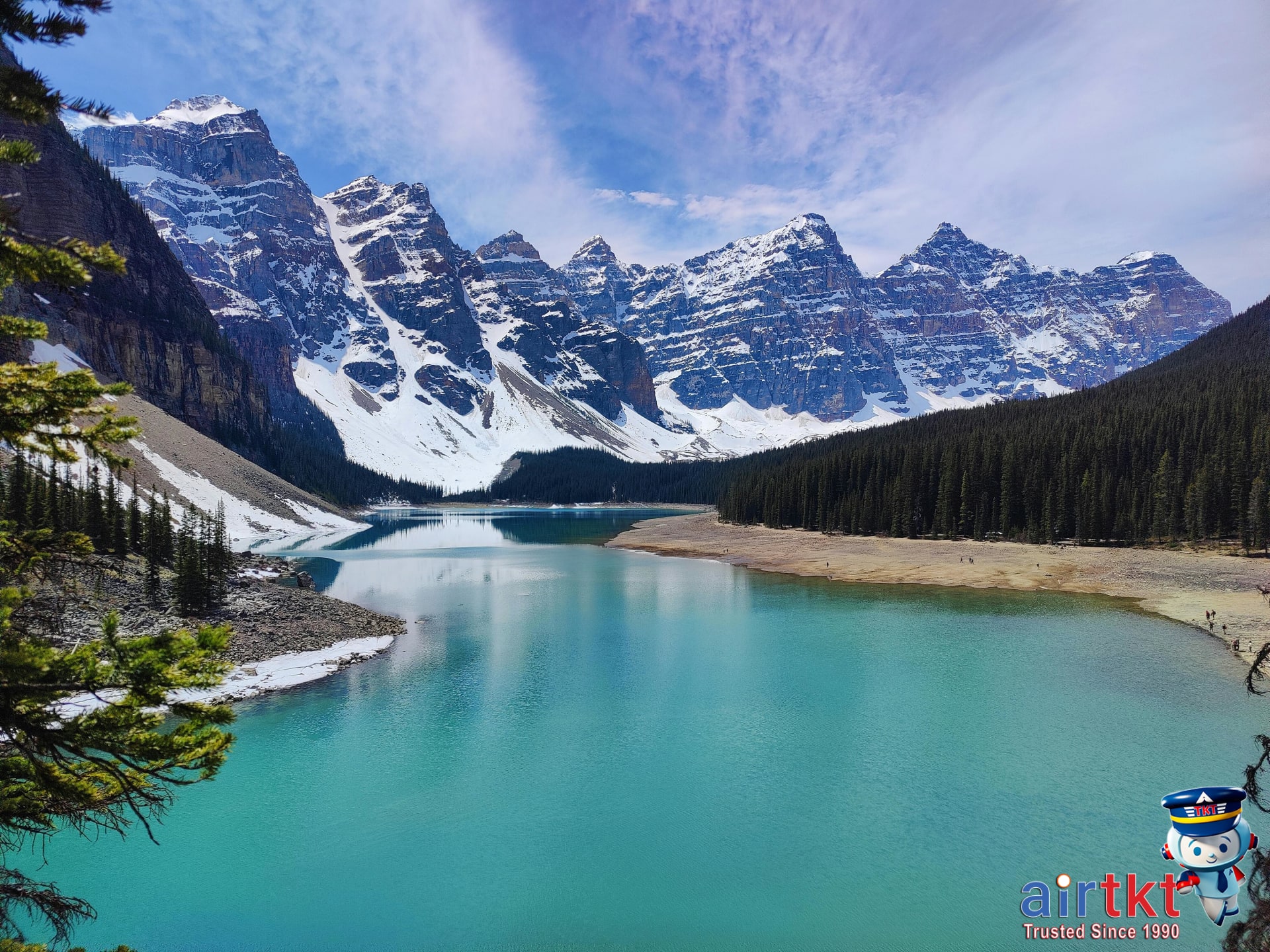
It’s hard to overstate the beauty of Banff National Park’s star attractions, especially when you see Moraine Lake shimmering before a backdrop of jagged peaks. That iconic turquoise water gets its vivid hue from glacier meltwater mixing with rock flour, and it’s every bit as breathtaking in person as the photos suggest. My favorite memory here is arriving just before sunrise—the lake was mirror-still, with just a handful of photographers on the shore, making it feel peaceful and almost private.
Another highlight is Peyto Lake, famous for its wolf-head shape and panoramic viewpoints. The overlook is easily accessed by a short walk, and on clear days, you’ll see the lake’s unique color from above, framed by forests and snow-dusted mountains. Peyto is especially mesmerizing from the upper platform, where the Rockies unfold in every direction. If you’re keen to explore more, there are plenty of detailed Banff hiking guides on the blog to help plan your route, with suggestions for every ability level.
Of course, Banff isn’t just about lakes. The viewpoints around Lake Louise, Bow Valley Parkway, and the Sunshine Meadows offer landscapes that constantly change with the light. I usually recommend early morning visits—not just for the better photos, but because you can enjoy these spots with minimal crowds. The air is crisp, wildlife is active, and the colors are less washed out, making the whole experience feel more special.
Top Attractions In Jasper National Park

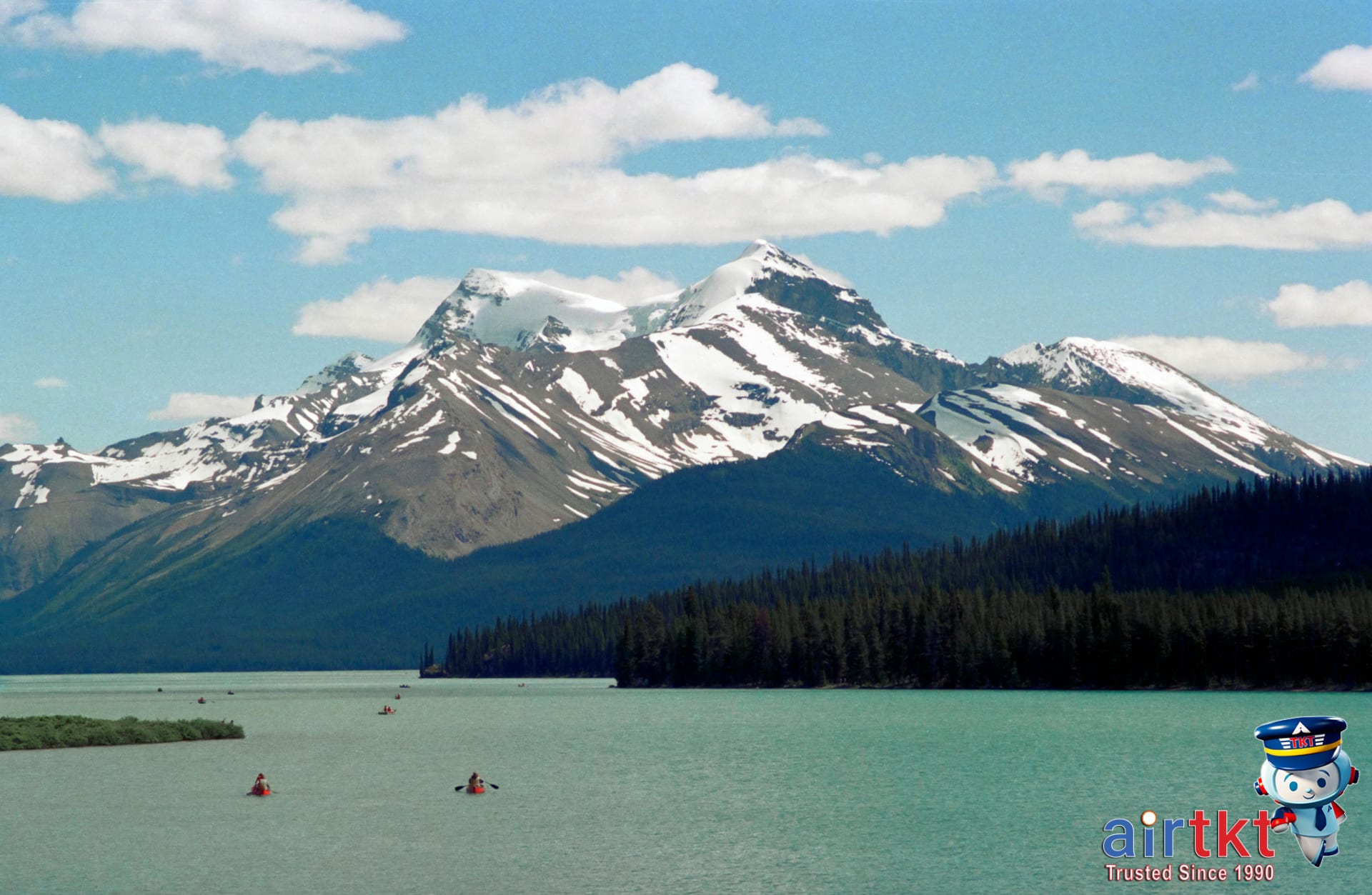
Jasper National Park’s natural wonders easily fill even the busiest itinerary. Maligne Lake is the star attraction for good reason. Its turquoise water stretches out beneath rugged, forested peaks, making it a paradise for paddlers. Canoeing here isn’t just scenic—it’s peaceful. You can glide out toward iconic Spirit Island and leave crowds behind entirely. If you’re up for something active, several hikes skirt the shoreline with regular stops for mountain views.
Not far from the lake, Athabasca Falls thunders through a narrow canyon. While the falls aren’t the tallest in the Rockies, their sheer power is mesmerizing. Walk the safe, well-marked paths for different perspectives, and have your camera ready for the swirling blue water and dramatic rock formations.
Jasper is also a hotspot for spotting wildlife—elk, bighorn sheep, and black bears are commonly seen near the roads and trails. Always keep a respectful distance and never approach or feed animals, both for your safety and theirs. On one trip, I paused along the Path of the Glacier trail and watched a herd of mountain goats nimbly navigate the rocky slopes—honestly, it never gets old.
If you’re building your itinerary, I’d check out some more detailed Jasper National Park travel guides for day-by-day planning. There’s a lot to fit in, but a little prep helps you make the most of these popular spots.
Top Hiking Trails in Canadian Rockies

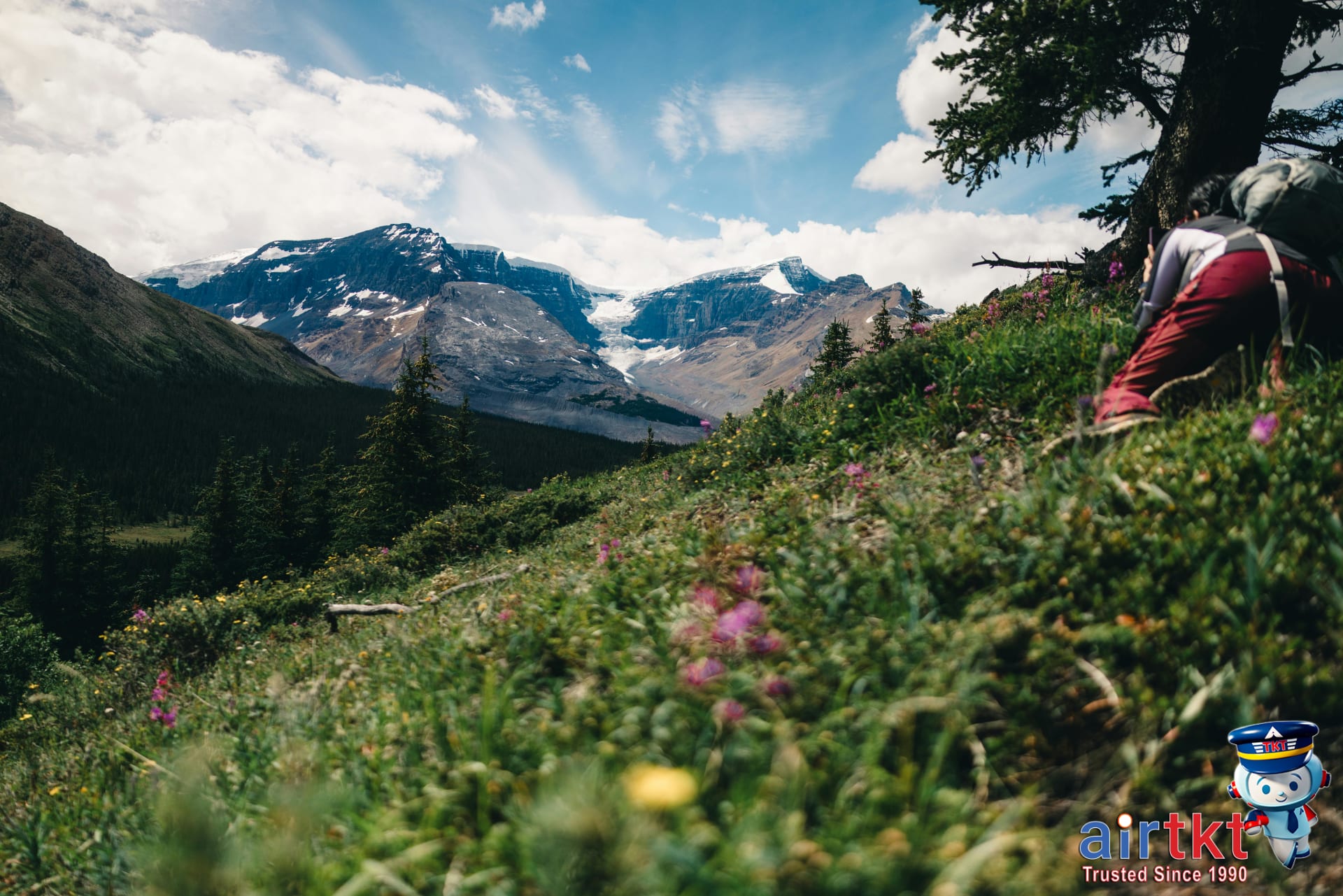
The Canadian Rockies are packed with unforgettable hiking trails—some famous, others blissfully uncrowded. If you have time for only a few epic hikes, put the Plain of Six Glaciers, Sulphur Skyline, and trails along the Icefields Parkway high on your list. Each offers a different flavor of wilderness, but all deliver those dramatic, sweeping mountain vistas the Rockies are known for.
Plain of Six Glaciers Trail
This classic Banff hike stretches about 8.0 miles round trip with moderate elevation gain. The route starts from the celebrated Lake Louise shoreline and winds deep into glacier country. I remember feeling the air cool dramatically as I approached the historic teahouse, my legs protesting on the final switchbacks. But the reward—views of hanging glaciers and thunderous avalanches echoing off rock faces—made every step worth it. This is bear country, so stay alert and never hike solo.
Sulphur Skyline Trek
For hikers craving a challenge, the Sulphur Skyline in Jasper National Park is a must. It’s a roughly 5.5-mile out-and-back, steadily climbing above the tree line to a 6,814-foot summit. The sweeping summit panorama makes the steep climbs and rocky footing feel worth the effort. I underestimated the wind chill up there, a lesson in always bringing layers, even on seemingly sunny days.
Icefields Parkway Adventures
Along the iconic Icefields Parkway (Highway 93), trail options cater to every fitness level. Short routes like Parker Ridge bring you close to blue-white glaciers within 2 hours, while longer adventures like Wilcox Pass offer striking views of the Columbia Icefield. I usually check current trail reports before setting out; conditions can shift quickly with weather or wildlife activity. If you need guidance on what to bring, our hiking packing guide can help you prepare for these varied terrains.
Wildlife encounters are a serious part of hiking in the Rockies, and it’s essential to know the rules for each area—some may require hiking in groups or even temporary trail closures for bears. I’ve realized that carrying bear spray isn’t just smart; it’s a non-negotiable piece of gear here, alongside respecting all trail signage.
Lake Louise Iconic Scenery and Activities

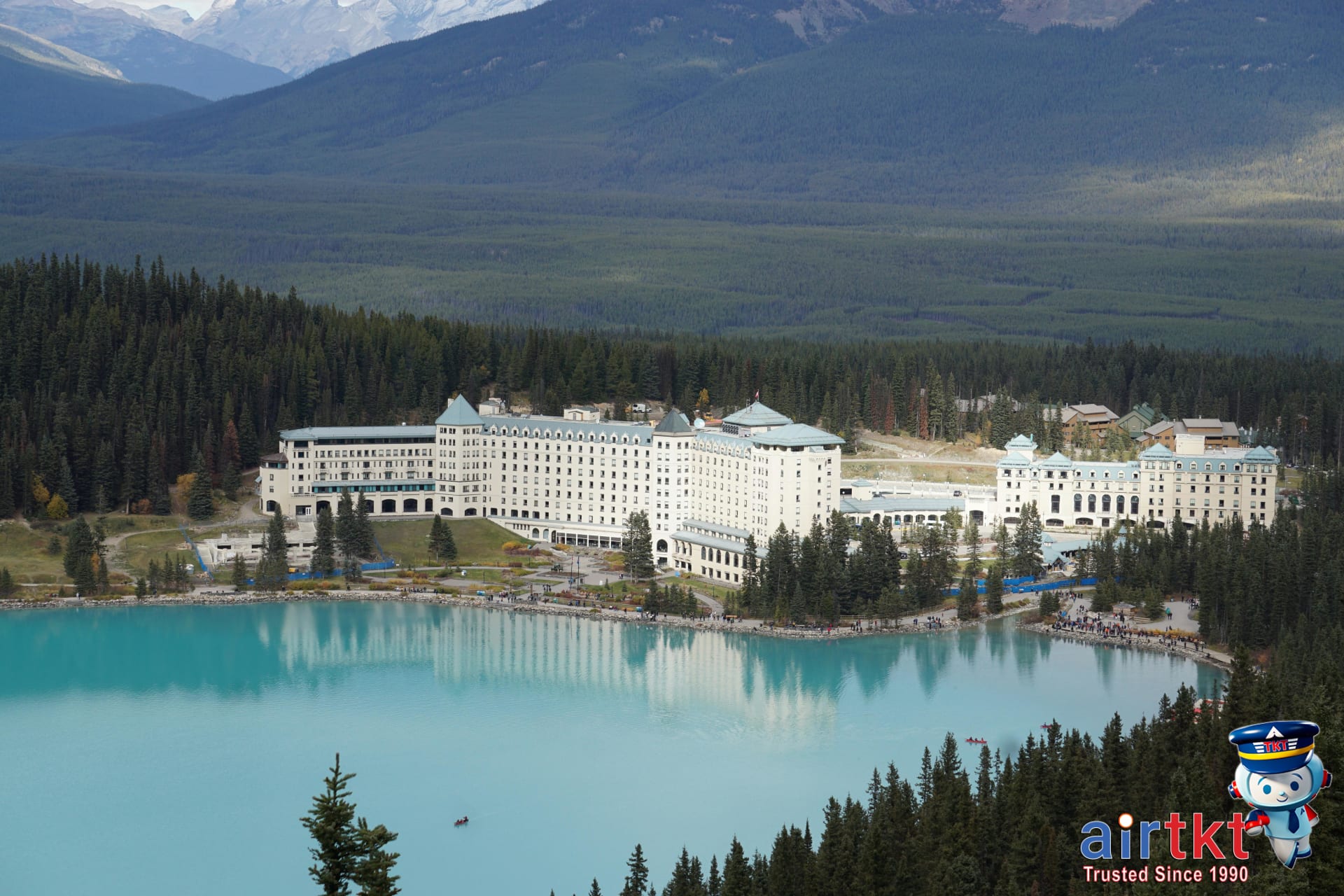
Lake Louise is every bit as stunning in real life as it appears in postcards. Its glassy, turquoise surface perfectly mirrors the surrounding peaks and pine-clad slopes, creating a scene that feels almost surreal. I genuinely felt a sense of calm just sitting along the shore, watching the sunrise reflect off the lake and light up the Fairmont Chateau’s historic facade.
The Fairmont Chateau Lake Louise isn’t just a luxurious place to stay; it’s a destination in itself. Perched on the lakeshore, the Chateau offers amenities like lakeside dining, an inviting spa, and panoramic lounge views—all with one of the world’s most photographed landscapes just outside your window. Even if you’re not staying overnight, it’s worth stopping in for afternoon tea or a warm drink after a long mountain hike.
If you love the outdoors, Lake Louise is a starting point for memorable adventures. Some of my favorite moments were hiking the Lake Agnes Trail—an accessible path that opens up to excellent views—or renting a canoe to paddle out and experience the blue-green water up close. During summer and fall, these trails are especially popular, and you’ll find plenty of fellow travelers enjoying the wildflower meadows and alpine air.
Lodging near Lake Louise fills up fast, especially during peak hiking season. I usually check airtkt.com for some of the better accommodation deals before I firm up plans. Whether you’re booking at the Chateau, a cozy inn, or a mountain lodge, a bit of advance planning goes a long way here.
Essential Travel Tips For Rockies Visits
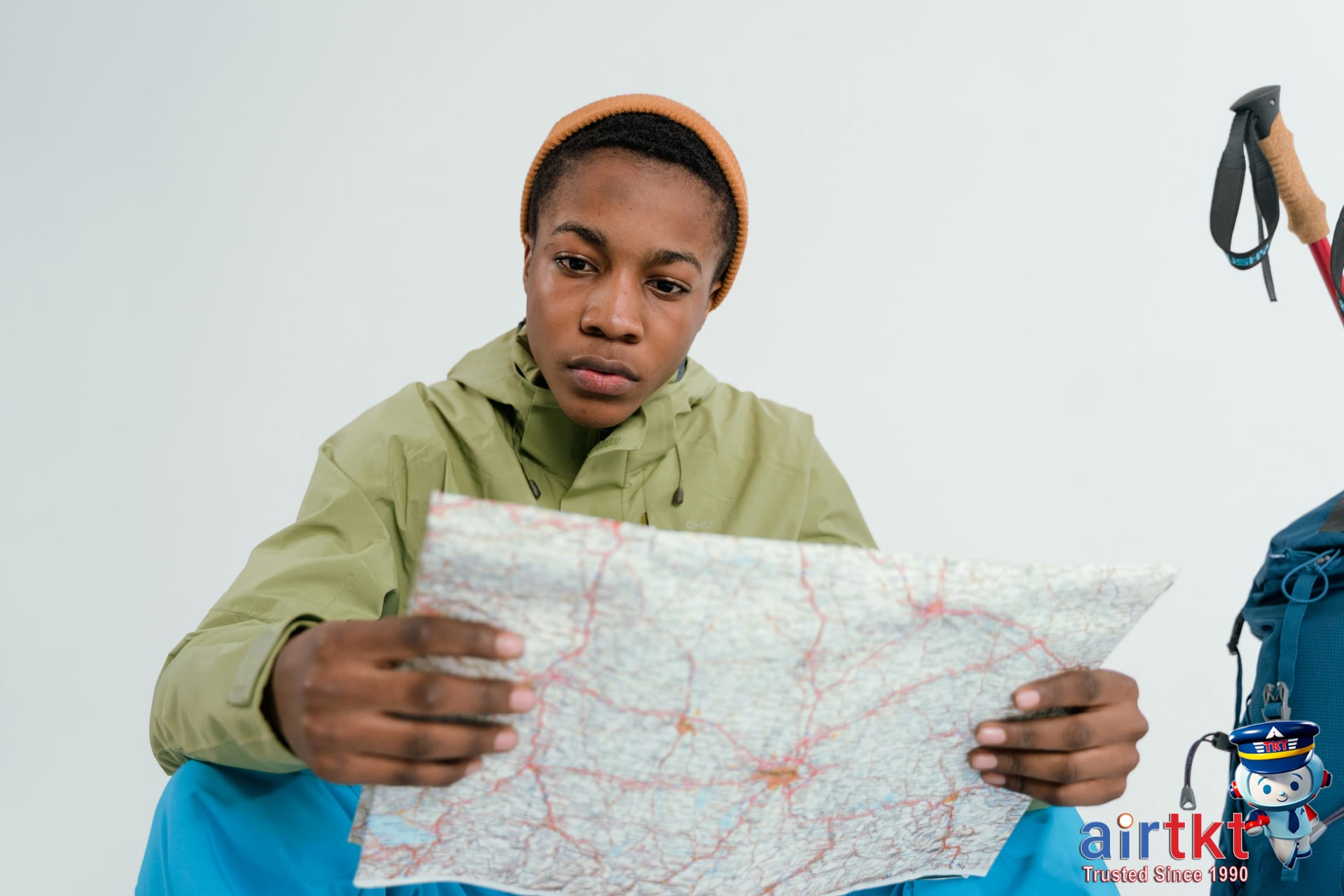
To enjoy the Canadian Rockies comfortably, packing with intention is key. I always recommend opting for layers—temperatures here swing dramatically, even on summer days. You’ll want moisture-wicking shirts, a durable midlayer, and a waterproof shell. Sun protection matters too: high-altitude sun can burn fast, so stow a wide-brim hat, sunglasses, and plenty of SPF. Essential extras include a small first-aid kit, reusable water bottle, and sturdy hiking boots.
Wildlife encounters are part of the Rockies’ appeal, but they do require smart precautions. Never approach animals—give all wildlife, especially bears and elk, a wide berth. Even well-trafficked trails can be surprisingly isolated: stick with marked paths, let someone know your route, and carry bear spray if you’ll trek into backcountry areas. Storms can roll in quickly, so check weather updates before setting out and be ready to turn back if conditions change.
Getting around the Rockies presents choices: renting a car is the easiest way to cover ground at your pace, but shuttles link many towns and major trailheads if you’d prefer less driving. Guided tours can be a good option for those who want local insight without worrying about logistics. I’d weigh all three options, especially if you’re coordinating with a group, or looking to maximize your time between parks and attractions.
Personally, I find that creating a simple trip plan—complete with a packing checklist and daily outline—has saved me plenty of frustration, especially when the region’s unpredictable weather or limited supplies at remote stores comes into play. If you want a printable guide, check out our packing checklist for a ready-to-use list.
How to Get Around the Canadian Rockies
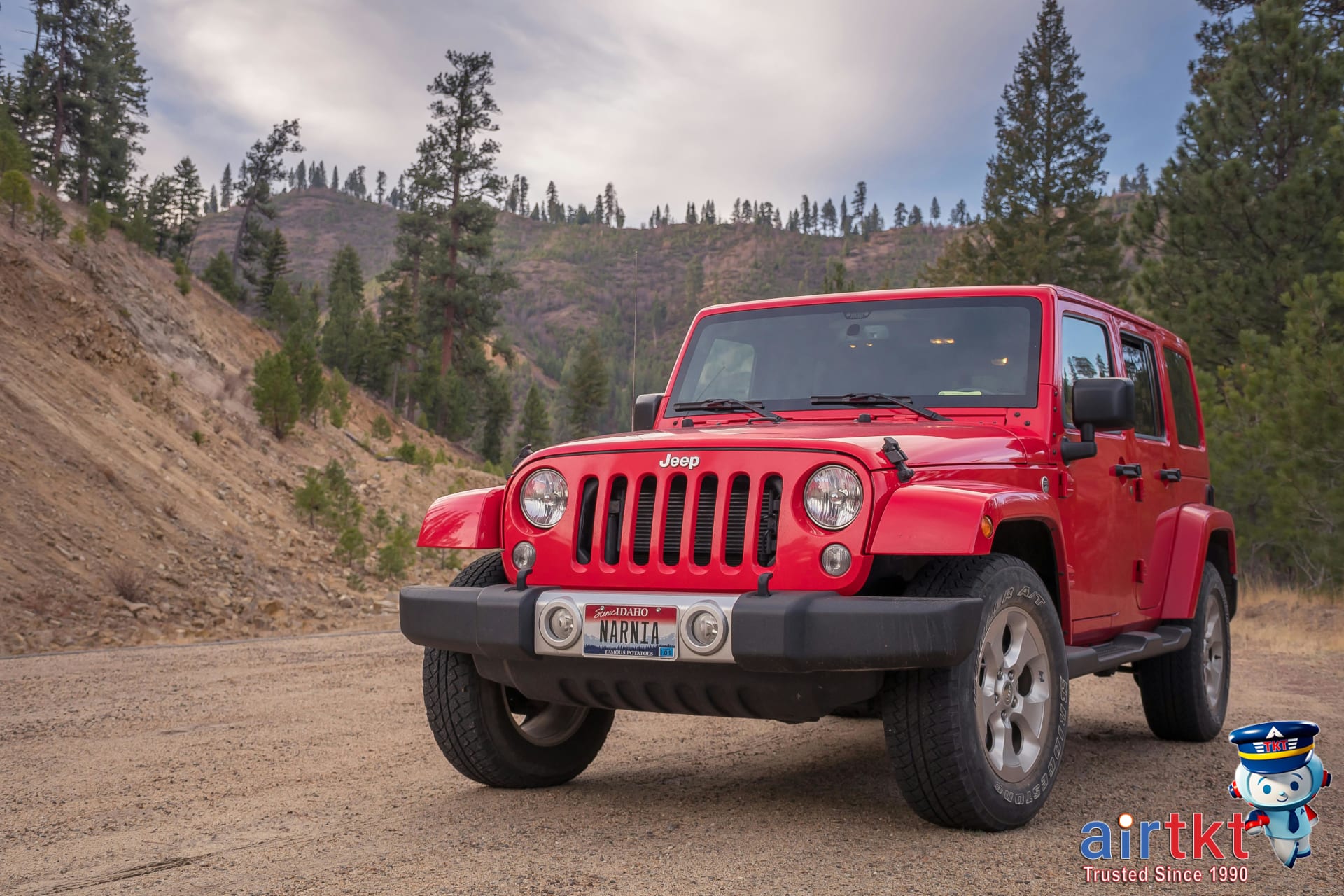
Getting around the Canadian Rockies isn’t complicated, but your experience can vary quite a bit depending on your transport choice. Rental cars are hands-down the most flexible way to explore—letting you make spontaneous stops at waterfalls, lakes, and sleepy roadside diners. I’ve rented in this region before, and having my own set of wheels to drive the Icefields Parkway gave me the freedom to pull over anywhere, whether it was for a quick hike or just to stare at the dramatic peaks. The catch: mountain driving comes with narrow shoulders, the odd gravel stretch, and sometimes dicey weather. I quickly realized that vehicles with higher ground clearance are much better suited for those stretches where pavement turns to potholes near trailheads or access roads.
Rentals, Shuttles, or Guided Tours?
If you want pure independence or are eying lesser-known spots outside Banff or Jasper, a rental car is usually best. Still, keep in mind the need to reserve early in peak summer. Shuttle buses run regular routes between major hubs like Calgary, Banff, Lake Louise, and Jasper. They’re dependable for popular sights but don’t offer stop-on-a-whim flexibility. For those not keen on mountain driving or aiming for a stress-free schedule, there are plenty of guided tours—these often include knowledgeable commentary, but you’ll lose the option to linger or wander off-trail.
What Driving in the Rockies Feels Like
On my last drive up the Icefields Parkway, the scenery was stunning, but I did hit some stretches after rain where the road was slick, and loose gravel surprised me near certain trailheads. Passing slower vehicles or wildlife could feel intimidating when the road twisted sharply. Give yourself extra time, especially if you’re not familiar with alpine driving. I’d compare both a day behind the wheel and a guided tour—it really depends how much you want to explore at your own pace versus sitting back and letting someone else do the driving.
If you want more help picking the right wheels, check out our airtkt.com transportation tips for the Canadian Rockies.
Seasonal Activities and Best Times Visit
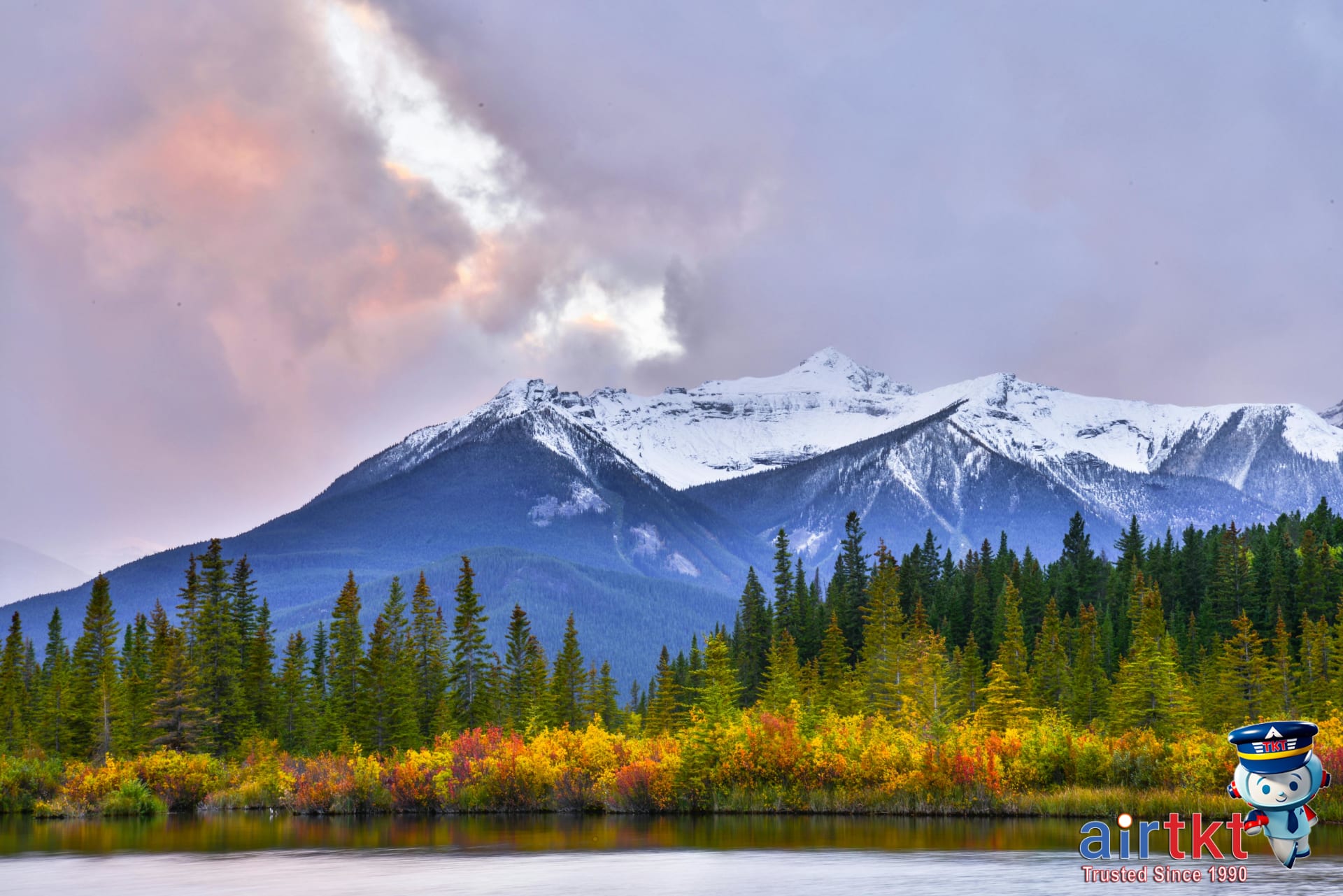
Canada’s changing seasons offer an entirely different experience each time you visit. In summer, the national parks burst to life—think endless alpine trails, vibrant wildflowers, and crisp lakes perfect for paddling. Hiking in Banff or Jasper during July and August is a highlight for many. Fall transforms the landscape almost overnight as fiery reds, oranges, and yellows take over valleys and hillsides; personally, I love fall for its dramatic light and quieter trails, especially when I’m looking for incredible photography spots without the peak visitor crowds.
Winter unlocks a new world: ski season kicks off in places like Whistler and the Laurentians, with powdery slopes and festive village vibes. If you’re a snow lover, January and February are prime for both skiing and winter festivals. Spring brings a peaceful reset—wildlife spotting starts to pick up as bears emerge and birds migrate, though paths can still be muddy in the Rockies. I usually recommend consulting detailed seasonal activities guides you’ll find elsewhere on this blog if you’re planning around specific adventures or events.
One thing that’s easy to miss: Canadian holiday weekends (like Victoria Day or Thanksgiving) can draw big local crowds to top parks and towns. If you have flexibility, I’d aim to visit midweek or just after those public holidays end. That’s when you’ll get a little extra tranquility—something I always appreciate when I’m trying to capture landscapes or simply enjoy the trails in peace.
Wildlife Watching in the Rockies

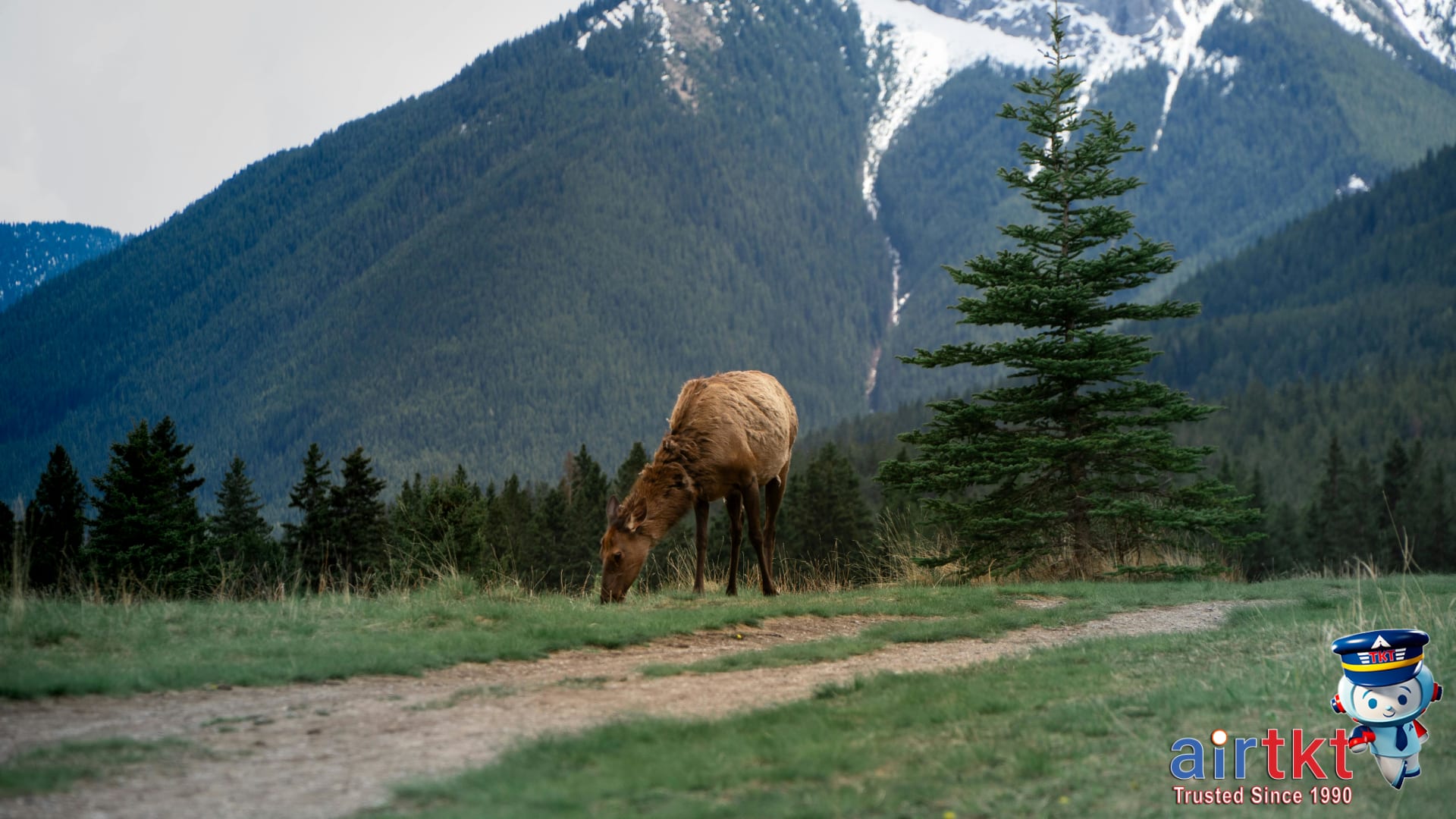
The Rockies are a fantastic place to encounter wildlife, especially if you want to see animals like elk, black bears, deer, and a huge variety of birds in their natural habitat. Spotting elk grazing in open meadows or hearing the distant bugle of a bull in the early morning is a classic Rockies experience. Deer often appear along forest edges, while black bears might be glimpsed from a distance along streams or berry patches. Bird watchers can look for everything from soaring eagles to colorful mountain bluebirds on the trails.
If you’re hoping for great wildlife sightings, the best approach is always respectful observation. By keeping a safe distance—especially with larger or potentially dangerous animals like bears or elk—you help protect the animals and yourself. I once watched a small group of elk cross a quiet valley at sunrise: by staying on the trail and using my binoculars, I enjoyed the moment without disturbing them. Keeping quiet and staying put really does make a difference in how relaxed wildlife remains. According to most airtkt.com wildlife safety resources, giving animals at least 100 yards of space (or more for predators) is suggested to avoid altering their behavior or putting yourself at risk.
Ethical wildlife watching also means never feeding animals and packing out all waste, including food scraps. Human food can make animals reliant and increase conflict, so sticking to park guidelines is key. Besides, one of the biggest thrills of the Rockies is seeing animals act completely natural—feeding, resting, or moving through the landscape undisturbed.
Budget Planning for Rockies Travel

Budgeting for a Rockies adventure takes a bit of upfront time, but it can make or break the experience. Breaking down your trip into clear spending categories—accommodation, food, transport, and activities—helps you prioritize what matters most and avoid unexpected expenses. I’ve learned that a little planning here saves a lot of stress once you’re deep in the mountains. Below, I’ve mapped out what you can expect to spend depending on whether you opt for a budget, mid-range, or luxury approach.
| Budget | Mid-range | Luxury | |
|---|---|---|---|
| Accommodation | $40.00 | $120.00 | $350.00 |
| Food | $20.00 | $45.00 | $120.00 |
| Transport | $15.00 | $45.00 | $150.00 |
| Activities | $10.00 | $40.00 | $150.00 |
Choosing hostels, packing snacks, and focusing on free hikes can keep your daily costs around the budget level shown above. If you’re craving a few more comforts—maybe a cozy lodge and dinner out after a long day on the trail—the mid-range tier is realistic. Going luxury often means splurging on boutique hotels, guided experiences, and fine dining. I’d suggest deciding early which tier suits your travel goals, then tracking your actual expenses versus your plan as you go.
When I traveled through the Rockies last summer, my biggest savings came from booking my flights well in advance through airtkt.com. That freed up extra funds for activities and the occasional nice meal, without feeling pinched on the essentials. It’s a practical trick I always come back to for major trips.
If you’re looking for more practical budgeting tips, take a look at our other airtkt.com budget travel features before you finalize your plans.
Canadian Rockies Travel FAQs
- What is the best time to visit the Canadian Rockies?
Most travelers aim for late June through early September for clear hiking trails, mild weather, and accessible lakes. I’ve found the shoulder season in late September is quieter, though some amenities close and higher trails may see early snow, so check forecasts before finalizing your trip plans.
- How do I access national parks in the Canadian Rockies?
You’ll need a Parks Canada pass for entry to popular spots like Banff or Jasper. Passes are available online or at park gates, and fees typically cover your vehicle as well as everyone inside. Plan for lines at main entrances during peak summer afternoons since this is a busy time for arrivals.
- Which hiking trails are suitable for beginners?
For new hikers, places like the Lake Louise Lakeshore, Johnston Canyon, and Valley of the Five Lakes offer scenic walks with minimal elevation change. Each trail is well-marked and frequently traveled, making them ideal for those who want memorable views without committing to strenuous climbs or long treks.
- What wildlife can I see in the Canadian Rockies?
Common wildlife sightings include elk, bighorn sheep, deer, and occasionally bears—especially near water sources or meadows. If you’re hoping for a glimpse, early mornings or late evenings are best. Keep a safe distance, don’t approach, and store all food securely, as animals are very active in spring and early fall.
- How can I get around the Canadian Rockies without a car?
Shuttles operate between major towns, and some parks offer seasonal bus service to trailheads. Guided tours are an option if you’d rather not drive. For longer stays, renting a bike or using local transit in towns like Banff can fill transportation gaps where scheduled bus service is limited or infrequent.
- Are the Canadian Rockies accessible year-round?
Main highways remain open year-round, but certain attractions and roads—such as the Icefields Parkway or Moraine Lake access—may close from autumn to late spring due to snow. Winter visits focus on skiing, snowshoeing, and scenery, while summer brings open trails and more visitor services across the region.
- What should I pack for variable weather in the Canadian Rockies?
Bring layers, including a rain jacket, warm sweater, lightweight base layer, and sturdy hiking shoes. Weather shifts fast, and even in July, mornings can be chilly at higher elevations. I always pack a small backpack with water, snacks, and a hat for sun or sudden chill during day hikes in the Rockies.
Final Thoughts on Exploring Rockies
The Canadian Rockies are truly a place where adventure and serenity go hand in hand. Whether you find yourself gazing out over sparkling glacier-fed lakes, testing your stamina on iconic hiking trails, or spotting wildlife around a quiet bend, each moment is a reminder of nature’s scale and beauty. I always recommend this region because every visit has left me recharged and inspired—there’s something about these rugged peaks and their calm, wild spaces that lingers long after you’ve returned home.
Beyond classic spots like Lake Louise and Banff, don’t be afraid to venture off the main tourist routes. Just a short drive can reveal hidden valleys, lesser-known hikes, or even a trailhead that ends in wildflower meadows instead of crowds. Curiosity is often your best guide here, and from my experience, a flexible mindset leads to the most memorable discoveries.
As you plan, remember that weather in the Rockies can change in an instant. I’ve learned to pack layers and keep rain gear handy, even on clear blue mornings. For those wanting to go deeper or prep better, check out our guide on choosing outdoor gear for the Rockies or browse neighboring destinations like Jasper or Yoho to extend your journey.