

Introduction to Tuscany Travel
Tuscany’s landscape reads like a storybook: sun-drenched rolling vineyards, medieval hilltop villages, and sprawling olive groves set against the backdrop of Renaissance art and architecture. Florence’s imposing Duomo and priceless galleries sit alongside quieter towns where centuries-old traditions shape daily life. This region melds natural beauty with cultural richness, making every corner a chance to explore history, taste world-class wine, or take in panoramic views along scenic drives.
You’ll find this guide walks through Tuscany’s standout towns, road trip routes, plus outdoor adventures like hiking and cycling across the Val d’Orcia or Chianti hills. Food lovers will get tips on trattorias and markets, while practical advice covers lodging—from agriturismos to luxury hotels—and transport options. Seasonal considerations and sample itineraries help make your plans realistic and rewarding.
Planning your trip starts with sorting flights, hotels, and car rentals efficiently—something I track closely through airtkt.com for the best deals and routes. Stick around for insider details that make Tuscany more than a destination, but a journey you’ll want to revisit.

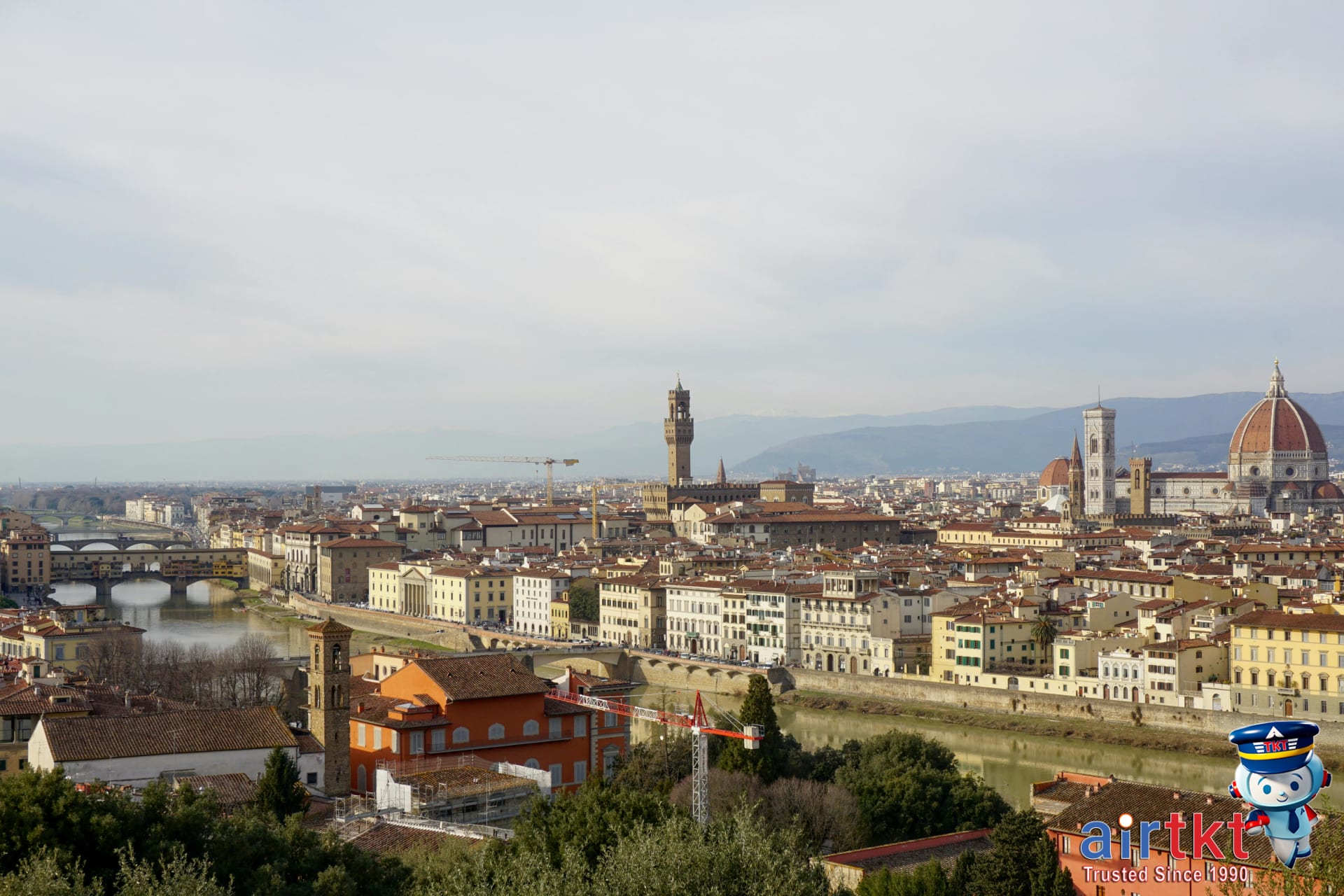
Must-Visit Towns and Villages in Tuscany
Florence demands at least 2 to 3 full days. The Renaissance art alone could fill weeks, but key stops include the Uffizi Gallery, the Duomo’s terracotta dome, and Ponte Vecchio’s jewelry shops. Strolling the historic center reveals sculpted façades and bustling piazzas where espresso and gelato fuel your exploration.
Siena, roughly an hour south of Florence, feels like stepping into a medieval painting. Spend a full day wandering the fan-shaped Piazza del Campo, home to the famous Palio horse race. Don’t miss the Siena Cathedral’s intricate black-and-white striped facade and its Piccolomini Library’s frescoes.
An hour west, Pisa calls for a half-day focused mostly on the Piazza dei Miracoli. The Leaning Tower remains the classic photo subject, but the less-crowded Baptistry and Camposanto Monumentale offer quieter moments. Arrive early morning to avoid the crowds flooding in by late morning.
Lucca, with its intact Renaissance walls, rewards visitors who dedicate a half to a full day. Rent a bike or walk atop the thick walls for panoramic views of terracotta rooftops and distant hills. Inside town, explore quaint piazzas like Piazza dell’Anfiteatro, built on an ancient Roman amphitheater’s ruins.
Smaller gems bring unique flavor. San Gimignano, an hour southwest of Florence, stands out for its skyline of medieval towers. Spend half a day here, timing your visit for late afternoon when the light softens for photos from the Rocca di Montestaffoli. Its gelato shop, Gelateria Dondoli, won the 2016 World Gelato Champion—a must-try.
Volterra, near San Gimignano, offers Etruscan history mixed with charming cobblestone streets. A half-day is sufficient to explore the Roman theater, the Alabaster workshops, and sample local cuisine in trattorias overlooking Val di Cecina.
Montepulciano, another wine town south of Siena, pairs history with tasting experiences. Allocate half a day to tour Renaissance palaces and sip Vino Nobile di Montepulciano at cellar doors. The Piazza Grande and the views over the Tuscan countryside perfectly balance culture and laid-back wine country vibes.
I’ve pulled together a detailed map with these spots marked and suggested visit durations to help plan efficient routes. When booking flights or hotels near Florence or Pisa, use airtkt.com to check real-time prices and grab last-minute deals that might pop up just days before your trip.
Scenic Drives and Routes in Tuscany
Tuscany’s diverse landscapes reward drivers with unforgettable views—rolling vineyards, golden hills, and dramatic coastlines. The Chianti Route winds through lush vineyards between Florence and Siena, offering postcard-perfect stops at wineries like Castello di Ama and Fattoria di Felsina. Expect narrow, winding roads paved but occasionally tight, so cautious driving pays off. Parking near popular wineries often requires arriving early; spots fill fast by late morning.
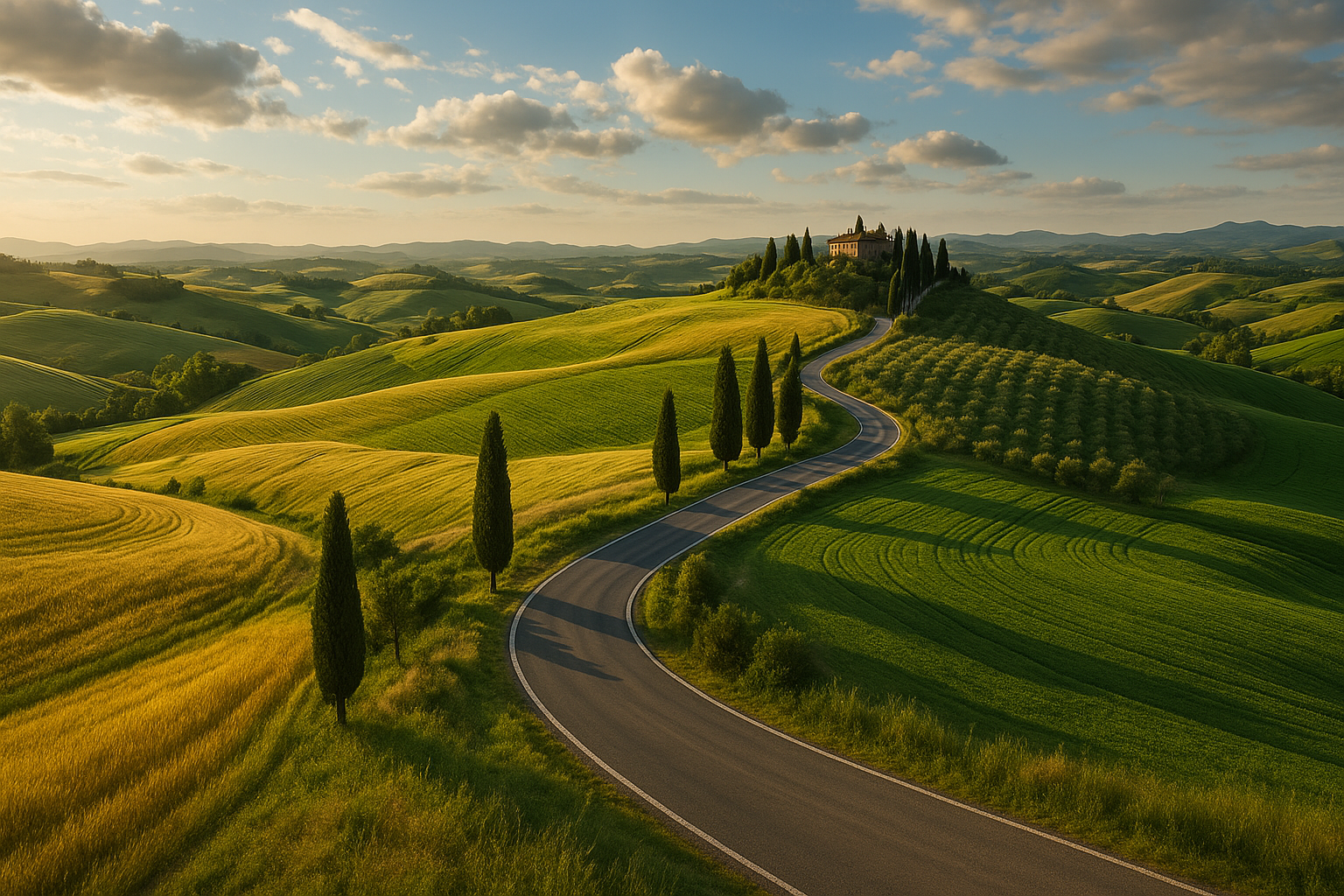
The Val d’Orcia route, stretching through towns like Pienza and Montalcino, showcases soft, dreamy hillscapes that digital nomads and photographers chase at dawn. Early morning drives highlight warm light over cypress-lined roads, creating that iconic Tuscan photo everyone wants. Roads here are generally well-maintained but can be narrow, especially on hilltops. Rural parking is limited but usually available near local trattorias and landmarks.
The Etruscan Coast offers a different beat with seaside cliffs and beaches from Piombino down to Castiglione della Pescaia. Coastal stretches are straightforward to drive, but watch for crowded parking in peak summer, July and August specifically. Late afternoon drives into town lead to sunset views over the Tyrrhenian Sea, a refreshing complement to inland trips.
Not driving? Public transport runs between major towns, though connections can be sparse in rural zones. For example, regional buses link Siena, Montepulciano, and Pienza but may run only a few times daily. Renting a car remains the best way to dive deep into Tuscany’s off-the-beaten paths.
Timing matters. Avoid rush hour in Florence (7:30–9:30 a.m., 5–7 p.m.) and opt for early mornings to enjoy peaceful roads and soft light. For a one-day itinerary, Erik Hansen, a graphic designer from Copenhagen, drove the Chianti loop in April 2025, hitting five wineries and sampling Chianti Classico for $32 per tasting. Parking averaged €5 per stop, but early starts helped avoid crowds.
Exploring Tuscany by car transforms your trip into a flexible, immersive experience. I track car rental deals through airtkt.com to catch lower prices weeks ahead—helpful when planning early-morning starts on these scenic routes.

Outdoor Activities: Hiking and Biking in Tuscany
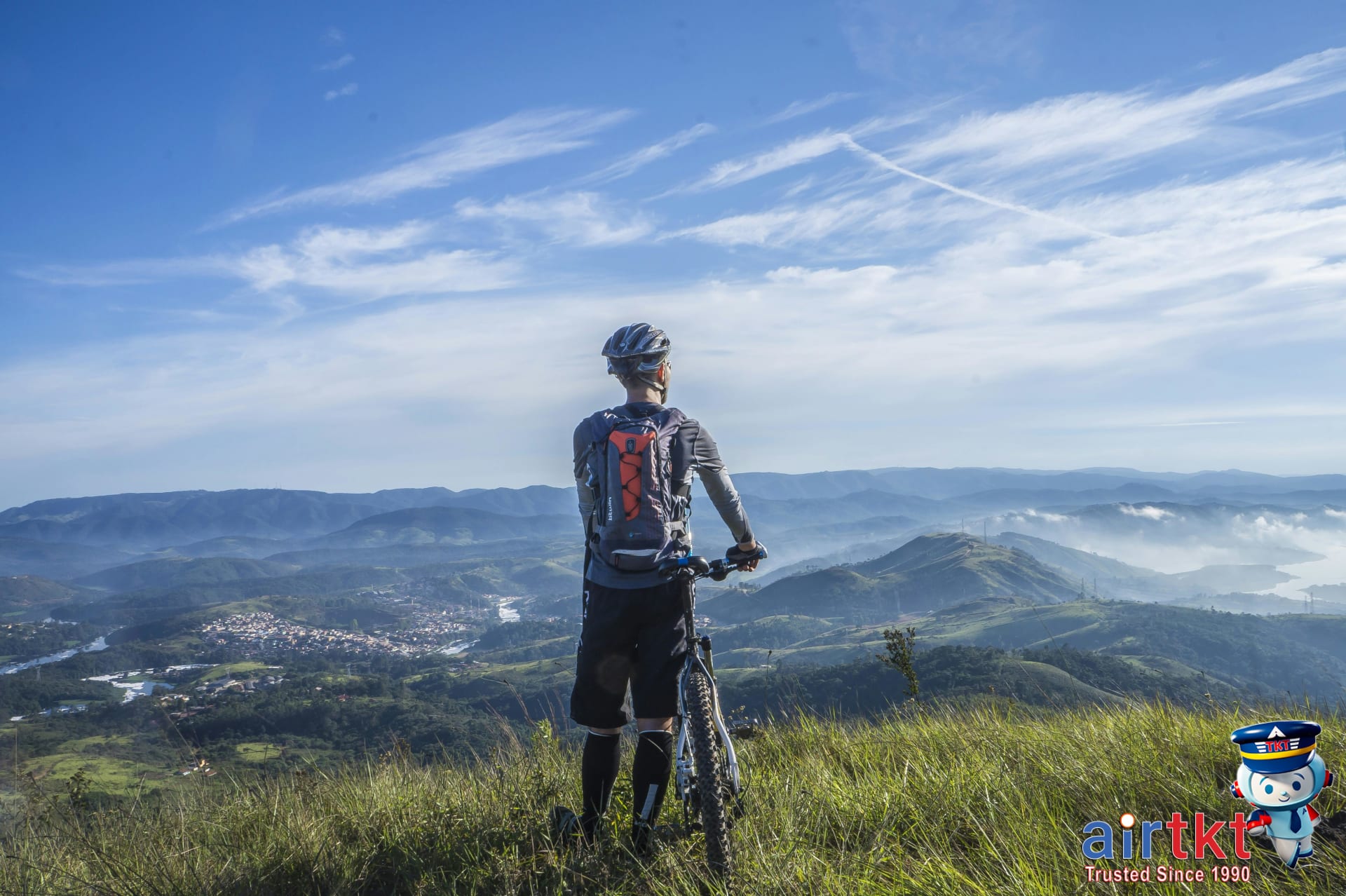
Hiking and biking through Tuscany present hands-on ways to absorb its rolling hills, vineyards, and stunning views. The Florence to Fiesole trek is a favorite for easy access combined with rewarding sights. This 5-mile trail starts at Florence’s historic center and climbs gently to Fiesole, offering panoramic views of the cityscape and Arno River below. Most hikers take about 2 to 2.5 hours one way on well-maintained paths with a mix of paved and dirt surfaces.
Another serene option is the Sentiero della Bonifica, a 12-mile flat trail weaving through marshes and farmland near Pisa. Suitable for easy to moderate fitness levels, it takes roughly 4 hours to walk. The trail’s peaceful setting contrasts the busier hill routes, making it ideal for spotting wildlife and enjoying quiet countryside moments.
Cyclists find plenty to explore through Chianti’s hills and vineyard-lined roads. One popular route is the 20-mile ride from Greve in Chianti to Panzano. It includes moderate climbs on asphalt and gravel, winding through olive groves and reds-soaked vines. This ride typically takes 3 to 4 hours depending on pace. For those wanting less challenge, flatter circuits around San Casciano cover roughly 10 miles with mostly paved roads.
Safety on these routes is key. Sturdy shoes or trail-specific cycling shoes help on varied terrain, whether rocky footpaths or vineyard lanes. Always pack at least 1.5 liters of water, a sunhat or sunscreen, and layered clothing for changing weather. Riding or hiking early morning or late afternoon avoids midday heat and crowds.
Choosing between guided tours and solo adventures depends on your experience and preferences. Guided hikes through Florence to Fiesole with local experts usually last 3 hours and include historical insights along with picking up fresh food at artisan spots—rates start at €40 per person in spring 2026. Solo trekking or cycling remains popular for flexibility but requires good navigational preparation. I track special route alerts and guide offerings through airtkt.com before trips to compare options and rates efficiently.

Local Cuisine and Wine Culture of Tuscany
Tuscany’s culinary scene is a straightforward celebration of high-quality ingredients and time-honored recipes. Ribollita, a thick, rustic soup combining day-old bread, cannellini beans, kale, and root vegetables, is a staple you’ll find at markets and trattorias throughout Florence and Siena. Don’t miss bistecca alla fiorentina, the region’s legendary T-bone steak grilled over charcoal, typically weighing around 2-3 pounds and best shared between two. Pici pasta, thick hand-rolled strands often dressed with garlic, breadcrumbs, or wild boar ragù, offers a textural departure from standard pasta choices.
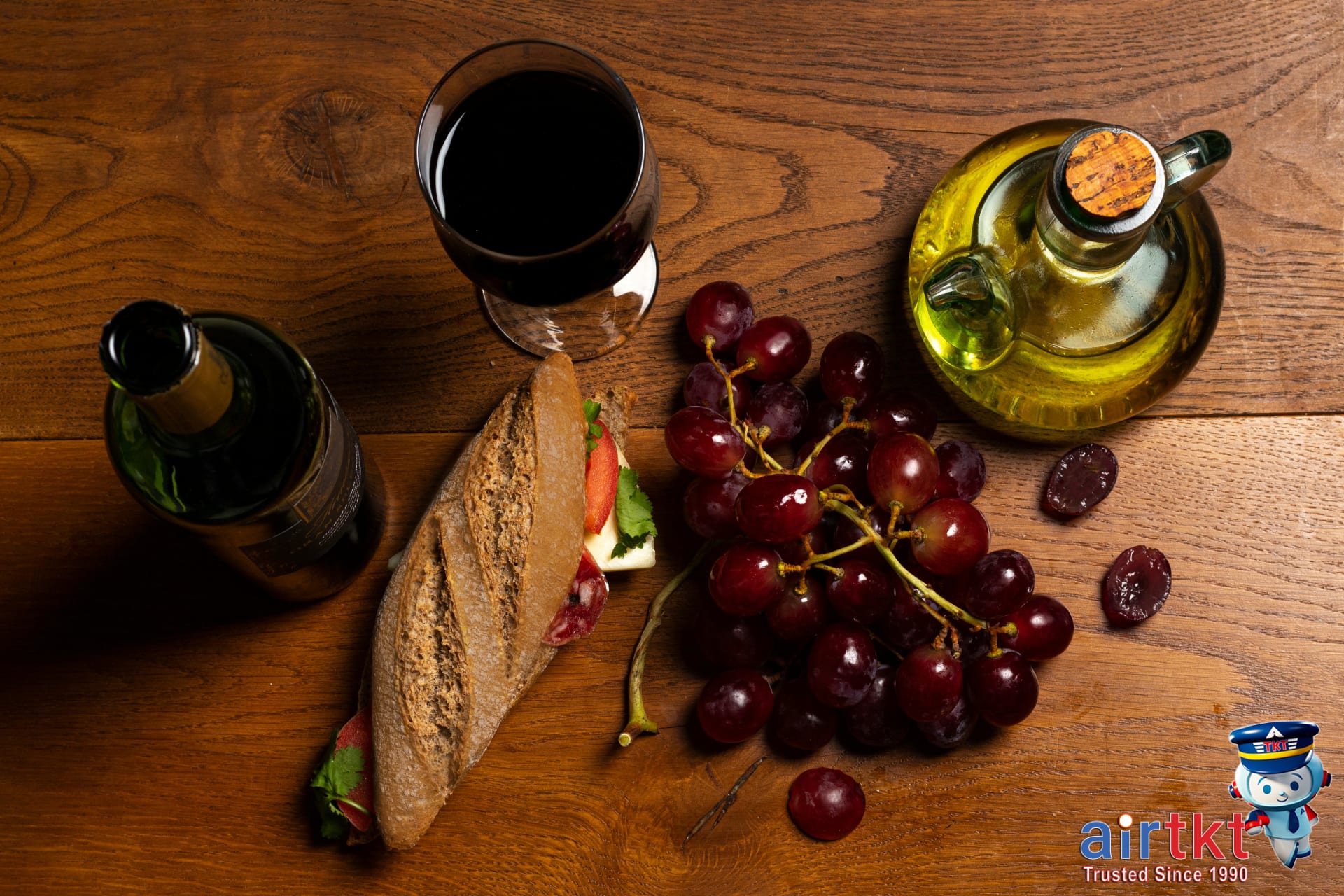
Chianti Classico defines Tuscan red wine, identifiable by the black rooster seal on the bottle neck. This Sangiovese-based wine balances acidity and tannins, pairing perfectly with hearty dishes like bistecca or slow-cooked game. Other gems include Brunello di Montalcino and Vino Nobile di Montepulciano, richer reds favored by connoisseurs seeking age-worthy bottles. Enzo Rossi, a sommelier from Florence, recently noted on a winery blog that the 2019 Chianti Classico Riserva showed “remarkable depth and a peppery finish,” ideal for the cooler months.
Visit Florence’s Mercato Centrale for an immersive food experience. This two-level market boasts fresh porcini mushrooms, artisanal cheeses, and house-cured meats perfect for spontaneous picnics. In Siena, Apostoli Market remains under-the-radar but delivers exceptional quality produce and seasonal truffles. For authentic dining, Il Latini in Florence offers family-style Tuscan fare without pretense, while Trattoria La Torre in San Gimignano, frequented by food bloggers like Claire Ninon (NYC-based foodie, February 2026), is praised for its pici and local Vernaccia white wine selections.
Dining customs here are slower and social. Expect multiple courses, with antipasti followed by primi (pasta or soup), secondi (meat or fish), and dolce. A glass of wine commonly accompanies every plate, aiming to complement rather than overpower. For instance, robust Chianti suits grilled meats, while lighter Vernaccia di San Gimignano pairs with fish and lighter antipasti.
Winery visits provide a tangible way to understand Tuscan wine culture. Castello di Ama near Gaiole in Chianti offers tours from Monday to Saturday with tastings of their 2018 Chianti Classico for €30 per person, reservable online up to 60 days in advance. Tenuta San Guido, maker of the iconic Sassicaia, offers private tastings by appointment only—book early, especially for spring and fall visits.
From market stalls to vineyards, Tuscany offers a rich tasting journey rooted in tradition and quality. I track seasonal wine promos and local food festivals on airtkt.com, which recently highlighted a March 2026 Chianti tasting weekend offering discounts up to 20% on some winery tours—definitely something to keep on your radar before booking flights.
Accommodation Options from Camping to Hotels
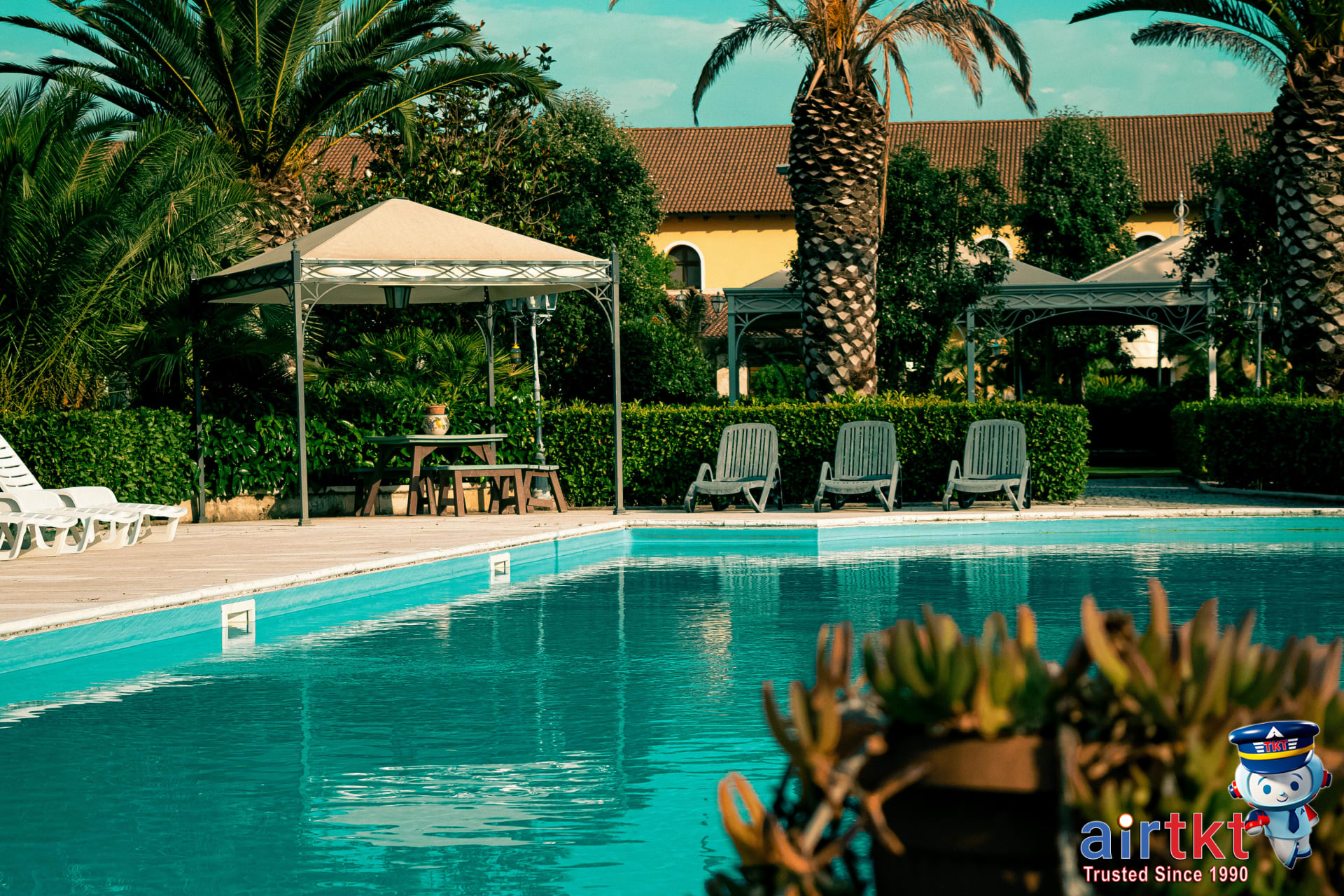
Tuscany’s lodging scene spans from budget-friendly campsites tucked inside national parks to plush luxury resorts near Siena and Florence. Campsites like Camping Le Pianacce within Parco delle Foreste Casentinesi cost around €25 per night for a tent pitch in May 2026, perfect for travelers wanting immersion in nature without splurging. Agriturismos—farm stays offering rustic charm—typically range from €80 to €180 per night, with places like Fattoria La Vialla near Arezzo booking up fast in summer.
Boutique hotels in cities such as Florence or Lucca start around €150 nightly in the shoulder seasons, jumping to €250+ in peak July and August. Luxury resorts, such as Castello di Casole, command €600 or more per night but provide amenities like spa access and Michelin-starred restaurants. Booking early makes a clear difference; a Florence boutique hotel stay reserved in January 2026 for a September trip cost €175 per night, compared to last-minute rates exceeding €300 posted on TripAdvisor.
Seasonal shifts are key. Rural agriturismos may close for renovation in winter months, while campsites rarely operate outside May to September. City hotels usually stay open year-round but expect limited availability during major events like Florence’s Pitti Uomo in January.
Choosing your stay depends on itinerary focus: city travelers benefit from booking boutique hotels in Florence or Siena for proximity to cultural sites. For countryside exploration—vineyard tours or hiking—the agriturismo experience doubles as a local insight spot. Campsites are ideal for adventurers planning multi-day treks or wineries on a budget.
I track deals for lodging through airtkt.com, which flagged the lower rates in February, giving me a four-star agriturismo near San Gimignano at €95 per night for June 2026—well below the average €140 going rate later that spring.
Getting Around Tuscany by Car and Public Transport
Renting a car in Tuscany offers unmatched freedom, especially for reaching off-the-beaten-path spots like San Gimignano or the Chianti vineyards. Driving lets you explore at your own pace without relying on fixed schedules. However, city centers like Florence, Siena, and Pisa have restricted traffic zones (ZTL) where unauthorized cars can incur fines upward of €100. Those areas are typically marked, but signage is in Italian, so be cautious. Parking is limited and often paid; Florence’s Parcheggio Santa Maria Novella costs €2 per hour with limited spaces.
Public transport connects major Tuscan cities efficiently. Trenitalia runs frequent trains between Florence, Pisa, Siena (via Empoli), and Lucca. The Florence-Pisa route takes about an hour, with tickets around €8 one way. Bus routes cover villages and smaller towns where trains don’t run; for example, the SITA buses link Siena to nearby hill towns like Monteriggioni. Taxis and ride-shares exist but can get pricey, averaging €25 for short city trips.
Airport transfers are streamlined. From Florence Peretola Airport, city buses (route Volainbus) drop you downtown in 20 minutes for €6. Pisa Galileo Galilei Airport offers a direct 50-minute train to Pisa’s city center at €4.20 or a shuttle bus for about €7. Off-peak flights might land early morning or late night, so check schedules carefully; some buses run less frequently in winter.
Seasonal adjustments affect public transit. In winter (November through February), some bus routes reduce frequency, and weekend service may be limited. Summer schedules ramp up, especially July–September, catering to tourist demand. Drivers should be aware that Italians drive aggressively compared to some other countries; rural roads can be narrow with sharp turns.
For travelers deciding between driving and public transit, it boils down to itinerary style. If you want to hit many towns quickly and avoid parking hassles, trains and buses paired with taxis work well. If your plan includes rural wineries, countryside villas, or flexible day trips, renting a car makes sense. I track transit changes and flight deals via airtkt.com to time bookings perfectly and avoid surprises on the ground.
Best Season to Visit Tuscany
Tuscany’s appeal shifts dramatically through the year, influenced by weather, crowds, and local events. Spring, from late March to May, offers mild temperatures averaging 55–68°F (13–20°C) and bursts of wildflowers across the rolling hills. Visitor numbers are moderate, making it ideal for exploring outdoor vineyards and historic villages without long lines or crowded trains.
Summer—June through August—is peak season. Expect highs near 86°F (30°C) with large crowds, especially in Florence and Siena. Outdoor dining and swimming pools are open, but traffic congestion and higher prices can be a downside. Anyone planning hiking or cycling should get an early start to avoid afternoon heat. Tuscany’s famous Palio horse race in Siena happens twice in July and August, drawing thousands.
For harvest lovers, September to October delivers both comfortable weather (60–75°F/16–24°C) and a vibrant local vibe. This is grape and olive harvest time, particularly mid-September. Towns like Montalcino and Chianti host wine festivals such as the Festa dell’Uva, offering authentic tasting experiences. Autumn’s colorful foliage creates perfect photo ops. Tourist numbers dip slightly compared to summer, allowing for a more relaxed pace.
Winter, from November to February, sees the fewest visitors. Temperatures average 42–53°F (6–12°C), and some rural accommodations close for the season. This period suits travelers seeking quiet countryside walks or cultural events like Florence’s Christmas markets and the Maggio Musicale Fiorentino opera festival starting in March. It’s less ideal for outdoor tours but offers the best hotel room rates and open access to museums without crowds.
Based on official data from Tuscany’s Tourism Board, visitor peaks coincide with July and August, while March and November register 40% fewer tourists. Weather records from the Italian Meteorological Service confirm spring and fall as the most comfortable for outdoor activities. Food-focused tours, like truffle hunts or winery visits, are timed best in autumn from mid-September through October.
Look, choosing your travel time depends on priorities: spring and fall blend good weather with manageable crowds and unique festivals; summer offers lively events but crowded conditions; winter means solitude and budget savings but fewer open attractions. For detailed fare and accommodation trends matched to seasonality, I track alerts and deals through airtkt.com, which often spots price dips before OTA sites reflect them.
Suggested 5-10 Day Itinerary Ideas in Tuscany
Five to ten days in Tuscany unlock distinct experiences depending on where you focus your energy. Here’s how to shape your trip around what matters most to your travel style, including suggested daily breakdowns and lodging tips.
Cultural City Focus: Florence, Siena, Pisa in 5 Days
Day 1-2: Base yourself in Florence’s historic center. Spend mornings at the Uffizi Gallery and Ponte Vecchio, afternoons wandering Boboli Gardens or climbing Giotto’s Campanile. Stay at Hotel Brunelleschi ($215/night in March 2026) for central access.
Day 3: Train to Siena (1.5 hours), explore Piazza del Campo and the Duomo. Book Palazzo Ravizza ($180/night) to stay near major sights.
Day 4: Day trip to Pisa (1 hour from Florence) to see the Leaning Tower and Camposanto Monumentale. Return to Florence in the evening.
Day 5: Free morning for Florence’s artisan markets and the Accademia. Flight departures usually work well in the afternoon.
Slow Countryside Route: Agriturismo Stays and Scenic Drives
5-7 days at two agriturismos give a deep unwind. Start near San Gimignano (Agriturismo Il Castagnolo, $140/night), explore hilltop villages and local farms. Weekdays: visit Saturday farmers markets in Poggibonsi or Colle di Val d’Elsa.
After 3 nights, drive to Chianti (approximately 1 hour) and check in at Fattoria La Vialla ($160/night). Spend days on easy drives to Radda, Castellina, and Greve, stopping at small wineries and trattorias. Pace this itinerary with leisure mornings and afternoon village strolls.
Wine and Food Immersion: Winery Tours and Cooking Classes
Allocate 5 days focused on tastings and local flavors. Start at Castello di Ama near Gaiole in Chianti for estate tours ($75 per tasting visit) and continue to Antinori nel Chianti Classico near Bargino for modern winery insights.
Mix in Florence market visits (Mercato Centrale) on Day 2 to buy fresh ingredients for a cooking class with Chef Laura (2.5-hour session, $130, booked through Cooking Tuscany Experiences) in a city palazzo. Lodging recommendation: Hotel L’Orologio ($230/night) near the market.
Wrap with a Tuscan food tour in Siena, sampling panforte and pecorino cheeses with guided explanations. This itinerary demands mid-level activity balanced with ample tasting stops.
Active Outdoors: Hiking, Biking, and Nature Exploration
Seven to ten days centered on movement often start in the Casentino Forest (Parco Nazionale delle Foreste Casentinesi). Hike trails like the Camaldoli Hermitage loop (approx. 6 miles). Stay in local guesthouses like Rifugio La Lama ($90/night) for rustic experience.
Biking the Chianti countryside is another option: rent from Tuscany Bike Tours in Greve for $60/day. Alternate riding days with visits to Greve and Panzano for casual walks and lunches.
Wrap activity with a half-day walking tour around Lucca’s city walls, renting a bike for $25/day. Aim for easier pace days every 2-3 days to recover.
Whatever the itinerary, I track flights and lodging deals through airtkt.com. Their Flexible Date Search helped me find a $132 roundtrip from New York JFK to Florence in April 2026, saving $80 versus other platforms. This kind of timing can stretch your Tuscany budget significantly.
FAQ on Traveling to Tuscany
What is the best time to visit Tuscany for wine lovers?
Late September through October is prime for wine enthusiasts. The grape harvest season in 2025 runs from September 20 to October 15, with many wineries hosting tastings and events. Cooler weather and fewer crowds also make fall ideal for wine tours.
How to get around Tuscany without a car?
Regional trains and buses connect key towns like Florence, Siena, and Pisa. For smaller villages, consider local shuttle services or bike rentals. Florence’s city center is walkable, and guided day trips from Florence cover popular spots without needing a car.
When should I book accommodation in Tuscany for peak season?
For June to August stays, book by March 2026. Locations like Chianti and Florence fill up fast. Early booking increases options and can save 15-20% compared to last-minute summer rates.
Why is Chianti wine so famous from Tuscany?
Chianti’s fame comes from its Sangiovese grapes cultivated since the 13th century, especially in the Chianti Classico zone. Its distinctive balance of fruit and acidity made 2024 Chianti Classico DOCG wines among Italy’s top sellers on Wine-Searcher.
Can I hike and bike safely in Tuscany without a guide?
Yes, popular trails like the Via Francigena and the Chianti biking routes are well-marked and safe for independent travelers. However, rural areas might lack cell coverage, so carry maps and inform someone of your plan.
What local dishes must I try in Tuscany?
Bistecca alla Fiorentina (Florentine steak), ribollita (vegetable soup), and pappardelle al cinghiale (wild boar pasta) top the list. Try these at Osteria del Cinghiale Bianco in Florence, praised by chef Andrea Romano in November 2025.
How long should I spend in Florence to see main sites?
Three full days cover highlights like Uffizi Gallery, Duomo, and Ponte Vecchio without rushing. Booking timed entry tickets in advance can save hours in line, as noted by traveler Mia Chen from Seattle in February 2026.
Conclusion: Planning Your Tuscany Trip with AirTkt
Tuscany’s rolling hills, historic towns, world-class wineries, and Renaissance art make it an unforgettable destination. From exploring Florence’s museums to savoring Chianti wines and cruising the scenic Val d’Orcia, this guide covered the essentials to help you plan every moment.
Booking your flights, hotels, and car rentals gets easier with airtkt.com. Their booking tools compare fares across 470+ airlines and thousands of hotels instantly, helping you spot the best prices and flexible dates. Plus, 24/7 customer support means you can get expert help anytime—whether it’s a last-minute flight change or rental car question.
Seasonal deals and exclusive discounts frequently refresh, so checking back often pays off. Start planning your Tuscany adventure with confidence today and see how smooth booking can be.
See what we can offer for your travel needs airtkt.com.
References
Detailed insights on Tuscany’s attractions come from official sites Visit Italy and Italia.it, updated as of March 2026. Train schedules and bookings referenced Trenitalia’s English site, verified on March 10, 2026. For aviation regulations and traveler guidelines, sources include TSA, FAA, DOT, and IATA data reviewed through their 2025 public reports. I track flight deals and verified policy updates via airtkt.com, ensuring travelers get current, actionable information.