

How Alternate Airports Save Money

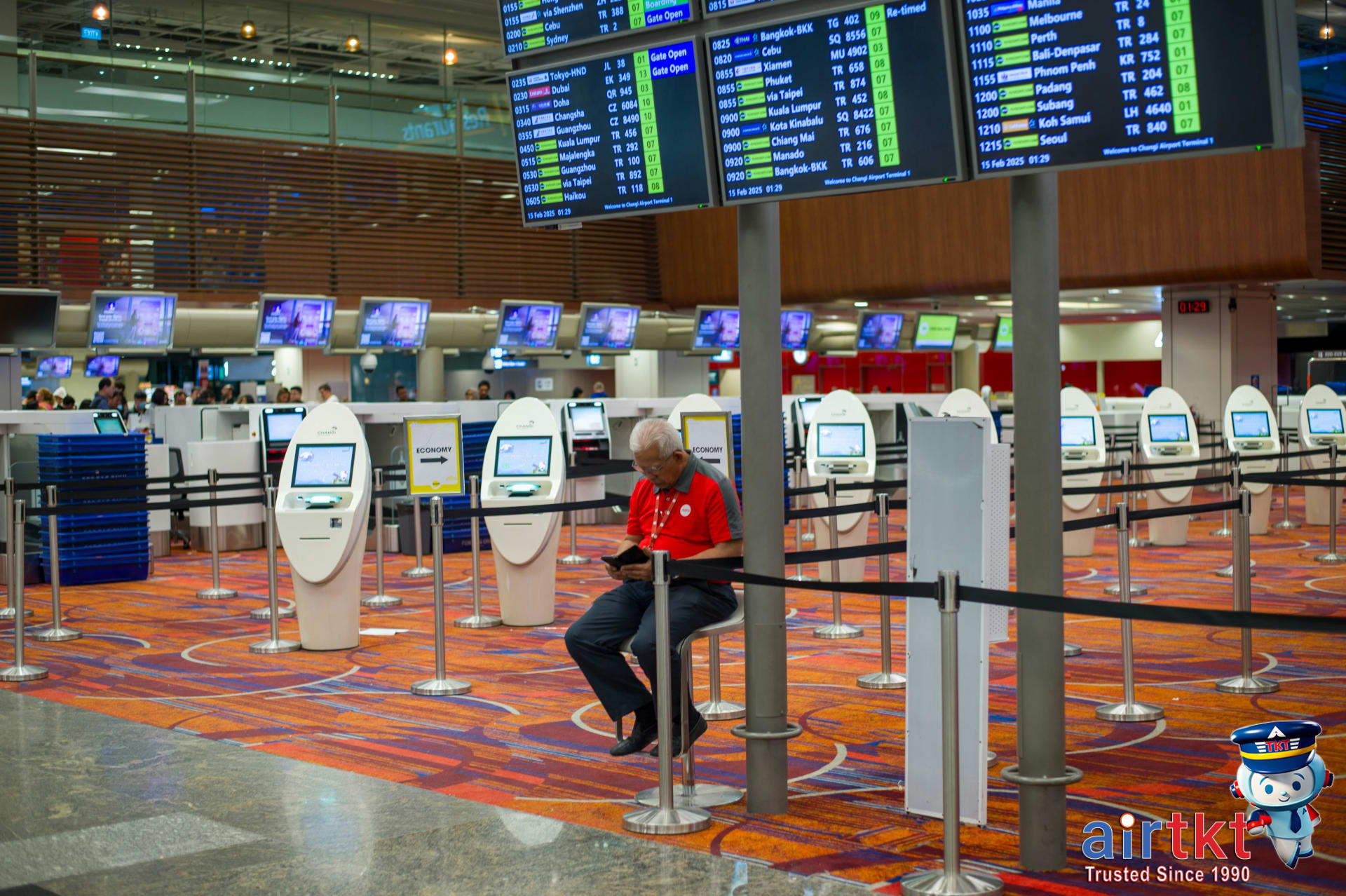
If you’ve ever looked for flights around a busy city, you might have noticed major airports typically pop up first. But here’s a lesser-known strategy for budget-minded travelers: consider flying out of or into an alternate airport. Alternate airports are those located within a reasonable driving distance of your main city—often in neighboring towns or smaller metro areas. Because these airports usually have less demand and lower operating costs, airlines are more likely to offer discounted fares there, which can translate into real savings.
I’ve saved a lot by considering airports just outside my city before booking. Flight costs can drop significantly if you’re willing to drive an extra hour or so. For example, someone flying internationally from Los Angeles might find cheaper options leaving out of Ontario or even Burbank rather than LAX. The same logic applies to cities like New York, Chicago, or Miami—where nearby alternate airports may offer more competitive rates.
The process feels much easier these days thanks to flight search engines that let you compare multiple airports at once. When I plan a trip, I use tools that show fares for my main airport plus all viable alternatives in one go. This gives a clear sense of which location offers the best price for my dates. The airtkt.comNearby Airport Search feature, for instance, quickly reveals cheaper departures or arrivals within your region, so you don’t have to check each airport manually. These search filters can be real time-savers as well as money-savers, especially if you’re flexible with ground transportation.
Why Choose Alternate Airports


One of the biggest advantages of flying into an alternate airport is the sheer ease of the experience. I appreciate how alternate airports often mean faster check-in and less stress. With fewer crowds, security lines tend to move much more quickly, and you can often go from parking your car to sitting at your gate in a fraction of the time it takes at a major hub.
It’s not just about smaller crowds, though. In my experience, alternate airports usually offer much simpler parking options—sometimes even closer to the main terminal—and the lots are rarely full. That’s one less thing to worry about, especially during busy travel periods. I’ve found it makes the whole process of arriving and departing much smoother and increases the chance your flight will leave on time, too.
Less Congestion, Smoother Travel
Reduced congestion can make a real difference beyond check-in. Fewer flights mean less chaotic terminal spaces and more attentive customer service. When you land, you’re not pushing through dozens of gates or waiting ages at the baggage carousel. Ground transportation is also typically easier to navigate—local taxis, ride-shares, and even shuttle services run with less wait time and lighter traffic just outside the airport.
One important lesson I’ve learned from using alternate airports is the need to double-check your ground transportation before booking. Some smaller airports have limited train or bus connections compared to the bigger hubs. If you’re planning to rely on public transit or expect ride-shares to be readily available, a quick advance check can save you a surprise later on.
If you’re flexible on destination or dates, I’d also recommend checking out the airtkt.com Flexible Date Search tool. It’s an underrated way to compare options and spot both cost savings and efficiency gains when alternate airports are in play.
Major Cities With Multiple Airports

Choosing the right airport can make a noticeable difference in your travel experience—and your ticket cost. Many of the world’s largest cities offer at least two major airports, each with its own quirks, airline partners, and fare variations. Here’s a closer look at a few cities where checking multiple airports is a habit I recommend to anyone wanting to save money or avoid unnecessary transfers.
New York City’s Three Main Airports
New York is served by John F. Kennedy International (JFK), LaGuardia (LGA), and Newark Liberty International (EWR). Each airport serves domestic and international flights, but fare differences can be significant. I always compare flights to all three before booking because sometimes a flight to Newark is noticeably cheaper, while other times JFK offers the lowest price. Accessibility and ground transport costs also vary, so factor that in.
London’s Five Major Gateways
London has more alternate airports than most travelers realize: Heathrow (LHR), Gatwick (LGW), London City (LCY), Luton (LTN), and Stansted (STN). While Heathrow is the main international hub, budget airlines often use Luton or Stansted. I find that sometimes booking flights into Gatwick or Luton means you’ll pay about $60.00 less, but you might spend more on transit into the city.
Paris Offers At Least Two Options
Paris is primarily served by Charles de Gaulle (CDG) and Orly (ORY). Ticket prices can fluctuate by about $45.00 or more, depending on which airport you choose. CDG is better for most long-haul flights, but Orly might be your best bet for certain budget carriers or flights arriving from other European cities. Either way, it pays to check both.
Los Angeles—A Sprawling Airport Network
Los Angeles International (LAX) gets most of the attention, but travelers sometimes forget about Hollywood Burbank (BUR), Long Beach (LGB), or even Ontario (ONT). These smaller airports occasionally have comparable or even cheaper fares—especially if you’re flying domestically. Based on my experience, checking all nearby options once saved me about $35.00 on a cross-country trip.
If you’re planning a trip, I’d recommend comparing flight deals for major cities on airtkt.com—it’s especially handy for finding hidden price variations between alternate airports in places like New York, London, Paris, and Los Angeles.
Tips For Booking Alternate Airport Flights

Booking flights from alternate airports is one of the simplest ways to unlock lower fares, but there’s a bit of strategy involved to make sure the savings are real. I always verify transport options before picking an alternate airport to avoid surprises—sometimes it’s cheaper on paper, but ground transportation can quietly eat up your savings if you’re not careful.
Be Flexible With Dates
If you’re open to shifting your travel dates by even a day or two, you might notice alternate airports offering far better deals. Airlines tend to price non-hub airport routes more aggressively, but flexibility is your best friend for snagging these. In my experience, checking weekday departures instead of weekends from a nearby airport once saved me a chunk of money and a fair bit of airport crowd stress.
Check Ground Transport Connections
Never book a cheaper flight from a secondary airport until you’ve checked exactly how you’re getting there and back. Double-checking both transit options and timing has seriously helped me avoid problems on my trips. Some airports have easy train links or dedicated shuttles, while others depend on pricey taxis or limited bus service—so don’t assume every option is equally convenient or affordable.
Book Early For Popular Airports
Alternate airports in heavily traveled regions—think New York, Los Angeles, or Chicago—see strong demand for peak travel days. Booking your flight early is critical for two reasons: first, fares can rise quickly as flights fill, and second, ground transport like shuttle services or long-term parking can sell out. I’d treat this as a planning checkpoint, not a last-minute detail.
Combine Booking Tools Strategically
Maximize your savings by using flexible search tools that highlight alternate airports and creative routes. For example, airtkt.com offers the Lazy Fare feature, which helps you find less obvious connections that could bring the cost down without sacrificing too much time. I’d always compare both basic alternate airport fares and multi-stop Lazy Fare routes before deciding—sometimes the combinations are surprisingly worthwhile.
How Booking Tools Reveal Hidden Savings
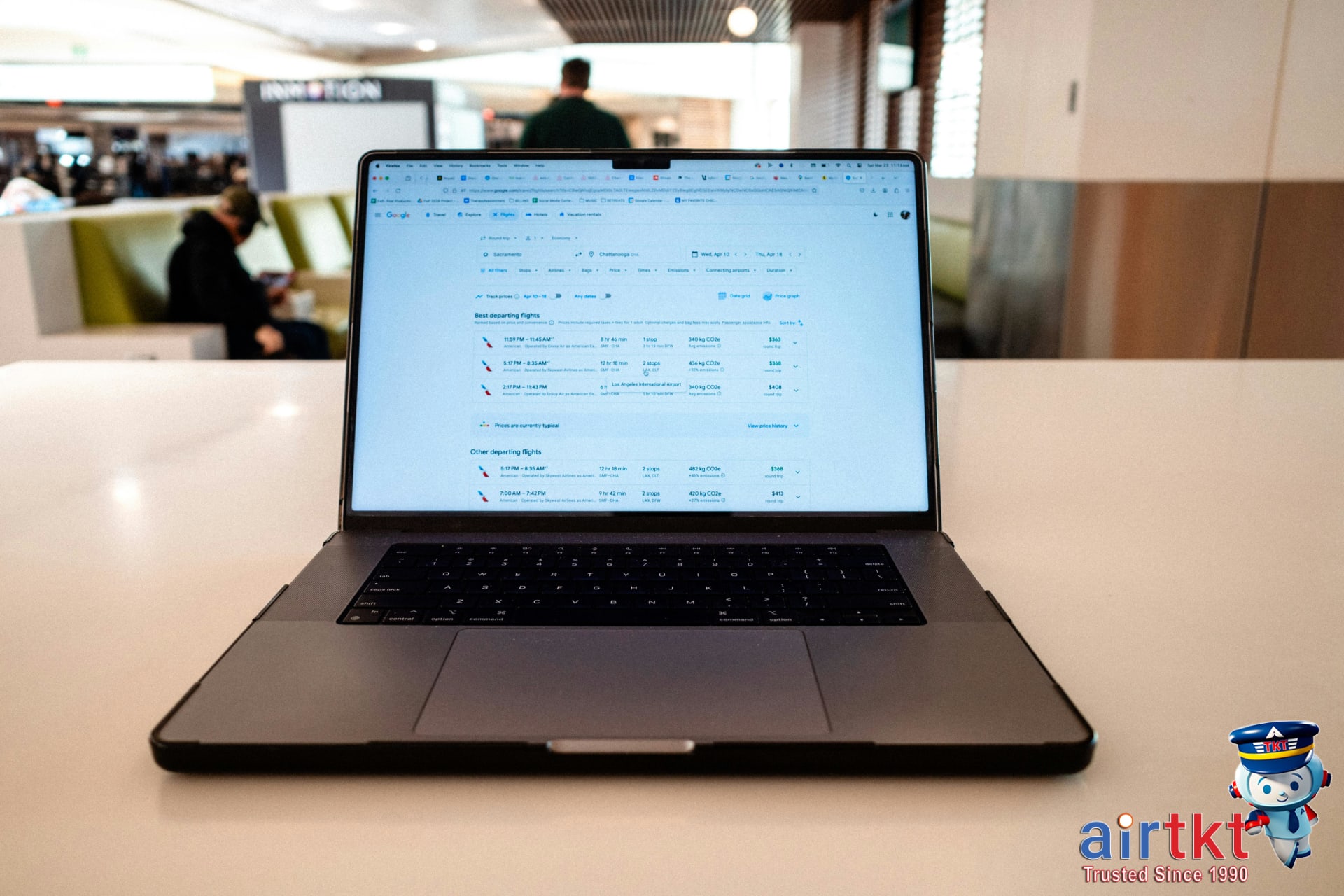
Modern online booking platforms have changed the way we hunt for airfare deals, but only some travelers make the most of their built-in tools. On airtkt.com, two features have saved me real money on tickets: Nearby Airport Search and the Lazy Fare function. These aren’t just add-ons—they actually reshape your search results to highlight cheaper options you might otherwise miss, especially if you’re willing to fly out of or into an alternate airport.
Nearby Airport Search opens up a wider radius around your chosen arrival or departure city, instantly surfacing flights from smaller or lesser-known airports. In dense metro areas or popular vacation regions, this can knock a chunk off your fare. Airtkt.com’s Nearby Airport Search has frequently uncovered cheaper fares on my trips, offering practical new options for both domestic and international routes.
Pairing that with the Lazy Fare tool, you take smart searching even further. Lazy Fare automatically finds creative multi-stop routes that might take a little longer but can cost noticeably less—and without any surprise stopover fees. When I’ve used both features back-to-back, the price difference can be significant—sometimes even beating what you’d find using more limited search sites that stick to big-name airports or only direct routes.
I generally recommend not settling for just one search method. When you combine Nearby Airport Search with Lazy Fare—and check various dates for flexibility—you tap into a broader pool of possible deals. If you’re already comparing prices, add these features to your regular toolkit. You might notice routes and fares that are invisible using standard search engines. It’s a simple step, but in my experience, it consistently pays off.
Budget Travel Table with Alternate Airports

Flying into alternate airports is one way I’ve managed to cut flight costs, but it’s easy to overlook the added expenses that sometimes come with this route. The table below breaks down typical daily travel budgets for three traveler tiers, factoring in extra transport from secondary airports, which can quickly add $15.00 or more each way depending on the city. Looking at the budget table helped me plan realistically for my trip flying via alternate airports—I could see right away where to shift funds for ground transport and what savings were left for activities or meals.
| Accommodation | Food | Transport | Activities | |
|---|---|---|---|---|
| Budget | $35.00 | $18.00 | $22.00 | $12.00 |
| Mid-range | $80.00 | $38.00 | $40.00 | $28.00 |
| Luxury | $160.00 | $75.00 | $70.00 | $60.00 |
Including Ground Transport Costs
Whenever you’re flying into a nearby alternate airport instead of the main hub, add whatever extra you’ll spend on transfer shuttles, rideshares, or trains into your daily transport budget. I’d suggest checking routes and prices as far in advance as possible—the difference might be minor for a solo traveler but can multiply for families or groups. Tools like the Nearby Airport Search on airtkt.com are handy for surfacing alternative options, but be sure your budget sheet reflects the whole picture.
If you’re interested in more cost-saving travel planning strategies, check out our guide on airtkt.com’s top travel budgeting tips for easy ways to trim expenses without sacrificing comfort.
Travel Hacks for Maximum Savings
It’s not just about booking early or aiming for off-peak dates—using smart booking hacks can genuinely add up to big savings, especially if you’re open to flying from alternate airports. I’ve picked up habits and tools over the years that make a noticeable difference, and using these tricks alongside alternate airport flights has saved me hundreds.
Set Up Flight Fare Alerts
Start by signing up for fare alerts from sites like airtkt.com. These alerts let you know when flight prices drop, including deals from airports you might not check on your own. I usually recommend setting alerts for your main airport and any alternates within driving distance. This way, you’re always in the loop if a great deal pops up nearby.
Book on Strategic Days
Flight prices tend to fluctuate during the week. In my experience, mid-week bookings—especially on Tuesdays and Wednesdays—often show lower fares for both main and alternate airports. That said, there’s no universal “cheapest day,” so it’s smart to monitor fares over a few days to spot patterns that affect your route.
Combine Flexible Dates and Airports
Flexibility is your best weapon. If you use a flexible date search while also checking departures from alternate airports, you’re stacking the odds in your favor. On airtkt.com, the Nearby Airport Search and Flexible Date Search tools work well together—this combo often surfaces flights at much lower prices than sticking with rigid dates or airports.
Get Exclusive Alerts and Stack Discounts
Don’t skip those email or SMS alerts from airtkt.com. Subscribing unlocks access to exclusive deals for alternate airport departures, last-minute fares, and flash promotions you won’t see just browsing. You can also visit the airtkt.com deals and discount pages for current promotions—these sometimes include extra markdowns for less-trafficked airports or special events.
With a little planning, monitoring, and willingness to check more than one airport, you can significantly reduce your flight costs. For me, the extra steps are more than worth it for the reliable savings.
Frequently Asked Questions About Alternate Airports
- What are alternate airports?
Alternate airports are secondary or regional airports located near major cities or destinations. They may be smaller than primary international hubs, but they often offer commercial flights—sometimes with lower fares or different airlines. For example, flying into Oakland instead of San Francisco may save both money and time depending on your route.
- How do alternate airports help find cheap flights?
Searching flights from alternate airports can reveal lower fares since these airports often serve budget carriers, have less competition for seats, or different taxes and fees. Sometimes, the savings outweigh any additional travel costs to and from the airport, making them a worthwhile option for flexible travelers.
- How far are alternate airports from city centers?
Distances vary widely. Some alternate airports are just 10 to 20 miles from city centers, while others may be farther out. Always consider ground transport options, available shuttles, and time constraints before booking. Doing a quick map check will give you a realistic picture of your total travel time.
- Can I use alternate airports for international flights?
In many cases, yes—especially in large metro areas. Some alternate airports handle international routes, though choices may be fewer than major hubs. Be sure to check if customs and immigration facilities are available, and confirm which airlines and destinations they serve before finalizing your travel itinerary.
- Are services at alternate airports different?
Often, alternate airports are less crowded but may have fewer shops, restaurants, or amenities compared to major hubs. While security lines can be shorter and navigation is usually easier, expect more limited food options and smaller lounges. Always verify available services in advance if certain facilities are important to you.
- How does searching alternate airports work on airtkt.com?
When searching on airtkt.com, use the “Nearby Airport Search” tool to compare flights from both main and nearby airports. This helps you spot potentially cheaper routes quickly. I’d suggest checking the recommended alternatives before booking, especially for destinations served by several airports.
- Is it safe to fly from smaller alternate airports?
Airlines at alternate airports follow the same safety regulations as at major hubs. While facilities might be more modest, you can expect TSA security, regular maintenance, and trained staff. Always arrive early and check whether you need to arrange special transportation, as public transit options may be more limited.
Final Thoughts on Alternate Airports

Opting for alternate airports often means a little more planning, but the combination of savings and added convenience can really pay off. Throughout this article, we’ve looked at how flying in or out of less crowded airports opens the door to lower fares, easier ground transport, and sometimes even a speedier travel day. In my experience, these benefits have changed how I approach every trip—flying via alternate airports has become my go-to approach for budget travel.
If my own routine has taught me anything, it’s that limiting your search to the main airport can leave a lot of potential savings on the table. I’d suggest making it a habit to check nearby airports whenever you’re mapping out your route. Even within the same city, airports can have drastically different fares and connections. The savings I’ve found have easily justified a little extra time spent researching or a slightly longer cab ride.
It’s worth mentioning that using resources like airtkt.com makes comparing alternate airports much easier, especially if you want to experiment with multiple departure and arrival options all in one place. Sometimes the best flight isn’t the most obvious one.