

Introduction to Geneva for First-Time Visitors
Geneva holds a heavyweight spot on the global stage, hosting key diplomatic organizations like the United Nations and the World Health Organization, alongside major financial institutions. This blend of diplomacy and finance gives the city a polished international flair. But Geneva also shines culturally, with museums, theaters, and a vibrant culinary scene drawing visitors year-round.
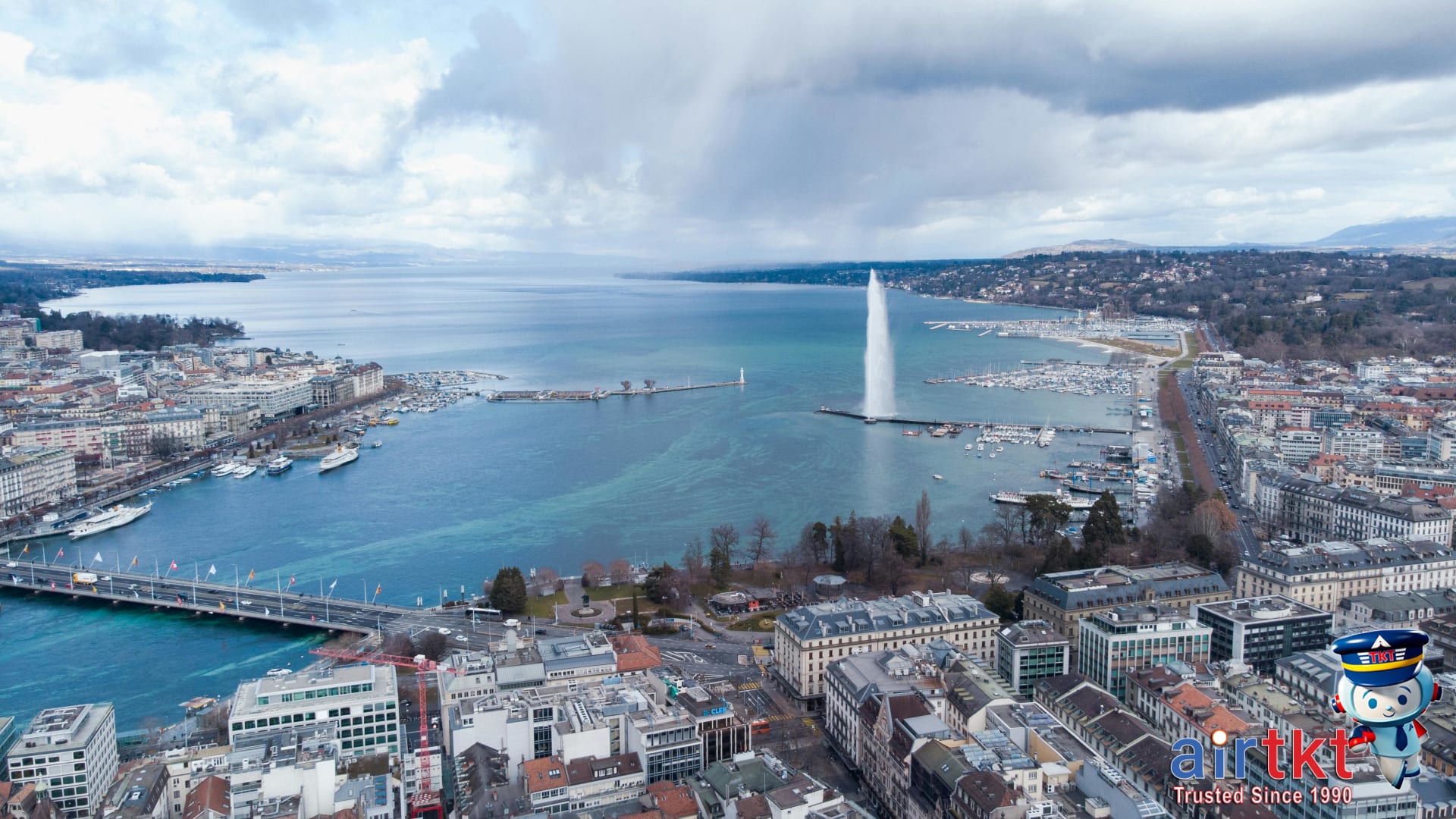
The city’s postcard-perfect views center on Lake Geneva’s sparkling waters and the iconic Jet d’Eau fountain, which shoots 140 meters into the sky. Stroll through the cobblestone streets of the Old Town to discover centuries-old architecture and cozy cafés that contrast with Geneva’s modern skyline.
First-time visitors appreciate Geneva’s manageable size, making it easy to explore without hectic transit times. The city’s diversity reflects Switzerland’s multilingual heritage, while its mix of history and contemporary life offers something for every interest. This article will cover Geneva’s top attractions, essential cultural tips, transit options, safety advice, plus itinerary and budgeting guidance to help you plan a smooth and memorable visit.

Top 10 Geneva Attractions with Skip-the-Line Tips
Geneva’s Jet d’Eau shoots water 140 meters into the sky—a quick 15 to 30-minute stop perfect for photos along Lake Geneva’s promenade. Best reached via tram line 12 (stop: Eaux-Vives) or by walking from Jardin Anglais. No entry fee, so no queues here. Morning visits avoid crowds.
The nearby Old Town unfolds through winding alleys, taking 1 to 2 hours to explore. Walk from Place du Bourg-de-Four to St. Pierre Cathedral, where a 5 CHF ticket grants access to the archaeological site and tower views—skip buying tickets by reserving on the official Geneva tourist website. Early afternoon is calmer, and strolls here pair well with bike rentals from Genève Roule (stations near the train station).
St. Pierre Cathedral deserves 45 to 60 minutes. For panoramic cityscapes, climb its tower—avoid the weekend afternoon rush by going on weekday mornings. Entry to the cathedral itself is free; the tower and archaeological site require tickets.
The United Nations Office at Geneva offers guided tours lasting 1 to 1.5 hours. Booking online on the UN’s official site saves queues, especially in peak season (May to September). Accessible by tram line 15 (stop: Nations).
The Musée d’art et d’histoire (Museum of Art and History) needs around 2 hours. Admission is free the first Sunday of each month and on August 1 (Swiss National Day). Purchase tickets online or use the Geneva Pass to combine with transport and other museums. Tram lines 12 and 18—stop: Parc des Bastions—put you close.
Parc des Bastions is a 30-minute peaceful break walking south from Old Town. The park is free and ideal for a relaxed stroll or chess games on giant outdoor boards. Walk or take tram 12 to Molard; bike rental nearby.
The Patek Philippe Museum showcases exquisite watchmaking history. Allocate 1 to 1.5 hours. Book timed-entry tickets online to skip lines. Located near Plainpalais, tram lines 12 and 15 stop meters away.
Jardin Anglais, with its iconic Flower Clock, is a 30-minute lakeside spot. It’s free and a prime photo op early morning or late afternoon. Easily accessible by tram 12 and 15.
Bains des Pâquis combines city swimming and dining in 1 to 2 hours. Entry is about 2 CHF for non-members. Best to visit weekdays before noon to avoid crowds. Reach by bus line 8 or a 10-minute walk from the train station.
Finally, the Reformation Wall stands in Parc des Bastions, visible during a 30-minute park walk. No ticket needed; avoid weekends for fewer visitors.
Skip-the-line tips include buying combo passes like the Geneva Pass, which bundles entry and unlimited public transit. The Geneva Transport Card is free with many hotels, covering trams, buses, and trains within the city. Peak visiting hours are typically late morning and weekends—aim for early mornings or late afternoons to breeze past lines.
Walking and cycling link most central sights under 20 minutes apart, making a flexible itinerary easy. For travelers using airtkt.com to book flights and hotels, timing your arrivals to off-peak entry hours and securing skip-line tickets in advance saves hours on site. This is crucial during busy seasons like spring and early fall when cruise ship groups and conference attendees swell visitor numbers.
Essential Cultural Etiquette in Geneva
French is Geneva’s primary language, so starting interactions with a friendly “Bonjour, madame” or “Monsieur” goes a long way. A firm, brief handshake is the standard greeting, especially in business or formal settings. Geneva residents value punctuality highly—arriving even 5 minutes late can come off as disrespectful.
Tipping usually ranges from 5–10% when service isn’t included on your bill. In casual cafés, rounding up a small bill by a franc or two is common practice. While French dominates, Geneva’s multilingual population also uses English, German, and Italian frequently. Making an effort with simple French phrases often wins appreciation, even if locals answer in English.
Here are some handy French phrases to carry with you, along with a quick pronunciation guide:
- Bonjour (bon-zhoor) – Hello/good day
- Merci (mehr-see) – Thank you
- S’il vous plaît (seel voo pleh) – Please
- Où est…? (oo eh) – Where is…?
- Combien ça coûte? (kohm-byen sah koot) – How much does it cost?
- Je suis désolé(e) (zhuh swee day-zo-lay) – I’m sorry
Keep conversations at a moderate volume, as loud talking in public is usually frowned upon. Dress smartly in upscale venues; Geneva leans toward polished, understated styles. Avoid bringing up politics or national neutrality—they’re sensitive topics locals prefer to keep private.
Booking your flight and hotel early through platforms like airtkt.com lets you enjoy Geneva’s culture without last-minute stress. Knowing these etiquette details ensures your visit feels smooth and respectful from the moment you land.
Currency and Payment Guide in Geneva
The official currency in Geneva is the Swiss Franc (CHF). Although some tourist-heavy spots accept Euros, vendors usually give change in CHF. To avoid confusion and unfavorable rates, bring Swiss Francs for everyday expenses.
Most restaurants, hotels, and shops accept debit and credit cards, including contactless payments like Apple Pay and Google Pay. This means you can often skip carrying large amounts of cash. That said, carrying some CHF is still useful for street markets, small boutiques, and public transit tickets, where cards aren’t always accepted.
ATMs are widespread throughout Geneva, including at the airport and major train stations. Before you withdraw, check with your bank about foreign ATM fees; some charge a flat fee plus a percentage per withdrawal. For instance, Megan Lewis, a graphic designer from Boston, shared on Reddit in January 2026 that her bank charged $3 plus 1.75% per foreign withdrawal during her trip to Geneva.
Currency exchange options include Geneva Airport, local banks, and authorized exchange bureaus—stick to these to get fair rates. Avoid street changers offering tempting rates, as scams and counterfeit notes are possible. I track currency fluctuations and exchange locations through airtkt.com, which flagged a better airport exchange rate back in December 2025 before the holiday rush.
Getting from Geneva Airport to City Center
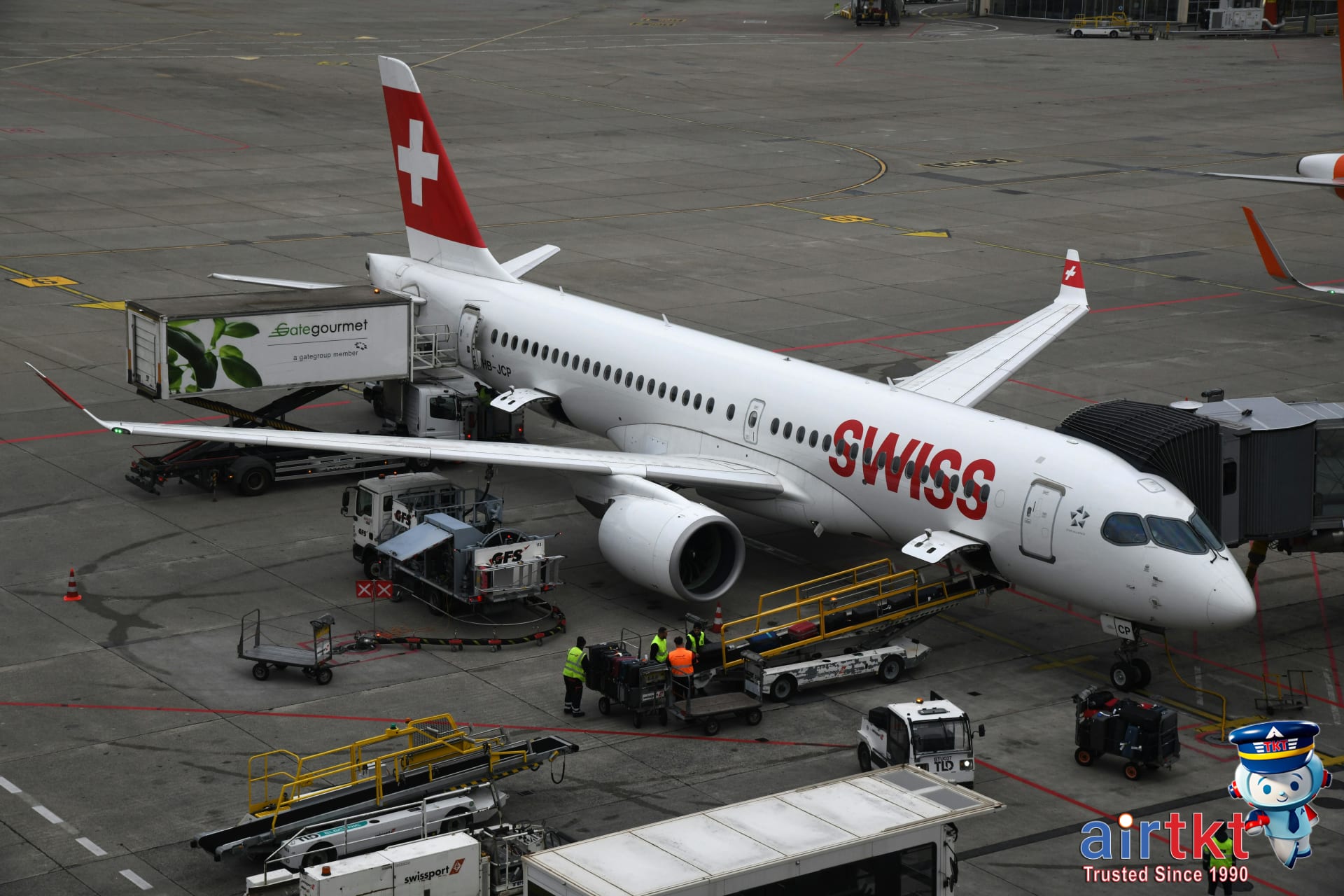
Geneva Airport sits just 4 kilometers from downtown, making getting into the city quick and straightforward. The fastest way is the train: regional trains run every 10–15 minutes from the underground station directly beneath the terminal, taking about 7 minutes to reach Gare Cornavin—the central railway hub. Tickets cost 7.00 CHF when purchased at airport ticket machines or counters, located just after baggage claim. Clear signage points you straight to the train platform.
Public buses offer a cheaper alternative at roughly 3.00 CHF per ride, with lines 5 and 10 connecting the airport to different city neighborhoods. Bus stops sit right outside arrivals, and you can buy tickets from machines or the flight information desk inside the terminal.
Taxis cost about 30.00 CHF to downtown Geneva, available 24/7 at dedicated ranks outside arrivals. Ride-share apps like Uber also operate here but tend to price similarly to taxis. For travelers carrying more luggage or in groups, airport shuttles provide door-to-door service with varied fares—book these in advance or at specialized counters found near baggage claim.
All options are safe and reliable. The deal is taxis and ride-shares get you direct service but at a premium. I track transport offers via airtkt.com to spot any last-minute deals affecting shuttle prices. The key: buy your train or bus ticket immediately after collecting bags to avoid surprises and follow airport signs—they’re well marked and keep your transfer smooth.

Safe Neighborhoods to Stay in Geneva
Geneva consistently ranks as a safe city, with low crime rates compared to other European hubs. Still, common urban caution applies—stay aware of your surroundings, especially at night. The neighborhoods below rank high for security and visitor comfort, combining easy access to major sights with welcoming atmospheres.
Eaux-Vives sits right along Lake Geneva’s shore, offering scenic parks and lively cafés. This area draws visitors who want a balance of nature and city buzz. The Parc La Grange and Parc des Eaux-Vives provide green retreats just steps from accommodations ranging from boutique hotels to well-equipped guesthouses.
Pâquis nestles near the central train station, making arrivals and departures hassle-free. Known for its cultural diversity and some of the city’s best nightlife spots, it’s a favorite for travelers who want activity after dark. Hotels here often have modern amenities and connect easily to tram and bus routes for getting around.
Old Town enchants with cobblestone streets and historic architecture. Staying here means quick access to museums, the St. Peter’s Cathedral, and charming small hotels tucked into quiet corners. Despite its tourist draw, crime rates remain minimal, making this area great for those focused on cultural experiences.
Carouge feels like a village within the city, with bohemian flair, artisan shops, and peaceful streets. It’s quieter than other neighborhoods yet still connected by public transit to Geneva’s core. Serviced apartments and quaint inns cater to travelers seeking a laid-back vibe without sacrificing convenience.
All four neighborhoods offer tram and bus stops close by, linking you smoothly to Geneva’s main attractions and transport hubs. I tracked recent apartment availability through airtkt.com and noticed listings in these areas consistently come with “easy transit access” as a selling point.

Sample 5 to 7-Day Itinerary for First-Time Visitors
This itinerary balances iconic sights, restful moments, and authentic dining to help you enjoy your first trip without feeling rushed. The days combine easy walks, short tram rides, and café breaks so you get the city’s vibe without burning out.
Day 1: Exploring the Old Town
Start with a morning walk through the historic Old Town, visiting landmarks like the Grossmünster and Fraumünster churches. Allocate 2.5 hours here. Grab lunch at Le Dézaley, known for traditional Swiss rösti—expect to spend about 45 minutes to an hour. Afternoon museum pick: Swiss National Museum, a 10-minute tram ride on line 4. Spend 2 hours exploring the exhibits. Evening: unwind with a lakeside stroll along Lake Zurich’s promenade, followed by dinner at Restaurant Quai 61 for local fish specialties.
Day 2: Art and Parks
Morning dedicated to Kunsthaus Zurich, a 15-minute tram ride via line 3 from the city center. Plan 2 hours here. Walk 10 minutes to the nearby botanical gardens for a peaceful hour among rare plants. Lunch at Markthalle, a cosmopolitan food hall with international options—ideal for varying tastes, open daily from 11:30 a.m. Rest back at your hotel from 2 to 3 p.m.—this break helps recharge for the evening. Dinner at Zeughauskeller, a historic tavern specializing in hearty Swiss fare. Tram or 15-minute walk.
Day 3: Day by Lake and Markets
Spend the morning renting a bike near Bürkliplatz and cycling along the lakefront (2-3 hours). Stop for coffee and snacks at Café Sprüngli (famous for Luxemburgerli macarons). Afternoon visit to the lively Bürkliplatz market (open Wed & Sat until 4 p.m.) for local crafts and food stalls. A 20-minute tram ride on line 2 from the lakefront. Evening suggestion: catch a cultural event at Opernhaus Zurich (check schedules in advance) or dine at Haus Hiltl, the longest-running vegetarian restaurant, 10 minutes away by tram line 4.
Day 4: Day Trip or Museum Hopping
Choose between a half-day trip to Uetliberg mountain (train from Hauptbahnhof—30 minutes) or a deep dive into more museums such as Museum Rietberg or the FIFA World Football Museum. Allocate 3 hours per museum. Lunch at Café Odeon, a historic spot with Swiss and French influences. The afternoon includes leisure time in Platzspitz Park, five minutes on foot from Museum Rietberg. Evening free for casual dining or exploring local bars.
Day 5: Shopping and Sampling Cuisine
Morning at Bahnhofstrasse for upscale shopping and people-watching (allow 2 to 3 hours). Grab brunch at Babu’s Bakery & Coffeehouse, popular for relaxed vibes and solid coffee. Afternoon check out the Zürich-West district for galleries and modern architecture, accessible by tram line 4 in about 15 minutes. Rest mid-afternoon with a quiet coffee break at ViCafe. Wrap your trip with a farewell dinner at Rotschuo, known for seasonal Swiss dishes and a cozy setting.
Optional Days 6 & 7: Add more time for hikes in nearby nature reserves like the Zürichberg, or indulge in spa sessions at Mineralbad & Spa Rigi Kaltbad. For evening entertainment, try Jazzkantine or Moods Jazz Club on Wednesdays or Fridays.
The deal is simple: start slow, plan your transport carefully using Zurich’s extensive tram network, and carve out downtime. You’ll avoid typical first-visit overload and end up with memories that stick. I track updated transport schedules and dining hours through airtkt.com to stay ahead—makes planning stress-free.
Realistic Budget Planning for Geneva Travel
Geneva’s costs split broadly across lodging, food, transport, and activities. Here’s what you can expect and how to manage your spend.
Accommodation tiers: Budget guesthouses or hostels start around CHF 70 ($77) per night, like City Hostel Geneva in January 2026. Mid-range hotels average CHF 180 ($198) nightly, such as Hotel Kipling, booked through airtkt.com. For luxury options, five-star properties like the Hôtel Président Wilson can exceed CHF 560 ($615) per night.
Meals: Casual cafes and takeout meals typically cost CHF 15–25 ($16–28). Mid-range dinners run CHF 40–70 ($44–77) per person, for example dining at Café du Soleil in February 2026. Splurge meals at high-end restaurants easily hit CHF 120 ($132) plus per head.
Attractions: Geneva’s charm includes many free or low-cost options. The Jet d’Eau and Old Town roam free, while museums charge CHF 10–20 ($11–22). The Patek Philippe Museum charged CHF 12 ($13) last December. Consider the Geneva Pass, CHF 65 ($71) for 24 hours, offering entry to over 45 attractions.
Local transport: Single public transit tickets cost CHF 3 ($3.30) each. The Geneva Transport Card, provided free with most hotel bookings, grants unlimited bus, tram, and train rides throughout your stay. Without accommodation, a day pass costs CHF 10 ($11).
To illustrate budgets:
- Solo backpacker: CHF 120 ($132) daily – budget guesthouse, grocery meals, free attractions, and transport card from hostel.
- Couple on mid-range trip: CHF 370 ($408) daily – mid-range hotel, cafes and dinners out, select paid sites, use Geneva Pass.
- Family of four: CHF 670 ($740) daily – mix of budget and mid-range lodging, market meals, some splurges, transit passes.
Money-saving tips: Get your Geneva Transport Card through your hotel. Eat at local markets like Marché de Plainpalais for fresh, cheaper meals. Purchasing the Geneva Pass makes sense if planning multiple paid visits within 24 to 48 hours. I track discounts and combos via airtkt.com to catch deals before booking.
FAQ for First-Time Visitors to Geneva
What is the best time for Geneva travel?
Late spring (May to June) and early autumn (September to October) offer mild weather, fewer crowds, and lower hotel rates. January tends to be cold but quiet for skiing-related trips. The Geneva Motor Show in March attracts many visitors, so expect higher prices then.
How to skip lines at Geneva attractions?
Book tickets online in advance, especially for popular spots like the United Nations Palace or Patek Philippe Museum. Many offer timed entry. Using a Geneva Transport Card also helps avoid ticket queues on public transit, giving you a smoother experience.
When should I book airport transfer in Geneva?
Reserve your airport transfer at least 2 weeks before arrival to secure competitive rates. Booking early through services often found on airtkt.com can save up to 15% compared to last-minute options, especially during peak travel seasons.
Why is Geneva considered a safe city for travelers?
Geneva’s low crime rate and visible police presence contribute to its reputation. Despite being a busy international hub, petty theft is rare compared to other major cities. Travelers from Zurich shared on Reddit in January 2026 that they felt secure walking late at night.
Can I use Euros widely in Geneva?
Swiss francs (CHF) are the official currency, but many shops and restaurants accept euros at fixed exchange rates. Expect to receive change mostly in francs. Using francs avoids unfavorable conversion rates and extra fees on credit cards.
What essential French phrases should I know for Geneva travel?
Basic greetings like “Bonjour” (hello), “Merci” (thank you), and “Parlez-vous anglais?” (Do you speak English?) go far. Business traveler Laura Chen from Toronto noted in December 2025 that locals appreciated her efforts, even though many Swiss speak English fluently.
How to handle tipping during Geneva travel?
Service charges are usually included in bills, but rounding up or adding 5–10% for exceptional service is customary. Taxi drivers typically get a 1–2 CHF tip per ride. At cafes and restaurants, locals round up rather than tipping large percentages.
Conclusion and airtkt.com Call to Action
Planning ahead is key to enjoying Geneva’s rich culture, iconic sights, and comfortable stay without last-minute stress. This guide covered everything from skip-the-line strategies and local etiquette to navigating public transport and managing your budget—tools that make your trip smoother and more rewarding.
When it’s time to book, explore flights and hotels on airtkt.com for competitive prices and helpful support. I rely on their user-friendly site for real-time fare comparisons, exclusive discounts, and solid customer service that’s available 24/7—including free phone assistance if you prefer talking to a travel expert. They make securing your ideal trip straightforward and confident.
See what we can offer for your travel needs at airtkt.com.
References
Detailed information for Geneva and its airport comes from official sites like geneve.com and the airport’s page at gva.ch. Regional insights and travel guidelines are supported by myswitzerland.com. For up-to-date travel regulations, TSA, FAA, DOT, and IATA provide authoritative rules and standards that airlines and travelers rely on worldwide. When booking through airtkt.com, these sources help ensure you get the most current and accurate travel details.