

Mastering Public Transit In New York

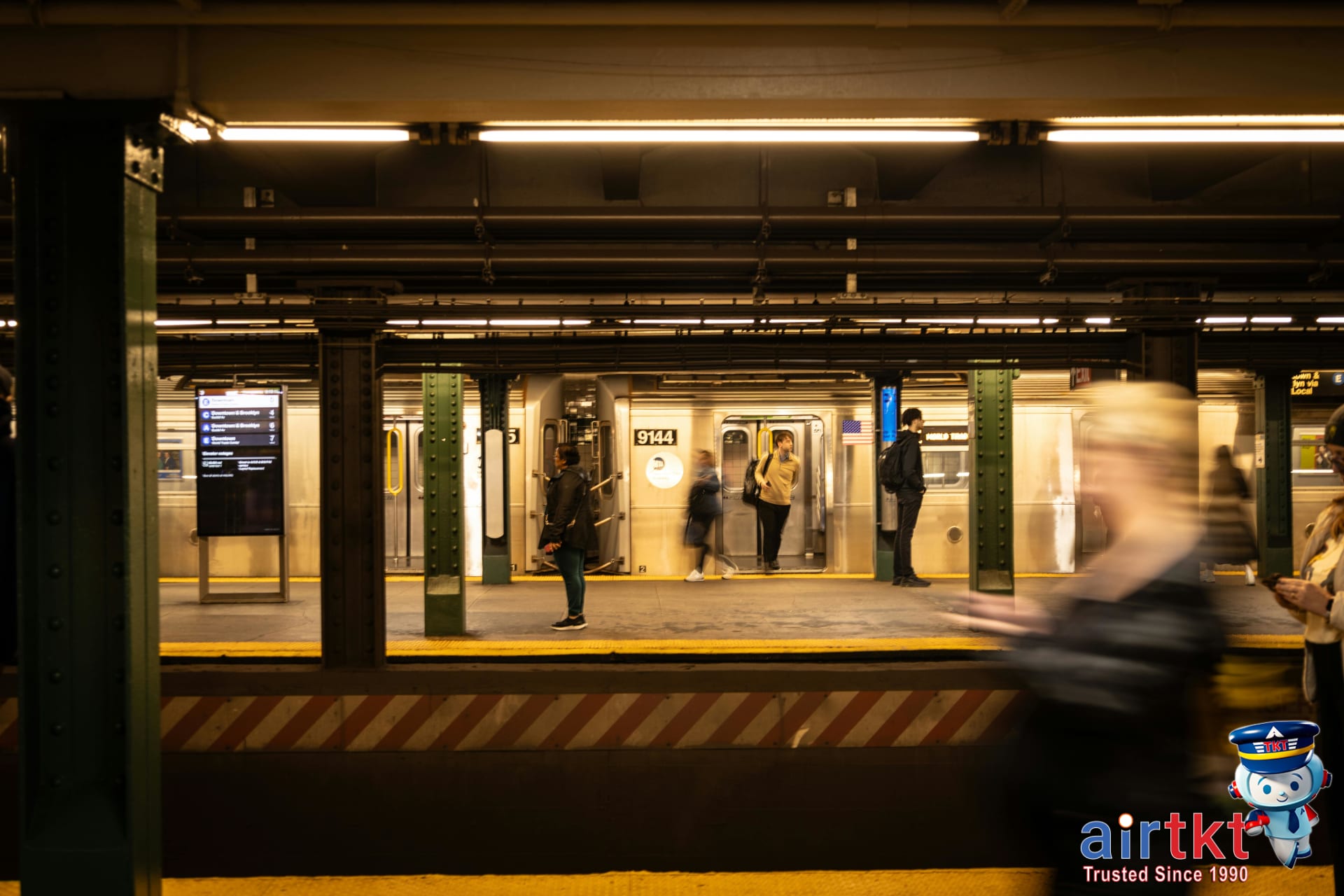
Arriving in New York City, the energy is undeniable—but so is the challenge of getting your bearings on public transit. I remember my first subway ride: the dizzying map, the screech of trains, and the sheer number of people all moving with purpose. It felt daunting at first, but mastering NYC’s subway, bus, and ferry system quickly turned travel across the city from intimidating to downright practical.
New York’s MTA system is more than just subways. For most visitors, the subway will be your daily workhorse, shuttling you everywhere from Central Park to Coney Island. Buses bridge the gaps, cutting across neighborhoods where the subway lines don’t quite connect or when you just want to see the city from street level. Don’t overlook the ferries, either—they’re a scenic (and affordable) way to access spots like Governors Island or take in skyline views from the East River.
If you’re looking for convenience, the city’s move to the OMNY system makes things far easier than the old days of paper tickets and MetroCards. With OMNY, you can tap your phone or contactless card at any subway turnstile or bus, making every trip as smooth as possible. I’ll get into how to use OMNY in detail, including passes and payment tips, in the next sections of this guide.
For travelers still planning their trip, it’s definitely worth checking out airtkt.com‘s NYC travel deals page to find flights that sync with your city itinerary—you’ll want to maximize your first and last days for sightseeing once you’ve got the hang of the transit system.
Subway Basics: Riding Like a New Yorker
Getting comfortable with the New York City subway system takes a little practice, but once you know the basics, you’ll move around like a local. When I first tackled the subway, the maze of colored lines, train numbers, and letters felt overwhelming, but learning how major lines function and how to read maps made all the difference.
Major Subway Lines and Their Roles
New York’s subway system is made up of several main lines, typically identified by either a number (1, 2, 3, etc.) or a letter (A, C, E, etc.). The color you see on both the trains and the maps (red for the 1/2/3, green for 4/5/6, blue for A/C/E, and so on) helps keep different corridors clear. Each line services particular boroughs and connects different neighborhoods—knowing which line you need is essential, especially if you want to optimize transfers or avoid unnecessary detours. If you’re planning to explore different areas, such as the Upper West Side or Brooklyn, it helps to reference guides like airtkt.com’s article covering NYC neighborhoods to see which subway stops are closest to your destinations.
Express vs Local Trains
One detail I had to pay close attention to early on was the distinction between local and express trains. Express trains skip many stations, stopping only at major hubs, which can save time if you’re traveling longer distances. Local trains stop at every station along the way. Express and local trains often share tracks for certain stretches, so double-check signs on the platform and the digital displays inside trains before hopping aboard.
Operating Hours and Service Frequency
The subway generally runs 24 hours a day, seven days a week—one of the world’s few systems to do so. However, frequency varies depending on the time of day. During peak hours (roughly 6:00 a.m. to 9:00 a.m. and 4:00 p.m. to 7:00 p.m.), you might only wait a couple of minutes. Late at night, trains may come every 15–20 minutes or so. If you’re traveling late, I recommend checking schedules in advance, as maintenance can affect late-night service.
Reading Subway Maps and Station Signage
At first glance, the subway map can look intimidating, but it’s organized by color-coded lines, labeled stops, and clear transfer points. Each station has signage overhead—look for the black-and-white “Uptown” and “Downtown” signs to make sure you’re on the right side of the platform. I found that slowing down to read the digital displays and posted maps helped me navigate confidently, even when stations were busy or under construction. If you’re ever unsure, most stations include maps at entrances, and train conductors are used to helping visitors with questions.
OMNY Card Guide: Easy Tap-and-Go Payment
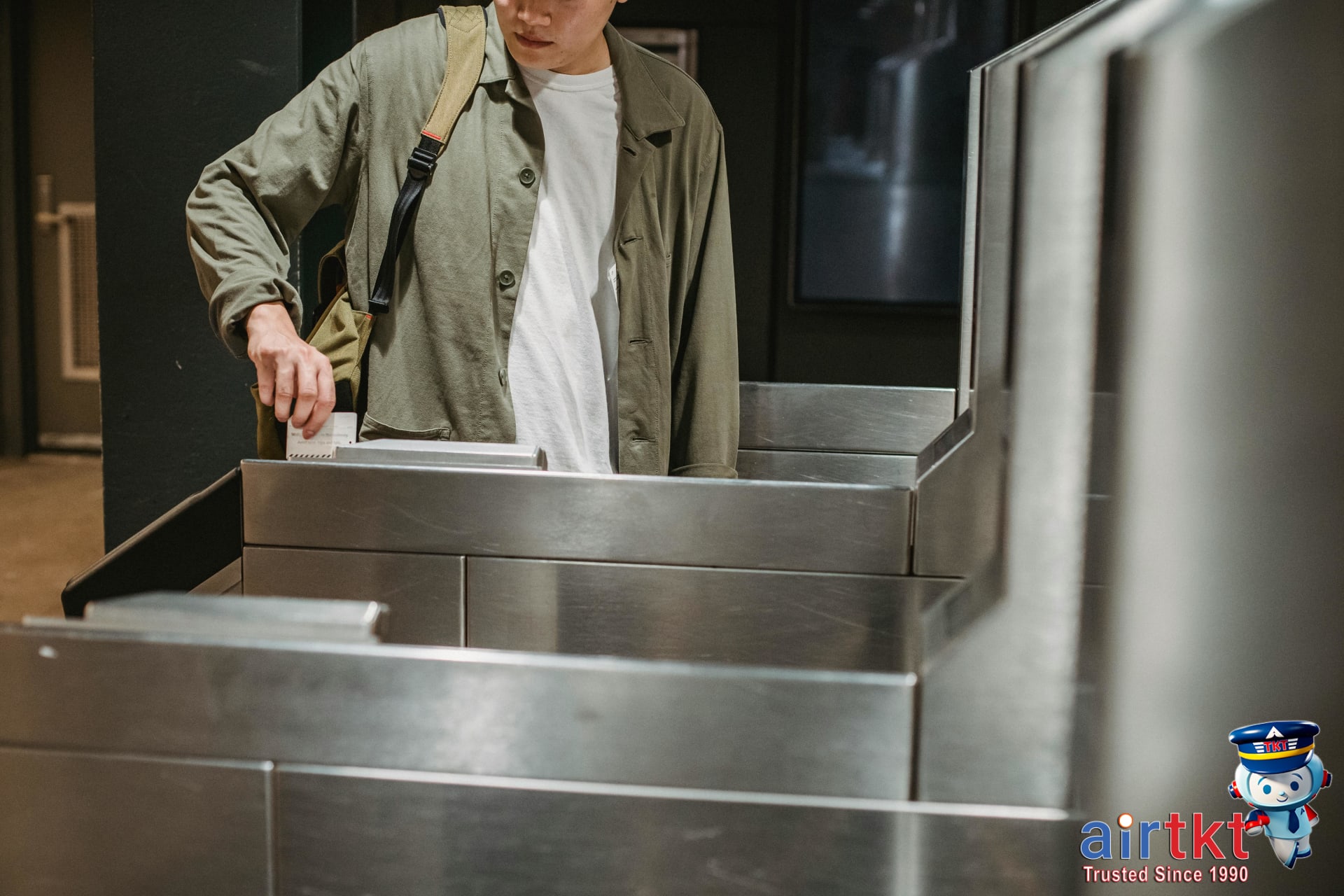
If you want to make getting around New York City feel almost effortless, the OMNY card is your new best friend. The OMNY card is a contactless payment card that lets you tap at subway turnstiles, buses, and even certain ferries, skipping the need for clunky paper tickets or keeping track of multiple fare cards. It’s essentially your one-stop travel pass across the city’s MTA network, designed for speed and convenience.
Getting an OMNY card is refreshingly easy. You can pick one up at most subway stations from vending machines, MTA ticket windows, and some convenience stores around the city. The initial card purchase comes unregistered and can be loaded with money right away—which is perfect if you’re headed underground straight from the airport. I found the process straightforward, and it saved me time and hassle compared to refilling a MetroCard or fumbling for cash on the bus.
Once you have your OMNY card, using it really is as simple as it sounds: just tap it on the OMNY reader at the subway turnstile, bus entrance, or approved ferry gate, and you’re through in seconds. There’s no need to insert, swipe, or wait, so you move faster—especially during busy rush hours or when you’re tired after a long flight. I appreciated not having to carry or track separate tickets for each mode of transit, and the tap-and-go system lets you keep moving without delay.
Managing your fare is more flexible too, especially if you register your OMNY card online. This allows you to check your balance, reload funds instantly, and even protect your balance if your card is lost. Compared to traditional fare cards, you’re less likely to get stuck at the turnstile or deal with unexpected declined fares, which is welcome peace of mind for any traveler.
For full details, fare policies, and handy tools, you can check out the official MTA OMNY website—it’s the authoritative source for current updates and features.
Navigating NYC Buses: Routes and Tips
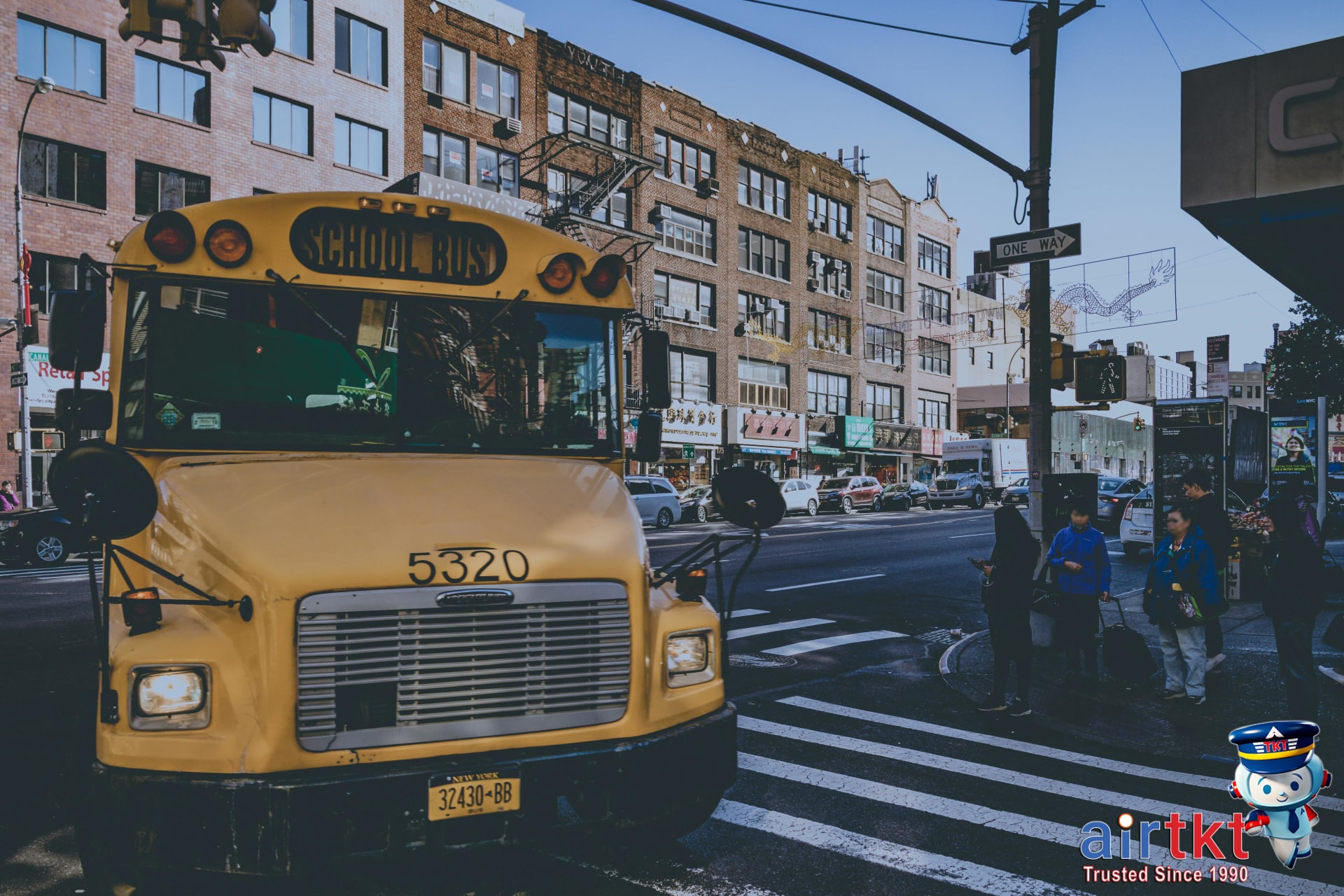
Buses are one of New York City’s best-kept secrets for travelers who want to see the city above ground. While the subway is fast for long crosstown or uptown–downtown trips, buses sometimes get you much closer to your actual destination, especially in neighborhoods where subway coverage is limited. In my experience, I’ve switched to a bus from the subway when the train wasn’t stopping at my station, and the bus turned out to be quicker and got me right where I wanted to go.
The city’s bus grid is pretty logical once you know the basics: Most bus lines starting with “M” serve Manhattan, “Bx” covers the Bronx, “Q” for Queens, “B” for Brooklyn, and “S” for Staten Island. Some of the most traveler-friendly routes include the M5 (up and down Riverside Drive), M15 and M15-SBS (up and down First and Second Avenue), and the M60 which goes straight to LaGuardia Airport from Harlem. Crosstown lines—like the M86 and M42—are life-savers for those days you need to get from the West Side to the East Side without walking across Central Park.
Identifying Bus Stops Easily
Bus stops in NYC are marked by blue-and-white signs with the route number and a list of buses that serve the stop. You’ll often see shelters and benches at busier stops, but sometimes it’s just a slender pole on the corner. The schedules are posted right on the sign or in a plastic case on the shelter—look for the timetable and route map, and pay attention to which direction the bus is going (“uptown” or “downtown”, “eastbound” or “westbound”).
Paying Your Bus Fare with OMNY
Gone are the days of fumbling for coins; now, you simply tap your bank card, phone, or OMNY card on the reader as you enter the bus. The fare structure is the same as the subway, and you don’t need a separate ticket. Tapping the OMNY reader deducts your fare automatically, making it easy for spontaneous trips or quick rides when you’d rather avoid the subway crowds.
Time Your Ride for Efficiency
NYC buses can get bogged down in traffic, especially during rush hours. Typical peak times to avoid are 7:30–9:30 AM and 4:30–6:30 PM on weekdays, when buses can crawl through heavy congestion. If you’re flexible, midday or late evening rides are less crowded and far smoother. Remember, if a bus is stuck in traffic, so are you, so I’d compare a map and choose the subway if your trip seems likely to hit a bottleneck.
Ferry Options: Scenic Water Transit
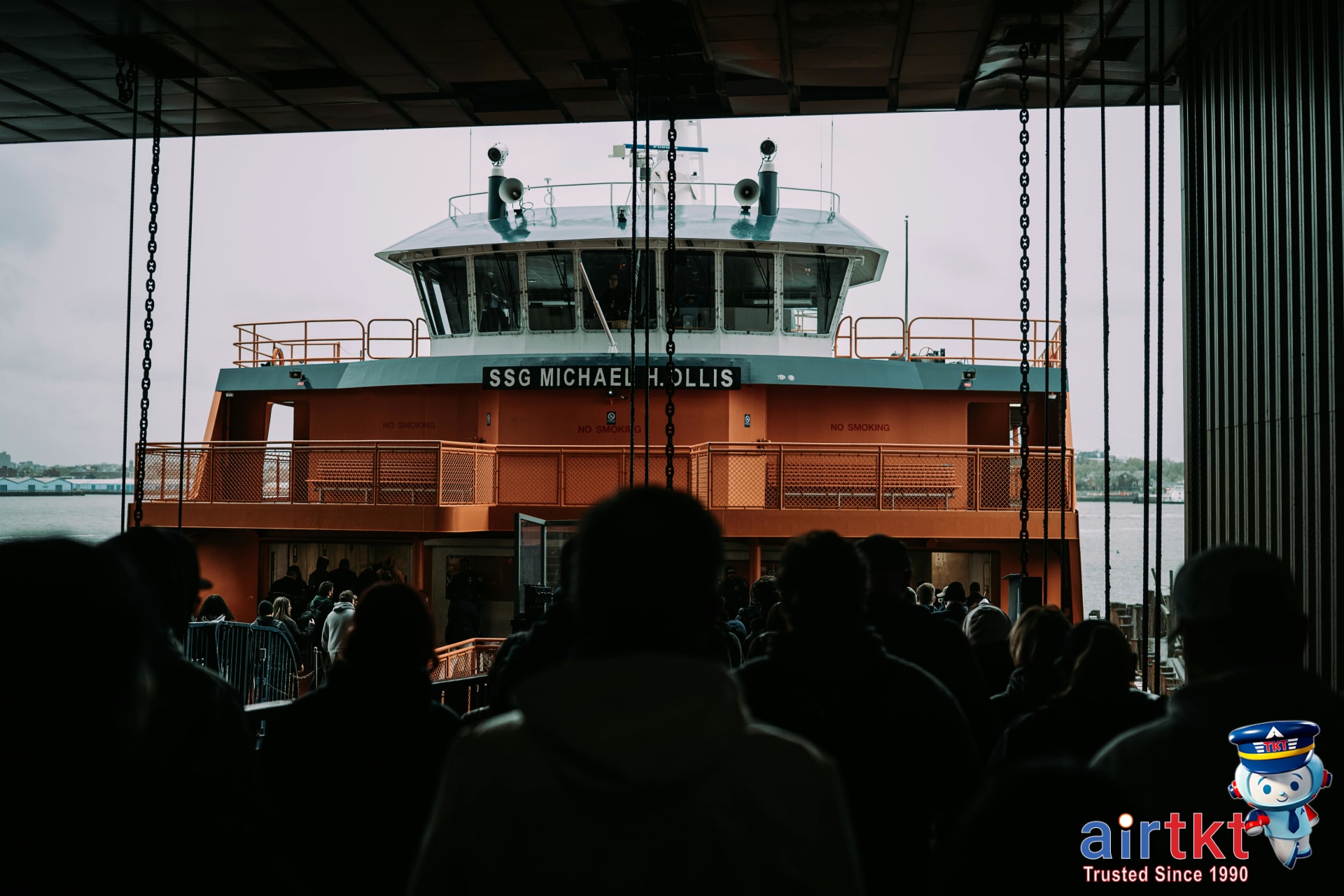
New York City’s ferries are an underrated way to travel—especially if you’re craving a break from packed subways or bumper-to-bumper buses. The city’s signature Staten Island Ferry runs between Whitehall Terminal in Lower Manhattan and St. George Terminal on Staten Island, operating all day and night. One big draw is the unbeatable view of the Statue of Liberty and Lower Manhattan, and I’ve honestly found it’s a great way to unwind after a hectic day in the city.
NYC Ferry provides several other scenic routes connecting waterfront neighborhoods across Manhattan, Brooklyn, Queens, and the Bronx. Lines like the East River, Astoria, and South Brooklyn route make commuting feel more like a sightseeing cruise than a grind. Ferries usually run every 30 minutes during peak hours and a bit less frequently later at night or on weekends, but I always double-check the official schedule—NYC’s weather or events can affect timings. For the latest information on routes and schedules, I recommend visiting the NYC Ferry official website.
Paying Ferry Fares Easily
For most ferry lines (aside from the always-free Staten Island Ferry), you’ll need to pay a fare—currently around $4.00 for a single NYC Ferry ride. You can use your OMNY card, MetroCard, or buy a ticket through the NYC Ferry app or kiosks at the dock. I’d compare both OMNY and MetroCard for flexibility; OMNY works with contactless cards and phones, while MetroCard is still widely accepted but is gradually being phased out.
What’s great about the ferry is the relaxed ride and breezy upper decks, where you’re free to soak in skyline views, snap photos, or simply decompress while the city floats by. Unlike crowded train cars, the atmosphere is open and refreshingly calm, making the ferry much more than just another commute option.
Tourist Traps to Avoid on Transit
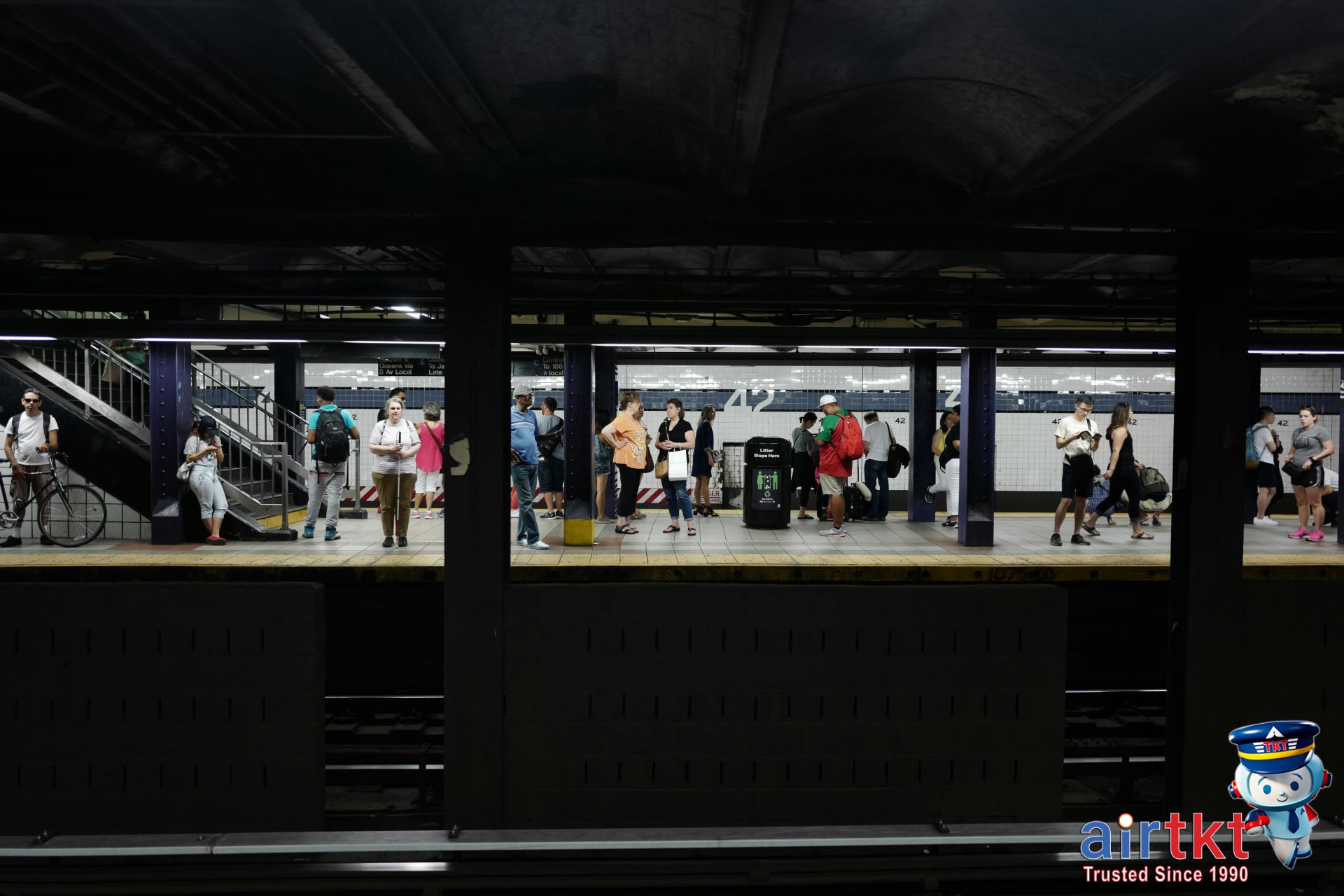
New York City transit is a marvel, but it’s easy for first-timers to feel overwhelmed and fall for common tourist traps. Knowing where travelers often trip up can save you a ton of time (and stress) during your stay.
Common NYC Transit Pitfalls
Let’s start with the big three mistakes I see most: crowding into the nearest busy station entrance, misunderstanding fare zones and subway lines, and boarding before double-checking if your stop serves the service you want. Once, I nearly boarded an express train heading far away from my stop at rush hour simply because I followed a pack of people into the wrong platform—lesson learned to always match train number and color to both maps and signs before jumping aboard.
- Bottlenecked Entrances: Tourist favorites like Times Square, Penn Station, and Grand Central are magnets for crowds. These get especially jammed during rush hour, with packed stairwells and slow lines for ticket machines. If you can, pick a nearby station entrance—most large stations have quieter side entries just a block or two away.
- Fare Zone Confusion: NYC’s subway uses a flat fare inside city limits, but suburban or express rail (like the LIRR, Metro-North, and PATH) have different zones and require specific tickets. Don’t make the mistake of thinking your $2.90 subway MetroCard works everywhere—always check the posted fare info at each entrance if you’re unsure which system you’re entering.
- Boarding Wrong Stops or Trains: Not every train on a given platform stops at every station listed—express trains skip multiple stops. Double-check the electronic signboards and posted route maps. If a platform looks confusingly busy, pause and figure out if both express and local trains board from the same side.
Choose Smoother Travel Options
If you’re not in a hurry, consider starting your trip from a quieter station instead of a major hub. For example, instead of squeezing in at the main Times Square entrance, I’d look for a nearby stop on 7th or 8th Avenue, which often have less foot traffic. Planning ahead, using a digital map app, and selecting off-peak times can make your ride less stressful and more pleasant.
Time-Saving Transit Apps and Planning
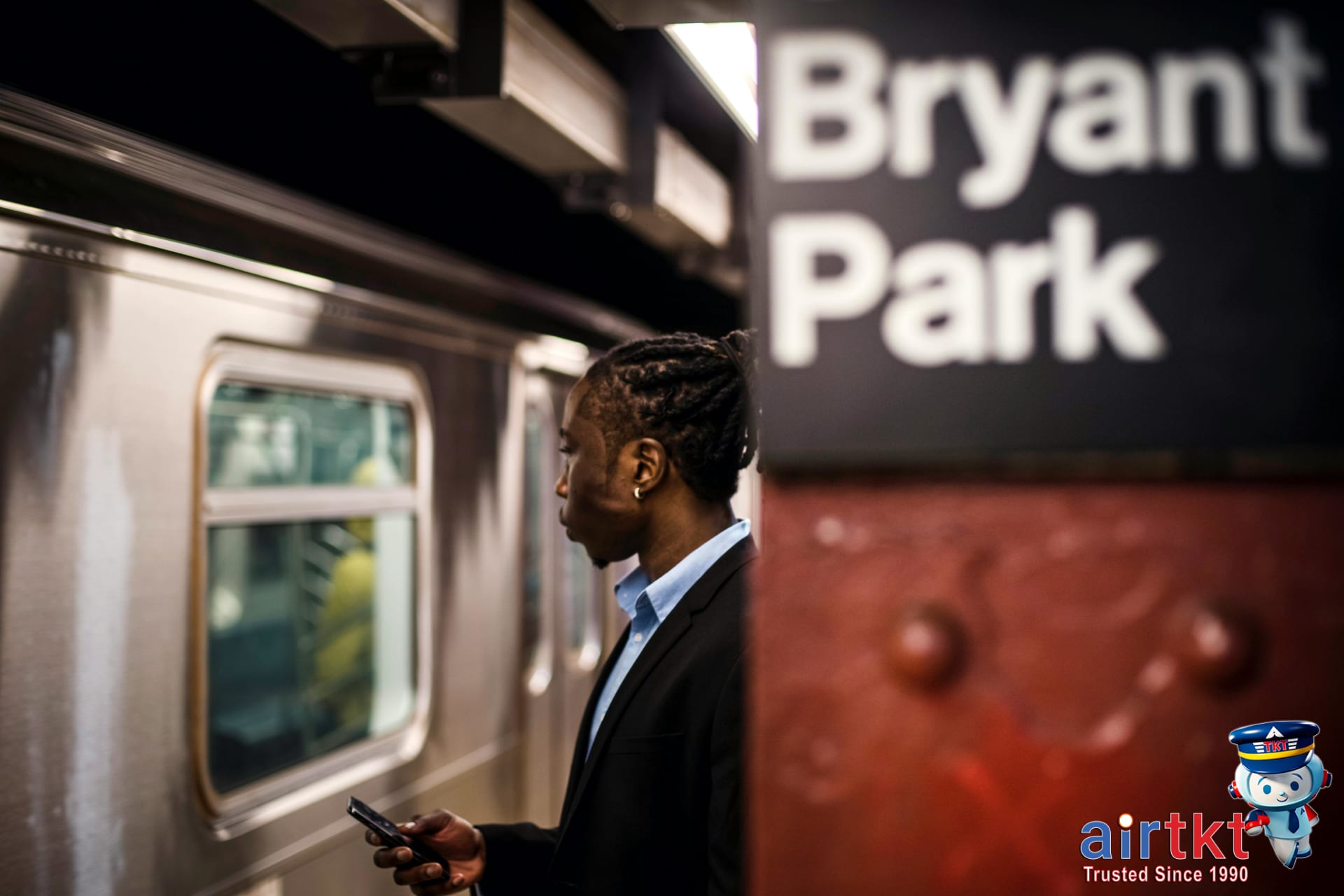
For getting around New York City without delays, a few reliable transit apps have become daily essentials. The official MTA app gives you live train and bus times, planned service changes, and even station maps, which I’ve found makes navigating busy stations like Penn Station a lot less stressful. Google Maps is a classic choice for route planning—its trip planner shows transit lines, estimated travel times, and walking directions between stops, making it easy to adapt if detours pop up mid-journey.
One thing I always recommend is creating an OMNY account if you’re using contactless payment for subway and bus rides. With an OMNY account, you can track your ride history, resolve payment issues, and review weekly fare-capping benefits, saving you some headaches if you’re managing multiple trips in a single week. I also find it handy that the OMNY site lets you quickly check payment status or dispute mistakes.
Route Planning and Service Alerts
The biggest time saver for me has been checking for planned service changes before I head out—the MTA app and website display real-time alerts for delays or construction. I’d compare your intended route with any planned outages, especially on weekends, to avoid last-minute scrambling. Google Maps and Citymapper both offer “save route” options, so you can bookmark trips you take often—like your hotel to Central Park—and pull up directions instantly rather than re-entering details each time.
Staying plugged into these tools not only helps prevent missed trains or buses, but also cuts down on wasted time standing on crowded platforms. To read more about safe public transport habits, check out the travel preparation tips on airtkt.com for further guidance.
Budget Travel Table: NYC Public Transport Costs

Trying to sort out your NYC expenses? Here’s a side-by-side look at how accommodation, food, public transport—especially via OMNY—and activities stack up across Budget, Mid-range, and Luxury travel styles. I’ve found that using OMNY, NYC’s contactless payment system, made it far simpler to track transit spending and avoid unplanned splurges, which can creep up fast in the city.
| Budget | Mid-range | Luxury | |
|---|---|---|---|
| Accommodation | $60.00 | $170.00 | $400.00 |
| Food | $20.00 | $60.00 | $180.00 |
| Transport (OMNY) | $6.00 | $18.00 | $45.00 |
| Activities | $15.00 | $40.00 | $120.00 |
The OMNY system is ideal for budget travelers—tap and pay as you go, and you can easily measure your daily transit costs. If you’re moving between Manhattan, Brooklyn, and Queens, you’ll tap OMNY multiple times but rarely spend more than the daily fare cap (which auto-applies with each tap). That predictability is a real benefit when you’re watching your spending. I always recommend budgeting transport costs up front, so you’re not surprised at the end of your trip.
Staying Safe On NYC Transit
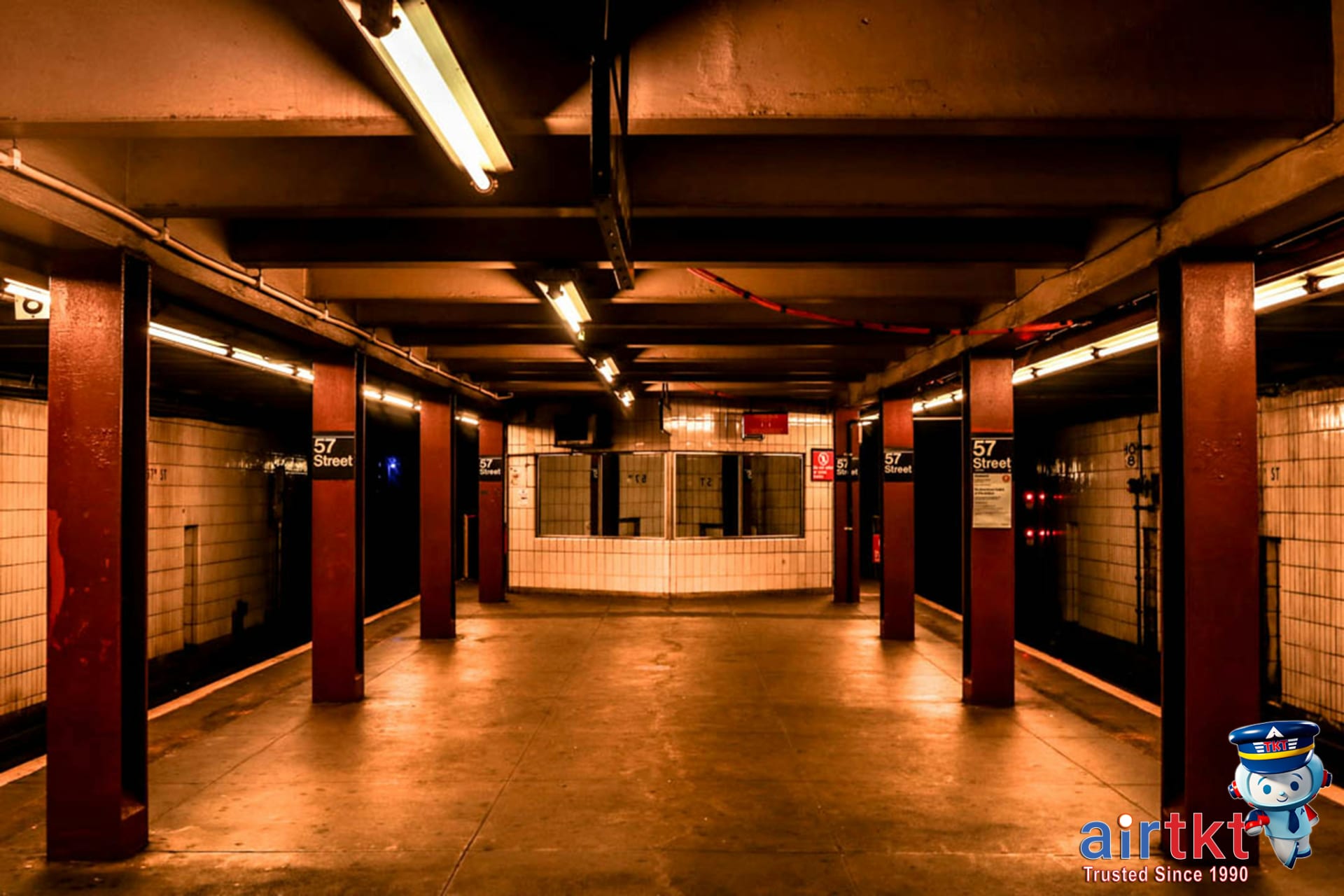
New York City’s subway system is the city’s backbone for getting around, no matter the hour. While the subways run nearly nonstop, your approach to safety should shift depending on the time of day. Some stations, especially those at major hubs or in busier neighborhoods, tend to have better lighting and more staff present through the night. If you find yourself traveling outside of peak hours, I suggest seeking out these well-patrolled stations for both convenience and peace of mind.
Whether it’s day or night, a few habits make a big difference. During daylight, you’ll usually find more fellow riders and open station entrances. Still, even when crowds thin out, stay alert. When I ride at night, I always wait where the platform is well-lit and close to the station booth or the emergency call box. If you’re unsure which car to enter, choose one where the conductor rides (often in the middle of the train) or one that’s populated by other passengers.
It’s easy to get distracted as you travel, but maintaining awareness is essential—especially when it’s quiet or late. Keep your phone stowed, limit headphone volume, and occasionally scan your surroundings. I always feel more secure when I have a clear sense of who’s around me and keep personal items zipped or close at hand. Avoid empty train cars, particularly after dark. Sitting near other riders, ideally closer to station exits or conductors, can help you feel less isolated.
Before you board, quickly check which exits will be staffed, and plan your route so you won’t be wandering in unfamiliar or sparsely occupied stations. Preparing in advance, even with a mental checklist, adds another layer of reassurance and lets you focus more on enjoying the city rather than worrying about logistics.
Local Insights: Navigating Like a Native

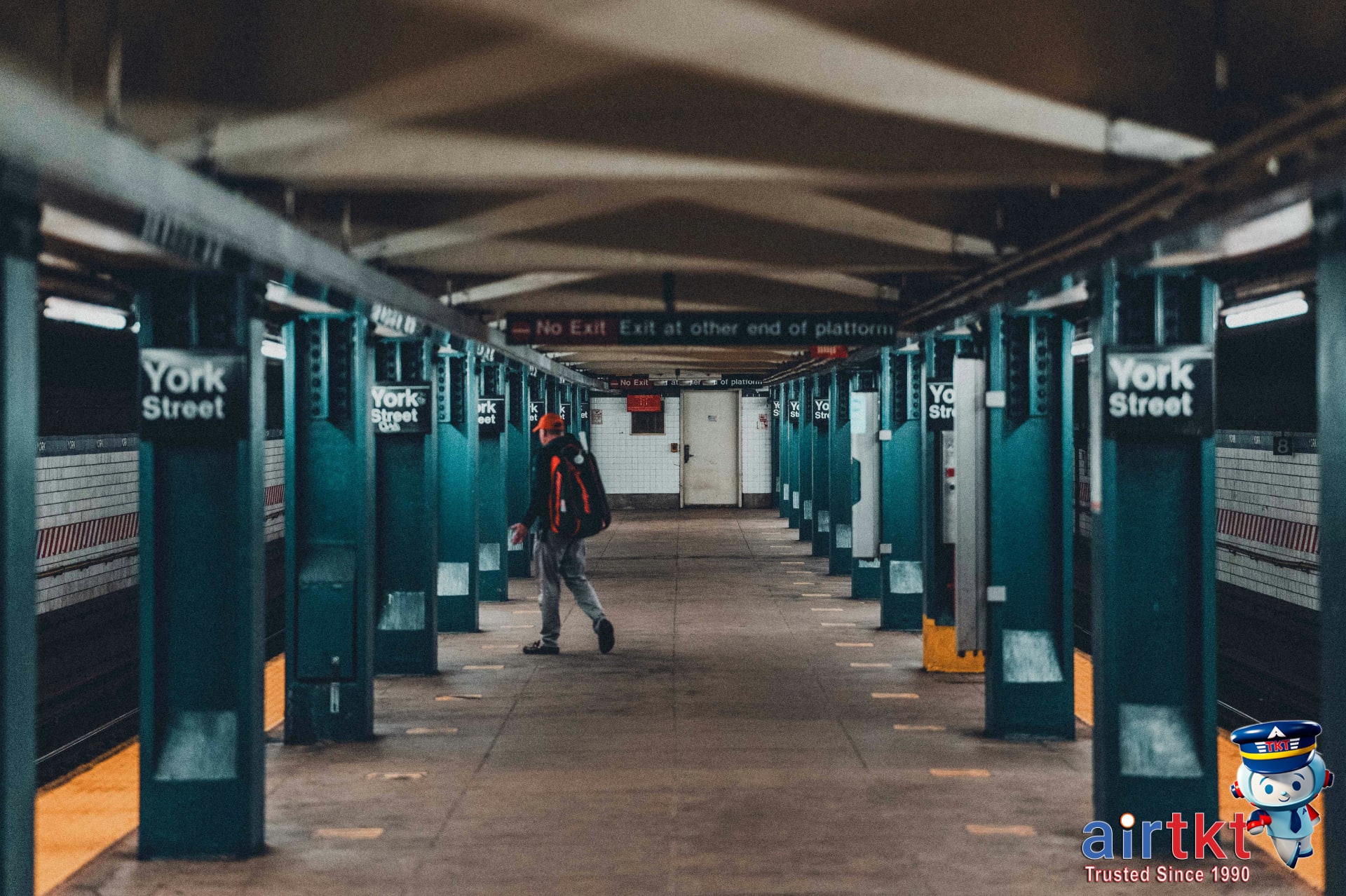
Getting around New York City like a local is all about timing, curiosity, and picking up on a few insider tricks. If you want to avoid the crush of commuters, skip the subway during peak hours—typically 8:00–9:30 a.m. and 5:00–7:00 p.m. Instead, riding after 10:00 a.m. or before 4:30 p.m. usually means less crowding, room to breathe, and a more relaxed ride. I’ve found that matching my pace to the city’s midday rhythm gives me a fresh perspective and a lot more patience on subway platforms.
Locals often seek out little-known shortcuts. For example, at major stations like Times Square, you can often head to the far end of the platform to board emptier train cars. Transfer points between lines are sometimes quicker if you walk an extra block above ground versus winding through crowded passageways underground. When I want to feel like an insider, I’ll join the trickle of New Yorkers crossing from Herald Square to Bryant Park on foot for a faster transfer between subway lines.
If ferries intrigue you, don’t skip the secondary stops. Many visitors ride the NYC Ferry at major piers, but locals know there are quieter terminals like Soundview in the Bronx or Bay Ridge in Brooklyn. These out-of-the-way docks grant a scenic, crowd-free journey—and you might discover corners of the city that rarely make it into guidebooks. Exploring alternate ferry lines can turn a routine transfer into a mini harbor cruise.
While it’s tempting to pretend you know exactly where you’re going, you’ll fit in much better by confidently seeking help when needed. Station agents, in my experience, are a goldmine for directions—and they genuinely appreciate direct, polite questions. Don’t be shy; even seasoned New Yorkers ask for advice, especially when unexpected service changes pop up.
If you want even more practical tips, check out airtkt.com’s guide to NYC attractions for more local wisdom and itinerary inspiration.
NYC Transit FAQ: Common Questions Answered
- How do I use the OMNY system in NYC?
OMNY lets you tap a contactless card, phone, or smart device at the subway or bus reader—no MetroCard required. Riders simply hold their card or device over the OMNY reader, wait for the beep, and the fare is deducted automatically. There’s no registration needed for occasional use.
- Which subway lines serve major Manhattan attractions?
The 1, 2, 3 (red) lines run through Times Square and the Theater District, while the A, C, E (blue) lines serve Penn Station and Lower Manhattan. The N, R, W (yellow) lines connect Rockefeller Center, Union Square, and downtown. Each subway map highlights these connections clearly.
- What’s the best way to pay for NYC subways and buses?
Most travelers use a contactless credit card or mobile wallet with OMNY for convenience. You can also buy a MetroCard for multiple rides. For visitors staying several days, a 7-day Unlimited MetroCard—purchased at any station vending machine—is a practical option if you’re riding many times.
- How can I avoid tourist traps on NYC transit?
Skip unofficial vendors promising discounted tickets and avoid accepting help at turnstiles from strangers. Stick to official machines or staffed booths. Download reputable transit apps for directions, and always double-check subway service changes posted inside stations or on digital displays before starting your trip.
- Is there a difference between local and express trains?
Yes, local trains stop at every station, while express trains skip certain stops to make longer journeys faster. Look for both color and number/letter designations on the platform signage. Double-check the electronic display or announcement before boarding to confirm the train stops at your destination.
- Can I transfer for free between subway and bus?
Riders get one free transfer within two hours when using the same OMNY payment or MetroCard. For example, you can board a bus after riding the subway, or vice versa, at no extra charge. The transfer must occur within the two-hour window for the discount to apply.
Confident NYC Travel: Final Advice
Wrapping up your journey with NYC public transit, it’s clear that a little planning goes a long way. OMNY makes getting around much simpler—you can tap in and ride without fumbling for change or worrying about losing your MetroCard. I found using OMNY and thinking ahead made my NYC visits smoother and gave me more time to actually enjoy the city without stress over logistics.
Remember, most transit headaches can be minimized by traveling during off-peak hours. You’ll notice a less crowded train, more room to sit or stand, and a general sense of calm that makes the ride more enjoyable. Smart trip planning—like checking service status, using mobile maps, and loading your OMNY payment before you board—can help you move through the city like a local.
The city’s public transportation opens up limitless neighborhoods, food scenes, and classic landmarks. If you’re ready to turn your NYC plans into reality, you can always browse the latest flight options on airtkt.com for a straightforward booking process. Your subway adventure awaits—don’t be shy about trying that next crosstown ride or exploring a borough you haven’t seen yet.