
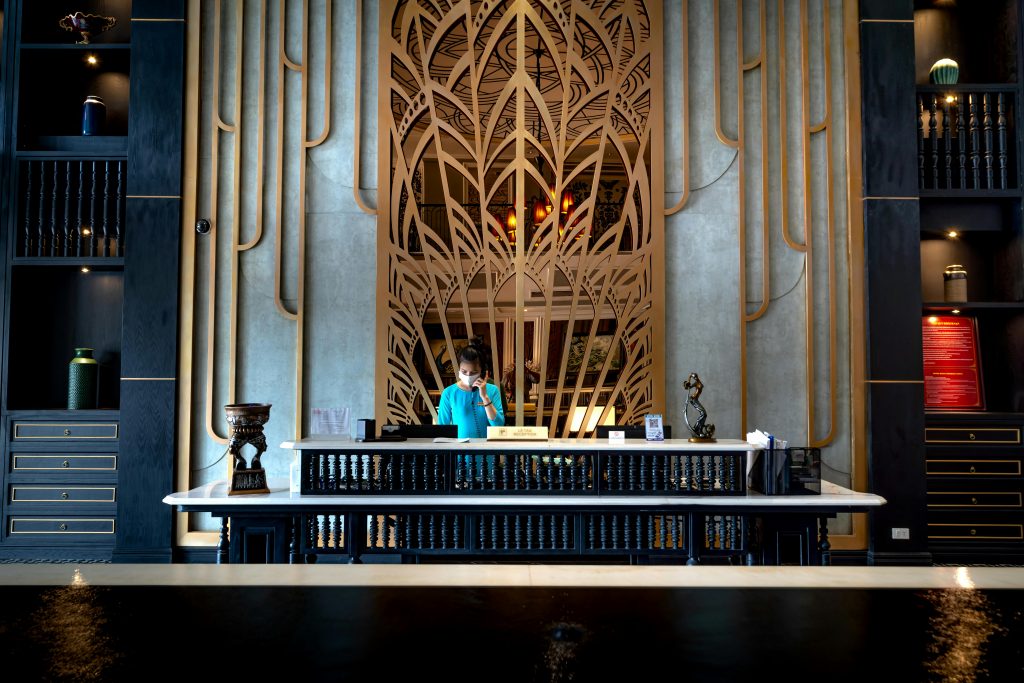
Hotel Bidding Sites Overview
Hotel bidding sites offer a unique way to secure accommodations by allowing travelers to place bids on hotel rooms rather than booking at a fixed price. Unlike traditional hotel booking, where prices are openly listed and paid upfront, bidding lets users suggest what they’re willing to pay. If the hotel accepts the bid, the traveler gets a discounted rate that’s often below standard prices.
This approach has gained traction among budget-conscious travelers eager to save money without sacrificing comfort. The thrill of negotiating prices combined with the potential for significant savings makes hotel bidding an appealing alternative. As more travelers seek flexible, cost-effective options, these platforms have become popular tools for finding better deals on quality stays.
In this article, AirTtkt will guide you through how hotel bidding works and highlight the benefits of this method. We’ll cover the step-by-step process of placing bids, the kinds of savings you can expect, trusted platforms to use, strategic bidding tips to improve your chances, and what to consider regarding cancellations or changes.

How Hotel Bidding Sites Work
Hotel bidding sites offer travelers a unique way to secure accommodations at significantly discounted rates through an auction-like process. Instead of booking a room at the published price, users submit a bid indicating how much they are willing to pay. The platform then tries to match these bids with hotel inventory that meets the traveler’s criteria, such as location, star rating, and amenities. If your bid meets or exceeds the hotel’s minimum acceptable price, your reservation is confirmed, usually without revealing the hotel name until after booking.
This reverse auction system benefits both travelers and hotels. Hotels fill unsold rooms while travelers can save substantially without needing to constantly monitor fluctuating prices. The process typically unfolds in a few steps:
- Submit Your Bid: Enter the price you want to pay for a room type within your preferred area or neighborhood.
- Await Confirmation: The bidding engine cross-references your offer against available rooms that hotels want to offload confidentially.
- Receive Booking Details: If your bid is accepted, you get a confirmation with all the key information, although some sites withhold the exact hotel name until after booking.
Users can usually submit a bid multiple times or adjust their offer if their initial bid is not accepted, increasing chances of success.
Typical savings range from 15% to 40% off the standard hotel rates, depending on factors like location, time of year, and demand. The biggest discounts tend to occur during off-peak seasons or last-minute availability, when hotels seek to optimize occupancy without publicly slashing prices. In contrast, high-demand travel periods see more conservative discounts since hotels can sell at or near full price.
Popular platforms have built their reputation on this bidding model. Priceline’s Name Your Own Price was one of the pioneers, allowing users to bid on hotel rooms anonymously. Another well-known example is Hotwire’s Hot Rates, which offers similar discounting by showing only the hotel location and details after purchase. These sites provide travelers with an easy way to find deeply discounted rooms without combing through endless price options.
Seasonal trends heavily influence hotel bidding prices and room availability. For example, during winter holidays or summer vacation peaks, fewer rooms are offered at steep discounts, and bid acceptance thresholds rise. Conversely, shoulder seasons and weekdays regularly have lower demand, leading to more aggressive bidding success due to excess inventory. Understanding these market patterns helps travelers plan bids strategically for maximum savings.
Leveraging these platforms alongside traditional booking tools on AirTtkt ensures travelers can compare potential savings and strike when the timing and prices align best. By grasping how bidding sites operate and recognizing when hotel rates dip seasonally, budget-conscious travelers unlock valuable opportunities to stay well-located at budgets that suit their needs.
Using Hotel Bidding Sites Step-by-Step
Booking hotels via bidding sites can save you a significant amount on accommodations if you know how to navigate the process effectively. These platforms allow you to name your price for hotels, adding a competitive twist to traditional booking methods. Here’s a clear, step-by-step guide to help you confidently secure hotels at great rates.
Select Your Destination and Travel Dates
Your first step is choosing where and when you want to stay. Accurately inputting your destination and travel dates ensures you only see available hotel options for that timeframe. Many bidding sites show a wide selection once these details are entered, but be sure to double-check seasonal fluctuations and local events, which may affect pricing and availability.
Research Hotels Before Bidding
Before placing any bids, it’s essential to research potential hotels thoroughly. Look at star ratings, guest reviews, and the exact location of each hotel to ensure it meets your standards and needs. Reliable review sites and maps help confirm that the hotel is conveniently located and has the amenities you want. This preparation avoids surprises after your bid is accepted.
Set Competitive, Reasonable Bid Prices
Successful bidding depends heavily on pricing strategy. Check recent market rates for comparable hotels to determine a bid that is tempting yet realistic. Avoid setting your bid too low, which usually leads to rejection, or so high that you lose potential savings. Aim for around 70-85% of the average listed rates as a starting point.
Submit Your Bid and Monitor Timing
The timing of your bid submission can influence its success. Studies suggest placing bids during off-peak hours, such as early mornings or late evenings, may face less competition. Also, submit your bids closer to your stay dates, typically within 7-14 days, when hotels are eager to fill rooms. However, avoid waiting too long to prevent missing out entirely.
Finalize Booking Upon Bid Acceptance
Once a hotel accepts your bid, you’ll receive a confirmation. Review the booking details carefully and complete any remaining payment steps promptly. Keep all correspondence and confirmation numbers safe for reference. Some bidding platforms lock in prices immediately, while others may take a few hours to confirm, so stay attentive.



Hotel Bidding vs Traditional Booking Comparison
When searching for affordable hotels, travelers often weigh hotel bidding against traditional booking methods. Hotel bidding platforms let you name your price, potentially saving you hundreds compared to listed rates. However, this savings opportunity comes with trade-offs that are worth understanding before committing.
Advantages of Hotel Bidding include significant cost savings. Since hotels want to fill unsold rooms, bidding allows you to secure rooms well below standard prices. This method can be especially attractive during peak seasons or last-minute trips. Additionally, bidding platforms usually package options without revealing the hotel name until after purchase, simplifying the decision process based on star rating or location.
On the downside, the lack of upfront transparency about the hotel’s identity can be unsettling. You won’t know exactly which property you’re booking, which complicates research on reviews, amenities, or exact location. This opacity can make some travelers uncomfortable, especially those who value specific hotel brands or loyalty points. Furthermore, bidding platforms often impose stricter cancellation and refund policies.
Cancellation and Refund Policy Comparison
Cancellation rules vary considerably between hotel bidding and standard booking:
| Booking Method | Cancellation Flexibility | Refund Availability | Typical Fees |
|---|---|---|---|
| Hotel Bidding | Usually non-refundable or limited window (24-48 hours) | Rarely refunded except in exceptional cases | No show or cancellation fees apply |
| Traditional Booking | Often flexible, allowing cancellations up to 24-48 hours before check-in | Full refund if canceled within policy window | Possible refundable or non-refundable rate options |
For example, major bidding platforms like Hotwire and Priceline generally enforce strict non-refundable policies once the bid is accepted, emphasizing the risk inherent to the savings. In contrast, booking directly through a hotel’s website or via platforms like AirTtkt often grants you clear cancellation windows and refund rights, letting you adjust plans without losing money.
Real Price Differences in Practice
Consider a recent scenario comparing a downtown Chicago hotel in peak summer. The traditional booking price was listed at $220 per night. Through bidding, a traveler secured a room for just $150, saving $70 or about 32%. However, the bid was non-refundable and the hotel was unidentified until confirmation.
Another example from Miami showed a traditional $180 nightly rate, while bidding saved 25% at $135. The lower price is attractive, but travelers should weigh the uncertainty and cancellation limitations against these savings.
Key Risk Factors include committing to a room without knowing the exact hotel and accepting limited or no cancellation rights. Travelers who prioritize flexibility or brand loyalty may prefer traditional bookings despite higher rates. On the other hand, budget-conscious travelers with fixed plans can benefit from bidding.
In summary, the choice between hotel bidding and traditional booking depends on your priorities: maximum savings with some risk, or pay more for certainty and flexibility. Platforms like AirTtkt can help compare options and guide you to the best fit for your travel style.


Insider Tips to Win Hotel Bids
Bidding on hotels can unlock significant savings, but it requires more than just luck. Industry insiders have developed proven strategies to boost your chances of winning high-quality rooms at unbeatable prices. From timing your bids perfectly to leveraging multiple platforms, mastering these tactics will let you book with confidence and save big.
Timing Bids for Maximum Advantage
Understanding when to place your bid is critical. The hotel industry often experiences fluctuations that savvy travelers can exploit. Booking during the shoulder season—those transitional periods between peak and off-peak times—often yields lower starting bids due to reduced demand. Additionally, last-minute bids, placed within a few days of your stay, can capture hotels looking to fill unsold rooms quickly.
These timing tactics work because hotels prefer to fill rooms at reduced rates rather than leave them empty. Keep in mind, however, that last-minute bidding can be risky if you have strict travel dates, so balance flexibility with opportunity.
Leverage Multiple Bidding Platforms and Set Alerts
Don’t rely solely on one site—spread your bids across different platforms to increase your exposure to available properties. Some bidding sites specialize in particular regions or hotel chains, so using several can uncover hidden gems. Parallel to bidding, setting up price alerts on AirTtkt and other travel platforms is a smart move. These alerts notify you when bids drop or new deals appear, enabling you to strike at the right moment without constant manual searching.
Combining multiple channels with timely alerts equips you with a comprehensive view of the market, empowering you to make smarter, faster bidding decisions.
Beware Minimum Bids and Non-Refundable Reservations
While aggressive bidding can lead to bargains, be cautious about minimum bid thresholds set by hotels or platforms. Bids below these limits won’t be considered, so start with realistic offers based on market rates and your budget. Additionally, many hotel bids come with non-refundable policies. Before committing, review the fine print carefully—cancellations often result in losing your entire payment.
By weighing the risks and planning bids accordingly, you can avoid costly mistakes and ensure a smooth booking experience.
Case Studies Showing Price Differences
To illustrate how bidding on hotels through AirTtkt can produce significant savings compared to traditional booking sites, here are four anonymized case studies. Each example compares similar hotel categories in popular destinations, showing total costs including taxes and fees for bidding versus direct booking. These detailed cost breakdowns reveal clear price advantages and help budget travelers make informed decisions.
| Destination | Hotel Category | Booking Method | Room Rate | Taxes & Fees | Total Cost | Savings Compared |
|---|---|---|---|---|---|---|
| Orlando, FL | 3-Star Downtown Hotel | Bidding | $85.00 | $15.30 | $100.30 | $45.70 (31%) |
| Orlando, FL | 3-Star Downtown Hotel | Traditional | $110.00 | $36.00 | $146.00 | |
| Paris, France | 4-Star Boutique Hotel | Bidding | $135.00 | $28.65 | $163.65 | $36.35 (18%) |
| Paris, France | 4-Star Boutique Hotel | Traditional | $155.00 | $45.00 | $200.00 | |
| New York, NY | 3-Star Midtown Hotel | Bidding | $120.00 | $25.20 | $145.20 | $54.80 (27%) |
| New York, NY | 3-Star Midtown Hotel | Traditional | $150.00 | $50.00 | $200.00 | |
| Tokyo, Japan | 4-Star Business Hotel | Bidding | $95.00 | $19.00 | $114.00 | $25.00 (18%) |
| Tokyo, Japan | 4-Star Business Hotel | Traditional | $110.00 | $29.00 | $139.00 |
These case studies demonstrate a consistent pattern: bidding on hotels usually results in a 15-30% cost reduction compared to traditional booking methods. The key is that bidding platforms like AirTtkt leverage unfilled room inventory to offer lower prices without compromising quality.
For example, in Orlando, a standard 3-star downtown hotel room that costs $146 when booked directly can be obtained for just over $100 through bidding. This almost $46 saving covers taxes and fees, offering travelers a substantial discount on their stay.


The Paris case study further supports this, where a 4-star boutique hotel’s traditional cost is $200, but auction bidding lowers that to about $164. These savings become more meaningful the longer the stay or when booking multiple rooms.
In New York City, travelers can save over 25% on a 3-star midtown hotel, which can significantly reduce trip expenses in one of the most expensive lodging markets.
Travelers to Tokyo can also benefit; the 4-star business hotel example shows nearly $25 saved per night, a noteworthy figure when multiplied over multiple nights or for group bookings.
In summary, these real-world examples illustrate that bidding hotel rooms via AirTtkt is a powerful way to unlock savings that traditional booking sites rarely match. This strategy helps budget travelers access quality accommodations without paying premium rates.
Cancellation and Flexibility Considerations
When booking hotels through bidding platforms, cancellation policies often differ significantly from traditional reservations. These sites typically offer lower rates by requiring non-refundable or limited refund bookings, which means travelers may forfeit their payment if plans change. Unlike conventional hotels with tiered cancellation windows, bidding platforms prioritize commitment and may not allow cancellations or modifications without penalties. It’s crucial to carefully read each platform’s terms before finalizing a bid, as some offer partial refunds only under specific conditions, while others strictly enforce no refund policies.
Understanding these rules helps travelers assess the risk involved based on their personal flexibility. If your itinerary is fixed and unlikely to change, bidding hotel sites can yield substantial savings. However, for travelers with unpredictable schedules or those who anticipate possible changes, the risk of losing the entire booking amount is higher. This is especially true for last-minute trips where sudden alterations can be more frequent. Being aware of your own travel flexibility will guide you in choosing between a cheaper non-refundable option or a more flexible, albeit pricier, traditional booking.
For travelers who require refundable or flexible hotel bookings, we recommend prioritizing platforms and properties that explicitly offer free cancellation or refundable rates. Many hotels now provide “flexible rate” options which allow cancellations up to 24-48 hours before check-in without penalty. Such flexibility often comes with a higher price but safeguards your investment if plans shift unexpectedly. Additionally, some traditional booking sites, including AirTtkt, highlight flexible policies in their search filters, making it easier to target refundable hotel options.
Regarding regulatory updates, travelers should note that the U.S. Department of Transportation (DOT) currently mandates airlines to provide refunds promptly for canceled flights, but similar clear-cut federal guidelines for hotel cancellations do not exist. However, in response to the COVID-19 pandemic, some states introduced temporary protections requiring hotels to offer refunds or rescheduling options under specific circumstances. While these rules are generally easing, it’s wise to keep abreast of any local regulations at your destination.
The Transportation Security Administration (TSA) does not regulate hotel bookings directly but recently emphasized the importance of flexible travel plans due to evolving travel restrictions. This makes refundable or flexible hotel reservations more crucial, especially for international trips where border policies can change rapidly.
Frequently Asked Questions About Hotel Bidding
What is hotel bidding and how does it work?
Hotel bidding lets travelers place offers for hotel rooms below the listed price. If the bid meets the hotel’s minimum threshold, the booking is confirmed at the discounted rate. It’s a win-win: guests save money, and hotels fill unsold inventory.
How to place competitive bids effectively?
Research comparable hotel prices first, then bid slightly lower but close to those rates. Avoid bidding too low, which might get rejected. Timing your bid during off-peak times or weekdays can also increase acceptance chances.
When should travelers use hotel bidding sites to save most?
Use hotel bidding sites when booking last minute or during low-demand seasons. They work best when hotels have unsold rooms they want to fill quickly, allowing you to snag significant discounts not available through traditional booking channels.
Why is cancellation flexibility limited on bidding sites?
Hotel bidding rates are deeply discounted due to their non-refundable nature. Hotels limit cancellations to avoid losing guaranteed bookings, so these deals often offer minimal or no refund options to keep prices low.
Can I cancel or change a hotel booking made via bidding?
Most bidding bookings are final and cannot be canceled or changed. Always check the terms before bidding. If flexibility is crucial, consider traditional booking methods or packages with refundable policies.
How do hotel bidding savings compare to traditional booking?
Hotel bidding can save travelers 20% to 50% compared to standard rates. These discounts usually surpass traditional sale prices but require trade-offs like less flexibility and limited hotel choice.
Which hotel bidding platforms offer the best deals?
Popular platforms like Priceline’s Express Deals and Hotwire offer strong bidding options. For reliable savings and easy comparison, consider booking through trusted sites like AirTtkt, which also provide comprehensive support and transparent pricing.
Hotel Bidding Sites Benefits and Limitations
Hotel bidding sites have become a popular tool for travelers seeking significant savings on accommodations. By allowing users to place bids on unsold rooms, these platforms can offer prices well below standard rates. This bidding approach presents an alternative booking option, especially for budget-conscious travelers who are flexible with hotel choices. Beyond just savings, hotel bidding sites can open doors to stays at higher-end hotels that might otherwise seem out of reach.
However, while attractive, hotel bidding comes with important limitations. One primary drawback is the lack of transparency—it’s often unclear which hotel you will receive until after your bid is accepted. This uncertainty can be frustrating if you have specific preferences or need guaranteed amenities. Cancellation policies are frequently restrictive, with many bookings being non-refundable or subject to penalties. This risk means that travelers must be confident about their travel dates and plans before placing a bid.
Given these factors, it’s crucial to approach hotel bidding sites with informed strategies. Understanding the terms and conditions, reviewing cancellation policies carefully, and setting realistic price limits are essential. The bidding process rewards those who are patient, flexible, and well-versed in navigating these platforms. Utilizing tips and techniques shared throughout this article will help maximize your chances of securing a good deal while avoiding common pitfalls.
For travelers seeking dependable and transparent options without sacrificing affordability, AirTtkt offers a comprehensive solution. AirTtkt combines competitive rates on hotels and flights with a streamlined booking experience, real-time fare comparisons, and access to exclusive discounts. With 24/7 customer support and reliable assistance, you can book with confidence and ease. Whether you’re looking for last-minute deals or long-term stays, AirTtkt simplifies travel planning without the uncertainties often found in bidding sites.
In summary, hotel bidding sites can be a valuable tool to save money, but it’s essential to balance the benefits against the potential risks. By staying informed and cautious, travelers can enjoy alternative booking options and attractive rates. Meanwhile, platforms like AirTtkt continue to provide competitive, transparent, and hassle-free booking experiences for savvy travelers worldwide.