

Why Hotel Hacks and Timing Matter
If you’ve ever wondered how some travelers consistently snag lower hotel rates, you’re not alone. Hotel “hacks” have become a big topic among budget travelers because the old “just book early” advice doesn’t always cut it anymore. These days, flexible travelers are using a mix of apps, loyalty perks, and negotiation tricks to save money—and when you book makes a bigger difference than many people realize.
Over the years, I’ve seen how timing can shift hotel rates dramatically. On one trip, waiting just a couple of days to book in the off-season literally dropped my rate by about $40.00 per night for the same room. On another trip, last-minute searching during peak times ended up costing me much more. Timing really isn’t just a detail—it can be the difference between a travel splurge and a solid deal.
In this guide, I’ll break down practical strategies: how to take advantage of price-matching, which last-minute apps are actually worth using, what loyalty programs can really offer, and how to negotiate (yes, politely!) for a better price at the front desk. If you’re looking to go even further, timing strategies aren’t just for hotels. For flights, many of the same principles apply—check out our post on How to Use Flexible Date Searches for Flights to stretch your budget on airfare, too.
Best Last-Minute Hotel Booking Apps


If you’ve ever needed a hotel suddenly—like I did during a spontaneous road trip—having a reliable last-minute booking app can be a true lifesaver. From my experience, waiting until the last minute sometimes means better deals, but you have to know which apps work best and how to use them strategically.
Top Apps and Their Features
Some of the most popular apps for snagging last-minute hotel deals are HotelTonight, Priceline, and Booking.com. HotelTonight really shines for same-day bookings, offering curated hotel options that often come with deep discounts and easy booking within minutes. The interface is simple and highlights cancellation policies up front, though choices can be more limited in smaller cities.
Priceline stands out with its “Express Deals,” where you get low rates but only find out your hotel after booking. This gamble can pay off, but isn’t for every traveler. Booking.com includes robust filtering by cancellation flexibility, guest ratings, and proximity, making it a favorite for those who want more control and a clear snapshot of what’s available near their current location. Plus, mobile-exclusive rates can make last-minute prices even sweeter.
How To Maximize Savings
To get the lowest prices, use features like real-time price alerts, location-based offers, and push notifications for flash sales. I usually set up alerts on at least two different apps, so I can compare deal notifications as they come in. For the fastest results, allow location services—apps can then surface ultra-local deals you might not spot otherwise.
Timing is also important. I’ve found that checking rooms mid-afternoon, when unsold inventory is most apparent, gives the best chance at scoring a lower price. And whenever possible, read the fine print, as not every “deal” allows for easy cancellation or changes.
If you prefer to search across providers, airtkt.com is mobile-friendly and lets you book hotels alongside flights and car rentals, keeping your planning streamlined, especially when you need flexibility at the last minute.
Effective Price Matching For Hotels

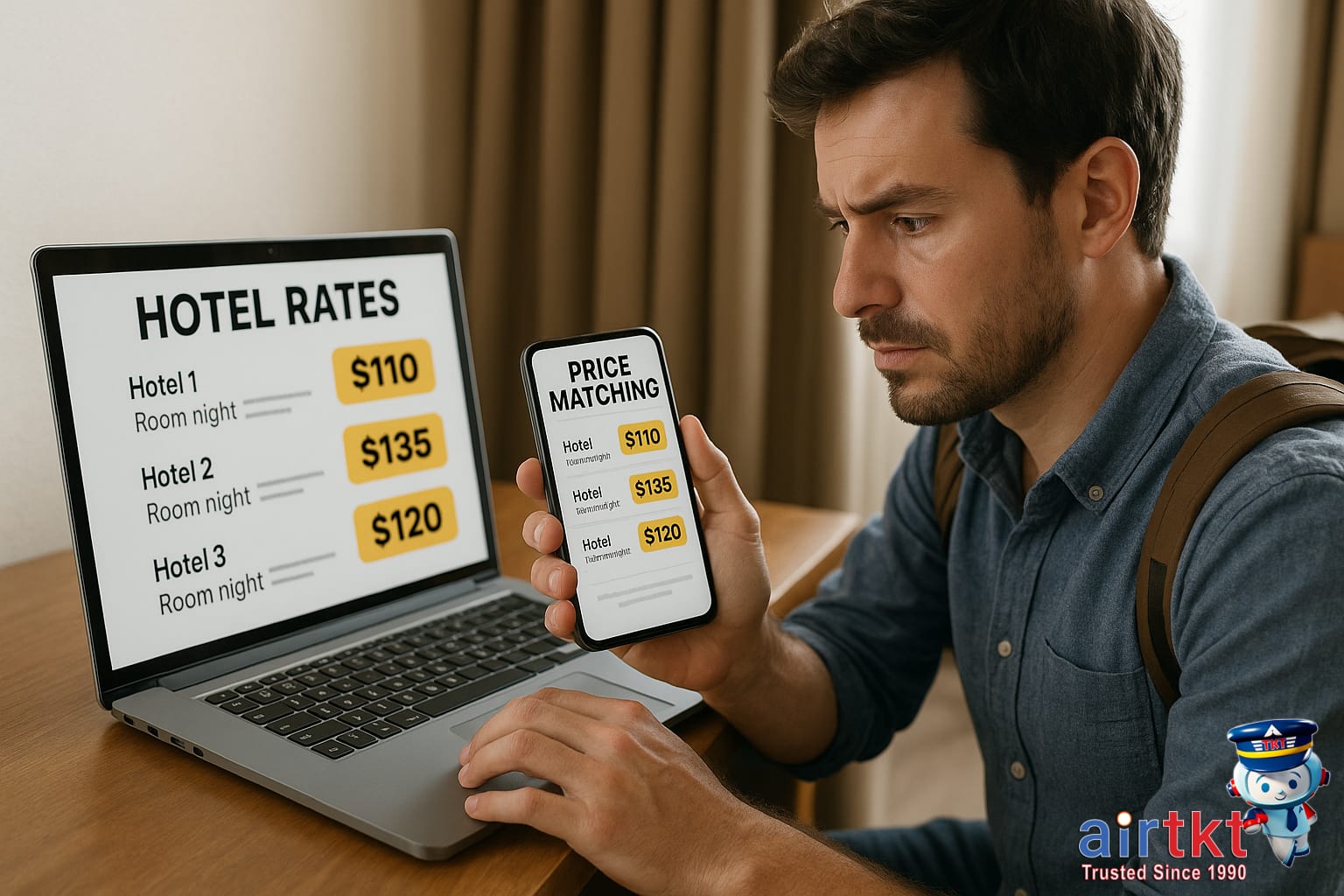
Price matching can be a surprisingly effective strategy to make sure you’re not overpaying for a hotel stay. In hotel bookings, price matching means that after you book directly with a hotel or sometimes with an online travel agency, you can submit a claim to have your rate lowered if you find the exact same room for less elsewhere. Major chains like Marriott, Hilton, and Hyatt are known for offering price match guarantees, but every policy comes with specific conditions—watch for requirements like matching room type, cancellation policy, and booking dates.
Step-By-Step Price Match Process
I usually recommend starting by making your reservation through the hotel’s official site or a trusted OTA. If you spot a lower price on another site for the same room and date, take clear screenshots (showing the full room details and final price with taxes or fees). Then, visit the hotel’s price match form (many have dedicated pages), carefully fill out every detail, and upload your evidence. Keep in mind, processing can take a day or two—especially during peak season, which is when I’ve successfully submitted a price match for a last-minute hotel in Miami. It really paid off, dropping my nightly rate by about $35.00 because I documented everything upfront.
What To Watch For
Legitimate price matching opportunities pop up when sites briefly undercut each other. However, sometimes the cheaper rates don’t include taxes, are prepaid/non-refundable, or have different amenities. Double-check all details—room category, view, cancellation terms, and included extras must be exactly the same, or your claim can be denied. It’s easy to overlook fine print in the rush to snag a deal.
If you want more details on how booking protections and safeguards work, check out the helpful FAQ and support tools at airtkt.com before finalizing your reservation.
Best Times To Book Cheap Hotels

Finding the sweet spot for cheap hotel rates isn’t always straightforward, but timing absolutely matters. Several travel industry studies, including those from the likes of Expedia and Kayak, point out that booking your hotel around 15–21 days before your trip often captures the lowest nightly rates. I’ve noticed that when I planned trips a few weeks in advance—especially avoiding holidays and major event weeks—I consistently saved a good chunk on hotels across different countries.
Day of the week also makes a difference. According to multiple pricing analyses, checking in for mid-week stays (like Tuesday through Thursday) generally costs less than arriving on a weekend. This is especially true in cities known for weekend getaways, or where big events drive up demand on Fridays and Saturdays. If you’re flexible, shifting your nights away from peak days can noticeably lower your bill.
Seasonality plays a big role too. Rates often surge during local holidays, festivals, and big conventions, so it pays to check the city’s calendar before you lock in dates. If your schedule isn’t fixed, choosing “shoulder season” periods—between high and low travel seasons—gives you more deals and less crowding.
For truly flexible travelers, I’d compare flight and hotel timing together rather than separately. The airtkt.com Flexible Date Search makes it easy to align your cheapest flight days with affordable hotel stays, maximizing your total savings in one sweep.
Maximizing Hotel Loyalty Program Benefits
If you regularly stay in hotels, signing up for loyalty programs like Marriott Bonvoy, Hilton Honors, or World of Hyatt can really pay off. These programs offer perks such as free Wi-Fi, late check-out, welcome amenities, and the ability to earn points on every eligible stay. As you accumulate points, you can redeem them for complimentary nights, room upgrades, and even exclusive experiences that many casual travelers miss out on.
Earning Points Quickly
Most hotel loyalty programs allow you to earn points faster by booking directly on their websites, staying during promotions, or by leveraging partnerships with airlines, car rentals, and even restaurants. I’ve found that linking my hotel account to participating travel apps or making purchases with affiliated partners accelerates my points balance. Don’t overlook the value of promotions—some offer double points or bonus opportunities just for booking certain nights.
Redeeming Points and Elite Status Advantages
Redeeming points isn’t just about free nights; it can also mean complimentary suite upgrades or club lounge access if you have elite status. For example, after a few business trips had stacked up my points, I managed to score a free upgrade to an executive suite on a leisure stay—something that made the trip feel distinctly more memorable. Elite program tiers unlock added perks like guaranteed late check-out and room availability, which can make a huge difference on longer journeys.
I recommend reviewing each program’s terms before booking, as redemption values and elite thresholds can vary. If you’re curious about how travel rewards and credit card partnerships can supercharge your points strategy, check out airtkt.com’s guide on the topic for extra tips.
Alternative Accommodations for Budget Stays


If you want to keep costs down and break out of the traditional hotel mold, exploring alternative accommodations is one of the smartest strategies. I’ve personally found that choosing a vacation rental not only saved me money but also gave me more space and flexibility on a recent trip—something I wouldn’t have found in a standard hotel room.
Hostels, Rentals, and Home Exchanges
Hostels are a go-to for solo travelers or those willing to share space. You’ll usually get a bed in a dorm-style room and access to communal kitchens and lounges. The trade-off for these low prices is less privacy and sometimes less quiet. Vacation rentals, like furnished apartments or houses, give you the comforts of home and can be especially affordable for families or groups, since you can split the cost. Home exchanges—where you stay in someone else’s place while they stay in yours—offer even deeper savings but do require some extra trust and planning.
Ratings, Reviews, and Safe Booking
It’s tempting to jump at the lowest price, but I usually recommend double-checking past guest reviews, especially those that mention cleanliness and accuracy. Look for platforms or marketplaces with lots of verified ratings, and don’t be shy about reaching out to hosts with questions if anything seems unclear. Reliable listings should have multiple clear photos, detailed descriptions, and recent reviews.
Balancing Comfort and Cost
Choose accommodations with amenities you’ll actually use—like a kitchen for meal prep or laundry facilities—and skip extras you don’t need. For more options tailored to your travel style, including vacation rentals, you can browse the diverse accommodation choices on airtkt.com to suit different needs and budgets.
How To Compare OTA Hotel Deals
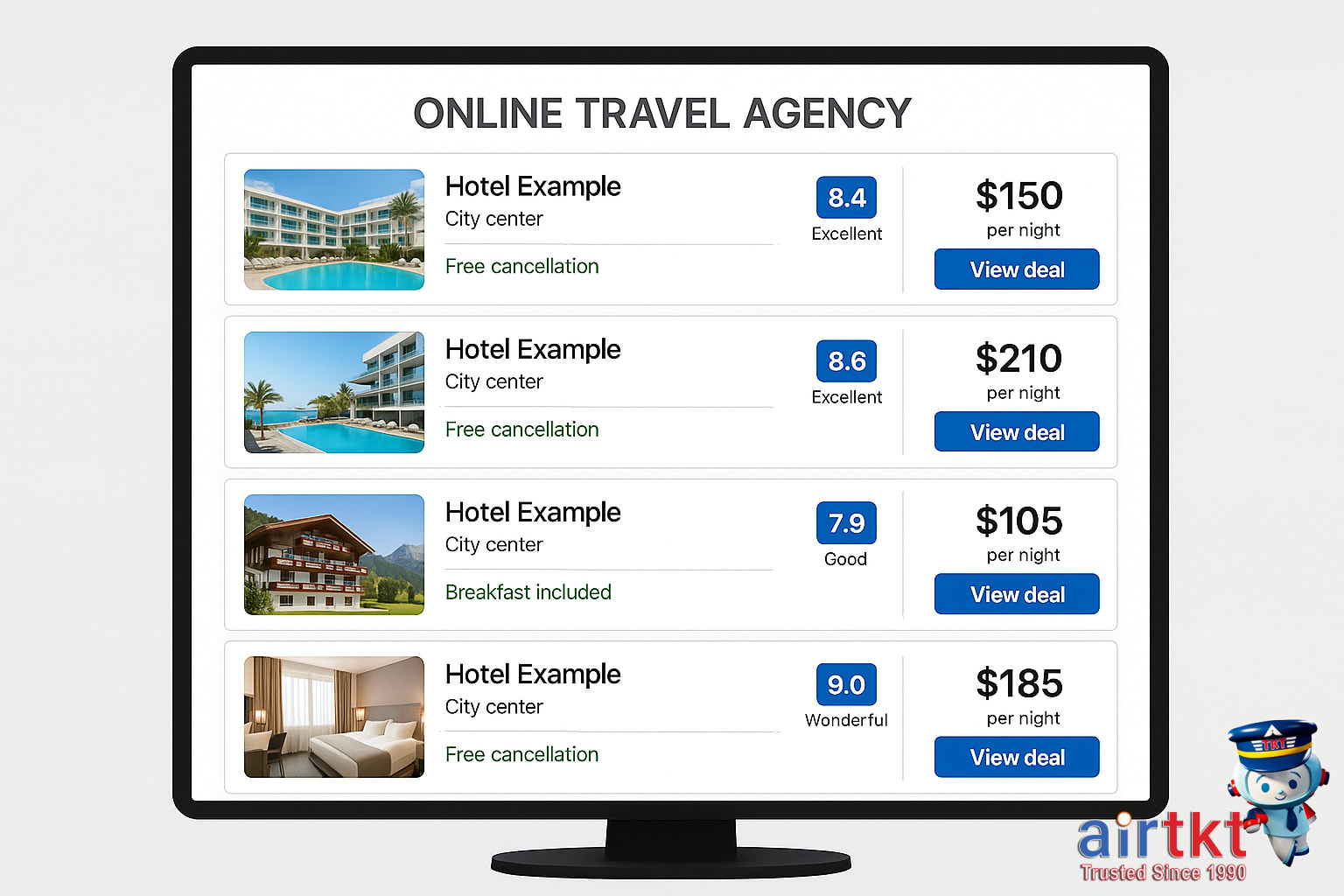
Online travel agencies, or OTAs, play a big role in how we book hotels today. These platforms—think Expedia, Booking.com, or airtkt.com—work by consolidating listings from a range of properties and wholesalers, often negotiating different rates and perks than what you’ll find booking directly. The result? A wide snapshot of rooms, prices, and sometimes deals you won’t see elsewhere.
In my experience, comparing prices across OTAs is just as important as checking with hotels directly. Each OTA may feature exclusive offers like free breakfast, late check-out, or additional reward points. Some also roll in taxes and fees, while others show base rates that look cheaper at first but jump up at checkout. I usually start a hotel search on a platform like airtkt.com because it’s easy to pull up multiple properties, narrow down by amenities or guest ratings, and see which deals really stand out.
When Direct Booking Wins
Booking direct can sometimes beat OTA rates, especially if you’re a loyalty member or spot a “book direct and save” promotion. Hotels may also offer upgrades or added flexibility when you reserve with them. I’d compare both options before choosing—sometimes the perks from an OTA, like a bundled flight or special cancellation policy, add more value, but other times booking direct gives you stronger customer service or unique perks you can’t get elsewhere. If timing is tight or you have special requests, reaching out to the hotel directly is often worth your while.
Negotiating Upgrades or Discounts Tactfully

Negotiating at hotel check-in isn’t about pushing boundaries—it’s about reading the room and approaching staff with genuine courtesy. In my experience, the best results come from politely inquiring about upgrades or extras when the front desk isn’t swamped, such as mid-afternoon. A simple, “Do you have any complimentary upgrades available today?” often opens the door without making anyone feel pressured.
Requests that work well are those that let staff help you within their discretion. For instance, asking if rooms on higher floors are open, or if there are any special amenities or discounts for direct bookings, can prompt positive outcomes. If you’re celebrating an occasion, mentioning it (briefly and sincerely) never hurts—sometimes staff enjoy making a guest’s stay extra memorable.
But there’s an art to the ask. Demanding—or hinting that you’ll complain publicly if you’re not upgraded—rarely works and only strains rapport. I once learned firsthand that framing the conversation politely, rather than expecting a “yes,” leads to better results and good vibes at the desk. It’s also worth brushing up on traveler etiquette and communication skills when booking hotels.
Budget-Friendly Hotel Room Options
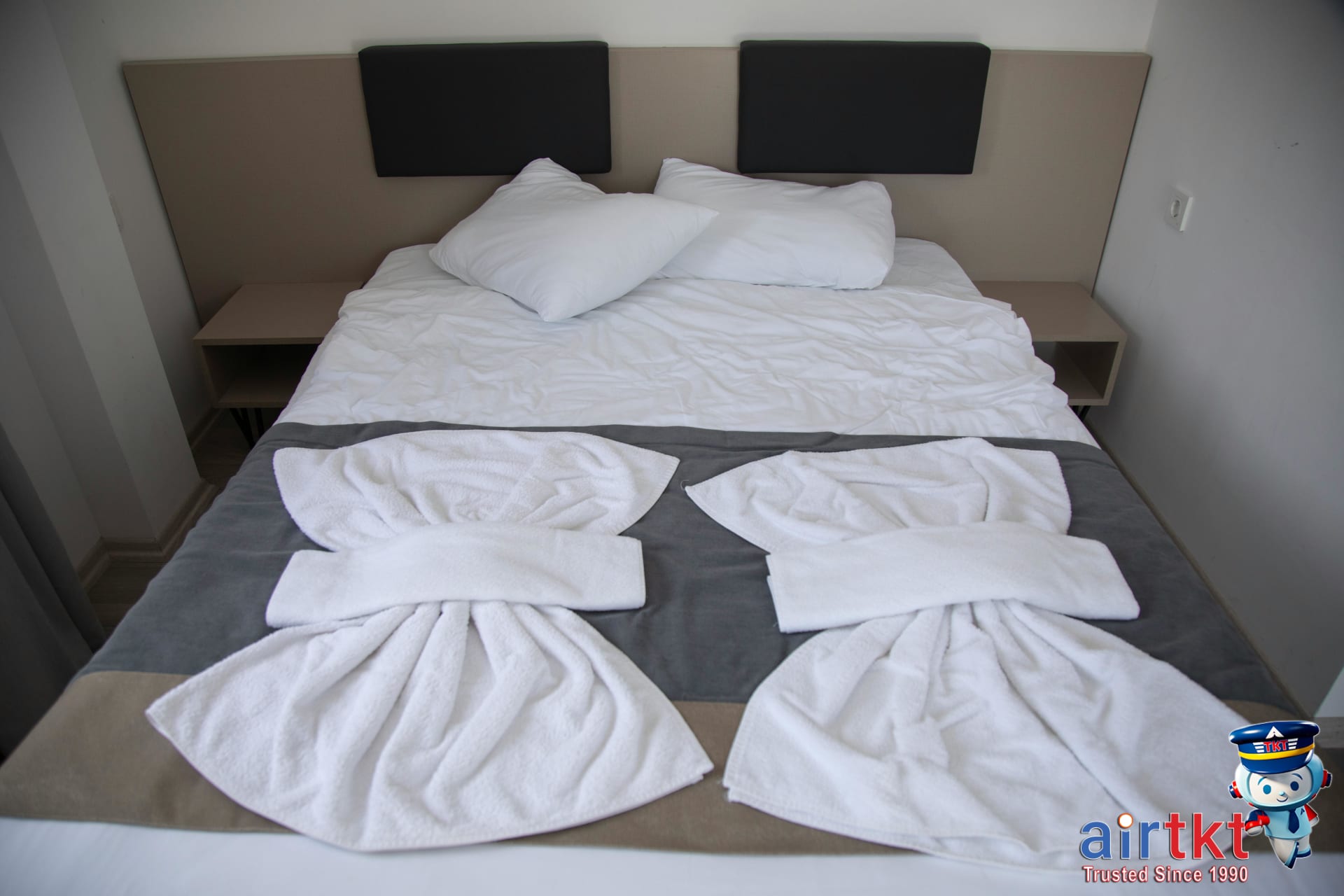
Finding a hotel room that doesn’t strain your wallet starts by understanding your options. Most hotels offer several categories—standard rooms, deluxe upgrades, and suites. In my experience, booking a standard room with essential amenities (like free Wi-Fi and air conditioning) gives the best value for budget-minded travelers, while splurging on suites or deluxe options often means paying extra for space or views you might hardly use.
If you’re looking to maximize comfort without overspending, focus on essentials. Prioritize amenities such as a comfortable bed, clean private bathroom, and included breakfast. Features like on-site fitness centers, minibars, or premium toiletries can look tempting but rarely add enough value for most stays—especially if you plan to explore the city rather than spend time in your room. I once booked a budget hotel in Lisbon that skipped bells and whistles but scored high on comfort, all for less than some fancier options.
Tips for Saving More
To trim your hotel bills even further, consider options that ditch unnecessary perks. Rooms without city or ocean views, those located on lower floors, or slightly older properties almost always cost less while providing the same sleep. Watch out for mandatory resort fees or prepaid extras you won’t use. Before booking, I’d check out the airtkt.com hotel amenities guide for help prioritizing what matters most for your trip and budget.
Final Tips for Last-Minute Hotel Deals
Booking a last-minute hotel doesn’t have to feel stressful—especially if you use the right approach. Throughout this guide, we’ve covered the tactics that actually make a difference: using specialized booking apps, timing your search for optimal results, leveraging loyalty perks, and reaching out directly to hotels for negotiation. These strategies consistently open up unexpected savings if you put them together.
If there’s one thing I’ve learned after planning multiple trips, it’s that combining these hacks works far better than relying on just one method. I typically start with a flexible search using deal-focused apps, then check for any loyalty program discounts, and always, always keep an eye out for direct-booking advantages or extras simply by asking at check-in.
Flexibility—in both your travel dates and location—is your single greatest asset. If you can bend a day earlier or later, or look at a neighborhood just outside the busy center, there’s a good chance you’ll spot a dramatically better price. Persistence also counts; deals can change by the hour, so I like to check periodically throughout the day instead of settling on my first result.
No single trick guarantees the lowest price every time, but weaving together your best options nearly always helps you score a worthwhile deal. For a more holistic approach—where you can tie hotels, flights, or car rentals together—I recommend checking out the travel deals section at airtkt.com the next time you need to pull a trip together fast.