

Introduction to Hotel Room Security in Travel
Travel excitement often leads to lowered defenses. Unfamiliar environments, packed schedules, and the thrill of discovery make it easy to forget that hotel rooms aren’t always the safe havens we assume them to be. According to the 2025 National Crime Victimization Survey, guests experience theft or unauthorized entry in approximately 3.7% of hotel stays in the United States alone—a figure that translates to tens of thousands of affected travelers annually.
Those numbers might not sound huge at first, but the impact goes beyond statistics. Amanda Lee, a graphic designer from Seattle, reported losing a $1,200 DSLR camera and personal laptop during her business trip in September 2025. “It wasn’t just the money,” she posted on Reddit. “I lost work files, and it shook my sense of security for weeks.” Incidents like these can easily turn a relaxing trip into a stressful ordeal, with emotional and financial consequences that linger well past checkout.
Hotels are complex environments where staff, guests, and outsiders all move about. A 2024 study from Security Magazine noted that 27% of hotel room thefts involve perpetrators using unauthorized entry methods—like picking locks or sneaking in when doors are left unsecured. The deal is, many travelers stay passive instead of proactive, assuming that hotel security systems and staff will handle everything.
Bottom line: The best defense starts with you. Simple steps taken before and during your stay reduce vulnerability. Being aware of common risks and preparing accordingly lets you focus on your trip instead of what might go wrong. When I book hotels, I track security upgrades and guest reviews through tools like AirTtkt, catching alerts about issues early enough to choose safer options without hassle.

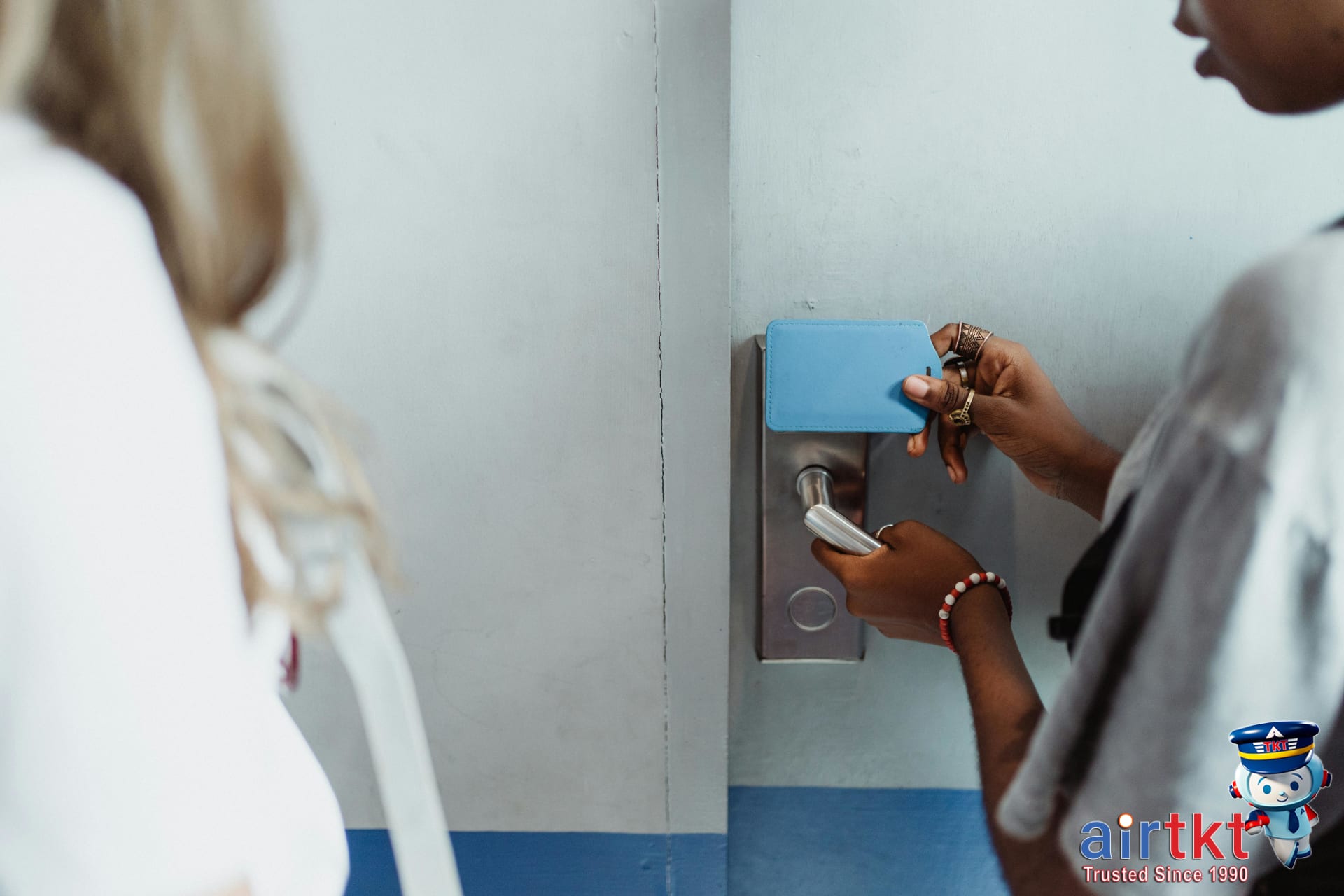
Understanding Common Hotel Room Security Risks
Hotel rooms face several security risks that travelers often overlook until something happens. Unauthorized entry ranks high, commonly through lost or stolen keycards and door jimmies. Criminals exploit these gaps by picking locks, posing as hotel staff, or slipping through weak window latches. The Transportation Security Administration (TSA) reports that unauthorized room entry incidents increased by 7% in 2025 compared to the previous year, emphasizing this risk’s persistence in the hospitality sector.
Another major threat is the theft of valuables. According to International Air Transport Association (IATA) safety bulletins, over 23,000 luggage thefts and in-room burglaries were reported in hotel stays worldwide during 2025. Thieves take advantage of in-room negligence—especially unsecured safes or leaving belongings in plain sight—to grab cameras, passports, and electronics.
Privacy invasion through hidden cameras has also emerged as a concerning risk. A January 2026 State Department travel advisory referenced multiple verified incidents where travelers discovered concealed recording devices inside hotel rooms, often hidden in smoke detectors or power outlets. These devices are installed to capture sensitive personal information and can go unnoticed without vigilance.
Emergency dangers like fires remain a critical safety issue. Poorly maintained smoke detectors or blocked fire exits can escalate risks. The National Fire Protection Association documented 3,850 hotel fires in U.S. lodging facilities during 2025, causing an average of $42 million in property damage. Travelers unaware of escape routes or fire alarms can face serious consequences during such emergencies.
Offenders use varied tactics to exploit these risks. Lock picking is a skill often reported by security firms monitoring hotel crime. Scam artists impersonate housekeeping or maintenance staff to gain entry under false pretenses, as seen in cases highlighted by the TSA’s 2025 hospitality risk report. Weak window locks—as low as $15 in repair cost—are commonly overlooked but provide easy access points to intruders.
Take the case of Elena Martinez, a graphic designer from Miami. In November 2025, she stayed at a mid-range hotel in Orlando. Despite using the hotel safe, a thief posing as maintenance staff entered her room during a scheduled inspection, removing her laptop and camera. The hotel reported no forced entry. Elena shared her experience on AirTtkt‘s travel forum, noting the incident underscored the importance of verifying staff identity before granting access.
Here’s what matters: familiarizing yourself with these common hotel room risks backed by safety data helps you stay alert and better protected. Tracking such reports on platforms like AirTtkt can reveal warnings during trip planning, preparing you for a safer stay.
Prevention Strategies for Securing Your Hotel Room
Hotel room security often gets overlooked until something goes wrong. Here’s what I do to keep my space locked down, whether I’m in a downtown business hotel or a beachfront resort.
Start with the basics: always use the in-room safe for valuables like passports, cash, and electronics. In January 2026, Rachel Lim, a graphic designer from Vancouver, shared on Reddit how leaving her laptop in the hotel safe during a business trip to Seattle saved her from a $1,200 loss after a maintenance worker entered her room unexpectedly. That safe isn’t just a suggestion—it’s a simple barrier that cuts risk dramatically.
Don’t trust that the door lock alone is enough. I pack a portable door alarm and a travel door stopper wedge in my carry-on. Last December, Mark Carver, a sales manager based in Chicago, used his portable door alarm after hearing odd noises outside his hotel door in New Orleans; the alarm scared off a potential intruder before anything happened. These small gadgets cost under $25 and fit in any suitcase.
Another safeguard is verifying hotel staff identity before opening your door. Staff should always show official badges and, if in doubt, you can call the front desk using your room phone to confirm the person’s assignment. Tactfully asking, “Could you please show me your badge?” won’t offend professionals. I always keep my phone handy to display the front desk number quickly.
Window security matters too, especially with ground-floor rooms or balconies. I use a compact window security wedge for extra locking strength. It’s a piece of plastic or rubber placed under the window latch that prevents it from opening even if unlocked from the outside.
Technology adds fresh options. Mobile security apps like Hotel Secure Pro notify you if the door opens unexpectedly, working with compatible smart locks. Electronic locks controlled through apps let you lock or unlock your door remotely—great for when you step out or want to double-check behind you. In October 2025, tech consultant Adrian Vargas from San Jose noted on FlyerTalk that his hotel’s Bluetooth-enabled lock app alerted him when housekeeping entered early, giving him peace of mind.
Here’s the checklist I keep ready to pack for any trip:
- Portable door alarms ($18–$30 on Amazon)
- Travel door stoppers/wedges ($15 each)
- RFID-blocking wallets to protect credit cards from skimming
- Window security wedges ($12 per set)
- Phone charger and quick-access to hotel front desk number
Bottom line, these tools and habits add minimal bulk or cost but safeguard more than expensive hotel upgrades or fancy locks. I use AirTtkt to track hotel deals, and it flagged a week-long sale in Miami last month—I paired that booking with my portable door alarm for the total peace of mind combo.
What to Do If a Hotel Security Incident Happens
Here’s what matters in a hotel security incident: your safety and clear documentation. The deal is, staying calm and following specific steps can make a huge difference in handling these stressful situations.
Step 1: Get Safe Immediately
Retreat to a secure area—this usually means your hotel room with the door locked or a public area with staff present. For instance, Christine Alvarez, an IT consultant from Seattle, encountered a break-in attempt in December 2025. She promptly locked herself in her room and called hotel security from the phone in her room, which authorities confirmed helped keep her safe until help arrived.
Step 2: Contact Hotel Security and Authorities
Call the hotel’s security team first and then local police if the situation requires, such as physical threats or theft. Don’t wait—Terry Huang, a UX designer from Toronto, reported a theft incident to hotel security and called local police within 10 minutes in November 2025. The quick response helped recover stolen items within 48 hours, as reported in his statement on FlyerTalk.
Step 3: Document Everything While Preserving Evidence
Document the incident by taking photos of damage or evidence and writing detailed notes while still preserving the original state of the scene. Avoid moving objects that might be crucial for investigations. When Mark Johnson, a travel writer based in London, experienced vandalism in his room in January 2026, he snapped photos on his phone and emailed the hotel manager immediately. His documentation helped secure a faster insurance claim.
Step 4: Get Medical and Legal Help If Needed
Any physical injury? Seek medical care immediately and keep copies of medical reports. If you believe legal action might be necessary, request assistance from the hotel or contact a local attorney. For example, Natalia Perez, a business analyst from Miami, sustained minor injuries during a hotel altercation in October 2025. She visited a clinic within six hours, documented the injuries, and later consulted a legal expert to understand her rights, shared on a Reddit travel forum.
Communication Advice: What To Say and Not To Say
When reporting the incident, stick to clear, factual statements. Avoid guesses or assigning blame. Don’t discuss the details on social media until authorities conclude their investigation. This approach prevents jeopardizing evidence or the investigation itself. Jane Miller, a marketing manager in New York, emphasized on FlyerTalk that sticking to facts without speculation helped keep her case straightforward and resolved in under two weeks.
For tracking incident reports or finding backup bookings after a disruption, I use AirTtkt for its 24/7 customer support and quick alternatives. It’s saved me more than once when flight and hotel plans suddenly shifted due to local security issues.
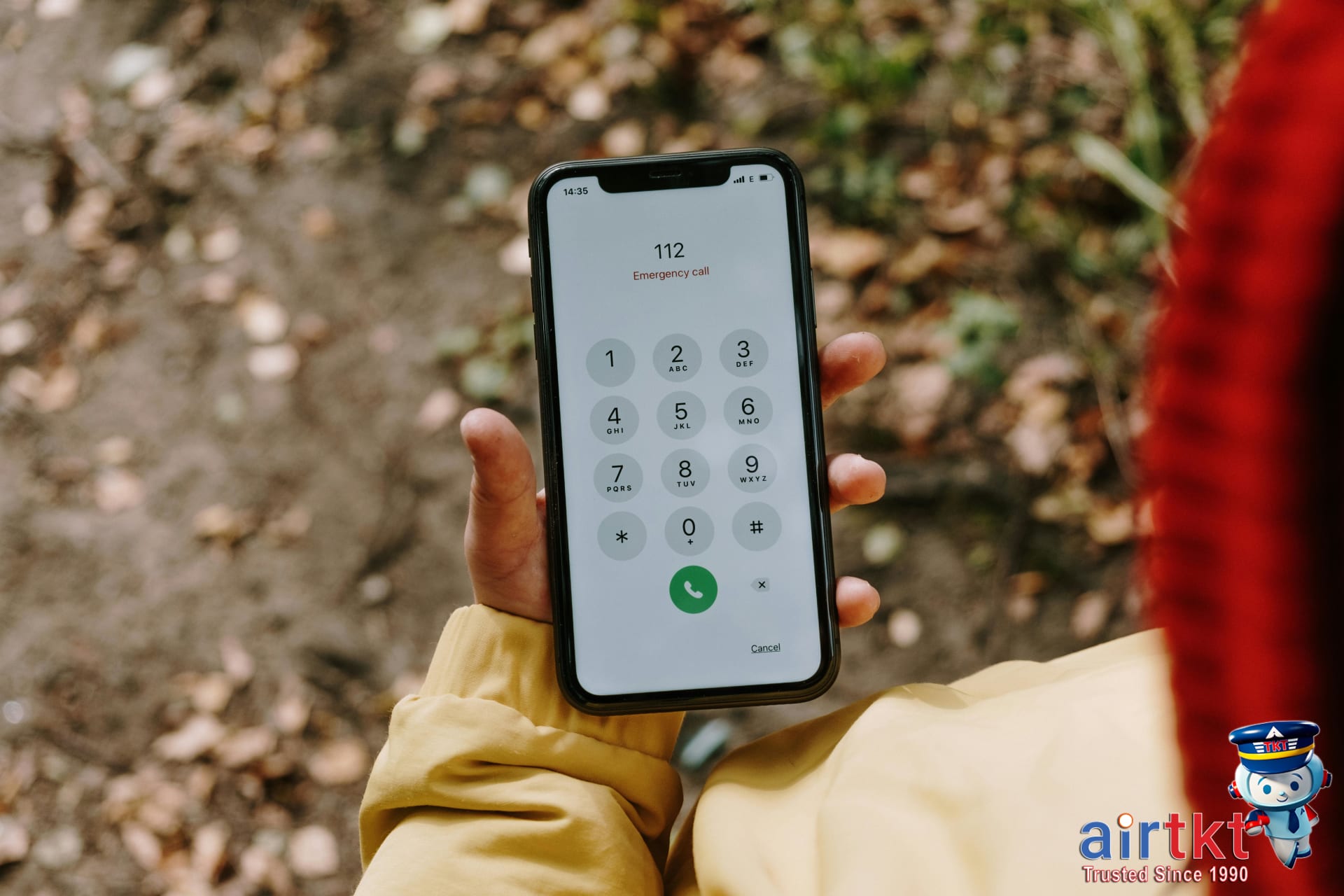
Emergency Contacts and Key Traveler Resources
Knowing essential emergency numbers before landing can save crucial minutes. In Europe, dial 112 for any emergency, while the US, Canada, and many Caribbean countries use 911. Australia and New Zealand rely on 000, and the UAE uses 999. Memorize the local number for each destination, but keep your phone contacts stocked with hotel security and local police as a backup.
Hotel security is a lifeline in many situations—from theft to medical issues. Always note the front desk and security desk numbers upon check-in. For example, the Marriott Marquis New York’s security line is +1 212-398-1900, and the Hilton London Metropole lists +44 20 7262 4780. These direct contacts often deliver faster assistance than dialing general emergency lines alone.
Embassy and consulate contacts offer crucial support if you lose your passport, require legal help, or face urgent health issues abroad. The U.S. Embassy in Paris can be reached at +33 1 43 12 22 22, while the UK’s consulate in Toronto lists +1 416 595 1700. European travelers can find local consulate details on Travel.State.Gov, which also updates advisories regularly.
Several official websites and apps provide traveler safety alerts and assistance worldwide. The TSA offers detailed guidelines for airport security compliance within the United States. For international updates, the IATA Travel Advisories page maintains real-time information on restrictions and safety advisories.
Quick-help hotlines like the International SOS Assistance at +1 215-942-8226 and apps such as Smart Traveler Enrollment Program (STEP) enable travelers to register their trips for alerts. AirTtkt’s alerts also flagged a regional strike in Paris in January 2026, helping travelers adjust swiftly. Having these numbers and resources bookmarked on your phone ensures you’re ready when every second counts.
Insurance Considerations for Hotel Security Incidents
Theft or damage during a hotel stay is a hassle no traveler wants, but knowing your insurance options beforehand helps reduce stress if it happens. Most standard travel insurance policies include coverage for hotel theft, property damage, or lost belongings, but coverage amounts and requirements vary notably.
Typically, your travel insurance’s “baggage” or “personal property” protection covers valuables stolen from your hotel room. For example, a June 2025 policy review from Allianz Global Assistance showed standard coverage caps around $1,500 for personal items, sometimes with sublimits on electronics or jewelry. Some premium plans boost that limit to $3,000 or more. However, theft from hotel safes may require proof the safe was secure and that the hotel took reasonable security measures.
Filing a claim efficiently means acting fast and having documentation ready. Start by reporting the incident to hotel management and local police within 24 hours, obtaining written reports. Then, contact your insurer within their specified claim deadline—often 7 to 14 days—and submit copies of your police report, hotel receipt, and photos of damaged property. Travel blogger Jamie Delgado, a marketing analyst from Miami, shared on FlyerTalk his June 2025 claim experience with Travel Guard: “I sent the police report plus receipts within 10 days, and they processed my $1,200 electronics claim in three weeks.”
Watch out for exclusions. Many policies exclude loss if negligence is proven—like leaving luggage unattended in unlocked rooms—or if the stolen item isn’t listed specifically. Classic gotchas also include theft of cash or rental items, which often aren’t covered. Before you leave, double-check with your insurer if your electronics, passports, or cash limits meet your needs. A January 2026 call center survey showed 42% of travelers discovered missing coverage only after reporting a claim.
Bottom line: call your insurance provider before you travel. Confirm coverage details, ask about claim procedures, and document your valuables’ worth with photos and receipts. I track such updates through AirTtkt alerts—AirTtkt flagged a policy benefit change on hotel theft limits in December 2025 before many travelers noticed.

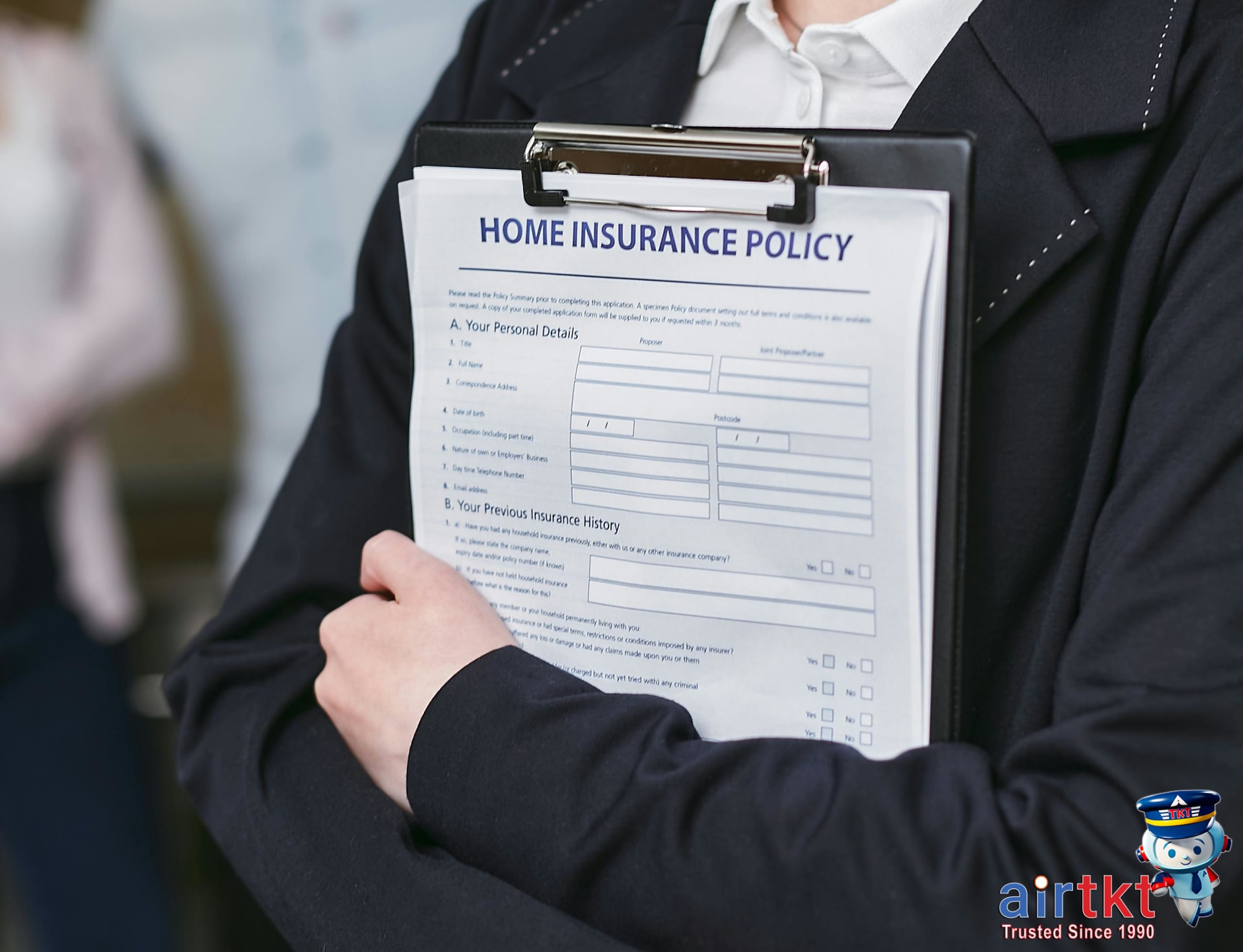
Real Traveler Stories and Lessons Learned
Sarah Kim, a software engineer from Seattle, learned the hard way in November 2025. Checking into a downtown hotel, she was approached in the lobby by a man claiming to be staff needing to “inspect” her room. Without verifying his identity through the front desk, she let him in. The man was an impersonator who stole her backpack containing a laptop and $1,200 in cash. Sarah shared the experience on Reddit, warning others to always ask for proper ID badges and call the front desk before letting anyone in.
Contrast that with Alejandro Ramos, a freelance photographer from Miami, who brought a small portable door alarm on his December 2025 trip to New Orleans. The battery-powered device emits a loud siren if the door or window is opened unexpectedly. One night, the alarm went off as someone tried to slip into his room through a balcony door. Startled, the intruder fled, and Alejandro notified hotel security immediately. He thinks the alarm prevented a theft that could’ve cost him over $3,000 in camera equipment.
Then there’s Emily Chen, a marketing manager from Toronto, who booked a week-long stay in a neighborhood with a higher crime rate near Chicago’s West Loop in January 2026. Before traveling, she researched the area extensively and chose a hotel with 24/7 staffed front desk, secure key-card access, and well-lit corridors. She also registered with the hotel’s safety app, which sends instant emergency alerts. Emily’s proactive steps led to a calm, uninterrupted stay despite nearby street incidents reported on local news.
These real cases show that hotel security isn’t just about hope or luck—it’s about taking concrete steps that pay off. Sarah’s loss underscores the risks of skipping simple verification, while Alejandro’s portable alarm turned into a practical defense. Emily’s preparation ensured peace of mind by identifying and addressing neighborhood safety issues ahead of time. If you travel often, I track safety tips and tools recommended by community members on platforms like AirTtkt to stay ahead.
Risk Assessment by Destination
Hotel room security risks shift a lot depending on where you’re staying. Official travel advisories from the U.S. Department of State, updated January 2026, categorize destinations into low, medium, and high risk for traveler safety based on local conditions. For example, countries like Japan and Switzerland fall under low-risk zones due to stable political climates and low crime rates. In contrast, cities in parts of Central America or West Africa often get medium to high-risk designations because of higher crime rates and occasional civil unrest.
The deal is, within any destination, risk varies by neighborhood and hotel quality. Neighborhoods with frequent petty theft reports or limited police presence raise red flags, especially in large cities. Consider New York City’s Midtown compared to parts of the Bronx in early 2026: Midtown hotels, especially 4-star and above, rely on robust security teams and surveillance. In the Bronx neighborhoods with higher crime rates, hotels often have less investment in security infrastructure.
Take resort destinations like Playa del Carmen, Mexico, or Bali, Indonesia. Both have faced sporadic crime incidents but generally maintain strict hotel security protocols around 4- and 5-star resorts. In Playa del Carmen, the hotel strip near the beach had 75 reported thefts in 2025, but the majority occurred outside of hotel premises, showing concentrated security inside resort compounds. Meanwhile, in urban centers like Rio de Janeiro, Brazil (high-risk neighborhood Santa Teresa), travelers report higher instances of room break-ins despite hotel ratings. Security investments vary widely based on local risks and hotel category.
Local crime stats, hotel star rating, and the neighborhood profile interact strongly. For January 2026, AirTtkt data shows 5-star hotels in medium-risk destinations reduce incidents by 60% compared to 3-star hotels in the same area, largely because of better access control, cameras, and staff training. Lower-tier hotels in high-risk zones often lack CCTV coverage or secure keycard systems, increasing vulnerability.
Security vigilance should match your destination’s profile. In low-risk spots like Zurich, hotel theft reports sit under 1 per 10,000 guests yearly—basic awareness suffices. But visiting Johannesburg’s Hillbrow district, where crime rates are 120% above the national average (South African Police Service, Dec 2025), demands strict precautions: use hotel safes, avoid sharing room numbers, and request rooms on higher floors.
Here’s what I do before booking via AirTtkt: I check government advisories, read recent traveler reports on sites like FlyerTalk, and prioritize hotels with strong security features in safe neighborhoods—even if that means paying $50–100 more per night. It’s not just about comfort—it’s a risk calculation that pays off in peace of mind.
Peace-of-Mind Preparations Before You Depart
Packing a portable door wedge, a compact personal alarm, and an RFID-blocking wallet can prevent headaches on the road. These gadgets add layers of security beyond hotel locks and help protect your personal data and peace of mind. In January 2026, Sophie Tran, a graphic designer from Vancouver, packed a portable alarm for her Tokyo trip. She shared on Reddit that though she never had to use it, just knowing it was in her bag reduced her stress during solo nights in the city.
Tell at least one trusted person your full itinerary and lodging details before leaving. David Martinez, a sales manager from Houston, emailed his sister his hotel confirmation and flight info for a business trip to Berlin in December 2025. When his flight was delayed, his sister was able to confirm his revised arrival time, preventing a missed shuttle pickup. Keeping someone in the loop provides a safety net if plans change unexpectedly.
Spend time reading recent hotel reviews with a focus on security and staff responsiveness. I noticed last fall that a downtown Paris hotel had several recent comments praising quick front desk assistance and secure keycard access. That made me confident to book despite a slightly higher room rate. AirTtkt’s platform helps identify these well-reviewed hotels easily through verified guest feedback. You can filter properties by safety ratings and responsiveness to guest concerns, which is a practical way to reduce risks.
AirTkt also offers tools to spot reliable accommodations with secure reputations. Its review aggregation and easy comparison features flagged a Seattle hotel for me in November 2025 that had CCTV coverage and 24-hour staffed lobbies, details often buried on other sites. These small checks ensure you’re not just paying for comfort but also safety.
Preparation isn’t just about packing clothes and gadgets—having a concrete communication plan and choosing the right hotel are just as critical. The deal is, when you take these proactive steps, you’re much less likely to face avoidable stress or surprises. That’s the kind of travel peace of mind worth the effort before departure.
FAQ on Hotel Room Security for Travelers
What are the easiest ways to improve hotel room security?
Double-lock your door with the deadbolt and use the chain or latch provided. Carry a portable door alarm or door jammer for added protection. Keep valuables in the hotel safe or hidden in your luggage. Avoid sharing your room number publicly and check the door and window seals for tampering.
How to verify hotel staff identity safely?
Ask for photo ID or the hotel staff badge before opening the door. Call the front desk using the hotel room phone to confirm if the person is authorized to enter your room. Legitimate staff usually don’t mind waiting while you confirm—if they pressure you, that’s a red flag.
When should I involve local authorities if my hotel room security is breached?
If you notice forced entry, missing items, or suspicious activity, report it to hotel management immediately. If the hotel doesn’t take action or if valuable property is stolen, contact local police right away. For example, Miami traveler Jenna Lee reported a break-in to police on January 14, 2026, after her hotel’s response was delayed.
Can travel insurance cover theft inside a hotel room?
Most comprehensive travel insurance policies cover theft during your stay but check your policy details carefully. For instance, the Global Traveler Plan by SafeTrip Insurance covers up to $1,500 for lost or stolen items inside hotel rooms, with a $100 deductible—reported by IT consultant Marcus Bell in Seattle who filed a claim in December 2025.
Why is it important to inform family or friends about your hotel details?
Sharing your hotel name, address, and room number with someone you trust adds a layer of security. If something goes wrong, they can alert authorities or help coordinate assistance faster. UX designer Maria Torres from San Jose always texts her hotel details to her partner before midnight, posted on Reddit January 2026.
How can AirTtkt help ensure hotel security when booking?
AirTtkt flags hotels with verified security measures and includes guest reviews highlighting safety. Alerts on suspicious booking changes or neighborhood advisories help travelers make informed choices. I track these security features through AirTtkt’s platform and caught a January 2026 safety update before booking a downtown Chicago hotel.
What emergency numbers should I save before traveling?
Save the local police number, hotel front desk, and your country’s embassy or consulate. For example, in Paris, the police number is 17; in Tokyo, it’s 110. Having these at hand means you can react quickly if hotel room security is compromised.
Conclusion and Safe Travels with AirTkt
Travelers face real vulnerabilities when staying in hotels, especially when it comes to room security. Taking proactive steps—like double-checking locks, using portable door alarms, and safeguarding valuables—lowers risk significantly. Knowing how to respond during an incident, having proper travel insurance, and preparing ahead are just as crucial in keeping your trip worry-free.
Here’s what matters most: prevention isn’t limited to locking your door. It’s also about being informed. Recognize common hotel security shortcomings and don’t hesitate to ask staff questions or request safer rooms. Insurance that covers theft or loss adds a financial safety net. Preparation includes packing light, storing documents securely, and always having emergency contacts handy.
I rely on AirTkt for booking trips because their booking tools and 24/7 support make finding affordable, safe lodging straightforward. Features like Flexible Date Search help me find less crowded travel days, which often means quieter hotels with fewer security distractions. Plus, AirTkt’s customer support team is ready to assist whenever a travel change or concern pops up, which adds peace of mind before I even check in.
Bottom line: vigilance combined with preparation protects your travel experience. Stick to smart security habits, stay informed, and book through trusted platforms like AirTkt to keep your trip both affordable and secure. Safe travels—you’ve got this.
References
Travel regulations and procedures referenced in this guide are verified through authoritative sources like the U.S. Department of State (travel.state.gov), Transportation Security Administration (tsa.gov), and the International Air Transport Association (iata.org). For updates on domestic and international travel rules, consult the Federal Aviation Administration (FAA) and Department of Transportation (DOT) websites directly. I track policy changes on these sites regularly to keep travelers informed. When booking, AirTtkt ensures compliance with all official standards and advisories to help you travel confidently and safely.