

Why Hotel Room Security Matters


Whenever you check into a hotel—whether it’s a boutique spot downtown or a large international chain—your room should feel like a personal sanctuary. While most hotels work hard to keep their guests safe, travelers still face risks like unauthorized room access, theft of valuables, and breaches of privacy. It’s surprisingly easy for opportunists to take advantage of lapses in security, especially if you’re jet-lagged, distracted, or unfamiliar with local protocols.
I’ve walked into more than one hotel room and immediately thought, “What if I leave my laptop here?” That simple gut check is worth listening to—because even the fanciest lobbies can’t always guarantee the safety of your things once you shut your door. This is why I always do a quick scan of security features in my hotel room right after arrival. It sets the right tone for the trip and helps me relax, knowing I’ve covered my bases before venturing out.
This article goes beyond basic reminders: you’ll see practical steps for checking locks, using safes, and safeguarding your belongings—practices just as valuable as general travel safety tips while exploring a new city. Keeping your room secure lets you focus on enjoying your destination, instead of worrying about what you’ve left behind.
Choosing Safe Hotels and Rooms

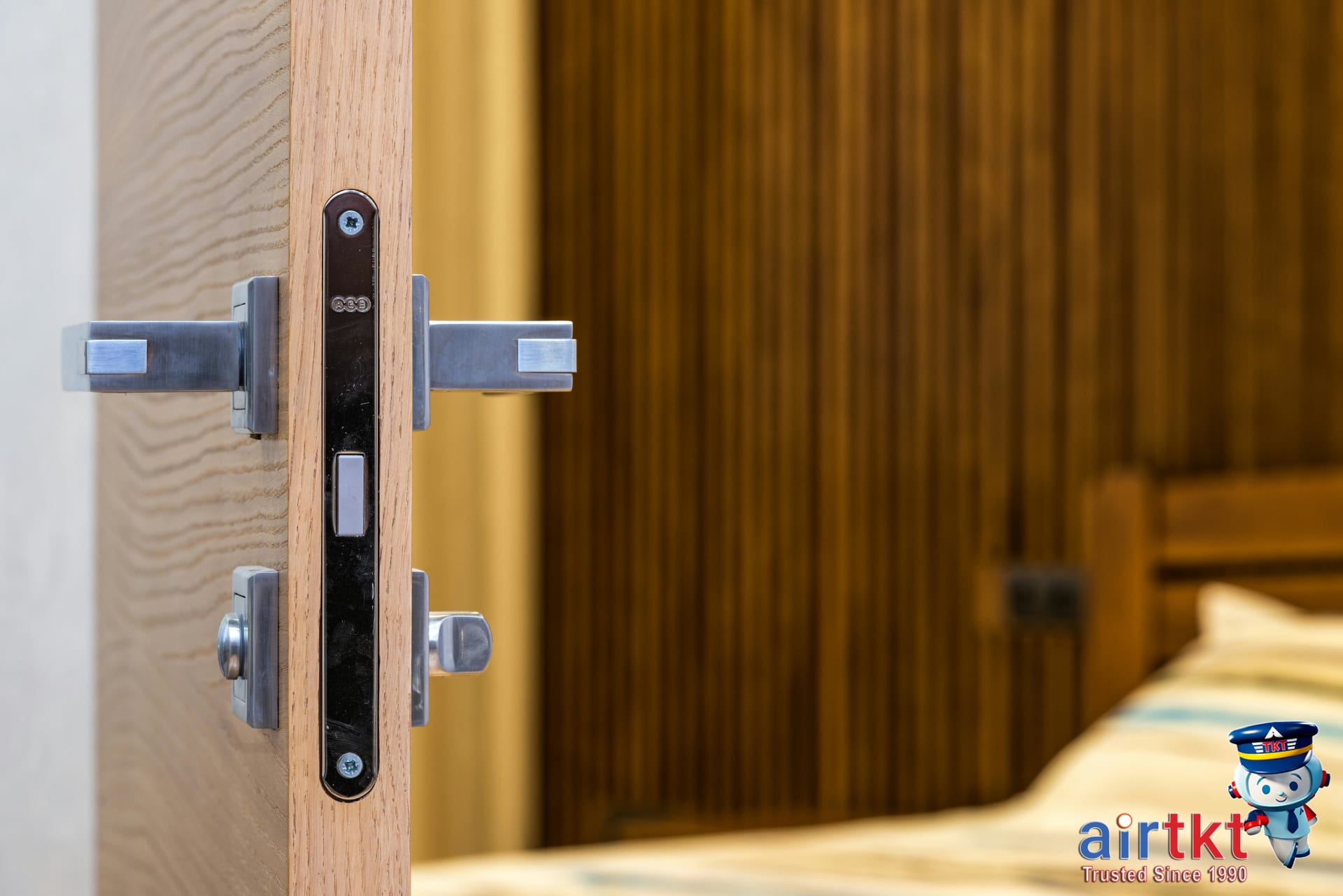
Picking a hotel with solid security practices does make a difference. I look beyond the star rating and always start by researching a hotel’s safety reputation—paying close attention to recent guest reviews. Specifically, I search for comments about security staff, functioning key card systems, illuminated entrances, and well-maintained locks. Hotels with 24-hour front desks and secure access points tend to offer better peace of mind, especially if you’re arriving late.
Location is just as important as the hotel itself. I’ve learned from past trips that staying in busy, reputable neighborhoods—rather than isolated or rundown areas—usually works out better for personal safety. I also verify the hotel’s surroundings for things like adequate lighting and visible security features. If you want to dig deeper into how to evaluate properties, check out our hotel booking guide for next-level tips.
How to Pick Safer Rooms
Not all hotel rooms are created equal when it comes to safety. Rooms on the ground floor often have easier street access, making them less secure. On the opposite end, very high floors can complicate emergency evacuation. I now aim for a room between the second and sixth floors—high enough to reduce break-in risks, low enough to reach exits quickly if needed. Opt for rooms near but not directly next to fire stairs or elevators, and always ensure the door has a working deadbolt plus a peephole. I make it a habit to scan recent reviews for mentions of malfunctioning locks or security lapses before I book.
Effective Door Security Tips For Travelers

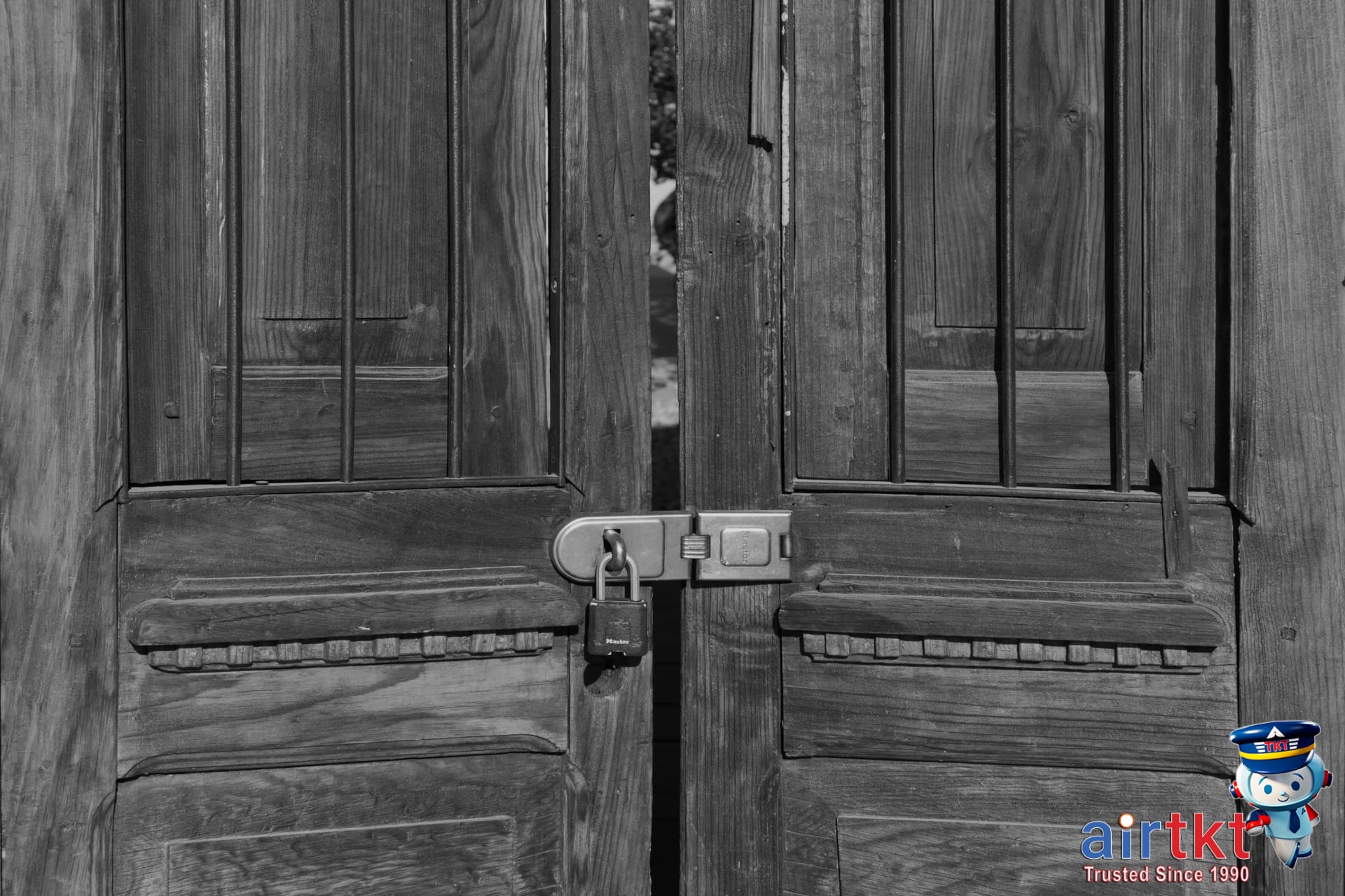
Once you’ve settled into your hotel room, taking a few smart precautions can make your stay much safer. Portable door locks and door wedges are two of the simplest tools to use. They’re lightweight, don’t take up much space in your luggage, and are a breeze to install on most hotel doors. For anyone who enjoys solo or international travel, a compact travel alarm can offer additional peace of mind since it emits a loud noise if someone tries to open your door unexpectedly.
Even if your hotel room looks secure, I always recommend double-checking both the regular lock and the chain or deadbolt before bedtime. Sometimes, I also set up my favorite gadget—a small door alarm that fits under the handle. It’s so easy I never travel without it, and it’s come in handy multiple times when I wanted an extra layer of security in older hotels.
While these devices are not a substitute for general awareness, they work well as a deterrent and let you rest easier at night. If you’re curious about which gadgets actually work and are worth packing, take a look at our review of top travel security gadgets to get detailed comparisons and recommendations.
How To Secure Windows And Balconies
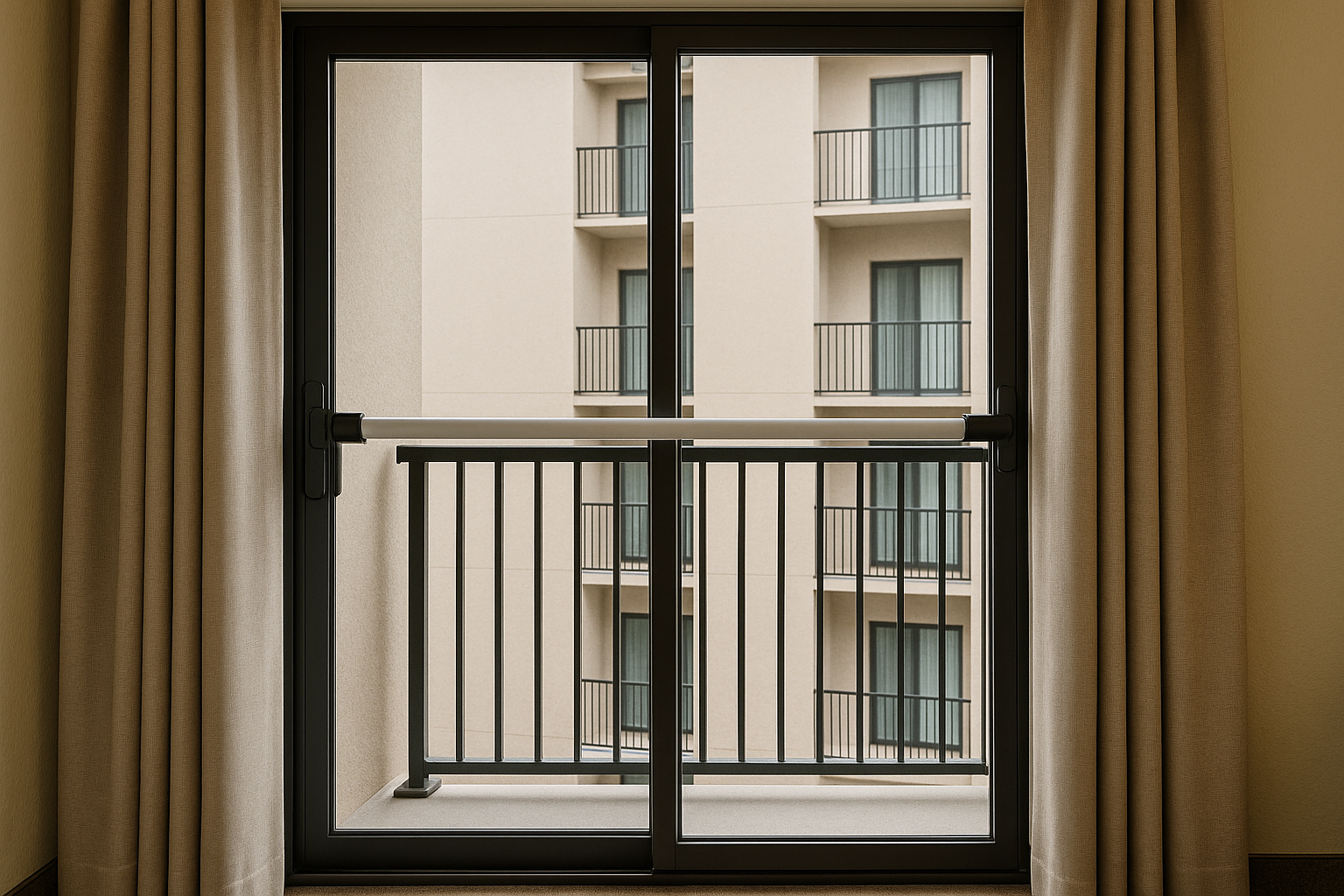
Before you ever settle in and unpack, I always recommend taking a few minutes to check both window and balcony security in your hotel or rental. Start by testing all window locks—give each handle a tug to confirm it isn’t loose or faulty. For balconies, examine the railings for sturdiness and look for gaps that could pose a risk, especially if you’re traveling with kids.
Even in nicer hotels, I’ve found peace of mind just double-checking the locks and making sure the balcony door slides shut securely. It’s surprisingly easy to overlook, especially after a long journey. I don’t leave windows open when I’m not in the room, and I also make a habit of closing and locking everything before heading out or before bedtime.
On occasion, I’ve found balcony doors that don’t close or lock quite right. In those situations, I recommend notifying hotel staff immediately and requesting a room change if the issue can’t be fixed on the spot. Safety should always come before convenience. If you want to dig further into general room safety beyond just windows and balconies, there’s a thorough guide on airtkt.com about common hotel room hazards you might find helpful.

Protecting Valuables Inside the Room

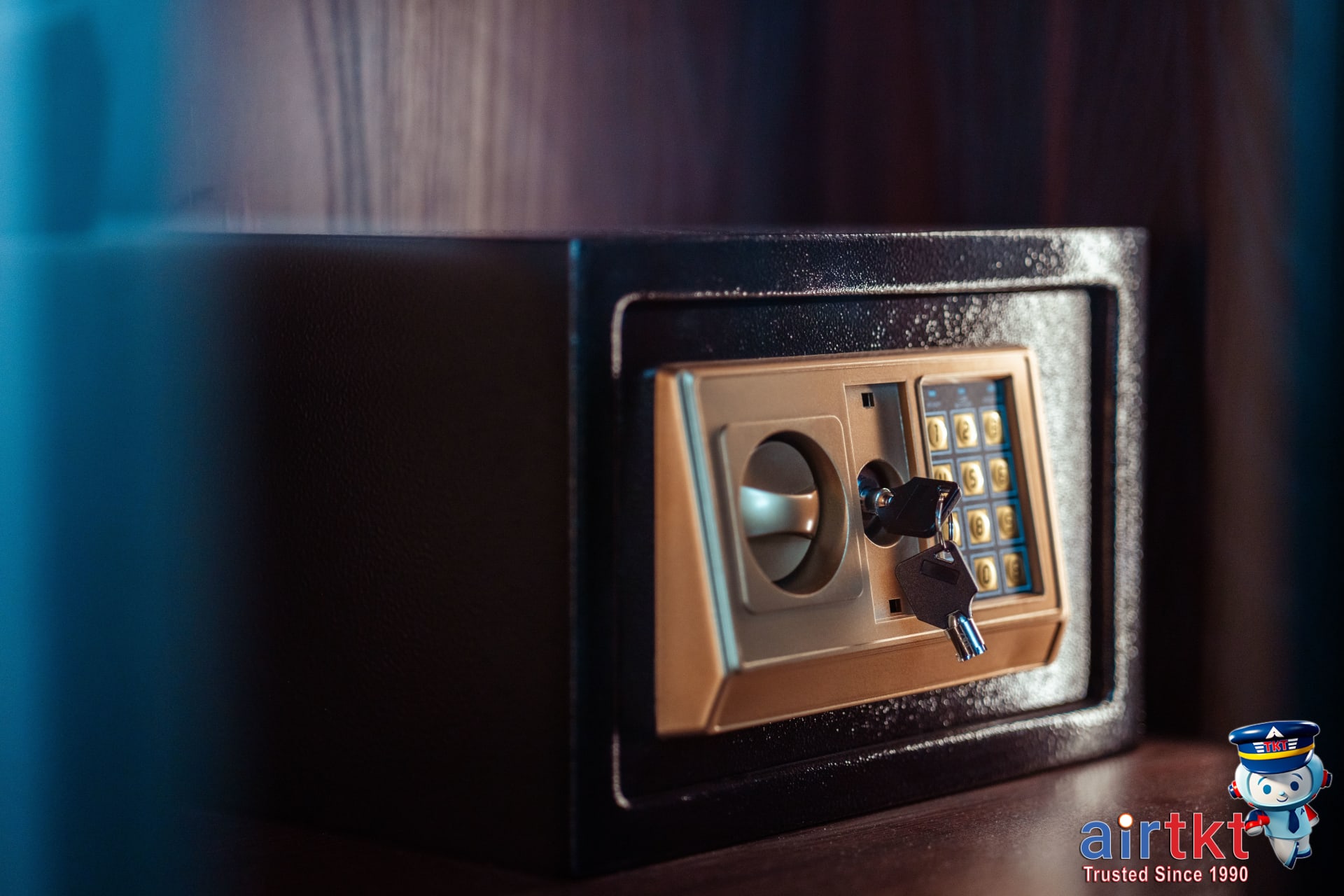
Keeping your passport, cash, and electronics safe inside your hotel room takes a little planning, but it’s worth the peace of mind. I make it a habit to use the hotel’s electronic safe for anything I can’t afford to lose—my passport and any large amounts of cash always go in as soon as I arrive. Most modern hotels offer these compact safes, which are easy to set up with your own PIN and are generally bolted securely to the closet or cupboard.
Comparing Safe Options
Electronic safes are convenient, but their security varies. Some high-end hotels offer more advanced models, while older or budget hotels may use straightforward keypad models. It’s a good idea to test the locking function before trusting it with all your valuables. Personal lockboxes—especially those with a cable lock—are another layer of protection. You can secure your own box inside luggage or a closet, but make sure it’s not easily accessible or in plain sight.
If There’s No Safe Available
If you’re staying somewhere that doesn’t provide a safe, it’s smart to hide valuables in less obvious places. I tend to tuck cash or spare cards inside a sock or between clothes in my suitcase, out of immediate reach. For electronics, stowing them in a zipped bag at the bottom of your main luggage can work. Remember, never leave valuables out in the open—even if you plan to return in a few minutes.
Staying Organized for Safety
In my experience, the easiest way to avoid last-minute scrambles is to keep all essentials together in a small pouch or travel wallet inside the safe. This way, I can grab everything quickly before heading out. For more tips on managing your belongings abroad, you might want to check out our article on managing valuables while traveling internationally.
Top Security Gadgets For Travelers

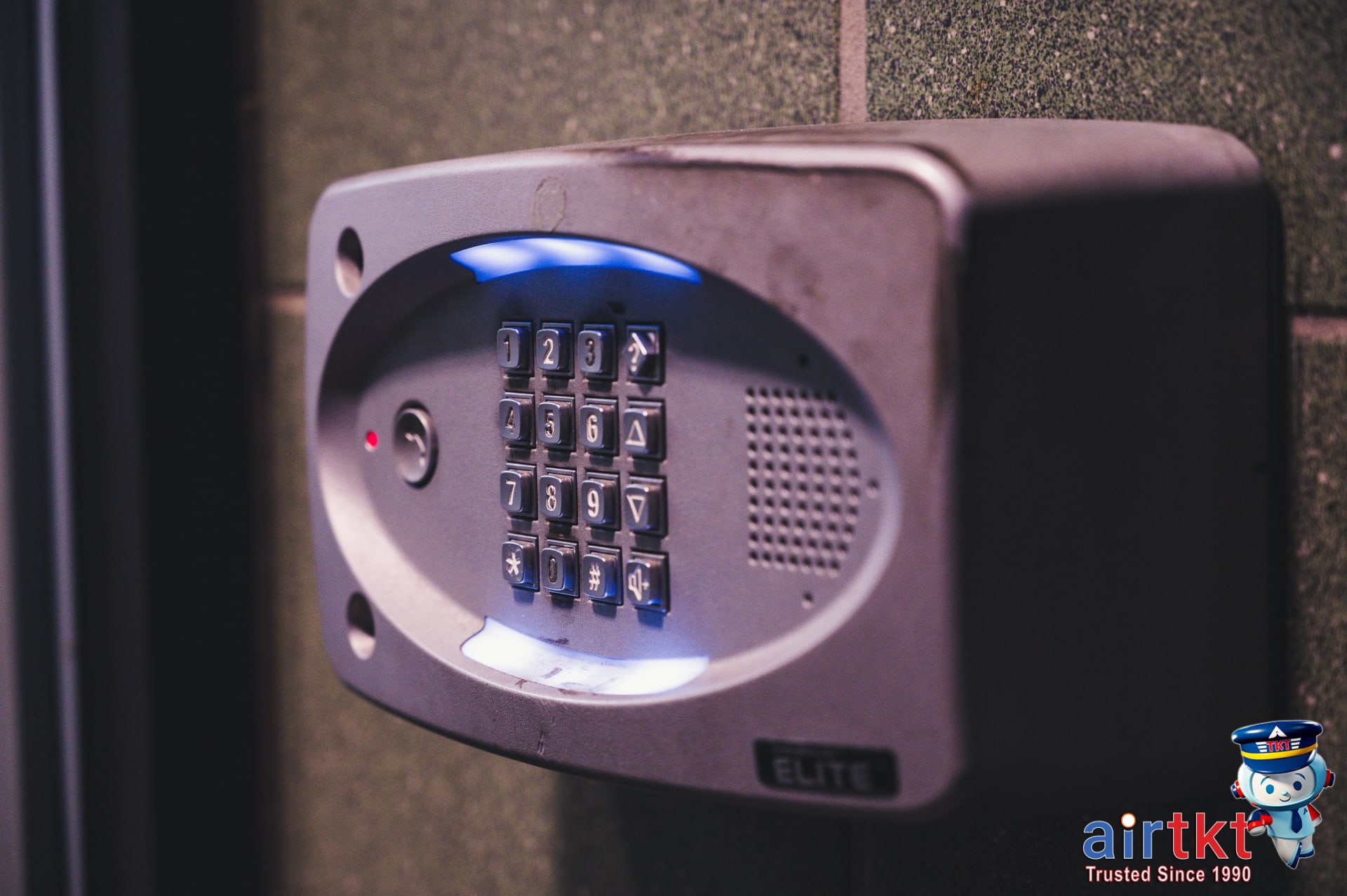
If you’re like me, you probably wonder if that basic hotel door lock is enough, especially when traveling solo or in unfamiliar places. That’s why I always pack a small arsenal of security gadgets that go beyond just a simple door wedge. Gadgets like portable motion detectors or personal door alarms act as extra layers of protection, giving real peace of mind when you need it most.
One of my go-to tools is a portable motion detector. It’s small, lightweight, and can be set up near the hotel room entrance or even the balcony. If movement is detected, a loud alert sounds, deterring any unwanted visitors. I’ve tried both standard door alarms and motion-based detectors, and I actually recommend the motion style—they pick up intruders before they touch the door, which I find far more useful in busy hotel corridors.
For safeguarding belongings, portable safes have become a staple in my luggage. These aren’t just heavy pouches; many can be tethered to fixed furniture or plumbing in your room, making them tough to snatch or tamper with. It’s a simple way to secure passports, extra cash, or electronics when I venture out for the day. Integrating these devices into your routine takes less than five minutes each night but can make a world of difference.
Another tool worth mentioning is the RFID-blocking wallet or passport sleeve. With contactless cards and digital information embedded everywhere, it’s smart to protect against electronic pickpocketing—even in upscale hotels or airports. I generally use an RFID wallet now, rather than sleeves, because it streamlines packing and offers full coverage automatically with every use.
If you’re in the market for reliable devices, I’d suggest checking our airtkt.com buying guide for travel security devices. It covers tested brands, practical packing tips, and how to choose between travel-specific gear for different situations.
Emergency Preparedness Strategies For Hotels

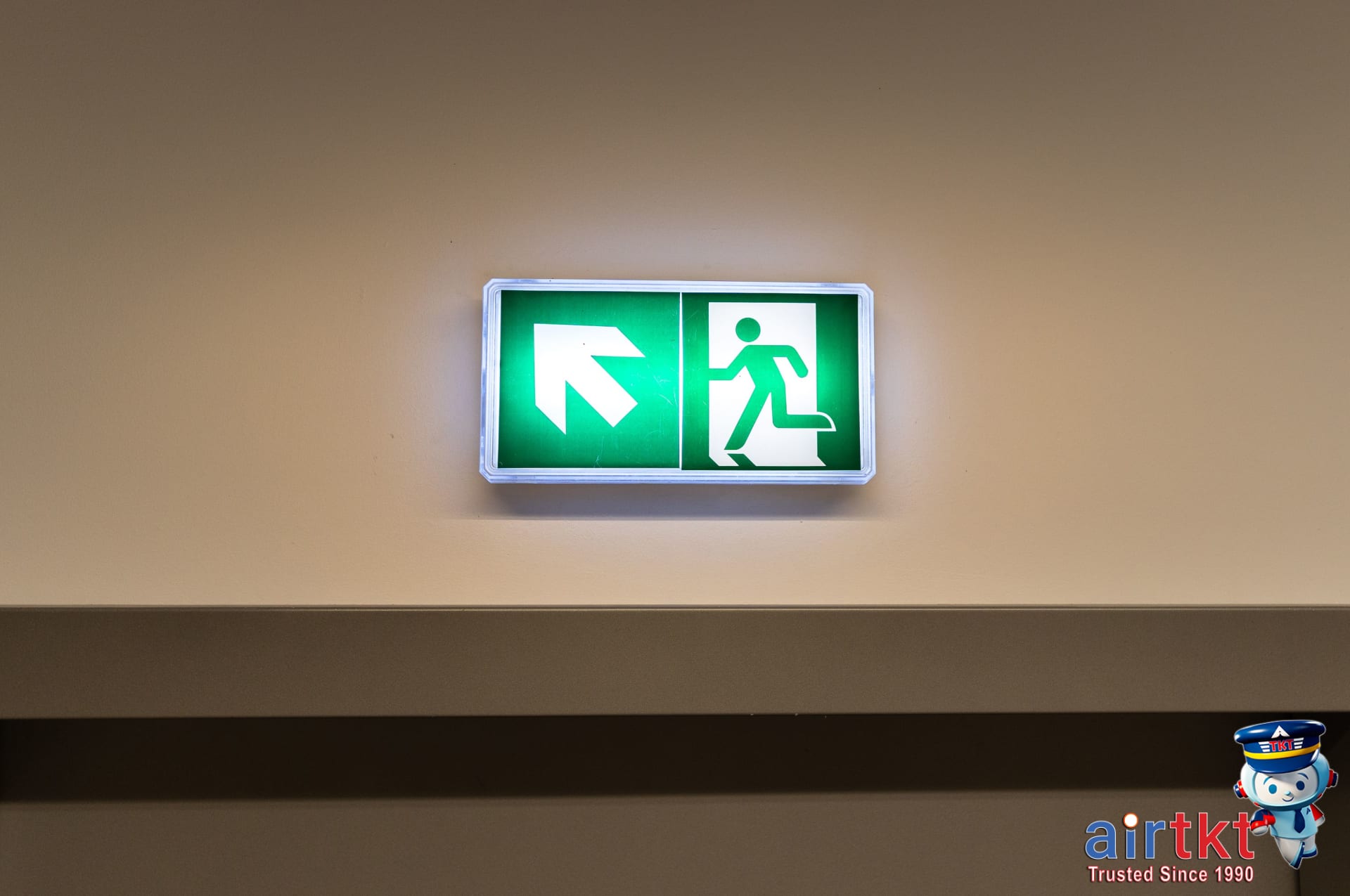
Staying alert in unfamiliar settings, especially hotels, makes a real difference if an emergency happens. The first thing I do after checking in is locate the two nearest emergency exits and read the evacuation plan displayed on the back of the door. It’s surprising how much safer I feel knowing exactly where to go if the fire alarm sounds or if there’s another urgent situation.
Packing a compact emergency kit has also become second nature. I keep a flashlight, a whistle, and a small first aid kit right on the nightstand. These basics don’t take up much space and can be invaluable if the lights go out, hallways become crowded, or you need to signal for help. A backup power bank for your phone is smart, too.
Mental Exit Checks Each Night
A personal habit I recommend is the nightly “mental exit check.” Before turning in, I pause and review my quickest routes out—mentally tracing the hallway, counting doors, and noting where the stairs start. It’s a small ritual, but I know from experience that muscle memory pays off in high-stress moments. If you’re staying with others, quietly talk through the exit plan as a group.
When traveling abroad, it’s worth reviewing comprehensive travel health and safety tips as part of your pre-trip prep. Check out our practical advice on handling emergencies overseas for extra peace of mind.
Key Hotel Security Questions To Ask
Hotel security is about more than locked doors. Understanding a hotel’s security measures can help you keep your belongings—and yourself—safe during your stay. It’s smart to ask about key policies at check-in so you know what to expect and how to act if something feels off.
The first thing I do when checking into a hotel—no matter where I am—is to ask the front desk about their key card policy and who has access to guest areas. Some hotels require key cards to access elevators and guest floors, which adds an extra layer of safety. I’ve also learned to confirm if visitors are allowed up unescorted or if they need to be signed in at the lobby. Not every property has the same standards, and staff usually appreciate the heads up that you’re security-conscious.
Other details to clarify: Ask if there’s security staff on-site and how to contact them quickly in an emergency. Find out what happens if you lose your room key—some hotels reissue new key cards after verifying your ID, while others require you to be escorted to your room. If the property encourages reporting suspicious activity, ask about the process: Do you call the front desk, or is there a direct security line?
By taking the time to clarify these policies, you’ll feel prepared and can act confidently if anything seems unusual. If you want even more practical tips on interacting with hotel staff for greater peace of mind, I’d suggest reading our guide on how to communicate effectively with hotel personnel for safer stays.
Travel Insurance and Hotel Security
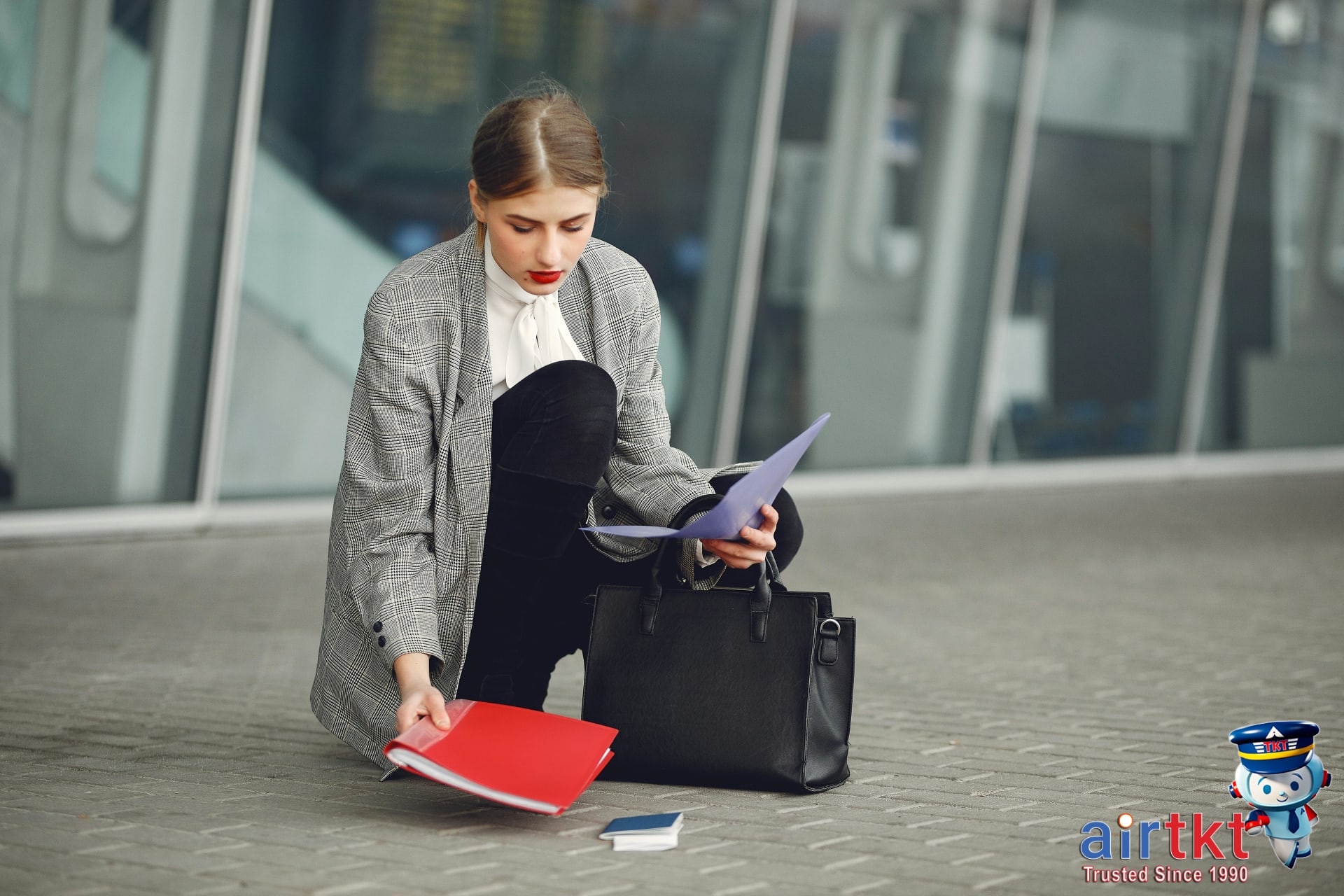
When it comes to hotel stays, travel insurance isn’t just about canceled trips—it can be a lifeline if your valuables are lost, stolen, or even damaged in your room. Policies with personal property coverage typically cover items like electronics, luggage, and jewelry, but it’s smart to read the fine print for any hotel-specific exclusions or policy limits.
Coverage For Lost Or Stolen Items
Most comprehensive policies provide reimbursement for belongings taken from your hotel room, though you’ll need to show proof of forced entry or a police report. In my experience, after dealing with a stolen laptop during a city trip, my insurance only honored the claim because I had carefully documented the incident and contacted the hotel staff right away.
Documenting And Reporting Theft
If something goes missing or is stolen at your hotel, take these steps:
- Report the incident to hotel management immediately and request a written incident report.
- Contact local law enforcement and obtain a police report, as most insurers require one.
- Take photos of the scene, including any broken locks or entry points, and compile receipts or records for the missing items.
- Contact your insurer as soon as possible and follow their instructions for filing a claim.
Clear documentation will make the claims process much smoother, especially if you need to prove the value of your items or how the loss occurred.
Choosing Insurance With Good Security Coverage
I personally look for policies that clearly spell out the process for hotel-related theft and include a low deductible for lost or stolen possessions. Before you book, I’d recommend comparing coverage details and reading our guide to travel insurance basics and claims process, which breaks down how to select the right plan for your trip.
Hotel Room Security Habits That Work
Before settling in, taking a few simple security steps will help you relax—and truly enjoy your hotel stay. Always check that the room door locks securely from the inside, and use any available deadbolt or chain. I double-check the peephole cover and keep valuables tucked away in my locked suitcase or the room safe. It only takes a moment, but that quick routine makes all the difference.
Getting in the habit of a room walk-through lets you spot anything out of place. I make sure windows are secure, and I keep a flashlight within easy reach in case of an emergency. Securing purses, electronics, and passports—never leaving them visible—is one of those small details that creates real peace of mind. Practicing these habits isn’t about being fearful; it’s about stacking small wins for your own comfort and confidence.
The truth is, thinking a step ahead brings focus to your trip. By being deliberate in how you protect your belongings, you’ll feel ready instead of reactive. That’s the lesson I’ve learned over years of travel—when you take your security seriously from the start, exploring the world becomes empowering, not stressful.
If you’re planning a solo trip or just want to boost your travel know-how, you might find our guide on airtkt.com about building a culture of travel safety especially useful. Feeling at ease doesn’t come from luck—it’s a result of these everyday habits.