

Airline Ticket Price Fluctuations Explained
Have you ever been frustrated watching airline ticket prices swing wildly within hours? One day, a flight might be listed at $200, and just the next, the exact same seat jumps to $400. This sudden change can leave travelers confused and hesitant about when to book. The truth is, airline fare pricing is a complex and dynamic process driven by many factors behind the scenes.
Understanding why ticket prices fluctuate isn’t straightforward, but it’s essential for finding the best deals. At AirTtkt, we’re committed to helping travelers navigate this complexity with simple, practical explanations. This article aims to demystify airfare pricing by breaking down the key reasons behind price changes in ways that anyone can grasp.

Imagine this common scenario: you check a flight from New York to Miami and see a fare for $200. Hours later, when you return to book, the price has doubled. This isn’t a random hike but a result of airlines constantly adjusting prices to match demand, competition, and available seats. Sometimes, last-minute surges happen if a flight is filling quickly or due to external events like holidays or major sports games.
This guide will explore how fare classes, dynamic pricing models, external influences such as fuel costs, and timing strategies impact airfare. By understanding these elements, you’ll be better equipped to predict price movements and know when to lock in your booking.
Whether you’re a budget-conscious family planning your next vacation or a frequent flyer hunting for last-minute deals, this practical breakdown from AirTtkt will help clear up the mystery of airline pricing and empower you to find affordable flights with ease.
Airline Fare Classes and Ticket Categories
Fare classes, also known as booking classes, are essential components of how airlines price and manage their seats. Each fare class represents a category within a cabin—economy, premium economy, business, or first class—carrying its own price point, booking rules, and restrictions. These classes help airlines balance seat availability with revenue optimization, introducing varying perks, flexibility, and price tiers to appeal to different traveler needs.
At the core, a fare basis code is a unique identifier linked to a fare class. It encodes the price level and specific booking conditions such as cancellation policy, advance purchase requirements, and eligibility for upgrades. For example, a “Y” class often denotes a fully flexible economy ticket, while “Q” or “N” might be discounted economy fares with stricter restrictions. These codes allow airlines to control inventory and define what services and changes are allowed for each ticket.
Seat allocations differ significantly among fare classes. Economy fares typically fill the largest portion of the plane with basic amenities and stricter conditions. Premium economy offers wider seats, more legroom, and additional services at a mid-tier price. Business class elevates comfort with lie-flat seats, enhanced dining, and lounge access, while first class provides the utmost luxury and exclusivity, often including private suites and personalized services.

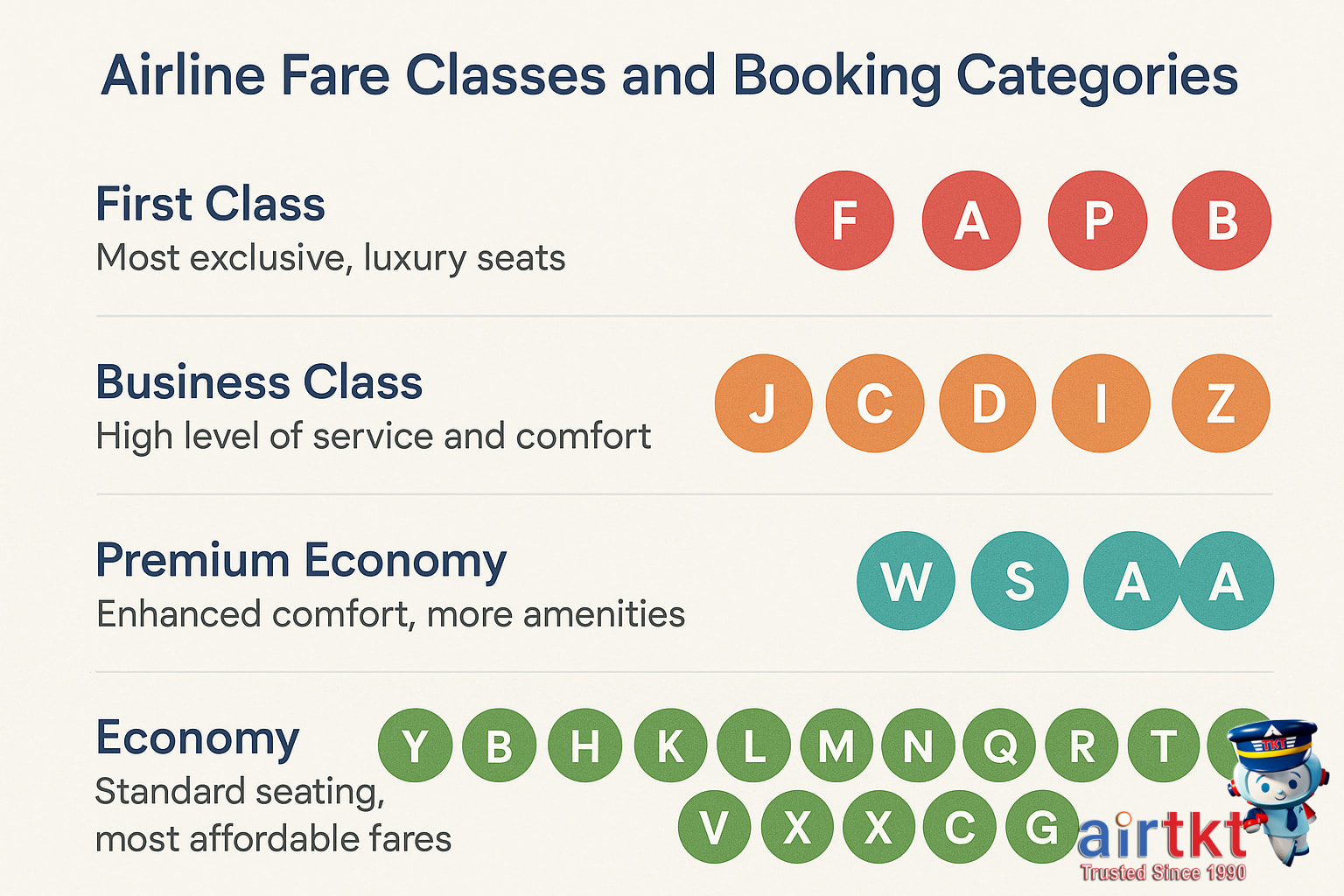
| Fare Class | Seat Type | Typical Price Range (One-way) | Booking Conditions | Seat Availability |
|---|---|---|---|---|
| Economy (Y, Q, N) | Standard, narrow seats | $100 – $400 | Limited changes, non-refundable | Largest inventory allocation |
| Premium Economy (W, S) | Wider, extra legroom | $300 – $700 | Some flexibility, fees apply for changes | Moderate inventory |
| Business (J, C) | Lie-flat or reclining seats | $700 – $1,500 | Flexible tickets, priority services | Limited inventory |
| First Class (F, P) | Private suites, luxury | $1,200 – $3,000+ | Highly flexible, premium perks | Very limited inventory |
Airlines use booking inventory controls to manage how many seats are available at each fare class. Computerized reservation systems adjust seat allocations dynamically based on demand, sales pace, and revenue targets. For instance, when economy seats at the lowest fare are selling out, the system may open up seats at a higher fare class, maximizing earnings while filling the plane efficiently.
This tiered approach also allows airlines to offer last-minute deals or higher-priced tickets as flights approach departure, depending on remaining seat inventory. Understanding fare classes empowers travelers to select tickets that match their budget and travel flexibility needs.
Yield Management and Dynamic Pricing Algorithms
Airlines rely on yield management as a strategic approach to maximize revenue by selling the right seat to the right customer at the right time and price. This technique involves continuously adjusting ticket prices based on demand predictions and booking patterns. Yield management helps airlines optimize their income by balancing seat inventory against fluctuating market conditions, ultimately turning potential lost sales into higher profits.
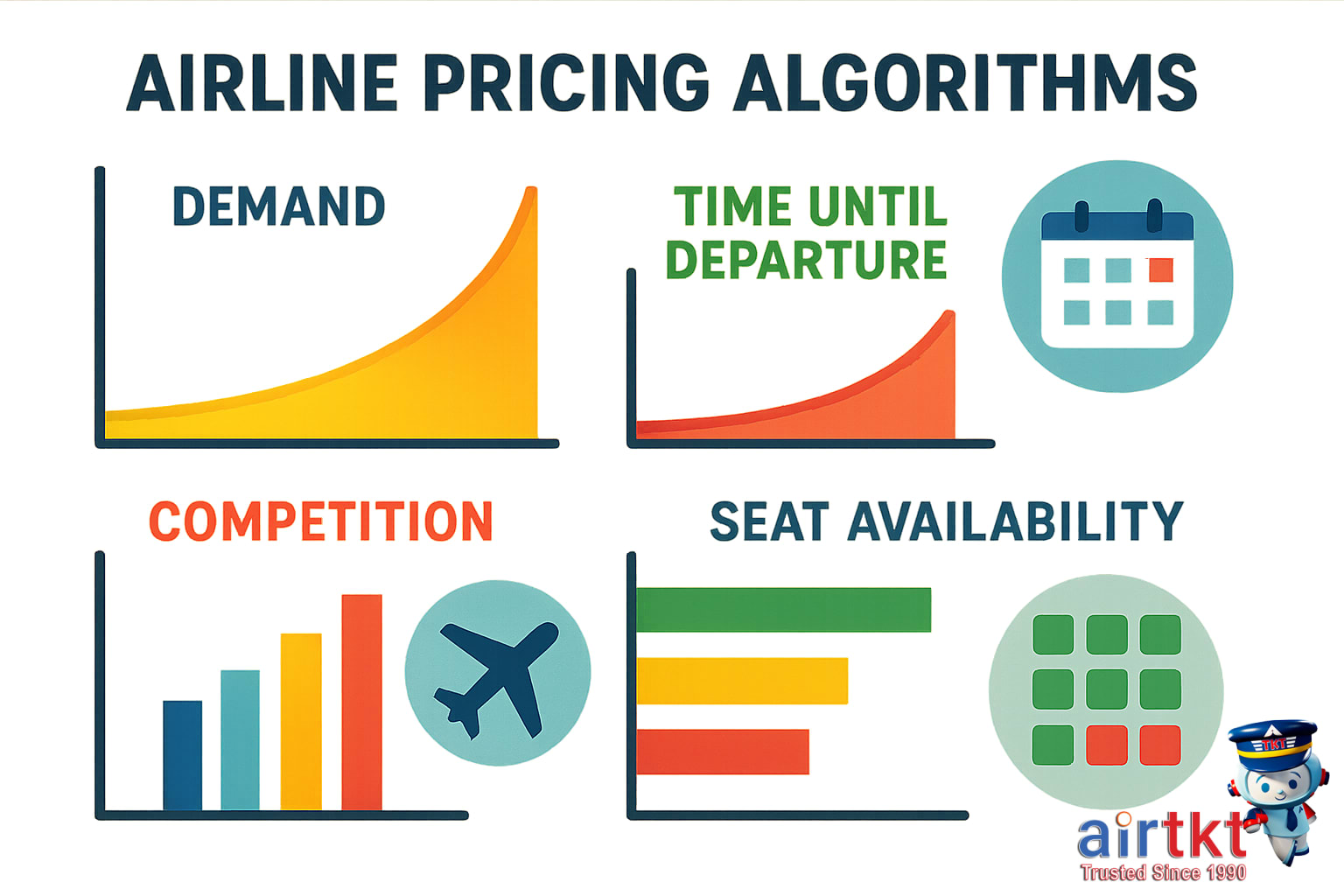
At the heart of this strategy are dynamic pricing algorithms, computer-driven systems that forecast customer behaviors to set fares in real time. These algorithms analyze historical booking data, current demand, competitor prices, and even external factors such as holidays or events. By anticipating when and how passengers book their flights, airlines can dynamically raise or lower ticket prices to capture maximum willingness to pay across different buyer segments.
One critical component of yield management is inventory control. Airlines manage how many seats are made available at each price level by restricting or releasing inventory. For example, cheaper fare classes may be limited early on to save capacity for full-fare passengers closer to departure. As the flight date approaches, the system adjusts these allocations based on sales pace and remaining seats, ensuring the right mix of price points to maximize revenue.
This dynamic system allows airlines to respond flexibly to booking pace, seasonality, and market competition. During peak travel seasons or high-demand routes, prices can surge to reflect increased willingness to pay. Conversely, if bookings lag or competitors drop prices, airlines can proactively reduce fares or open discounted seat classes to stimulate sales. This responsiveness helps maintain balanced load factors and maximize revenue on every flight.
For instance, early in the booking window, a flight might offer a few discounted seats to attract budget travelers, while most seats are held at higher price points. As the departure date nears and seats fill, the algorithm raises prices incrementally. If sales slow unexpectedly, the system might temporarily lower fares or increase seat availability at lower fares to boost demand. These continual adjustments create a fluid pricing environment driven by algorithmic insights.
External Factors Influencing Airfare Prices
Airfare pricing extends far beyond airline inventory management. Several external factors play a significant role in shaping ticket costs, including fluctuating oil prices, route competition, varying demand, and government-imposed charges. Understanding these elements can help travelers anticipate price changes and secure better deals.
Impact of Oil Prices on Airfare
Jet fuel is one of the largest operating expenses for airlines, often accounting for 20-30% of total costs. When global oil prices rise, airlines face increased expenses that typically translate into higher ticket prices. Conversely, when oil prices drop, airlines can pass on savings to passengers through discounted fares. For example, during the 2020 pandemic, plummeting oil prices contributed to some of the lowest airfare rates in recent history.
Historical trends show that sustained periods of high oil prices often lead to gradual fare increases. Airlines may implement fuel surcharges to offset sudden price spikes. This direct connection between oil costs and airfare illustrates why travelers sometimes see rapid fluctuations in ticket prices unrelated to booking timelines or promotions.
Route Competition Shapes Pricing Strategies
Competition directly influences how airlines price tickets on specific routes. When multiple airlines operate the same route, fare wars often occur, benefiting passengers with lower prices and promotional offers. Dominant carriers without direct competition may charge higher fares due to limited alternatives.
Low-cost carriers entering popular routes can disrupt pricing by undercutting established airlines, pressuring them to reduce fares or add perks to maintain market share. This dynamic environment underscores why checking ticket prices across multiple airlines at platforms like AirTtkt is essential for finding the best deal.
Demand Variations Affect Ticket Costs
Demand is a crucial determinant of airfare. During holidays, major events, and peak travel seasons, ticket prices can soar due to increased passenger volumes. Airlines often anticipate these spikes and adjust fares upward well in advance.
Conversely, off-peak periods tend to offer cheaper tickets as airlines seek to fill empty seats. Travelers willing to fly during shoulder seasons or midweek can benefit from significant savings. Understanding these demand cycles enables savvy travelers to plan trips that avoid inflated fares.
Government Fees and Regulatory Costs
Airfare also incorporates taxes, airport fees, and government surcharges that vary widely by country and airport. Security taxes, passenger facility charges, and customs fees contribute additional costs that airlines pass on to customers. Regulatory environments demanding stricter environmental or safety standards can further increase operating expenses.
These fees are often embedded within the ticket price, making it essential for travelers to be aware that the base fare is only part of the total cost. Checking detailed fare breakdowns on booking platforms like AirTtkt ensures full transparency regarding these charges.
Demand, Supply, and Timing for Best Airfare
Airfares are shaped by a constant balancing act between seat supply, flight frequency, and passenger demand. Airlines adjust prices dynamically to match how many seats are available on flights and how many travelers want to book them. During high-demand periods, such as holidays or major events, limited seat supply combined with frequent flyers drives prices up. Conversely, when demand dips, airlines may reduce prices or add flights to fill seats.
Understanding how supply and demand interact is key to snagging the best deals. Flight frequency—a measure of how often airlines schedule flights on a route—affects seat availability. More frequent flights generally mean more seats, which can ease demand pressure and lower average fares. However, too many flights during low-demand times can cause airlines to cut prices steeply to stimulate bookings.
Book Early Versus Last-Minute Differently
Booking early can offer significant savings, especially on popular routes and during peak travel times, because airlines reward early commitment with lower fares. Prices tend to rise as departure dates get closer, reflecting diminishing seat availability. However, last-minute purchases sometimes yield surprising discounts when airlines want to fill remaining seats, mostly in off-peak or non-holiday periods.
That said, relying on last-minute deals is risky. If demand is strong, last seats may cost more or be unavailable. Early booking guarantees choice and can lock in better prices, while last-minute fares remain somewhat unpredictable but occasionally rewarding.
Compare Shoulder-Season and Peak-Season Airfare
Airfare trends differ markedly between peak and shoulder seasons. Peak seasons—school holidays, summer vacations, and major festival periods—experience high demand and often limited seat supply, driving prices sharply upward. Airlines capitalize on this demand by raising fares well in advance.
In contrast, shoulder seasons—the periods just before or after peak times—offer more moderate demand and often increased flight frequency to maintain passenger volume. This sweet spot means fares are typically lower, providing cost-conscious travelers with an excellent opportunity for savings without sacrificing much convenience.
Tips and Checklist for Optimal Booking Windows
- Monitor fares early: Start tracking prices 3-6 months ahead for domestic flights, and up to 8-11 months for international travel.
- Use fare alerts: Set up alerts on platforms like AirTtkt to receive notifications on price drops.
- Plan for shoulder seasons: Target travel just outside peak holiday periods for lower airfare and less crowding.
- Consider weekdays: Flying midweek often yields lower fares than weekend departures.
- Be flexible with dates: Adjust departure and return dates slightly to take advantage of fare fluctuations.
By timing your booking to align with market demand and supply dynamics, informed travelers can unlock the best airfare. Recognizing when airlines increase or decrease seat supply and adjusting travel plans accordingly empowers smart spending. Leverage tools and strategies—like fare alerts, flexible schedules, and shoulder-season travel—to optimize your flight investment and travel more affordably with AirTtkt.
Airfare Pricing FAQ
What causes airline ticket prices to fluctuate so much?
Airline ticket prices change frequently due to demand, seat availability, seasonality, and airline revenue management strategies. Airlines adjust fares dynamically by analyzing booking trends, competitor pricing, and upcoming events to maximize profits while filling seats efficiently.
How can I use fare classes to find cheaper tickets?
Fare classes represent ticket categories with different rules and prices. By searching for lower fare class options like economy discount or basic economy, you can secure cheaper tickets. Being flexible with refunds and changes often helps access these lower classes designed for budget travelers.
When should I book a flight to get the best airfare?
The best time to book a flight generally falls 6 to 8 weeks before departure. Mid-week bookings often offer lower prices, as airlines release deals and adjust fares based on weekday travel trends. Booking early helps avoid last-minute price surges for popular routes.
Why does oil price affect airline ticket costs?
Jet fuel costs, linked closely to global oil prices, represent a significant airline expense. When oil prices rise, airlines face higher operating costs, which they often pass to travelers through increased ticket prices. Conversely, lower oil prices can lead to cheaper airline ticket costs.
Can I rely on algorithms to secure the lowest ticket prices?
Algorithms can track price changes and alert you to discounts, but no system guarantees the absolute lowest fare. Prices may still vary due to real-time demand shifts and promotional offers. Using platforms like AirTtkt that combine algorithms with expert support improves your chances.
What factors should I consider beyond the ticket price before booking?
Look beyond price to baggage fees, seat selection costs, cancellation policies, and layover durations. Sometimes slightly higher ticket prices offer better overall value by including perks or flexibility, saving money and stress during travel.
How does competition on a route influence ticket pricing?
Routes served by multiple airlines often have lower airline ticket prices due to competitive pricing tactics. Airlines frequently lower fares or offer promotions to attract customers, benefiting travelers looking for affordable, flexible travel options.
Master Airline Pricing for Smart Bookings
Understanding airline pricing is key to scoring the best flight deals. Prices aren’t random; they result from a complex interplay of fare classes, dynamic pricing strategies, fluctuating oil costs, market competition, and timing. Airlines use fare classes to segment seats according to demand, offering different prices and restrictions. Dynamic pricing continuously adjusts fares based on real-time factors, such as how many seats remain and how soon the flight departs.
External factors like oil prices directly affect operating costs, often influencing ticket prices. Similarly, competition on popular routes prompts airlines to offer more attractive fares to capture market share. Timing is another crucial element — booking too early or too late can cause prices to spike, while identifying the sweet spot in advance can save you significant money.
These pricing components form a sophisticated system called yield management. It’s designed to maximize airline revenue while responding to shifting market dynamics. Every price change you see reflects deep data analysis and competitive strategy, not haphazard decisions.
With this knowledge, travelers can become strategic about when and how they buy tickets. Recognizing fare class differences and tracking timing patterns helps predict price movements, avoiding costly last-minute bookings or needlessly early purchases. Leveraging these insights enables you to plan smarter and stay ahead of fluctuating airfare costs.
AirTtkt streamlines this complexity with powerful real-time fare comparisons and up-to-date pricing data. Their user-friendly platform helps you identify the best ticket options based on your schedule and budget. With exclusive discounts and 24/7 support, AirTtkt empowers travelers to book confidently, knowing they’re getting great value.
Mastering airline pricing strategies transforms how you approach booking flights. The intricate system behind every ticket price becomes a tool, not a mystery. Use your new understanding alongside AirTtkt‘s smart tools to unlock better deals and unforgettable travel experiences.