

Why Etiquette Matters In Latin America


Traveling in Latin America is about more than just the sights—it’s about immersing yourself in the vibrant cultures that make every country unique. Understanding local etiquette can help you connect with people in a genuine way, avoid misunderstandings, and get so much more out of your trip. When I first traveled to Latin America, knowing about proper etiquette made my experience much richer and I quickly realized how much locals appreciate even small gestures of respect.
Throughout this guide, I’ll break down some of the essential etiquette topics you’ll encounter: from common greetings like handshakes or cheek kisses, to dining customs, tipping practices, and day-to-day cultural respect. These details might seem small, but they’re key to having respectful interactions, whether you’re exploring a bustling city or relaxing in a rural village.
Every country has its own customs, but across Latin America, people respond positively to travelers who show interest and curiosity about local ways. I usually approach new situations with an open mind and a willingness to learn, which has led to memorable conversations and friendships along the way. By preparing yourself for some of these etiquette basics, you’ll find doors opening, smiles exchanged, and your travel days running a lot smoother.
Common Latin America Greetings Explained


If there’s one thing that stands out when arriving in Latin America, it’s the genuine warmth people show—even in their greetings. While the specifics vary across the region, there’s a strong emphasis on respect, friendliness, and making a good first impression. Understanding these subtle customs is key to blending in naturally and avoiding awkward moments.
The classic greeting in most Latin American countries is a handshake, but it’s almost always accompanied by direct eye contact and a smile. Don’t be surprised if a handshake feels more prolonged than what you’re used to—this isn’t just politeness; it’s a show of sincerity. Among friends and family, the greeting often shifts: in many places, a single soft kiss on the right cheek is the norm between women, or between a woman and a man. Some regions—especially parts of Argentina and Uruguay—up the ante, so even men greet close friends with cheek kisses. Personally, I quickly learned the subtle differences in greetings from one country to another; what felt natural in Colombia suddenly seemed overly formal in Ecuador.
The use of formal or informal language also carries weight. In Spanish-speaking countries, it’s smart to default to “usted” instead of “tú” or “vos” unless someone invites you to be informal. Portuguese speakers in Brazil lean toward “você” for most social situations, but err on the side of caution until you sense what’s expected. No matter where you are, the safest approach is to mirror the locals—observe how they greet each other and follow their lead. Some places expect formality with elders or in work settings, while younger crowds and friends are far more relaxed.
Regional quirks are everywhere. Mexicans might combine a handshake with a gentle hug for acquaintances, while Chileans keep it to one swift cheek kiss and brief contact. Even within one country, big cities and small towns may feel slightly different. What’s consistent everywhere I’ve traveled is a sense of connection—Latin American greetings aim to bring people closer, not keep anyone at arm’s length.
For deeper dives into etiquette and customs in specific countries, check out airtkt.com articles on traveling in Mexico or guides about traveling in Brazil. These offer region-by-region details, so you can arrive prepared to greet like a local.
Dining Customs Across Latin America

Sharing a meal in Latin America can be a memorable way to connect with local communities, but it’s also a situation where etiquette says a lot about respect. One thing I noticed early on is how much emphasis is placed on patience—waiting for the host to indicate seating, not starting to eat until everyone is served, and practicing gratitude throughout the meal. ”Buen provecho” is a phrase you’ll hear before eating, and in many regions, I waited until the host made a toast or offered a blessing before anyone touched their food.
If you’re invited to a local home, expect a genuine welcome, but be sure to arrive on time—a small gesture of punctuality is a big sign of respect in most countries here. Often, shoes might need to be removed at the entry, and a simple gift for the host (like dessert or wine) is almost always appreciated. It’s good manners to greet everyone present and say goodbye to each person before leaving.
At the table, utensils are generally used European-style—fork in the left hand, knife in the right. In some places, like Argentina or Chile, you’ll see this formality more strictly followed. With family meals in Mexico, Colombia, or Peru, sharing platters is common, and it’s respectful to wait for food to be offered rather than reaching first. Always pass dishes to others before serving yourself, and don’t pile your plate high on the first round.
Table manners are fairly formal, especially in someone’s home. Keep hands visible above the table when not in use (but don’t rest elbows), and avoid loud eating or talking with your mouth full. Simple conversation is encouraged, but topics might stick to family, food, and travel experiences. One thing I always make sure to do is thank my hosts at the end of the meal, as even a small “gracias por la comida” goes a long way throughout Latin America.
Of course, there’s no single standard—the vibe in a casual Brazilian churrascaria will feel very different from a formal dinner in Lima, but showing patience, humility, and gratitude is universally respected. If you’re curious about additional tips on exploring local food etiquette and restaurants in the region, I recommend these airtkt.com travel tips for dining and experiencing Latin American cuisine.
Tipping Norms Across Latin America
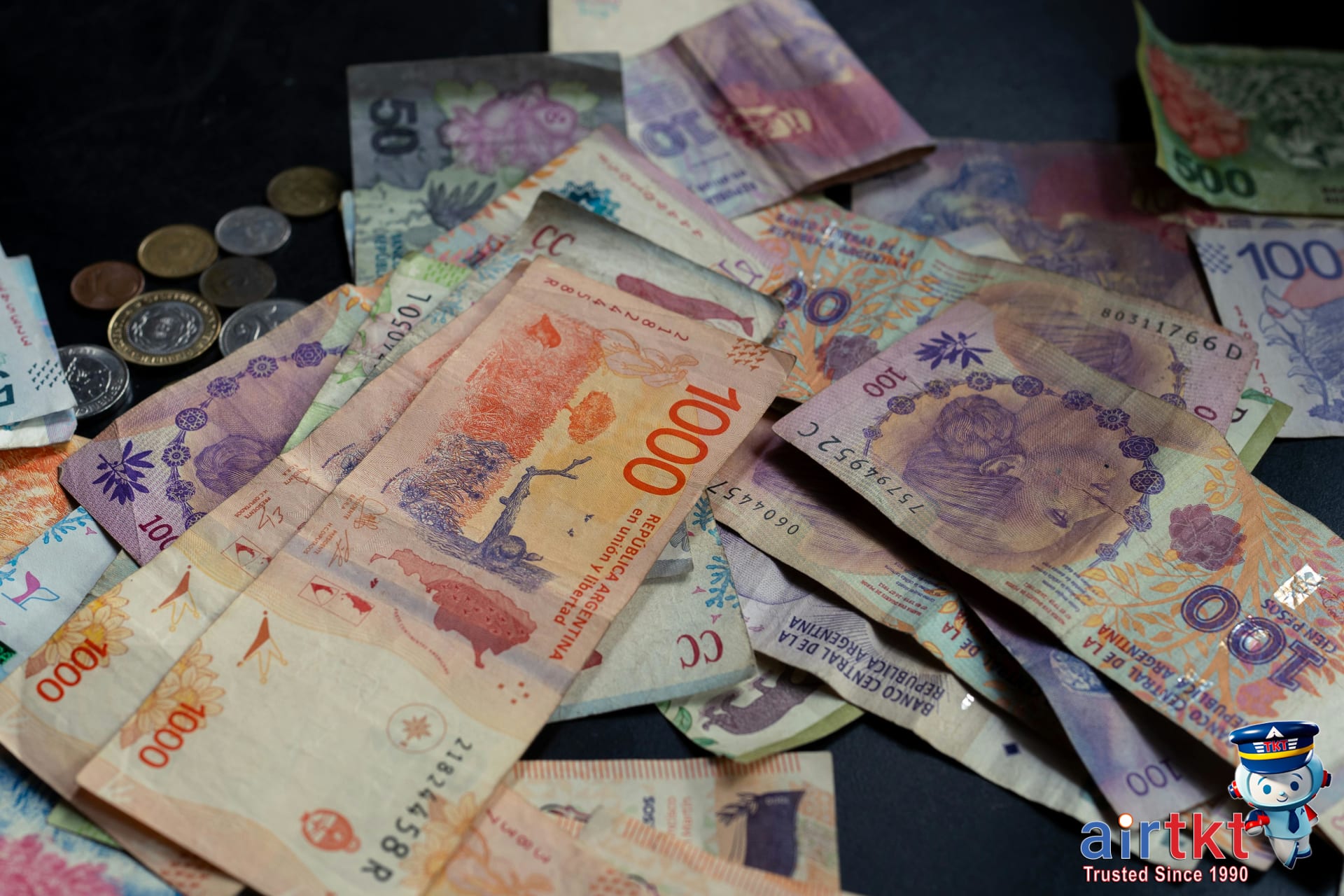
Tipping customs vary widely in Latin America, but there are some common expectations that can help you navigate various situations confidently. In restaurants, a service charge is often included in your bill, but it’s customary to leave about 10% in cash if you received good service or if you notice the charge is missing. For taxi rides, rounding up the fare or adding about $1.00 in local currency is generally appreciated but not mandatory. At hotels, it’s customary to tip bellhops about $1.00 per bag and housekeeping around $2.00 per night. Tour guides typically expect a tip of about $5.00 per person for a half-day tour.
It’s worth noting that in some countries—like Argentina or Brazil—tipping beyond the included service charge can feel excessive or even awkward, so always check your bill first. In quick-service eateries, food stalls, or for short taxi trips, tipping is optional and often not expected. Many locals keep small change handy specifically for these types of situations.
Personally, I’ve found carrying small bills in local currency made tipping much less stressful, especially in busy markets or when catching a cab on the street. It’s a simple habit that smooths out any awkwardness at the end of a meal or ride. If you’re planning your local travel, I’d also recommend checking out fare and transport options directly on airtkt.com for up-to-date booking tools and information on local transit.
Showing Respect for Local Culture

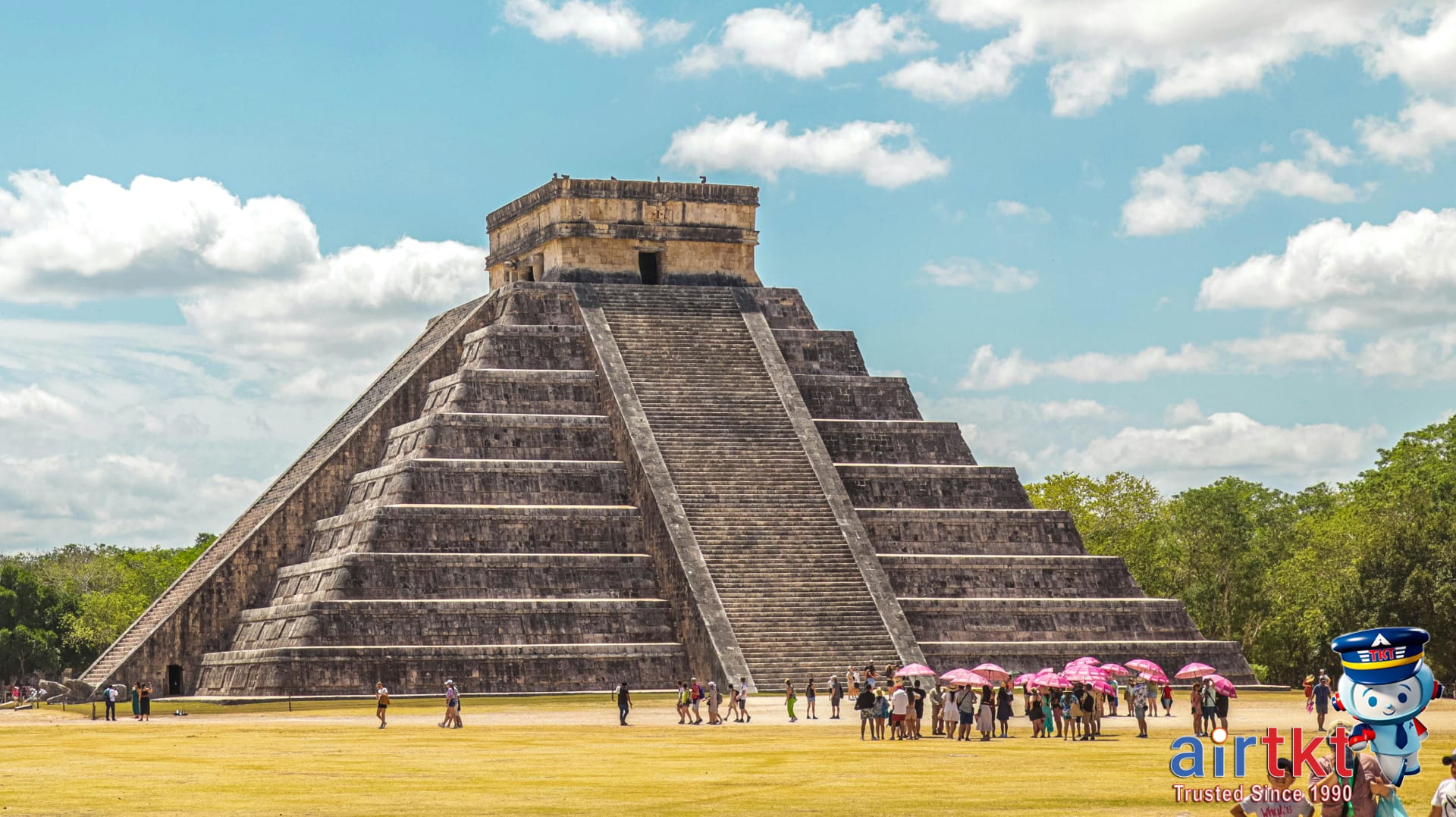
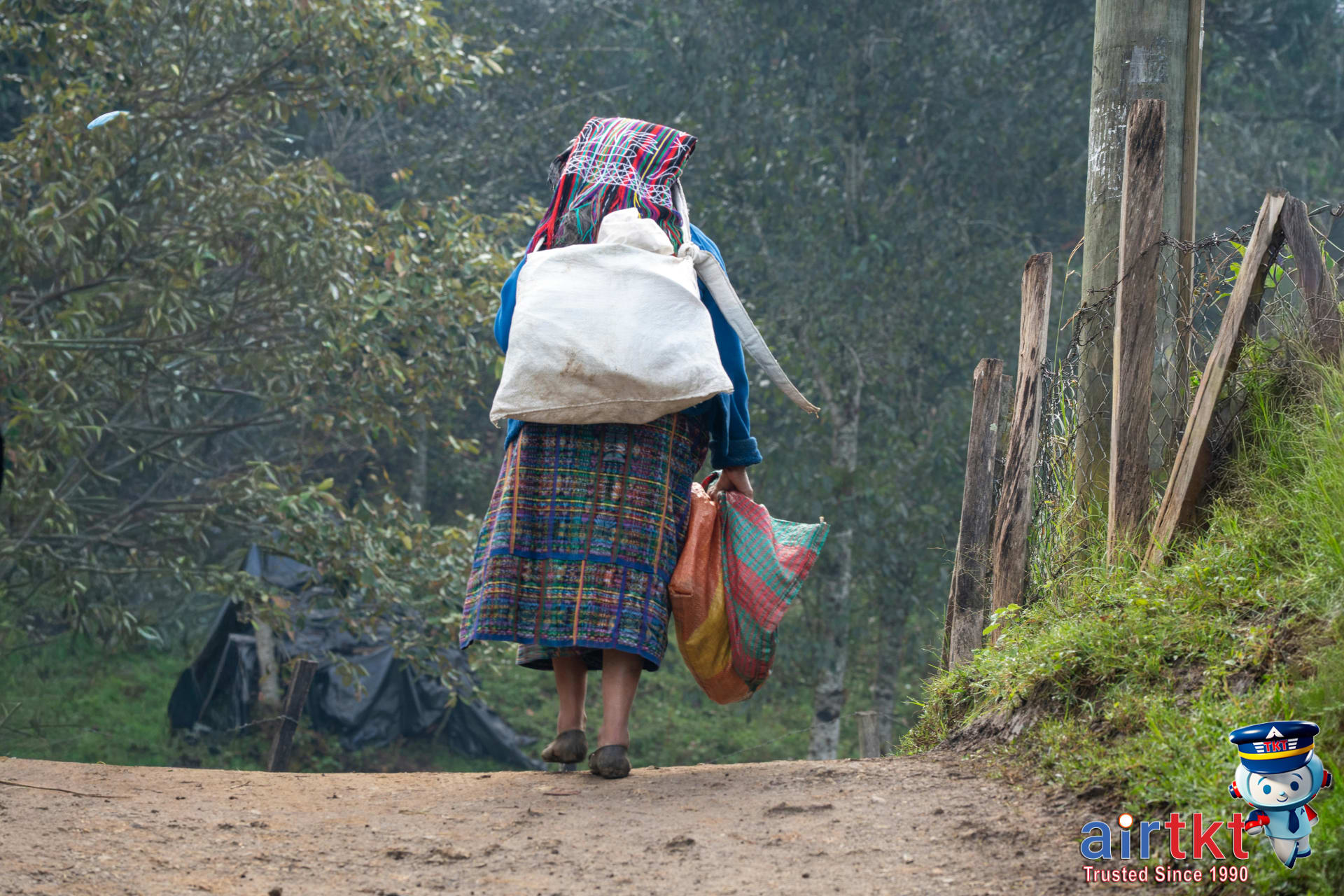
Latin America’s cultures are incredibly rich and diverse, each with its own unique traditions, festivals, and etiquette. While you’re likely to be welcomed warmly, showing respect for local customs goes a long way—especially at sacred sites, religious events, and cultural celebrations. I always try to learn key phrases and understand local customs before visiting cultural landmarks, not only out of courtesy but to make connections feel more meaningful.
Celebrating Local Traditions
Many Latin American countries take great pride in holidays and traditional festivities, from Semana Santa in Guatemala to Inti Raymi in Peru. These occasions aren’t just public events—they are deeply rooted community moments. As a visitor, participating respectfully is both appreciated and rewarding. Before traveling, I recommend looking up the calendar of local festivals, which often shape city schedules. Sometimes, entire towns may pause for a cultural event or parade.
Dressing Modestly at Sacred Sites
When entering churches, pyramids, or indigenous community spaces, dress codes matter. Modest clothing—like shirts with sleeves and pants or long skirts—shows reverence, especially in conservative regions. Even outside of religious spaces, it’s good etiquette to mirror local styles. I’ve noticed that blending in this way often leads to warmer welcomes and less unwanted attention.
Language: A Bridge of Respect
Even if you’re not fluent in Spanish or Portuguese, using a few polite greetings or expressions in the local language makes a positive impression. A simple “buenos días” or “muchas gracias” tells people you value their culture. I’ve found that just a handful of respectful phrases can open up moments of genuine connection, especially in smaller towns or family-run businesses.
For more insights on regional customs, check out the airtkt.com guides featuring cultural experiences across individual Latin American destinations. These resources highlight etiquette tips and can help you prepare for unique traditions you might encounter.
Practical Latin America Travel Budget Table
Building a realistic travel budget for Latin America comes down to knowing what to expect for basic daily costs. Each trip is different, but it helps when you can see clear numbers for accommodation, food, transport, and activities using three practical tiers: budget, mid-range, and luxury. Whether you’re pinching pennies or splurging a bit, you’ll have a smoother travel experience if you plan ahead.
| Budget | Mid-range | Luxury | |
|---|---|---|---|
| Accommodation | $30.00 | $80.00 | $250.00 |
| Food | $12.00 | $40.00 | $100.00 |
| Transport | $8.00 | $25.00 | $80.00 |
| Activities | $10.00 | $35.00 | $120.00 |
Personally, balancing budget and comfort helped me enjoy my trip without overspending. If you’re hoping to adjust your budget on the fly, accommodation is often the best place to find savings—or, if you prefer, invest in a bit more comfort. For quick price comparisons, I’d check out the hotel booking options on airtkt.com before making a final decision.
Frequently Asked Questions about Latin America Etiquette
- What is considered a polite greeting in Latin America?
In most Latin American countries, a handshake is standard for greetings, while close friends or family might exchange a cheek kiss. Greetings are typically warm and accompanied by direct eye contact. I found that starting with a friendly “Buenos días” or “Hola” always made my interactions smoother, even before any deeper conversation.
- How much should I tip in Latin America?
Tipping practices vary, but leaving about $1.00 per bag for porters and around 10% of the restaurant bill is generally appreciated. Some restaurants may include a service charge; if not, it’s polite to leave a tip. I always keep small bills handy for these situations so I’m not caught off guard.
- Are dining manners the same in all Latin American countries?
Dining etiquette differs between countries. For example, in Brazil, keeping your hands on the table (but not your elbows) is normal, while in Mexico, it’s polite to wait for a host to say “buen provecho” before eating. I always research specific customs for each country I visit to avoid misunderstandings.
- What personal space or physical contact is polite?
Latin American etiquette often involves less personal space than in the U.S. It’s common for people to stand closer during conversations and occasionally use touch, like a pat on the back or arm. Respecting people’s comfort and following their lead helps prevent any awkward moments if you’re unsure.
- What’s important to know about Latin America etiquette in business meetings?
Punctuality expectations can vary—social events start later, but business meetings are more likely to begin on time. Use formal titles and proper greetings, and allow some small talk before business topics. Politeness and a respectful tone are highly valued in professional settings across Latin America.
- Is casual dress acceptable everywhere in Latin America?
In urban areas, people tend to dress smartly, especially in cities like Bogotá or Buenos Aires. Beachwear is fine at resorts but can be seen as disrespectful in towns or restaurants. I always pack versatile clothes so I can adjust based on the setting and local expectations for dress.
- Are gift-giving customs common in Latin America etiquette?
Gift-giving is a thoughtful gesture, especially when invited to someone’s home. Small gifts like sweets or local crafts are appreciated. Avoid overly expensive items. Flowers are usually welcome, but some colors may carry meanings in specific countries, so checking before you choose is a good idea.
Wrapping Up Respectful Travel in Latin America
As you finish planning your journey across Latin America, a respectful approach remains essential. The small details add up: using the customary greeting, waiting for your host to start a meal, tipping with care, and staying conscious of local customs all help ensure smooth interactions. Each country has its own etiquette quirks, but open observation and a willingness to adapt will always serve you well.
It helps to remember that flexibility goes a long way. Plans may shift, and some customs might surprise you, but being observant lets you pick up on local cues quickly. I’ve found that staying open and observant makes every trip more rewarding and respectful, and has led to memorable experiences that simply wouldn’t have happened otherwise.
If you’re ready to put this etiquette into action, take some time to explore the planning tools and destination insights on airtkt.com. In particular, the Latin America travel resources offer trip ideas and booking options to help you craft a journey that stays considerate from take-off to return.