

Introduction to Manila’s Vibrant Heart
Manila stands at the crossroads of the Philippines’ rich history and dynamic present. As the country’s capital, it serves as the cultural, historical, and economic hub, drawing a population of roughly 1.8 million residents within its 41-square kilometer area—making for one of the highest population densities globally. The city pulses with energy where Spanish colonial architecture nestles beside towering skyscrapers and busy markets.
Travelers will find Manila’s tropical climate warm year-round, with temperatures averaging 27°C (81°F) and a distinct wet season from June to November. Tagalog and English are the main languages spoken, making it surprisingly easy for most visitors to navigate conversations and signage. This mix of accessible communication, lively street life, and deep-rooted heritage makes Manila a prime choice for anyone after a diverse city experience that balances old-world charm with modern hustle.
Planning your Manila trip? I often track flight deals through airtkt.com to spot the best times to book and fly into Ninoy Aquino International Airport without breaking the bank.
Top 10 Must-See Attractions in Manila
Manila’s historic and cultural landmarks pack a punch, offering a mix of colonial charm, vibrant street life, and modern entertainment. Here’s a straight-up guide to the 10 spots you can’t skip—and how to dodge the crowds.

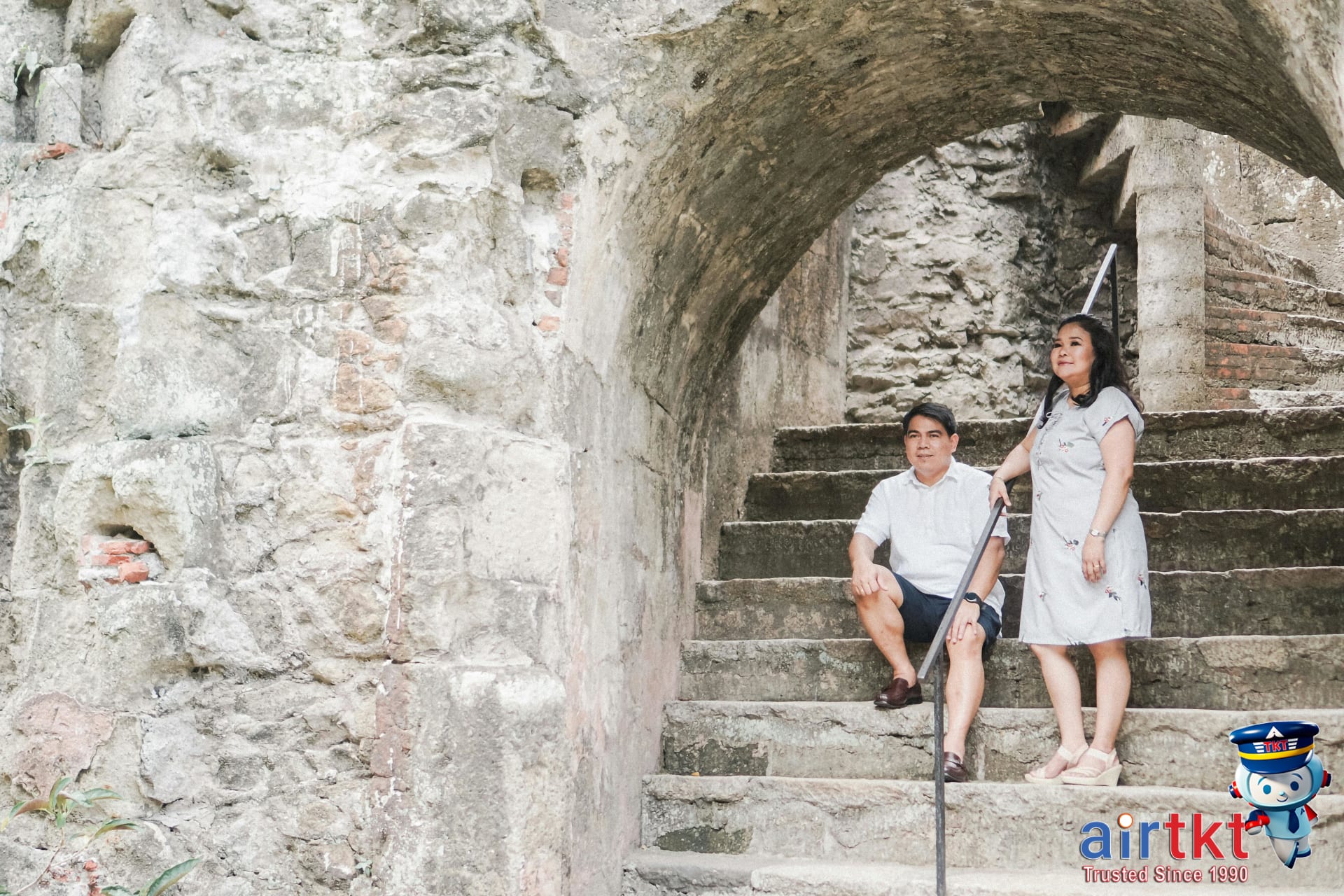
Intramuros is Manila’s “Walled City,” a window into Spanish colonial life. Best visited early morning (7–9 a.m.) on a weekday to avoid tour groups. Entry to the general area is free, but Fort Santiago inside charges ₱75 ($1.35). Booking a guided tour through local operator Manila Explorer gives access to skip-the-line benefits and detailed history.
Rizal Parkoffers open spaces with no entrance fee, perfect for a midday break. Weekdays before noon are quietest. Watch out for weekend local events that pack the area.
The National Museum complex—including the National Museum of Fine Arts and Anthropology—charges no entrance fee. Weekday visits between 9–11 a.m. get you in before the crowds. Reservations can be made on their official website.
Manila Ocean Parkis pricier but worth it for marine life fans. Tickets cost ₱700 ($12.50) on weekdays. Book online in advance; the park caps weekday attendance to manage capacity.
Chinatown (Binondo)beckons foodies and culture seekers alike. Go early Saturday morning (7 a.m.) for the best experience before lunch crowds arrive. Walk-ins are fine, but guided food tours booked via apps like Vaxago add insider knowledge and local tips.
The Cultural Center of the Philippines hosts regular performances, with ticket prices varying from ₱300 to ₱1,500 ($5–$27). Booking shows online 2–3 weeks ahead is best to snag seats and avoid lines at the box office.
San Agustin Churchand Manila Cathedralare Catholic heritage sites in Intramuros. Entry fees range from ₱100 to ₱200 ($1.80–$3.50). Both are less crowded on weekday mornings before noon. Sunday Mass attendees should avoid those times if they want a quiet visit.
Mall of Asiais one of Asia’s largest malls, blending shopping, dining, and sea views. No entry fee; evening weekdays after 6 p.m. see fewer crowds. The mall’s app helps plan visits and spot promotions.
| Attraction | Entrance Fee | Best Time to Visit | Booking Tips |
|---|---|---|---|
| Intramuros (Fort Santiago) | ₱75 ($1.35) | 7–9 a.m. weekdays | Guided tours (Manila Explorer) |
| Rizal Park | Free | Before noon weekdays | No booking required |
| National Museum | Free | 9–11 a.m. weekdays | Online reservations |
| Manila Ocean Park | ₱700 ($12.50) | Weekdays | Online in advance |
| Chinatown (Binondo) | Free | 7 a.m. Saturday | Guided food tours via apps |
| Cultural Center of the Philippines | ₱300–₱1,500 ($5–$27) | 2–3 weeks before event | Online ticketing |
| San Agustin Church | ₱100 ($1.80) | Before noon weekdays | No booking |
| Manila Cathedral | ₱200 ($3.50) | Weekday mornings | No booking |
| Mall of Asia | Free | 6 p.m. weekdays | Mall app for planning |
For extra context, I track local tour promotions and ticket releases through airtkt.com, which flagged a February 2026 online discount for Manila Ocean Park that saved visitors 10%. Using apps like Klook or Vaxago helps snag deals and skip queues wherever possible.
Manila’s charm is real but busy. Getting to landmarks early or midweek stretches your visit from crowded frustration to something enjoyable. That’s the trick I’ve learned from years of following local travel forums and firsthand visits.
Cultural Etiquette Essentials for Visitors
Manila’s social cues lean on respect and warmth, and getting the basics right smooths every interaction. When greeting elders, many Filipinos use the mano gesture—gently taking their hand and placing it on one’s forehead as a sign of respect. If that feels unfamiliar, a simple nod and smile works just as well in casual encounters.
Dress codes matter, especially at religious sites like Intramuros’ churches or formal government offices. Cover shoulders and knees with lightweight fabrics—the climate allows breathable clothing but keeps things modest. Tourists at the San Agustin Church in August 2025 shared that wearing a scarf for shoulder coverage helped blend in comfortably.
Tipping isn’t mandatory but definitely appreciated. In restaurants, 10%–15% of the bill is standard if service charge isn’t included. Taxi drivers usually get around ₱20–₱50 ($0.36–$0.90), depending on distance, while hotel staff such as bellhops expect ₱50–₱100 per service. Lina Reyes, a UX designer from Manila, noted on Reddit in November 2025 that she tips hotel cleaners ₱50 daily, which locals kindly acknowledged.
Keep your voice down indoors and respect queue lines at places like public transport or markets; cutting in line raises eyebrows. Dining etiquette includes waiting for elders to start before digging in and sharing dishes communally. It’s common to pass plates around, fostering a feeling of togetherness over meals.
Watch finger pointing—using the index finger can come off as rude, so Filipinos often point with the lips or a subtle nod instead. Also, avoid any disrespect towards religious faiths—shown by casual comments or disrespectful behavior—especially given the strong Catholic roots.
Filipino hospitality shines through the smallest gestures. Tourists like Marco Tan, a travel writer from Toronto, praised a Manila host family in January 2026 for their openness and warmth during a street food tour, making his visit memorable beyond the sights.
Here’s what matters: understanding these customs helps you navigate Manila’s social fabric smoothly, turning simple encounters into positive memories. I track cultural tips through airtkt.com and other traveler forums to keep advice fresh and practical for every trip.
Basic Filipino Phrases Every Visitor Should Know
Filipino (Tagalog) is incredibly helpful to know for everyday moments in the Philippines. Here are some practical phrases that make daily interactions smoother and friendlier.
Key greetings:
“Kamusta” (kah-moos-tah) means “hello” or “how are you?”
“Salamat” (sah-lah-maht) means “thank you.”
“Paumanhin” (pau-man-heen) means “sorry” or “excuse me,” perfect for polite interruptions.
Asking for directions or prices:
“Saan ang…?” (sah-ahn ahng) means “Where is…?” For example, “Saan ang terminal?”
“Magkano ito?” (mag-kah-no ee-toh) means “How much is this?” useful when shopping or eating.
Ordering food and basic needs:
“Gusto ko ng…” (goos-toh koh ng) means “I want…” For instance, “Gusto ko ng adobo” to order the popular dish.
“Saan ang CR?” (sah-ahn ahng see-ahr) asks “Where is the bathroom?” CR stands for “comfort room,” a common local term.
Emergency phrases:
“Tulong!” (too-long) means “Help!”
“May problema po” (may pro-bleh-mah po) means “There is a problem,” a polite way to alert someone.
These basic phrases cover most day-to-day situations and show respect for local culture. Apps like Duolingo and Drops offer free Filipino lessons to practice pronunciation and build confidence before your trip.
I’ve found that going in with even rudimentary local phrases changes how people respond—you’ll get friendlier smiles and quicker help, which makes traveling in the Philippines more enjoyable overall. When booking flights or accommodations, I track promos through airtkt.com for the best prices and deals.
Currency and Payment Guide in Manila
The official currency in Manila is the Philippine Peso (PHP). Banknotes come in 20, 50, 100, 200, 500, and 1,000 PHP denominations. Coins include 1, 5, 10 pesos, and smaller centavo units. Expect most daily expenses to be priced in pesos, with many smaller vendors preferring cash.
Currency exchange counters are available at Ninoy Aquino International Airport, but rates tend to be lower there. Banks like BDO and BPI in central Manila offer better exchange rates and higher security. Licensed money changers in malls like SM Mall of Asia typically provide competitive rates but always verify credentials and keep receipts. I’ve seen travelers, such as Emily Tran, a financial analyst from San Francisco, exchange $1,000 at RCBC Bank branch in Makati last year (March 2025) and received 56,500 PHP after fees, which outperformed airport counters by nearly 3%.
ATMs are common in business districts and major malls around Manila. Cards from Visa, Mastercard, and JCB work widely, but fees usually run from 150 to 200 PHP per withdrawal. Some banks also impose foreign transaction fees, so check ahead. Using ATMs inside banks reduces fraud risk. In October 2025, software engineer Michael Reyes from Toronto used BPI ATMs in Bonifacio Global City with no issues, paying 180 PHP per withdrawal plus his bank’s 3% foreign fee.
Credit and debit cards are accepted in most upscale hotels, international malls like Greenbelt, and popular restaurants. Still, cash dominates in public markets and small eateries—so carry enough pesos when exploring neighborhoods like Quiapo or Divisoria. For tourists preferring digital wallets, mobile payment apps GCash and PayMaya are gaining traction. These apps let you pay bills, transfer money, and top up phone credits. Last December 2025, Anna Kim, a UX designer from Seoul, relied mostly on GCash in Manila, topping up ₱3,000 at an SM store to cover taxi fares and food stalls.
Keep your cash and cards secure by using a money belt or hotel safe. Watch out for street changers offering deals that sound too good to be true; counterfeit PHP bills occasionally surface, mostly in busy markets. Check new bills by holding them against light—the security thread and watermark should be visible. Don’t flash large amounts of cash in public to avoid pickpocketing.
I track exchange rate updates and ATM availability through airtkt.com before each Manila trip. It helps me spot the best money handling options without last-minute surprises.
Getting from Ninoy Aquino International Airport (NAIA) to Manila City
NAIA serves four terminals spread out over about 4 kilometers, so your arrival terminal affects transport options. Terminals 1, 2, and 3 have official taxi booths with either metered or fixed fare options, while Terminal 4 relies more on ride-hailing and jeepneys.
Metered airport taxis to central Manila generally cost ₱250–₱350 ($5–$7) and take 30–60 minutes depending on traffic. Fixed-fare taxis, which you prepay at a booth, can run ₱450 ($8.50) but avoid surge on peak hours (7–10AM, 5–8PM weekdays). Ride-hailing app Grab usually prices between ₱300–₱500 ($6–$9), but can spike past ₱700 ($13) during rush hours or bad weather. I track fares through airtkt.com to catch price differences early.
The airport’s shuttle buses connect Terminals 1, 2, and 3, with fares at ₱25–₱50 ($0.50–$1), but they don’t go to the city center. Public buses and jeepneys cost less than ₱50 ($1), but you’ll need to switch vehicles and manage luggage on crowded rides—best avoid if you have heavy bags.
Safety tips matter here: join official taxi queues inside the terminal to avoid touts. Lock your luggage with TSA-approved locks. For ride-hailing pickups, wait inside the designated zones marked by staff or app instructions to steer clear of scams. Manila police increased patrols around airports in late 2025 after some theft reports, but vigilance pays off more.
Booking a Grab ride in advance or reserving an airport taxi through apps like JoyRide reduces waiting time and unexpected cost hikes. Jakarta-based IT consultant Maria Gonzales found this useful in January 2026: “Pre-booked Grab cost ₱320, 45 minutes to Makati during moderate traffic. At the airport, metered taxis wanted ₱400 and longer wait.”
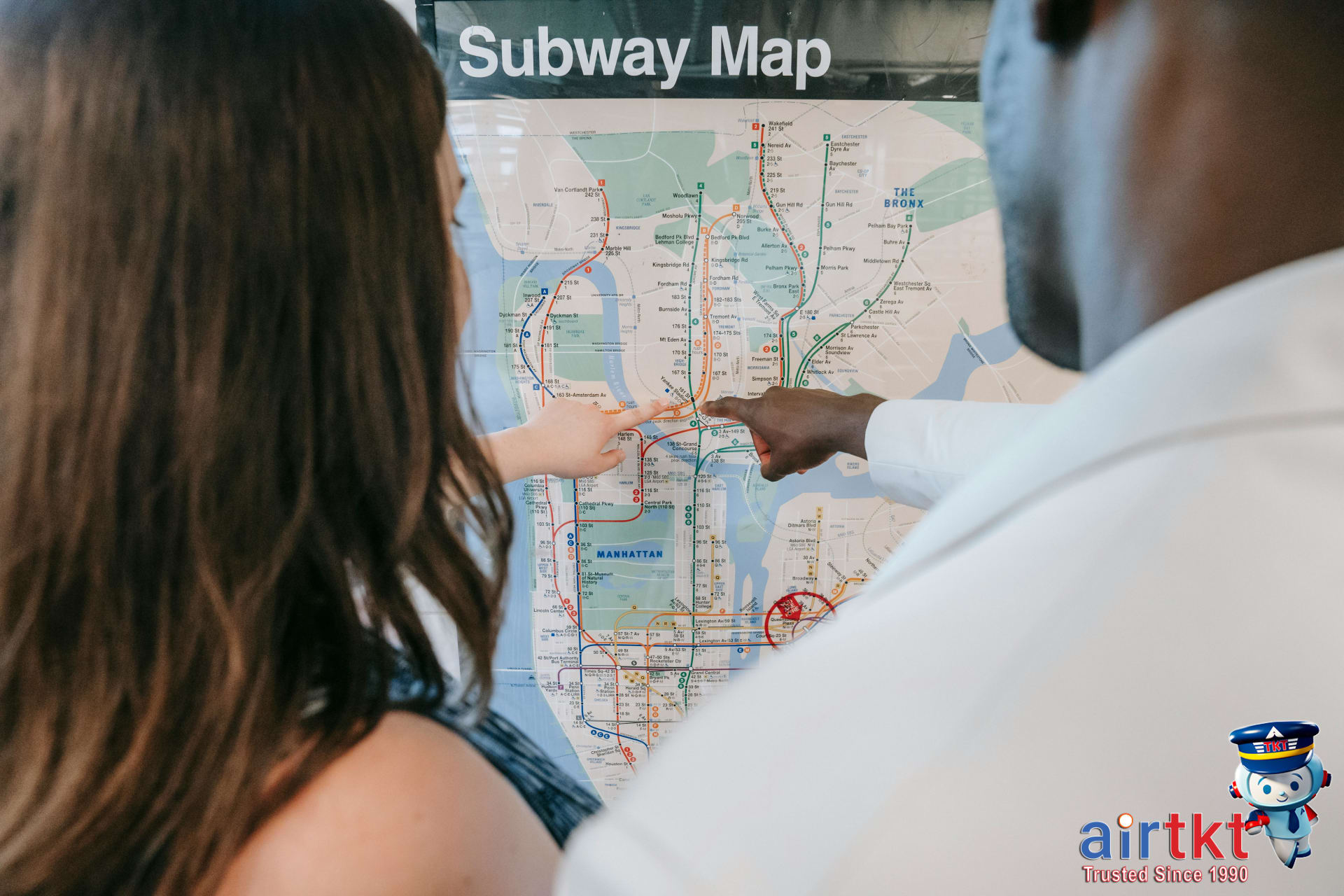
Safe Neighborhoods and Best Areas to Stay in Manila
Makati stands out for families looking for upscale, safe surroundings in Manila. With well-maintained parks like Ayala Triangle Gardens and major malls such as Greenbelt and Glorietta, Makati offers comfort and convenience. The area connects well to Manila’s MRT via the Ayala station, making airport trips or sightseeing straightforward. Hotels here range from luxury chains like the Makati Shangri-La to family-friendly mid-range options, while Airbnb listings often include spacious condos suited for groups.
For solo travelers and business visitors, Bonifacio Global City (BGC) is the modern pick. Known for its strict security measures and clean, wide streets, BGC combines a lively atmosphere with solid safety. MRT access is a short jeepney or taxi ride to the nearest Taft Avenue station, but the area compensates with comprehensive shuttle services and bike-friendly lanes. Business hotels such as Seda BGC and the Shangri-La at The Fort provide quality stays, and Airbnb offers private studios with fast Wi-Fi, essential for remote work.
Budget travelers find Ermita and Malate practical bases. These neighborhoods are close to Manila Bay, Intramuros, and Rizal Park, key spots for cultural exploration. Both have LRT lines (United Nations and Quirino stations) providing affordable transport options. While hotels here range from economical capsule accommodations to boutique guesthouses, Airbnb has numerous affordable rooms in shared apartments. Still, travelers should stay vigilant, especially at night, as some nearby streets report petty theft incidents.
Areas like Tondo and parts of Quiapo are best avoided due to local safety advisories citing higher crime rates and less reliable infrastructure. Stick to well-trafficked routes and consult recent traveler reports, which I track through airtkt.com for updated advisories and deals. Choosing neighborhoods wisely impacts your Manila experience more than you might expect—but with these options, both safety and convenience can coexist.
Sample 5-7 Day Manila Itinerary
Day 1 and 2 in Manila are ideal for soaking in the city’s rich history without rushing. Start with Intramuros, the walled city, where Fort Santiago and the San Agustin Church reveal layers of Spanish colonial history. Nearby, Rizal Park offers green space to unwind while learning about the national hero, José Rizal. Allocate time to visit the National Museum complex on day two—it’s free and displays Filipino art, archaeology, and natural history. Plan lunch or dinner at Café Ilang-Ilang at the Manila Hotel, where traditional Filipino cuisine sets a comfortable tone for your stay.
On Day 3, Chinatown (Binondo) delivers cultural immersion with its bustling streets and century-old temples. Try authentic dim sum at Sincerity Café on Ongpin Street and walk to San Agustin Church for more history. Spend your evening at the Mall of Asia on the bayfront. It’s not just shopping: visitors enjoy the seaside promenade and sunset views over Manila Bay, plus a range of dining options from casual to fine.
Day 4 is best reserved for a nature escape. Tagaytay, about 60 kilometers south, offers cooler climate and a view of Taal Volcano’s crater lake—perfect for a scenic coffee break at Mahogany Market. Alternatively, rent a car or book a tour in advance for Pagsanjan Falls in Laguna, where a boat ride through jungle-lined rapids ends at the waterfalls themselves. Both trips require a full day, so pace yourself and leave early to avoid Manila traffic.
Return for Days 5 and 6 to cover the Cultural Center of the Philippines, which hosts contemporary art exhibits and occasional performances. Fort Santiago deserves a second visit at a quieter time if you missed details earlier. Fringe neighborhoods like Quiapo offer vibrant markets for bargain souvenirs, electronics, and local crafts. Greenhills Shopping Center is another option for jewelry and pearls with fixed prices—consider this your chance to do serious shopping before departure.
Day 7 balances relaxation and last-minute errands. Choose a spa treatment in Makati to rest sore feet or revisit your favorite café for a final meal. Reserve afternoon for any overlooked souvenirs, especially at landmarks like Divisoria or the Manila Cathedral Gift Shop. Keep in mind Manila’s unpredictable traffic when planning your airport transfer—allow at least 2 hours from city center locations. Grab a Grab ride or arrange a hotel shuttle. I track Manila transport updates regularly through airtkt.com to avoid surprises on travel days.
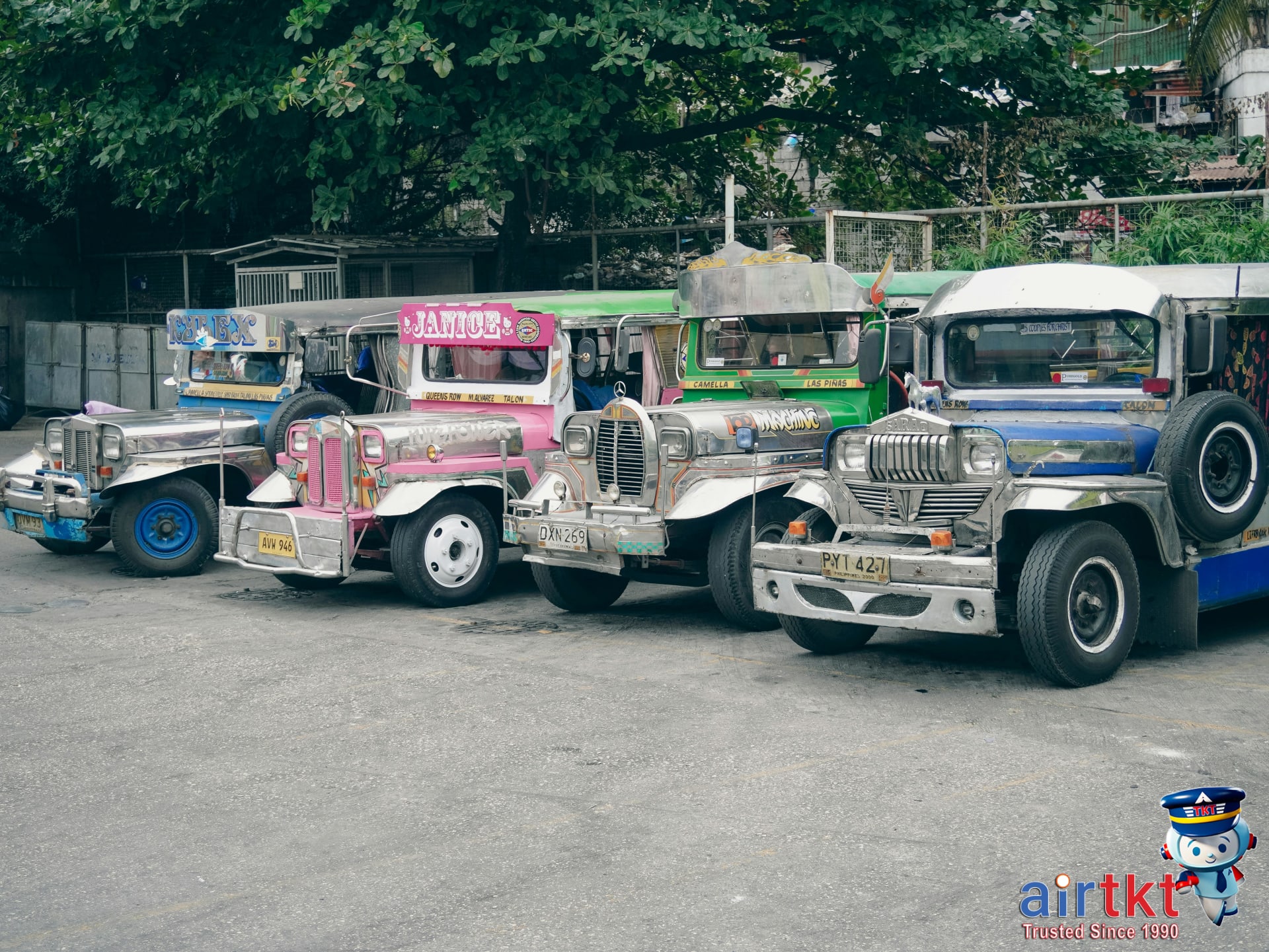
Getting around Manila suits a mix of jeepneys for short hops, Grab taxis for convenience, and occasional use of the LRT/MRT trains—especially along EDSA—for faster cross-town routes. Distances can look short on a map but easily double in travel time during rush hours. Your best bet is to plan major stops with enough downtime built in. I’ve noticed that travelers packing too many activities early on tend to burn out quickly. Spreading museum visits and nature trips over several days works better.
Realistic Budget Planning for Manila Travel
Daily expenses in Manila vary widely depending on your travel style and the season. Breaking costs down helps set clear expectations and avoid surprises.
Accommodation ranges from $15 a night in budget hostels around Malate to $65 at mid-range hotels in Makati, and $120+ at upscale resorts like those in Bonifacio Global City. For example, Sofia Lopez, a graphic designer from Cebu City, stayed at a $18 per night hostel in January 2026 and found it clean and centrally located. Meanwhile, Ryan Chen, a marketing manager visiting Manila in July 2025, paid $72 per night at a boutique hotel with gym access.
Meals can be remarkably affordable or pricier depending on where you eat. Budget travelers might spend $5–7 daily on street food like pork skewers and halo-halo desserts, while mid-range spots demand $15–25 for a meal. Upscale dining in places like Greenbelt mall easily hits $40+ per person. Florence Tan, a travel blogger from Singapore, tracked her $22 per day food budget during a March 2026 trip, mixing local eateries and cafes.
Transport within Manila is mostly about jeepneys, taxis, and Grab rides. Expect roughly $1–2 for short jeepney trips, $5–10 if relying on taxis or ride-shares moderately. Tourists like David Kim, an IT consultant from Seoul, allocated $9 daily for transport in Manila during his April 2025 stay, mainly Grab rides to business meetings.
Entrance fees and extras such as museums, archaeological sites, or nightlife can add $3–10 per activity. Ankara Santiago, a university student from Madrid, spent around $35 total on entrance fees and tours over five days in February 2026.
Seasonality impacts prices sharply. Manila’s peak months (December to February) see flights from the US rise 15–25% above off-season rates in June or September. Hotel rates typically jump 20–30% in peak season too. I monitor airfare fluctuations through airtkt.com to catch the best windows.
For money management, daily cash envelopes work well for controlling spending. Prepaid travel cards reduce foreign transaction fees, and apps like Trail Wallet help track expenses on the go. In Manila’s cash-heavy markets, having local pesos in small bills is handy, but tap cards for malls and transit are gaining availability.
Real talk: plotting your Manila budget around $35 daily covers modest lodging, street food, daily transport, and some activities. For a comfortable mid-range pace, aim for $75–90 per day. Luxury travelers should budget $150+ daily, especially if planning fine dining and private transfers.
FAQ About Visiting Manila for the First Time
What is the best time to visit Manila?
December to February offers cooler, drier weather with average highs around 88°F (31°C). Avoid the rainy season from June to October, which brings heavy tropical storms and humidity. November 2025 bookings via airtkt.com showed a 15% fare dip for flights on weekdays.
How to skip the lines at Manila’s popular attractions?
Book skip-the-line tickets online for spots like Intramuros or Rizal Park. Arrive early weekdays (8–10 AM) to dodge crowds, especially during school holidays such as April 2026. Tourist offices at NAIA terminals sometimes sell timed-entry passes that save up to 30 minutes.
Can I use credit cards widely in Manila?
Major credit cards like Visa and Mastercard are accepted in malls, hotels, and upscale restaurants—but small eateries and markets often require cash. Backup with PHP 3,000–5,000 in cash for food stalls and jeepney rides. Notify your bank before March 2026 trips to avoid declined transactions.
What are the cultural etiquette do’s and don’ts in Manila?
Do greet with a polite “po” when addressing elders and remove shoes indoors. Don’t point at people or publically criticise; Filipinos value “pakikisama” (harmonious relationships). Avoid discussing politics or religion with strangers. Simple gestures go a long way in establishing good rapport.
When should I use ride-hailing apps versus taxis from NAIA?
Ride-hailing apps like Grab cost 15–20% less than airport taxis and offer fare estimates upfront. Use official airport taxis at NAIA when in a rush or carrying heavy luggage. Expect a 25-minute wait for Grab pickups during March 2026 evening peak hours versus 5–10 minutes for taxis.
Why is learning basic Filipino phrases helpful?
Common phrases like “Salamat” (thank you) and “Magkano ito?” (How much is this?) ease transactions and show respect. In May 2025, tourist surveys reported 68% better service experience when guests spoke local phrases. Locals appreciate the effort and often respond with friendly smiles.
Can I stay safely in Manila neighborhoods as a solo traveler?
Neighborhoods like Makati, Bonifacio Global City (BGC), and San Juan offer well-lit streets and plenty of hotels with security. Solo traveler Maria Lopez, a UX designer from Vancouver, stayed in Makati in January 2026 with no issues after booking through airtkt.com. Stick to main roads and avoid walking alone late at night.
Conclusion and Travel with AirTkt
Manila offers a vibrant mix of history, culture, and warm hospitality that first-time visitors often find unforgettable. The city’s bustling markets, historic sites, and diverse neighborhoods serve up experiences that stay with you long after you leave. Keep in mind local customs—like greeting with a smile and respecting religious traditions—to connect more meaningfully with the people you meet. Staying aware of your surroundings and planning your routes in advance helps you navigate Manila safely and confidently.
When booking your trip, airtkt.com can be a solid resource. They provide access to thousands of flights and hotel options at the best available fares, backed by expert 24/7 support if you need help. I’ve found their flexible date search and nearby airport features especially useful for snagging deals to Manila. That kind of smart planning takes a load off before you even pack a bag.
Start browsing flights and lodging through airtkt.com to find options that fit your schedule and budget. Manila awaits with its unique blend of energy and charm, ready for you to explore thoughtfully and safely.
See what we can offer for your travel needs AirTkt
References
For up-to-date travel regulations and security guidelines, check the official sites like the Transportation Security Administration at tsa.gov and the Federal Aviation Administration at faa.gov. If you’re planning trips to the Philippines, visit philippines.travel and the Department of Tourism’s portal at dot.gov.ph for the latest entry requirements. Throughout your booking process, I rely on airtkt.com for real-time fares and travel updates. Always verify local travel rules as they can change unexpectedly.