

What First-Time Visitors Love About Manila

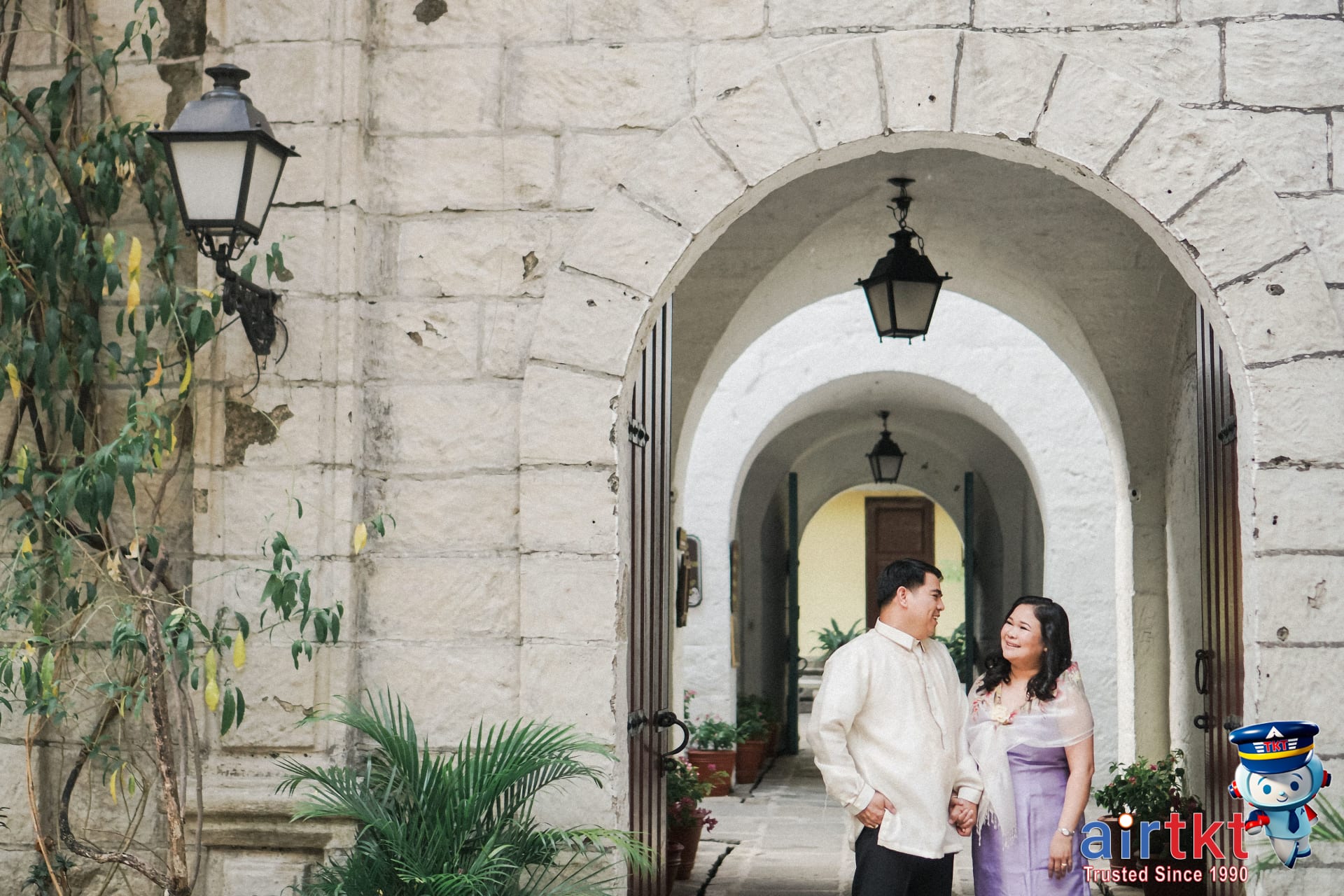
Manila buzzes with a dynamic energy that can feel overwhelming at first, but there’s something thrilling about arriving and seeing how old-world beauty and urban innovation coexist here. As a gateway to the Philippines, Manila introduces you to a genuine mix of centuries-old history, lively street food, skyscraping malls, and laid-back waterfront parks.
What struck me right away was the city’s contrasts: Spanish-era walls of Intramuros rise just a short ride from posh shopping in Bonifacio Global City (BGC). You could be tasting freshly grilled skewers at a street vendor one minute, and moments later sipping local coffee in a trendy café. This isn’t a city you breeze through—it’s one you get to know in layers, with every neighborhood telling its own story.
If you’re a first-timer, put these Manila experiences on your radar early:
- Walking the historic streets of Intramuros
- Exploring the ultra-modern BGC for shopping and nightlife
- Sampling iconic street food like isaw (grilled chicken intestine) and halo-halo (shaved ice dessert)
When planning my first visit, I appreciated how airtkt.com offers simple tools to help compare flight and hotel options all in one place. Their features—like Flexible Date Search and recommendations for nearby airports—can make hunting for the most affordable Manila flights a whole lot easier.
Highlights Of Intramuros Walking Tour
Intramuros isn’t just a neighborhood—it’s Manila’s living memory of the Spanish era, still surrounded by massive stone walls built in the 16th century. Entering through the gates, you get a sense of how this quarter protected both colonists and culture for hundreds of years. The charm here is that the old and new constantly collide. Locals commute on tricycles past canons, and centuries-old churches share blocks with busy souvenir shops.
Key Landmarks To Explore
Start at Fort Santiago, where you’ll wander leafy ramparts and see the cell where Philippine national hero José Rizal was imprisoned. This fortress feels atmospheric and surprisingly peaceful, considering its story. A short walk away is San Agustin Church—the oldest stone church in the Philippines and a UNESCO World Heritage Site. Its ornate ceiling, baroque pulpit, and museum full of relics left me genuinely impressed on my first visit. I hadn’t expected such quiet grandeur in the middle of bustling Manila.
If you have extra time, explore the cobbled paths to the Manila Cathedral, peek at Casa Manila’s colonial interiors, or grab a coffee in leafy Plaza San Luis. The density of history here means even a short walk feels packed with discovery. If you’re especially interested in Manila’s cultural heritage, I’d recommend checking out this piece on Manila’s heritage sites for a broader view.
Planning Your Intramuros Visit
Although self-guided walks give you freedom, guided tours (on foot or by bamboo bike) add helpful context, especially if you want to dig into stories behind each landmark. In my experience, going with a good guide revealed details I would have missed on my own. Some tours last just an hour, others the better part of a morning. If you do choose a self-guided wander, aim to pick up a printed map at the visitor center before you start.
To avoid crowds and Manila’s heat, I usually suggest visiting as early as possible—weekday mornings are ideal. By mid-morning, student groups and tour buses start to arrive, so the quiet charm of the walled city can fade quickly if you linger too long.
Exploring BGC’s Modern Attractions Today
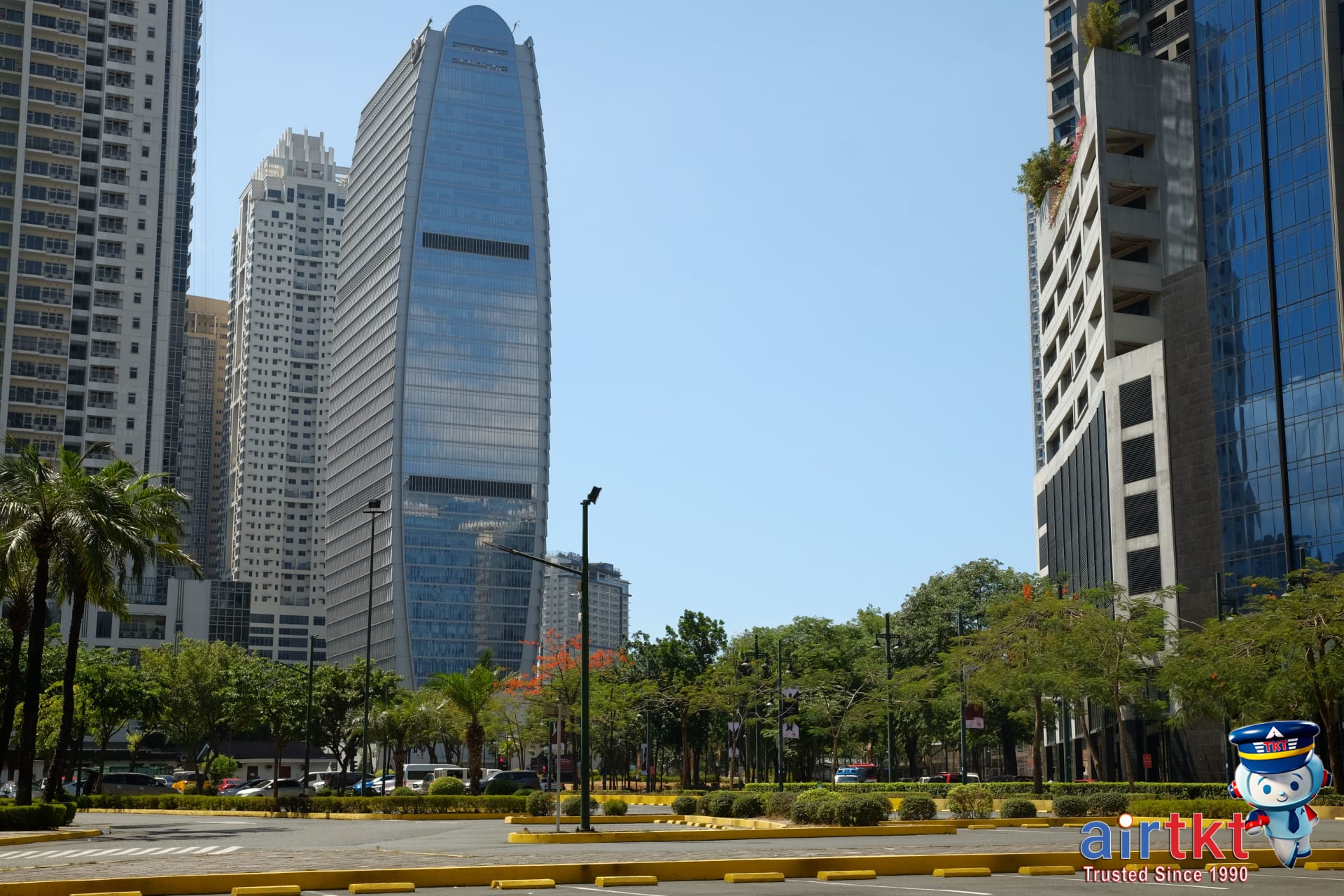
Bonifacio Global City (BGC) stands out as Manila’s sleek, energetic district—a place where the city’s modern ambitions are on full display. Wide, leafy streets lined with luxury condos, striking skyscrapers, and bold public art make BGC feel worlds away from the historic streets of old Manila. If you’re after contemporary shopping, buzzing nightlife, and diverse dining, this is where Manila’s heart truly beats after dark.
My own stroll through BGC’s vibrant High Street comes to mind—a lively, pedestrian-friendly stretch packed with open-air cafes, trendy boutiques, and locals snapping pictures beside larger-than-life sculptures. I love pausing at a green pocket or sipping coffee at Wildflour Café, just soaking up the city’s forward-thinking vibe.
Shopping and Dining Highlights
BGC is a destination in itself for shopaholics and foodies. Places like Uptown Mall and SM Aura Premier feature everything from international brands to boutique Filipino designers. Don’t miss Bonifacio High Street for its upscale shops and diverse food outlets. If you want a taste of local-favorite eats, try Manam for creative Filipino dishes or head to Nikkei for Japanese-Peruvian fusion cuisine. There’s also The Mind Museum nearby, which makes a handy stop if you’re traveling with kids or just curious about science and art.
Nightlife and Public Art Scene
By evening, BGC comes alive with rooftop bars, speakeasies, and bustling clubs. The Palace is a huge nightlife complex drawing both travelers and locals, while Bank Bar offers a hidden, more intimate vibe. Even outside, public art installations and murals light up the streets—great for a nighttime stroll if you don’t feel like dancing until dawn. In my experience, grabbing a cocktail at Yes Please then wandering among the neon-lit sculptures is a fun way to wind down.
Getting Around BGC Easily
BGC is designed for walking, but its blocks can feel longer than a map suggests. I usually rely on Grab and other e-hailing apps when hopping between centers—especially after a long evening. Taxis are widely available, but having a mobile app makes moving around stress-free, especially late at night when traffic can be light, but streets less walkable.
Sampling Manila’s Street Food Culture

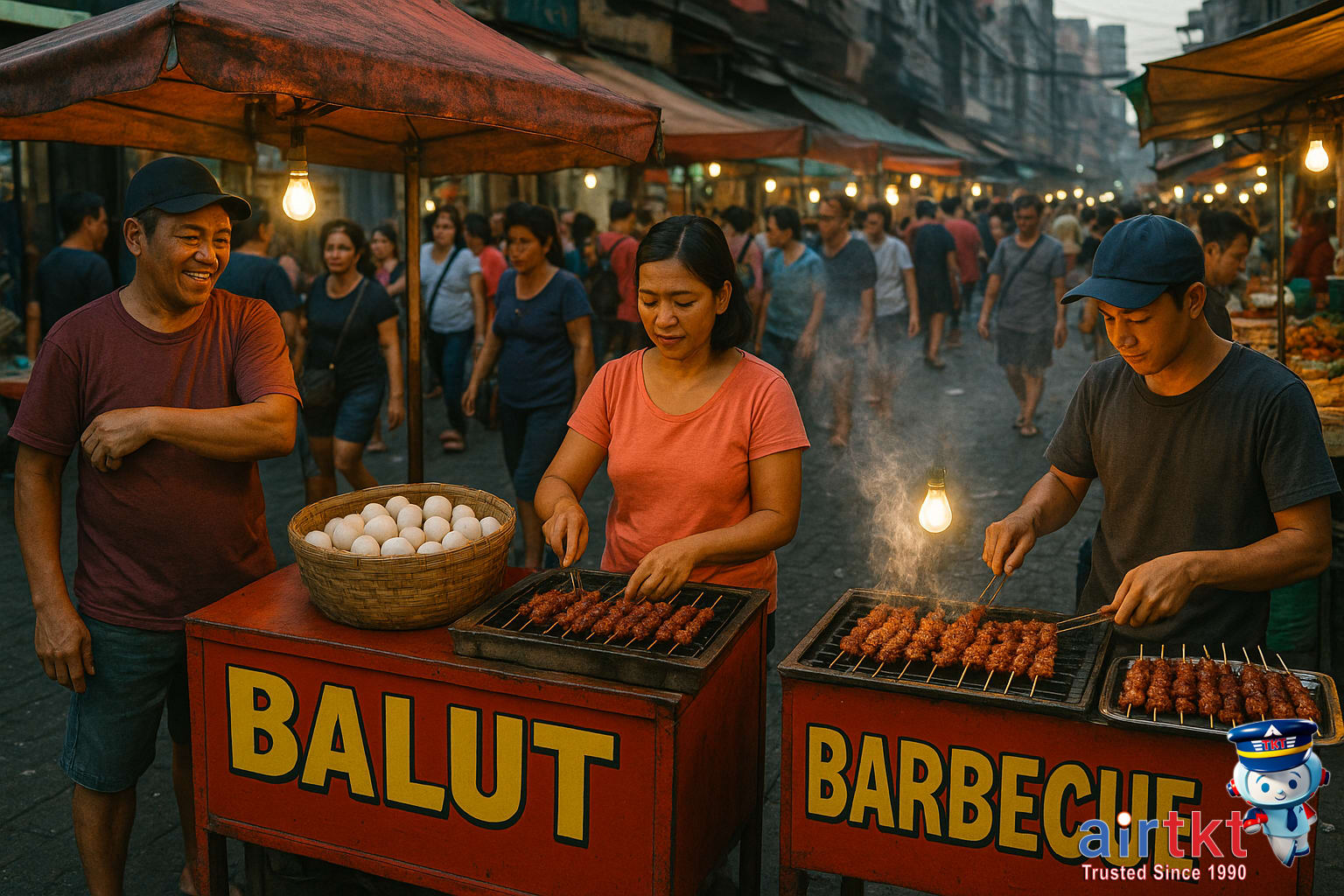
If you’re curious about Filipino flavors, sampling Manila’s vibrant street food is a must. You’ll find locals gathered around bright carts day and night, often with something adventurous sizzling on skewers or bubbling in steaming trays. Manila’s street food scene is full of surprises, ranging from the infamous balut (a fertilized duck egg, typically enjoyed with a sprinkle of salt) to isaw (grilled chicken or pork intestines) and classic pork barbecue glazed with a sweet-savory marinade. I remember my first bite of isaw—crispy at the edges, dipped in bold vinegar sauce—and instantly understanding why these snacks become such cravings.
For top-notch street eats and a lively atmosphere, try heading to Carriedo Street in Quiapo, Bonifacio Global City’s street food pods, or Maginhawa Street in Quezon City. Vendors here usually have a steady flow of customers and display freshly cooked food, which is a good sign of quality. Look for crowded stalls and those with clean grills or glass displays. I usually avoid food that’s been sitting out too long or looks like it’s been reheated multiple times.
Hygiene Tips And Eating Safely
Sampling Manila’s street eats is about finding a balance between curiosity and common sense. I always check for vendors who use tongs, wear gloves, or prepare food in front of you—these are good indicators of proper handling. Opt for grilled or freshly fried snacks, since they’re hot and less prone to bacteria. If you’re trying balut, let the vendor show you how to crack it open and slurp the broth; it’s all part of the experience.
Carrying your own wipes or sanitizer, and keeping small bills for quick payments, helps things go smoothly. And if you’re hesitant about spicy vinegar sauces or local dips, taste a tiny amount first—Manila flavors can be punchy!
Want to learn more about local food traditions? Check our guide to Filipino cuisine for more insights into how these snacks fit into everyday life.
The best part about Manila’s street food is not just the taste—it’s the shared sense of adventure with everyone gathered around each stall. Go with an open mind and an empty stomach, and you’ll discover why these local snacks are such an essential part of Manila’s food culture.
Manila Public Transport Navigation Tips

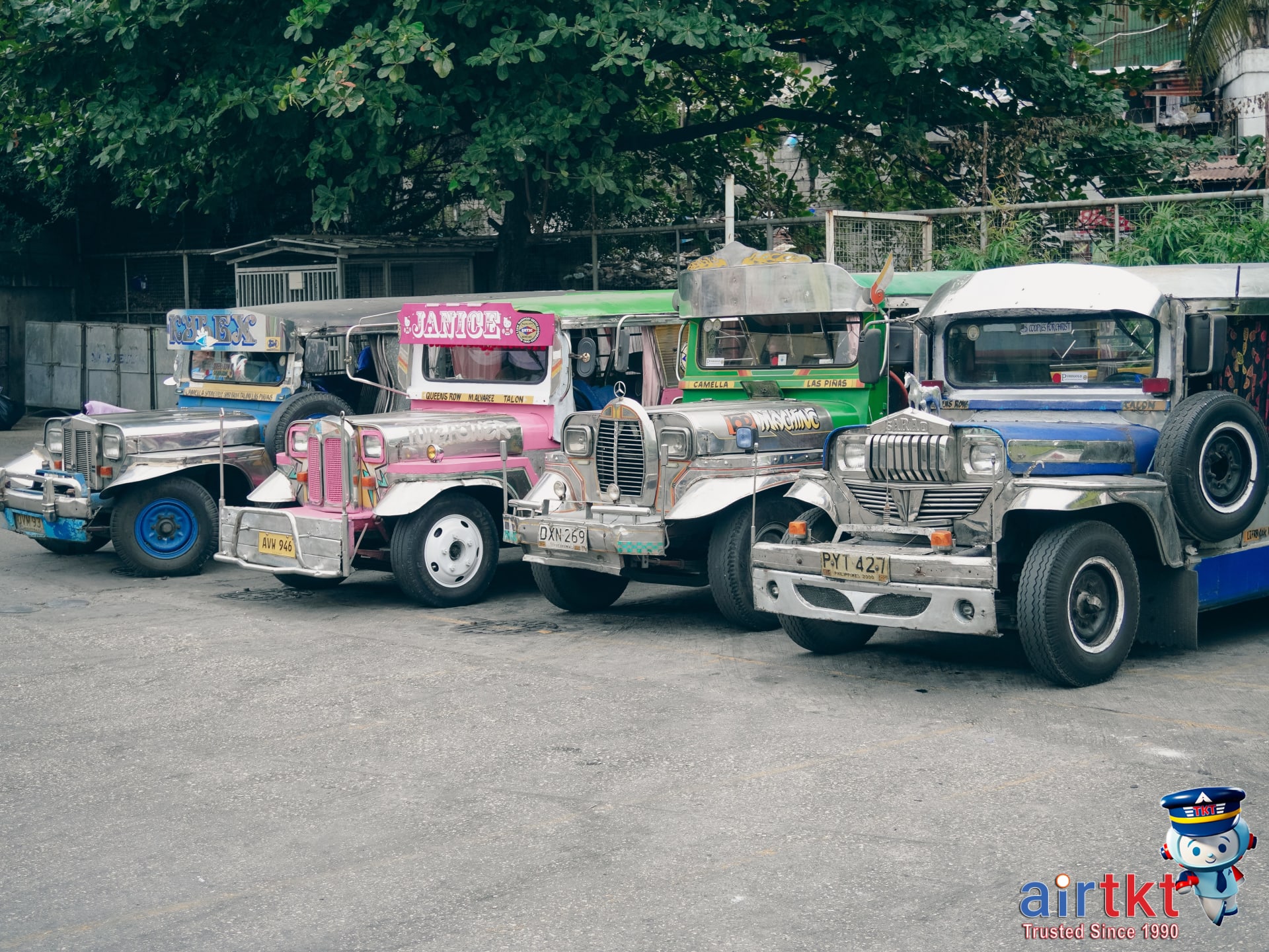
Manila’s public transport can feel intimidating at first, but getting around is easier once you understand your options. Most travelers rely on three main modes: jeepneys, the MRT (Metro Rail Transit), and taxis. Each one works well in different scenarios, so it pays to know when — and how — to use them for a smoother stay in the city.
Jeepneys, MRT, and Taxis Explained
Jeepneys are classic Filipino minibuses, vibrant and crowded, crisscrossing neighborhoods for short to medium distances. Riding one is part of the Manila experience, and I remember feeling slightly overwhelmed my first time: simply flag one down, hop in the back, and pass your fare (about $0.30) forward. Routes are displayed on the side or front, but they’re often abbreviated, so don’t hesitate to ask other passengers or the driver for help.
The MRT is Manila’s main elevated train. It’s your best choice when you want to skip gridlocked roads—especially during rush hour. MRT tickets usually cost around $0.50 and you’ll need to queue up for single-journey or stored-value cards. Just keep an eye on your belongings, as MRT trains can get packed, and move swiftly through each stop.
Taxis are convenient for door-to-door trips or late-night rides—just make sure the driver uses the meter. If they refuse, it’s best to flag another cab or use ride-hailing apps that are widely available in Manila. Expect fares to start at about $1.00 and rise with distance and traffic.
Fares, Boarding, and Etiquette
For jeepneys, give your fare to the person closest to the driver; coins and small bills are a must. Always know your route beforehand and have your destination in mind, so you can signal to stop. The MRT is more straightforward—just buy a ticket, queue, and board when the train arrives. For taxis, agree to use the meter before starting the ride and have small bills ready for payment and tip.
Safety and Tourist Traps
A few quick precautions can go a long way: keep bags zipped and in front of you, avoid showing valuables, and beware of drivers who offer a fixed fare instead of the meter. If you’re new to Manila, avoid boarding empty jeepneys late at night; buses and trains are safer bets after dark. I’d compare both options before deciding which feels more comfortable for your route and time of day.
Getting Around Smoothly
Most major attractions are accessible by either MRT or a combination of jeepneys and short taxi rides. Plan routes in advance and download an offline map app—connections aren’t always clear for visitors. For those wanting more detailed Manila city insights, checking a comprehensive city guide can anchor your plans before you head out.
Best Manila Views and Sunset Spots
There’s no shortage of stunning spots in Manila to catch a cityscape or an unforgettable sunset. For most travelers, the Manila Bay promenade tops the list—its long waterfront walk is famous for dazzling dusk colors that light up both sky and water. If you want clear panoramic city views, head to Intramuros’ ancient walls or the rooftop of a high-rise like The Bayleaf Hotel, where you can sip a drink and enjoy breezes as the sun sinks below the horizon.
I still remember the first time I watched the sunset from Manila Bay—crowds lined the shore, the air buzzed with anticipation, and the amber sun slowly disappeared, leaving a warm reflection that made everything feel golden. It’s the kind of moment I think about long after leaving the city.
Top Rooftop Bars and Parks
For a memorable evening, try Sky Deck at The Bayleaf in Intramuros or the trendy Firefly Roofdeck Bar in Makati, both offering creative cocktails and sweeping skyline views. For something more laid-back, Rizal Park provides open grassy spaces facing west, perfect for unhurried sunset picnic scenes. If you’re into photography, planning ahead and arriving early is key—especially on weekends, when prime spots fill quickly. (If you want even more photo inspiration, check out our guide to top photography spots in Manila.)

If you’re looking for a dramatic view and that classic “Manila moment,” sunset along the bay or from a lively rooftop should be on your short list—even after dozens of sunsets, the skyline never disappoints.
Key Manila Historic and Cultural Sites

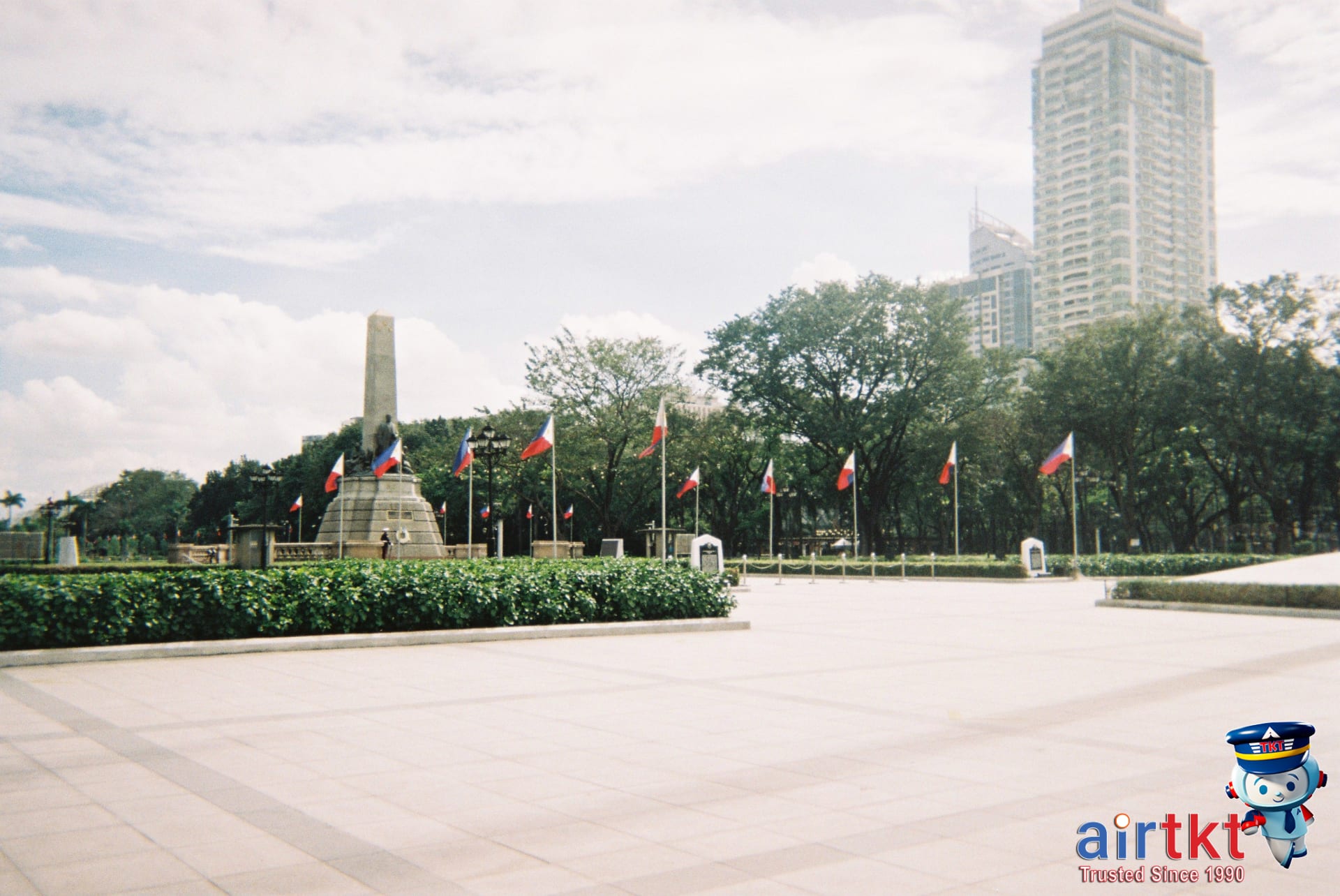
Manila’s historical and cultural core stands out in every itinerary, and a few stops give genuine context to the city’s present. Start at Rizal Park, named for national hero José Rizal. This sprawling green space is a favorite spot for locals and visitors alike—walk the shaded paths, marvel at the towering Rizal Monument, or simply people-watch near the fountains and ornamental gardens. It’s much more than a park; it’s a reflection of national pride and remembrance.
Just a short stroll away, the National Museum Complex is the place to unlock the Philippines’ rich artistic, archaeological, and natural heritage. The National Museum of Fine Arts houses masterpieces, while the Museum of Anthropology showcases pre-colonial artifacts and indigenous crafts. I found seeing Juan Luna’s iconic painting “Spoliarium” in person offered a powerful sense of connection to Filipino history—you can’t really replicate that online.
If you’re timing your visit for a deeper dive, Manila’s cultural events are worth planning around. The Feast of the Black Nazarene in January draws enormous local crowds for a dramatic religious procession through Quiapo, giving you a front-row seat to living faith and tradition. In February, the Chinese New Year celebration turns Binondo’s Chinatown into a lively party with lion dances, lanterns, and street foods. Later in June, Independence Day festivities fill major city centers—including Rizal Park—with parades, musical performances, and fireworks that capture national spirit.
For the most enjoyable experience, plan your museum visits earlier in the day (especially weekends), and check for any special exhibits or seasonal closures. Many historic sites are walkable from each other, so pairing your visits saves transportation time. I’d strongly recommend including these stops—they added dimension to my Manila experience far beyond what you get from shopping or nightlife alone.
Tips For Smooth Metro Manila Travel
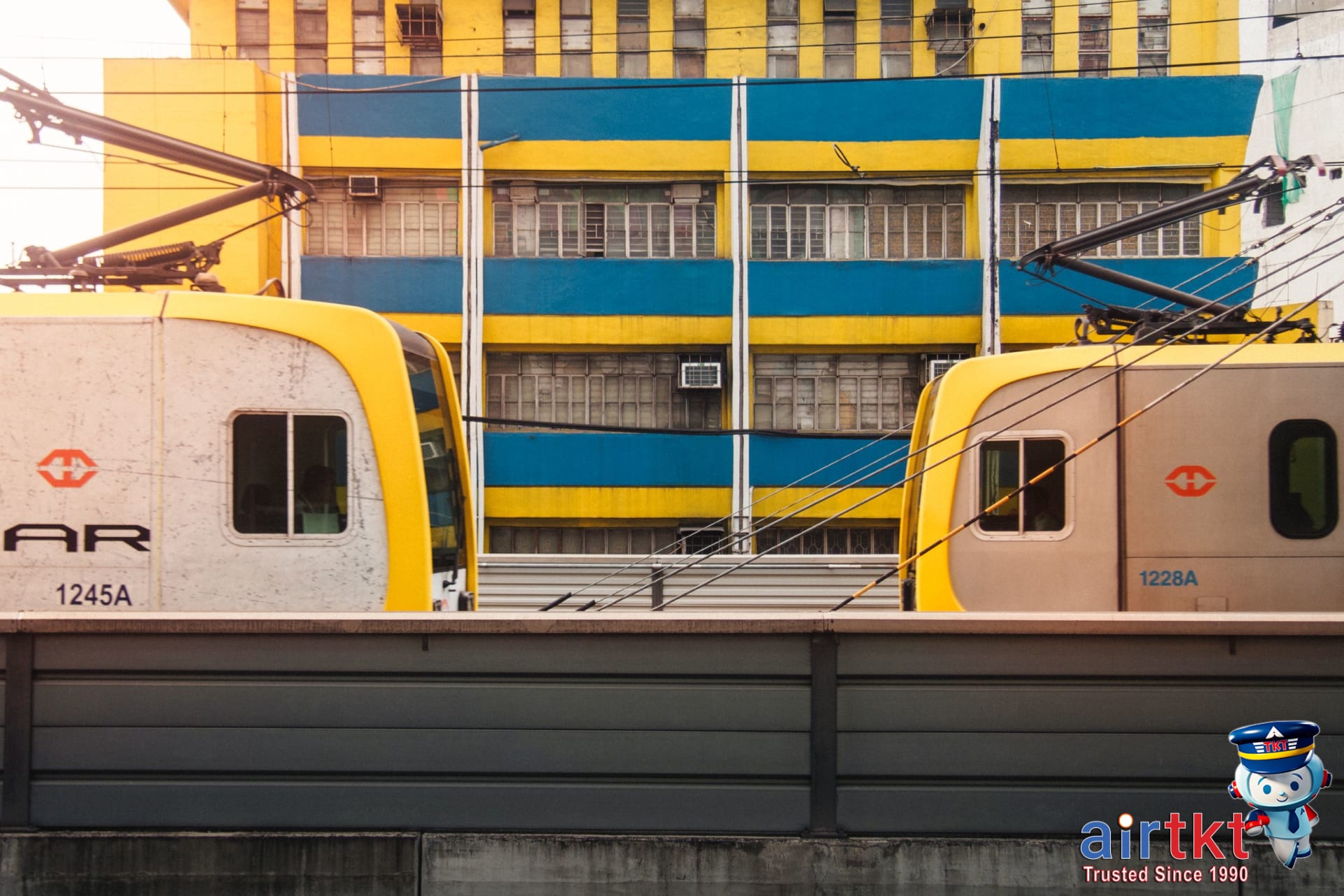
Metro Manila is known for its jam-packed streets and unpredictable traffic. If you want to make the most of your trip—and avoid wasting hours on the road—it’s smart to plan your routes and timing carefully. Personally, I learned quickly that leaving as early as possible in the morning made a major difference; I once shaved nearly an hour off my commute just by setting out before sunrise.
Anticipating Traffic Jams
Traffic can snarl unexpectedly due to rain, construction, or simply rush hour crowds. Apps like Google Maps and Waze are widely used by locals and constantly update with live traffic data. I always check them before heading out, as road closures or bottlenecks can pop up fast. If you stick to main arterials such as EDSA or C5 during peak hours, prepare for slow-going. Side streets (locally called “barangay roads”) can sometimes save you time, but be mindful they often back up as well.
Best Times And Routes
Rush hour in Metro Manila typically spans from 7:00–10:00 a.m. and again from 5:00–8:00 p.m. Traveling outside these windows is much calmer. Lunchtime often sees a lull in city center traffic, especially on weekdays. Some travelers use point-to-point (P2P) buses between malls and business districts, which can bypass car lanes and save precious minutes. If you want more detail on public transport options or safety, our Metro Manila transport and safety guide is a helpful next read.
Safe Neighborhoods And Areas
When it comes to where to stay, neighborhoods like Makati, Bonifacio Global City (BGC), and Ortigas are generally considered safe and central for most visitors. These areas not only have large malls and hotels but are also patrolled frequently. Walking in these business hubs is comfortable, though after dark it’s always wise to use marked pedestrian crossings and remain aware of your surroundings.
Making The Most Of Ride Apps
Grab is the go-to ride-hailing app in Metro Manila, operating much like Uber. It’s convenient when taxis are scarce and fares are shown upfront. The best way to avoid surge pricing is to book rides just before or after peak commuting times. I also found that scheduling Grab rides for early hours meant shorter arrival waits and sometimes a lower fare. Always check your driver’s plate and confirm your destination before starting your trip.
Manila Accommodations For Every Traveler

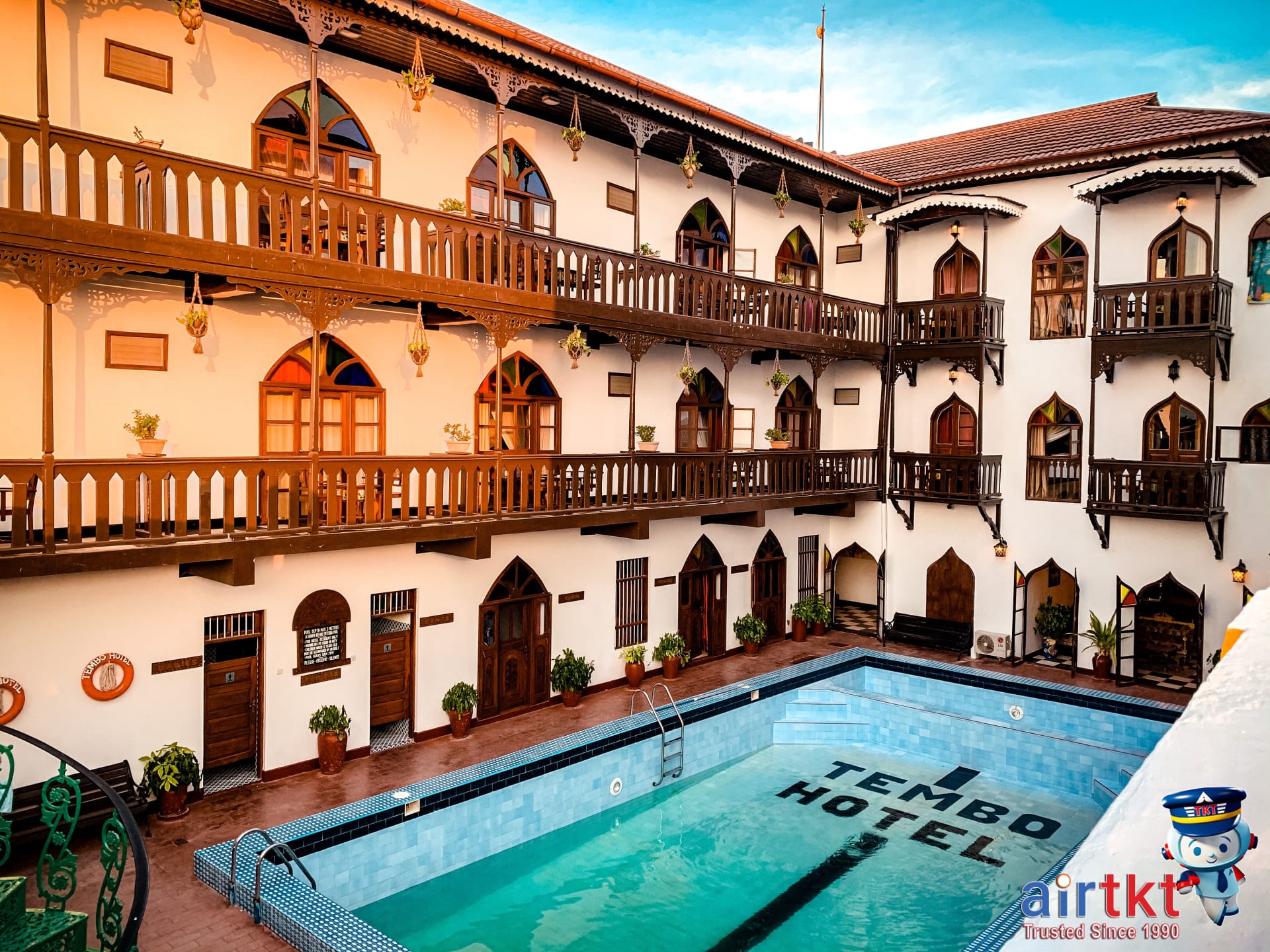
Manila has accommodation for every travel style, from sociable backpacker hostels to five-star luxury towers. If you’re looking to save, you’ll find budget hostels and guesthouses around Ermita and Malate, many offering clean dorm beds, social atmospheres, and easy access to the city’s sights. For comfort and more amenities, mid-range hotels and serviced apartments pop up across Makati, Ortigas, and Bonifacio Global City, putting you closer to business centers, shopping, and nightlife. High-end options—think rooftop pools, spa services, and excellent security—are most common in Makati and Bonifacio Global City. Boutique stays, meanwhile, are gaining ground for those seeking style and a local touch.
Best Neighborhoods To Stay
Choosing where to stay is just as important as the room you book. Malate is lively and affordable, with plenty of restaurants and bars—though it can get noisy and isn’t always the quietest spot at night. Makati is my favorite for a first visit: it feels safer, walkable, and has many well-reviewed hotels and restaurants. Bonifacio Global City (BGC) is modern, upscale, and known for its shopping and global dining, although you’ll likely pay more to stay here. If you value access to major transport, consider staying near Ortigas, which is practical though less lively after dark.
Booking Tips For Manila Hotels
Accommodations fill up quickly during holidays and major events, so I usually recommend booking early for both value and selection, especially in top neighborhoods. Read recent guest reviews and check cancellation policies before you commit—sometimes, a flexible reservation is worth a few extra dollars for peace of mind. If you want deeper insights on where to stay, check out airtkt.com for additional guides about Manila hotels and neighborhoods to suit every itinerary.
Must-Visit Markets and Shopping Areas
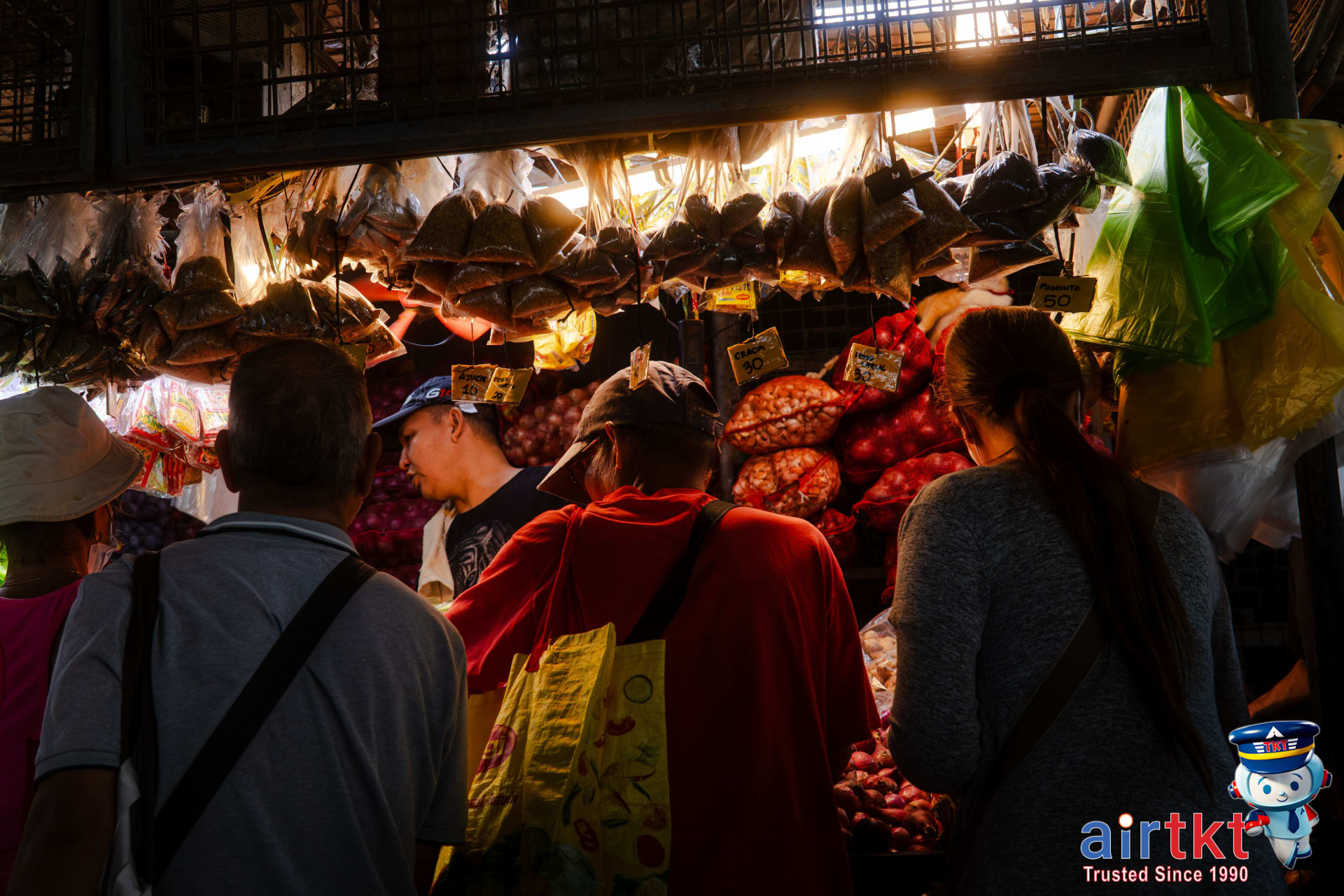
Manila’s shopping scene is truly a city highlight, thanks to the energy and variety in its local markets and massive shopping districts. Greenhills Shopping Center stands out for its endless stalls selling pearls, electronics, and trendy clothes at negotiable prices. Divisoria is where I head if I want serious bargains—this area covers street markets, indoor malls, and warehouse-style stores, selling just about anything you can imagine.
Beyond these giants, Quiapo Market is famous for herbal remedies, religious items, and local crafts, while Salcedo Saturday Market is an excellent spot for artisanal food and unique Filipino gifts. If you’re looking for mall-based comfort, check out SM Megamall or Robinsons Place Manila, both offering everything from international brands to home-grown Filipino designers.
Souvenirs to Bring Home
I always gravitate toward locally crafted items—wooden home decor from Kultura, delicate South Sea pearls from Greenhills, embroidered bags, or handwoven textiles found at the markets. Dried mangoes, native snacks, and coffee beans also make tasty and practical gifts. On one trip, I picked out hand-carved wooden spoons and forks—compact, useful, and a small slice of Filipino craftsmanship that was easy to pack.
Bargaining and Payment Tips
Bargaining is often expected at Manila’s public markets, so don’t hesitate to ask for a better price (politely, of course). I usually start a bit below the quoted price and meet somewhere in the middle. Most stallholders appreciate cash, and smaller vendors may not accept cards at all. Having small bills helps keep negotiations smooth and speeds up transactions, which can get busy.
If you want more in-depth advice on shopping culture or navigating Manila’s best markets, check out some of the practical shopping guide articles available online or look for Manila market guides before your trip.
Manila Travel Budget Breakdown Table
Before you jet off to Manila, it’s smart to map out your travel costs so you aren’t caught off guard. The table below outlines typical daily expenses in U.S. dollars for budget, mid-range, and luxury travelers across four core categories: Accommodation, Food, Transport, and Activities. These figures can guide your planning, helping you make informed choices based on your travel style.
| Budget | Mid-range | Luxury | |
|---|---|---|---|
| Accommodation | $20.00 | $90.00 | $220.00 |
| Food | $10.00 | $35.00 | $90.00 |
| Transport | $4.00 | $15.00 | $50.00 |
| Activities | $8.00 | $30.00 | $100.00 |
Personalize Your Manila Travel Plan
I’ve found that my trip expenses rarely land exactly on my initial budget, so I always build in a little cushion for unexpected costs like last-minute excursions or surprise transportation fees. Think of these numbers as a solid starting point—if you’re someone who likes to indulge or try unique experiences, go for the higher tier, but casual explorers can usually stick with budget or mid-range values.
- Budget travelers can get by with hostels, street food, and public transport while splurging occasionally on city tours.
- Mid-range travelers might prefer boutique hotels, casual restaurants, taxis, and more frequent paid attractions.
- Luxury travelers generally opt for top hotels, gourmet dining, private transfers, and premium experiences each day.
No matter where you fit, remember to estimate your daily total, then multiply by the length of your stay for a baseline trip budget. Adjust upwards if you want flexibility or plan to shop and dine out more often.
FAQs About Traveling to Manila
- Is Manila safe for tourists to visit?
Most travelers have a safe trip in Manila by sticking to well-known areas and keeping valuables close. Petty theft sometimes happens in crowded places. I wondered about safety before my first visit, so I stayed aware in busy areas and used rideshare apps instead of hailing street taxis, which felt more secure.
- What’s the best way to get around Manila?
Public transport in Manila includes jeepneys, buses, the light rail, and taxis. If you’re worried about comfort or getting lost, I’d recommend using rideshare apps like Grab. They’re generally reliable and allow you to avoid the occasional confusion of street routes, especially when you’re jet-lagged.
- When should I visit Manila for the best weather?
The dry season from December to May is the most comfortable time to visit Manila, with less rain and lower humidity. I usually pack a light rain jacket regardless, because afternoon showers can still surprise you. The Christmas and Holy Week holidays are busy with both visitors and locals.
- Is Manila street food safe and what should I try?
Street food in Manila is famous, with must-tries like banana cue and pork barbecue. Choose vendors where food is cooked hot in front of you and there’s a steady stream of customers—that’s my go-to rule for minimizing risk and getting the freshest snacks. Carry hand sanitizer for extra peace of mind.
- What practical tips do first-time travelers need for Manila?
Bring small bills for taxis and shops, dress for hot weather, and expect some heavy traffic at rush hour. English is widely spoken, so communicating is rarely an issue. I learned quickly to plan extra time when moving about, as the city’s busy rhythm can slow things down.
- Are there any scams tourists should watch out for in Manila?
Watch for common scams like offers of unsolicited tours, money-changing tricks, or inflated taxi fares without a meter. Always use official counters for airport taxis and politely decline overly persistent street vendors. Trust your instincts and confirm prices before agreeing to rides or services.
- What essentials should I pack for Manila?
Pack lightweight clothes, a hat, sunscreen, your power adapter, and a reusable water bottle. Manila’s heat and humidity can catch you off guard. I never travel there without flip-flops for the hotel shower and a light scarf to help with chilly air-conditioned malls or sun protection during midday walks.
Final Thoughts and Encouragement to Visit
Manila is a city that rewards curiosity—whether you’re strolling through Intramuros, sampling local street food, or soaking up colorful Filipino culture. First-time visitors can expect a welcoming atmosphere, affordable attractions, and plenty of easy, budget-friendly travel options. I’m already looking forward to returning for the friendly conversations, mouthwatering adobo, and the city’s unmistakable energy.
Travelers often find Manila easier to navigate than expected, and with a few simple preparations, you can focus on sightseeing instead of logistics. Booking your flight through airtkt.com keeps things simple—especially when you’re searching for the best fares or planning a last-minute getaway. Their booking tools and real-time price comparisons help you focus more on your itinerary and less on the waiting game.
Wherever your interests lie, Manila offers more than just city lights; you’ll uncover colonial-era history, creative local markets, and friendly new faces. If this is your first visit, start with an open mind—you may find yourself planning your next adventure before you’ve even left.