

Why Mexico Etiquette Is Essential

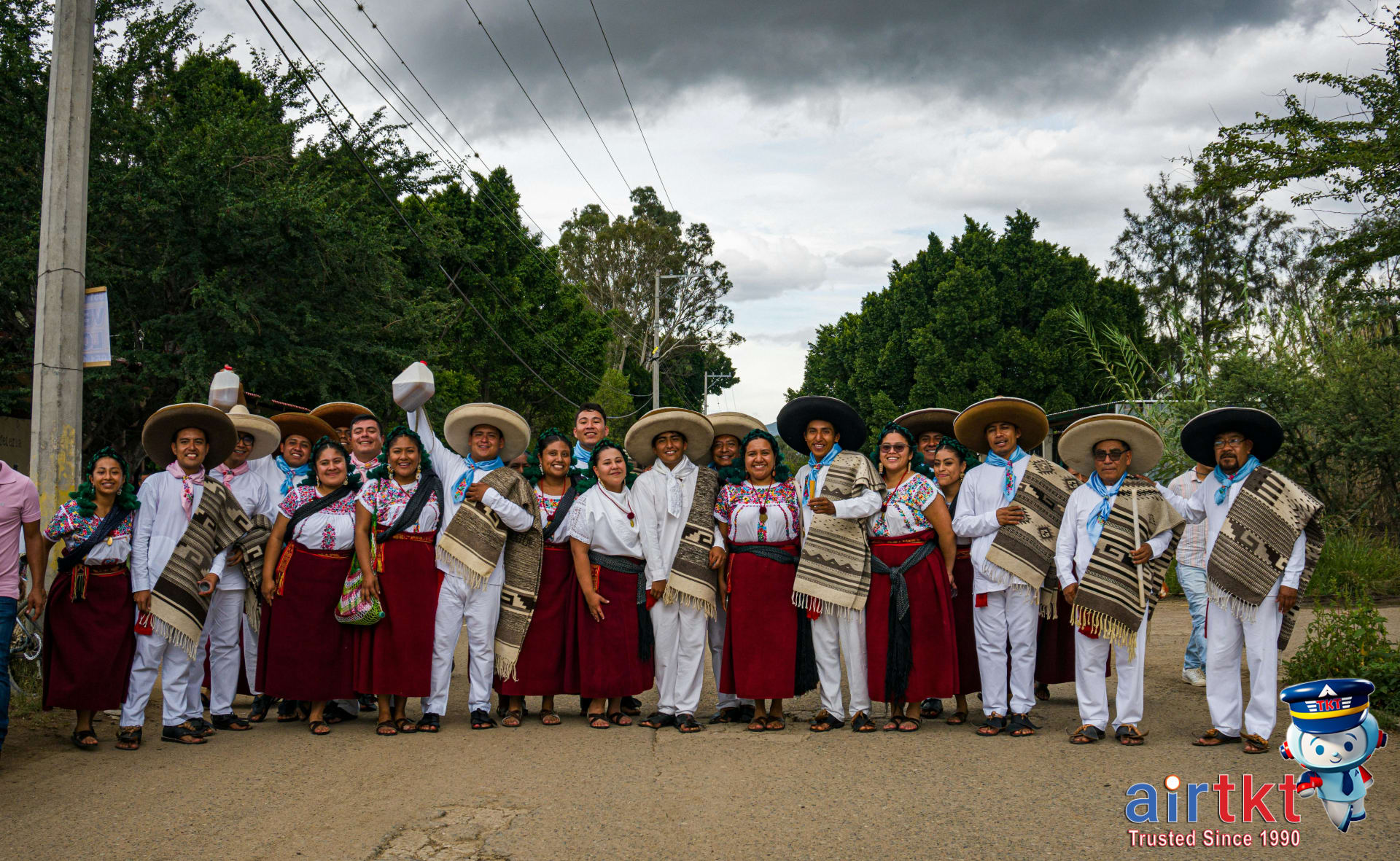
Traveling through Mexico is about much more than just seeing ancient ruins or tasting regional food—respectful interactions with locals make your trip genuinely rewarding. Understanding basic etiquette opens doors, makes misunderstandings less likely, and lets you experience the welcoming side of Mexican culture. It doesn’t matter if you’re crossing bustling city plazas or wandering quiet pueblos: how you greet people, gesture, and interact really makes a difference.
I remember my first time navigating a Mexican market stall. Vendors greeted shoppers warmly, and customers always responded with a polite “buenos días.” Even the smallest handshake or nod had a meaning, far beyond casual American habits. That first morning, quietly mirroring a shopkeeper’s polite “¿Cómo está?” made me realize this wasn’t just good manners—it shaped every exchange that followed.
If you’re visiting Mexico, it helps to start out observant. Simple gestures—like greeting with a handshake, using “usted” for strangers and elders, or waiting your turn at a taco stand—show genuine respect. In my experience, blending in starts with watching how locals interact, then adapting your own body language and responses similarly. It often turns brief meetings into warm conversations or unexpected invitations. Set the tone early for a more enriching trip: open, adaptive, and always aware of the customs around you.
Key Social Customs Across Mexico

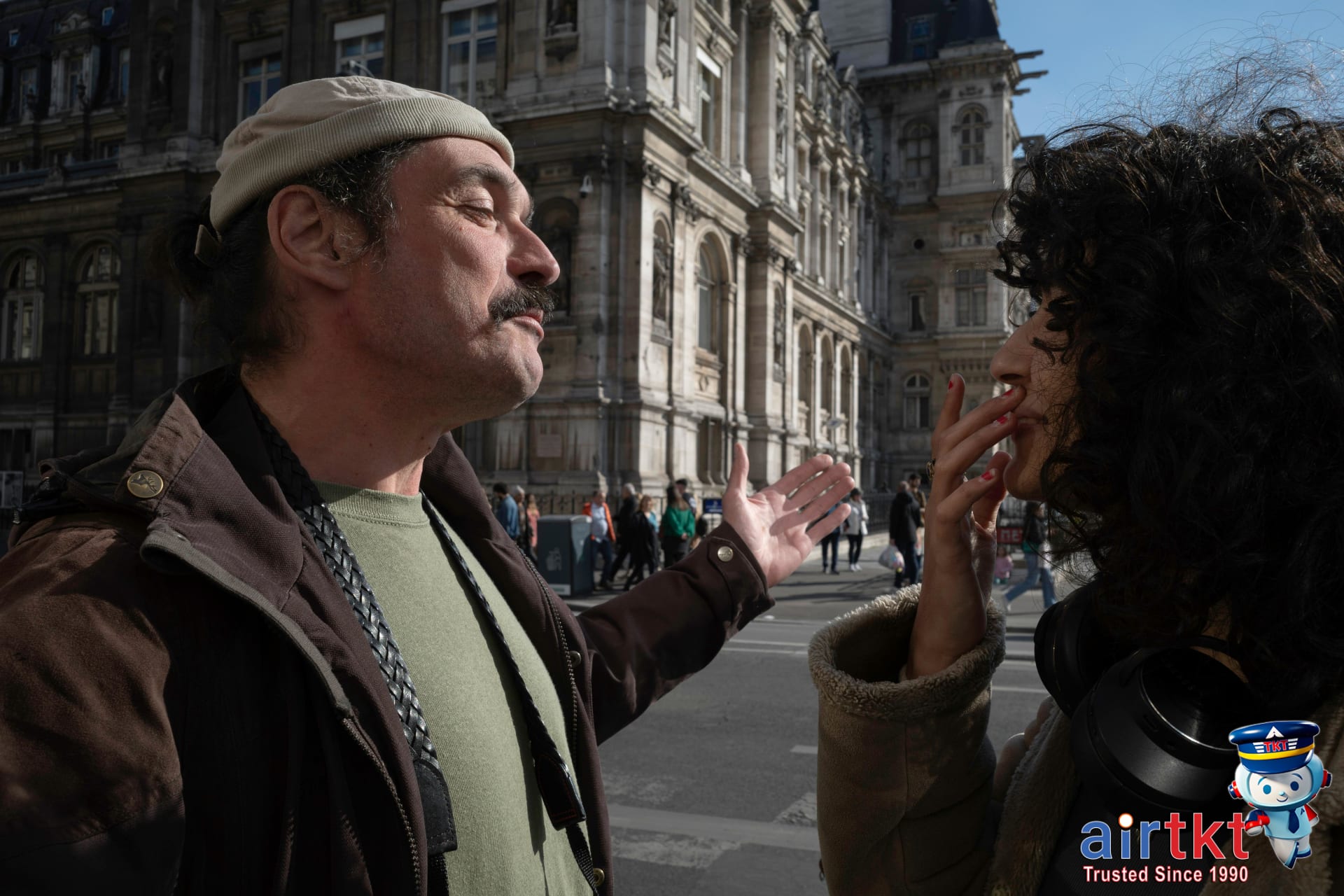
Mexican social norms can feel relaxed and warm, but there are a few customs that take newcomers by surprise. One of the first things you’ll notice is the importance of greetings. A handshake is typical between men, while women often greet with a single cheek kiss, especially in central and southern regions. In northern Mexico, a handshake remains common among everyone, sometimes followed by a gentle pat on the back with close friends. I’ve definitely noticed that in Oaxaca, cheek kisses are an immediate sign of welcome, which felt much warmer than the reserved two-step handshake I experienced in Monterrey.
Your first interaction usually sets the tone. Formality is generally appreciated, particularly in business or when meeting someone new. Stick with “Señor” or “Señora” plus the last name until invited to use first names. Children and young adults might use “tú” (informal you) with family and peers, but “usted” (formal you) is still widely used with elders. Lowering your voice in public and waiting for others to greet you first are both signs of respect.
Personal space isn’t as pronounced in Mexico as it might be in some countries, and it’s not uncommon for people to stand close during conversations with friends or family. When meeting strangers, a little distance is expected at first, but Mexican hospitality quickly closes that gap. In crowded markets or buses, don’t be surprised if space gets even tighter; people tend to accept it as part of daily life. That said, overt displays of affection in public are kept fairly modest outside of major city centers.
Punctuality can vary depending on the context. For business meetings or formal events, arriving on time is important and seen as a sign of respect. Social gatherings, however, are much looser with time—“Mexican time” is a real concept, and arriving about 15 to 30 minutes after the stated hour is usually acceptable for casual evenings. I recommend always erring on the side of being early for anything official, and relaxing a bit more when it’s a laid-back event.
If you’re curious about more in-depth tips, the official Visit Mexico website provides clear guidance on etiquette and customs, and our airtkt.com comprehensive Mexico travel guide offers broader cultural insights for thoughtful travelers.
Language and Communication Etiquette Tips
Understanding Mexico’s language and communication etiquette can go a long way toward making your travel experience smoother and more respectful. In Mexican culture, people often favor formal titles and polite conversation, especially when meeting someone for the first time or in business settings. I’ve learned that even the simplest Spanish greetings—like “buenos días” or “mucho gusto”—make my interactions noticeably more appreciated, showing that I value local customs and am willing to participate in them.
Using Formal Titles Effectively
In Mexico, addressing others with titles such as “Señor,” “Señora,” or “Señorita” followed by their last name is a mark of respect, especially with elders or in professional environments. It’s typical to use “usted” instead of “tú” in these situations, as “usted” is the formal version of “you.” Direct approaches can sometimes feel abrupt; instead, communication tends to be a bit more indirect and polite. For instance, instead of saying “I want this,” try “¿Podría darme esto, por favor?” (Could you give me this, please?).
Helpful Polite Spanish Phrases
If you’re new to Spanish, a handful of polite phrases can help bridge any language gap. Common useful expressions include:
- “Por favor” — Please
- “Gracias” — Thank you
- “Disculpe” — Excuse me
- “Perdón” — Sorry
- “¿Habla inglés?” — Do you speak English?
- “¿Me puede ayudar?” — Can you help me?
- “Un momento, por favor” — One moment, please
Mastering these basics will make interactions friendlier and can often break the ice, even in the busiest city or smallest town. For more tips, try reading a beginner’s Spanish travel phrases guide before your trip.
Gestures and Sensitive Topics
Body language is just as important as spoken language. A friendly handshake is the standard greeting, but in more casual situations—especially among friends—a cheek kiss may be common. Avoid putting your hands in your pockets during conversation, as this can appear disrespectful. Pointing with your finger or making exaggerated hand gestures may also be considered impolite. It’s wise to steer clear of conversations about politics, religion, or contentious social issues unless you know the person well, as these can quickly become uncomfortable topics for locals.
How To Respect Mexican Festivals

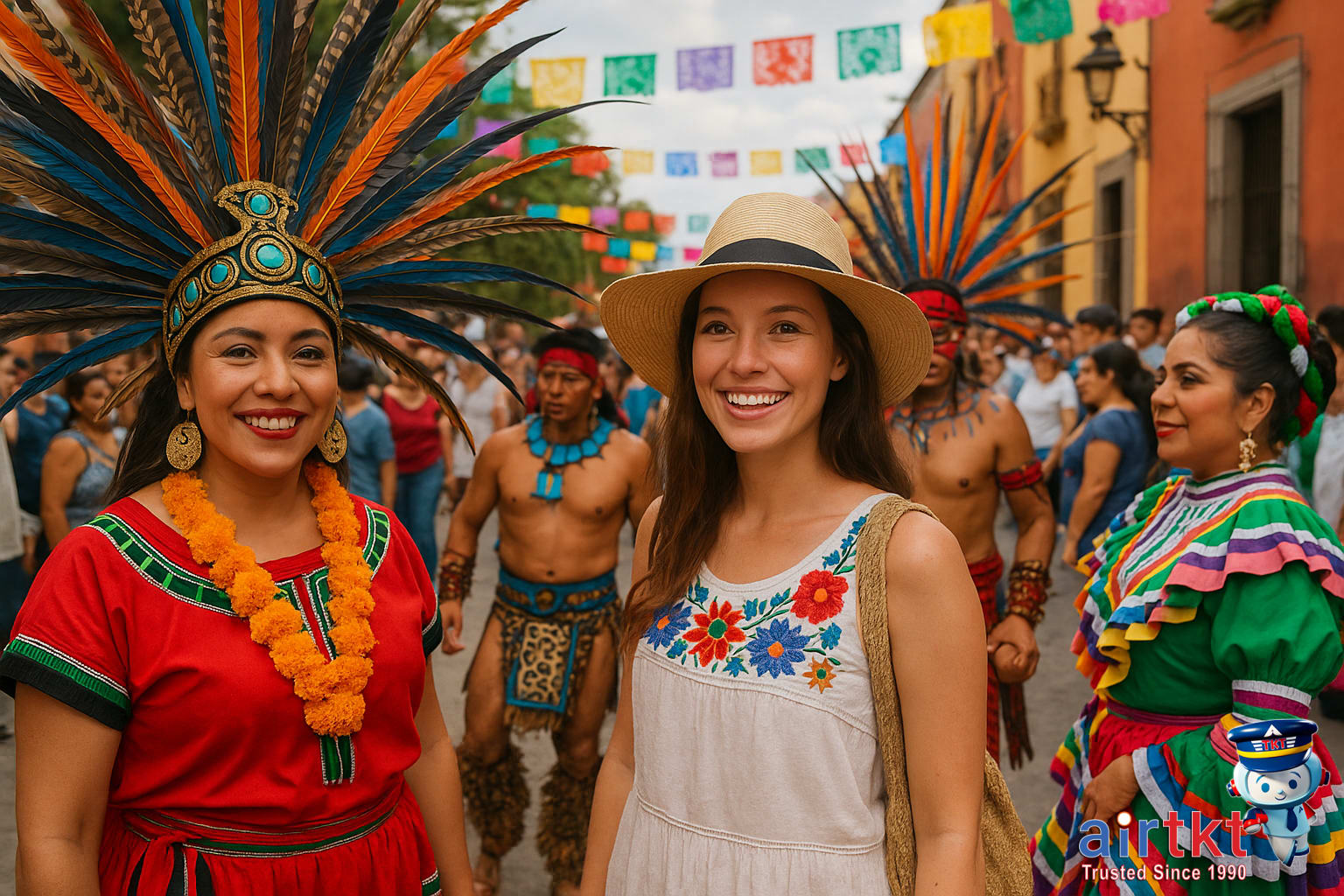
Mexico’s festivals are not just lively events—they’re deep expressions of communal identity. Whether you’re attending Day of the Dead (Día de los Muertos) parades, joining locals on Cinco de Mayo, or witnessing a patron saint celebration, each occasion has layers of meaning tied to history, family tradition, and spiritual belief. And while visitors are welcome, participating with the right spirit is essential. After all, these aren’t tourist shows—they’re treasured moments for local communities.
Understanding Major Celebrations
Day of the Dead, recognized by UNESCO and celebrated nationwide, honors departed loved ones with vibrant altars, food offerings, and candle-lit gatherings in cemeteries. Cinco de Mayo marks the Battle of Puebla and is mostly a regional event in Puebla, though it has gained broader international attention. Patron saint festivals, or “fiestas patronales,” occur all year and honor each town’s chosen saint—often involving processions, music, food, and religious rituals.
How To Join In Respectfully
I’ll never forget my first Day of the Dead festival in Oaxaca. Observing families preparing altars and sharing stories around graves gave me a new appreciation for participating as a guest, not a spectator. It’s always rewarding to take part, but you should follow a few do’s and don’ts:
- Do: Observe quietly during sacred rituals and processions.
- Do: Ask permission before handling offerings or joining family gatherings.
- Do: Support local vendors by trying festival foods and crafts.
- Don’t: Treat ceremonies or altars as photo opportunities without consent.
- Don’t: Wear costumes that misrepresent or trivialize the culture, especially during Day of the Dead.
- Don’t: Interrupt prayers, blessings, or musical performances—stand back and learn first.
If you plan to experience a festival, it’s smart to research upcoming dates and local customs. Mexican tourism boards like Visit Mexico and regional event calendars are helpful for timing your trip and understanding each celebration’s importance.
Joining festivals is truly special, but in my experience, permission and awareness go a long way. If you’re looking for more organized festival experiences or want tips for planning, I usually recommend consulting a dedicated airtkt.com events or festival travel guide as part of your research.
Dining Customs And Table Etiquette
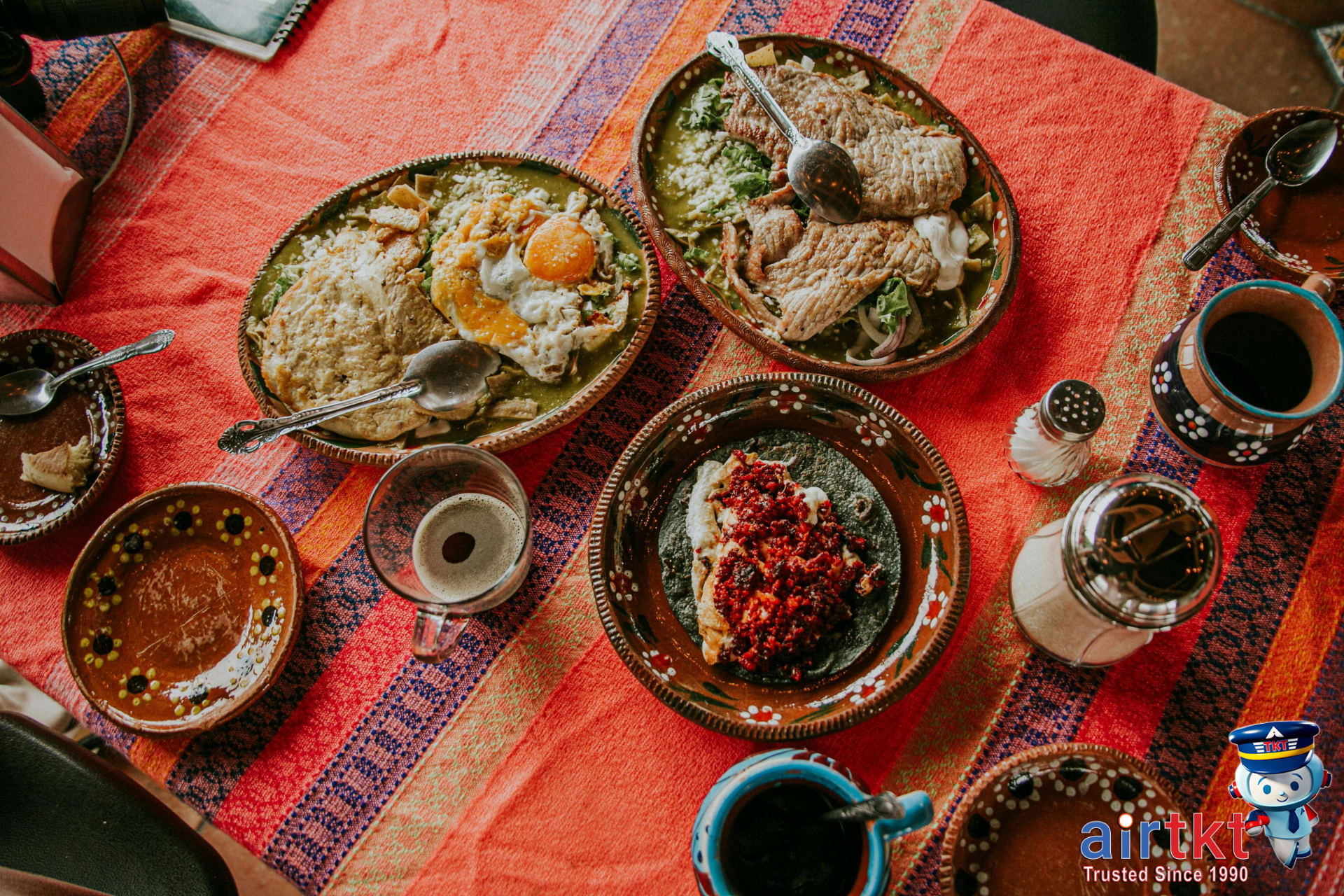
Meals in Mexico are more than just a quick bite—they’re cultural rituals that reveal the warmth and character of Mexican hospitality. Daily dining usually starts with a light breakfast, followed by a midday comida (the main meal, around 2–4 p.m.), and a lighter cena (dinner). You’ll see families and friends gathering for these meals, where conversation and connection are as important as the food itself. I remember sitting around a bustling table in Puebla, where the laughter and stories made every course feel special, and the hosts genuinely wanted us to feel at home.
The sequence often goes like this: soup or salad to start, followed by a main dish, sides, and a small dessert or coffee to finish. If you’re invited to someone’s home, expect the meal to stretch over several hours. It’s not just about eating—it’s about savoring time together. Remember, it’s customary to wait until your host invites you to begin eating. Jumping in before everyone is ready can be seen as impatient. I usually keep an eye on the host and take their cue before touching my plate.
Tipping And Local Expectations
Tipping is a standard part of eating out, especially in sit-down restaurants and cafes. Around $1.00 for a coffee or $3.00 for lunch is typical for casual spots, while in upscale venues, about 10%–15% of the bill is appreciated (note: check if service is already included). For street food or markets, tipping isn’t usually required, but rounding up is a friendly gesture. If someone helps you with your bag or delivers food, a small cash tip is always appreciated. These gestures recognize good service and kindness, both of which you’ll experience often in Mexico.
Invitations To Dine With Locals
If a Mexican friend or acquaintance invites you to their home, it’s a genuine honor—a reflection of trust and openness. Arriving on time (or just a few minutes late) is respectful. Bringing a small gift—maybe a dessert or a bottle of wine—shows appreciation. At the table, wait for your host to indicate when to start eating, join in the conversation, and praise the food. Mexican hosts take pride in sharing their cuisine—so polite curiosity goes a long way. For a deeper dive into traditional dishes and how they’re served, check out our guide to Mexican cuisine and food etiquette.
Mexican dining traditions are shaped by a strong sense of community, as confirmed by Mexico’s official tourism site and culinary experts (Visit Mexico: Main Dishes). By observing these local customs, travelers are welcomed into the rhythm of everyday Mexican life.
How To Shop In Mexican Markets
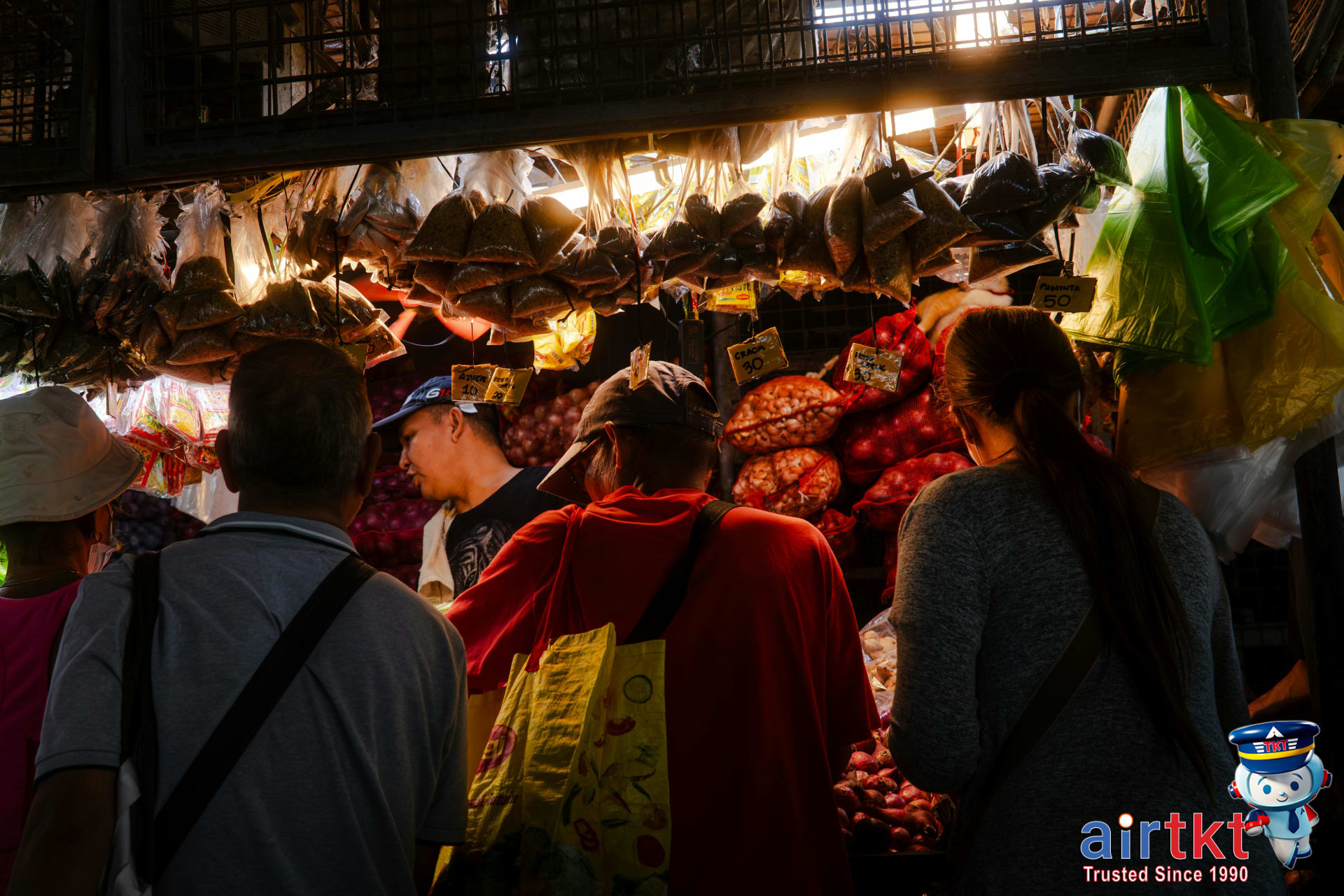
Exploring a vibrant Mexican market is a highlight for many travelers. Stalls overflow with fresh produce, handmade crafts, local snacks, and all sorts of souvenirs. But there’s a rhythm to shopping here—one that blends tradition and etiquette. If you haven’t experienced it before, knowing how to navigate these customs will make your visit far more enjoyable.
Bargaining With Respect
Bargaining is common in Mexican markets, especially in artisan stalls or places without fixed prices. Approach it as a friendly conversation rather than a win-or-lose negotiation. I’ve learned that starting with a polite question about the price and then gently making a counter-offer, always with a smile, keeps things positive. Vendors appreciate reasonable offers much more than aggressive haggling—respect their craft and time. If the price isn’t right for you, there’s no harm in kindly moving on.
Respecting Vendors And Customs
It’s important to treat vendors’ spaces like you would someone’s home: ask before touching products, and avoid blocking their displays while you browse. Using basic Spanish phrases like “¿Cuánto cuesta?” (How much does it cost?) or “¿Puedo ver?” (May I see?) goes a long way, even if your language skills are limited. Many travel guides, including those by Lonely Planet and local tour operators, highlight that patience is key—market life can be busy and occasionally slow-paced. Personally, I’ve had to remind myself to slow down and be flexible with my plans; this isn’t the place to rush.
Tipping Habits In Markets
Tipping is not typically expected for small purchases, but it’s a thoughtful gesture if someone goes out of their way to help—like wrapping up fragile items or carrying extra-heavy bags. In these cases, offering around $1.00 or rounding up your payment is appreciated. For food stalls—especially if there’s table service—leaving about $1.00 as a thank-you is both kind and customary.
Patience And Positivity Go Far
A friendly and patient attitude helps you get the most out of market shopping. Crowds can be thick, lines move slowly, and vendors might be busy with local regulars. I’ve found that lingering, chatting, and keeping a relaxed pace sometimes leads to spontaneous recommendations or even a small discount. Enjoy the sensory overload—the color, sound, and energy all add to the experience.
If you want a more in-depth look at how to navigate markets in Mexico—what to buy, when to go, and which markets are local favorites—check out our detailed guide to shopping in Mexico for more insider tips.
Transportation Etiquette and Safety Tips

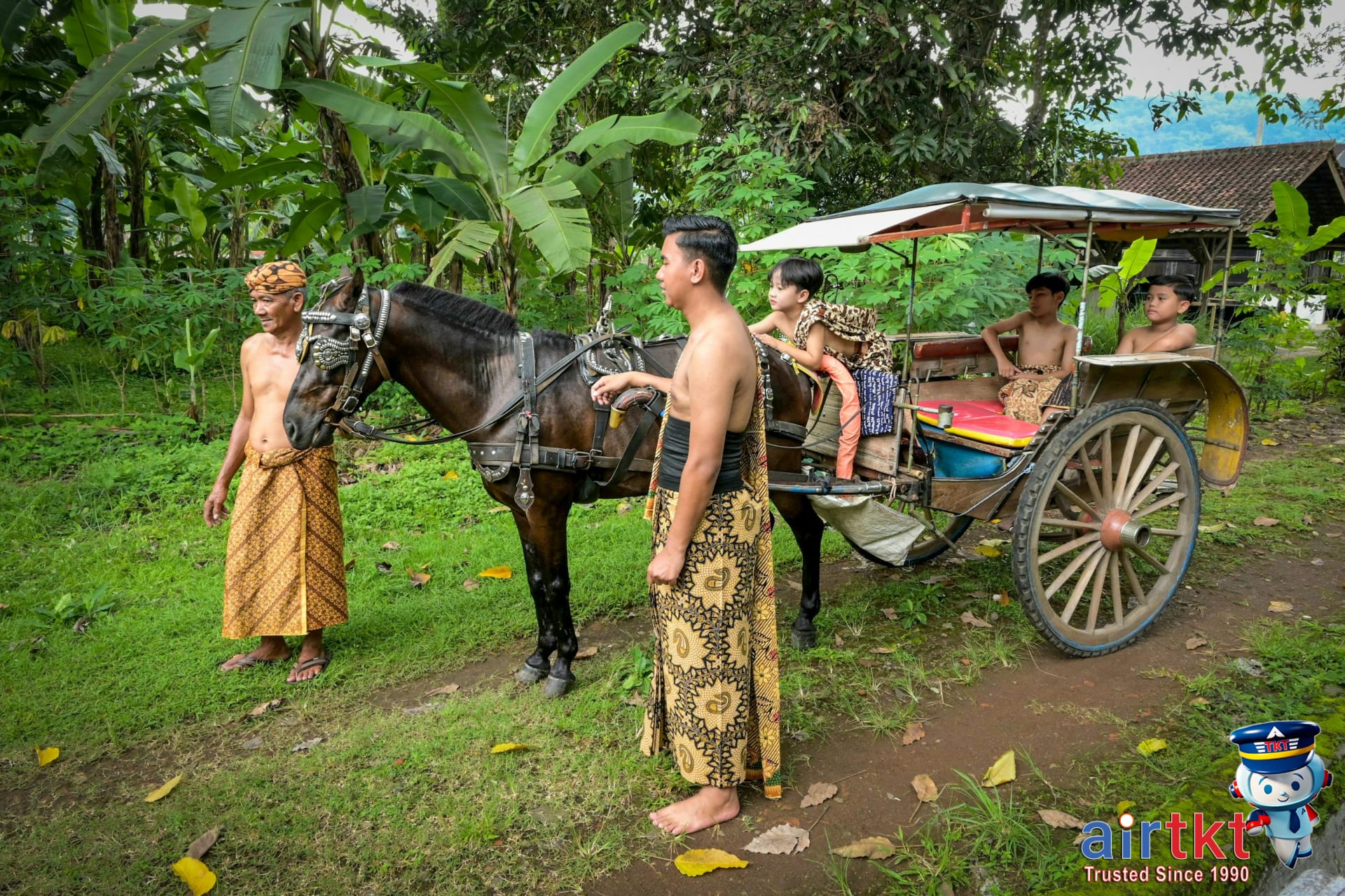
Using public transport in Mexico means adapting to some unique customs that make everyone’s journey smoother and more pleasant. Whether you’re riding a city bus, hailing a taxi, or booking a rideshare, there’s more to it than just getting from point A to point B.
Bus, Taxi, and Rideshare Etiquette
When using local buses, always allow passengers to exit before stepping on. Greet the driver with a polite “buenos días” or “buenas tardes”—it’s a small gesture but appreciated. On most local routes, you’ll pay your fare directly to the driver, and it’s best to have small change ready. In taxis, check that the meter is running or agree on a fare before you begin your trip. When using rideshare apps, be ready at your pickup point and avoid making the driver wait.
Queuing and Respect in Transit
Mexican transit lines can be crowded, and orderly queuing is the norm. Hold your place in line, let elderly or disabled passengers board first, and give up your seat if someone needs it more than you do. I found that simply respecting these unwritten rules gained me a lot of goodwill from locals and made daily commutes feel much friendlier. It’s all about paying attention and being considerate, which makes public transport far less stressful.
Staying Safe and Prepared
Keep your belongings close while in transit, particularly on crowded buses or metro platforms, and always have a small amount of cash handy to cover fares—ATMs might not be available nearby. Having small denominations avoids slowing down the line or causing confusion. If you’re interested in more detailed transit advice, check out this Mexico transport guide for additional local tips.
Referencing local tourism resources like the Mexico City Secretaría de Movilidad and official tourism sites offers practical tips to better navigate local systems and avoid common mistakes. The extra care in using public transport is well worth it, both for your own experience and for those around you.
Budgeting for Respectful Travel Choices

Budgeting can do more than just keep your trip to Mexico affordable—it’s also a way to travel respectfully and support the places you visit. Choosing accommodation, meals, and tours run by local providers often costs less than big international options and keeps your money circulating in the community. I’ve found that spending intentionally not only stretches my budget, but opens up more authentic and meaningful experiences.
Sample Daily Travel Costs
| Accommodation | Food | Transport | Activities | |
|---|---|---|---|---|
| Budget | $20.00 | $10.00 | $8.00 | $12.00 |
| Mid-range | $60.00 | $25.00 | $18.00 | $30.00 |
| Luxury | $180.00 | $70.00 | $60.00 | $90.00 |
These daily costs are based on recent data from trusted Mexico travel sources; actual prices can vary by city or season, but you get a clear idea of how your choices impact your budget and local communities. Budget travelers can comfortably stay in hostels or family guesthouses, eat at small eateries, use local buses or colectivos, and join group activities led by regional guides. Even at the mid-range or luxury level, you can opt for independent hotels and tour companies that hire local staff and source supplies nearby. If you’re searching for more specifics on how to plan affordably without missing out, check this airtkt.com page with budget travel guides and recommendations for locally operated services.
Remember: spending a little time to research local-owned businesses means your travel dollars help support real people—not just large corporations. In my experience, this approach also leads to more memorable and respectful interactions while you explore.
Frequently Asked Questions about Mexico Etiquette
- What are the main rules of Mexico etiquette?
Mexico etiquette highlights respect, warmth, and politeness. It’s customary to greet people with a handshake or light hug, use “Señor” or “Señora” when addressing adults, and always say “please” (por favor) and “thank you” (gracias). Being friendly and acknowledging others is a valued part of daily interaction.
- How should I greet locals in Mexico?
A handshake is standard for first introductions, but among friends, a light hug or a cheek kiss is common. In business or formal settings, greetings are slightly more reserved. Wait for your host to initiate a more familiar greeting before giving a hug or kiss on the cheek.
- What is expected for tipping in Mexico?
In restaurants, tipping about 10%–15% of your bill is normal, with about $1.00 per bag for hotel porters and $1.00 for taxi drivers rounding up fares. Always tip in cash and hand it directly to the service provider when possible. Small tips are appreciated for good service in most contexts.
- Are there topics to avoid in conversation?
It’s best to avoid sensitive topics such as politics, religion, and immigration unless you’re invited to share your views. Focusing on family, food, and travel makes for friendly conversation. Mexicans are generally warm, but it’s still best to steer clear of controversial subjects with new acquaintances.
- What are table manners in Mexican culture?
Keep your hands visible on the table (but not your elbows), and wait for the host to say “Buen provecho” before eating. It’s polite to try everything served and use utensils for most foods, except tacos. Leaving a small amount of food signals you’re satisfied, but finishing your plate is also acceptable.
- Is punctuality important for social events in Mexico?
Punctuality is more relaxed for social gatherings, where it’s normal to arrive 15–30 minutes later than the stated time. However, for business meetings or tours, try to be on time. If you’re unsure, check with your host about expectations for the type of event you’ll attend.
Reflecting On Respectful Mexico Travel

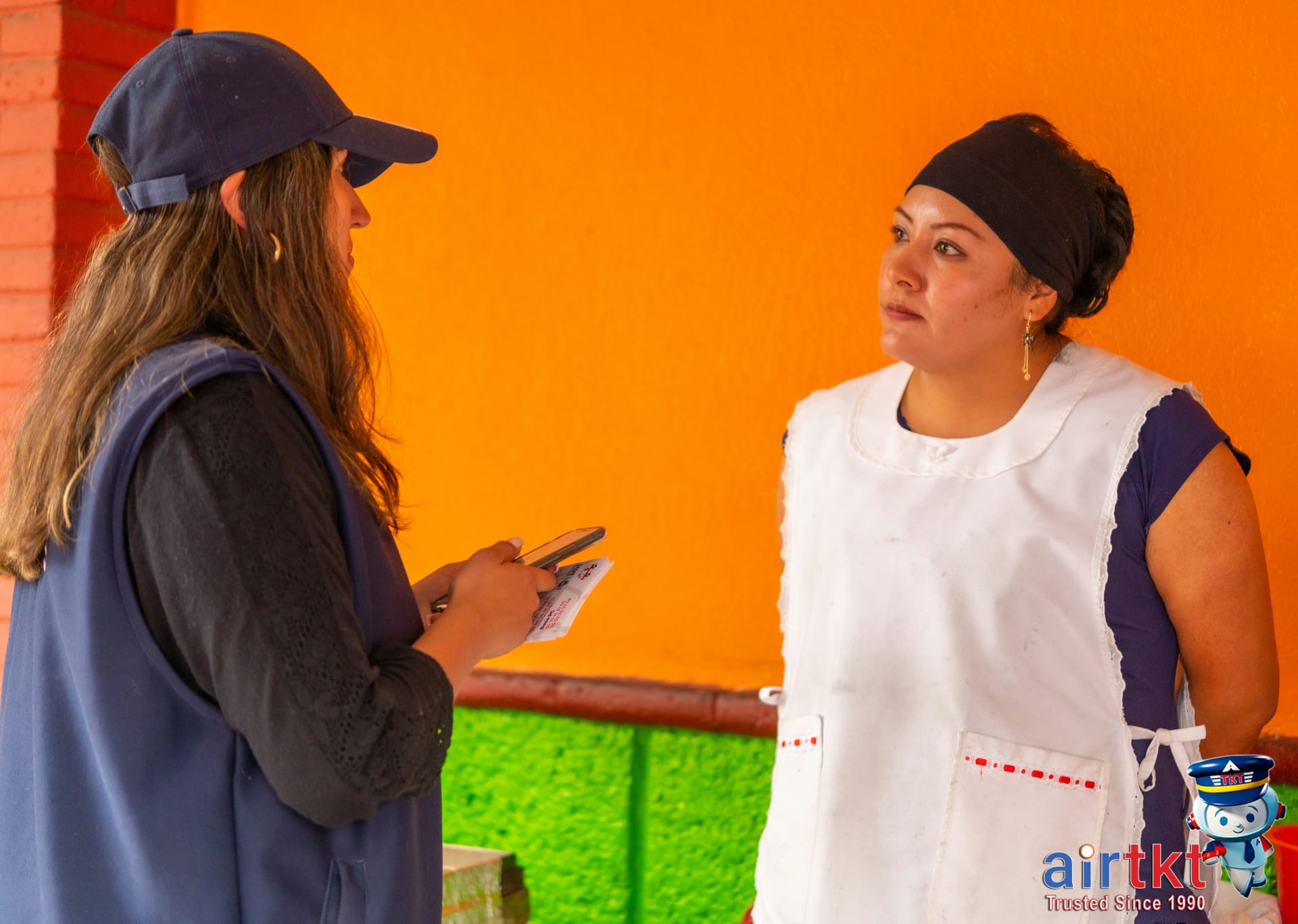
Coming to the end of these respectful travel insights, it’s clear that showing genuine interest and humility toward Mexican culture can completely transform your journey. When you approach each community, tradition, and daily rhythm with respect, you open doors to enriching connections and memorable moments that simply don’t happen on the surface. In my own visits to Mexico, I’ve found that small acts—like learning a few words in Spanish or sincerely participating in a local celebration—were always welcomed and led to deeper, more meaningful encounters with locals.
Being open and curious, instead of making assumptions, helps you move beyond the typical postcard experiences into something more authentic. Let cultural exchanges guide your itinerary: whether exploring colorful markets, visiting sacred sites, or sharing a meal with locals, it pays to listen, observe, and step lightly. Not only do these choices show respect, but they also help travelers avoid common missteps and allow richer memories to form naturally along the way.
If you’re planning your next adventure, tools like airtkt.com make it easy to research flights and explore Mexico’s destinations with plenty of flexibility. Start shaping an itinerary that balances discovery with cultural awareness—your experiences will be all the more rewarding for it.