

Discovering Montevideo’s Relaxed Local Vibe
Montevideo may be Uruguay’s capital, but it doesn’t rush to impress in the way that some big cities do. Instead, there’s an easygoing pace you can feel in the riverside rambla, historic neighborhoods, and sidewalk cafés. The mix of European and South American influences gives Montevideo its own flavor—mildly bohemian, genuinely warm, and always spirited with music and mate tea. I always get a sense of anticipation before arriving, knowing I’ll get to explore these relaxed streets and soak up that rich, lived-in culture for myself.
For visitors hoping to experience the city at its best, timing really matters. Montevideo’s spring (October to December) and early autumn (March to May) are especially pleasant, with comfortable temperatures and less humidity. This is when locals spend days outdoors, markets come alive, and there’s a festive energy in the air.
Strolling and Biking Montevideo’s Rambla

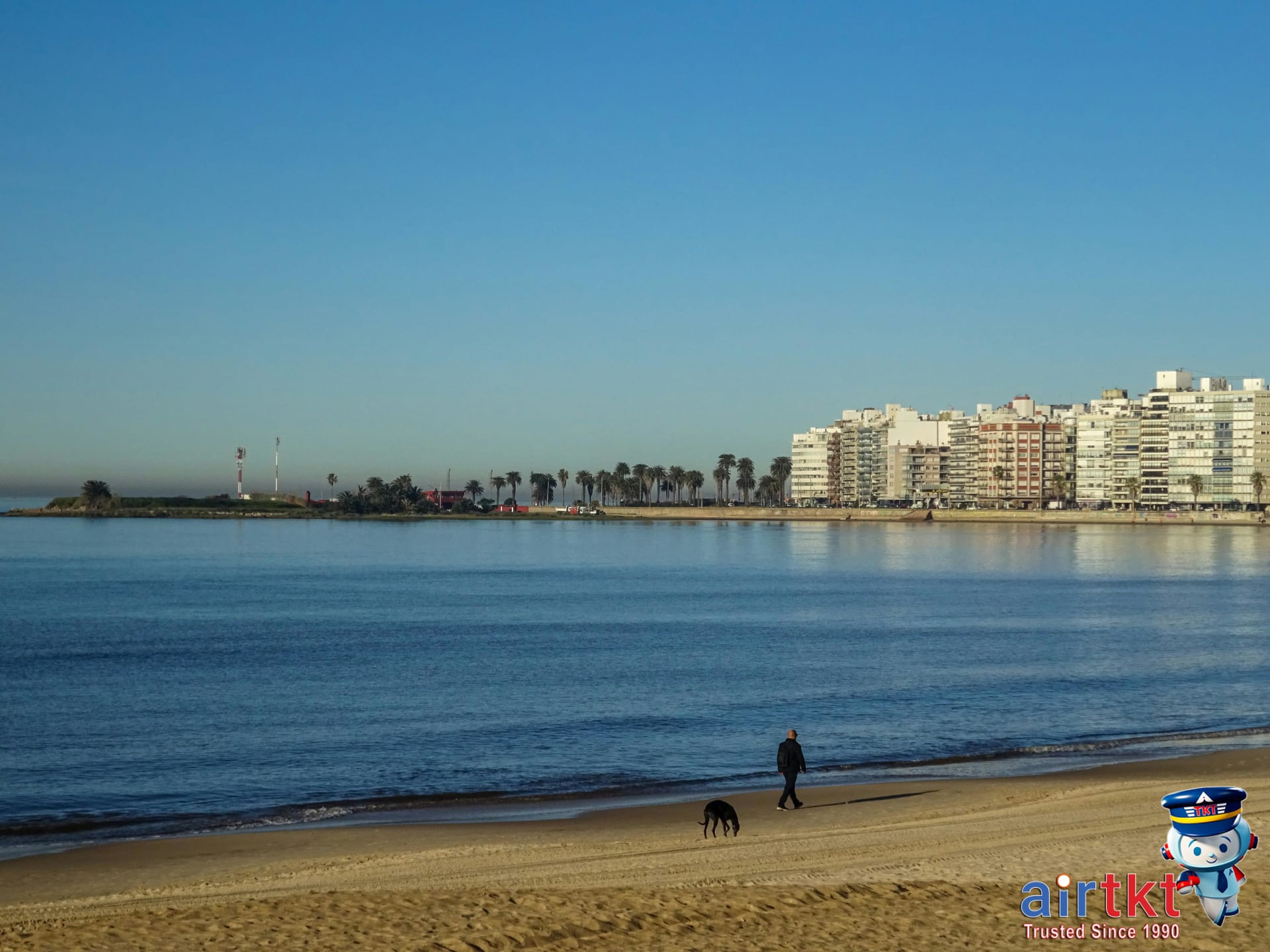
Montevideo’s Rambla is the heartbeat of the city’s waterfront—a wide promenade that stretches for miles along the shoreline, always alive with both locals and visitors. What’s special here is the energy: walkers linger side by side with cyclists, families sprawl out for picnics, and joggers cruise past sunbathers. If you’re someone who loves people-watching, this is where the city truly puts itself on display.
But more than its activity, the Rambla is celebrated for its serene scenery. The sweeping ocean views along La Plata River create an instant sense of calm. I still remember pausing on a bench, letting the fresh sea breeze drift over me, and feeling the quiet ease that’s so different from the city’s busy energy. There’s really nothing like watching sailboats glide by or spotting mates chatting along the low seawall, all with Montevideo’s skyline at your back.
For a more active day, it’s easy to rent a bike from a vendor right along the Rambla, making it simple to cover much greater distance than on foot. You’ll find several outlets sprinkled near the beach areas and main entry points, offering all types of bikes to suit casual cruisers or those who want a workout. If you’re interested in more outdoor experiences around the city, check out our dedicated guide to Montevideo’s top outdoor activities for a few local gems you might otherwise miss.
Exploring Montevideo’s Historic Ciudad Vieja

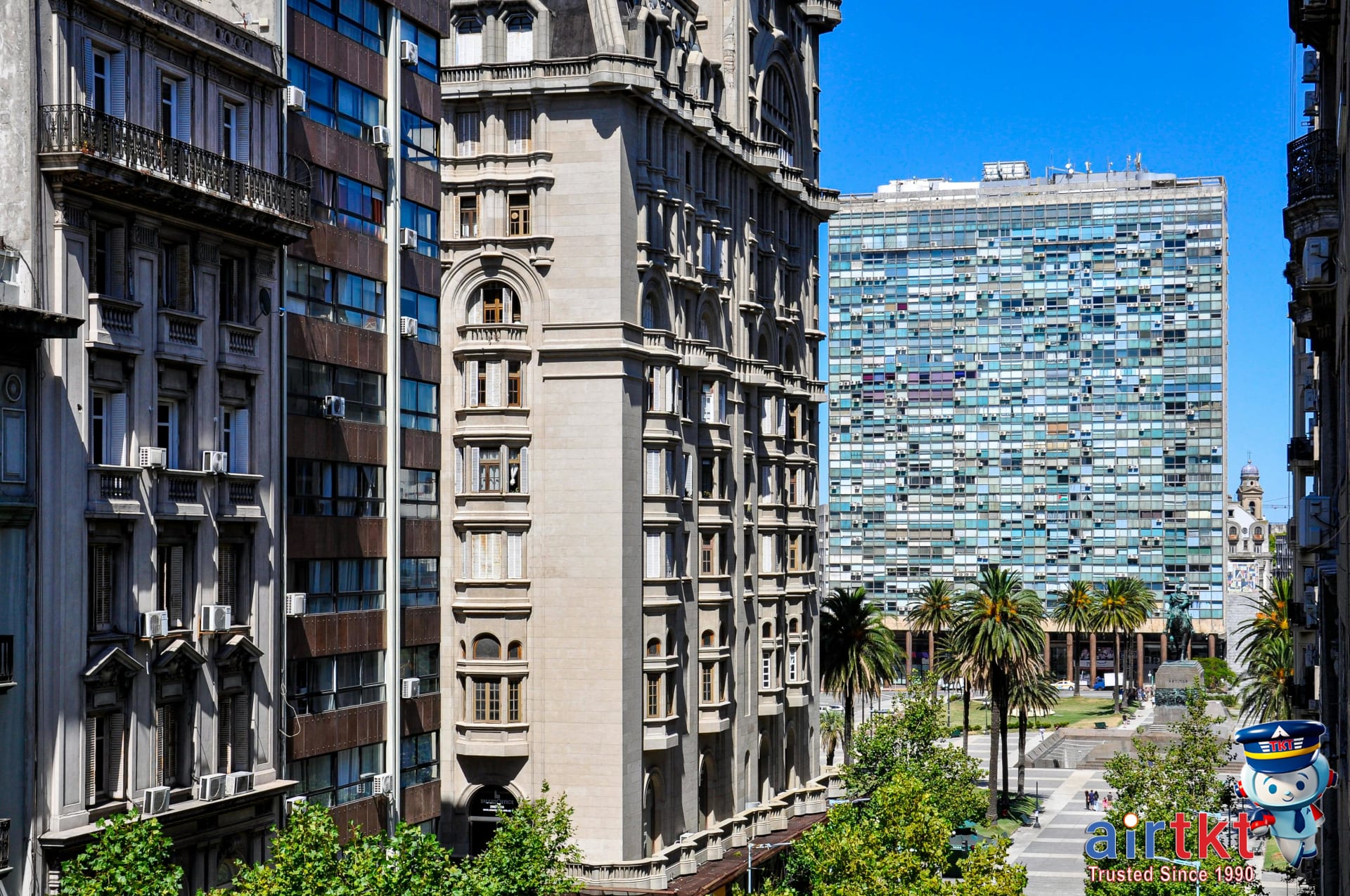
No trip to Montevideo feels complete without a leisurely wander through Ciudad Vieja, the city’s oldest and most storied district. The area greets you with a vibrant blend of colonial-era facades and bursts of color from street murals that wrap around corner cafés, indie galleries, and artisan shops. It’s a curious combination that instantly signals you’re somewhere special, where the past and present feel layered together in the details.
Plaza Independencia anchors the neighborhood, flanked by iconic landmarks like the Solis Theatre—a historic gem that’s worth admiring both inside and out. As you walk, cobbled avenues lead you past grand old banks, art deco buildings, and picturesque plazas. I’m always struck by how architectural details, from ornate ironwork to pastel stucco reliefs, reveal Montevideo’s European roots yet feel distinctly Uruguayan in spirit. If you’re into architecture, take your time—look up, slow down, and soak it in.
One thing I love about Ciudad Vieja is its ever-changing street scene. Early mornings tend to be peaceful, with vendors setting up and locals going about their routines. Later in the day, performers and artists add even more energy to the lively markets and tiled walkways. If you’re hoping for an in-depth experience that goes beyond the surface, joining one of the city’s cultural tours in Montevideo is a great way to learn the stories that bring these old stones to life.
Montevideo’s Traditional Parrilla Experience

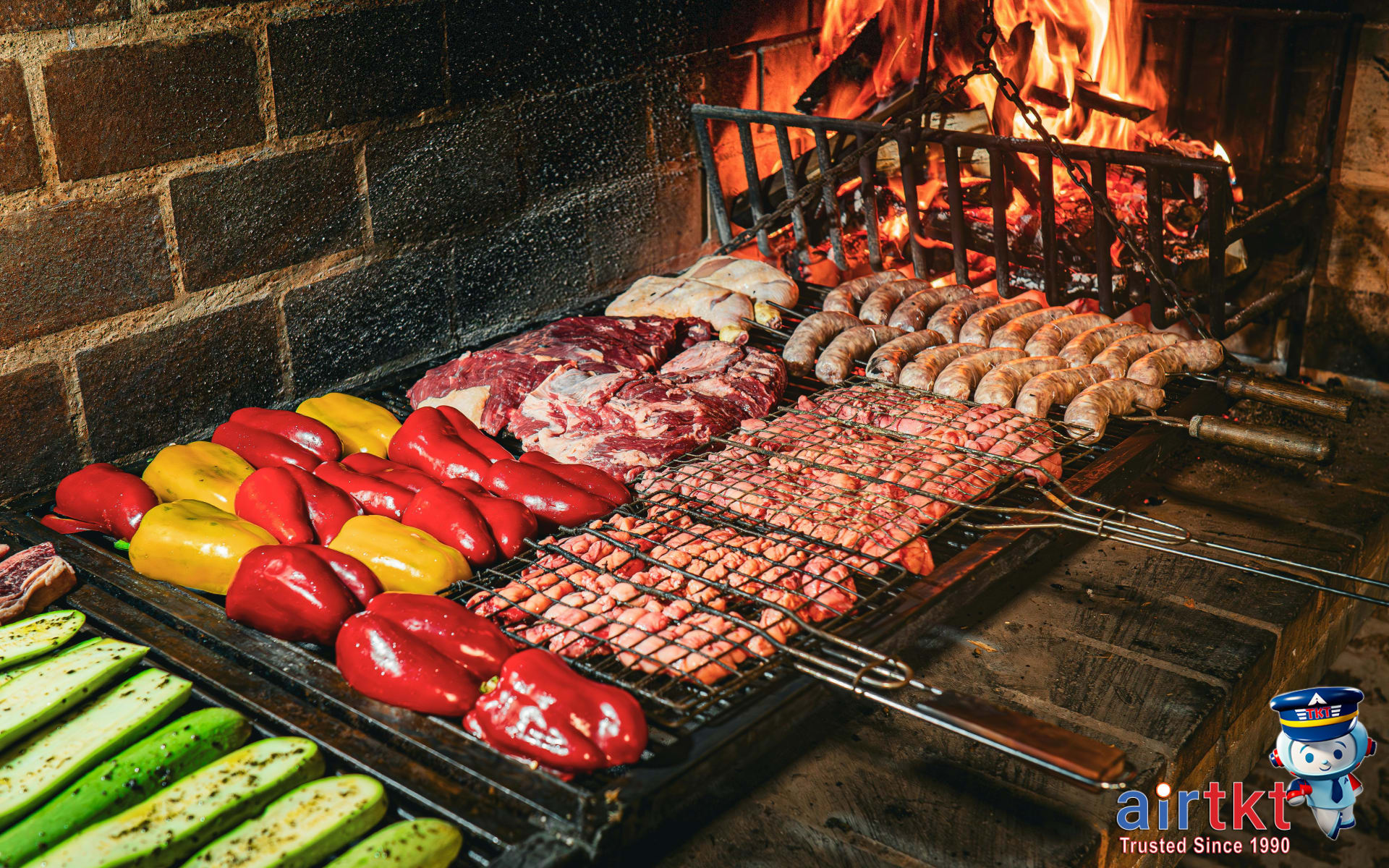
Montevideo’s steakhouse culture, centered around the beloved parrilla, is a big part of what makes dining in Uruguay so memorable. For Uruguayans, grilling beef isn’t just about food—it’s a point of national pride. The local cattle are grass-fed and carefully raised, resulting in tender, richly flavored cuts that draw steak lovers from around the world. It’s common to find smoke rising from open grills as soon as you step into a traditional parrilla, with sizzling meat laid side by side over glowing embers.
At any given parrilla, you’ll notice locals ordering impressive platters filled with ribeye, sirloin (bife de chorizo), juicy short rib (asado de tira), and the prized tenderloin (ojo de bife). Chorizo sausages and provolone cheese, charred and bubbling from the grill, round out the menu. Uruguayan steak is typically seasoned simply, letting the quality of the beef shine. Customs around steak doneness are specific: most people go for “a punto,” which lands perfectly medium, but you can also ask for “jugoso” (rare) if you prefer your steak more on the juicy side. I still remember my first parrilla meal at Mercado del Puerto—my ribeye was crisp on the edges, tender in the center, and paired with a basket of crusty bread and peppery chimichurri, the kind of meal you savor slowly because you know it’ll be hard to top.
It’s easy to feel a bit lost when the waiter rattles off a list of cuts and cooking points, but you don’t have to be a grill master to order well. Choose a cut like “entraña” (skirt steak) if you like something flavorful, or “vacío” (flank steak) for a juicy, satisfying bite. Saying you’d like it “a punto” is usually a safe bet if you want to eat like a local—and guarantee a perfectly tender steak every time.
Exploring Montevideo’s Mercado del Puerto

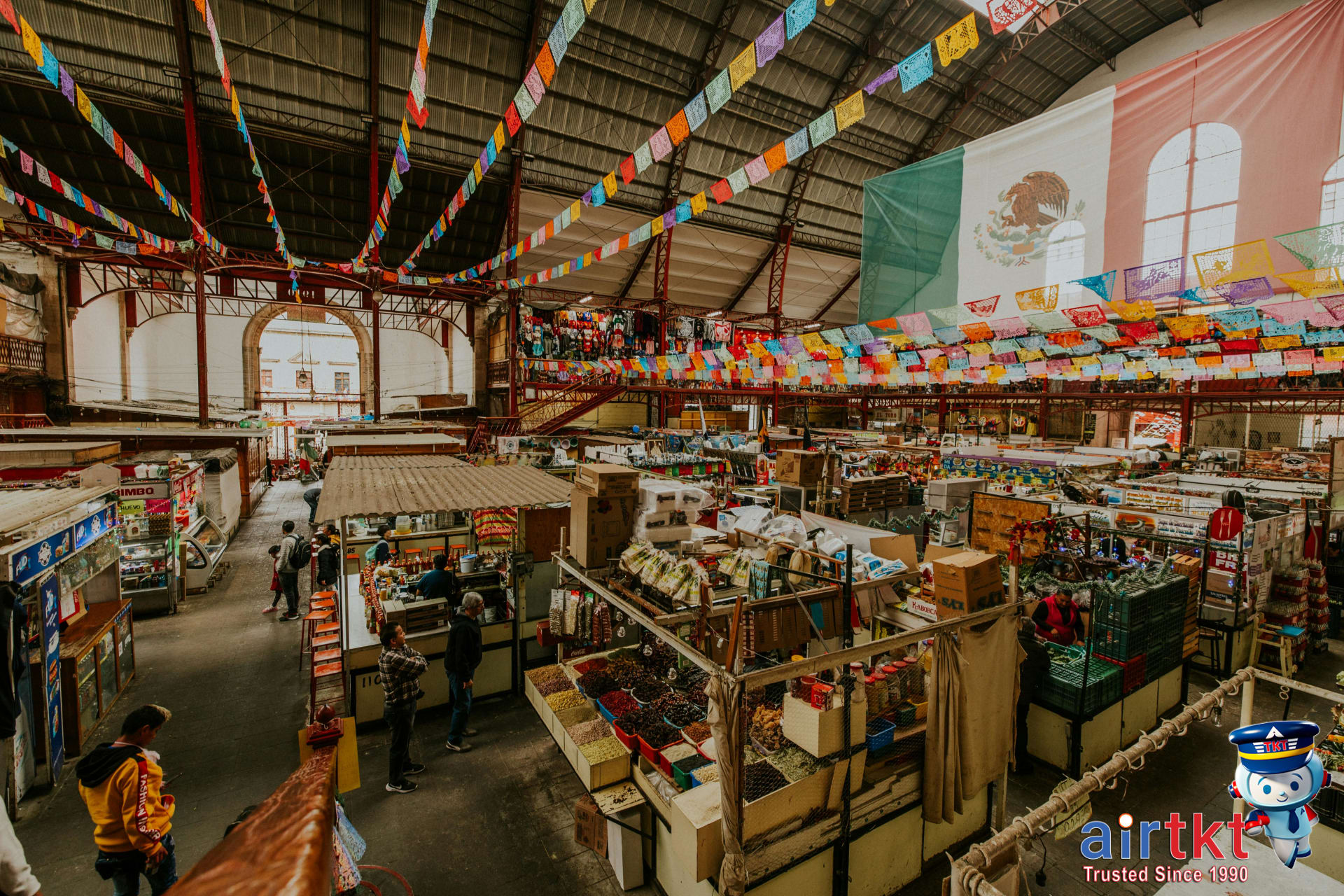
Mercado del Puerto is one of Montevideo’s landmarks, and in my opinion, no culinary adventure in the city truly starts until you wander through its iron gates. This historic market is not just a collection of stalls—it’s a hub where locals and travelers mingle, sharing the city’s love of food and crafts within a building buzzing with energy almost every hour of the day.
Inside, the legendary parrillas (open-fire grills) fill the air with the smoky aroma of sizzling meats. You’ll spot locals tucking into plates of juicy asado, grilled chorizo, and morcilla, while others browse for savory empanadas or the sweet scent of dulce de leche desserts. For those who appreciate Uruguay’s wine scene, small bars here often offer a taste of local tannats. If you’re a fan of crafts, plenty of stands sell leather goods, hand-carved mate gourds, and paintings by local artists—making it a great place for unique souvenirs.
Personally, what always strikes me is the sensory overload: the mingle of voices, thick smoke drifting past the counters, the flash of colorful produce, and the rhythm of clinking glasses. If you’re planning to sample several bites or pick up gifts, I’d recommend coming earlier in the day, when it’s easier to talk with vendors and find a spot at the grill counters without elbowing through crowds.
If you’re interested in discovering more local flavors and street eats, check out our guide on the city’s best spots for Montevideo food lovers.
Top Beaches For Relaxation And Culture
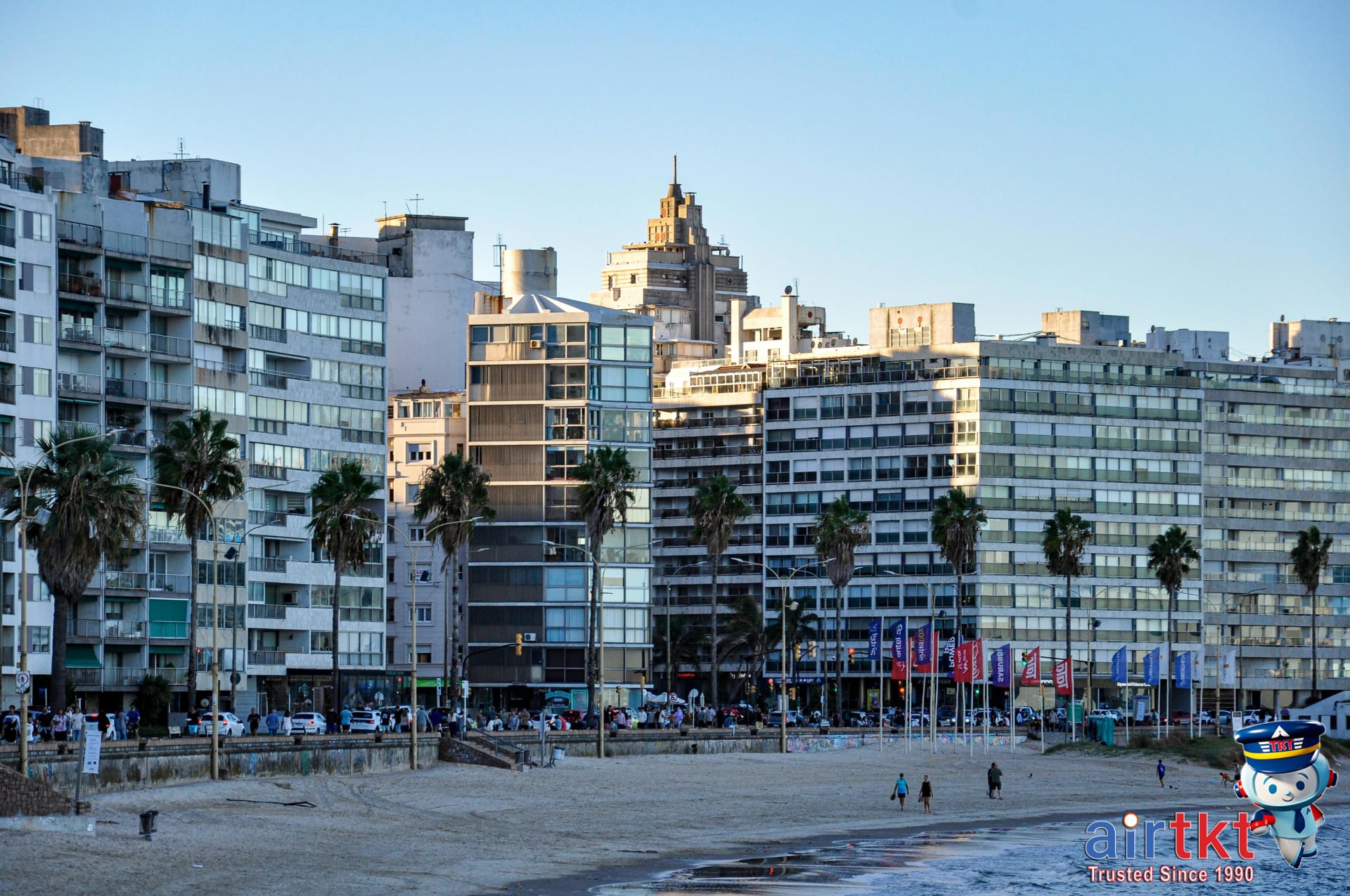
Montevideo’s city beaches offer an inviting mix of soft sand, relaxed atmosphere, and local buzz—a combination that makes them stand out even on a quick visit. Playa Pocitos is one of the main highlights, curving along a lively bay framed by apartment blocks and palm-dotted promenades. Here, you’ll see locals playing volleyball, families relaxing under colorful umbrellas, and joggers breezing past as the ocean breeze rolls in. I found myself soaking up the sun on Pocitos, quietly watching groups of friends enjoy mate and music—it’s exactly the kind of mellow, community feel that makes these beaches memorable.
Another beach locals love is Playa Ramírez, which sits closer to Montevideo’s Parque Rodó. This spot gets plenty of action, especially in summer, with impromptu soccer matches and food carts nearby. For a more spacious stretch, Playa Malvín, a bit farther east, feels a touch quieter and is ideal if you prefer extra room for a towel and a thermos of mate. Wherever you land, the city’s coastal rambla (waterfront avenue) keeps every beach easily accessible, whether you’re walking or biking. It’s worth checking for local events—sometimes, you’ll stumble upon live music or markets set up right on the sand.
For a typical day at the beach in Montevideo, I’d recommend packing sunscreen, a hat, a reusable water bottle, and a lightweight towel. If you want to blend in, consider bringing a folding beach chair and a thermos for mate—many locals won’t hit the sand without them. Toss in snacks from a nearby bakery or supermarket, and you’ll be set for hours of relaxing people-watching and gentle Atlantic breezes.
Getting Around Montevideo Easily
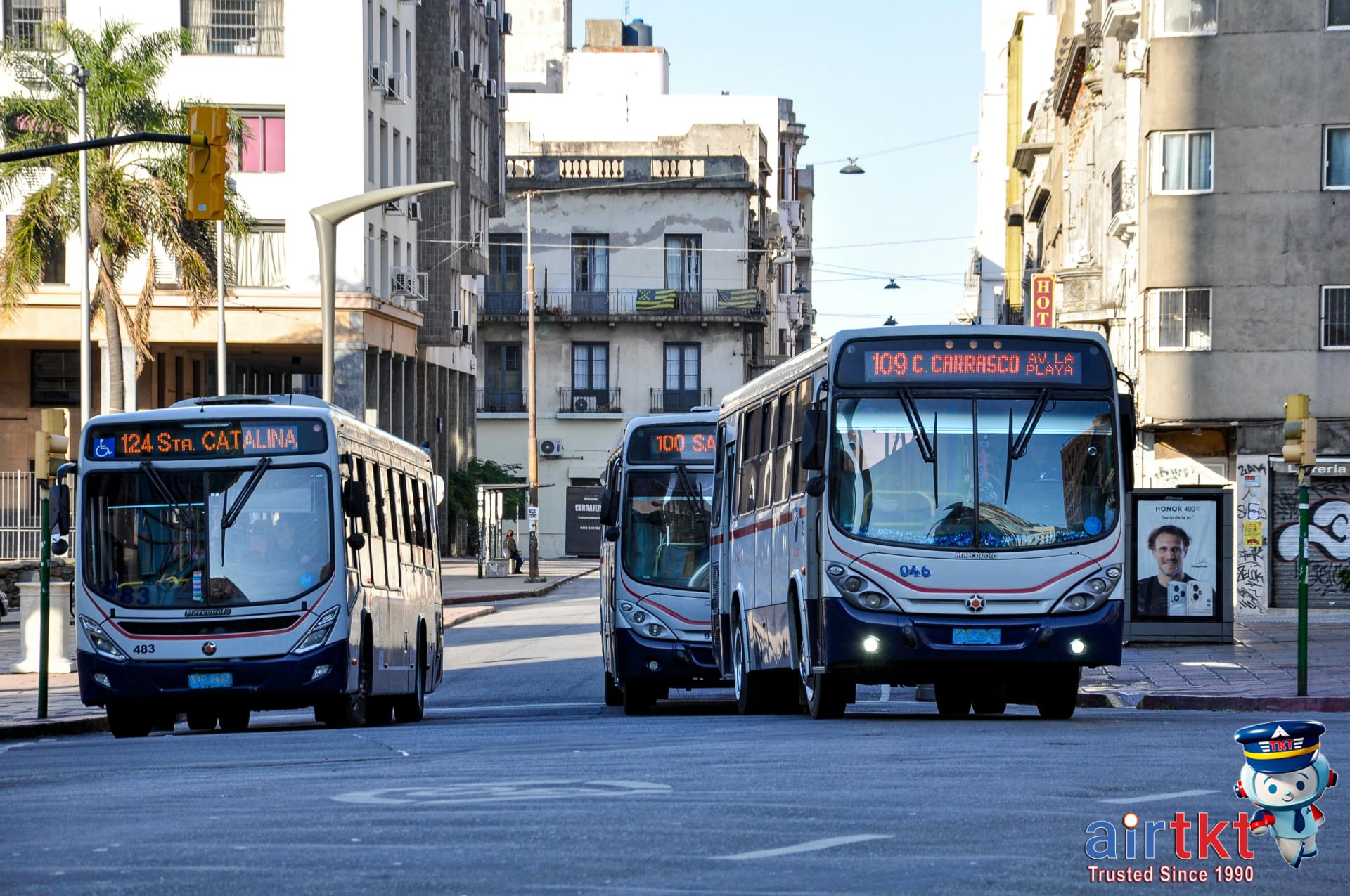
Montevideo is a city you can explore at your own pace, thanks to its straightforward and affordable transportation options. City buses are the backbone of local travel—they’re extensive, frequent, and a great value for visitors. If you’re new to the city, I’ve found that starting with buses is both easy on the wallet and surprisingly efficient for reaching key neighborhoods and sights.
The simplest way to pay for buses is with a rechargeable city transit card known locally as the “STM” card. You can pick up one at most kiosks or convenience stores, then load it with credit. Just tap the card on the reader when you board. This is much easier than carrying coins, and most locals use it day to day. The STM card works on nearly all public buses, so you don’t have to worry about figuring out different tickets for different routes.
Taxis are widely available, especially downtown and near major hotels. They’re metered and reasonably priced for short rides. Rideshare options, such as Uber, also operate in Montevideo and can be a good choice if you need a lift late at night or want door-to-door service with upfront pricing. I usually recommend mixing public transit during the day with taxis or rideshare after dark, especially if you’re unfamiliar with the route home.
The city center, Ciudad Vieja, and many riverfront areas are perfect for walking. You’ll find that strolling is not only safe in daylight but also puts you closer to Montevideo’s relaxed local vibe. In my experience, combining buses with plenty of walking let me discover corners of the city I’d have missed otherwise.
If you’re still planning your trip, booking your flight and hotel through airtkt.com is a practical way to simplify your travel arrangements and focus on getting around once you arrive.
Montevideo Travel Budget Table Breakdown
Budgeting for a trip to Montevideo is much easier if you have a clear idea of daily expenses. I learned early on that planning ahead and sticking to set amounts for accommodation, food, transport, and activities made my Uruguay adventure far less stressful. Here’s a practical daily budget table so you can estimate costs and adjust your travel plans accordingly.
| Budget | Mid-range | Luxury | |
|---|---|---|---|
| Accommodation | $25.00 | $80.00 | $200.00 |
| Food | $10.00 | $35.00 | $80.00 |
| Transport | $5.00 | $20.00 | $50.00 |
| Activities | $10.00 | $30.00 | $70.00 |
These estimates cover the basics but consider booking flights several months in advance—flight prices rise quickly, especially around holidays. I usually recommend comparing options on airtkt.com to find the lowest fares and take advantage of special deals when you spot them.
Montevideo First-Timer FAQs and Tips
- What are essential tips for first-timers visiting Montevideo?
Pace yourself and start with Ciudad Vieja, the city’s historic heart, then stroll along the Rambla in the late afternoon. Use cash for small purchases and stay alert for business closing times, especially Sundays. I find planning a few key neighborhoods in advance helps you get your bearings quickly.
- How do first-time travelers make the most of the Rambla?
The Rambla, a broad waterfront promenade, comes alive around sunset. Join locals for a walk or bike ride, and don’t miss sampling street food vendors. Bring comfortable shoes and a light jacket in cooler seasons, as winds can pick up while you watch city life unfold along the rio.
- What’s the best way to get around Montevideo?
Buses reach most neighborhoods and are affordable, but you’ll want small bills to pay drivers. Taxis and rideshare apps are also widely available, especially at night. For shorter distances, walking feels safe and lets you take in street life, particularly in Pocitos or Carrasco.
- Are there safety tips for first-time visitors to Montevideo?
Montevideo is generally relaxed, but petty theft can happen in crowded areas. I never carry my passport while sightseeing and stick to well-lit streets at night. Keep valuables secure, watch your bag on public transport, and use hotel safes for anything you don’t need during the day.
- What should I know about Montevideo’s local food scene?
Don’t leave without trying an asado (Uruguayan barbecue) or a chivito sandwich. Markets like Mercado del Puerto are perfect for lunch, but tables fill up early. Many restaurants close on Sundays or between lunch and dinner, so double-check opening hours when making plans.
- What are typical costs for first-timers in Montevideo?
A cup of coffee costs about $2.00, while lunch at a casual spot runs around $10.00. Expect a mid-range hotel to be about $80.00 per night. Buses within the city cost less than $2.00 per ride. Carrying some small cash makes transactions a lot easier.
- Are there any unique customs or etiquette tips for first-time visitors?
Montevideo has a friendly tone, but be prepared to greet with a handshake and say “buen día” when entering shops or restaurants. Mate, a traditional herbal drink, is sipped almost everywhere but only accept if offered. Tipping about 10% at restaurants is customary but not required.
Why Montevideo Deserves Your Visit
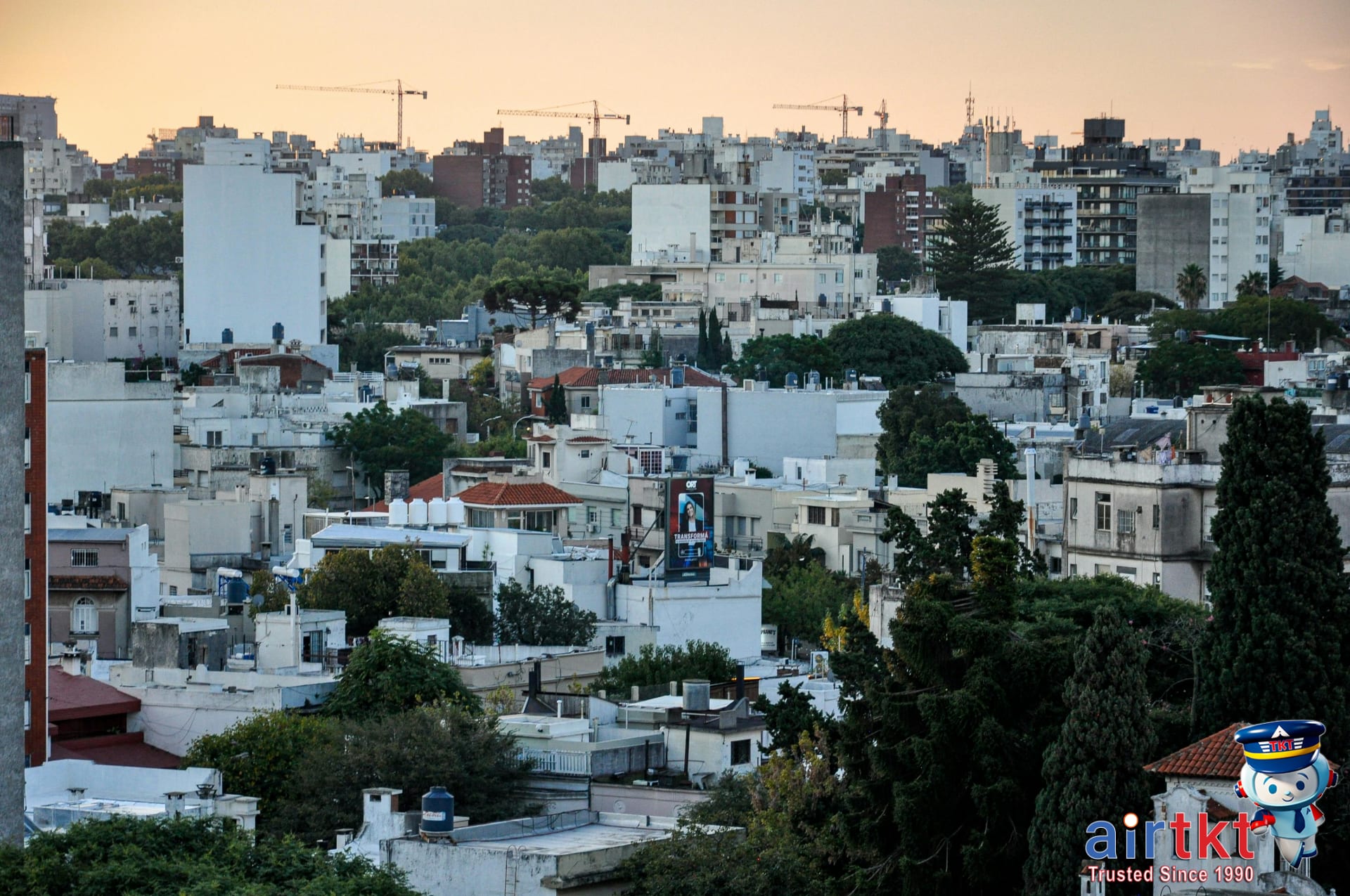
Montevideo is one of those cities that beckons you to slow down and truly enjoy the moment. Between its leisurely rambla walks, friendly locals, and a food scene full of regional surprises, first-time visitors will find plenty to love here. The city’s charm isn’t just in what you see—it’s in how you feel exploring its markets, beaches, and historic neighborhoods.
Personally, I’ve found Montevideo to be a place I continually want to return to, whether it’s for another sunset by the river or a new restaurant discovery in Ciudad Vieja. If you find yourself planning your own Uruguayan escape, I’d suggest using airtkt.com to help simplify your travel booking. Their tools make comparing options and finding deals a lot easier, especially if you value flexible dates or nearby airport choices.