

Welcome to Mumbai for First-Timers
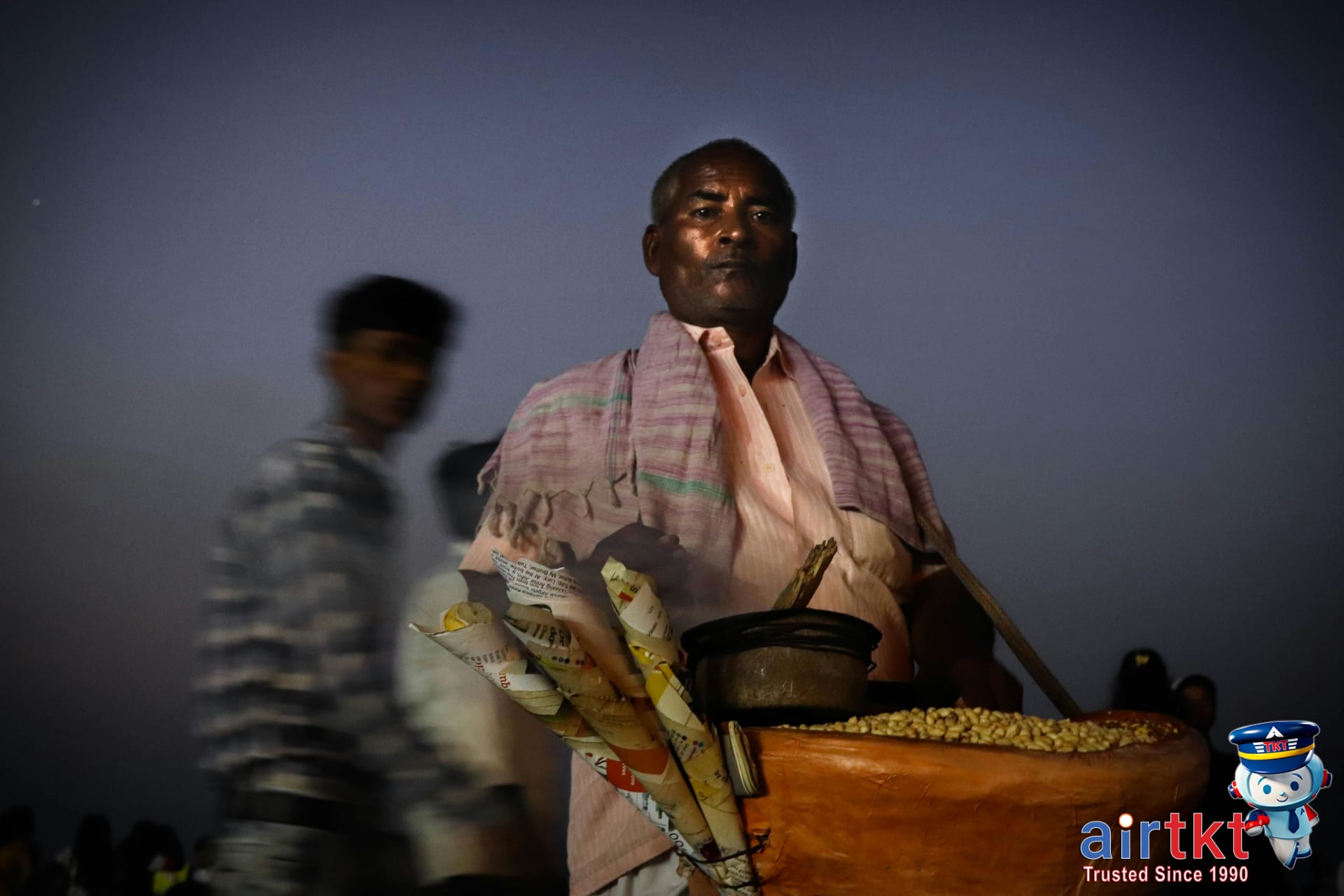
Mumbai is a nonstop rush—a sprawling metropolis where colonial-era buildings sit cheek by jowl with neon-lit markets and shiny skyscrapers. The city hums with energy from dawn till well past midnight. You’ll find street vendors selling peanuts alongside luxury boutiques, centuries-old temples next to busy trading hubs, and a cultural scene that spills into every neighborhood. Each corner tells a different story, blending history, commerce, and everyday life in ways few places do.
This guide covers what really matters for first-time visitors: top attractions like the Gateway of India and Elephanta Caves, plus insider tips to breeze past long lines at Mumbai’s busiest spots. I’ll walk you through local etiquette to help you connect respectfully, language pointers for Marathi and Hindi essentials, money-saving tips, and navigating Mumbai’s often chaotic transport options. You’ll also get advice on safe hotel stays and sample itineraries to make your trip manageable and memorable.
Real talk: Mumbai can overwhelm. The traffic snarls, the crowds, even the sounds sometimes push limits. But once you get the rhythm, this city grabs hold. I track airfare and hotel deals on airtkt.com, and the savings I find make the experience even better without busting the budget. By the time you finish this guide, you’ll have the confidence and know-how to enjoy Mumbai on your terms.

Top 10 Must-See Attractions and Skip-the-Line Tips
Mumbai’s must-hit spots pack history, culture, and coastal vibes into one city. First-timers should prioritize these ten: Gateway of India, Elephanta Caves, Marine Drive, Chhatrapati Shivaji Maharaj Terminus, Prince of Wales Museum, Crawford Market, Haji Ali Dargah, Hanging Gardens, Siddhivinayak Temple, and a Bollywood studio tour if time allows.
The Gateway of India opens early at 6 AM—arriving before 9 AM on weekdays helps dodge crowds and street vendors. For Elephanta Caves, catch the ferry from the Gateway in the morning; boats start at 9 AM, and returning before 2 PM avoids the afternoon rush. Marine Drive’s sunset views are iconic but expect crowds from 5 PM onward—weekday mornings here offer a calm walk along the sea.
Chhatrapati Shivaji Maharaj Terminus (CSMT) is a working railway station, so early mornings see commuter bursts but fewer tourists. Visiting on a Tuesday or Wednesday morning will keep lines shorter. The Prince of Wales Museum (now Chhatrapati Shivaji Maharaj Vastu Sangrahalaya) closes on Mondays—go right after opening at 10:15 AM Tuesday through Sunday to enjoy fewer visitors.
Crawford Market is chaotic by late afternoon. Arrive between 9 AM and 11 AM for fresher produce and manageable crowds. Early weekday visits to Haji Ali Dargah allow easy access before the afternoon tide isolates the shrine. For the Hanging Gardens, sunset brings families and tourists; early mornings are peaceful and cooler.
Siddhivinayak Temple sees surges during religious festivals and weekends; late mornings on weekdays (10–11:30 AM) work best to avoid lines. Bollywood studio tours often run on fixed schedules—booking online lets you pick precise time slots. Expect tours to last 2–3 hours and check cancellation terms carefully.
Booking tickets online through official sites or apps like BookMyShow can shave off 1 to 2 hours waiting in peak season for major spots like Elephanta Caves and the museum. For example, on March 2, 2026, Sameer Khan, a UX designer from Pune, booked Elephanta ferry tickets via the Mumbai tourism site, skipping a 75-minute queue. Some third-party tours include skip-the-line entrance plus insider stories—though they typically cost 10–20% more than buying individual entry.
Look closely at cancellation policies; official sites often refund up to 24 hours prior, while discount apps may have stricter no-refund rules. Sameera Patel, a travel blogger from Ahmedabad, shared on Reddit in January 2026 that a cancelation on a guided tour saved her $15, which she otherwise lost on a non-refundable app booking.
No BS: the deal is this mix of early visits and smart bookings saves hours you can spend soaking in the city’s vibe instead of standing in line. I track promos and booking alerts through airtkt.com—caught the January discount on Chhatrapati Shivaji Maharaj Vastu Sangrahalaya tickets 3 days before it ended.
Cultural Etiquette Essentials for Travelers
Visiting temples and religious sites in South Asia demands modest dress: cover your shoulders and knees. Lightweight scarves or wraps come in handy if you wear sleeveless tops or shorts. Slip-on shoes are wise since many places require removal before entering.
The traditional greeting is a respectful “Namaste” with hands folded at chest level. Avoid handshakes unless locals initiate. Always use your right hand when giving or receiving money, gifts, or food—left hand is considered impolite in many local customs.
Tipping around 10% at restaurants is customary when service charge isn’t included on the bill. Street food stalls and markets generally don’t expect tips. Bargaining is common and part of the shopping culture, but keep it friendly. Start by offering about 60–70% of the asking price, then meet somewhere in the middle.
Ask permission before photographing people, especially at religious ceremonies or in rural areas. A quick polite question in English, “May I take a photo?” or a smile and gesture often does the trick. Some temples prohibit photography altogether, so observe posted signs.
Here’s a quick checklist to keep things smooth:
- Do cover shoulders and knees at religious sites
- Do greet with Namaste and fold hands
- Do use right hand for exchanges
- Do tip ~10% at sit-down restaurants without service included
- Do bargain respectfully in markets
- Don’t point feet toward people or altars
- Don’t touch anyone’s head (considered sacred)
- Don’t snap photos without asking first
- Don’t raise your voice or show frustration while bargaining
I track cultural tips like these on airtkt.com throughout my travels to avoid awkward moments. Being aware helps you connect on a positive level with locals, which makes every trip richer. Bottom line: respect goes both ways and pays off in memorable experiences.
Basic Language Phrases for Easy Communication
Connect with locals in India more confidently by using simple Hindi and Marathi phrases that cover everyday situations. Start with greetings like Namaste (Hello), Shukriya (Thank you), and Kripya (Please). These go a long way in showing respect and warmth in conversations.
Getting around is easier when you can ask for directions. Use “Yeh jagah kahan hai?” (Where is this place?) or “Mujhe madad chahiye” (I need help) to quickly find your way if you feel lost. Whether to a popular landmark or a hidden café, these phrases help break language barriers.
Ordering food gets less stressful with “Ek plate biryani dena” (One plate biryani please). Swap “biryani” for any other local dish, and you’ll get your meal with a polite tone—always appreciated in bustling markets and street stalls.
Emergencies demand clear communication. Say “Mujhe doctor chahiye” (I need a doctor) or “Police ko bulao” (Call the police) firmly if you find yourself in urgent need. These phrases might save crucial time when it counts most.
To keep this handy, I recommend language apps like Google Translate with offline Hindi and Marathi modes or phrasebooks designed for travelers. I track such resources through airtkt.com when planning trips to India to prepare smarter and avoid misunderstandings.
Currency, Payment Methods, and Budget Planning
The Indian Rupee (INR) is the currency you’ll be using in Mumbai. Common banknotes include ₹10, ₹50, ₹100, ₹500, and the high-value ₹2000 note, while coins typically range from ₹1 to ₹10. Street vendors and transport drivers often expect exact change or smaller denominations, so carrying various notes helps. Avoid using ₹2000 notes for small purchases, as acceptance can be spotty.
Currency exchange is straightforward if you stick to authorized dealers or banks. In Mumbai, licensed currency exchange counters offer competitive rates and receipts required for later conversion or tax refunds. Don’t exchange money on the street or with informal agents—rates tend to be poor, and scams happen. For example, Sanjay Desai, a tech consultant from Pune, exchanged $500 at Mumbai’s forex bureau in January 2026 and saved ₹1,200 compared to a roadside dealer quote he ignored.
Cash remains king in Mumbai’s local markets, street food stalls, and autorickshaw rides. However, big malls, reputable restaurants, and hotels usually accept major credit and debit cards such as Visa and Mastercard. Digital wallets like Paytm have gained ground, especially among locals, but tourists sometimes face account verification hassles or card linking issues, so don’t rely solely on mobile payments.
| Traveler Type | Daily Budget (₹ INR) | Daily Budget (USD) | Typical Spending |
|---|---|---|---|
| Budget | ₹1,500–₹2,500 | $20–35 | Hostels, street food, local buses/autos |
| Mid-Range | ₹4,000–₹7,000 | $55–95 | 3-star hotels, occasional taxis, casual dining |
| Luxury | ₹12,000+ | $160+ | 5-star hotels, private cabs, fine dining |
Budget traveler Neha Kapoor, a freelance graphic designer from Mumbai, booked a 3-night stay in January 2026 for ₹7,200 at a hostel near Colaba and spent about ₹1,800 daily on street meals and local trains, totaling ₹13,500. She shared on Reddit that planning with clear daily limits helped her avoid surprises, especially since hostels sometimes charge extra for luggage storage.
Always check the latest exchange rates before booking your trip. Services like airtkt.com keep track of current currency trends and help you spot deals early. For instance, I tracked rupee fluctuation in February 2026 and timed my cash exchange to save nearly 2% compared to converting at the airport.
Here’s what matters: carry a mix of cash and cards, avoid street exchangers, and choose a budget that matches your travel style. That way, Mumbai’s vibrant markets and flavors won’t take you by surprise when paying up.

Getting from Mumbai Airport to the City
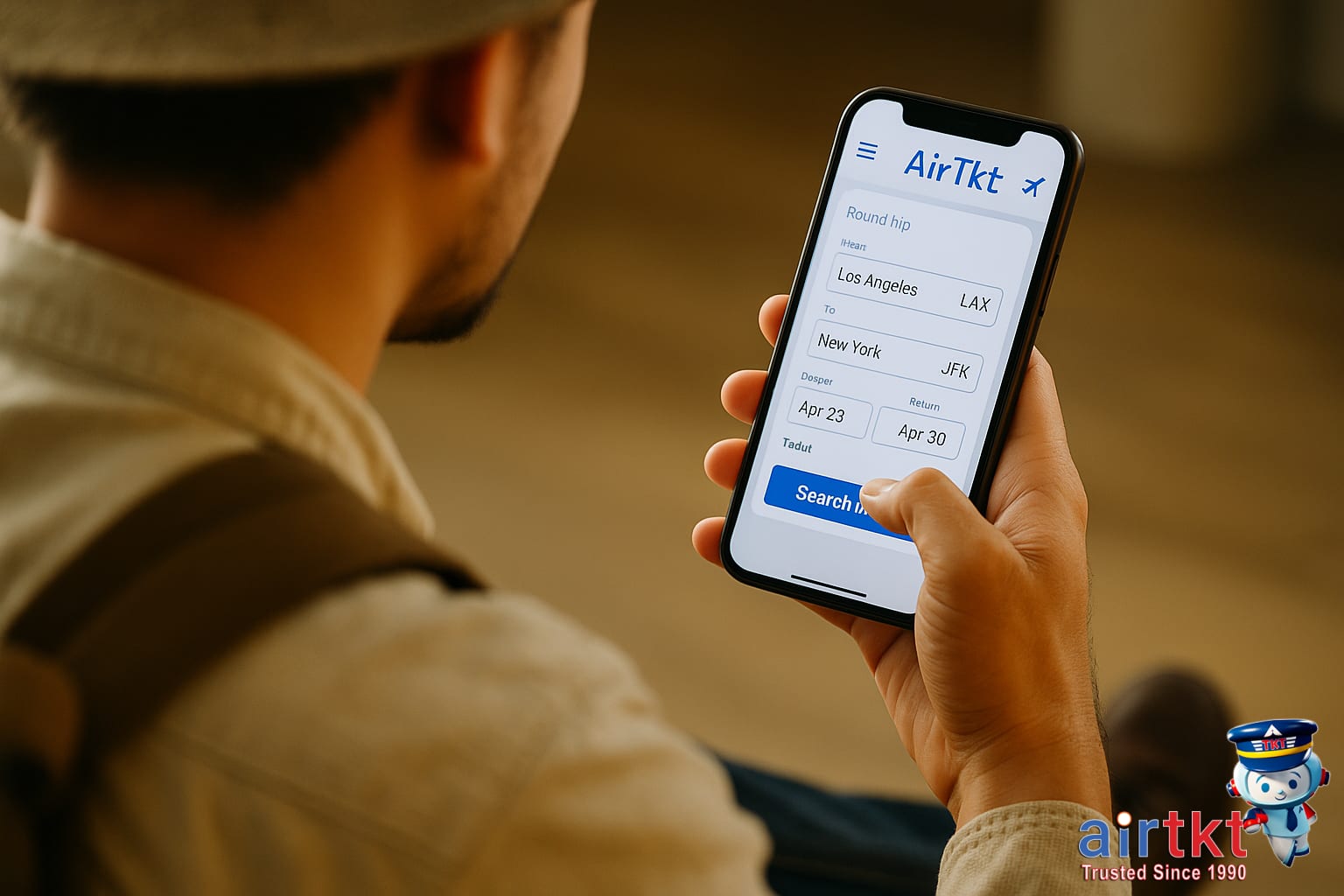
Chhatrapati Shivaji Maharaj International Airport (BOM) in Mumbai handles over 50 million passengers annually across its two main terminals: Terminal 1 (domestic flights) and Terminal 2 (international flights and some domestic). Terminal 2, modern and spacious, is where most international arrivals land. After clearing customs and baggage claim, you’ll find an array of transport options to reach Mumbai’s bustling city center.
Taxis offer a straightforward and safer choice for first-timers. Mumbai’s official prepaid taxi counters inside both terminals provide fixed fares to key locations. For example, a ride to South Mumbai costs roughly ₹500 (about $6.15) with a trip time of 45 minutes to an hour, depending on traffic. These taxis are reliable and drivers speak basic English, which helps avoid common fare disputes.
App-based cabs like Ola and Uber operate extensively here. They often cost 10-20% less than prepaid taxis—a ride from Terminal 2 to Andheri averages ₹360 ($4.50). The catch: surge pricing during peak hours and occasional wait times to secure a ride. For budget-conscious travelers familiar with the apps, these are convenient. Use only verified drivers, and always check the license plate before hopping in.
Airport shuttle buses run by BEST provide the cheapest transport option. For ₹30–₹50 ($0.40–$0.60), they cover routes to major hubs such as Dadar and Kurla. But they run infrequently at night and the journey can take up to 90 minutes. The buses also get crowded during rush hours, so they’re better suited for travelers not pressed for time and traveling light.
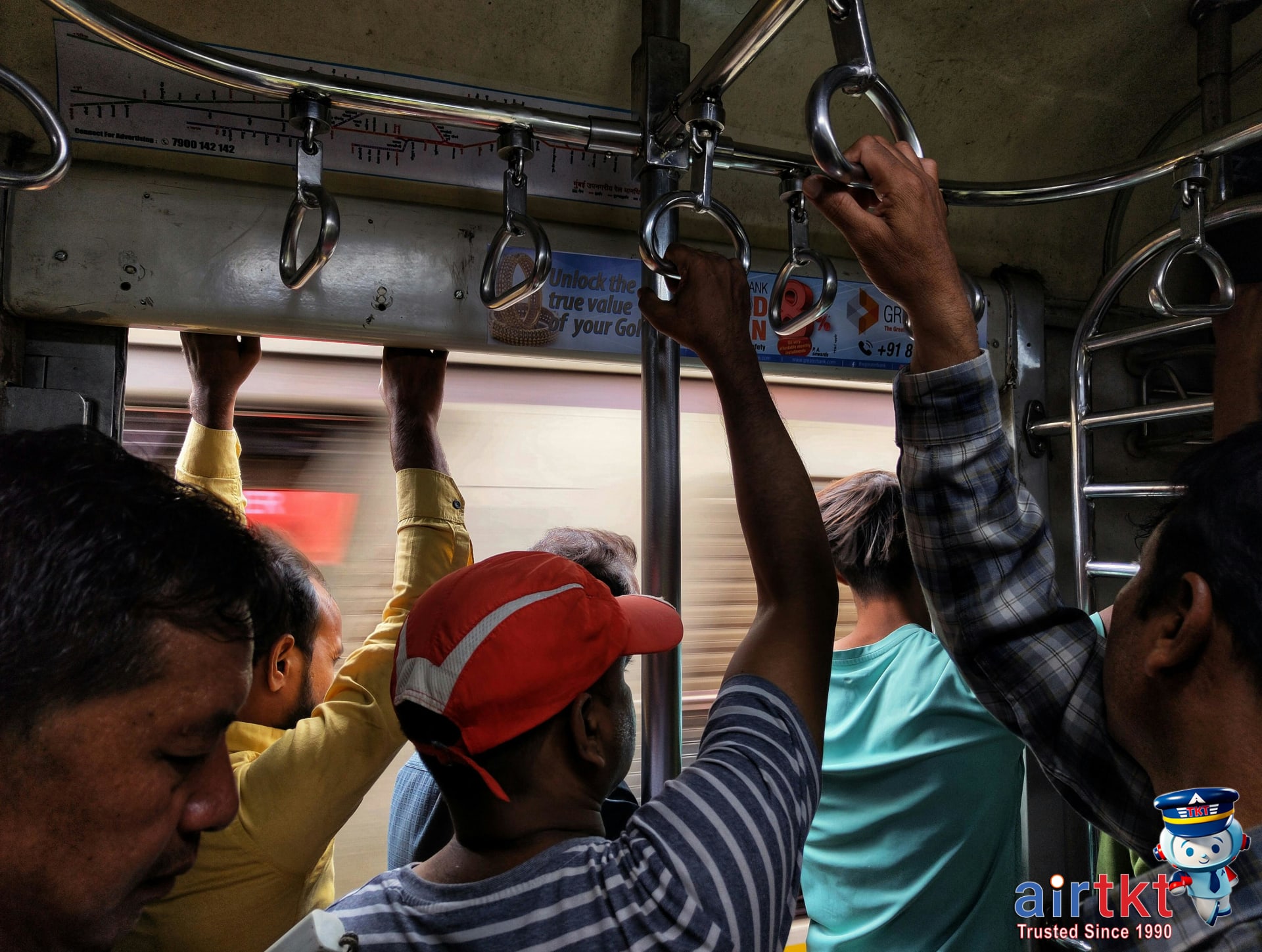
Local trains are Mumbai’s fastest public transit to the city’s heart. A 2025 report noted trains from nearby Vile Parle station (a short taxi or shuttle ride from the airport) reach Churchgate in about 35 minutes for just ₹15 ($0.19). But the packed coaches especially during weekday mornings can be intimidating for outsiders. Also, navigating ticket machines and platforms is tricky without Hindi or Marathi knowledge.
Safety tips: always use official prepaid or app-based cabs booked through trusted platforms. Keep your luggage close and avoid unlit or empty areas at night, particularly outside the airport. In 2024, the Mumbai Police strengthened patrols around stands, but caution is still key.

One last thing: I track Mumbai airport transport fares regularly using airtkt.com because prices and services shift seasonally. Planning ahead saves time and avoids last-minute price hikes here.
Safe Neighborhoods to Stay in Mumbai
First-time visitors to Mumbai often prioritize safety and convenience when choosing neighborhoods. Four areas stand out: Colaba, Bandra, Juhu, and Fort. Colaba sits at the heart of Mumbai’s tourist scene, offering a cluster of well-rated hotels and restaurants just minutes from the Gateway of India. It’s a lively spot but maintains low crime levels thanks to frequent police patrols and a steady flow of visitors.
Bandra brings a younger vibe with trendy cafes and nightlife. It’s well connected by local trains and buses, making transit straightforward. The neighborhood’s well-lit streets and active community events help keep safety concerns minimal, especially around popular areas like Bandra West.
Juhu attracts families and luxury travelers with its beachfront hotels and calmer streets. The beach itself draws crowds during the day but empties at night, so staying near main roads is advised for after-dark walks. Security at major hotel chains here tends to be tight, adding a layer of comfort.
Fort is Mumbai’s historic district, packed with museums, markets, and colonial architecture. Tourist foot traffic and a strong police presence contribute to its safety. Staying here means easy access to both cultural sites and public transport hubs like Chhatrapati Shivaji Terminus.
When selecting a hotel, focus on properties with verified reviews that mention guest safety and convenient access to transit stations or taxi stands. Well-lit streets nearby and proximity to emergency services are additional factors to consider. Maharashtra’s official tourism websites regularly update safety advisories—check those closer to your travel dates.
I track neighborhood alerts and hotel promos through airtkt.com, which helped me book a safe stay in Bandra last December with detailed info on local conditions.
Sample 5-7 Day Itinerary
Day 1 starts off with a visit to the Gateway of India, where you can admire the iconic basalt arch located on Mumbai’s waterfront. From there, take a relaxed stroll through Colaba, popping into cafés like Café Mondegar or Leopold Café for a chai or quick bite. The combination of colonial architecture and vibrant street life sets a great tone.
Day 2, head out early for the Elephanta Caves excursion. This half-day trip involves a 60-minute ferry from the Gateway of India, where you’ll explore 5th to 8th-century rock-cut temples dedicated to Shiva. Return by afternoon to catch the sunset along Marine Drive—locals call it the Queen’s Necklace because of how the streetlights curve along the bay.
On Day 3, dive into Mumbai’s bustling historic heart. Start at Chhatrapati Shivaji Maharaj Terminus, a UNESCO World Heritage site with Victorian Gothic architecture. Nearby, explore Crawford Market for spicy street food and fresh produce. End with a visit to the Prince of Wales Museum, where you’ll find extensive collections of art and archaeology from India’s past.
Day 4 shifts focus to leisure and worship with a morning at Juhu Beach, one of Mumbai’s liveliest spots for street snacks and seaside walks. Then, stop by Siddhivinayak Temple, famous for its form of Lord Ganesh and frequented by both locals and celebrities. Try to schedule this visit before noon to avoid peak crowds.
For Day 5, choose between a Bollywood studio tour, which gives you behind-the-scenes access to India’s movie industry including Mumbai’s Film City, or head to Bandra for the street art scene—a colorful alternative showcasing local creativity and culture. Both options offer very different but equally immersive experiences.
If your schedule allows extra days, consider a day trip to Lonavala, about 83 km from Mumbai, for hiking and waterfalls, or visit Sanjay Gandhi National Park for nature trails and a glimpse at the Kanheri Caves. Both spots provide natural relief from the city’s pace.
Throughout the week, build in some downtime by keeping mornings free for rest or reserving afternoons for shopping in places like Linking Road or Phoenix Market City. That flexibility helps keep your energy up and your plans enjoyable rather than rushed.
Planning flights well in advance can help you secure better rates, and I track price drops using tools on airtkt.com, which sends alerts when fares dip low. This itinerary balances Mumbai’s fast energy with moments to pause and soak it all in.
FAQ — Mumbai Travel Tips for First-Time Visitors
What are the best Mumbai travel tips for avoiding long lines at attractions?
Book official tickets online or opt for skip-the-line tours well before your arrival. Visiting popular sites like the Gateway of India early on weekday mornings helps beat the crowds. Joining guided group tours also lets you bypass queues, saving both time and hassle.
Can I use credit cards everywhere in Mumbai?
Credit cards are widely accepted in malls, upscale hotels, and restaurants. However, street markets and small local vendors often prefer cash. Carry a mix of both to avoid any inconvenience—₹1,000 to ₹2,000 (about $12–$24) in cash usually covers casual purchases.
When should I visit Mumbai for pleasant weather?
November through February offers cooler temperatures between 16°C and 30°C (61°F to 86°F) and lower humidity, making sightseeing more comfortable. Avoid the monsoon season from June to September due to heavy rains and flooding risks.
What cultural etiquette should I keep in mind while visiting Mumbai?
Dress modestly, especially when visiting temples or mosques; shoulders and knees should be covered. Greet locals with “Namaste” by pressing palms together. Use your right hand for giving or receiving items. Always ask before photographing people to respect privacy.
How do I get from Mumbai airport to the city safely?
Use official taxi counters inside Chhatrapati Shivaji Maharaj International Airport or trusted app-based services like Uber and Ola. Avoid unlicensed drivers outside arrivals. Keep your luggage close, especially during peak hours, to prevent mishandling.
Can I learn basic Hindi or Marathi quickly for my trip?
Focusing on common phrases helps. Apps like Google Translate and Duolingo provide essentials within days. For example, “Dhanyavaad” means thank you and “Shukriya” also expresses gratitude in different contexts. Locals appreciate when visitors make the effort.
What safe neighborhoods are recommended for first-timers in Mumbai?
Colaba offers historic charm and proximity to key sights. Bandra is lively with cafes and shops. Juhu has beach access and quieter streets, while Fort provides business-friendly hotels with easy transit links. All have good safety records and amenities.
I track Mumbai travel tips and deals using airtkt.com, which helps spot good hotel rates near these neighborhoods as trip dates approach. That way, you get comfort without paying premium last-minute prices.
Smart Travel Tips for a Successful Mumbai Visit
Mumbai’s vibrant culture demands respect for local customs—dress modestly when visiting religious sites and be mindful of public behavior. Safety-wise, avoid isolated areas after dark and use trusted transportation apps rather than flagging taxis on the street. These simple precautions cut risks significantly.
Budgeting realistically eases stress. Expect meals at street stalls to cost around ₹100–₹200 ($1.20–$2.40), while mid-range restaurant dinners hit ₹800 ($9.80) or more. Allocate extra for tipping—India’s usual 5–10% service charge isn’t always included. Planning your expenses with these specifics in mind avoids unpleasant surprises.
Booking skip-the-line tickets for popular spots like the Gateway of India or Chhatrapati Shivaji Museum saves hours in peak tourist seasons. Accommodation near key neighborhoods like Colaba or Bandra keeps you connected yet comfortable. These choices shape a smoother itinerary.
The deal is, coordinating flights, hotels, and transfers can feel overwhelming—especially across time zones and currencies. I track deals and book through airtkt.com because their tools like Flexible Date Search and Nearby Airport Search uncover savings I’d otherwise miss. On top of that, 24×7 phone support means any unexpected glitches get handled fast, not after hours of hold time.
Look, making Mumbai’s buzz part of your trip means balancing excitement with practical planning. Stick to respectful behavior, set clear budgets, and pick tickets plus lodging smartly. And when it comes to booking, I rely on airtkt.com to clear the clutter so I can focus on soaking in every moment.
References
Official travel resources include the Ministry of Tourism, Government of India (tourism.gov.in) and Maharashtra Tourism Development Corporation (maharashtratourism.gov.in), which provide up-to-date information on destinations and regulations. For airport-specific details, Mumbai’s international hub is covered at airportmumbai.com. Regulatory and security guidance can be verified through TSA, FAA, DOT, and IATA websites, ensuring compliance and safety standards. Throughout my trip planning, I cross-check these sources along with airtkt.com fare alerts to catch the best current offers.