

Why Explore Mexico’s Lesser-Known Towns

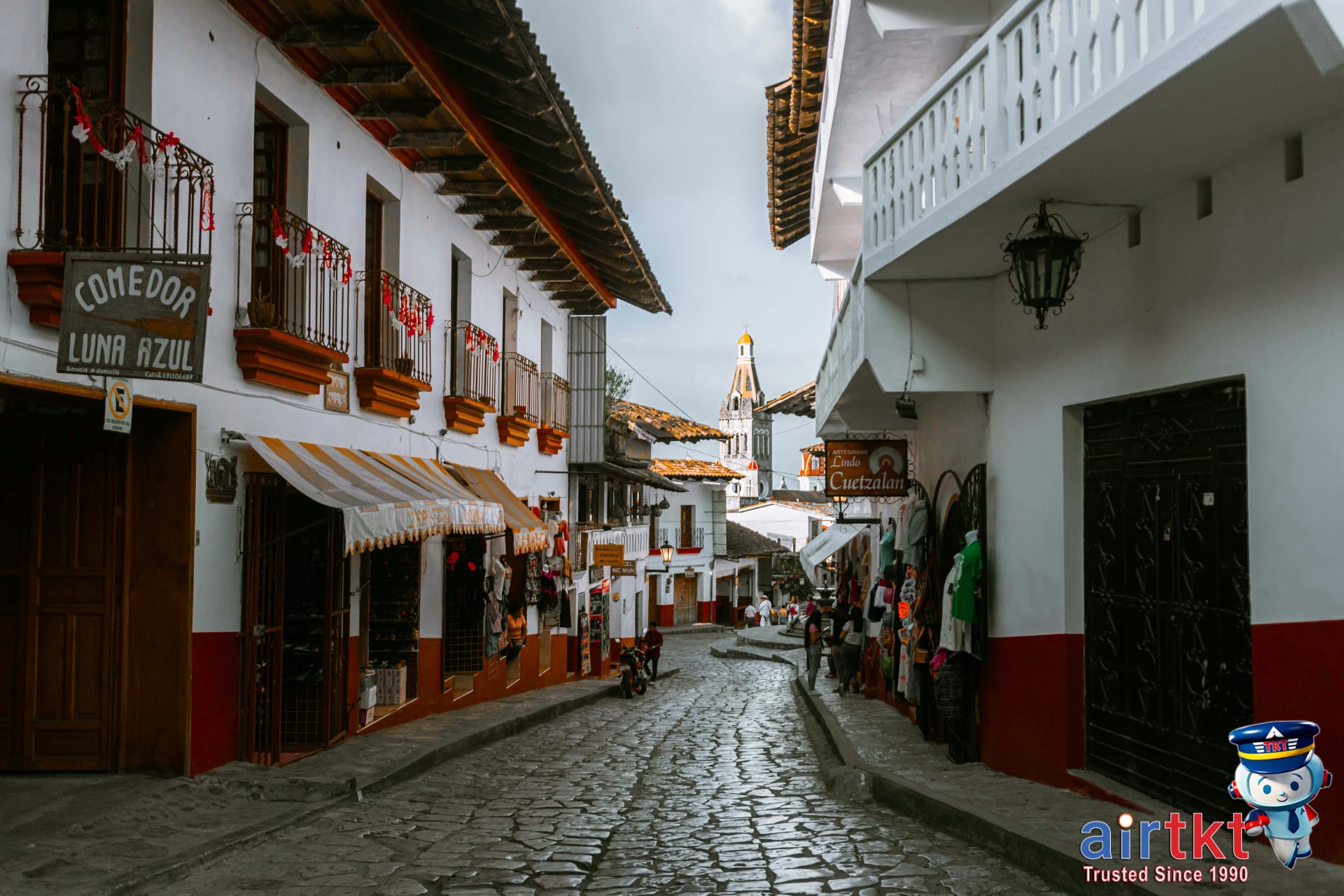
There’s a thrill that comes with wandering Mexico’s secret corners—the places most travelers drive right past or don’t even know exist. For me, discovering these lesser-known towns always feels like stumbling onto a personal treasure, especially when I see how everyday life unfolds well away from big-city hustle and tourist crowds.
What I love most about exploring off-the-beaten-path destinations is the depth of authenticity and welcome you receive. Without the usual bustle of souvenir shops and tour buses, locals have more time to chat, markets feel more genuine, and you’re more likely to find that family-owned restaurant where recipes have been handed down for generations. Choosing these hidden gems means each encounter feels more personal, and it’s easier to soak up the true flavor of Mexico’s diverse regions.
This article strikes a balance: I’ll showcase seven of my favorite under-the-radar destinations, with a mix of coastal villages where you might catch fishermen hauling in the day’s catch, as well as colonial mountain towns tucked among pine forests and old stone streets. Whether you’re chasing quiet beaches or cool mountain air, these spots offer deeper stories and richer memories than packed resorts ever could.
For more ways to craft your itinerary, you might want to check out the airtkt.com Mexico travel tips and flight deals—especially if you’re looking to reach these small towns efficiently.
How To Choose Offbeat Mexican Towns
For travelers seeking a taste of Mexico beyond the busy resorts and tourist-packed cities, choosing an “off the beaten path” town means focusing on a few specific qualities. I find that the feeling of discovery comes from a place with a smaller population, fewer international visitors, and a well-preserved sense of local culture. It’s not just about a town being less well-known; it’s about how it lives daily life on its own terms.
What Makes a Town “Offbeat”
Size and quietness matter. I typically look for small to medium-sized towns with lively local markets, friendly plazas, and daily rhythms undisturbed by large tour groups. The crowd level is a big indicator — if you rarely see souvenir stands or hear English advertised everywhere, you’re probably in the right place. Cultural authenticity stands out in local festivals, food stalls, crafts, and even how locals interact with you.
Getting There and Getting Around
Accessibility can be part of the adventure. Some offbeat towns are a short detour from regional hubs, while others require a long bus ride or arranging a local driver. I always recommend checking routes via main airports and then researching nearby alternatives. For example, the airtkt.com airport guide is a practical starting point for mapping out connections — sometimes, a slightly longer journey leads to a much quieter destination. Once you arrive, expect to walk or use local colectivos rather than rely on taxis or rideshares.
Timing, Customs, and My Personal Lesson
Timing matters more than many realize. The first time I visited a remote Sierra town, I arrived during a local holiday when streets were packed with families and vendors — a great experience, but not the peaceful trip I’d imagined. If you want solitude, aim for shoulder seasons when crowds are thinner. But planning around local festivals can make the trip vibrant, if you don’t mind the bustle. Always take time to understand local customs, greet people with respect, and dress to blend in rather than stand out. These gestures matter even more in small community settings.
Real de Catorce’s Colonial Charm
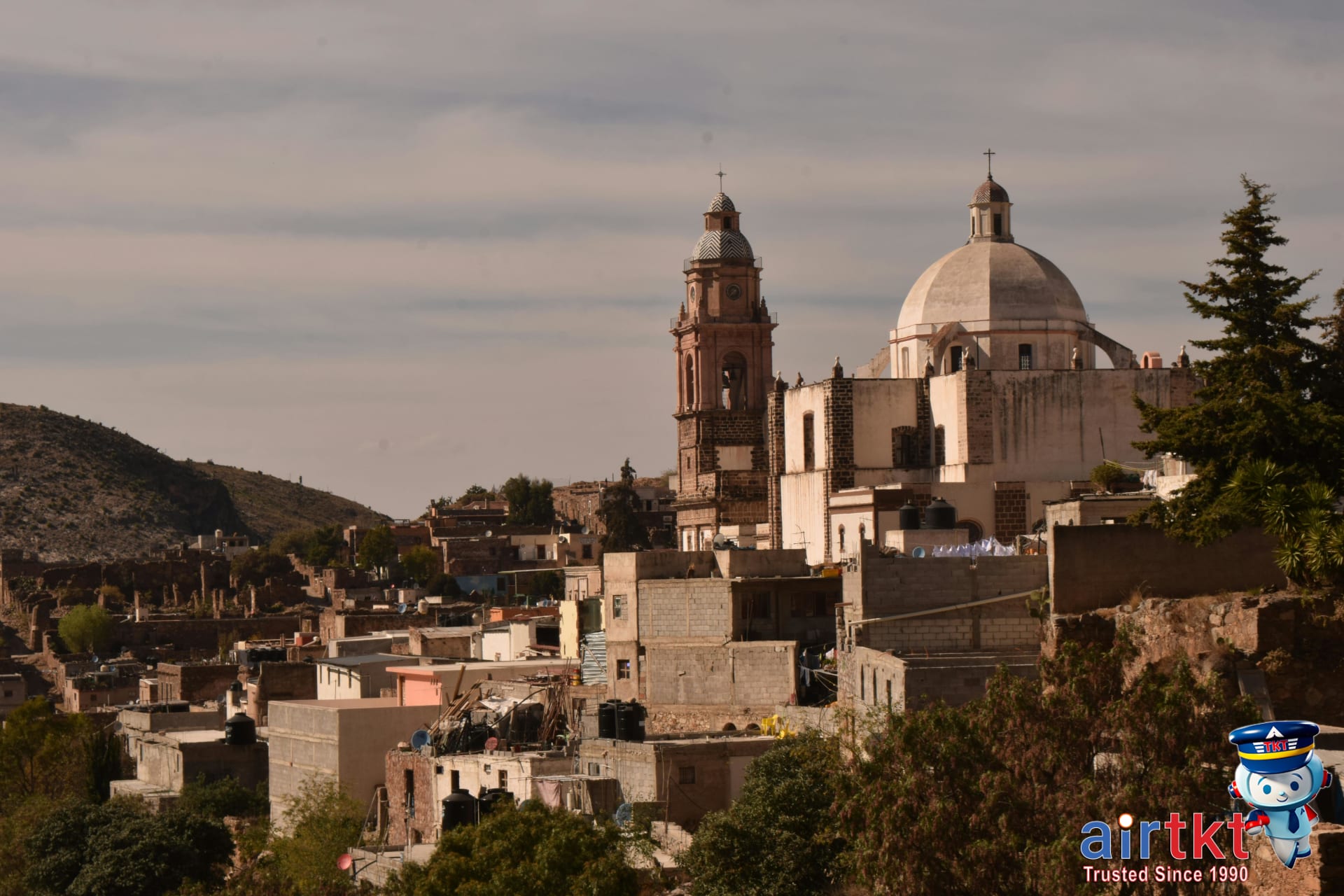
Set high in the mountains of San Luis Potosí, Real de Catorce feels like a living time capsule. The town’s story stretches back to the silver mining boom of the 18th century, and its narrow cobblestone streets, stone archways, and striking colonial facades have hardly changed. Strolling past the crumbling walls and sun-bleached plazas, it’s easy to sense the history etched into every building. The village centerpiece is the iconic Church of the Immaculate Conception, built in the late 1700s—with its elegant, pastel-hued towers rising over the marketplace below.
But Real de Catorce is more than just a beautifully preserved pueblo mágico—it’s also a place of deep spiritual resonance. Throughout the year, the town hosts vibrant pilgrimages, most notably the annual festival honoring Saint Francis of Assisi. Thousands make the journey, some by foot or horseback, filling the steep streets with music, dance, and color. For the indigenous Huichol people, the mountains around Real de Catorce are sacred lands; many still trek here for traditional ceremonies, seeking spiritual renewal in the semi-desert silence.
On my last visit, weaving through the maze-like alleys beside the church, I stumbled upon an artisan market where local makers displayed handwoven textiles, silver jewelry, and prayer amulets. The sound of distant bells and the scent of copal incense drifted on the breeze. Even surrounded by other travelers, I felt a peaceful hush lingering in the mountain air—an atmosphere that’s hard to capture unless you wander these streets yourself.
If you love uncovering Mexico’s colonial towns, you might also want to explore our guide to cultural experiences and historic pueblos across Mexico.
Barra de Navidad’s Seaside Serenity
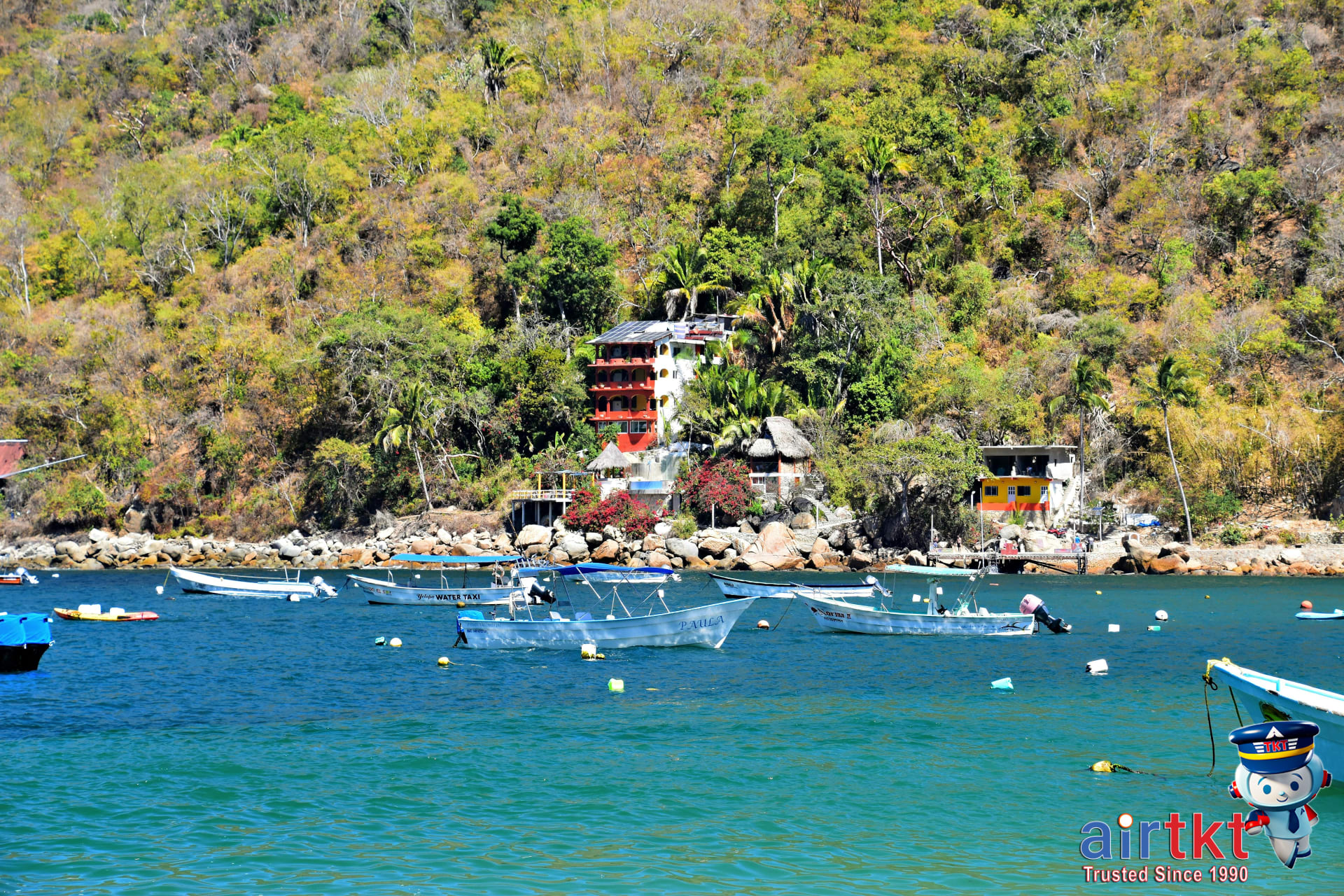
If you’re seeking a true escape from Mexico’s crowded beach resorts, Barra de Navidad feels like a secret waiting to be discovered. This fishing village quietly hugs the Pacific coast, where small wooden boats bob near pastel houses and locals chat along the tranquil waterfront. Unlike the bustling scene you’ll find at bigger destinations, the pace here invites you to slow down and soak up everyday moments—think sunrise walks on the malecón, or sipping coffee as fishermen haul in the morning’s catch.
Getting here is straightforward: Barra de Navidad sits roughly an hour northwest of Manzanillo’s airport, with taxi and private shuttle options for easy arrivals. If you’re exploring more of the coast, regional buses also connect you to other low-key towns. Once settled in, most of Barra’s village is walkable. Small water taxis known as pangas can ferry you across the lagoon or out to nearby Isla Navidad for a different view of the coast.
For me, one of the best mornings I spent here was leaning on the dock’s weathered railings, watching pelicans swoop while waiting for my plate of octopus ceviche at a neighborhood spot. Barra’s kitchens are known for fresh-caught seafood—don’t skip the camarones a la diabla (spicy shrimp). Boat tours weave through mangroves, and local markets make it easy to fill your afternoon with fresh fruit or handmade crafts. If you love authentic travel and want to enjoy the peaceful side of Mexican coastal life, you’ll be happy to linger here longer.
Barra de Navidad may not have the glamorous pull of some bigger beaches, but that’s exactly why it feels so refreshing. If you’d like to see how it fits alongside other laid-back escapes, airtkt.com has a useful roundup of Mexico beach destinations for planning your route.
Hidden Villages and Hiking Insights
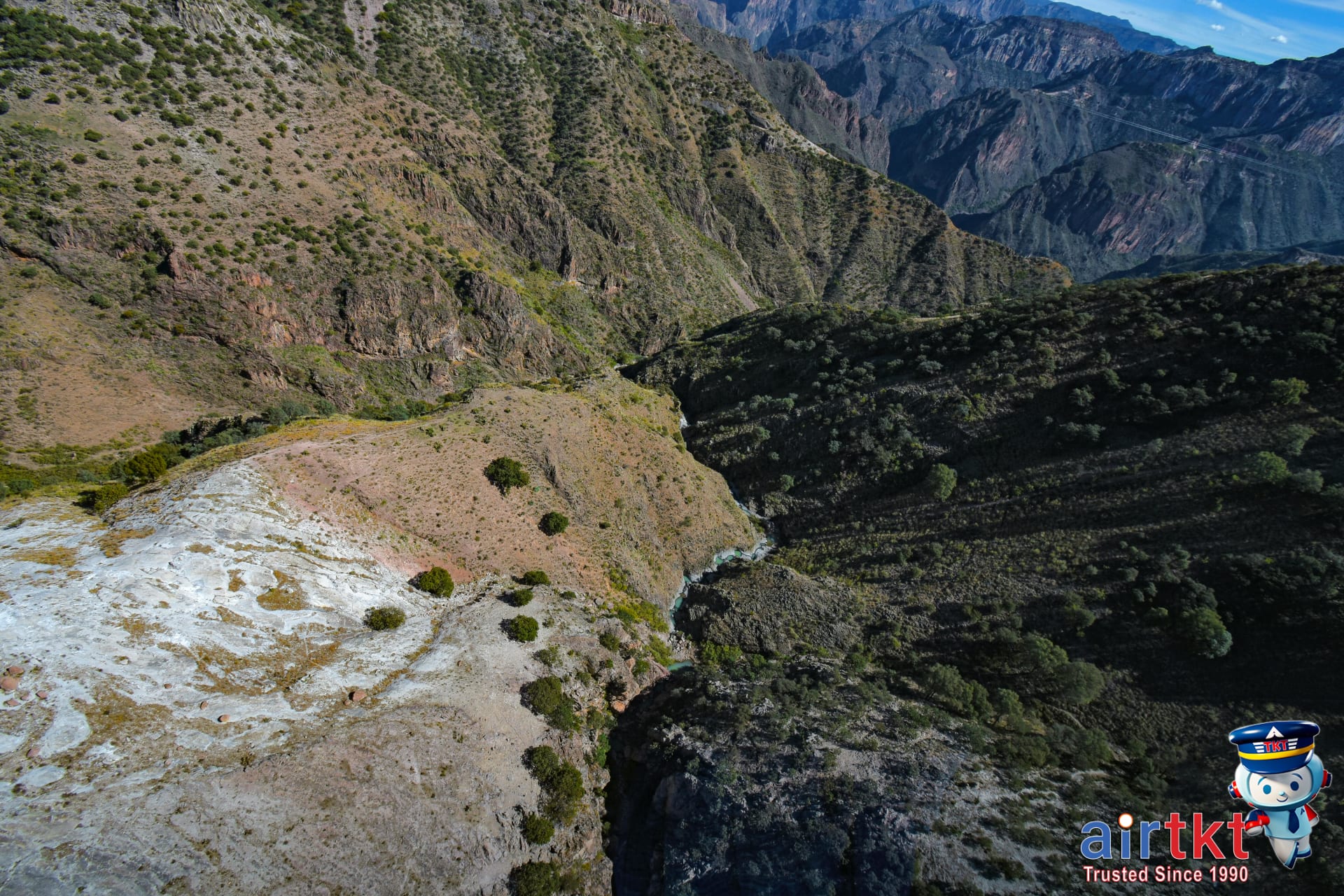
Copper Canyon’s vast network of lesser-visited villages is part of what makes the region so rewarding for adventurous travelers. Places like Batopilas, Urique, and Cerocahui feel truly set apart, surrounded by harshly beautiful cliffs and forested valleys that see very few large tour groups. I still remember standing at a remote lookout above Urique, simply watching Tarahumara children play along the canyon edge, with nothing but forest and cliffs in every direction. Moments like that highlight why exploring Copper Canyon’s villages is about more than the scenery—it’s about connecting with local culture and a slower, more grounded way of life.
The terrain here demands good preparation. Sturdy hiking boots, quick-drying clothes, sun protection, and plenty of water are essentials for any village trek. Many paths are steep, rocky, or dusty, and weather can shift quickly between sun, cool air, and passing rain. When I’m planning, I pack a map and a lightweight rain jacket even for short hikes. Simple posadas and family-run inns in the villages provide basic comforts—expect clean beds and hearty, local meals but few frills. For those interested in a deeper dive into hiking gear, it’s worth checking adventure travel resources (like the hiking recommendations on airtkt.com) before arriving.
Setting an itinerary isn’t difficult but does require thought—you’ll want to allow time for both trekking and village exploration. Early booking is a good idea, as the best small guesthouses fill up quickly during busy hiking seasons. If cultural immersion is a priority, be open to joining local guides or attending a festival if the timing works; you’ll get much more than a typical day-hike experience.
San Cristóbal’s Art and Culture

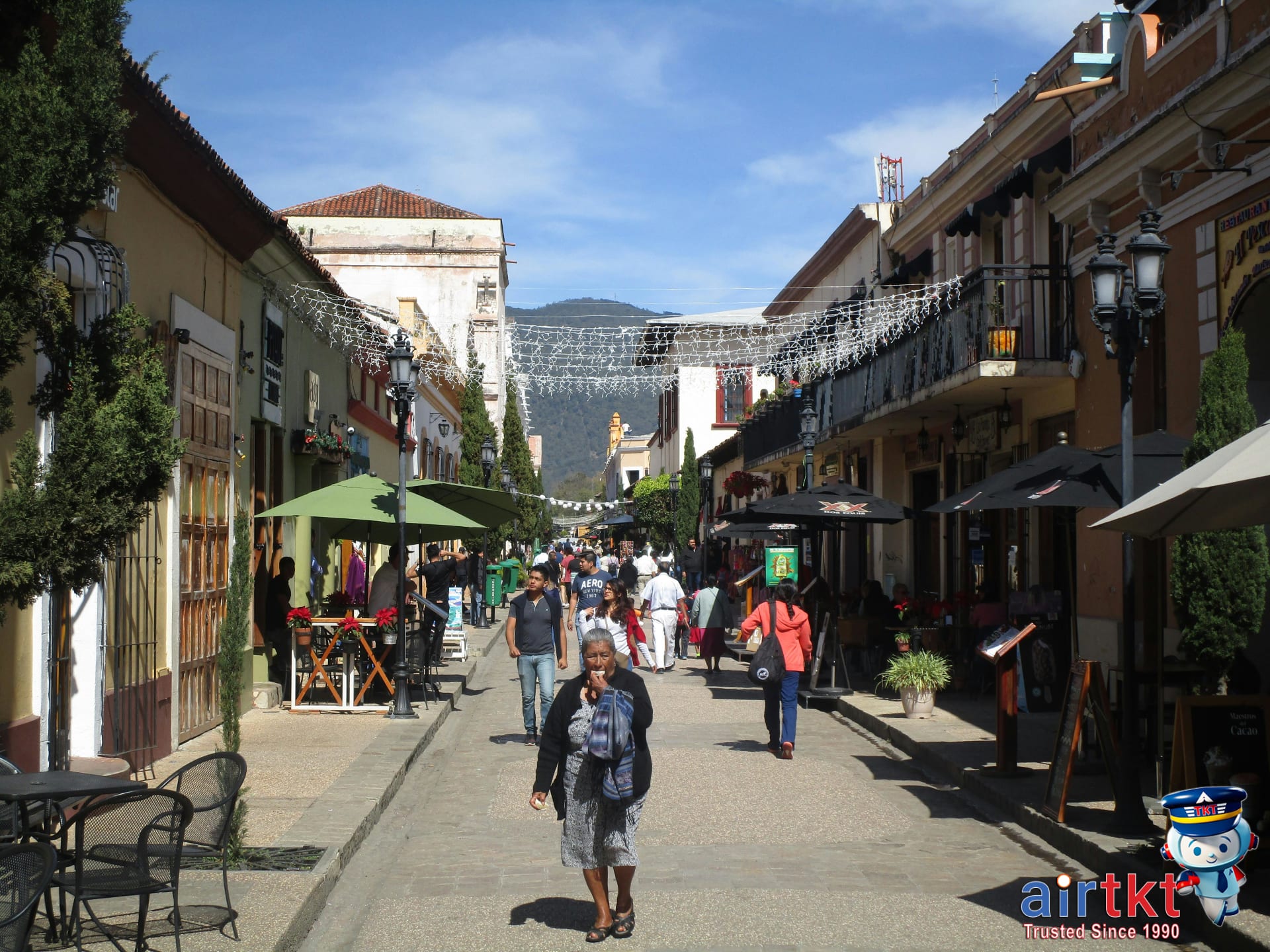
If you want to truly experience San Cristóbal de las Casas, start in its vibrant indigenous markets. Here, the streets come alive with a kaleidoscope of handwoven textiles, bright ceramics, and woodwork that showcase the skill of local artisans. Walking through these markets, I was drawn to the lively bargaining of vendors and the sheer variety of crafts—each piece telling a story of heritage that’s deeply rooted in the region’s indigenous communities.
San Cristóbal’s artistic spirit extends far beyond its markets. As I wandered through neighborhoods like El Cerrillo, I discovered workshops tucked behind historic facades, where master weavers and painters quietly went about their creative routines. It’s easy to be amazed by the intricate embroidery on display or the unique patterns in a simple huipil dress—it’s all an invitation to learn more about Chiapas’s distinctly Mayan roots.
For travelers wanting a deeper connection, local culture centers and small galleries often host rotating exhibits of contemporary and traditional art. You don’t have to travel alone either—there are airtkt.com and many reputable operators that offer Mexican cultural tours or guided visits to collectives, making it easier to engage meaningfully with the creative community.
Respectful Cultural Engagement
Respect goes a long way when exploring these cultural spaces. Always ask permission before photographing artisans or their work, and consider purchasing directly from creators when possible. Even small gestures, like learning “gracias” in a local language or listening with genuine interest, are appreciated. I’ve found that being thoughtful and curious opens doors—and leads to those unscripted moments of cultural exchange.
Valladolid’s Historic Charm Unveiled

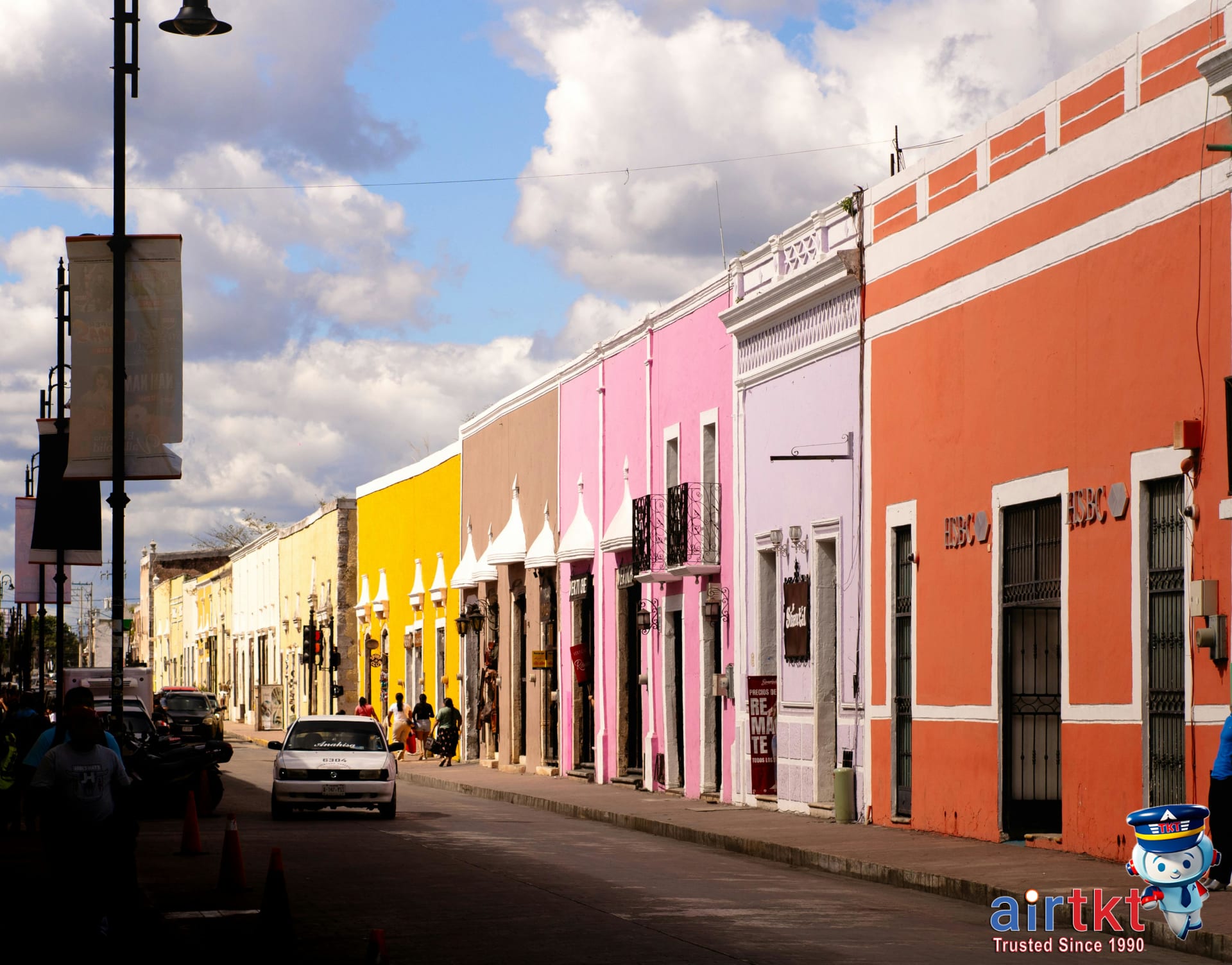
If you’re searching for classic Yucatan spirit, the heart of Valladolid delivers in spades. The central plaza, fringed by pastel colonial facades and grand shade trees, buzzes with daily life—children chasing pigeons, friendly vendors selling fresh fruit, and locals relaxing on iron benches. Strolling through this square, I always savor the lively rhythm, especially in the evenings when the soft yellow lighting adds magic to the historic architecture.
Valladolid’s charm isn’t just visual; it’s also a feast for the senses. Markets like Mercado Municipal offer a sensory overload—bright fruit stalls, bundles of tropical flowers, and the irresistible aroma of slow-roasted pork. My favorite moment here was sitting near the plaza with a plate of cochinita pibil tucked in homemade tortillas. For me, this achiote-spiced pork dish, rich and tangy, always feels like the most authentic taste of Yucatan. You’ll also want to try marquesitas (crispy filled crepes) from the night stands—locals flock here after dark.
Beyond the main square, Valladolid is a launch point for easy day trips. Swim in the deep blue waters of Cenote Suytun or Cenote X’keken, just a short taxi ride away, or take a half-day to explore the ancient Mayan sites at Ek’ Balam. If you’re piecing together a regional itinerary, airtkt.com offers Yucatan travel guides and cenote tours that make planning these side trips a breeze.
Troncones Beachside Tranquility Escape

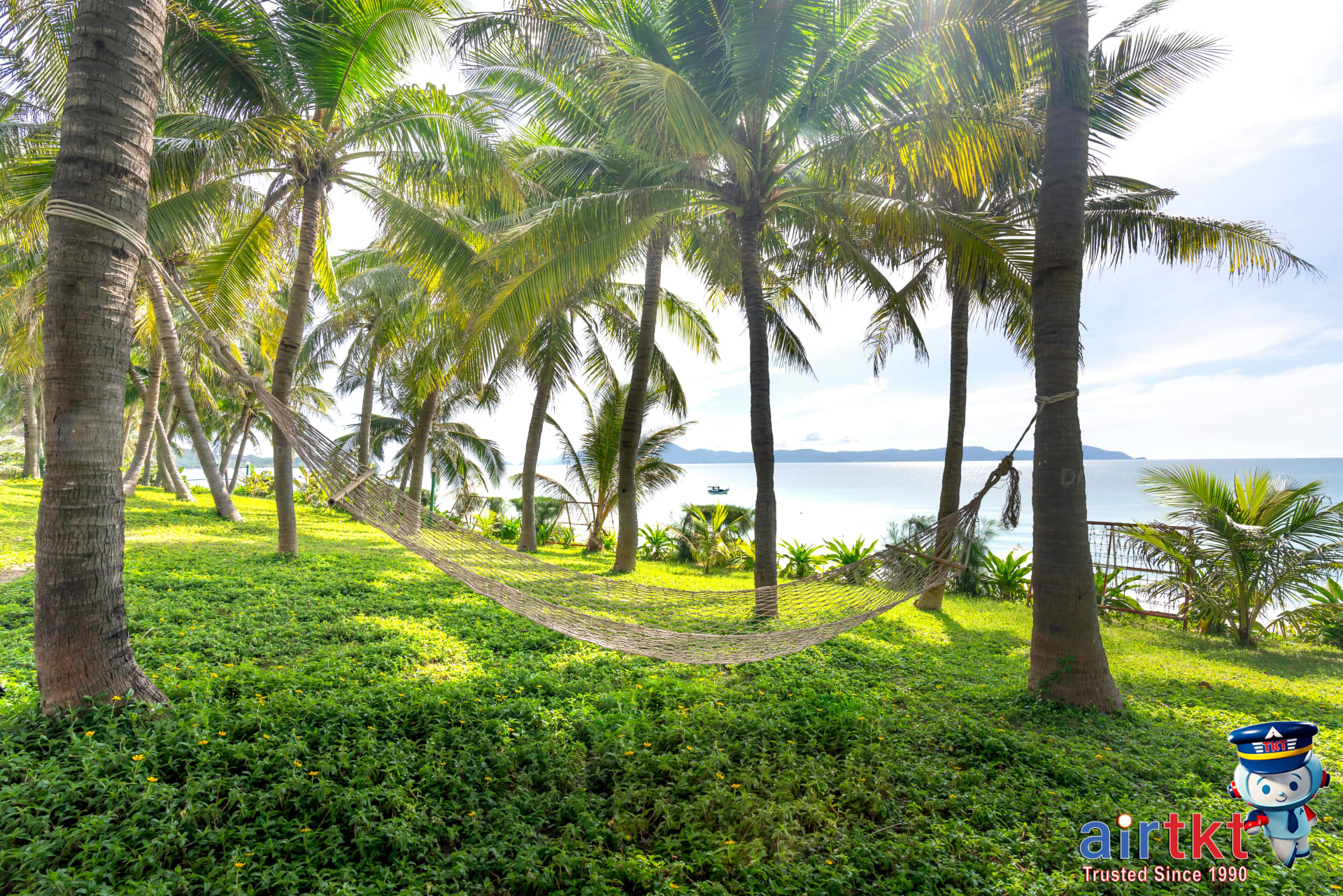
If you’re seeking a truly peaceful beach getaway, Troncones feels like a world apart from the crowded Riviera hotspots. Here, the entire coastline hums at an unhurried pace—just the sound of the surf, the occasional clink of a coconut, and vast stretches of sand where you can walk for ages without bumping into a line of tourists. When I think back to lying in a shaded hammock under the palms, salty breeze ruffling the pages of my book, it’s clear how far removed Troncones is from the busy resort scene.
What strikes many visitors immediately is the commitment to sustainability here. Small eco-lodges and beachfront bungalows tend to blend right into nature, rather than towering above it. You’ll notice many places use solar panels, offer composting, and are deliberate about minimizing waste—which makes it easy to travel responsibly just by choosing thoughtfully managed accommodation.
Eco-Friendly Places To Stay
Most lodging options in Troncones are independently run, from cozy cabanas to family-owned guesthouses. If you’re aiming to keep your impact light, look for places advertising low water usage, solar hot water, or clear recycling policies. I’d also advise asking about onsite wildlife protection or sea turtle conservation—some hosts actively support these programs.
Staying in destinations like Troncones reminds me that relaxing in nature comes with the responsibility of leaving it undisturbed. Bring biodegradable toiletries, avoid single-use plastics, and stick to marked beach paths to help preserve the delicate coastal ecosystems.
For travelers eager to balance relaxation with conscious choices, you can find more ideas in our Mexico sustainable travel guide or browse tips in our best Mexican beach escapes articles.
Budget Breakdown For Mexico Travel
Planning my trip to Mexico was so much easier once I put together a detailed budget for each part of my journey. By mapping out my costs ahead of time, I avoided those last-minute surprises that can easily derail travel plans. Having a clear sense of what I could comfortably spend on accommodation, food, transport, and activities helped me tailor my itinerary to fit my priorities, whether that was saving on meals or splurging on a memorable tour.
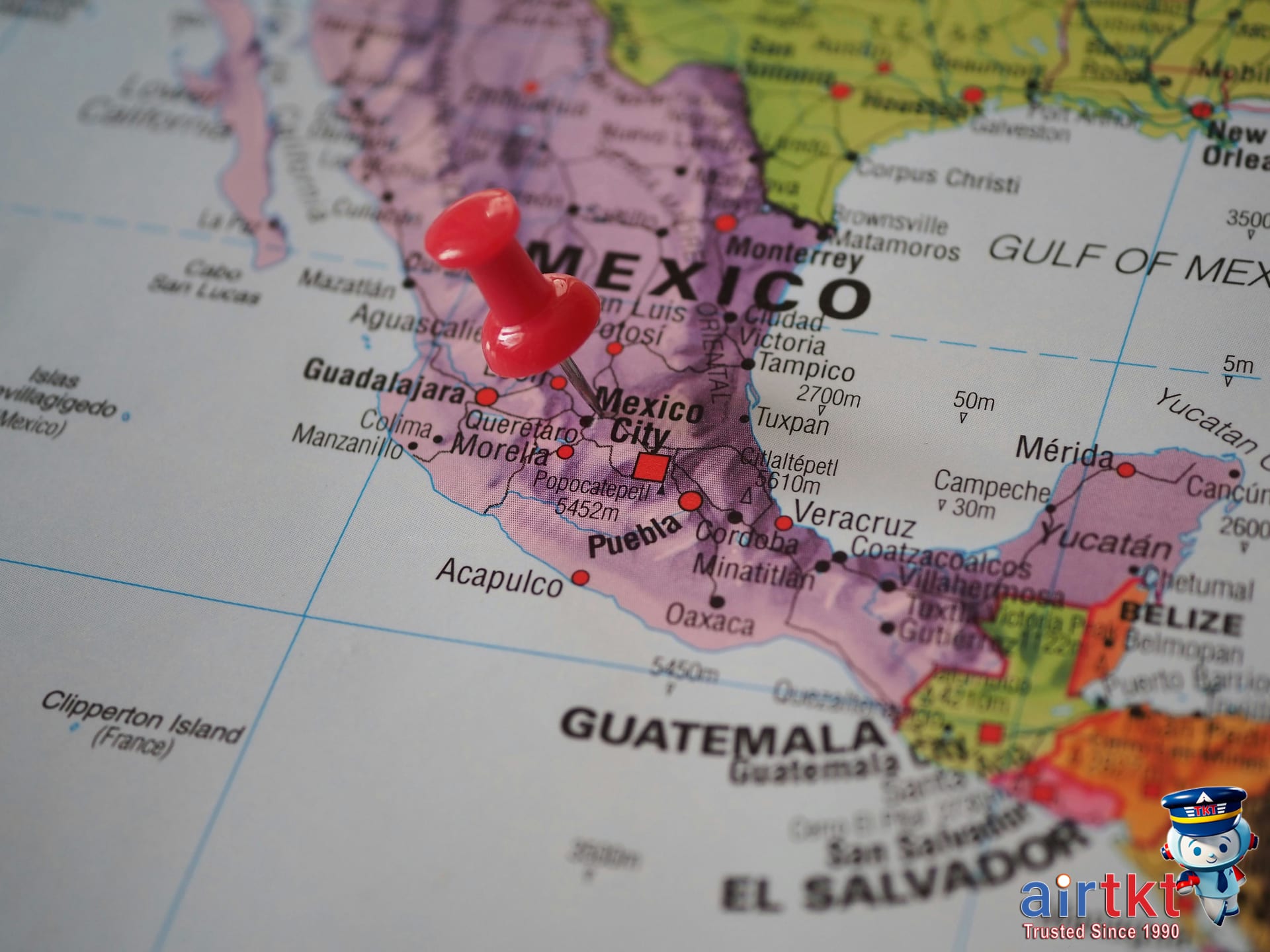
Below is a simple table outlining representative daily costs for three common budget levels. I’ve found that using set values, instead of ranges or vague estimates, gives you a realistic starting point for planning—and makes it easy to see where you might want to adjust.
| Budget | Mid-range | Luxury | |
|---|---|---|---|
| Accommodation | $25.00 | $80.00 | $200.00 |
| Food | $10.00 | $35.00 | $80.00 |
| Transport | $8.00 | $25.00 | $60.00 |
| Activities | $10.00 | $30.00 | $75.00 |
Sticking with these budget categories gave me the flexibility to decide where I wanted to spend a little more and where I was happy to keep it simple. If you’re booking flights, I’d recommend starting with airtkt.com—their flexible search tools really helped me spot the best airfare for my schedule.
FAQs About Offbeat Mexican Towns
- What are the best off the beaten path towns in Mexico?
Some of the most captivating offbeat Mexican towns include Real de Catorce for mountain desert vibes, Valladolid for colonial charm, and Bacalar for its unique lagoon. Each spot offers a distinct local culture and quieter atmosphere away from larger tourist crowds. I usually suggest researching access options since remote towns can be tricky to reach.
- How accessible are these hidden Mexican towns?
Accessibility varies greatly. Some offbeat Mexican towns are reachable by regular public buses, while others may require renting a car or taking smaller regional transportation. I’d compare routes in advance—especially if your itinerary includes places with limited bus service or rougher road conditions, which can impact timing and comfort considerably.
- Are offbeat Mexican towns safe for travelers?
Most offbeat Mexican towns are generally safe, but conditions can change. Always review current travel advisories and talk with locals or recent visitors when possible. While I found people welcoming, taking standard precautions and keeping an eye on official advice will help you travel smoothly and feel more at ease when planning your route.
- What’s the best time of year to visit off the beaten path towns?
Visiting during the dry season—usually November to April—tends to offer the best weather, fewer mosquitos, and easier road conditions. Festivals and local holidays add vibrant culture but can also mean more crowds. I’d check the specific event calendars for your town of interest, as celebrations really transform the mood and experience.
- Any cultural etiquette tips for visiting offbeat Mexican towns?
Smaller towns often appreciate a respectful approach: greet shopkeepers, learn a few basic Spanish phrases, and dress more modestly than you might at a beach resort. Supporting local businesses is hugely valued. I always try to ask before taking photos of people or events—courtesy goes a long way in rural communities.
- How do I find up-to-date travel information on specific towns?
For the latest info, consult local tourism boards and online maps, and check for recent government travel advisories—especially if road access changes due to weather. If you book with airtkt.com, their Mexico travel resources and customer support can answer logistical questions and help with unexpected changes.
Reflecting On Mexico’s Hidden Treasures
Traveling through Mexico’s lesser-known towns gave me a whole new perspective on what makes this country so unforgettable. It’s not just about beaches or popular resorts—the authenticity, the welcoming locals, and the quiet beauty you find off the main tourist track are just as rewarding. Taking the time to wander these less crowded places brought unexpected flavors, local crafts, and genuine connection that you simply don’t always get in bigger cities.
If you’ve only seen the well-known corners of Mexico, I’d encourage widening your search next time. Whether it’s cobblestoned plazas or quiet mountain villages, being open to the path less taken can turn a routine trip into an experience you’ll talk about for years. Even a day or two in a small town can shift your view of the country’s culture and history. For more inspiration on where to go and how to get there, check out the Mexico travel ideas on airtkt.com—it’s a good place to start planning your next adventure.
For me, it was the moments in Mexico’s hidden gems—like chatting with local artisans or sampling market food—that made my trip truly memorable. I hope your journey brings the same kind of surprises.