

Discovering the Outer Banks’ Unique Allure

Stretching along North Carolina’s coast, the Outer Banks are a ribbon of barrier islands that feel like a world all their own. It’s the wild charm here that really stands out—a windswept mix of rolling dunes, untouched sandy beaches, and salty air that drifts in from the Atlantic. I’ve always been drawn to the Outer Banks for that blend of raw natural beauty and easygoing vibes you won’t find in busier shore spots.
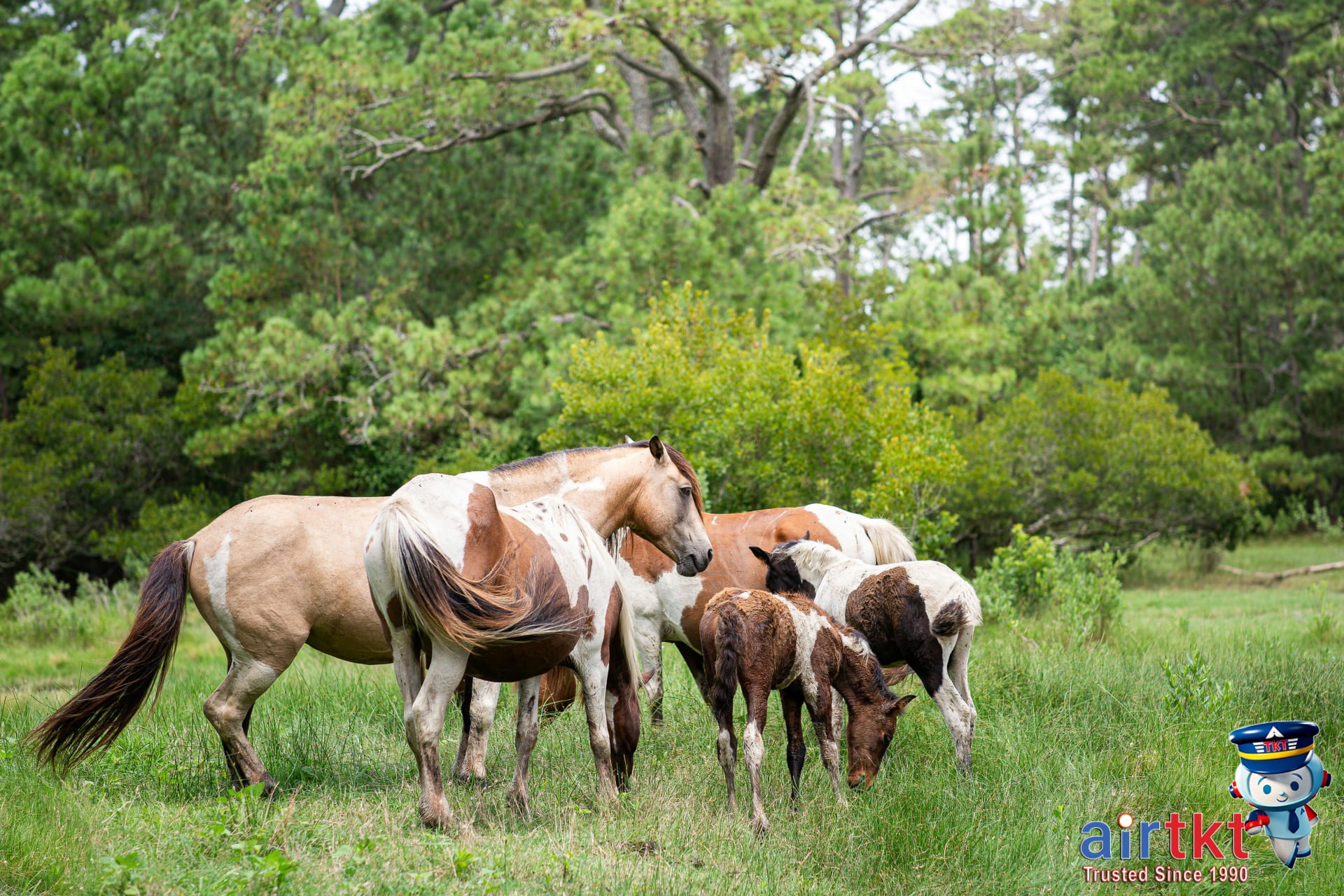
The area’s icons are as legendary as the landscape itself. Wild Spanish mustangs roam freely, moving through marshes and along the shore with a rugged grace that makes you do a double take. The lighthouses—like Cape Hatteras, Bodie Island, and Currituck Beach—rise up over remote stretches, each with its own storied past and astonishing ocean views. And perhaps best of all, the beaches themselves are often blissfully uncrowded, giving you space to simply relax, beachcomb, or watch the sunrise without a crowd at your back.
Whether you’re here to spot wild horses, climb a historic lighthouse, or just enjoy tranquil surf, the Outer Banks invite you to slow down and reconnect with nature. Ready to start planning your escape? If you’re checking flight options, I recommend searching for fares to North Carolina’s coastal airports—booking directly though airtkt.com can help you compare nearby arrivals for the best convenience and savings.
Discovering the Wild Horses
The wild horses of the Outer Banks are more than just a highlight for visitors—they’re a living link to the region’s layered history. These herds, found primarily in places like Corolla and Ocracoke, descend from Spanish mustangs brought centuries ago by explorers. Over time, they’ve adapted to barrier island life, becoming an enduring symbol of resilience and independence.
Today, spotting wild horses roaming the shoreline is an experience rooted in tradition and awe. Local communities regard these horses as a vital part of the Outer Banks’ cultural identity, which is why their protection is carefully managed by groups such as the Corolla Wild Horse Fund. When I visited, watching these wild horses roam freely felt like stepping back in time—it’s a quiet reminder that some wild magic still exists on our coasts.
If you want to see the wild horses, early mornings or late afternoons are typically the best times. The light is softer, the beaches are quieter, and the horses are more likely to make an appearance. You’ll have your best chances near undeveloped dunes in the four-wheel-drive areas north of Corolla or the secluded beaches of Ocracoke. Just remember: responsible viewing matters. Always keep a respectful distance (at least fifty feet), avoid feeding or approaching the animals, and stay on designated pathways to help preserve their environment. Conservation groups like the Corolla Wild Horse Fund regularly share updates and additional tips for those hoping to enjoy these special encounters responsibly.
For travelers eager to dive further into the Outer Banks’ wild side, you might also like our in-depth nature travel guides, which spotlight even more ways to connect with the local environment beyond the beaches.
Visiting Iconic Outer Banks Lighthouses
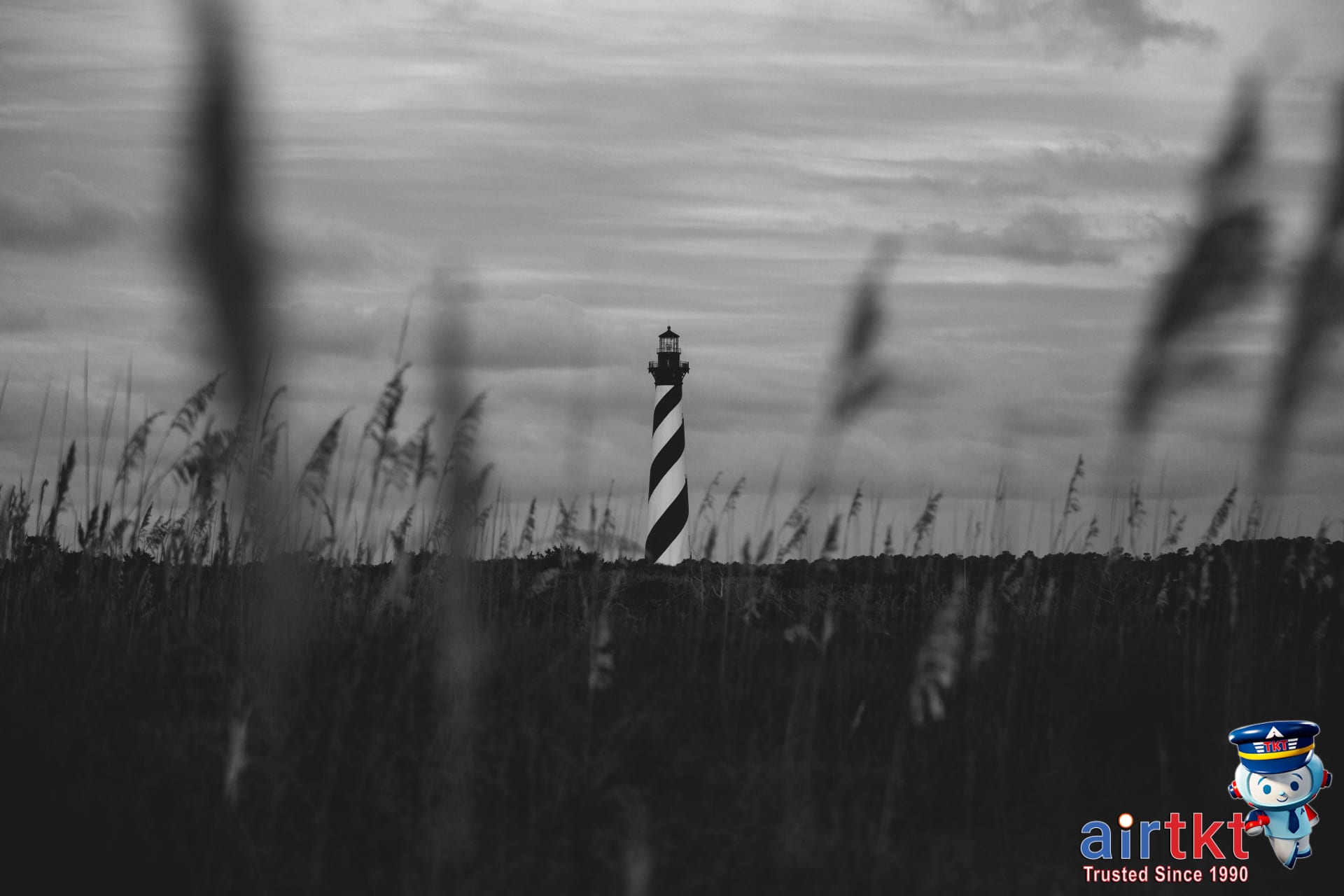
The Outer Banks’ lighthouses are more than just eye-catching landmarks—they’ve been guiding sailors along North Carolina’s shifting coastlines for generations. The Cape Hatteras Lighthouse, probably the most photographed of all, dates back to the 19th century and was famously moved inland to protect it from erosion. Its distinctive black-and-white spiral pattern is instantly recognizable, and the climb to the top is worth every step. Climbing the Cape Hatteras Lighthouse gave me stunning views of the coastline stretching for miles.
Cape Hatteras and Roanoke Island
The Cape Hatteras Lighthouse is open for seasonal climbing tours, but keep in mind that there can be restrictions based on weather or maintenance. The lighthouse stands at about 198 feet, and visitors do need to tackle over 250 steps. If you’re considering making the climb, bring water and wear comfortable shoes—it can be a serious workout. At the top, you’re rewarded with panoramic vistas of sandy shores, winding inlets, and even the narrow stretches of highway below. For those who prefer to stay grounded, the best photos of this striped tower are from the open grounds to the south, where you can capture both the lighthouse and the dunes in one shot.
Roanoke Island Lighthouse (also called the Roanoke Marshes Lighthouse) offers a different experience entirely. Much smaller and built on pilings over the bay in Manteo, it has a museum-like, accessible interior. While you can’t climb it like Cape Hatteras, the boardwalk view—especially at sunset—makes it a prime photo spot. The exhibition inside also dives into local maritime history, making it a worthwhile stop for anyone interested in heritage.
If you’re planning to see more along the coast, I’d recommend checking out our North Carolina coastal attractions guide for trip ideas beyond the lighthouses. Lighthouses are best enjoyed at quieter times in the early morning or late afternoon, when the crowds thin and the light is ideal for photography.
Finding Peace On Outer Banks Beaches

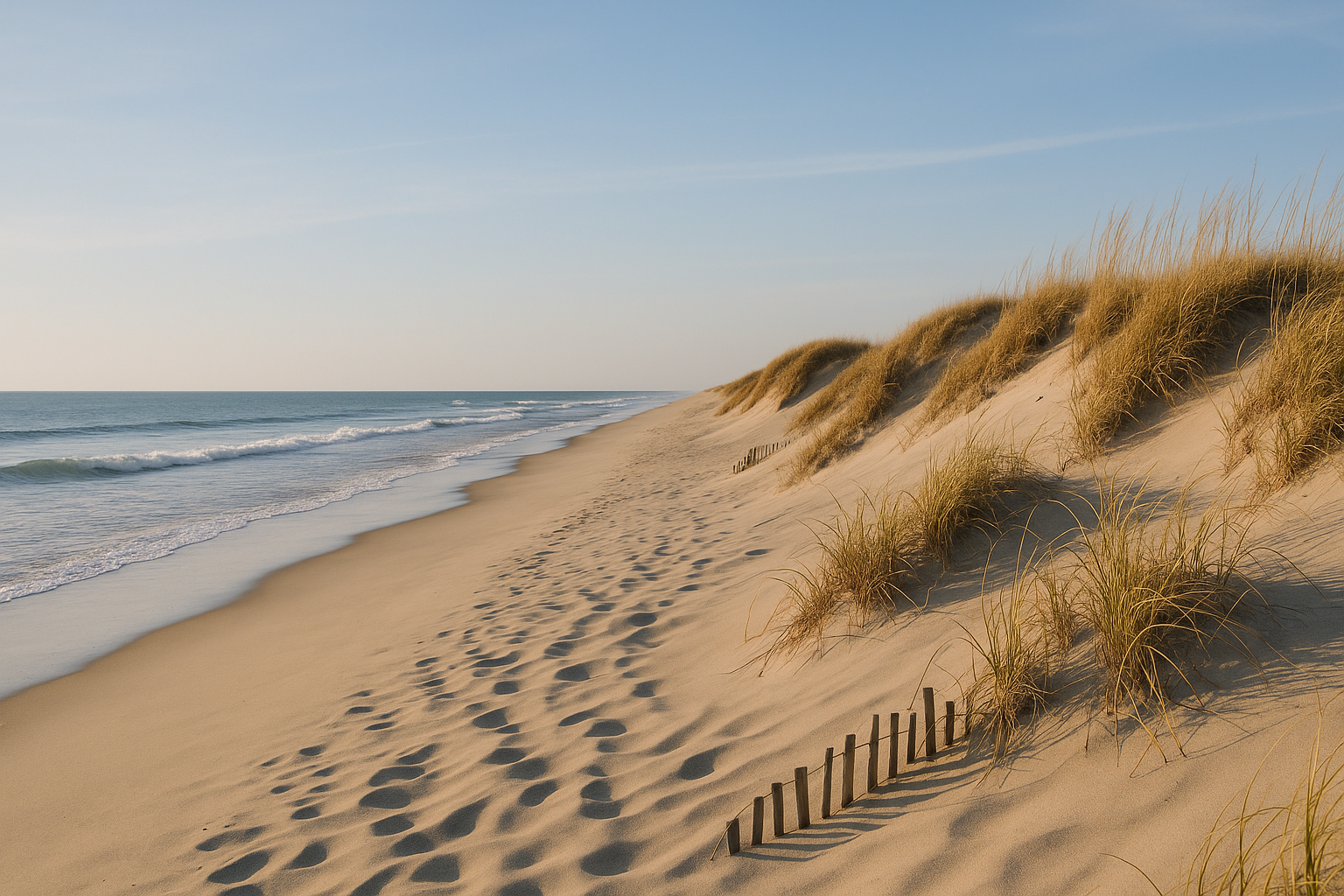
There’s something instantly calming about stepping onto an Outer Banks beach early in the morning. The shore stretches endlessly, dotted with soft dunes and sea oats waving in a gentle Atlantic breeze. If you crave a tranquil escape from crowds and resort-heavy coastlines, these beaches offer true breathing room. I found my perfect quiet spot along miles of sandy shores, listening to the surf with only a few seabirds for company.
The best part is how easy it is to carve out your own slice of solitude, especially if you plan your visit well. Early mornings are nearly always peaceful, with sunrise colors reflecting off untouched sand. Weekdays outside of peak summer bring even more serenity, leaving plenty of space to unwind without laid-back beachgoers nearby. Bring a good book, a beach chair, and let the waves do their work.
Wide public access points dot the coast, whether you’re near Corolla or further down by Hatteras. Some stretches—like those in Cape Hatteras National Seashore—feel almost endless and wild. If you love birding or beachcombing, these sparsely populated spots are a quiet paradise. Before you head out, double check a local beach packing list so you don’t miss anything essential for a day of relaxation.
Best Stays and Seafood Restaurants
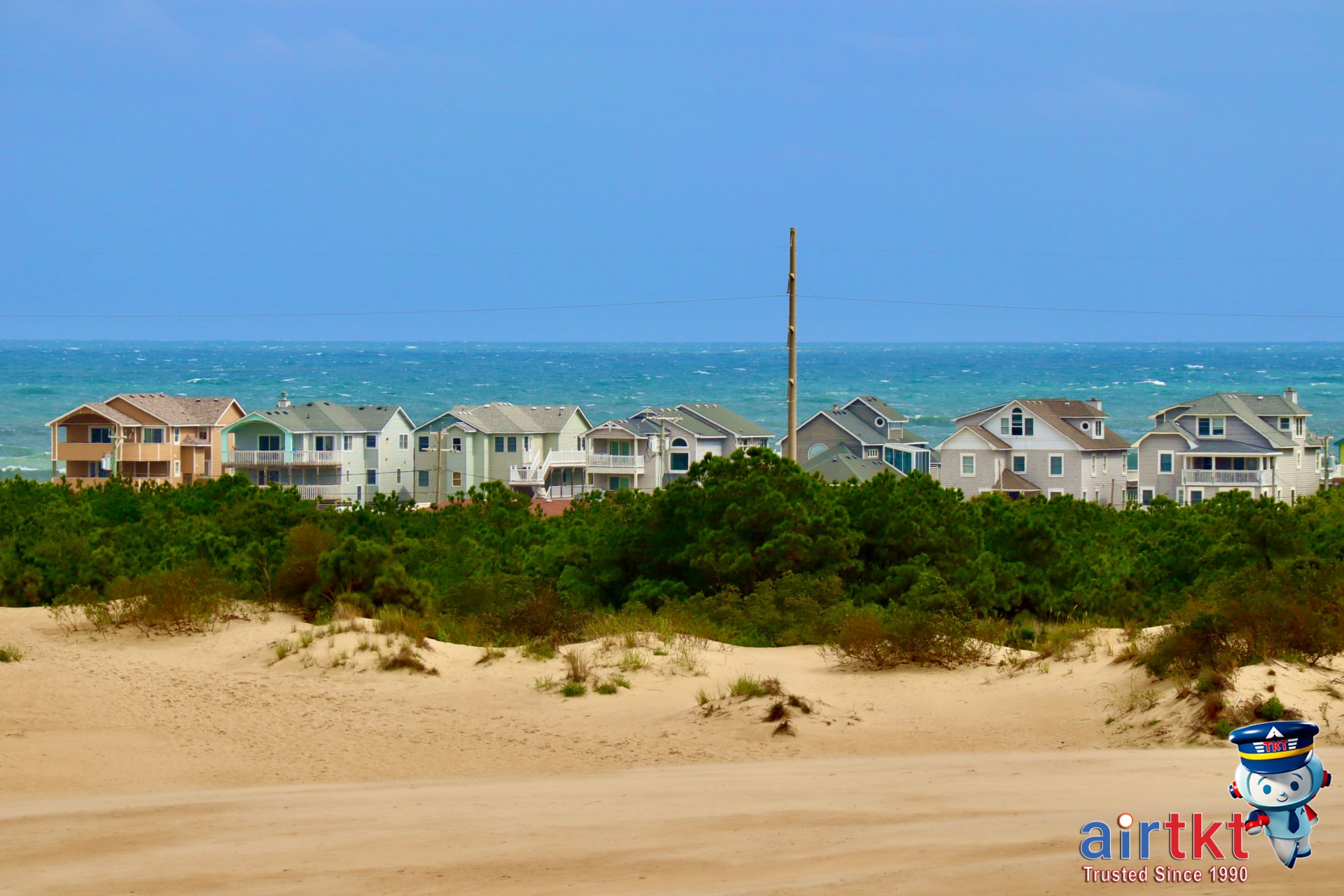
The Outer Banks’ charm really shines through its diverse lodging and dining. From classic waterfront cottages with wraparound porches to intimate family-owned inns, there are plenty of inviting options to make your trip special. Staying in a beach cottage made my trip cozy and unforgettable; nothing beats sipping coffee while watching sunrise from a private deck just steps from the sand.
For those who crave a homier feel, look for small inns and B&Bs tucked into coastal villages—many offer hearty breakfasts and locally-inspired décor. Larger, full-service hotels are also available, but I find the local spots bring out the spirit of the region, especially if you’re hoping for a true Outer Banks experience. If you’re ready to book, the airtkt.com hotel search brings up a mix of trusted properties and hidden gems for every taste and budget.
Seafood and Local Eats
Dining here is all about celebrating fresh Atlantic catch. Local favorites like shrimp and grits, crab cakes, and expertly grilled tuna are served in everything from casual fish shacks to family-run bistros. I usually recommend the dockside restaurants in Manteo or Avon, where the seafood practically comes straight off the boat to your plate.
Try a classic Outer Banks clam chowder or a seafood boil loaded with blue crabs and sweet local corn—these dishes are the heart of the area’s culinary scene. Don’t miss bakeries for homemade pies, or quaint cafés for breakfast with locally roasted coffee. There’s genuine variety for every palate, whether you crave upscale dining or an unfussy sandwich with a view of the dunes.
Popular Outdoor Activities Near Outer Banks
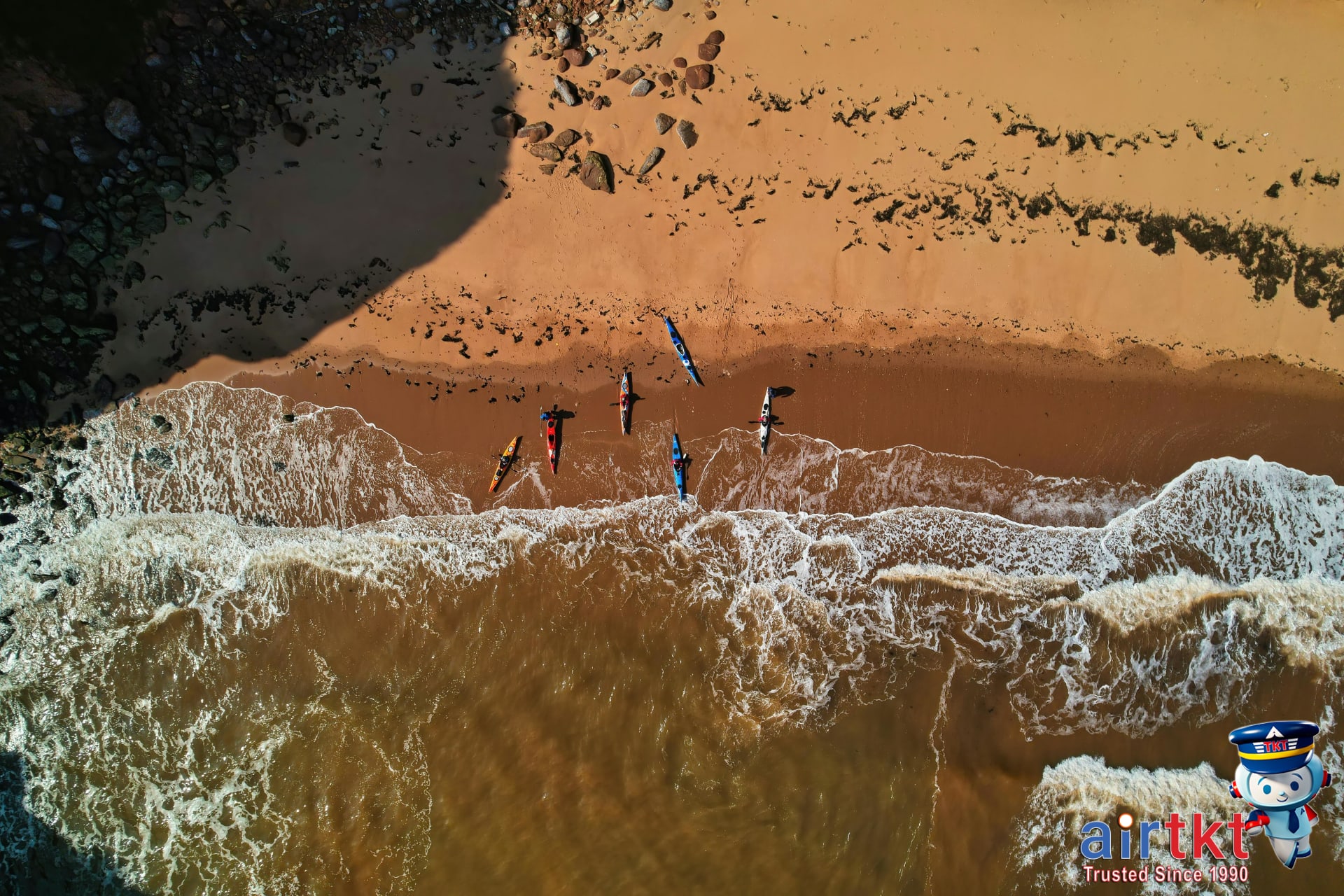
The Outer Banks has so much more to offer than just relaxing on the sand. If you’re looking for a break from sunbathing, you’ll find some truly inviting outdoor adventures here. Kayaking along the shore was a highlight of my adventure—paddling through calm waters, I could spot fish darting below and watch shorebirds overhead. There are plenty of gentle creeks and estuaries that make this area friendly even for beginners, and local outfitters often provide all the equipment you’ll need.
Fishing is also a huge draw, with popular local piers and soundside spots that are especially well-suited for families. Many captains offer half-day or full-day fishing charters, which can be a low-pressure way to learn the ropes or just spend time together outdoors. Some piers have rental gear available, so you don’t need to bring your own.
Birdwatchers will appreciate that the Outer Banks is a haven for migratory and coastal birds—Pea Island National Wildlife Refuge is a favorite for guided walks and photography outings. If you’re drawn to the water but less keen to paddle or fish, guided dolphin cruises and eco-tours are regularly available, giving families of all ages something to enjoy.
Most of these activities can be booked with local tour providers in the Outer Banks, or you can reserve ahead online through adventure travel platforms. For updated details on what’s on offer—like seasonal kayak tours or current fishing charter options—you can check dedicated Outer Banks activity booking pages or browse adventure travel posts for tailored recommendations.
Practical Budget Planning for Outer Banks


Creating a realistic trip budget for the Outer Banks helps you make room for fresh seafood feasts, ferry rides, and even spontaneous activities. I’ve found that reviewing price points for accommodation and transport before booking anything lets you prioritize your must-do experiences without overspending. I usually break things down by daily needs—so here’s a practical look at typical costs for three common travel styles.
| Budget | Mid-range | Luxury | |
|---|---|---|---|
| Accommodation | $65.00 | $160.00 | $390.00 |
| Food | $28.00 | $58.00 | $135.00 |
| Transport | $23.00 | $46.00 | $110.00 |
| Activities | $14.00 | $35.00 | $80.00 |
Smart Budgeting Strategies
Visiting the Outer Banks during shoulder seasons (like spring or late fall) is a move I strongly recommend—rates drop, and the beaches are less crowded. If you’re willing to be flexible, searching for flights and hotels through airtkt.com can reveal deals you might not spot elsewhere. This is especially helpful for families or groups, where even small savings add up quickly.
- Book accommodation in advance for popular weekends.
- Consider vacation rentals with kitchens to cut down food costs.
- Look for local events or free outdoor activities—there are plenty of scenic hikes and lighthouses to explore at minimal or no cost.
- Rental car rates can jump in summer, so check for early bird discounts or package deals.
If you want more detailed advice on travel deals and booking strategies, check out the round-up of airtkt.com travel deals and booking tips for cost savings before you finalize your itinerary.
Common Questions About Outer Banks Travel
- When is the best time to visit the Outer Banks?
The peak season in the Outer Banks is summer, especially from June through August for warm water and open attractions. For milder weather, fewer crowds, and usually lower accommodation prices, I’d target late spring or early fall. For me, planning around these windows made my trip much less stressful.
- Can you see wild horses on the Outer Banks?
Yes, the Outer Banks are famous for free-roaming wild horses, commonly found in Corolla and Shackleford Banks. Visitors often book guided tours, but you can sometimes spot them from the beach, especially early or late in the day. Remember, always observe from a safe distance and never try to feed them.
- What’s the easiest way to get around the Outer Banks?
Most visitors rely on rental cars because the Outer Banks are spread out and public transit is limited. There are ferries available between some islands, but a car makes it much easier to reach beaches, lighthouses, and small towns. I found having my own vehicle especially helpful for spontaneous beach stops.
- Are Outer Banks beaches free to access?
Public beaches in the Outer Banks are generally free, though some specific areas, parking lots, or national parks may require a daily parking fee. I usually check local town websites ahead of time to confirm current rules so I’m not caught off guard by unexpected charges at the lot or park entrance.
- Do I need to book accommodations in advance?
During the summer, or on holiday weekends, I recommend booking your Outer Banks accommodations several months ahead. Vacation rentals fill up fast, especially on the oceanfront. If you’re flexible and traveling off-peak, you’ll have more options, but it never hurts to plan where you’ll sleep before you arrive.
- Is the Outer Banks family friendly?
The Outer Banks is very family friendly, with gentle beaches, watersports, fun educational sites like the Wright Brothers National Memorial, and plenty of open space for exploring. I found that having a mix of beach days and lighthouse trips kept kids interested, and most restaurants welcome families with casual menus.
- What’s essential to pack for an Outer Banks trip?
Plan to bring plenty of sunscreen, bug spray, a wide-brim hat, and layered clothing. The sun and wind can be strong, even in early fall. I always stash snacks and extra water in my bag for longer beach days or lighthouse hikes since stores aren’t always nearby on the islands.
Reflecting on the Outer Banks Adventure
The Outer Banks truly delivers a sense of wonder, from watching wild horses roam the dunes to climbing historic lighthouses and stretching out along sunlit beaches. Add in fresh local seafood, water sports, and vibrant small towns—you’ve got a destination with something special for just about everyone. Whether you’re planning to stroll quiet sand paths or try your hand at kiteboarding, you’re sure to take home vivid memories.
There’s never a bad time to consider a visit, and planning ahead can make all the difference. I hope you’ll enjoy exploring the Outer Banks as much as I have—whether you’re drawn by coastal history, seafood shacks, or simply the call of the surf. To start sorting out the travel details, I’d recommend checking out the latest flight and accommodation offers at airtkt.com. Their deals page is always worth a peek, especially if you want to stretch your budget further or catch a seasonal offer.
However you choose to experience the Outer Banks, I can say from personal trips that a spirit of adventure always pays off. Happy planning—and enjoy your escape along North Carolina’s coast.