

Benefits of Using Packing Cubes for Travel
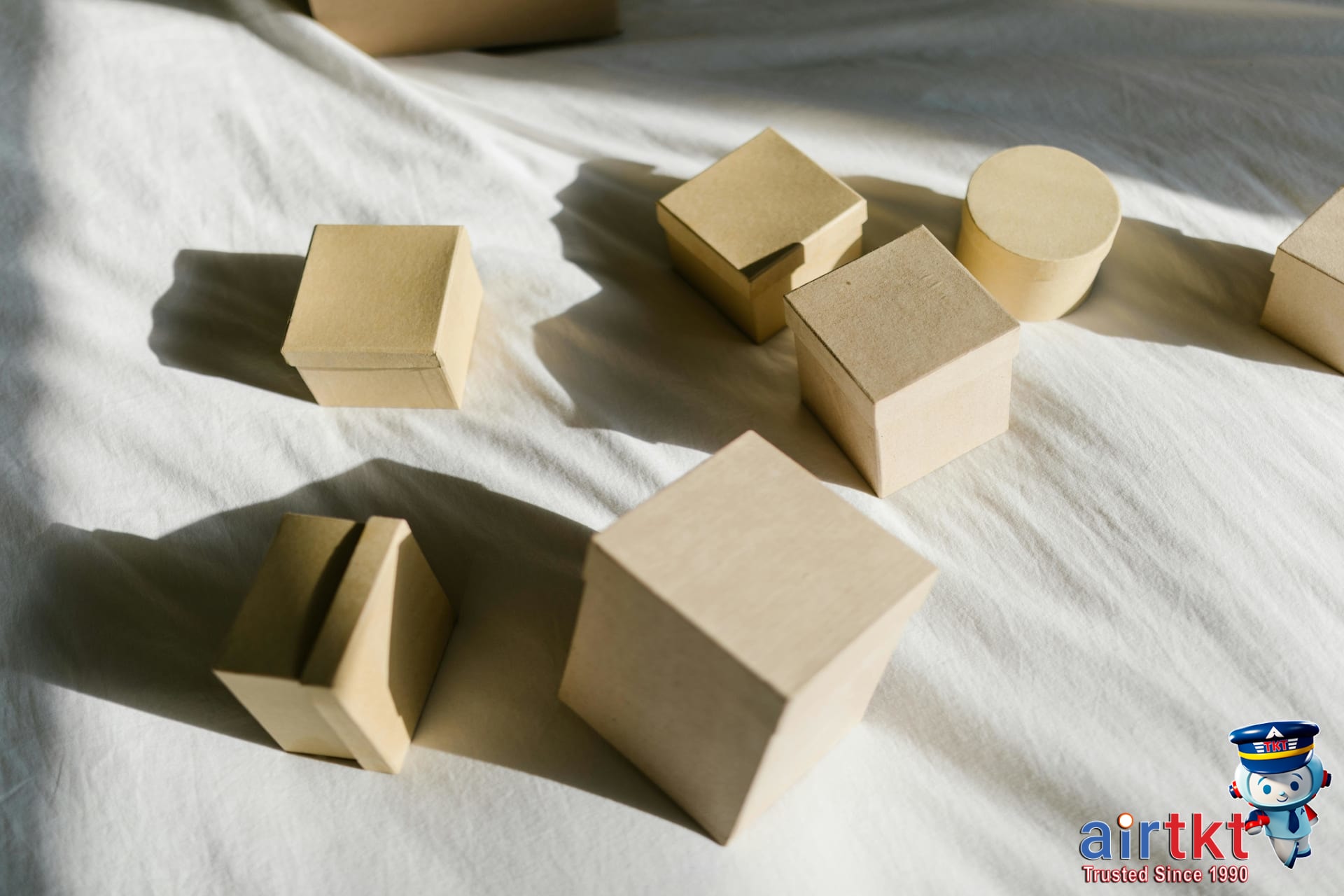
Packing cubes are essential organizational accessories designed to sort, compress, and separate your travel belongings efficiently. These lightweight fabric containers help travelers maintain order in their suitcases, backpacks, or carry-ons by grouping similar items together. Whether you’re packing clothes, toiletries, or electronics, packing cubes transform chaotic luggage into a streamlined, manageable system.
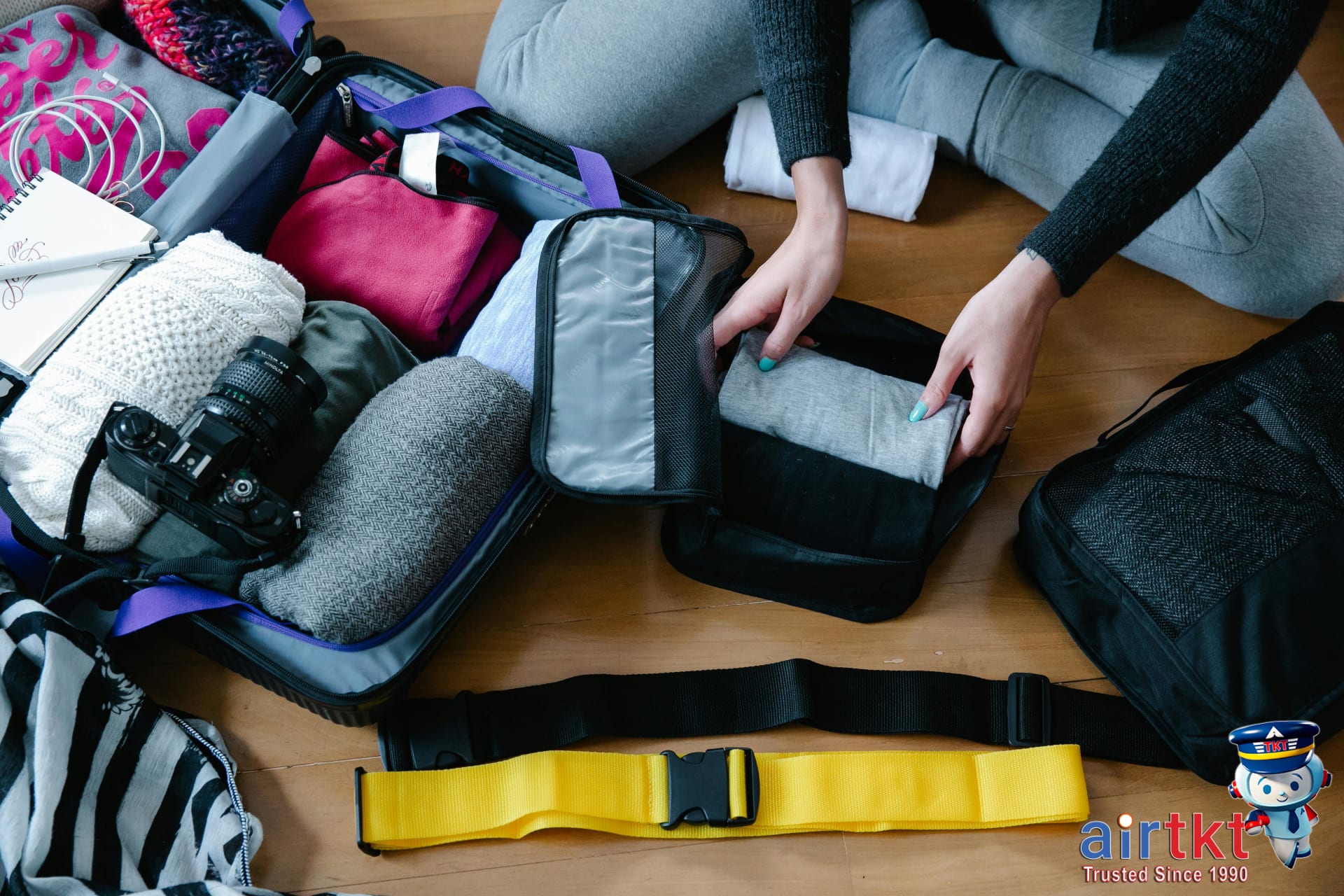
The primary advantage of using packing cubes is space optimization. By compressing your items into neat compartments, you reduce excess bulk and maximize every inch of your bag. This means fewer wrinkles for your clothes and more room for other essentials or souvenirs. Packing cubes also simplify access to your belongings. Instead of rummaging through a jumbled suitcase, you can easily locate the cube with your clean shirts or daily necessities, making the travel experience less stressful and more efficient.
Organizational benefits go hand in hand with improved packing order. Cubes encourage systematic packing where each compartment serves a purpose, reducing the likelihood of forgetting critical items. For frequent travelers, this means faster packing and unpacking times. Using packing cubes can particularly enhance travel for various contexts:
- Business trips: Keep work attire, gadgets, and accessories separate and wrinkle-free.
- Family vacations: Allocate cubes for each family member’s clothing and gear, easing shared luggage management.
- Leisure travel: Sort casual wear, swimwear, and accessories for quick outfit changes and easier suitcase organization.
Packing cubes come in several sizes tailored for different items. Typical categories include:
- Small cubes: Ideal for underwear, socks, and small accessories.
- Medium cubes: Suitable for t-shirts, shorts, and lightweight clothing.
- Large cubes: Designed to hold bulkier items like jackets, pants, or shoes.
The materials commonly used for packing cubes impact both durability and breathability. Nylon offers a strong, water-resistant option that withstands rough handling, while polyester is lightweight and easy to clean. Mesh panels are frequently integrated to provide ventilation and help you see contents without unpacking. These material choices ensure packing cubes meet various travel needs, balancing robustness with convenience.

Incorporating packing cubes into your travel routine makes packing more systematic and hassle-free. For an elevated booking experience paired with smart packing solutions, explore affordable flights and travel deals on AirTtkt to start your next adventure with confidence.
Packing Cubes Checklist with Quantities
Efficient packing starts with knowing what fits best in each packing cube size and adjusting your quantities according to trip length. Organizing your clothes, toiletries, and accessories into small, medium, and large cubes streamlines suitcase space and keeps items accessible. Below is a detailed checklist tailored for short (1-3 days), medium (4-7 days), and long trips (8+ days), to help you pack smart and light.
Small Packing Cubes: Socks, Underwear, and Small Items
Small cubes excel at containing compact essentials. Use these for:
- Socks: 3 pairs (short), 5 pairs (medium), 7+ pairs (long trips)
- Underwear: 3-4 (short), 5-7 (medium), 8-10 (long trips)
- Accessories: belts, scarves, neckties (1-2 on all trip lengths)
- Small toiletries: travel-sized bottles tucked in a waterproof pouch
Because these items are small and flexible, pack just enough to cover each day plus an extra pair or two for flexibility without bulk.
Medium Packing Cubes: Shirts, Pants, and Toiletries
Medium cubes suit moderately bulky or folded garments:
- Shirts/Tops: 2-3 (short), 4-5 (medium), 6-8 (long trips)
- Pants/Skirts: 1-2 (short), 3-4 (medium), 4-6 (long trips)
- Sleepwear: 1-2 sets regardless of trip length
- Toiletries: medium cube for bottles, brushes, and makeup kits
Rolling shirts and pants efficiently fills the medium cube without causing wrinkles, while consolidating toiletries helps avoid spills and simplifies airport security checks.
Large Packing Cubes: Bulky or Volume Clothing
Reserve large cubes for heavier or bulkier items that take up more space and don’t compress easily:
- Jackets/Coats: 1 medium-thickness jacket or coat (all trip lengths)
- Sweaters/Hoodies: 1-2 heavier layers for medium and long trips
- Shoes: 1-2 pairs in a shoe bag or separate cube (adjust by trip type)
- Workout Gear or Specialized Clothing: 1-2 outfits as needed
Limiting bulky items allows more room for essentials while helping maintain suitcase balance.


Checklist Examples By Trip Duration
| Cube Size | Short Trips (1-3 days) | Medium Trips (4-7 days) | Long Trips (8+ days) |
|---|---|---|---|
| Small Cube | 3 socks, 3 underwear, 1 belt/scarf | 5 socks, 5 underwear, 2 accessories | 7+ socks, 8 underwear, 2 accessories |
| Medium Cube | 2 shirts, 1 pant/skirt, 1 sleepwear | 4 shirts, 3 pants/skirts, 1-2 sleepwear | 6-8 shirts, 4-6 pants/skirts, 2 sleepwear |
| Large Cube | 1 jacket, 1 sweater, 1 shoe pair | 1-2 jackets/sweaters, 1-2 shoe pairs | 2 jackets/sweaters, 2 shoe pairs |
Tips for Prioritizing Essentials vs. Extras
- Stick to versatile clothing: Neutral colors, layering pieces, and multifunctional garments ease outfit pairing.
- Limit “just in case” clothes: Overpacking bulky items leads to stress and less carry-on space.
- Group toiletries by necessity: Bring only what you can’t easily buy or find at your destination.
- Use packing cubes to compress: Roll fragile fabrics and use cubes to minimize wasted space and keep organization tight.
Packing Cube Brands Across Price Ranges
Choosing the right packing cubes can make a huge difference in organizing your luggage efficiently. Let’s explore popular packing cube brands categorized by budget, mid-range, and premium options, focusing on their durability, materials, zipper strength, mesh panel design, and compression abilities.
Budget Brands
For travelers on a tight budget, there are several reliable brands offering decent quality packing cubes without breaking the bank.
- Amazon Basics: Known for affordability and availability, these cubes feature decent nylon fabric and mesh panels for ventilation. The zippers are functional but may not hold up over extended heavy use. Compression capability is limited. Great for occasional travelers or minimal packers.
- eBags: Their budget sets offer solid nylon construction with mesh panels for easy viewing. Durability is adequate with smooth zippers. Compression is moderate but better than many in this price range. Best suited for frequent travelers who want more features without a steep price.
Pros: Affordable, widely available online, mesh ventilation
Cons: Limited compression, less durable zippers
Mid-Range Brands
Mid-range options strike a good balance between quality and price, often providing enhanced durability and functional features.
- TravelWise: Offers sturdy nylon fabric, reinforced seams, and high-quality YKK zippers. Their cubes include mesh panels for breathability and offer decent compression via adjustable zippers. They often come in coordinated sets with varied sizes.
- Bagail: Known for durable, water-resistant polyester material and robust zipper construction, Bagail cubes include thick mesh panels designed for ventilation and visibility. Their compression cubes are popular for maximizing packing space effectively.
Pros: Strong material, reliable zippers, good compression
Cons: Slightly heavier materials, moderate price point
Premium Brands
For travelers who demand top-tier performance and long-term durability, premium brands offer advanced materials, superior craftsmanship, and effective compression systems.
- Nomad Lane: Made from premium nylon with water-resistant coating, Nomad Lane’s cubes feature heavy-duty YKK zippers that glide effortlessly. Mesh panels add breathability, and their compression cubes reduce bulk significantly. Premium warranty and customer service back the product quality.
- Eagle Creek: A pioneer in travel gear, Eagle Creek packing cubes are crafted from high-tenacity nylon fabrics with durable double-stitched seams. Their compression cubes use compression straps and durable zippers for maximum space savings. They include lifetime warranties, demonstrating confidence in product longevity.
Pros: Long-lasting materials, superior zippers, excellent compression, strong warranty support
Cons: Higher price reflects quality and durability
Most of these brands can be conveniently purchased online through their official websites, major retailers like Amazon, or trusted travel gear outlets. For low prices, budget brands like Amazon Basics are best sourced directly from Amazon, while mid-range and premium brands might be found both on their sites or specialized travel stores.
Space-Saving Techniques Using Packing Cubes
Packing cubes are a game changer for travelers seeking efficient luggage organization. To maximize space inside these cubes, the choice between rolling and folding clothes plays a crucial role. Rolling tends to compress fabric tightly, reducing wrinkles and creating denser bundles that fit better into cubes. Folding, while better suited for stiffer garments like dress shirts, often takes up more volume due to bulkier layers. For most casual clothing items, rolling is the preferred method to optimize space.
Compression is another essential technique to reduce clothing volume. Using vacuum-sealed compression bags inside packing cubes can remove excess air, shrinking bulky sweaters and jackets. Alternatively, tightly rolling clothes and layering them inside cubes enhances compaction without additional gear. Some packing cubes come with built-in compression zippers that squeeze contents further, making your suitcase even more spacious.
Efficient layering of cubes inside your luggage ensures balanced use of every inch. Start by placing heavier, less compressible cubes at the bottom to create a sturdy base. Lighter cubes with softer fabrics can then be stacked on top or fitted around gaps. By alternating cube sizes and shapes, you minimize wasted space and prevent shifting during travel. This strategy also keeps your bag organized, so essentials are easy to locate.
Consider two side-by-side packing scenarios to grasp the space-saving impact. Without cubes, clothes are loosely folded and placed haphazardly, causing creases and uneven gaps that waste valuable suitcase space. With cubes, rolled garments are neatly packed, compressed where possible, and stacked strategically, resulting in visibly more room for additional items or souvenirs. This comparison highlights why AirTtkt travelers benefit from smarter packing approaches to maximize their luggage capacity.
Seasonal clothing changes also affect how you pack cubes. For summer trips, light fabrics allow for tighter rolling and more cubes per suitcase. In contrast, winter travel demands bulkier, layered clothing that may require fewer but larger cubes or the inclusion of compression bags. Adapting your cube selection and packing style according to the season helps maintain space efficiency without sacrificing comfort or preparedness.
- Roll soft clothes tightly to minimize void space inside cubes.
- Fold stiffer garments like jackets or formal wear to keep shape intact.
- Use compression bags for bulky items to reduce their volume dramatically.
- Layer cubes by weight and size to balance your luggage and maximize room.
- Adjust cube types seasonally for flexible packing whether it’s summer or winter travel.
TSA Compliance Tips for Packing Cubes
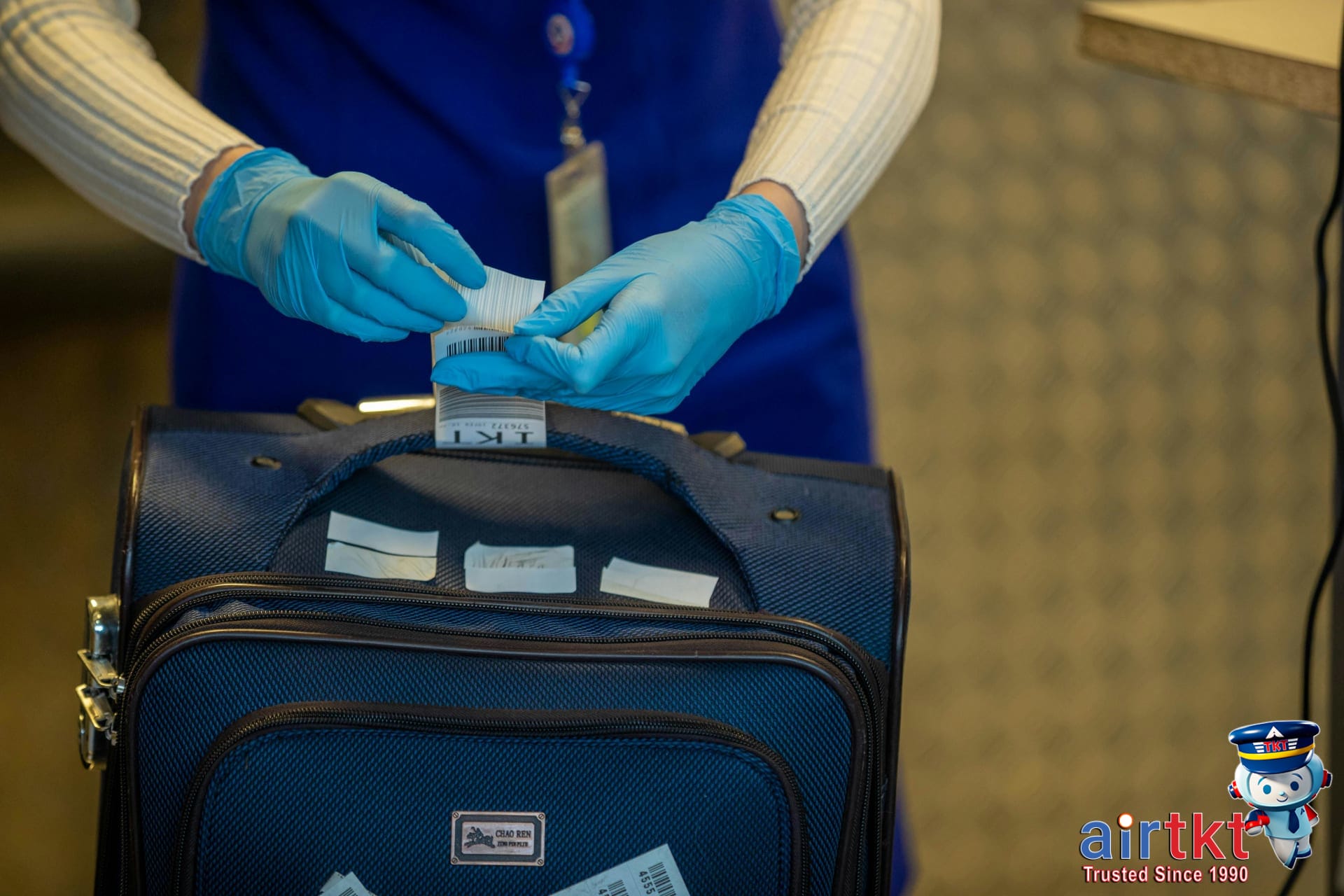
Packing cubes can revolutionize your travel prep, but staying TSA-compliant ensures smooth airport security experiences. The Transportation Security Administration (TSA) enforces strict rules, especially regarding liquids. To comply, all liquids, gels, and aerosols in carry-on bags must be in containers of 3.4 ounces (100 milliliters) or less, fitting comfortably inside a single quart-sized, clear plastic bag. When using packing cubes, organize your toiletries by placing this clear bag on top or in an easy-to-access cube to simplify removal during screening.
Efficient cube packing not only aids organization but can speed up TSA inspections. Cubes made from mesh or transparent materials allow TSA officers to see contents without unpacking, reducing delays. Packing cubes with solid, opaque fabrics often require full inspection, so opting for TSA-friendly materials is smart. Lightweight nylon and polyester cubes with at least a partial mesh panel blend durability with visibility, streamlining the screening process.
When it comes to electronics and batteries, TSA regulations emphasize safety and accessibility. Packing devices such as laptops, tablets, and e-readers in separate cubes or compartments allows for easier handling during security checks. Lithium batteries, spares, and power banks should be stored in carry-on luggage only and kept protected against short circuits—using original packaging or plastic covers helps. Avoid overstuffing cubes with electronics to prevent damage and to facilitate quick screening.
To sum up key packing cube tips for TSA compliance:
- Keep liquid items within the TSA-approved quart-sized bag and place it in an easily accessible cube.
- Choose cubes with mesh panels or transparent materials for faster inspections.
- Pack electronics separately and ensure batteries are protected and carried onboard.
- Arrange cubes in your carry-on to allow quick removal when TSA requests screening.
Always check the latest TSA guidelines before flying, as policies may update. Official information is available at tsa.gov. Following these tips from AirTtkt will help you breeze through security and focus on enjoying your journey.
Weight Distribution and Handling Strategies
Proper weight distribution in your luggage is key to comfort and ease when traveling. Uneven packing can cause your suitcase to tip over, strain your arm, or make maneuvering through crowded airports frustrating. Balanced weight supports stability, reducing the effort needed to roll or lift your bags and preventing damage to delicate belongings.
When using packing cubes, a simple rule is to place heavier cubes at the bottom of your suitcase. This lowers the center of gravity, helping the luggage sit flat and roll smoothly. Lighter cubes should go on top to avoid compressing softer or more fragile items beneath. For instance, pack shoes or toiletry cubes close to the wheels or suitcase base, while t-shirts and underwear can occupy upper cubes.
If you use multiple cubes, balance the overall weight by distributing similarly heavy cubes across the luggage’s width and depth. Avoid placing all heavy cubes on one side to prevent tipping. A good approach is to alternate heavier and lighter cubes horizontally and layer wisely. This symmetrical arrangement helps maintain equilibrium and reduces strain when lifting overhead or onto conveyor belts.
Meeting airline baggage weight requirements is crucial to avoid costly overweight fees. Most checked bags have limits between 50 and 70 pounds, so weighing your packed suitcase before heading to the airport can save money and stress. Use a portable luggage scale or a bathroom scale and adjust by removing non-essential items if you’re near the limit. Packing cubes let you quickly swap or reorganize items to meet weight restrictions without unpacking your entire suitcase.
Additionally, distribute your weight thoughtfully across carry-on and checked luggage. Heavier items in carry-ons can slow you down, so consider balance for both comfort and compliance. Keep heavier cubes low and near the suitcase wheels to reduce the effort of pulling the bag through terminals and uneven surfaces.
By adopting deliberate weight distribution and handling strategies, traveling becomes smoother and more efficient. This attention to balance and weight limits not only protects your belongings but also keeps you agile on your journey.
Common Packing Cube Mistakes to Avoid
Packing cubes are a fantastic tool to keep your luggage organized and make travel stress-free. However, travelers often fall into common pitfalls that can undermine the benefits of using packing cubes. Avoiding these mistakes can streamline your packing process and enhance your overall travel experience.
Avoid Overpacking Cubes
One frequent error is cramming too many items into a single packing cube. Overstuffed cubes can lead to wrinkled clothes and make it difficult to close your luggage properly. This often results in struggling to find specific items, wasting valuable travel time. Overpacking also increases the weight in each cube, risking checked bag overweight penalties or cumbersome carry-ons.
Keep Clean and Dirty Clothes Separate
Many travelers mix clean and dirty clothes in the same packing cube, which quickly causes unpleasant odors and cross-contamination. This mistake is not only unhygienic but can also complicate unpacking and repacking during your trip. Designating specific cubes for worn clothes or using separate laundry bags inside the suitcase protects your clean garments and keeps your luggage fresh.
Respect Weight and Size Limits
Ignoring size and weight limits for each cube or your overall baggage is a common packing cube misstep. Packing cubes aren’t immune to airline restrictions—overweight bags must be repacked and can lead to extra fees or delays. This is particularly important for carry-on luggage, as packed cubes that are too heavy or bulky might have to be checked last-minute.
Organize Strategically for Easy Access
Many travelers place items randomly inside their cubes, making it difficult to quickly locate essentials like toiletries or electronics. Mix-matching unrelated clothing types within one cube can cause this confusion. To avoid this, organize cubes by item type, travel day usage, or outfit combinations. Use smaller cubes for undergarments and accessories, and pack heavier or less-used items at the bottom to maintain balance.
Practice Mindful Packing Habits
Mindful packing means considering what you truly need rather than overpacking “just in case.” Avoid filling every cube simply because you own them. Instead, choose versatile clothing pieces, pack with an itinerary in mind, and leave some space for souvenirs or extra items picked up during travel. Mindful packing not only prevents bulkiness but also reduces stress when unpacking.
Frequently Asked Questions About Packing Cubes
What is the best way to pack using cubes for a week-long trip?
For a week-long trip, organize your clothes by type or outfit in separate packing cubes. Use smaller cubes for underwear and accessories and larger ones for tops and bottoms. Roll garments tightly to maximize space and minimize wrinkles inside each cube. This keeps your luggage neat and easy to access.
Can I bring packing cubes with liquids through TSA security?
Packing cubes themselves are allowed through TSA security, but liquids inside must comply with the 3-1-1 rule. Keep all liquids in a clear, quart-sized bag separate from your cubes for smooth screening. Packing cubes efficiently organize solid items but don’t replace TSA’s liquid regulations.
When should I choose premium packing cubes over budget options?
Choose premium packing cubes if you travel frequently or carry delicate fabrics, as they offer better durability and water resistance. Budget cubes are fine for occasional trips, but premium ones can save time by maintaining shape and providing extra features like compression zippers and reinforced handles.
Why is weight distribution important when using packing cubes?
Proper weight distribution prevents luggage from becoming lopsided and difficult to carry. Use packing cubes to separate heavier items evenly throughout your bag, balancing the load. This reduces strain while traveling and helps avoid damage to clothes and bags by keeping weight stable and organized.
How do packing cubes help with family travel?
Packing cubes simplify family travel by assigning each member their own color-coded cubes. This prevents mixing up belongings and speeds up unpacking. They also help keep kids’ items accessible and organized, reducing stress and lost items during busy trips with multiple travelers.
What are space-saving tips for packing cubes on long trips?
For long trips, compress packing cubes before sealing to reduce volume. Prioritize versatile clothing that mixes and matches easily. Use cubes to group similar items such as shoes or toiletries separately. Layer cubes inside your luggage to maximize vertical space and fill gaps with smaller cubes or soft items.
Can I use packing cubes in carry-on and checked luggage?
Yes, packing cubes fit well in both carry-on and checked bags. In carry-ons, they help organize essentials and speed up security checks. In checked luggage, they protect and separate items, reducing wrinkles and keeping belongings sorted throughout your journey.
Maximize Travel Efficiency with Packing Cubes
Packing cubes have revolutionized how travelers organize their luggage, offering clear benefits like enhanced organization, space optimization, and simplified access to belongings. Their compact design makes security checks a breeze, as TSA officers appreciate the neat compartments that speed up inspections without unpacking everything. These advantages translate into less hassle and more time enjoying your trip.
To really gain from packing cubes, tailor their use to your specific travel needs. For a business trip, separate work attire from casual clothes. For family vacations, assign each member a cube to keep personal items distinct. Adventure travelers might dedicate cubes to gear and footwear, ensuring equipment stays protected and easy to find. By customizing your packing system, you create a streamlined process that fits your unique travel style.
Preparing your packing cubes in advance is a game changer. Sorting clothes and essentials into cubes before departure reduces last-minute stress and forgotten items. Set aside a packing routine, so every trip begins with an efficient and nearly effortless start. Not only does this habit save time, but it also keeps your luggage consistent, making future packing even quicker.
Complement your smart packing with smart booking through AirTkt. Whether securing affordable flights, hotels, or car rentals, AirTkt’s user-friendly platform simplifies travel planning. Access exclusive discounts and reliable support to ensure your trip is efficient from start to finish. Combining efficient packing cubes with budget-friendly bookings from AirTkt means you’re fully equipped for smooth, stress-free travel.