

What Is Philippine Independence Day?
Philippine Independence Day, known locally as Araw ng Kalayaan, is celebrated every June 12 to honor the country’s proclamation of independence from Spanish colonial rule in 1898. This date marks a pivotal moment in the nation’s story, symbolizing the courage and unity that shaped the Philippines as it stands today. It’s much more than a public holiday—Independence Day resonates deeply, representing the strength, history, and identity of Filipinos everywhere.
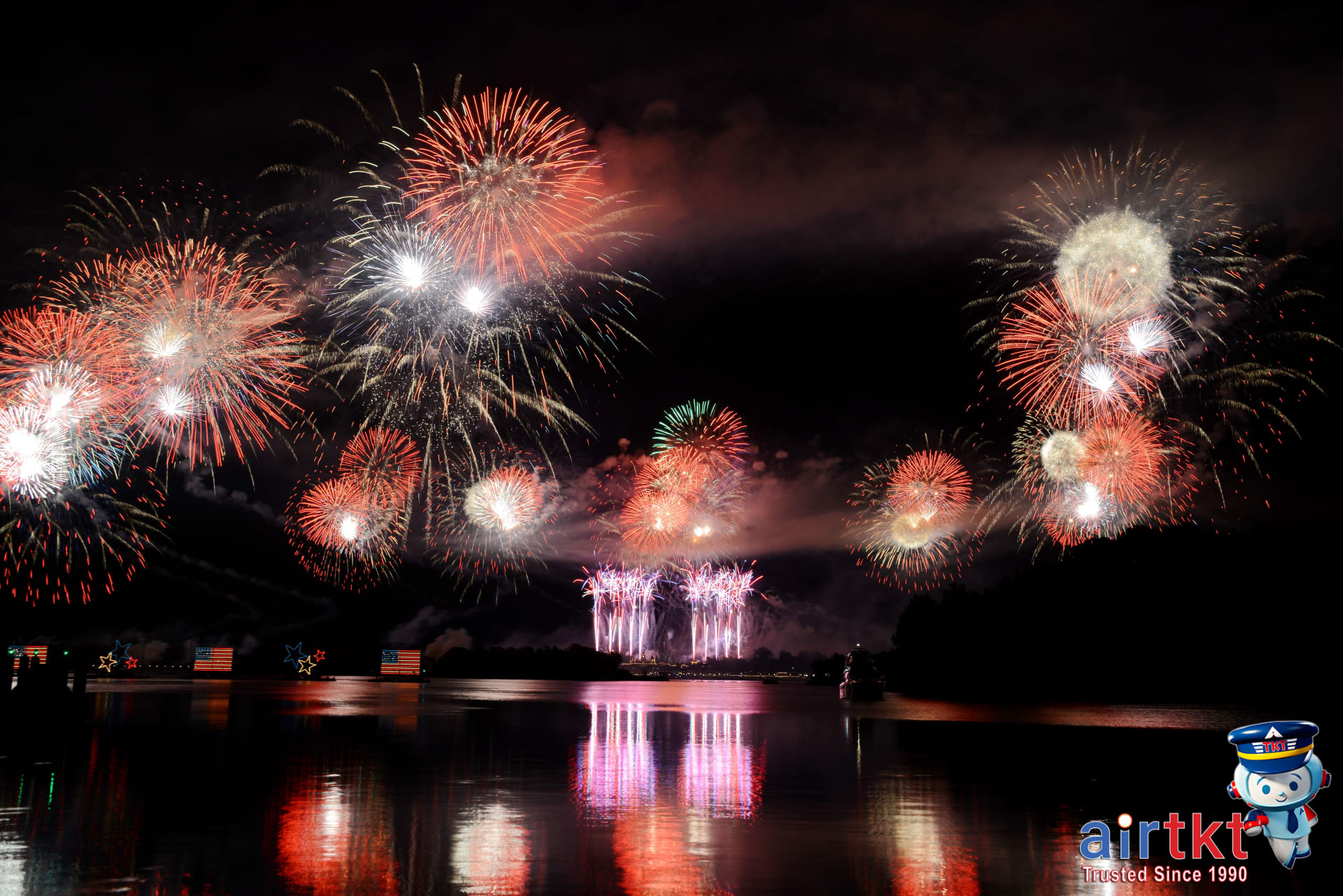
The significance of June 12 ripples across all islands, from big cities to rural barangays. Streets come alive with vibrant parades, flag-raising ceremonies, historical reenactments, and cultural performances. National landmarks, schools, and city halls display the Philippine flag with pride, while communities host gatherings and fireworks that echo the spirit of freedom. When I joined an Independence Day celebration in Manila, the sea of flags and the sound of patriotic songs gave me a unique sense of connection—it was moving to watch so many people share such deep national pride.
Whether you’re exploring Metro Manila’s grand civic events or experiencing a local barangay’s festivities, Araw ng Kalayaan is an unforgettable way to witness Filipino culture in action. If you’re planning a trip, it’s worth aligning your travel dates to catch this celebration firsthand. Booking a flight is simple—just check options through airtkt.com for a flexible and convenient start to your Philippine adventure.

Key Events Leading To Independence
The story of Philippine independence is shaped by centuries under Spanish rule, followed by a struggle marked by resilience and sacrifice. Spain colonized the islands for over 300 years, introducing religion and new societal structures, but also igniting a deep yearning for freedom among Filipinos. By the late 19th century, wide discontent and enlightened thinkers began to shift the tide toward revolution.
Revolutionary Leaders And Their Roles
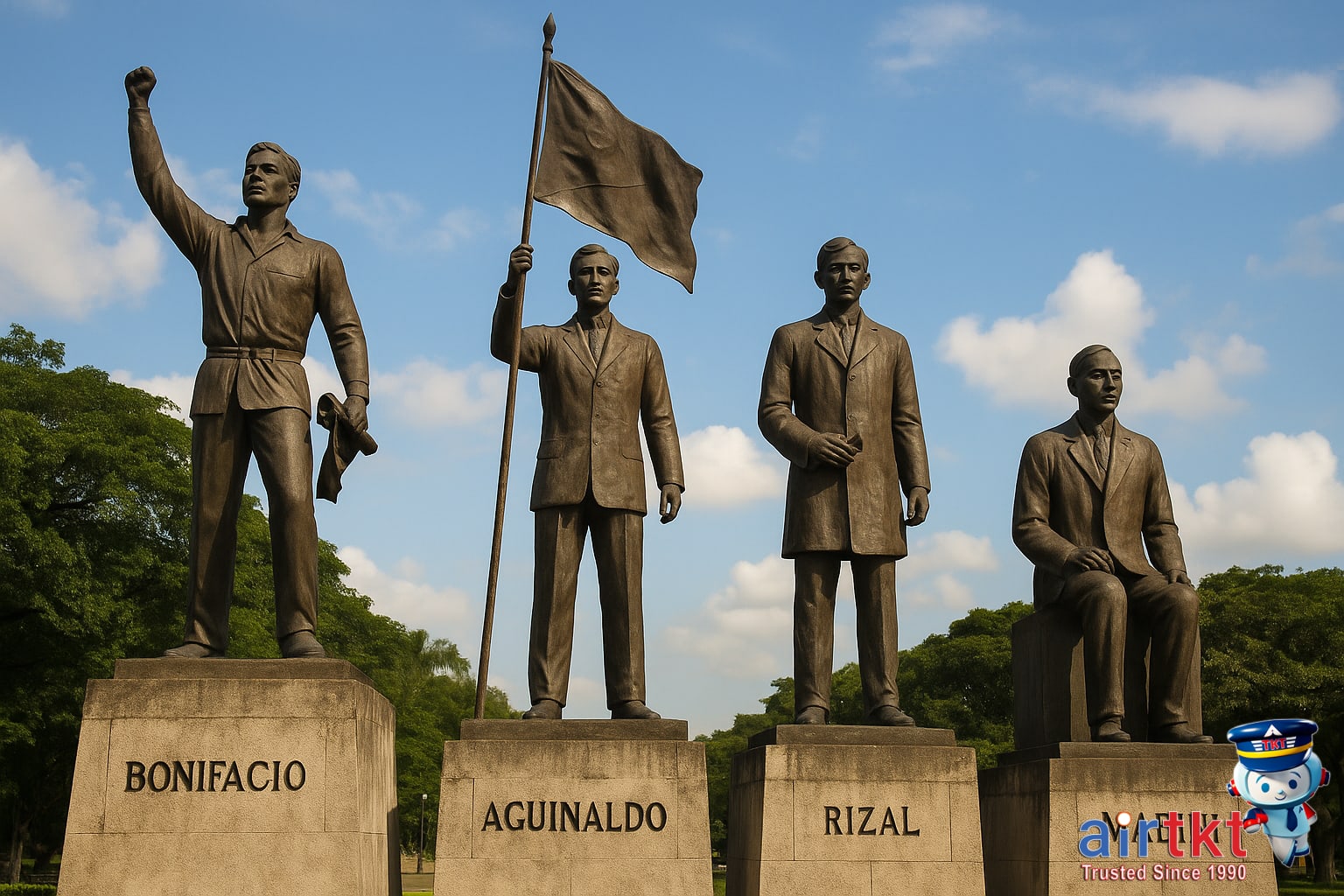
No exploration of Philippine independence is complete without recognizing pivotal figures like Jose Rizal and Emilio Aguinaldo. Jose Rizal inspired many through his writings, fiercely advocating for reforms and Filipino rights. His execution in 1896 further galvanized revolutionary sentiment. Emilio Aguinaldo, emerging as a military leader, directed the Philippine Revolution through armed resistance, eventually proclaiming independence.
Milestones Of The Independence Movement
Several milestones shaped the road to freedom. The Philippine Revolution, led by the Katipunan society, intensified after Rizal’s death. Battles raged, alliances shifted, and hope persisted. It all culminated on June 12, 1898, in Kawit, Cavite, where Aguinaldo declared Philippine independence and raised the new national flag. I remember learning about this historic day when I visited Manila’s heritage sites—it made the significance of June 12 much more vivid and personal.
If you’re interested in walking the path of history, don’t miss our detailed guide to historic Philippine landmarks—these spots bring you closer to the events and people who shaped the nation’s story.

How Manila Celebrates Independence Day

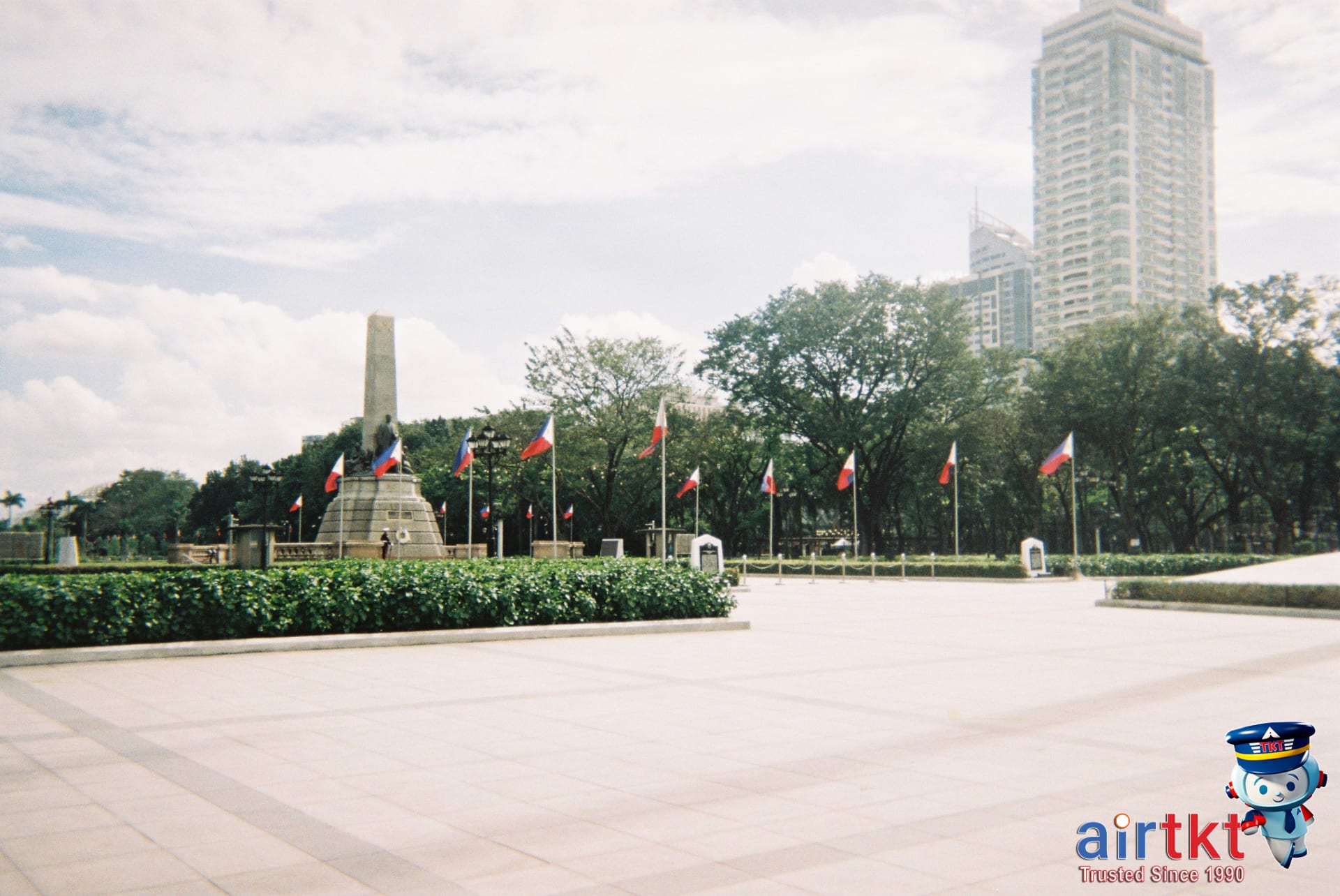
There’s nothing quite like witnessing Independence Day celebrations in Manila—the city transforms into a lively, patriotic hub packed with parades, music, and history. In my experience, the buzz around landmark sites like Rizal Park and Intramuros during this national day is unforgettable and draws in crowds from all over the country.
Rizal Park stands at the heart of Manila’s observances. It’s here that government officials, military bands, and Filipinos gather for ceremonies and the ceremonial flag raising in honor of Dr. José Rizal, whose execution here sparked a turning point in the nation’s struggle for freedom. The park fills with food stalls, cultural performances, and families enjoying picnics under the trees—expect a colorful display of music, traditional dances, and flag-waving pride.
Just a short ride away, Intramuros offers a more immersive historical vibe on Independence Day. The ancient walls of this old Spanish fortress echo with free guided tours, historical reenactments, and special exhibits focusing on the Philippines’ fight for independence. Walking its cobblestone streets, I always find a deeper connection to Manila’s past, especially when the city comes alive with local artists and storytellers during the festivities.
If you’re planning to experience Manila on Independence Day, I’d recommend checking local event schedules early and preparing for both sun and sudden rain. Getting around can be tricky with road closures, so comfortable shoes and light clothing really make a difference. For more planning ideas and practical info, have a look at our Manila travel guide with essential tips.
Philippine Independence Day Festivities Guide

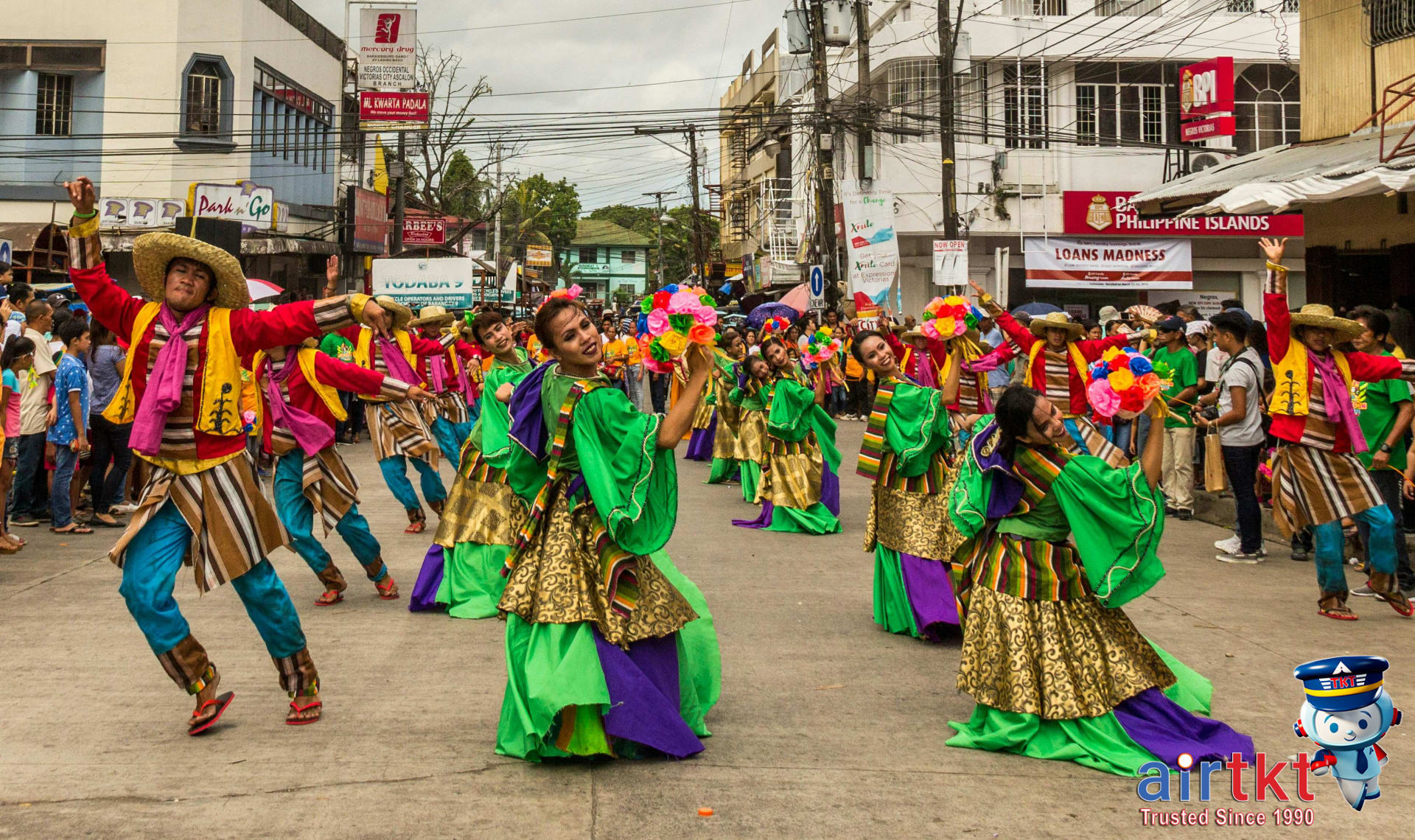
June 12 in the Philippines feels electric, with every corner of the country coming alive for Independence Day. The celebrations are not just official ceremonies—they’re joyful moments for communities, families, and even casual travelers who happen to be visiting. You’ll spot national flags waving from houses, schools, and city halls, while public spaces fill up with colorful parades, cultural shows, outdoor concerts, and bustling street parties.
One of the most iconic events is the morning parade, a virtual must-see in cities and small towns alike. Schools, local groups, military units, and floats decked out in red, white, blue, and yellow make their way through the streets. Traditional Filipino dances—like tinikling or singkil—are performed right there, with both kids and adults in vibrant attire. The sound of brass bands and marching drums sets an upbeat tone, and lively Philippine folk music completes the atmosphere.
Besides parades, you’ll find open-air stages for live music, heritage dance performances, and dramatic reenactments of key events from Philippine history. Laguna, Cavite, and Manila often host massive street parties and concerts, but even in quieter towns, there’s a sense of camaraderie—sometimes with community feasts, games, or local food stalls lining the plaza. I joined the festivities in a small Visayan town one year and the highlight was learning a traditional folk dance alongside welcoming locals—hands down my favorite Independence Day memory.
Whether you’re a local or a traveler, you’re encouraged to join in. Wear something comfortable and modest if you plan to take part in public celebrations or parades. Filipinos are warm and proud of their heritage, so don’t hesitate to clap, cheer, or even join a dance. Respecting program protocols (like standing for the national anthem) and following organizers’ directions helps everyone enjoy the day—just as you’d expect at any big cultural event.
For a deeper dive into local heritage festivals and other colorful celebrations throughout the year, check our festival guide for more ideas on immersing yourself in Filipino culture.
Filipino Independence Day Food Traditions
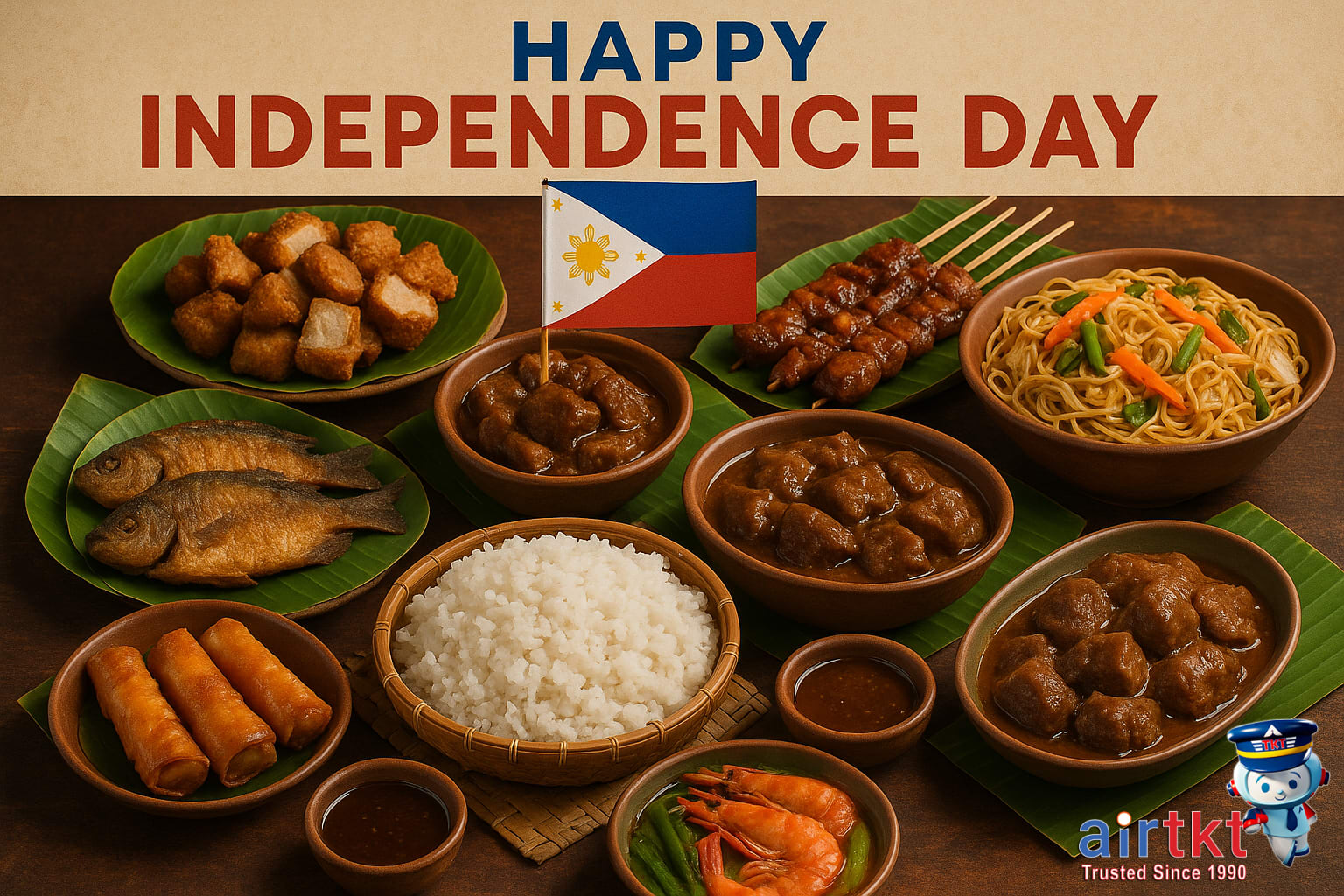
No Independence Day in the Philippines is complete without a delightful culinary spread and gathering around a table brimming with traditional food. Dishes like lechon, barbecue, pancit, and lumpia spring rolls usually take center stage at family feasts and public celebrations. I always look forward to joining these vibrant festivities and savoring authentic Filipino food during Araw ng Kalayaan—it’s an experience that’s as much about gathering as it is about flavor.
Lechon, which is whole roasted pig with crispy skin and juicy meat, is famously associated with national gatherings and street parties. Pancit, with its variations like Pancit Canton or Pancit Malabon, is a beloved noodle dish thought to promote long life and prosperity. Alongside these, you’ll regularly find a spread of grilled skewers, rice cakes (kakanin), and vibrant salads like ensaladang mangga. Regional specialties often make a showing too—Bicol may serve spicy laing or pinangat; in the Visayas, you might find inasal chicken grilled over coals; and Northern Luzon’s celebrations can include hearty pinakbet or bagnet.
Filipino street food also makes Independence Day festivities lively, with vendors offering pork barbecue, isaw (grilled chicken intestines), tempura, and skewered fish balls in busy town centers and parks. For a real taste of the holiday, I recommend making your way to local markets such as Manila’s Quiapo Market or Cebu’s Carbon Market—these places burst with food stalls, home-cooked specialties, and community spirit, especially on June 12.
If you’re planning your food adventure, check out our in-depth Filipino food and dining guides for tips on where to find the most authentic flavors during the festivities. Sampling foods at local eateries, market stands, and community gatherings is also one of the best ways to experience Filipino hospitality and pride in every bite.
Top Destinations for Celebrating Independence

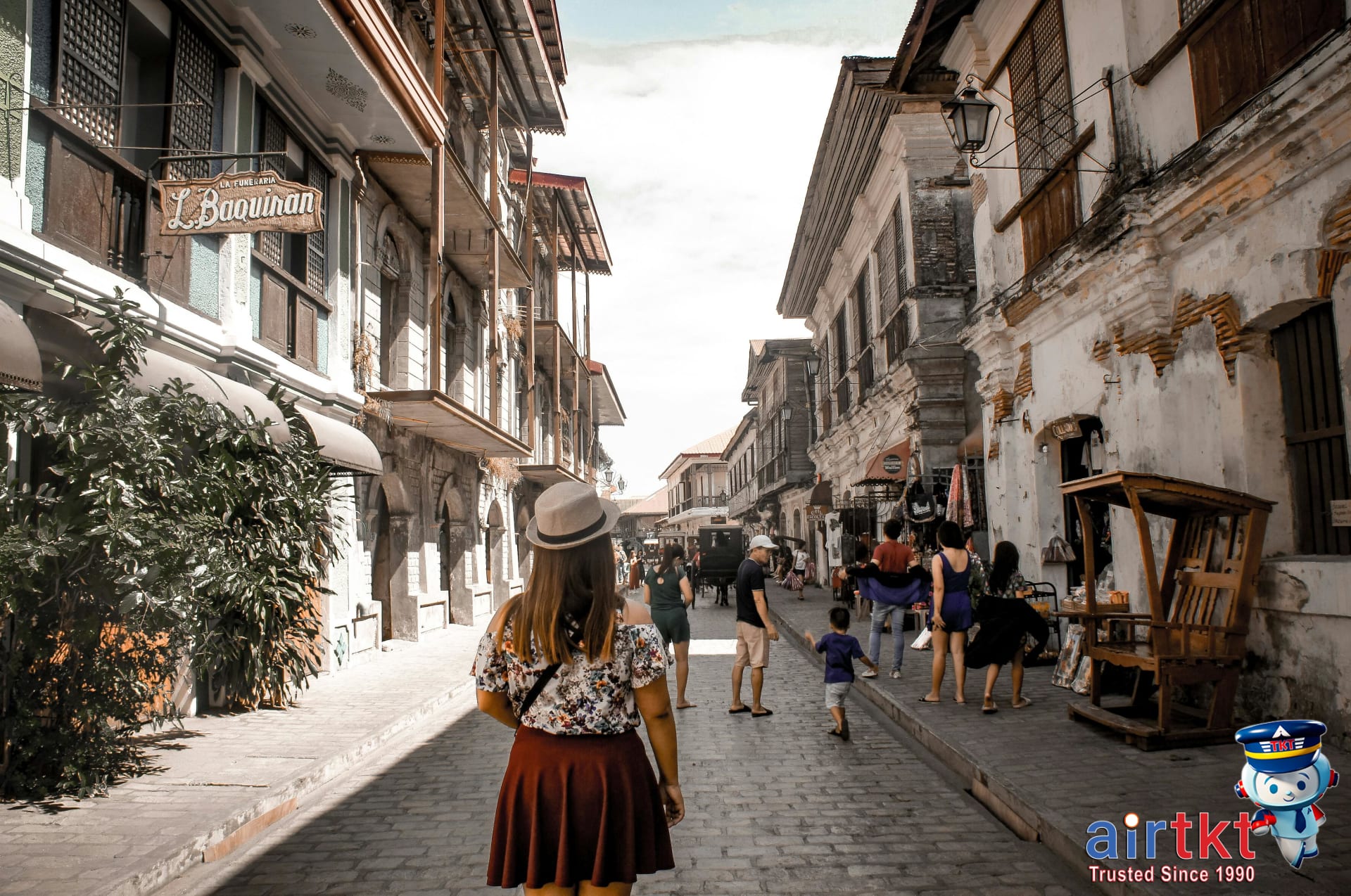
While Manila sets the national stage for Independence Day, I’ve found that exploring the islands and regions beyond the capital truly brings the celebration to life. Many cities and provinces across the Philippines embrace the holiday with traditions that make each destination stand out. Here are some of the top places where Independence Day is not just observed, but felt through music, dance, and deep-rooted local customs.
Cebu and Its Rich Heritage
Cebu, the Queen City of the South, marks Independence Day with colorful parades, street dances, and reenactments of historic moments. You’ll find plazas decorated with Philippine flags and locals serving regional cuisine at open-air gatherings. The city’s lively atmosphere gives you much more than just patriotic pride—it’s a celebration of Cebuano identity, and being part of it makes you feel like more than just a visitor.
Iloilo’s Cultural Showcases
Iloilo is famed for its elegant colonial architecture and warm hospitality. On Independence Day, the city highlights its heritage with cultural performances, local food fairs, and exhibits of traditional crafts. It’s common to see children and elders alike wearing colorful “barong” and “filipiniana” for community programs and flag-raising ceremonies. I always recommend wandering through the old districts during this season—the festivities spill across historic streets and markets.
Baguio’s Mountain Celebration
In the cooler mountain air of Baguio, Independence Day means a blend of Cordilleran rituals and nationwide commemoration. Expect flower-laden floats, indigenous music, and outdoor concerts in parks like Burnham and Session Road. The mix of highland customs and Filipino patriotism makes Baguio’s celebration distinctive, and I love how the city’s creativity shines through festive decorations and art installations all over town.
Exploring Island Cultures on the Holiday
If you want to join the Independence Day energy outside the usual hubs, consider heading to places like Davao, Dumaguete, or Palawan. You’ll find parades, street food markets, and community fairs reflecting local histories and culinary specialties. Joining these regional festivities gives you a deeper appreciation for the Philippines’ diversity—something I’ve experienced firsthand by chatting with locals and sampling unique holiday treats.
To make the most of your experience, use reputable booking tools and check airtkt.com’s destination guides for up-to-date event schedules and insights into local customs. Philippines Independence Day is a peak travel period, so plan island transfers and sightseeing early, especially if you’re hopping between regions to catch different celebrations.
Independence Day Trip Budget Breakdown


Budgeting for a Philippine Independence Day getaway takes a bit of extra planning, especially with increased travel demand during the holiday. Below, I’ve put together a detailed example budget table that breaks down typical daily costs for three travel styles—Budget, Mid-range, and Luxury. Each tier covers common expenses: Accommodation, Food, Transport, and Activities. Use this as a guide to estimate your total trip costs more accurately.
| Accommodation | Food | Transport | Activities | |
|---|---|---|---|---|
| Budget | $25.00 | $15.00 | $8.00 | $10.00 |
| Mid-range | $70.00 | $30.00 | $20.00 | $30.00 |
| Luxury | $160.00 | $60.00 | $60.00 | $80.00 |
Holiday Price Tips
Don’t forget, Independence Day often means higher rates on flights and hotels—so locking in rooms and tickets early is smart. I learned this the hard way one year when I ended up paying double for last-minute accommodations. It’s easy to overlook the spike in demand, but a little advance planning goes a long way toward saving money.
What To Include In Your Budget
- Flights: Prices may jump close to the holiday, so compare options ahead of time.
- Hotel: Decide if you’re going no-frills or want added comforts—rates vary significantly.
- Transport: Budget for airport transfers, local taxis or ride-shares, and intercity buses if needed.
- Meals: Street food and casual spots can help you keep costs down, while hotel dining adds up quickly.
- Activities: Allocate a daily amount for entrance fees, guided tours, or special Independence Day events.
Special deals and exclusive discounts can make a real difference, especially when you book through providers like airtkt.com. It’s worth checking their promotions page before you finalize your plans.
Frequently Asked Questions About Independence Day Travel

- What should I expect during Philippine Independence Day celebrations?
Expect city-wide parades, flag-raising ceremonies, historic displays, and family gatherings on June 12. Larger cities like Manila can see packed streets and temporary road closures, while smaller towns celebrate with local flare. Arriving early helps you find good viewing spots—I’d recommend double-checking event locations before heading out to avoid last-minute surprises.
- How can travelers prepare for Independence Day in the Philippines?
Plan ahead for closed roads or altered public transport schedules—these are common around major festivities. I usually make all hotel and transit bookings weeks prior, especially for cities like Manila or Cebu. Having digital and paper copies of your travel documentation ready helps you steer clear of difficulties at airports, hotels, and event venues.
- Are tourist sites open on Philippine Independence Day?
Most attractions and malls remain open, but public buildings, banks, and government offices are usually closed. Museums in Manila often host special programs, which can draw crowds. It’s a good idea to check attraction websites or local visitor bureaus for any adjusted opening hours or special events before setting your itinerary.
- Is there any cultural etiquette to follow during celebrations?
Joining Independence Day festivities is welcome, but be respectful during flag-raising, national anthems, and moments of silence. Filipinos value politeness and appropriate attire, especially at official ceremonies. If unsure, follow what locals do and dress modestly. Photos are generally allowed, but always ask before photographing people or sacred sites.
- What’s the best way to book flights for Independence Day travel?
Flights can fill up quickly due to the holiday. Booking as early as possible improves your options. I’d compare flexible date searches and check alternate airports to find better deals, which is something airtkt.com makes straightforward. Signing up for fare alerts can also help you spot a good price ahead of the rush.
- How does Philippine Independence Day differ from other national holidays?
Independence Day highlights national pride, history, and civic spirit with more formal events than many other holidays. Parades and public ceremonies are central, and there’s a profound sense of unity. If you’re curious about deeper historical context or want more detailed travel tips, check out our dedicated Philippine travel FAQ resource.
Final Thoughts Celebrating Across Islands
Celebrating Philippine Independence Day is so much more than just attending a parade or watching fireworks—it’s an experience rich with history, tradition, and the warm hospitality that the Philippines is so well known for. Every island, whether bustling city or quiet seaside town, seems to fill with the uplifting energy of national pride. The music, lively street dances, and colorful displays all tell a story that’s both local and shared on a grander, national stage.
In my experience, what stands out most is the genuine warmth from both locals and visitors during these festivities. There’s a contagious spirit that bridges differences and invites everyone to join in—whether you’re sharing local delicacies at a community picnic or simply watching a flag-raising ceremony at sunrise. The celebrations are a blend of joyful creativity and sincere remembrance, making it an inspiring time to witness firsthand.
If you’re even remotely curious about the diverse cultures across the Philippine islands, traveling during Independence Day gives you a front-row seat to all that vibrancy. It’s a time when traditions are on full display and communities truly open their doors. I’d encourage anyone planning a trip to consider timing their visit for these celebrations—you’ll carry the memories long after the last song fades.
When you’re ready to start planning, airtkt.com makes it easy to compare fares and map out your island-hopping route. The tools and support available take the guesswork out, letting you focus on the excitement of the journey itself.