

Price Drop Refunds for Hotels Explained
Price drop refunds are a traveler’s secret weapon for booking hotels at the best possible rate. Simply put, this refund mechanism allows you to claim back the difference if the price of your hotel booking decreases after you’ve made your reservation. Instead of feeling stuck with a higher rate, you gain peace of mind knowing you can benefit from any subsequent price drops. This makes hotel bookings more flexible and budget-friendly.
The primary advantage of price drop refunds is clear: they maximize savings without forcing you to rebook or cancel your existing reservation manually. With typical price reductions ranging from 15% to 40%, these refunds represent significant value for travelers who want to stretch their travel budgets further. For families, frequent flyers, or budget-conscious tourists, these potential discounts can mean the difference between upgrading to a nicer room or enjoying additional activities on the trip.
In this section, we’ll explore the full scope of price drop refunds, including how to book hotels with refund-eligible platforms, optimal timing to monitor prices, and important cancellation policies to keep in mind to ensure you remain eligible. We’ll also demonstrate the process with an easy-to-understand example so you can seamlessly use these refunds on your next hotel reservation.


How Price Drop Refunds Work
Imagine you book a hotel room at $200 per night through AirTtkt. A week after your reservation, you notice the same hotel is now priced at $160 per night on the platform. Because the booking platform offers price drop refunds, you can request a refund of the $40 difference. This refund is either credited back to your original payment method or accounted for in your trip’s final balance if additional bookings exist.
This process eliminates the need to cancel and rebook at the lower price, which can be risky or subject to cancellation fees. It also ensures travelers don’t miss out on savings due to fluctuating hotel rates, which are common especially during sales, off-peak seasons, or last-minute deal promotions.
Booking Steps and Timing for Refunds
- Book on refund-eligible platforms: Use trusted sites like AirTtkt that explicitly offer price drop refund policies.
- Monitor hotel prices regularly: Keep an eye on rates, especially within the first few weeks after booking, as most refunds apply only if the price drops within a stated time frame.
- Review cancellation policies: Ensure your booking terms allow refunds or don’t penalize you for potential rebooking or adjustments.
- Act promptly: Request the refund as soon as a lower price is identified to meet platform deadlines and eligibility.
By following these steps, travelers can maximize their chances of securing refunds and thus save a substantial portion of their hotel expense. Remember, the ability to claim refunds depends on the platform and specific booking terms, so always verify refund eligibility before finalizing your hotel reservation.
Book Hotels Using Price Drop Refunds Step-by-Step
Booking hotels with a price drop refund option helps you secure the best rates while protecting yourself against sudden price changes. Many popular platforms now offer price guarantees or refunds if rates fall after you book. Here’s how to take advantage of these opportunities with a clear, step-by-step approach.
Search for Hotels Offering Price Drop Refunds
Start by using hotel booking platforms known for their price protection policies. Websites like Expedia and Booking.com provide price guarantees or refund options on selected hotels. When searching, look for filters or badges indicating refundable rates or price match guarantees. These tools ensure you only select hotels where you can claim refunds if prices fall.
Use Price Tracking Tools and Platforms
Leverage price tracking tools integrated with these platforms or third-party apps to monitor hotel rates over time. Expedia and Booking.com often highlight price drops and notify travelers when a booked hotel decreases in price. Additionally, apps such as AirTtkt offer real-time price comparisons and alerts, making it easier to track competitive hotel rates.
Choose Refundable Rates or Price Guarantee Options
When booking, always prioritize refundable rates or options labeled with “price guarantee” to maintain eligibility for potential refunds. Fixed, non-refundable bookings often lack price drop protections. Selecting refundable rates might cost slightly more upfront but can save money if prices decrease afterward, allowing you to claim a refund or rebook at the lower price.
Register for Price Alerts and Monitor Bookings
After booking, immediately register for price alerts if the platform offers this feature. Most sites allow you to opt in for email or app notifications about hotel price changes. Monitoring your booking regularly helps you spot potential savings. These alerts notify you promptly if a price drop qualifies for a refund or rebooking advantage.
Claim Price Drop Refunds Step-by-Step
- Verify the Eligibility: Check the platform’s specific terms for price drop refunds, including the window of time after booking during which refunds apply.
- Gather Documentation: Collect your original booking confirmation and proof of the new lower rate, such as a screenshot or email alert.
- Contact Customer Service: Reach out through official channels—phone, chat, or email—to submit your refund claim. Clearly explain the price change and request a refund or price adjustment.
- Follow Up: Keep a record of all communications and follow up if the refund is delayed. Most platforms process requests within a few days to a couple of weeks.
Platforms Providing Price Drop Refunds or Notifications
- Expedia: Offers a “Best Price Guarantee” that refunds the difference if you find a lower rate on the same hotel within 24-48 hours of booking.
- Booking.com: Provides price drop notifications and some refundable rates come with a price match promise under specific conditions.
- AirTtkt: While mainly focused on flights, AirTtkt’s hotel bookings include access to competitive rates and alerts, helping travelers monitor price changes post-booking.
By following these steps, you can confidently book hotels with price drop refunds and maximize your savings. Staying informed and proactive allows you to benefit from unavoidable fluctuations in hotel pricing without losing money.
Typical Savings and Hotel Pricing Patterns
Travelers using AirTtkt often benefit from substantial savings through price drop refunds, typically ranging between 15% and 40% off standard hotel rates. These refunds activate when booked hotel prices decline after purchase, allowing savvy travelers to recoup money without changing plans. For example, a hotel initially booked for $200 per night might later drop to $140 due to seasonal shifts or promotional offers, resulting in a $60 refund.
Hotel pricing is heavily influenced by seasonal demand patterns. Off-peak seasons, such as late autumn or mid-winter in many destinations, generally feature the lowest rates, sometimes dropping as much as 30% below annual averages. Conversely, peak seasons—summer holidays, school breaks, and major events—see sharp price surges, often 25% to 50% above typical rates. Hotels use dynamic pricing models that react to booking trends and local demand, which means prices can fluctuate daily.

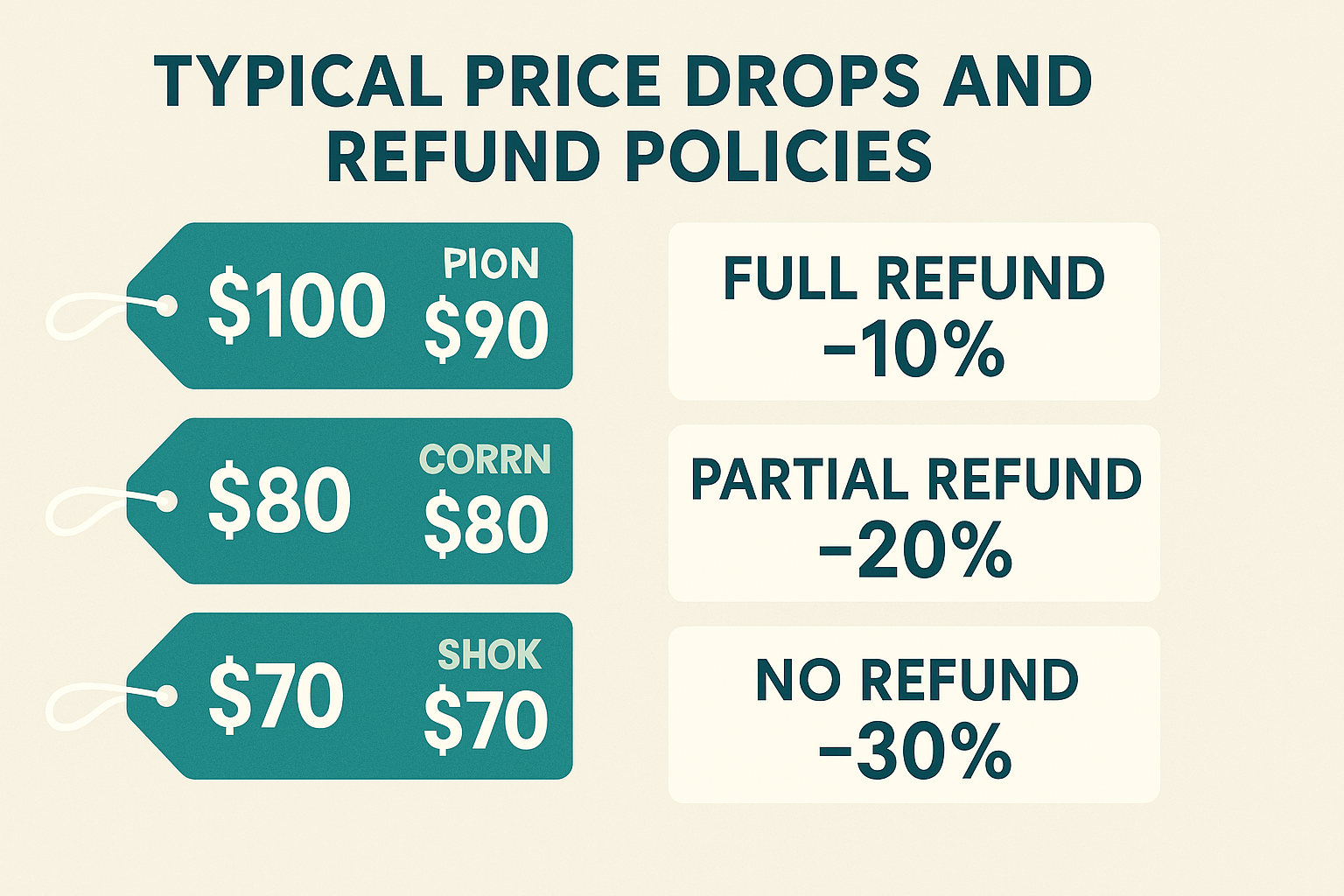
The timing of your hotel booking also plays a crucial role in securing price drop refunds. Refund eligibility commonly extends for a period of 7 to 14 days after the initial booking, depending on the property’s refund policy and the booking platform’s terms. During this window, if the hotel rate decreases, travelers can claim a refund for the difference. Studies indicate that refunds are most frequent within the first week following booking, as prices tend to stabilize afterward.
Understanding when to expect price changes helps maximize refund opportunities. For instance, hotels often adjust prices after early cancellations or when occupancy rates remain low as the stay dates approach. Booking during off-peak seasons or shoulder periods before peak times increases the likelihood of later price drops. Additionally, weekday bookings typically offer more flexibility for refunds compared to weekend reservations, as demand fluctuates more on weekends.
Data from several recent case studies show consistent refund patterns:
- Booking 30-60 days in advance in off-season periods yields average savings of 20% after refunds.
- Travelers in peak travel months saw refund potentials mostly between 10%-15%, reflecting higher baseline prices and lower rates volatility.
- Holiday periods often have fixed high prices with minimal refund opportunities, except last-minute cancellations or promotions.
To take full advantage of these patterns, travelers should monitor hotel rates actively for at least a week after booking. Platforms like AirTtkt simplify this process by providing updates and easy refund claims if prices drop. This data-driven approach helps users avoid overpaying while enjoying flexible travel plans.
Best Platforms and Tools for Hotel Price Drop Refunds
Scoring a hotel price drop refund can save you a significant amount on your travel budget. Several popular online travel agencies (OTAs) offer refund or credit policies when hotel rates decrease after you book. Here’s a comparison of top platforms and tools to help you benefit from price adjustments effectively.
Review of Key Platforms’ Refund Policies
Expedia provides one of the most traveler-friendly price drop refund options. If the same room you booked drops in price within 24 hours, Expedia often refunds the difference automatically. Some bookings may qualify for price match guarantees, subject to terms. However, be aware that deeply discounted or non-refundable rates usually don’t qualify.
Agoda offers a “Price Guarantee” that entitles you to a refund if you find the same room at a lower publicly available rate. The catch: you must claim within 24 hours of booking and provide proof. Agoda’s policies apply mostly to their own platform prices and may exclude third-party sites.
Booking.com is less known for formal price drop refunds, but its flexible cancellation policies and “Best Price Guarantee” can help. Some hotels under Booking.com’s program refund the difference if you find a lower price on their site within 24-48 hours. The reliability varies depending on hotel participation and booking conditions.
Other platforms like Hotels.com (with its “Price Guarantee”) or AirTtkt focus on competitive pricing but generally lack automatic price drop refunds. Instead, their user-friendly interfaces and timely customer service facilitate quick rebooking or cancellation if you spot a better deal.
Comparing Refund Rules and Customer Service
| Platform | Refund Eligibility Window | Processing Speed | Customer Service Reliability |
|---|---|---|---|
| Expedia | Within 24 hours | Usually within 3-5 days | High – 24/7 support via phone/chat |
| Agoda | Within 24 hours with proof | 7-10 days | Moderate – Email support primarily |
| Booking.com | 24-48 hours (varies by hotel) | Varies, often within 5-7 days | High – Responsive multi-channel support |
| Hotels.com | Usually 24 hours | 5-7 days | High – Phone and chat support available |
Using Alerts and Notifications for Price Drops
Most major booking platforms and OTAs offer tools to monitor hotel rates after booking. For example, Expedia and Agoda allow you to set up alerts for specific hotels so you receive notifications as prices fluctuate. Booking.com’s app features personalized price drop alerts based on your saved searches, helping you act fast when rates lower.
These alert systems typically push notifications via email or mobile apps, giving you an early warning to check eligibility for refunds or to rebook at the lower rate.
Third-Party Apps and Websites to Track Hotel Prices
Besides platform-specific alerts, third-party services specialize in tracking hotel prices across multiple sites and notify you of drops:
- PriceRadar: Monitors hotel rates and supports refund requests on various OTAs.
- Trivago and Kayak: While primarily meta-search engines, their alert features help identify cheaper rates post-booking.
- RefundMe: An app designed to automate claiming hotel price drop refunds, streamlining the refund process.
Using these tools broadens your monitoring scope beyond just one OTA, increasing refund or rebooking opportunities.
Tips to Maximize Hotel Refund Benefits
- Book on platforms with flexible cancellation: This allows you to cancel and rebook at a lower rate if you miss the official price drop refund window.
- Enable price alerts and notifications: Activate all available alerts to stay informed as soon as prices drop.
- Document price drops promptly: Screenshots and timestamps help make a stronger refund claim.
- Leverage apps like AirTtkt: Their easy comparison tools and customer support improve your chances of snagging the best prices and refunds.
- Check refund policies carefully: Understand restrictions related to booking type, cancellation rules, and blackout dates.


Timing Hotel Bookings for Optimal Price Drops
When it comes to hotel bookings, timing can significantly impact your savings. Deciding whether to book well in advance, wait for last-minute offers, or target the shoulder season plays a crucial role in capturing price drops—and potential refunds. Understanding these timing strategies helps travelers navigate price fluctuations with confidence and flexibility.
Book Early vs. Last-Minute Deals
Booking early often locks in lower rates, especially for popular destinations and peak seasons. Hotels tend to offer discounts months ahead to secure occupancy. However, last-minute bookings can present unexpected deals when hotels seek to fill unsold rooms close to the date, sometimes slashing prices by 20% or more.
Shoulder seasons—periods just before or after peak travel times—are a sweet spot for bargains. Hotels reduce rates to attract guests during lower demand, enabling savvy travelers to score quality stays at a discount.
Demand Cycles and Special Events Impact Prices
Hotel prices strongly respond to demand fluctuations. High-demand periods around holidays, festivals, or conventions push prices up. Conversely, quiet times following such events often trigger price drops. For example, a hotel in a city hosting an annual conference might raise prices weeks before but offer refunds or discounts if you booked early and the event’s attendance dips unexpectedly.
Awareness of local events and demand cycles helps pinpoint windows when hotels are more likely to lower rates, making price drop refunds or rebooking at a better rate possible.
Research Backed Booking Timing Strategies
Recent studies show booking hotels 2 to 3 months before a trip balances availability with competitive pricing, maximizing your chance for refunds if rates drop. Analysis from travel data firm STR indicates that price adjustments often occur within 7 to 14 days of the stay date. Booking too early without flexibility limits refund opportunities, while booking too late risks higher prices and limited options.
Last-minute price drops, verified by platforms like AirTtkt, can reach 15-25% off standard rates, especially midweek or during shoulder seasons. Combining early booking with a flexible cancellation or price match policy offers travelers the best of both worlds.
Flexibility Enhances Refund Opportunities
Flexible plans are key to optimizing hotel price drop refunds. Opt for refundable or partially refundable bookings allowing changes without fees. Monitor rates after booking and be ready to adjust reservations or request refunds if prices decrease.
Tools provided by AirTtkt help track price changes in real time, alerting travelers when refunds or rebooking options arise. Scheduling stays during lower demand periods or shoulder seasons increases the likelihood that hotels will lower prices—and honor refunds.

Insider Hotel Industry Tips for Price Drop Refunds
When hotel prices drop after booking, savvy travelers know there’s often a chance to secure a refund or price adjustment by negotiating directly with the hotel. Many hotels value customer loyalty and may accommodate requests to match lower rates, especially if you contact them promptly. Always have your original booking details and evidence of the lower rate ready to make your case clear and compelling.
Understanding the hotel’s best rate guarantee policies is key to leveraging price drops. Most reputable hotels promise to refund the difference or offer a discount if you find a cheaper published rate within a specific window after booking. This is tied closely to the concept of rate parity, which obligates hotels to maintain consistent prices across all booking platforms. Violations of parity often mean you’ll find a lower rate somewhere, so knowing how to call attention to these discrepancies can benefit your wallet.
However, be aware that the fine print of these guarantees can be complicated. Restrictions often exclude special packages, opaque or third-party sites, and last-minute deals. Take time to read through the terms carefully, focusing on how long after booking you can claim a refund and the proof needed to validate your claim. Missing these details can result in lost opportunities for refunds and adjustments.
Equally important is to fully understand the hotel’s cancellation policy. Some bookings are non-refundable or have strict deadlines to cancel without penalty. Knowing the exact cutoffs and penalties before making a reservation helps avoid unexpected charges and ensures you don’t forfeit potential refunds if you need to rebook at a lower rate.
Another often overlooked strategy is to leverage hotel loyalty programs or membership perks. Members sometimes have access to exclusive discounted rates, price match guarantees, or rebates unavailable to the general public. Loyalty status also enhances your negotiating power with hotel staff since they want to retain repeat customers. Don’t hesitate to mention any membership benefits when requesting a price adjustment or cancellation refund.
To summarize, getting a price drop refund requires a mix of timely action, policy awareness, and effective communication. Contact the hotel directly as soon as you notice a lower rate, understand the detailed terms of their rate guarantee and cancellation policies, and represent yourself as a valued customer, ideally by mentioning your loyalty program status. These insider tips empower travelers to avoid pitfalls and maximize savings when booking hotels.
For the most reliable and comprehensive hotel booking experience with competitive rates, visit AirTtkt, where you can compare prices, check flexible policies, and find exclusive deals that help you save more on every trip.
Cancellation Flexibility and Refund Opportunities
When booking a hotel, understanding the distinction between refundable and non-refundable rates is crucial for managing your travel budget effectively. Refundable rates allow you to cancel your reservation within a specified period and receive a full or partial refund, offering peace of mind if your plans change or if you find a better price later. Non-refundable rates, on the other hand, are typically cheaper but come with strict cancellation policies—once booked, you risk losing the entire payment if you cancel.
Choosing refundable rates often means paying a premium upfront; however, this slight increase can be a smart trade-off. If room rates drop after your booking, refundable rates enable you to cancel and rebook at the lower price, effectively saving money. With non-refundable bookings, you lose that flexibility and the opportunity to capitalize on price fluctuations, which could cost you more in the long run.
Cancellation policies for refundable bookings usually specify a cut-off time before your check-in date—commonly 24 to 72 hours in advance—during which cancellations are free of penalty. It’s essential to review these time frames carefully before booking to ensure they align with your travel risk tolerance and refund expectations. Booking platforms like AirTtkt provide clear breakdowns of these terms, empowering travelers to make informed choices.
Travelers opting for non-refundable rates should be aware of the inherent risks. While the initial savings can be tempting, these bookings offer no refund if your plans change or if you discover a better deal. In such cases, your investment is fully at stake. Booking non-refundable accommodations means committing firmly to your itinerary, which can be risky for flexible or uncertain travel plans.
Balancing cancellation flexibility and pricing requires assessing your personal travel style and the likelihood of needing to cancel or adjust your plans. If you value security and the ability to respond to changing prices, refundable rates provide a valuable safety net. Conversely, if your itinerary is fixed and you prefer upfront savings, non-refundable options may suit you better—but with an acceptance of potential losses.
Real Examples Showing Hotel Price Differences
Understanding how hotel prices can vary across booking channels can unlock significant savings for travelers. Here, we present real case studies where savvy hotel bookers used different approaches—direct hotel sites, online travel agencies (OTAs), and mobile apps—to secure better deals, claim refunds, and take advantage of cancellation policies.
Example 1: Direct Booking with Price Drop Refund
A traveler booked a 3-night stay at a popular beachfront hotel directly through the hotel’s official website for $450. Within 48 hours, the hotel reduced prices to $390. Using the hotel’s price guarantee policy, the traveler submitted a refund claim via the hotel’s customer service portal.
The refund was processed in 5 business days, crediting $60 back to the original payment method. The traveler’s final cost dropped to $390 without needing to cancel or rebook, saving 13%. This example shows the advantage of direct bookings when the hotel offers a price match or refund program.
Example 2: OTA Booking with Cancellation and Rebooking
In another scenario, a family booked a hotel stay through a well-known OTA app for $520. A week later, the OTA offered a sale that reduced the price for the same room to $470. However, this booking was non-refundable.
Instead of a price drop refund, the family canceled their initial reservation within the free cancellation window and rebooked the same hotel using the discounted rate. The OTA’s user-friendly cancellation policy made this process seamless, effectively saving $50 on the same stay.
Example 3: Savings via Price Drop Alerts on Mobile Apps
A frequent business traveler booked a downtown hotel through a mobile app affiliated with an OTA for $360. The app’s price drop alert feature notified them of a $320 price 3 days later. The traveler used the app’s chat support to request a partial refund under their best-price guarantee.
The app verified the lower rate and issued a $40 refund within 72 hours. This approach saved nearly 11%, illustrating how price alerts and quick customer support are key benefits when booking on mobile platforms.
Processing Refund Claims and Maximizing Savings
Across these examples, successfully claiming refunds or rebooking at lower prices involved:
- Monitoring hotel prices closely after booking
- Understanding each platform’s refund and cancellation policies
- Promptly submitting refund requests or canceling within allowed periods
- Using price alerts or customer support chat functions for assistance
These steps ensured travelers did not miss out on savings when prices dipped after their initial reservations.
How Booking Channels Affect Price Strategies
Each booking channel presents unique advantages:
- Direct bookings: Often provide price match guarantees and straightforward refund policies.
- OTAs: Offer attractive last-minute deals and flexible cancellation, enabling rebooking strategies.
- Mobile apps: Deliver timely price drop alerts and instant communication with support for refunds.
By understanding these differences, travelers can choose the channel best suited for their risk tolerance and flexibility, maximizing savings.
Price Drop Refunds FAQ for Hotel Bookings
What is a price drop refund in hotel bookings? A price drop refund allows travelers to receive partial reimbursement if the price of their booked hotel room decreases after their reservation. This refund protects you from overpaying when hotel rates fluctuate due to promotions or demand changes.
How can I claim a price drop refund after booking a hotel? To claim a refund, first check if your booking platform or hotel offers a price drop guarantee. Many platforms, like AirTtkt, have straightforward refund policies: simply provide proof of the lower rate and your original booking details within the allowed period, often 24-72 hours after purchase.
When should I book hotels to maximize price drop refund chances? Booking hotels several weeks in advance can increase the likelihood of price drops, especially during off-peak seasons or when last-minute deals emerge. However, keep an eye on rate trends because booking too early or too late might limit refund options.
Why is cancellation flexibility important for price drop refunds? Flexible cancellation policies give you the option to rebook at the lower rate if a price drop occurs. Without cancellation flexibility, you may not be able to cancel and claim a refund, so prioritize bookings that allow free cancellation or changes.
Can I negotiate with hotels if prices drop after I booked? While not guaranteed, reaching out directly to the hotel can sometimes yield additional discounts or goodwill gestures when prices drop. Hotels appreciate proactive customers and may offer upgrades or vouchers to compensate for the difference.
How do I use price tracking tools to monitor hotel rates? Utilize online price tracking tools and browser extensions that alert you when hotel prices fall. Platforms like AirTtkt provide real-time price comparisons and notifications, enabling you to act quickly for refunds or rebook at a better rate.
Are price drop refunds available on all booking platforms? Not all platforms offer price drop refunds. Some smaller or direct hotel bookings might lack this feature. When booking, confirm the refund policy and choose well-established sites like AirTtkt that support traveler-friendly refund programs.
Save Money with Price Drop Refunds on Hotels
Booking a hotel doesn’t have to mean overpaying. The key to smart hotel reservations lies in combining wise booking choices with diligent price tracking and flexible cancellation policies. Start by securing your stay early, but choose rates and platforms that allow for changes or cancellations. This approach opens the door to price drop refunds should rates decline after you book.
Timing your bookings strategically is essential. Prices fluctuate based on seasonality, demand, and special promotions. By continuously monitoring prices through reliable booking platforms, you can identify when rates drop and claim refunds or rebook at lower prices. Opt for hotels that explicitly offer price drop protection or refunds—this adds an invaluable safety net to your booking experience.
Choosing the right platform amplifies your savings. AirTtkt provides not only competitive hotel deals but also user-friendly price tracking tools and flexible booking options. This means you can confidently book knowing that if the hotel’s price falls, you have a chance to save even more without hassle.
Remember, flexible cancellation and refund policies aren’t just perks—they’re your best defenses against unexpected schedule changes or better offers. They allow you to keep your plans fluid while maximizing cost savings. Pair these policies with vigilant price monitoring to fully leverage price drop refunds and keep your travel budget intact.
Use this guide as your go-to resource for budget-friendly hotel bookings. Implement the strategies of early booking, tracking price trends, and selecting flexible options consistently. Over time, you’ll notice how much you can reduce your overall travel expenses without compromising quality or convenience.
Make AirTtkt your trusted partner on every trip. With its exclusive prices, 24/7 support, and smart booking tools, you’re always empowered to find affordable stays and enjoy seamless travel experiences. Start applying these price drop refund strategies today and watch your travel savings grow effortlessly.