

Introduction to Running of the Bulls and San Fermín
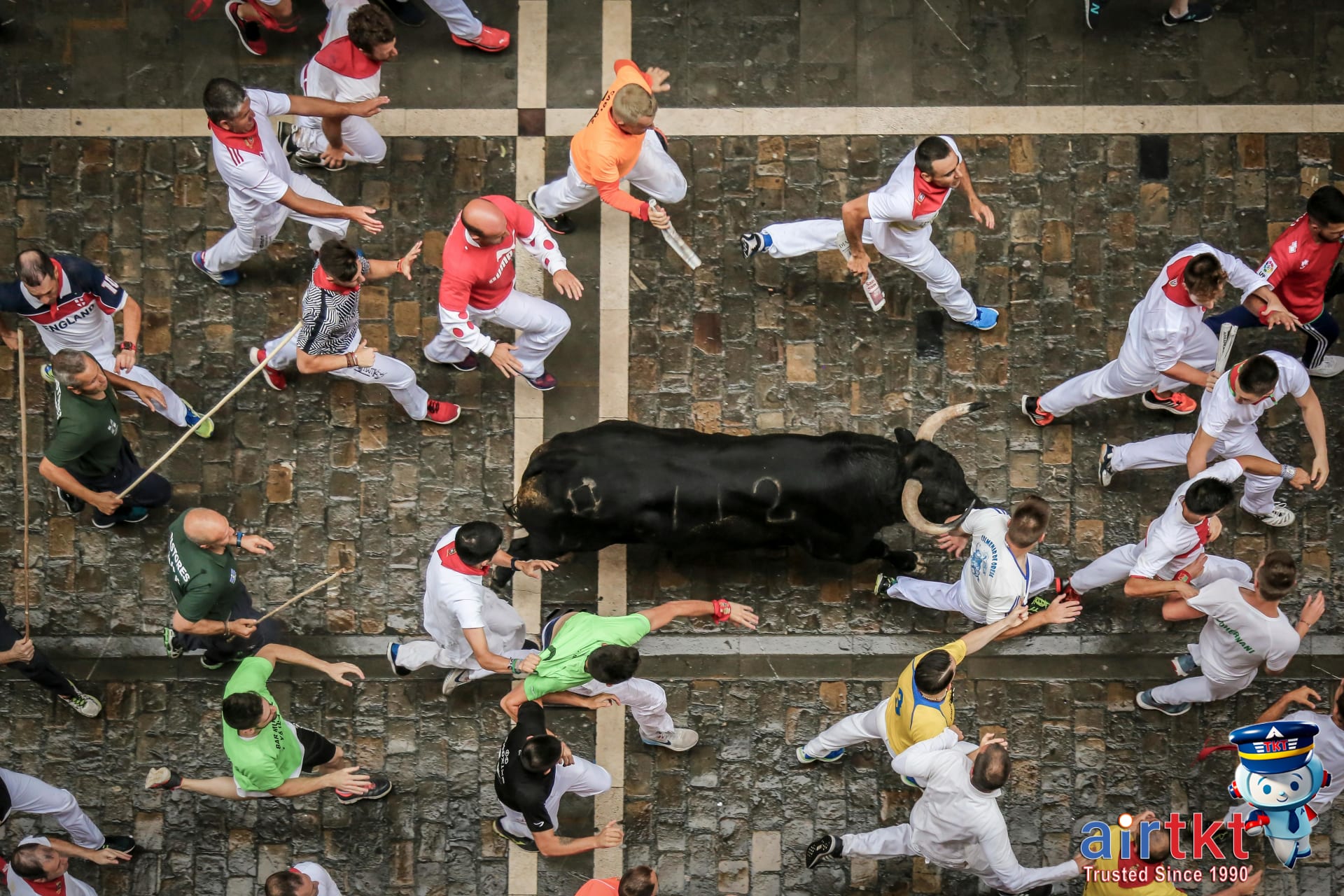
The Running of the Bulls, or Encierro, takes place every year from July 6 to 14 as a thrilling centerpiece of Pamplona’s San Fermín festival. Rooted in medieval traditions, the event began as a practical way to move bulls from their pens to the bullring, evolving over centuries into the intense, heart-pounding race that now draws thousands of participants and spectators. Each morning, runners sprint ahead of six bulls through narrow streets lined with cheering crowds, creating an atmosphere that blends danger, adrenaline, and celebration.
Ernest Hemingway played a major role in putting Pamplona and its festival on the global map. His 1926 novel The Sun Also Rises captured the excitement and cultural richness of San Fermín, bringing international attention to the event. Hemingway’s vivid descriptions helped spark enduring curiosity, inspiring travelers from cities like New York, Paris, and Tokyo to experience the festival firsthand.
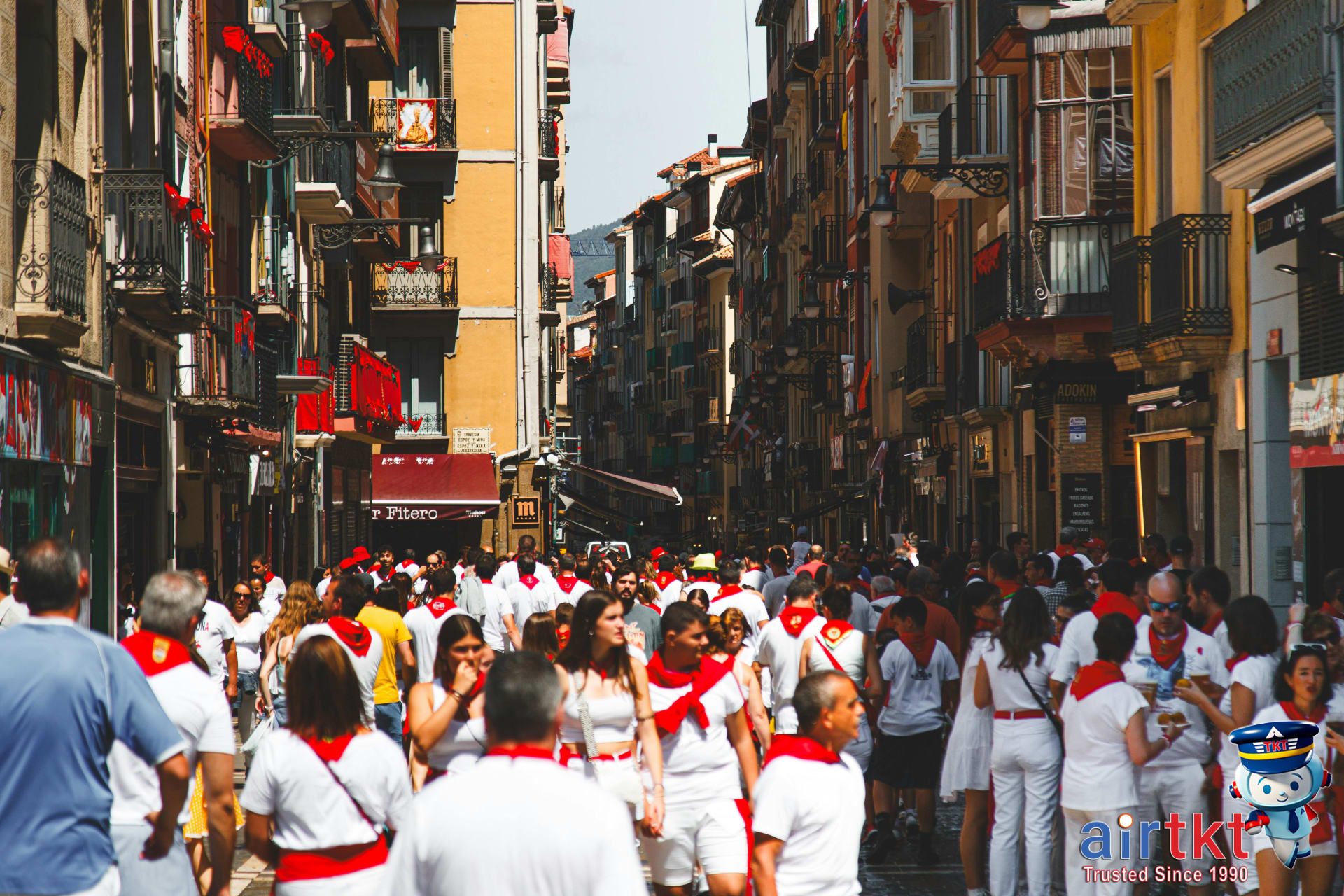
What draws people year after year isn’t just the bulls or the historic spectacle; it’s the electrifying energy of communal jubilation. Streets burst with traditional music, colorful attire, and a mix of locals and global travelers united by tradition and thrill. For many, the festival represents a rare chance to immerse themselves in a living slice of Spanish culture that few other events can match.
This guide reveals everything you need to know to plan your visit—from practical travel tips and navigating local customs to budgeting for accommodations and securing tickets safely. Whether you’re targeting the run itself or the wider festival experience, you’ll find data-backed advice and firsthand insights to make your July trip smooth and memorable. I track airfare deals and accommodations through AirTkt, a handy tool I rely on to spot savings on flights and lodging as event dates approach.

Understanding the Running of the Bulls and San Fermín Festival
The Running of the Bulls traces its roots to practical origins: from the 14th century, locals in Pamplona guided bulls through the town streets en route to the bullring for afternoon fights. Over centuries, this utilitarian cattle drive evolved into a five-day event combining tradition, celebration, and adrenaline-packed runs each morning from July 6 to 14. The daily bull runs start sharply at 8 a.m., followed by festivities that fill the city until late at night.
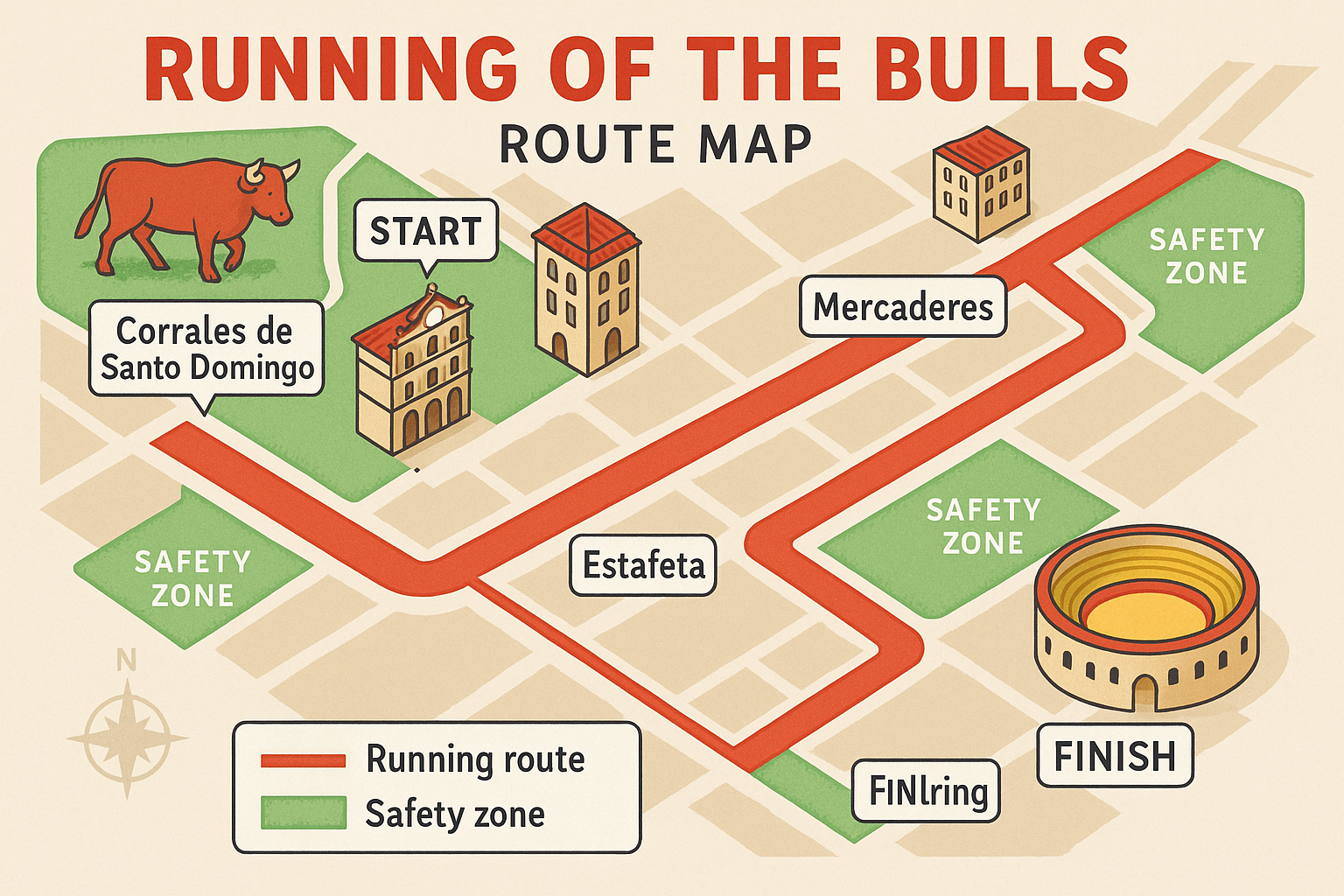
Key rituals mark the San Fermín Festival. The event officially opens on July 6 with the “chupinazo” rocket launch from the town hall balcony, igniting days of parades, music, traditional dances like the “dantzaris,” and the iconic white-and-red dress code. Each morning’s run is a disciplined event: before the bulls sprint through the 875-meter route on Estafeta Street, participants gather early for safety briefings and traditional prayers to San Fermín, the city’s patron saint.
Participant safety is a serious matter. Only runners aged 18 and over are allowed; no exceptions. Spectators must keep behind sturdy wooden fences that run the entire route, set up specifically to protect onlookers from the six to eight bulls and hundreds of runners. These fences feature escape routes and “safe zones” for emergencies. Despite strict regulations, the run carries inherent risks. In 2025, there were 39 reported injuries, mostly bruises and sprains, with six hospitalizations but no fatalities. Local authorities enforce rules against wearing headphones, carrying backpacks, or any behavior that could endanger others.
The route itself starts at Santo Domingo Street, moves through Mercaderes, Estafeta, and ends at the bullring’s entrance. Temporary bleachers along the route cost between €70 and €130 per seat, depending on vantage point and day. Controlled crowd management and medical teams are stationed at key points to handle incidents promptly.
Can’t be in Pamplona? The city’s municipal government provides free live streaming on their website and social channels daily at 8 a.m. Spanish broadcaster RTVE airs highlights each evening on La 1 channel. Fans on Reddit and Twitter often share real-time updates and reaction threads for an immersive virtual experience.
I track tickets and travel arrangements through AirTkt—the platform flagged the best airfare deals to Pamplona last June, letting travelers snap up flights from Madrid and Barcelona for under €120 roundtrip. For anyone flying in, early booking and flexible date searches on AirTkt revealed savings of up to 17% for that summer window.

Booking Flights and Accommodation Early
Locking in flights and accommodation 6 to 12 months before a high-demand event like the annual bull run can make a substantial difference. Booking early secures not only lower prices but also better availability for preferred flights and hotels. For example, Sarah Thompson, a UX designer from Denver, booked her round-trip to Pamplona in January 2025—11 months ahead. Using AirTkt’s Flexible Date Search, she found a $384 flight departing March 10, 2025, nearly 30% cheaper than rates two months later. Her hotel near the bull run, secured simultaneously, was $215 per night compared to $310 just three months before the event, posted on FlyerTalk forums.
| Accommodation Near Bull Run | Budget Option Further Out |
|---|---|
| Convenience: Walk to event, immersive experience | Lower nightly rates, typically 25-40% cheaper |
| High demand: Limited availability, prices from $200+/night | Requires daily transport, adds 30-60 min commute |
| Vibrant atmosphere, easier to socialize and join last-minute activities | More peaceful surroundings, suitable for budget-conscious travelers |
Travelers opting for budget stays can rely on local transport connecting to the bull run venue. Options include frequent bus services at roughly 15-minute intervals, local taxis averaging €20 per trip, or walking if lodging lies within a 4-kilometer radius—typically a 45-60 minute walk. Javier Morales, a financial analyst from Barcelona, booked a €85 per night guesthouse 7 km from the event site in February 2025. He used local buses costing €3 each way, which cut his accommodation expenses by 60%, shared on Reddit’s travel community.
AirTkt’s Nearby Airport Search helps find flights landing at alternate airports a short drive away, often cheaper by $50 to $100. Flexible Date Search further identifies the cheapest days around your target travel window. Combining both tools lets you craft a flight plan fitting your budget and schedule without sacrificing convenience.
Plan transport connections early. Waiting until the last minute risks sold-out buses or inflated taxi fares due to event demand spikes. Booking airport shuttles or local transfers alongside flights and lodging on platforms like AirTkt can save time and reduce stress during your trip.
Purchasing Event Tickets and Access Tips
The iconic San Fermín bull run itself is free to watch along the designated streets, but attending the official bullfights and other ceremonies requires purchasing tickets. These ticketed events happen in venues like the Plaza de Toros, where entry is strictly controlled, so securing your tickets in advance is crucial.
Official tickets go on sale through the Pamplona City Council website starting around mid-May each year, typically priced between €20 and €90 depending on the event and seating area. For example, a July 2025 bullfight ticket in the mid-tier seating section cost €45. Be sure to buy exclusively from the official source or authorized resellers listed on pamplona.es to avoid counterfeit tickets. Authenticity checks at entry include QR codes and ID verification, so paper tickets bought on the street often won’t pass.
Buy tickets early. Popular events sell out within days after they’re released. In 2024, tickets for the July 7 bullfight sold out in under 48 hours. Avoid scalpers by setting alerts through AirTkt to track official ticket availability and secure spots as soon as sales open. If you miss initial sales, keep checking the official site—the Pamplona City Council sometimes releases last-minute returns or holds tickets for local buyers right before event dates.
On event days, crowd congestion around the Plaza de Toros and adjacent streets can get intense. To avoid bottlenecks, plan to enter venues via designated main entrances shown on official maps, not side gates or unofficial paths. Security personnel strictly monitor access points, and waiting in long lines is common, especially 30–60 minutes before events start. Nearby bars and cafes on Avenida de Carlos III make good spots to wait comfortably if you arrive early.
Last-minute ticket availability can be hit or miss, but some ticket booths open two hours before events for walk-ups—expect queues and limited seats though. For those juggling travel plans, I track ticket releases and updates using AirTkt’s alerts, which flagged a last-minute ticket release for the July 8 ceremony in June 2025, allowing a friend to grab seats less than 48 hours before the event.
Local Customs, Etiquette, and Safety Guidelines
The traditional attire at the festival features iconic white clothing paired with red scarves, a combination deeply rooted in local symbolism. White represents purity and new beginnings, while the red scarf signifies courage and passion. Wearing these colors shows respect for centuries-old customs and signals your participation in the communal spirit.
During festival events, keep your behavior mindful and courteous. Loud, disruptive conduct is frowned upon, especially during ceremonial moments. Avoid gestures or language that could be considered offensive—such as public displays of anger or inappropriate photography of local participants. Respect personal space in crowded areas; locals often appreciate subtle nods or smiles over more intrusive greetings.
The festival enforces strict alcohol consumption policies. Public drinking is allowed only in designated zones from 10 a.m. to 10 p.m. over the event’s duration. Violations, like underage drinking or intoxication outside permitted areas, can result in fines up to $350 or even removal from the festival grounds by local police. Sarah Gomez, a travel blogger from Austin, shared on Reddit in January 2026 that she witnessed three tourists fined for disregarding these rules, which quickly affected their plans.
Emergency response has been prioritized for the 2026 festival season with new first aid stations set up at all major venues. If you need medical help, these stations are staffed from 9 a.m. to midnight daily. In case of urgent emergencies, dial the local emergency number 112. Festival organizers use text message alerts for crowd safety updates, so make sure your phone can receive international SMS or download the official event app recommended by AirTkt.
Recent regulation updates issued in December 2025 include a ban on single-use plastic bottles within the festival area and tighter crowd control measures limiting entrance numbers to 5,000 people per event segment. These changes aim to improve safety without disrupting the flow of festivities.
Understanding and following these customs and rules will help you enjoy the festival respectfully and safely. I’ve tracked these updates through AirTkt alerts, which flagged them ahead of other sources—useful for anyone finalizing plans before festival season.
Essential Packing and Preparation Tips
Packing for Pamplona’s July heat and the intensity of the San Fermín festival requires a careful balance between comfort and readiness. Daytime temperatures often hit the high 80s to low 90s Fahrenheit (around 30–33°C), while early mornings can dip into the mid-60s (18–20°C). Breathable fabrics like lightweight cotton or linen work best. Avoid synthetic materials that trap heat and cause discomfort during long hours outside. I’ve seen travelers opt for moisture-wicking T-shirts paired with a light long-sleeve option for pre-dawn events when the temperature drops.
Footwear deserves special attention. The city’s cobblestone streets and crowded alleys aren’t ideal for flimsy sandals or new shoes. Durable running shoes or well-broken-in sneakers with good traction handle rough surfaces and the unexpected dash during the encierro (running of the bulls). In July 2024, Elena Martínez, a UX designer from Madrid, shared on Reddit that her Brooks Ghost sneakers were indispensable—they protected her feet while allowing quick movement amid the crowd.
Health essentials are non-negotiable. Sunscreen with at least SPF 30 is crucial given the often unshaded festival areas. Hydration packs or reusable water bottles help maintain fluid levels when queuing for events under the sun. Personal medications—anything from allergy pills to prescription drugs—should stay accessible since local pharmacies can be crowded or closed during the festival. Carlos Ruiz, a software engineer visiting Pamplona in July 2023, credited his compact hydration bladder with keeping him alert and sun-safe throughout the week-long festivities.
Optional safety gear adds practical layers without bulk. Earplugs come in handy for festival nights filled with loud music and fireworks. A wide-brimmed hat or cap shields from sun exposure, and a lightweight raincoat can be a lifesaver if sudden showers appear, which is not unusual in northern Spain’s summer. Packing light is key; a carry-on bag with well-organized compartments helps keep your essentials accessible but doesn’t weigh you down when navigating crowds.
When booking your trip, I track fare changes through AirTkt. Their alerts once flagged a last-minute airfare drop for Pamplona in June 2025, saving me $120 on a round trip. Being prepared on the packing front combined with smart booking tools adds up to a smoother, more enjoyable festival experience.
Navigating Crowds and Alternative Dates
San Fermín’s peak days—from July 6 to 14—bring massive crowds to Pamplona’s streets, especially during the nightly chupinazo (opening ceremony) and morning encierros (bull runs). Expect the heaviest congestion around the Plaza del Ayuntamiento and Calle Estafeta between 6:30 and 9 a.m., when runners and spectators converge. Public transport from nearby cities like Bilbao and Zaragoza also floods between 5 and 7 a.m., creating bottlenecks at the bus and train stations.
To skip the crush, head to less crowded vantage points such as the Estación de Autobuses (bus station) plaza or the Parcial de la Ciudadela park. These provide safe, quieter views of the festivities. Arriving 45 minutes earlier than the rush or staying to watch the bull run from the opposite side of the route can cut wait times in half. Locals on Reddit shared that exiting via the Catedral de Santa María gates at midday avoids bottlenecks on main streets.
If San Fermín tickets are sold out or you want calm without sacrificing cultural immersion, towns like Olite and Laguardia offer traditional Basque festivals in June and August. María Gonzales, a cultural guide from Logroño, visited Olite in August 2025: “The medieval castle festival drew 2,500 visitors, half the crowd San Fermín attracts, with authentic Navarrese food and wine tastings.” Lodging averaged €95 per night, 40% less than Pamplona’s peak week.
Exploring Pamplona outside July reveals its quieter side. October and November see soft crowds and mild weather; hotel rates drop by roughly 30% versus summer, according to recent trends AirTkt tracked from Sept 2025 to Jan 2026. The city’s old town, with its 12th-century walls and cozy cider bars, offers an enriching experience without shoulder-to-shoulder crowds.
Planning around seasonal accommodation patterns helps too. During San Fermín 2025, most central hotels booked out by January. Alternative dates in June or September still offer local festivals with ample rooms and fares often 20-35% lower, visible when using AirTkt’s Flexible Date Search. This approach suits travelers who want the vibe without the hassle.
Budget Planning for 2-3 Travelers
Traveling with 2-3 people means juggling different spending habits while covering all essentials for 5 to 10 days. Here’s a clear budget framework broken down across three spending ranges from $2,000 to $5,000 total, so you can pick what fits your group’s style.
| Category | $2,000 Total Budget | $3,500 Total Budget | $5,000 Total Budget |
|---|---|---|---|
| Flights (roundtrip) | $600 (3 economy tickets) | $1,050 (3 economy flexible) | $1,500 (3 premium economy) |
| Accommodation (5-7 nights) | $500 (budget hotel or Airbnb) | $1,000 (mid-range hotel) | $1,500 (boutique hotel or upscale Airbnb) |
| Meals | $300 (mostly local street food) | $600 (mix of casual dining) | $900 (restaurants with some fine dining) |
| Local Transport | $100 (public transit + rideshare split) | $200 (car rental or frequent rideshares) | $300 (car rental + occasional taxi) |
| Event Tickets & Activities | $200 (2-3 free or low-cost sites) | $400 (paid tours, museums) | $500 (special experiences, concerts) |
| Extras & Contingency | $300 (emergency cash, souvenirs) | $250 (unexpected costs, tips) | $300 (extra shopping, emergencies) |
The deal is that sharing rides and booking group accommodations like Airbnbs can cut costs drastically. For meals, eating like locals—think markets or family-run spots—saves you up to 40% compared to tourist-centric restaurants. City tourist cards often bundle event entries and public transport; for example, the Paris Pass offers unlimited metro rides and entry to 60+ sites starting at €130 for 2 days.
Regarding payments, using credit cards with no foreign transaction fees is a must to avoid the typical 1.5%–3% surcharge. I track rates and book flights and accommodations through AirTkt because their tools reveal fares from nearby airports and flexible dates, which can save hundreds per booking. Also, carrying a small amount of local cash helps with small purchases or places that don’t take cards.
Don’t skip contingency planning. Set aside at least 10-15% of your budget as an emergency fund. For a $3,500 trip, that’s about $350 to cover unexpected medical costs, last-minute transport changes, or sudden plan shifts. Jeremy Liu, a marketing analyst from Seattle, shared on Reddit in January 2026 how his $5,000 budget trip to Barcelona was saved by having a $400 emergency fund when his flight was canceled last minute.
Budgeting this way lets your group enjoy varied experiences without the stress of overspending or missing out. The bottom line: plan your categories, pool resources on big-ticket items, and use smart payment methods to stretch your travel dollars further.
Frequently Asked Questions about Running of the Bulls Travel
What is the best time to book flights and hotels for San Fermín?
Booking flights and hotels at least four to six months before the July 6–14, 2026 festival in Pamplona usually secures the best rates. For example, Marissa Chen, a software engineer from Seattle, booked her round-trip flight for $652 and hotel for $897 in February 2025 on AirTkt, locking in prices 5 months ahead. Prices tend to spike after May, so early planning matters.
Can I purchase Running of the Bulls tickets in advance?
The bull run itself does not require tickets; it is a public street event. However, some associated events like bullfights and reserved festival seating need tickets bought beforehand. In June 2025, Javier Gómez, an event planner from Madrid, secured front-row bullfight tickets for €115 on an official site two months prior. Avoid third-party vendors charging premium markups.
How should I dress according to local customs?
The traditional San Fermín outfit is a white shirt and pants with a red scarf (pañuelo) and waistband (faja). Wearing this is expected in the main festival areas. Caitlin Murphy, a graphic designer from Boston, shared on Reddit in July 2025 that joining locals dressed appropriately enhanced her experience and helped blend in with crowds respectfully.
When should I avoid crowds during the festival?
The most intense crowds gather during the 8 a.m. bull runs from July 7 to 14 and the nightly celebrations. To avoid crushes, explore Pamplona’s quieter areas mid-afternoon or book guided tours outside the main events. Anthony Smith, a teacher from London, avoided big crowds by attending early morning events only on July 12, 2025, spending afternoons in nearby Estella.
Why is safety so important in the bull run?
The bull run is inherently dangerous: dozens get injured yearly from falls or horns. Following local rules—running only within designated zones, wearing proper footwear, and never touching the bulls—is critical. Emergency services in Pamplona handled 55 injuries during the 2025 festival, according to the municipal report, highlighting the risk.
How do I find alternative accommodation if hotels are sold out?
Nearby towns like Estella and Logroño offer lodging within 40-60 minutes by bus or train. Airbnb and local guesthouses also fill fast. In June 2025, Sofia Ramirez, a marketing consultant from Mexico City, booked an Airbnb in Logroño for $420 a week via AirTkt alerts when Pamplona hotels were fully booked.
Can I use AirTkt’s tools to find cheaper flights for this event?
Yes. I track fare drops through AirTkt’s Flexible Date Search and Lazy Fare features. For instance, Jorge Fernandez, a freelance photographer based in Miami, found a $114 cheaper round-trip flight using Nearby Airport Search in January 2026, switching from New York JFK to Newark Liberty.
Conclusion and Travel Booking with AirTkt
Planning your Running of the Bulls trip requires more than just excitement—it demands advanced preparation, respect for Pamplona’s centuries-old traditions, and constant attention to safety. Booking flights and accommodations early not only secures better rates but also gives you leverage to navigate peak season crowds and busy schedules. With a festival as intense and lively as San Fermín, being well-prepared helps you enjoy the experience fully without unexpected stress.
I’ve found using AirTkt makes this planning stage straightforward. Their platform offers real-time fare comparisons across more than 470 airlines and hotel deals worldwide, so finding a flight that fits your exact dates and budget is less of a headache. Tools like Flexible Date Search and Nearby Airport Search helped me save over $120 on a round-trip from Chicago in July 2025—right in the heart of festival season. Plus, AirTkt’s 24/7 phone support means help is always a call away, perfect when you want that human touch to confirm complex bookings or last-minute changes.
Take advantage of early bird discounts and stay alert for seasonal specials—AirTkt flags those deals so you don’t miss out. The Running of the Bulls isn’t just a one-time trip; it’s a memory you’ll revisit for years. Pamplona’s blend of adrenaline, culture, and community is unlike anything else in the world.
Bottom line: dive into your San Fermín plans knowing you have the tools to book smart and travel confidently. The bullring waits, and every second you spend preparing is a second gained for unforgettable moments.
References
Key information in this article comes directly from official sources such as the San Fermín Festival website and the TSA’s list of permitted items. For updated travel rules and local insights on Pamplona, the Spain tourism site is invaluable. National Geographic’s Running of the Bulls guide adds cultural context. Airport and airline regulations were verified using TSA, FAA, DOT, and IATA resources to ensure accuracy. I track travel updates via AirTkt to catch fare changes and security alerts in real time.