

Santiago’s City Vibe And Mountain Views

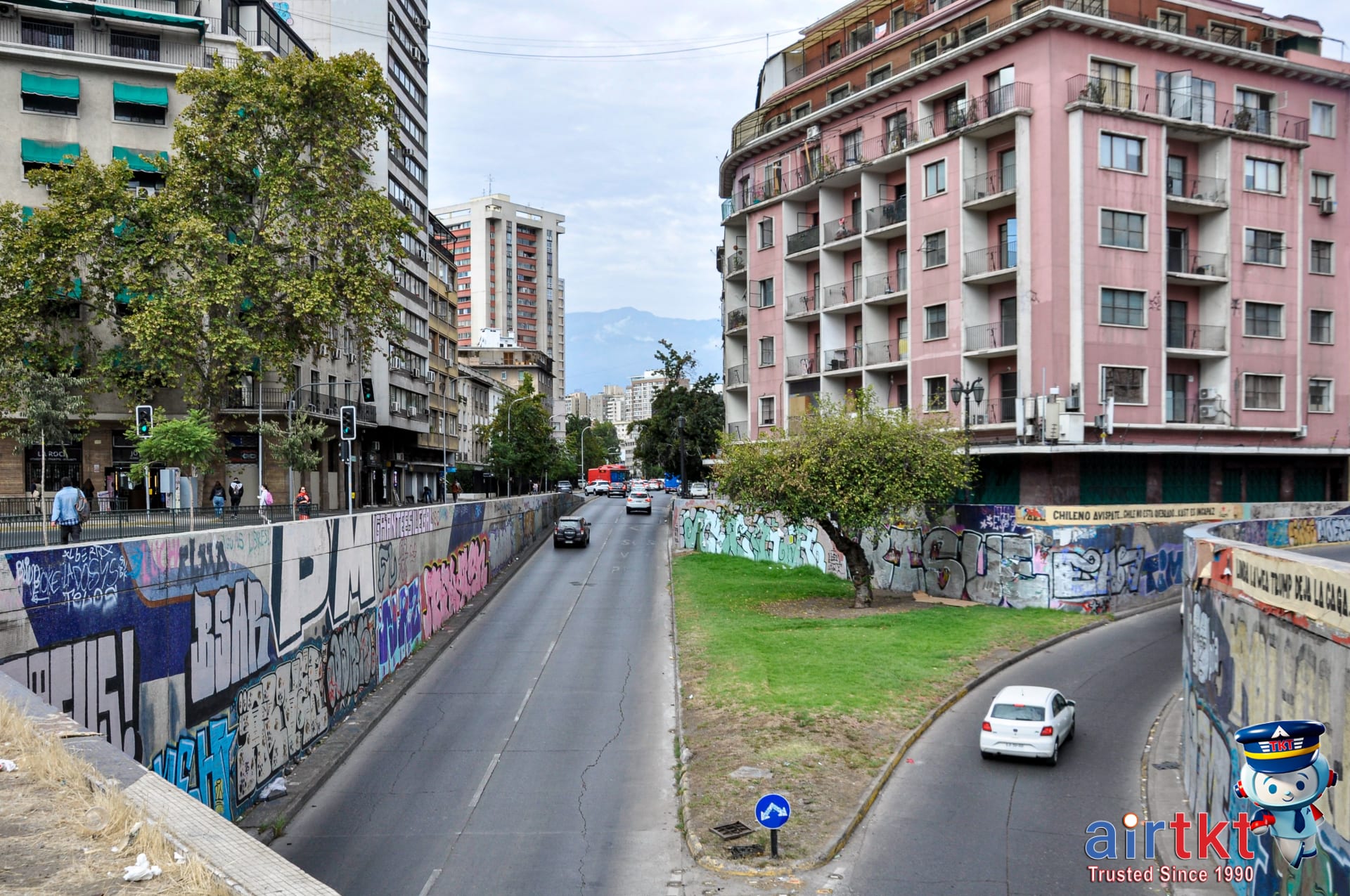
Santiago sits in central Chile, cradled by the snow-dusted Andes mountains, with a skyline that rises just where the city’s energy meets the drama of its landscape. The city’s neighborhoods blend old colonial plazas with soaring glass towers, and it’s common to see business travelers, artists, and families sharing the same urban spaces. I was amazed by Santiago’s striking blend of city life and mountain views—the contrast gives the city a character you won’t find anywhere else in South America.
There’s a cosmopolitan spirit here that’s easy to feel: local cafés serve rich Chilean coffee next to panaderías selling European pastries, and murals by young artists decorate walls not far from historical churches. You’ll hear Spanish, English, and other languages spoken in markets and music venues, reflecting a cultural mix that’s as vibrant as the cityscape itself. This unique setting makes Santiago both welcoming for first-timers and fascinating for travelers eager to dig deeper.
If you’re considering planning a trip, I’d recommend checking out the airtkt.com Chile travel guide for practical details, city highlights, and expert tips on navigating your journey beyond Santiago.
Exploring Bellavista, Lastarria, Providencia
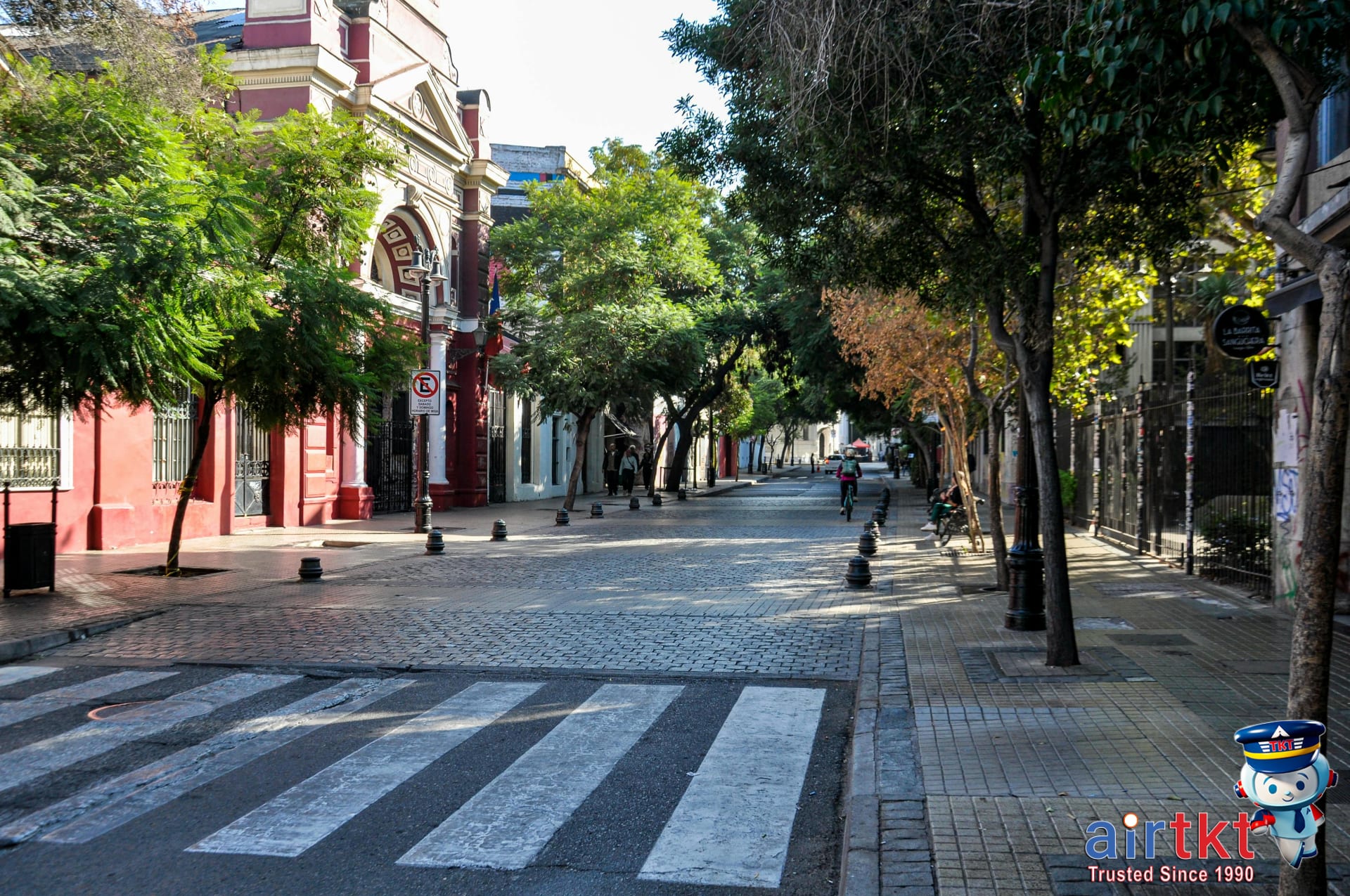
Santiago’s personality really comes alive when you wander through its distinct neighborhoods, each offering something special. Bellavista stands out with its energetic mix of art, street murals, music venues, and bohemian bars. I loved walking through Bellavista’s colorful streets—there’s a real sense of creativity and fun, especially in the evening as the nightlife picks up around Plaza Camilo Mori and the famous Patio Bellavista food and entertainment hub.
Just a short walk away, Lastarria feels completely different. It’s a cultural hot spot packed with boutique shops, independent theaters, and intimate art galleries. Cafes spill onto pedestrian streets where you might stumble into a pop-up book market or live music performance. I always recommend Lastarria to anyone looking for a laid-back afternoon or a dose of local culture between museum visits.
Providencia, on the other hand, is more relaxed and residential. Expect leafy avenues, parks like Parque de las Esculturas, and plenty of places to shop or stop for coffee. Providencia is perfect if you’re after a quieter pace, diverse restaurants, or some downtime in a shaded plaza. If you’re searching for the right place to stay or great food spots, check out airtkt.com’s Santiago accommodation and dining guides for personalized suggestions.
Must-See Attractions in Santiago

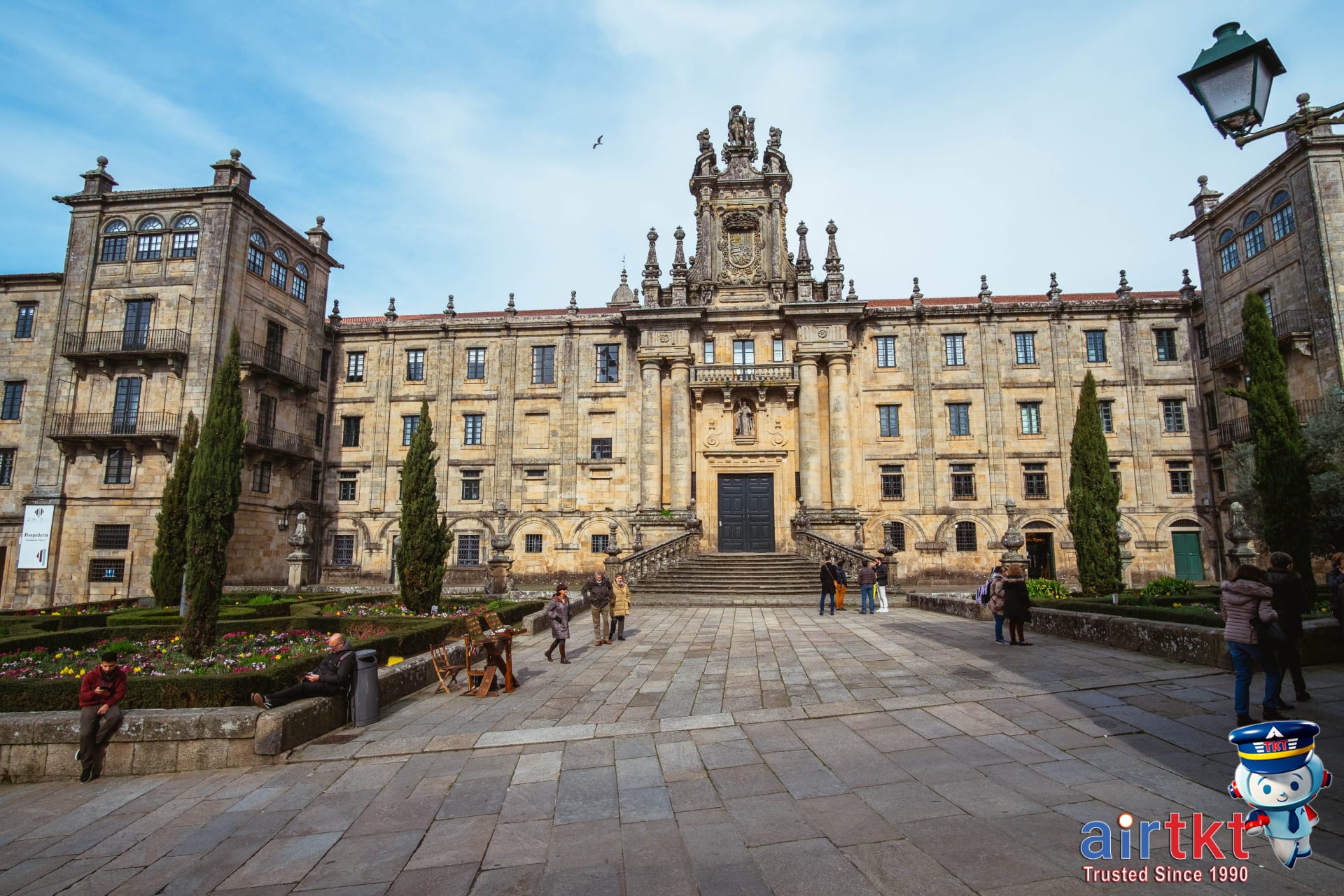
Santiago’s vibrant energy finds its heartbeat in a handful of essential stops. Whether you love city history, sweeping views, or culinary adventure, these attractions are what I’d check off first in the Chilean capital. Timing your visit and knowing how to plan ticketing make a real difference here.
Plaza de Armas Historic Square
The Plaza de Armas is Santiago’s central square and a gathering place that’s always buzzing. Surrounded by colonial architecture, the beautiful Metropolitan Cathedral anchors the plaza. Take time to sit on a shaded bench, watch local artists at work, and soak in the atmosphere. It’s free to stroll at any hour, but late mornings are less crowded and photography is best before noon when sunlight fills the square.
Cerro San Cristobal Views
Rising above the city, Cerro San Cristobal is a must for panoramic scenery. You can hike up, ride the historic funicular, or cycle if you’re feeling bold. I found Cerro San Cristobal’s views unforgettable—tracing the city’s urban sprawl all the way to the snow-dusted Andes feels surreal at sunset. Tickets for the funicular can fill up, so booking online or visiting early is smart, especially during weekends. Entry to the park grounds is typically free, though access to certain attractions within may require a ticket.
Museo de la Memoria Significance
For a deeper understanding of Chilean history, visit the Museo de la Memoria y los Derechos Humanos. This museum documents human rights events during Chile’s dictatorship period and is profoundly moving. Exhibits are thoughtfully presented in Spanish and English. Admission is often waived on certain public days—check before visiting, as this can help you plan around your schedule or budget.
Mercado Central Seafood & Culture
Head to Mercado Central to sample Chile’s lively seafood scene in a bustling, lively market. Fresh fish and shellfish are the main attractions, and you’ll see locals lining up for lunch. Wander the market stalls, then sit down for a ceviche at one of the small restaurants inside. It’s busiest around lunchtime, but if you arrive just before noon you can beat the biggest crowds and enjoy more relaxed service.
If you’re interested in other destinations that blend rich culture and history, I recommend browsing the airtkt.com blog section on Latin American cultural destinations for more inspiration.
Day Trips To The Andes Mountains
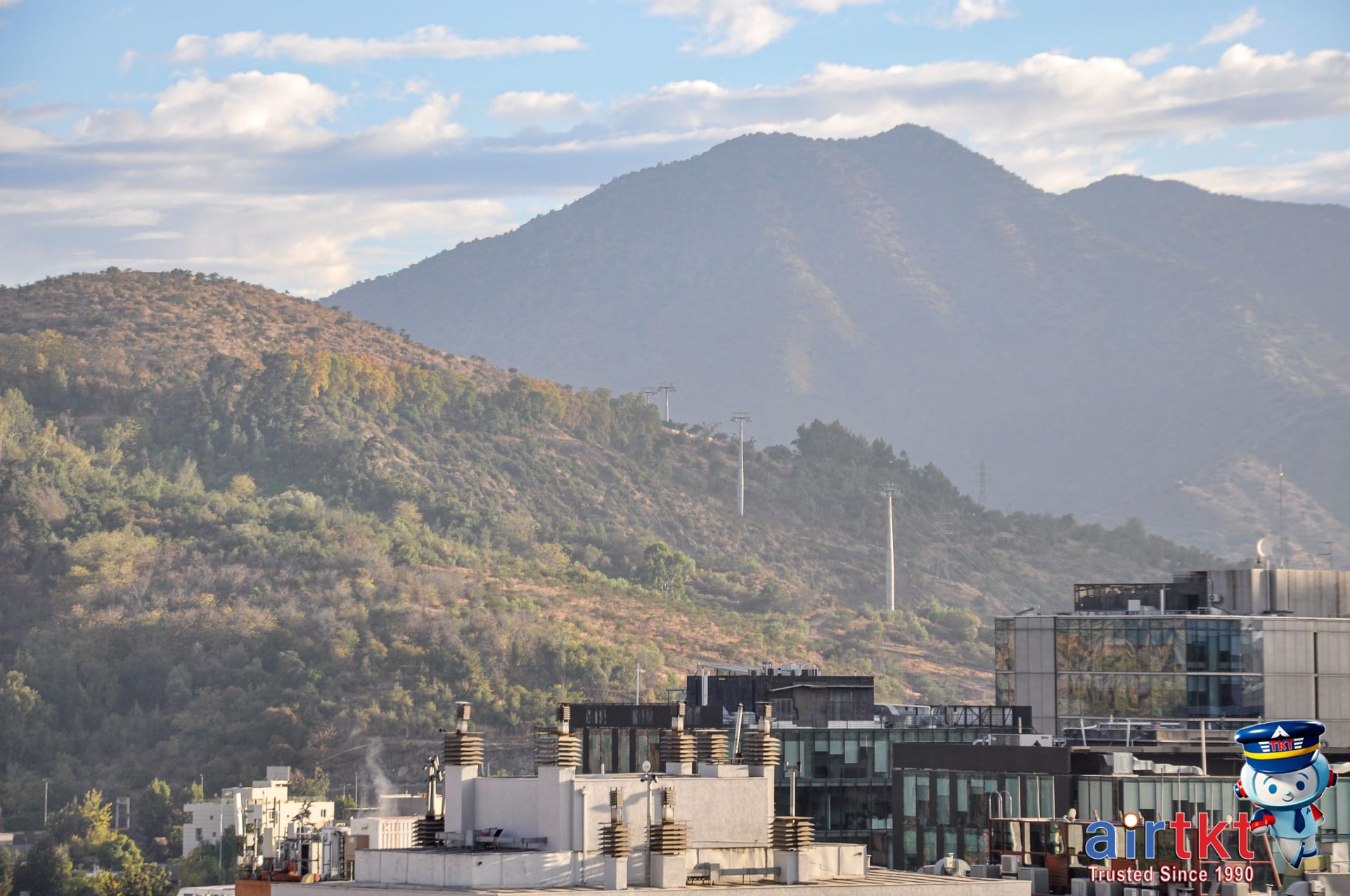
The Andes sit right on Santiago’s doorstep, making them an easy escape for those craving fresh air and dramatic scenery. A day in the Andes was the highlight of my trip—there is something about standing above the clouds that puts city life in perspective. Whether you’re itching for epic hikes, skiing in winter, or taking in mountain vistas from winding scenic drives, you don’t have to venture far from Chile’s capital to experience the best of the high country.
Popular Activities Near Santiago
In summer and early fall, hiking is the Andes day trip classic. Routes in Parque Yerba Loca or Cajón del Maipo offer everything from gentle trails to strenuous climbs, with glacier views and waterfalls waiting for those who push a little farther. During ski season (typically June to September but always check the current weather), resorts like Valle Nevado and La Parva become the main draw—just remember, road conditions can change quickly when there’s snow. If you’re less interested in active pursuits, scenic drives up into the Cordillera let you absorb the scale of these peaks without breaking a sweat.
Getting There: Access and Transport
Access points to the Andes are well marked and most trailheads or ski resorts are within an hour or two of Santiago. Many travelers rent a car to take things at their own pace, but there are also local shuttle buses to popular ski areas (book ahead, especially on weekends). For organized hiking excursions, plenty of operators depart Santiago early in the morning and bring you back before evening. I’d compare both guided options and self-drive plans before choosing—each has its perks, depending on your style.
Packing and Safety Essentials
The mountain weather shifts fast—even in midsummer, mornings and evenings can be cold, and strong sun at elevation is no joke. I always recommend packing layers (including a windproof jacket), good walking shoes, a sun hat, and high-SPF sunscreen. Don’t skip snacks and at least one large water bottle, since services in the mountains are limited. Mobile coverage fades quickly in remote zones, so let someone know your plans if you’re hiking independently.
If you’re aiming for deals or package excursions, I usually check airtkt.com for Andes region travel specials and bundled offers, as these can often streamline your planning.
Exploring Chilean Wine Experiences Near Santiago
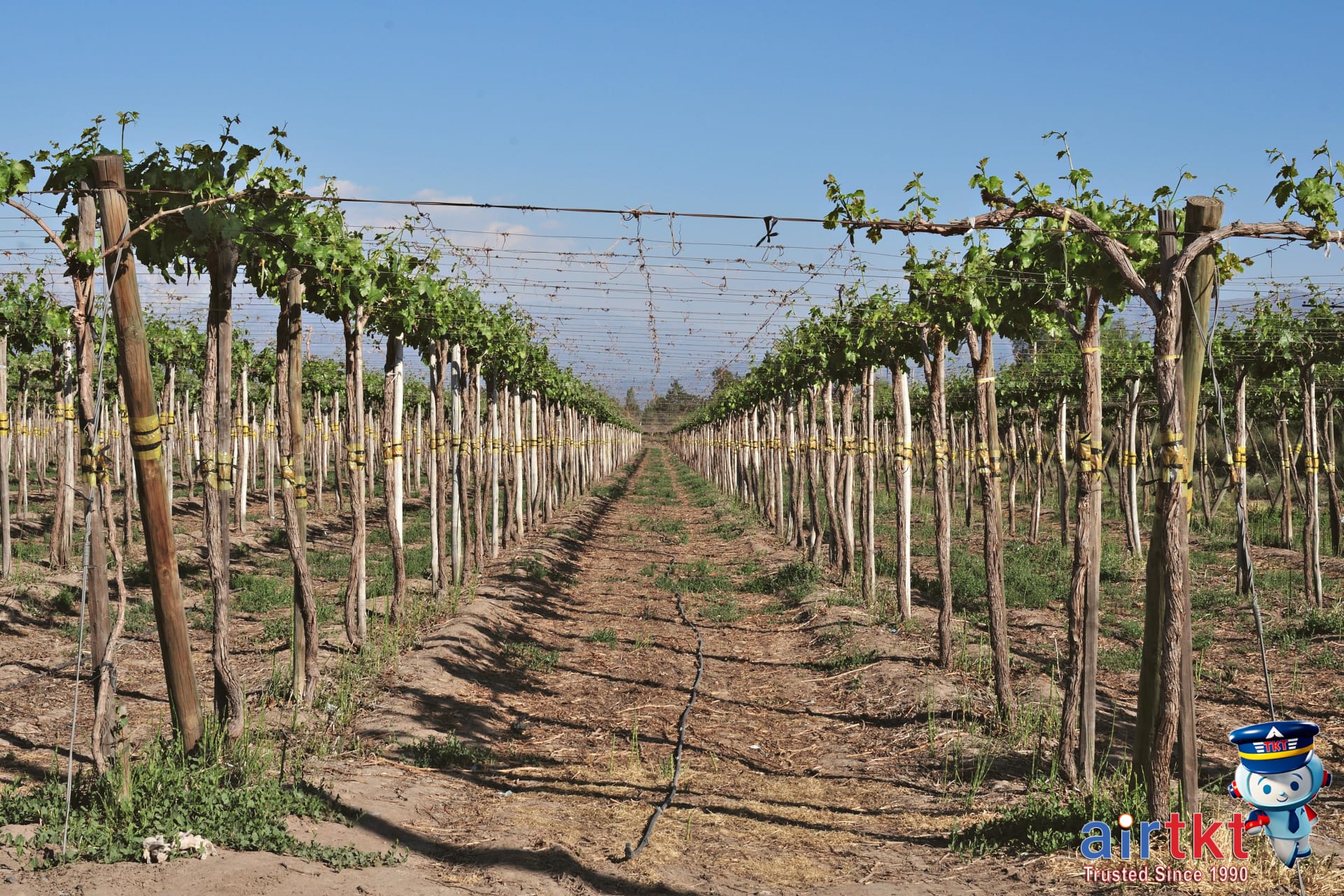
Just outside of Santiago, Maipo Valley stands out as Chile’s flagship wine region. The lush vineyards here are an easy day trip from the city and serve up memorable tastings for both wine newcomers and seasoned sippers. Tasting Chilean wine in Maipo Valley was an eye-opening delight for me—it’s a place where bold reds meet welcoming winemakers, and even beginners quickly get the hang of swirling, sniffing, and savoring.
Many local tour companies offer half-day and full-day wine excursions. If you’re curious but not a connoisseur, I’d suggest starting with a guided group tour, as these typically walk you through the process, from the vineyard rows to the cellar doors. Private tours are available for a more tailored approach, but for most travelers, a well-reviewed group option is more than enough to set the mood and teach the basics. I usually recommend comparing itineraries, as some include bonus experiences like barrel tastings or food pairings.
When it comes to Chilean wine, don’t leave without tasting Carmenere—Chile’s signature, plum-rich red with a famously smooth finish. Cabernet Sauvignon is another star of the region, offering deep flavors and excellent value. If white wine is more your style, ask for samples of local Chardonnay or Sauvignon Blanc—most vineyards pour these alongside their reds.
If you’re planning your trip, check out airtkt.com’s wine travel destination articles for inspiration, especially if you want to pair Santiago’s vineyards with regions like Mendoza or Bordeaux on your next adventure.
Discovering Food and Dining in Santiago

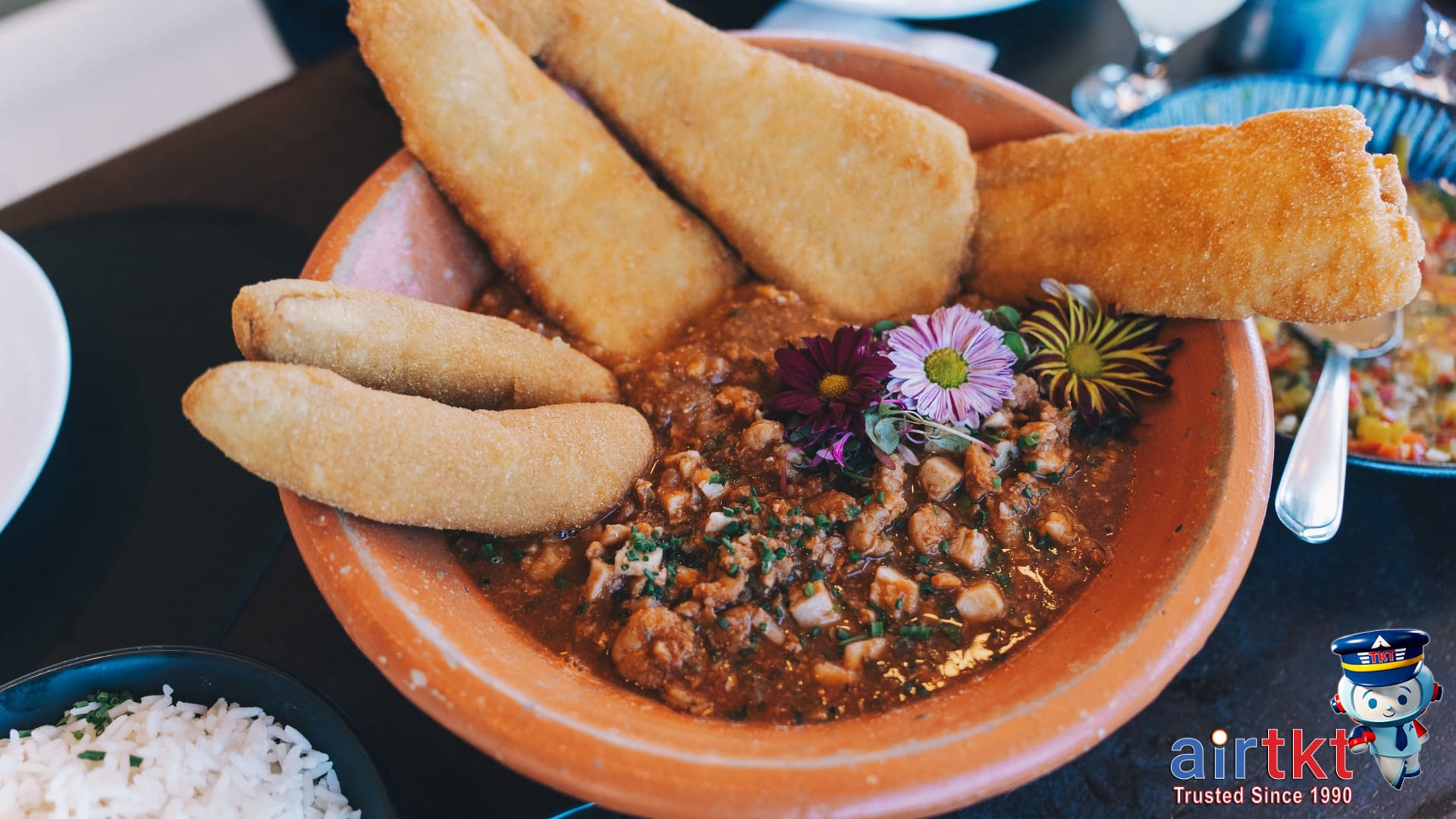
Santiago’s food scene is a flavorful journey through the heart of Chilean culture. From classic empanadas—usually filled with beef, onion, and olive—to comforting pastel de choclo (a savory corn pie), traditional dishes here are deeply satisfying. Seafood fans won’t want to miss reineta or congrio, reflecting how Santiago’s markets benefit from the country’s vast coastline. I enjoyed the rich flavors of Chilean food in local markets, especially wandering through Mercado Central, where the bustling energy matches the freshness of the catch.
Best Neighborhoods For Food
If you want to eat like a local, start in the markets. Mercado Central is famous for its seafood, while La Vega Central pulses with fresh produce, street vendors, and casual eateries serving hearty cazuela (stew) and humitas (steamed corn cakes). For a more varied scene, head to Bellavista—this artsy, bohemian district is loaded with everything from laid-back cafés to stylish dining rooms, making it ideal for an evening food crawl.
Popular Dishes To Try
Beyond those famous empanadas, try Chilean sandwiches like chacarero (beef, green beans, and peppers on a roll) or lomito (slow-cooked pork). Pastel de jaiba—a creamy crab casserole—is another staple that gave me a real sense of local comfort food. Whether you try them at a market counter or a neighborhood eatery, these classics are a must.
Street Food Safety And Etiquette
Street food is a fun part of Santiago dining, but I’d suggest watching where locals queue up. Busy stalls usually mean fresher turnover and safer options. When ordering, it’s polite to greet the vendor and pay with small change. Most meals are enjoyed with friends or family, so don’t be surprised if things move at a relaxed pace. Also, tipping is customary—restaurants often add a 10% service charge, but handing the tip directly to your server is always appreciated for small meals or snacks.
If you want more local dining inspiration, I’d recommend checking out the detailed dining guides on airtkt.com before your trip. Santiago’s food adventures are worth the anticipation.
How To Get Around Santiago

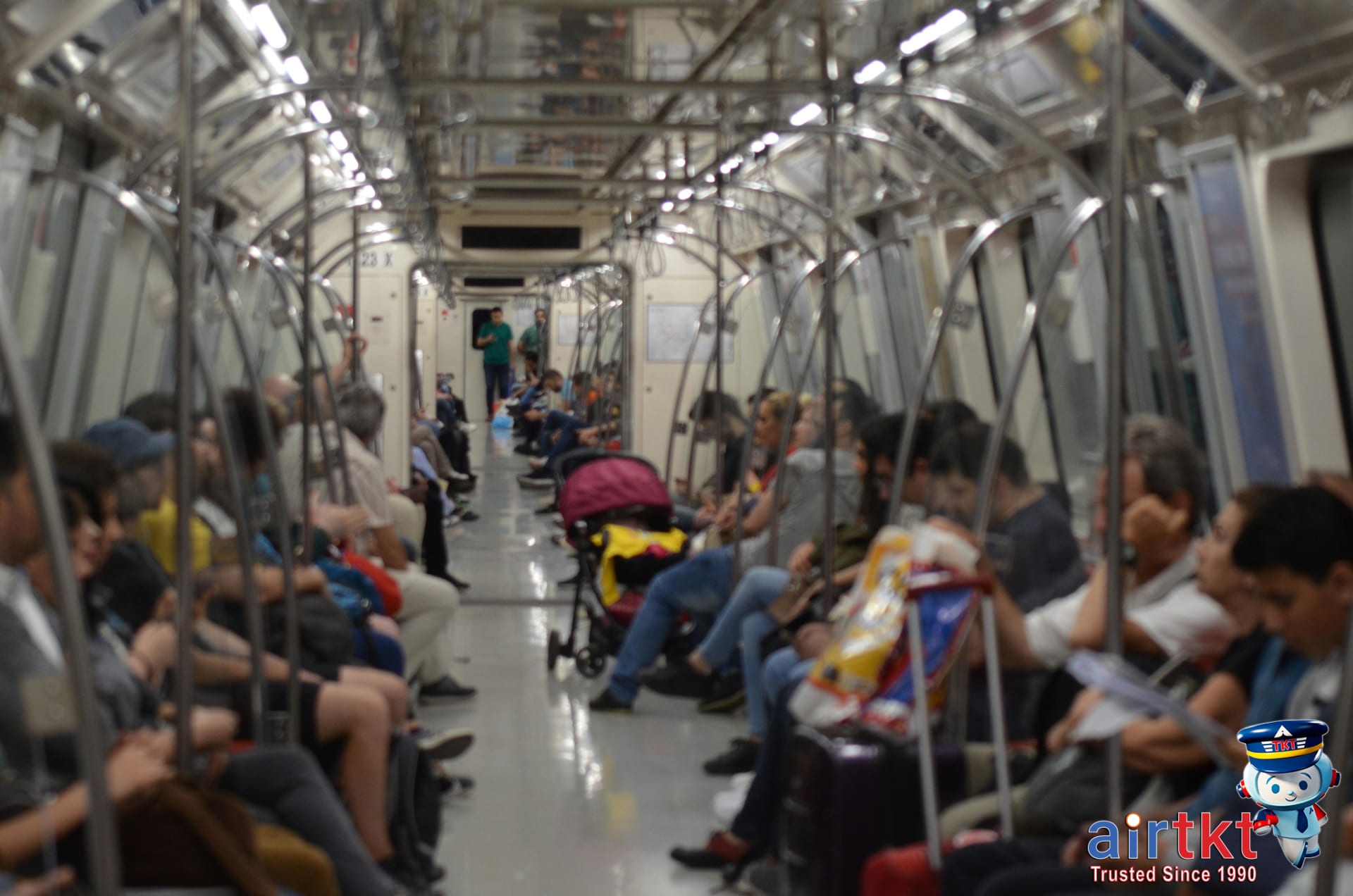
Santiago’s transportation network is efficient and surprisingly easy to learn, especially for first-time visitors. Navigating the Metro was easier than I expected. The city’s Metro is clean, reliable, and connects most main neighborhoods—and you only need one smart card to move between Metro and bus lines. The Bip! card is your ticket to both systems, making public transit both practical and budget-friendly.
Using the Metro System
The Santiago Metro runs frequently all day with clear signage and color-coded lines. Stations have posted maps—look for the touch-points to use your Bip! card. I found platforms well-marked and getting from the airport area to the city center took less than 40 minutes, even with a transfer. If you’re new to Santiago, take a quick photo of the network map at your station.
City Buses and Taxi Tips
Buses share the same Bip! card as the Metro, so once you’ve topped up, you’re set for both. Bus stops display route numbers; just tap your card as you board. For taxis, stick to official black-and-yellow cabs, and ask for the meter (“taxímetro”) to be used before starting your trip. Ride-hailing apps like Uber and Cabify are also widely available and typically offer more transparent pricing.
Bike Rentals and Easy Routes
Biking is a fun way to see green spaces and side streets in Santiago. There’s an expanding network of cycle paths, and public bike-share stations are scattered throughout the city center. If you enjoy cycling, try the scenic ride through Parque Bicentenario or along the Mapocho River path—they’re safe picks for visitors who want to explore by bike.
Transport Apps and Safety
Before heading out, I always download a couple of apps: Red Movilidad for bus and Metro info, and Moovit to track real-time arrivals. For added safety, consider Safe365 or Alerta Seguridad, which provide location-based security alerts and emergency contacts. Access to mobile data or Wi-Fi helps keep these tools updated as you move around.
For more details on airport transfers or step-by-step city transport options, check out the city transport and airport transfer guides on airtkt.com.
Budget Planning for Santiago Trip

Sticking to a budget in Santiago is absolutely doable—you just have to plan ahead and know what to expect in each expense category. I’ve found that careful budgeting helped me enjoy Santiago without overspending, especially since food and local experiences ended up being more affordable than I assumed. Here’s a simple breakdown to plan your daily costs as a budget, mid-range, or luxury traveler:
| Budget | Mid-range | Luxury | |
|---|---|---|---|
| Accommodation | $35.00 | $80.00 | $150.00 |
| Food | $15.00 | $30.00 | $60.00 |
| Transport | $6.00 | $15.00 | $40.00 |
| Activities | $12.00 | $25.00 | $60.00 |
Practical Tips for Saving Money
Book your accommodations and tours as early as you can—this strategy almost always secures you better prices and more options. Try eating at local markets or small neighborhood restaurants; these typically offer authentic meals at a fraction of big tourist spots. For transportation, Santiago’s metro and buses are efficient, and paying per ride keeps costs predictable.
When it comes to activities, free walking tours and public museums are a standout value in Santiago. I’d also recommend checking local event calendars, as many cultural sites run special discount days or promotional deals.
Frequently Asked Questions about Santiago
- What is the best time to visit Santiago, Chile for first-timers?
The most comfortable months to explore Santiago are September through November or March to May. These periods offer mild temperatures, fewer crowds, and pleasant weather for sightseeing. I recommend packing a light jacket for evening temperatures, especially if you’re planning to go wine tasting in the nearby valleys.
- How do I experience Santiago wine tours as a first-time visitor?
Many local operators offer day trips to well-known vineyards in the Maipo and Casablanca valleys. You can join a guided group departing from central Santiago, or book a private driver to customize your wine route. Quick tastings usually include a few varietals and a vineyard tour, with transportation typically included in the tour rate.
- What are the safest ways to get around Santiago?
Santiago’s Metro is reliable, clean, and well-marked in Spanish and English, making city travel easy for most. Licensed taxis and reputable ride-sharing apps are also widely used. If using public buses, keep a close watch on your belongings during crowded commute times, especially along central routes and at main transfer stations.
- Which attractions shouldn’t I miss in Santiago?
Don’t miss Cerro San Cristóbal for panoramic city views and the bustling Mercado Central for local seafood. Museo Chileno de Arte Precolombino is fantastic for culture. A walk through Barrio Lastarria offers street art, boutique shopping, and great cafes, while Plaza de Armas is the heart of Santiago’s historic center.
- How is the dining scene in Santiago for visitors?
Santiago’s dining scene blends Chilean classics with modern culinary influences. Seafood is especially popular—try reineta or pastel de choclo if you want to eat local. Most restaurants in central neighborhoods open for later dinners, so plan to eat after 8:00 pm if you want a bustling atmosphere and full menu availability.
- How do I get from Santiago airport to the city center?
Santiago’s airport is about 30 minutes from the city center by taxi. Official airport taxis are available right outside arrivals. Pre-paid shuttle vans offer affordable shared rides to major hotels. Public transit options include an airport bus connecting with the Metro for budget-minded travelers willing to navigate with luggage in hand.
Final Thoughts on Visiting Santiago

Santiago blends urban excitement with a constant backdrop of Andes peaks in a way that feels both cosmopolitan and distinctly Chilean. The city’s lively neighborhoods, outstanding food scene, and vibrant local culture bumped it much higher on my list than I’d expected—Santiago surprised me with its vibrant energy and natural beauty.
Wander street markets, try coffee in Barrio Lastarria, watch sunset from Cerro San Cristóbal, or just people-watch on a plaza—the rhythms of city life and the scenery beyond are both worth your time. In my experience, exploring both the city center and nearby parks gives you a true feel for what keeps Santiago buzzing.
If you’re starting to plan your trip, I suggest checking deals for Chile via the airtkt.com homepage or looking at the Chile travel section to spot current offers. I find comparing flight options covers more ground than relying on one search—and helps you see how much you can fit into your budget.
Santiago’s combination of city spirit and outdoor access is genuinely special—if you’re considering a visit, I think you’ll find plenty to enjoy.