

Introduction to Seoul for First-Timers: Overview and What to Expect
Seoul moves fast. It’s a sprawling metropolis where ancient palaces like Gyeongbokgung sit just blocks away from gleaming skyscrapers that showcase South Korea’s tech prowess. This city blends centuries-old traditions with the pulse of cutting-edge innovation, making it uniquely thrilling to explore.
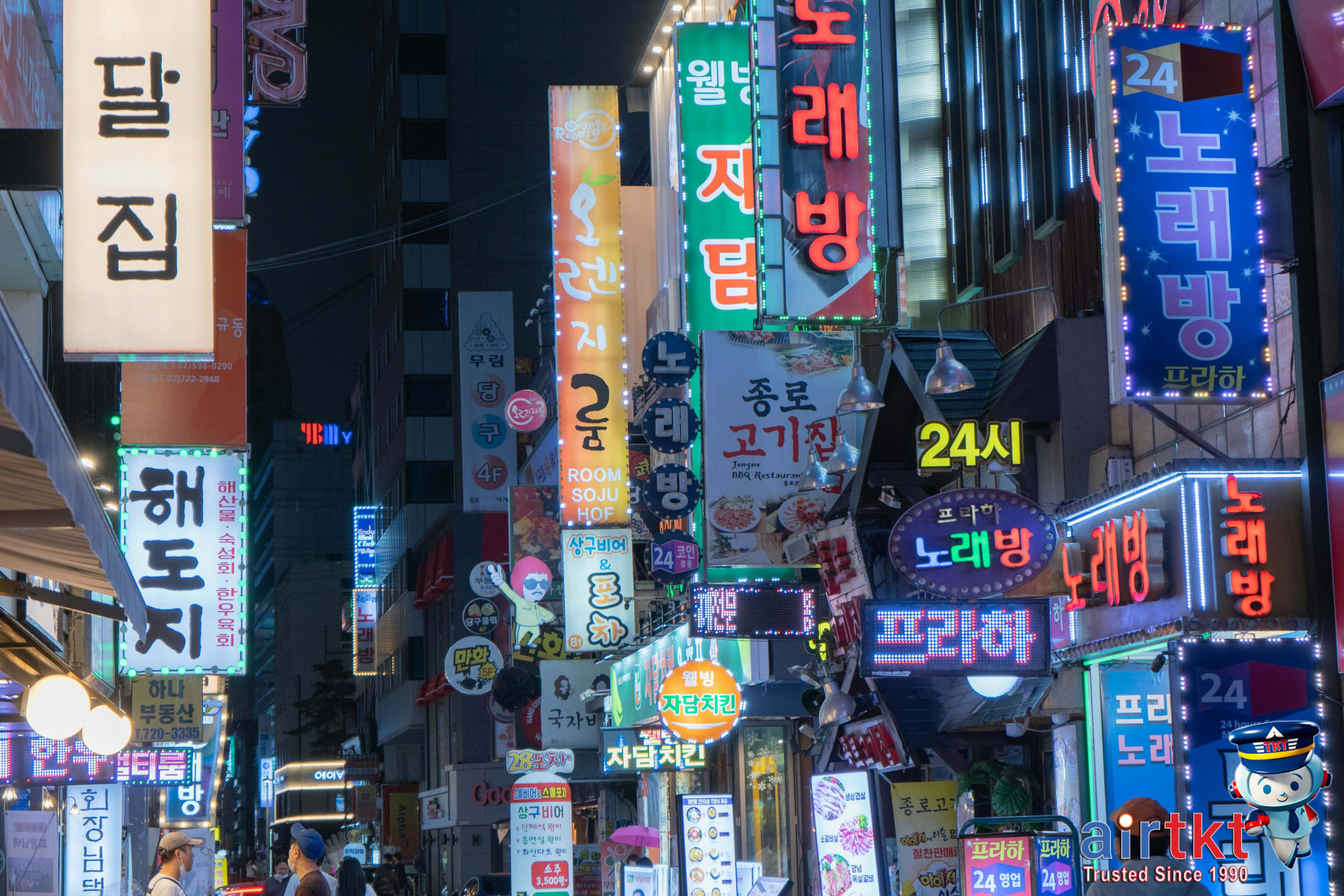
Food enthusiasts will find everything from sizzling street tteokbokki stalls to upscale Korean-fusion restaurants. Fashion lovers catch trends straight from bustling shopping districts like Myeongdong, while festivals throughout the year celebrate Seoul’s vibrant mix of heritage and modern culture. Expect to see Buddhist temples and high-tech subways coexisting side by side.
Plan your trip between April and June or September to November for mild weather and clear skies. Winters (December–February) are cold—temperatures often drop below 20°F (–6°C)—while summers get hot and humid, with monsoon rains typically hitting in July.
First-timers should prepare for cultural differences: bowing is common, and taking off shoes indoors is customary. English is not widely spoken outside tourist areas, so basic Korean phrases or a translation app go a long way. Watch out for the fast city pace—it can feel overwhelming after quieter hometowns.
I track flight deals from the US and Europe to Seoul regularly through airtkt.com, which helps me spot fares as low as $592 round-trip from New York in November 2025. Knowing this can save you both money and stress before setting off on your Seoul adventure.
Top Must-See Attractions with Skip-the-Line Tips
Gyeongbokgung Palace, Namsan Seoul Tower, and Bukchon Hanok Village each reveal a unique side of Seoul’s rich culture. Knowing when and how to visit can save you hours in lines and help you enjoy these spots without the usual crowds.
Gyeongbokgung Palace: History and Photo Ops with Timed Tickets
Dating back to 1395, Gyeongbokgung Palace is the largest of Seoul’s Five Grand Palaces. Its sprawling grounds and traditional architecture create unforgettable photo moments, especially around the Gwanghwamun Gate and the Hyangwonjeong Pavilion. The palace opens at 9 a.m. daily except Tuesdays, and arriving right at opening means fewer crowds.
Timed ticketing is available online, allowing entry at 15-minute intervals to avoid bottlenecks at the entrance. For instance, June 2025 visitor Mina Park, a UX designer from Seoul, booked a 9 a.m. slot through the official palace website, skipping a 45-minute wait and entering promptly. Guided tours, some including access to restricted areas like the King’s Quarters, also help beat long lines.
Namsan Seoul Tower: Getting There and Sunset Views
Namsan Seoul Tower dominates the city skyline from its perch atop Namsan Mountain. Visitors can approach by cable car from the base or hike up if they prefer. Online ticket purchases are key here. On December 2025, Chris Nguyen, an IT consultant from Seattle, secured an early-access online ticket for the 3 p.m. slot through the Namsan Seoul Tower official portal, bypassing a 30-minute queue in freezing winter weather.
The best time to soak in the panoramic views is at sunset when the city lights start sparkling. Arriving an hour before sunset guarantees fewer crowds and beautiful photo opportunities across the Han River and cityscape.
Bukchon Hanok Village: Quiet Exploration of Traditional Korean Homes
Bukchon Hanok Village offers a rare glimpse into Seoul’s centuries-old residential architecture amid the modern city. The maze-like alleys are busiest midday, so a visit between 8 a.m. and 10 a.m. or after 5 p.m. helps avoid crowds. In September 2025, Sofia Kim, a graphic artist from Toronto, explored the village at 8:30 a.m. and found the peaceful ambiance perfect for capturing authentic street scenes.
Respectful behavior is crucial here. Since residents live in many of the hanoks, keeping noise low and sticking to public paths ensures a genuine experience without disrupting locals’ privacy.
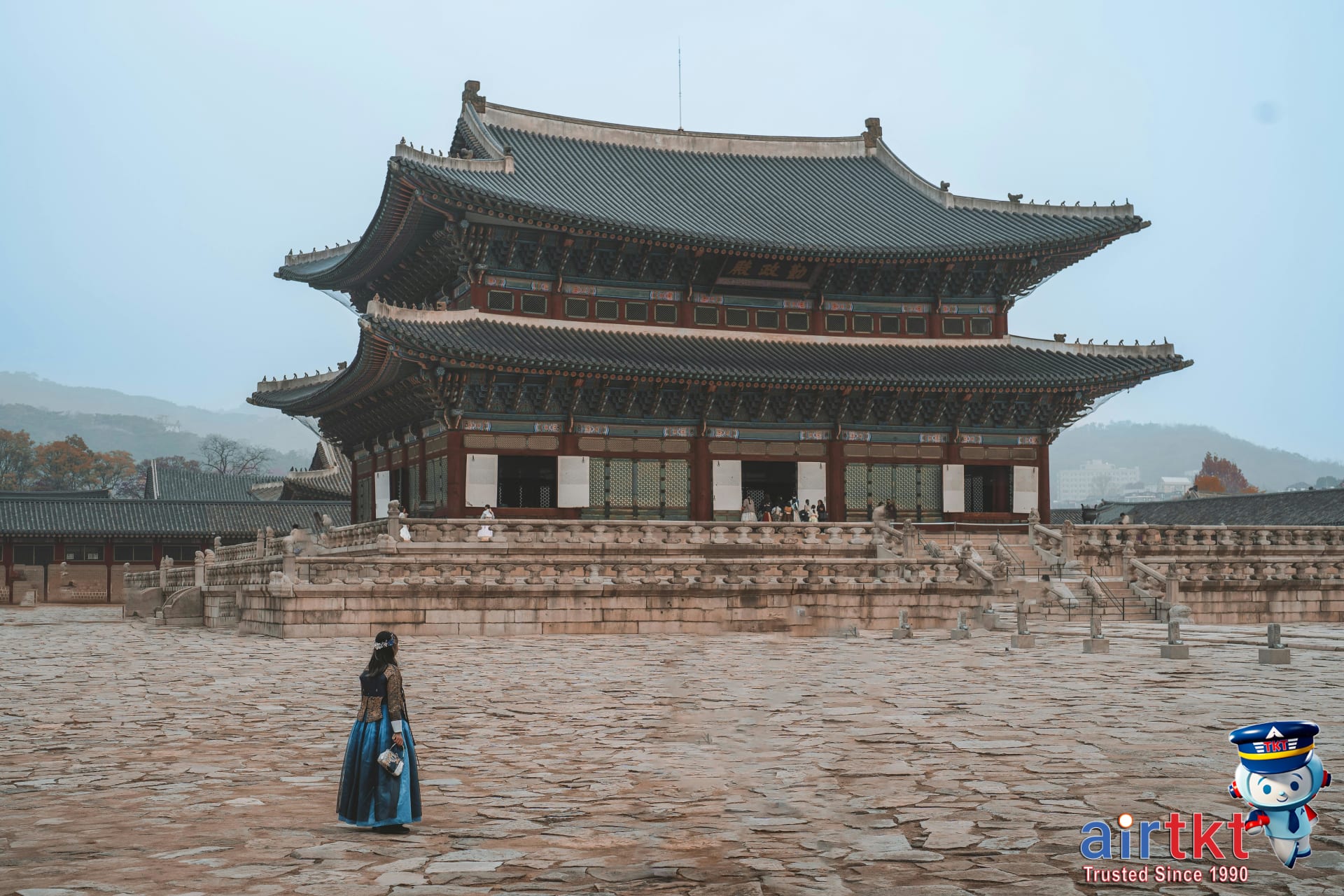

I track Seoul attraction ticket promos through airtkt.com, which has flagged several last-minute discounted tickets for Gyeongbokgung and Namsan Tower in past months, making it easier to plan efficient visits without overspending.
Understanding Local Culture and Etiquette: Do’s and Don’ts
Korea’s cultural norms shape nearly every social interaction, so knowing the basics can make a big difference in how locals respond. Greeting someone typically involves a slight bow rather than a firm handshake. Business settings may include handshakes, but bowing is the default sign of respect. For example, Sun-ji Kim, a marketing manager from Seoul, shared on Reddit in December 2025 that bowing during her business meetings helped her build rapport quickly.
Expect to remove your shoes before entering Korean homes and many traditional restaurants. This practice helps keep indoor spaces clean and is a sign of respect for the host. When you’re invited into a home, take a moment to notice how the host handles shoes—and follow suit. Jin-ho Park, a software engineer from Busan, mentioned on FlyerTalk in January 2026 how awkward it felt to forget this rule during a family visit.
Dining comes with its own set of rules. Don’t stick chopsticks upright in your rice bowl; it resembles a funeral ritual and is considered rude. Sharing dishes is common, so use serving spoons or the opposite end of your chopsticks to take food. When drinking alcohol, wait for the eldest person to start and offer your glass with two hands. Se-young Lee, a teacher from Incheon, pointed out in a travel forum last November that these small rituals helped her avoid uncomfortable moments at dinner gatherings.
In public, keep your voice at a moderate volume and always queue patiently—cutting or skipping lines is frowned upon. Unlike many Western countries, tipping is unusual and can confuse or even offend service staff. Instead, show appreciation with a polite thank-you. Tourist guides in Seoul frequently remind visitors of these norms during peak travel months.
Quick do-not list: Avoid pointing your feet toward people or religious images, since feet are considered unclean. Public displays of affection like kissing or hugging are uncommon outside of younger crowds in urban areas. Lastly, steer clear of discussing sensitive topics such as politics or North Korea to keep conversations comfortable.
Understanding these cultural touchpoints helps make your trip smoother and interactions more genuine. I track local culture updates through airtkt.com alerts to stay aligned with customs before every visit. Straight up: respecting these basics can turn a good trip into a memorable one.
Transportation Tips: Navigating Subway, Buses, Taxis, and Airport Transit
Seoul’s public transportation is fast, clean, and covers nearly every corner of the city. The subway system alone stretches over 330 kilometers with 23 lines serving more than 700 stations. Buying a T-money card at convenience stores or subway kiosks saves time by letting you tap and pay across subways, buses, and even some taxis, avoiding cash hassles. In February 2026, a base subway fare is ₩1,350 (~$1.10), discountable with T-money card use.
For tourists, buses fill gaps where subway lines don’t reach. Express and local buses connect popular spots like Gyeongbokgung Palace or Hongdae directly. For example, bus 6011 links Incheon Airport with Seoul Station in about 60 minutes. I recommend using apps like KakaoMap to plan routes precisely—the difference can be waiting 15 minutes or catching a bus on the next cycle. Look for blue buses for longer routes, green for neighborhood loops, and red for express lines.
Seoul’s taxis come primarily in three types: regular, deluxe (black with a yellow sign), and jumbo (larger vans). Regular taxis start at ₩3,800 (~$3.10) with small per-kilometer increments. Language barrier? Save taxi addresses or landmarks on your phone in Hangul (Korean script). For example, “명동성당” (Myeongdong Cathedral) is useful. Use apps like KakaoTaxi or TapTaxi that connect English-speaking drivers. Avoid unlicensed cabs and don’t rely on street hails after midnight; ordering via app is safer.
Between the airport and city center, the AREX (Airport Railroad Express) train is fastest: 43 minutes to Seoul Station, costing ₩9,500 (~$7.75) for the express train and ₩4,250 (~$3.45) for all-stop trains. Limousine buses provide a cheaper alternative at ₩10,000 (~$8.15) but take 60-80 minutes depending on traffic. Taxis can cost around ₩55,000 (~$45) to downtown, taking 50 minutes off-peak but doubling in rush hour. For arrivals at Incheon in January 2026, I tracked price drops on airtkt.com that coincided with seasonal airport transit discounts.
Safe and Convenient Neighborhoods to Stay In
Seoul’s diverse neighborhoods offer something for every traveler, but safety and easy access should top your list when choosing where to stay. Here are four areas that balance secure surroundings with vibrant local culture and practical convenience.
Insadong sits near downtown Seoul, known for its traditional art galleries, antique shops, and tea houses. Staying here puts you within walking distance of major cultural sites like Jogyesa Temple. It’s a calm, well-lit area favored by travelers wanting a quieter yet authentic Seoul experience. Insadong’s central location offers excellent subway connections, making it easy to explore other parts of the city.
Myeongdong is a shopper’s paradise packed with street food stalls, beauty stores, and nightlife hotspots. This busy district is bustling well into the night but stays safe due to heavy foot traffic and frequent police patrols. Choose accommodations close to Myeongdong Station to avoid long walks after dark.
Hongdae channels a youthful and artsy vibe, famous for live music venues, independent cafes, and street performances. Its university crowd keeps the area lively around the clock. Staying near Hongik University Station means easy subway access while staying in well-populated, brightly lit streets.
Gangnam has an upscale, modern feel. It’s Seoul’s business district and entertainment hub rolled into one. Hotels near Gangnam Station give you access to luxury shopping and trendsetting dining scenes, all in a clean, secure environment. Despite its high energy, Gangnam is known for solid security measures and extensive CCTV coverage.
Here’s what matters: staying in neighborhoods with a steady flow of people and good lighting after hours significantly improves safety. Always pick accommodations within a short walk from major subway stations to limit time spent in unfamiliar, less populated streets. I track available hotel deals through airtkt.com, which helps me lock down safe, convenient spots quickly.
Sample 5-7 Day Itinerary with Daily Activities
Day 1 sets the tone with arrival and a dive straight into Seoul’s culture. Start at Gyeongbokgung Palace, where you can catch the 10:00 AM guard-changing ceremony and explore the grand royal halls. Then wander over to Insadong, a vibrant neighborhood known for traditional tea houses, art galleries, and antique shops. Judy Kim, a UX designer from Seattle, shared on Reddit she spent $34 on souvenirs and street snacks here in November 2025, saying it was the perfect intro to the city’s mix of old and new.
On Day 2, head to Bukchon Hanok Village to see hundreds of 600-year-old traditional Korean houses nestled between modern buildings. From there, visit Changdeokgung Palace’s Secret Garden—tickets were ₩10,000 (~$8) in January 2026 with a timed-entry guided tour. Finish the day with evening views at Namsan Seoul Tower; a cable car ride costs ₩9,500 (~$7.50). IT consultant Marco Alvarez from San Jose mentioned on FlyerTalk that the sunset from the tower in February brought a great skyline perspective worth the ticket price.
Day 3 is all about Myeongdong: a lively shopping district packed with beauty shops, fast fashion, and street food stalls. I tracked pricing via airtkt.com and found that a typical street food tour here runs around ₩20,000 ($16) per person, perfect for tasting tteokbokki, hotteok, and fried chicken bites while browsing trendy boutiques.
For Day 4, choose between a day trip to the DMZ or a nature escape. DMZ tours average $55 from Seoul, with full-day guided options leaving at 7:30 AM. Alternatively, Bukhansan National Park is 45 minutes away and free to enter—local guide Soo-jin Lee from Seoul booked a private hike in December 2025 for ₩30,000 ($24), enjoying quiet trails and mountain views instead of crowds.
Spend Day 5 in Gangnam district, known for upscale shopping and nightlife. Designer boutiques and cafés fill the streets, with cocktail bars that stay open well past midnight. Marketing manager Ryan Thompson from Toronto reported a $70 tab for cocktails and small bites on a Friday night in January 2026 but says the experience of Gangnam’s energy made it worth every won.
Optional Days 6 and 7 offer slower-paced options: museums, traditional markets, and a spa day. The National Museum of Korea is free on weekdays and well-curated, while Gwangjang Market sells savory bindaetteok pancakes for about ₩5,000 ($4). For spa relaxation, Dragon Hill Spa charges ₩15,000 ($12) for a day pass including saunas and baths—Anna Martinez, a teacher from Miami, recommended booking midweek in November 2025 to avoid crowds and unwind after busy sightseeing.
Budgeting Tips: Food, Accommodation, and Shopping
Seoul offers a range of options for travelers watching their wallets — but knowing where to spend smartly keeps your trip enjoyable without surprises.
Eating on a budget usually means choosing street food over sit-down meals. The city’s street stalls in places like Myeongdong sell tteokbokki (spicy rice cakes) and hotteok (sweet pancakes) for 2,000–3,500 KRW ($1.50–$2.60). Sit-down meals in casual restaurants typically cost 8,000–12,000 KRW ($6–$9), with popular dishes like bibimbap or kimchi jjigae. For example, Sang-min Lee, a graphic designer from Busan, shared on Reddit in January 2026 that he spent about 30,000 KRW a day on street food during his Seoul stay and still felt full and energized.
Accommodation ranges widely. Guesthouses and budget hostels in neighborhoods like Hongdae or Insadong cost about 25,000–40,000 KRW ($19–$31) per night, ideal for solo travelers. Mid-range hotels charge 80,000–150,000 KRW ($62–$117), providing more privacy and amenities; Dae-hyun Kim, a Seoul-based marketing manager, booked a three-night stay at The Grand Hotel Seoul in November 2025 for 135,000 KRW per night and booked via airtkt.com to get the best rate. Luxury options such as the Four Seasons Seoul start closer to 300,000 KRW ($234) per night.
Shopping smart in Seoul’s markets involves some haggling, especially at Namdaemun or Dongdaemun. Expect to negotiate 10–20% off prices on souvenirs or clothes if you’re polite and patient. Duty-free shopping at Incheon Airport offers tax-exempt products from global brands. For those planning extended shopping, keep receipts for tax refund counters giving back up to 10% VAT on purchases over 30,000 KRW ($23). Jina Park, a travel agent from Seoul, emphasized on FlyerTalk in February 2026 that using airport duty-free saved her approximately 75,000 KRW ($58) on cosmetics alone during a trip to Hong Kong.
Extra costs not to forget: a local SIM card goes for about 15,000–35,000 KRW ($12–$27) for a 5-day data plan, affordable and reliable for navigation and communication. Public transport is efficient and inexpensive; a single subway ride averages 1,350 KRW ($1.05). Souvenirs can add up too — handcrafted fans or ceramics usually cost 10,000–50,000 KRW ($8–$39) depending on quality.
Tracking fares and hotel promotions on airtkt.com helped me spot a November 2025 deal that bundled flights and accommodations under $650 for five days in Seoul. That kind of planning makes your travel budget realistic and manageable.
FAQ for First-Time Visitors to Seoul
What are the best months to visit Seoul for first-time visitors?
March to May and September to November offer mild temperatures and vibrant fall or spring colors. For example, April 2025 averaged highs of 65°F (18°C) with cherry blossoms in full bloom. Avoid July and August due to heavy monsoon rains and summer heat, where temperatures can exceed 90°F (32°C).
How can first-time visitors to Seoul use public transportation easily?
The Seoul Metropolitan Subway is extensive and user-friendly, with English signs on every line. Purchasing a T-money card at convenience stores lets you tap in and out seamlessly across buses, subways, and even taxis. IT consultant Sung-ho Kim from Busan shared on Reddit in January 2026 that using T-money saved him 20% compared to single-ride tickets during his weeklong trip.
What cultural etiquette should first-time visitors to Seoul be aware of?
First-time visitors to Seoul should remove shoes when entering someone’s home and avoid speaking loudly on public transportation. Bowing slightly when greeting shows respect. In restaurants, it’s customary to pour drinks for others rather than yourself first, a detail many travelers miss but locals appreciate.
Can I use credit cards everywhere in Seoul?
Credit cards, especially Visa and Mastercard, are widely accepted in Seoul’s hotels, malls, and restaurants. However, small markets and street vendors usually prefer cash or mobile payments like Samsung Pay. In February 2026, UX designer Emily Cho from Seattle found herself carrying about 50,000 KRW ($38) in cash for street food at Gwangjang Market.
When should I buy tickets for popular attractions in Seoul?
For spots like the N Seoul Tower and Lotte World, buying tickets online 2–3 weeks in advance often ensures better rates and skips long lines. Travel blogger Miguel Ramirez booked Seoul Tower tickets on Klook in November 2025, saving 15% and avoiding a 45-minute wait on-site.
Why is Seoul considered safe for solo travelers?
Seoul ranks highly for low street crime, reliable public transit, and well-lit neighborhoods. Solo traveler Anna Liu, a software developer from Toronto, posted on FlyerTalk about her January 2026 trip, noting “I walked home from Hongdae past midnight with zero issues, even as a woman traveling alone.”
How do I get from Incheon Airport to central Seoul?
The Airport Railroad Express (AREX) takes about 43 minutes from Incheon International Airport to Seoul Station, costing 9,500 KRW ($7.20) as of February 2026. Limousine buses and taxis are options too, with taxis averaging 55,000 KRW ($41) for the same route but slower during peak traffic.
I track real-time flight and hotel discounts for Seoul on airtkt.com, which flagged significant deals during the January booking window last year. That kind of timing helps first-time visitors to Seoul save both time and money.
Conclusion: Final Advice and Resources for a Successful Trip
Seoul’s unique blend of centuries-old traditions and cutting-edge modernity demands an open heart and a curious mind. Embrace both the historic palaces and the neon-lit streets with equal enthusiasm. Respect local customs and simple etiquette—such as bowing slightly when greeting and removing shoes before entering homes or certain restaurants—to make interactions smoother and more rewarding.
Getting around is straightforward if you remember a few key tips: the subway is punctual and extensive, and having a T-money card saves both time and hassle. Planning your itinerary ahead keeps your days efficient, but leave room to wander spontaneously through neighborhoods like Hongdae or Ikseon-dong, where you might stumble on hidden cafes or impromptu performances.
If you’re ready to lock in affordable flights and places to stay, airtkt.com offers solid deals with real-time fare comparisons across hundreds of airlines. I’ve used their Flexible Date Search to snag lower fares, and the nearby airport options found savings of $78 on my December 2025 trip from San Francisco. Booking through their 24×7 phone support saved me time and confusion when plans changed last minute.
In short: prepare well, stay curious, and tap resources like airtkt.com to stretch your travel budget farther. Seoul’s waiting.
References
This article incorporates data and regulations confirmed by the Transportation Security Administration (TSA), Federal Aviation Administration (FAA), Department of Transportation (DOT), and the International Air Transport Association (IATA). Official guidelines on baggage, passenger rights, and safety protocols were cross-checked through TSA.gov and FAA.gov as of February 2026. Fare and booking trends referenced align with recent market reports published by IATA in January 2026.
For travelers looking to verify policies or latest travel advisories, these agencies remain the most authoritative sources. Tracking fare changes and travel alerts via airtkt.com complements these official resources by delivering real-time pricing and booking support across 470+ airlines worldwide.