
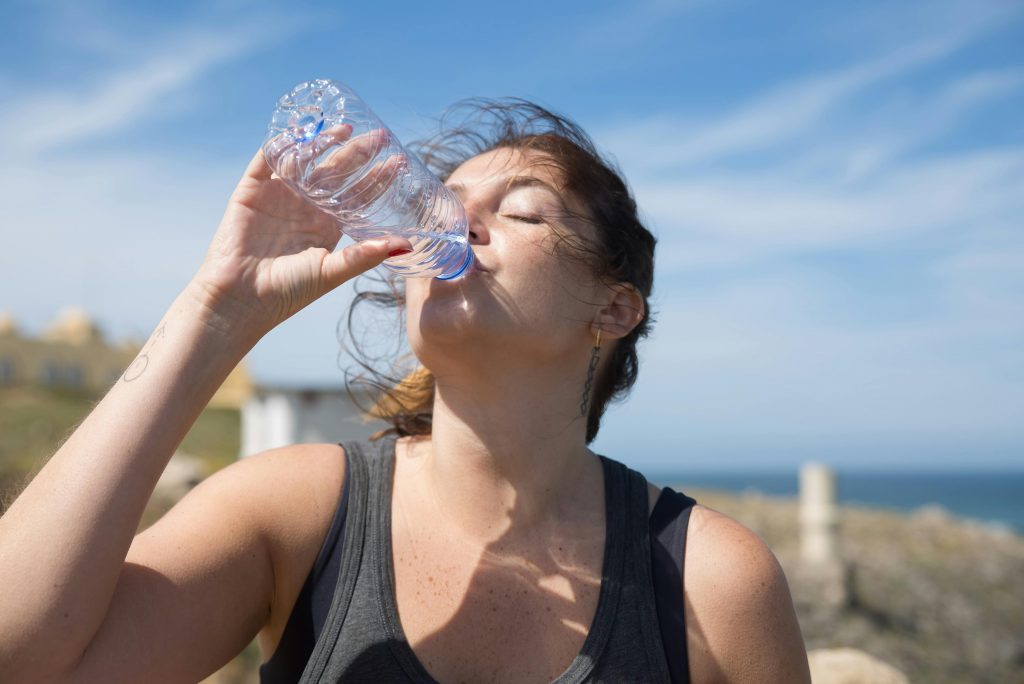
Importance of Staying Healthy During Travel
Traveling exposes you to a variety of environments that can challenge your health in unexpected ways. Maintaining your well-being while on the move is essential—not only to avoid illness but also to ensure you can fully enjoy your planned activities and prevent disruptions to your trip. Whether embarking on a short domestic flight or a long international journey, taking care of your health safeguards your travel experience from common pitfalls.
Several health risks frequently affect travelers. Dehydration, for instance, is a widespread issue during flights. The low humidity inside airplane cabins can dry out mucous membranes and lead to fatigue or headaches. Similarly, consuming unsafe food or water, especially in unfamiliar destinations, can cause foodborne illnesses that quickly sideline your plans. Jet lag is another common challenge, resulting from crossing time zones and disrupting your natural sleep cycle, which can leave you tired and irritable. Additionally, crowded airports, public transport, and busy tourist hotspots increase your exposure to germs and viruses, heightening the risk of colds, flu, or other contagious infections.
Understanding these risks highlights why proactive health measures are crucial. Simple steps like staying hydrated, carefully selecting what you eat and drink, managing your sleep schedule, and practicing good hygiene can significantly reduce the chances of falling ill. By doing so, you empower yourself to make the most of every destination and activity without setbacks. Prioritizing your health while traveling transforms your trip into a more enjoyable, productive, and smooth experience.
Stay Hydrated During Flights and Travel
Flying often means dealing with dry cabin air that can sap moisture from your body and leave you feeling fatigued, sluggish, and even susceptible to illness. Airplane cabins typically maintain humidity levels as low as 10-20%, compared to 30-60% in most indoor environments. This arid atmosphere causes dehydration by pulling water from your skin and mucous membranes. As a result, travelers commonly experience headaches, dry eyes, and a weakened immune system, which can dampen the travel experience.
To combat dehydration effectively, drinking plenty of water before, during, and after your flight is essential. Staying well-hydrated helps maintain your energy levels and mental clarity throughout your journey. Avoid excessive caffeine and alcohol consumption, as both act as diuretics, accelerating fluid loss and exacerbating the drying effects of cabin air. Instead, opt for water or electrolyte-rich beverages to replenish lost fluids.
Carrying a reusable water bottle is a practical way to ensure you always have access to hydration. Most airports offer water refill stations, allowing you to fill up after security checks. During the flight, don’t hesitate to request water refills from flight attendants—they are happy to help keep you comfortable and refreshed. Keeping a bottle handy also encourages regular sipping, which is better for maintaining hydration than drinking large amounts infrequently.
Proper hydration has noticeable benefits for travelers facing long journeys. Well-hydrated passengers report improved alertness and reduced incidence of headaches during and after flights. Hydration supports the body’s ability to regulate temperature and flush out toxins, thereby maintaining energy and focus. Additionally, drinking enough water strengthens your immune defenses, reducing the risk of catching colds or other infections while exposed to crowded airports and planes.
Remember, staying hydrated isn’t just a comfort tip—it’s a health necessity during air travel. Combined with other smart travel practices, it can significantly enhance your overall experience and help you arrive at your destination feeling refreshed and ready to explore.


Practice Food and Water Safety Abroad
Traveling to new destinations often means trying local foods and drinks, but unsafe eating habits can lead to unpleasant illnesses that spoil your trip. Foodborne illnesses such as traveler’s diarrhea, salmonella, and giardiasis are common risks, especially in regions with less stringent food safety regulations. Contaminated food and water are frequent culprits, causing symptoms like nausea, cramps, and dehydration.
To protect your health, prioritize freshly cooked meals over raw or cold dishes, as heat kills many harmful microbes. Choose fruits you can peel yourself, such as bananas and oranges, to avoid bacteria lurking on skins. Always drink bottled or properly filtered water, and steer clear of tap water or ice made from unverified sources, as these can harbor pathogens invisible to the eye.


Street food can be a highlight of your culinary adventure but exercise caution by selecting vendors with visible cleanliness. Look for stalls where food is cooked fresh in front of you, vendors wear gloves or use utensils, and the cooking area appears tidy and well-maintained. Avoid stalls with uncovered food or those where flies and pests are present.
Hand hygiene plays a crucial role in avoiding foodborne diseases. Washing your hands before eating and using hand sanitizer regularly can drastically reduce your risk of infection. Carry travel-sized hand sanitizers and sanitize after touching surfaces like money, door handles, or public transport.
Different regions have distinct prevalent foodborne risks. For example, in Southeast Asia, hepatitis A and typhoid are common concerns linked to contaminated food and water. In parts of Africa and Latin America, travelers often encounter amoebic dysentery and cholera. Knowing these risks helps you take specific precautions, such as using bottled water for all consumption and avoiding raw vegetables in high-risk areas.


By incorporating these safety steps, you safeguard your health without missing out on the joy of experiencing local cuisine. Staying vigilant about food and water safety is essential to enjoy your travels to the fullest.
Get Recommended Vaccinations and Malaria Protection
Before you book your next trip, it’s crucial to prioritize your health by researching and securing the recommended vaccinations and malaria protection. Different destinations require specific immunizations and preventive measures, so planning this at least 4 to 6 weeks in advance ensures your body has enough time to build immunity and you receive the right medications.
Consulting with a healthcare provider or travel medicine specialist well ahead of your departure date is essential. They can assess your travel itinerary, duration, and activities to recommend appropriate vaccines. Common vaccines frequently advised for international travelers include Hepatitis A, which protects against a viral liver infection spread through contaminated food or water, and Typhoid, a bacterial infection from similar sources. In regions where Yellow Fever is endemic—mostly parts of Africa and South America—a Yellow Fever vaccine is often mandatory for entry or recommended to prevent severe illness.
Besides these, travelers should consider immunizations against diseases like cholera, rabies, or meningitis depending on specific locations and exposure risk. Additionally, for those concerned about traveler’s diarrhea, various preventive strategies such as vaccines and safe food and water practices can reduce illness chances.
Protect Against Malaria
Malaria remains a significant concern in many tropical and subtropical regions. Malaria prophylaxis includes medications you start before entering a malaria-risk area, continue during your stay, and finish after leaving to effectively kill malaria parasites. Common prophylactic drugs include atovaquone-proguanil, doxycycline, and mefloquine. Your healthcare provider will recommend the most suitable option based on your travel destination, health profile, and potential side effects.
However, medication alone isn’t enough. Employing reliable mosquito avoidance techniques is just as important. Use insect repellents containing DEET or picaridin, wear long-sleeved clothing especially during dawn and dusk when mosquitoes are most active, and sleep under insecticide-treated bed nets when lodging in high-risk areas. Such combined protection significantly lowers the risk of contracting malaria and other mosquito-borne diseases.
Prioritize Hand Hygiene to Avoid Germs
When traveling, your hands come into contact with countless surfaces—many of which harbor germs that can lead to illness. Regular hand washing and sanitizing are essential to minimizing your risk. After touching public surfaces like ATMs, railings, or elevator buttons, washing with soap and water for at least 20 seconds is the most effective way to remove harmful microbes. If handwashing isn’t feasible, using a hand sanitizer with at least 60% alcohol content is a practical alternative that kills most pathogens on contact.
Carrying a travel-sized hand sanitizer ensures you can disinfect your hands anytime, anywhere—whether waiting in security lines or riding public transit. Choose compact bottles that easily fit into your purse, backpack, or even a pocket, so you don’t miss an opportunity to clean your hands in germ-prone environments.
Another crucial step is to consciously reduce face touching. Germs often enter your body through your eyes, nose, and mouth, so avoiding this habit lowers your infection risk. When you need to cough or sneeze, use a tissue or your elbow instead of your hands to prevent spreading germs to surfaces or others around you.
To help you stay healthy during busy travel days, follow this practical checklist of germ avoidance behaviors:
- Wash hands frequently or sanitize after touching public surfaces, including doorknobs, seatbelts, and touchscreens
- Avoid touching your face, especially eyes, nose, and mouth
- Carry and use tissues for coughs or sneezes; dispose of used tissues immediately
- Cover coughs and sneezes with your elbow if tissues aren’t available
- Use disinfectant wipes on tray tables, armrests, and airplane touchscreens before use
- Maintain physical distancing whenever possible in crowded areas
- Avoid sharing personal items like phones, headphones, and utensils
Adopting these habits not only protects you but also helps safeguard fellow travelers. Germs spread quickly in crowded places such as airports, public transit, and busy venues, so being proactive about hygiene is key to enjoying your trip without interruptions from illness.
Manage Jet Lag to Support Immunity
Jet lag disrupts your body’s natural circadian rhythm, which is the internal clock that regulates sleep-wake cycles and many biological functions, including immune health. When you cross multiple time zones quickly, your internal clock falls out of sync with the local time, leading to sleep disturbances, fatigue, and weakened immune responses. Studies show that this misalignment can reduce the effectiveness of your immune system, making you more vulnerable to infections and slowing recovery.
To support your immunity while traveling, it’s crucial to manage jet lag proactively. Start by gradually adjusting your sleep schedule a few days before departure. If traveling east, try going to bed one hour earlier each night; if traveling west, shift your bedtime later. This gradual preparation helps ease the transition without shocking your system.
Once you arrive, timed exposure to natural light is one of the most effective ways to reset your internal clock. In the morning, spend as much time outside as possible to signal your body that it’s time to be awake and alert. Conversely, minimizing light exposure in the evening signals preparation for rest. Avoid bright screens before bed and consider using blackout shades if necessary.
While it might be tempting to eat large, heavy meals upon arrival, opt for lighter, balanced meals instead. Heavy meals can disrupt your digestion and interfere with sleep quality, compounding jet lag symptoms. Additionally, steer clear of excessive caffeine and alcohol, which can interfere with restful sleep and hydration.
Strategic napping helps, but keep naps short—around 20 to 30 minutes—and avoid napping late in the day to prevent difficulty falling asleep at night. Incorporate light physical activity such as walking or gentle stretching, which can boost circulation, help your body adjust quicker, and support overall wellbeing.
For more insights on beating jet lag and protecting your health while traveling, explore additional remedies and expert tips at AirTtkt. Proper preparation and simple lifestyle adjustments will keep your immune system strong, letting you enjoy your trip fully without unnecessary downtime.
Maintain Exercise and Sleep Routines While Traveling
Traveling can disrupt your usual health habits, but incorporating light exercise and prioritizing quality sleep can significantly reduce stress and boost your well-being on the road. Light physical activity helps improve circulation, lowers stress levels, and promotes better sleep—key factors that keep you energized and comfortable during your trip.
Even in a small hotel room, you can fit in simple exercises without any special equipment. Try these easy moves: bodyweight squats, wall push-ups, standing leg lifts, and gentle stretching. Doing 10 to 15 minutes of these exercises daily stimulates blood flow and loosens tight muscles from long flights or drives.
Improving sleep quality while traveling may seem challenging, but small adjustments make a big difference. Control noise by using earplugs or a white noise app, and keep your room temperature cool to aid restful sleep. Limiting screen time at least 30 minutes before bed helps reduce blue light exposure, signaling your body to wind down naturally.
Maintaining consistent sleep routines also benefits your travel experience. Try to go to bed and wake up at similar times as you do at home. This consistency supports your circadian rhythm, helping you avoid jet lag and daytime fatigue. If possible, avoid heavy meals or caffeine close to bedtime to enhance sleep quality.
Ensuring that light exercise and sleep habits stay part of your travel routine not only improves your physical health but also sharpens your mental clarity and mood. With these practical steps, you can arrive refreshed and ready to enjoy your destination.
Pack Essential First Aid and Medications
Preparing a well-stocked first aid and medication kit is a smart step for any traveler. By packing key remedies and supplies, you can tackle minor health issues immediately without disrupting your plans. Essential items should include pain relievers like ibuprofen or acetaminophen, anti-diarrheal medications such as Imodium, motion sickness pills, a variety of band-aids, and antiseptic wipes to clean minor wounds. Don’t forget to include any personal prescription medications to avoid last-minute pharmacy trips abroad.
Having these basic remedies on hand is more than a convenience—it’s a way to prevent small ailments from escalating into major inconveniences. For example, a headache can be quickly addressed with pain relievers, while motion sickness pills can keep nausea at bay during long flights or car rides. Similarly, a small cut or blister treated promptly with a band-aid and antiseptic wipes can avoid infection and save you from unnecessary discomfort.
When it comes to traveling with medications, especially by air, following TSA regulations is crucial to ensure smooth security clearance and avoid delays. Carry prescription drugs in their original labeled containers, and bring a copy of your prescription or a doctor’s note if possible. Pack liquids, gels, and creams in containers of 3.4 ounces (100 milliliters) or less inside a clear, quart-sized plastic bag to comply with carry-on regulations. If you need to carry larger amounts of medication, inform TSA officers at the checkpoint so they can assist you accordingly.
To keep your first aid kit organized and accessible, use a compact, durable pouch and separate items by category (pain relief, digestive aids, wound care). This method ensures you can quickly find what you need without rummaging through your luggage. Additionally, check expiration dates before packing to keep your kit effective and safe for use during your trip.


Traveler Health Precautions FAQ
Can I stay healthy without vaccines on short trips?
While some short trips may not require vaccines, travel health precautions recommend checking destination-specific risks. Unvaccinated travelers should avoid high-risk areas and practice strict hygiene to reduce illness chances. Consulting a healthcare provider before travel ensures safe decisions about necessary vaccinations and staying healthy during travel.
How to avoid foodborne illness while traveling?
Prevent foodborne illness by eating well-cooked foods and drinking bottled or purified water. Avoid raw vegetables, street food from unreliable vendors, and unpasteurized dairy products. These simple travel health precautions minimize risks and help you enjoy your trip without unnecessary sickness interfering with your plans.
When should I start malaria prophylaxis?
Start malaria prophylaxis 1-2 weeks before arriving in endemic areas to ensure effective protection. Travel health precautions also include continuing medication during and after your stay as prescribed. Early planning is essential for staying healthy during travel in malaria-risk regions.
How is jet lag related to immune function?
Jet lag disrupts your body’s natural rhythms, weakening immune function temporarily. This makes travelers more susceptible to infections. Prioritizing rest, hydration, and light exposure can reduce jet lag’s impact and support your body’s defenses—a key travel health precaution for maintaining wellness.
Why is hand sanitizer important during travel?
Hand sanitizer kills germs when soap and water aren’t available, reducing infection risks. Frequent use is a critical travel health precaution, especially in crowded airports or public transport. Keeping your hands clean helps prevent illnesses and supports staying healthy during travel.
How to pack a travel medicine kit safely?
Include essentials like pain relievers, antiseptics, prescription meds, and allergy remedies. Store everything in a waterproof, clearly labeled pouch. Check regulations for liquids and medication. A well-packed kit is vital for quick responses to minor health issues, a smart travel health precaution to ensure a safe journey.
Can I prevent dehydration without bottled water?
Yes, by drinking safe, purified water from reliable sources or using portable water filters. Avoid tap water where unsafe and eat hydrating foods like fruits. Staying hydrated is a key travel health precaution that doesn’t always require bottled water, saving money and reducing waste.
Stay Healthy and Enjoy Your Travels
Maintaining good health while traveling is essential for a smooth and enjoyable trip. Staying hydrated helps keep your energy levels up and wards off travel fatigue, especially on long flights or in hot climates. Equally important is practicing food safety by eating fresh, well-cooked meals and avoiding questionable street food to prevent illness.
Vaccinations tailored to your destination protect against regional diseases, so consult with a healthcare provider well before departure. Hand hygiene remains one of the simplest yet most effective ways to prevent infections; carry sanitizer and wash hands regularly, particularly before meals.
Jet lag can disrupt your plans, but managing exposure to natural light, adjusting sleep schedules gradually, and staying active during travel help your body adapt. Incorporate light exercise to boost circulation and combat stiffness, and prioritize good sleep hygiene by bringing items like eye masks and earplugs.
Preparing a compact medical kit with essentials such as pain relievers, antiseptics, adhesive bandages, and any personal medications is a wise precaution. Being ready for common minor ailments reduces stress and prevents small issues from spoiling your trip.
Ultimately, consistent preparation and mindful habits create a healthier travel experience. Taking these steps not only keeps sickness at bay but also enhances your comfort, energy, and enjoyment wherever you go.
For hassle-free planning, competitive flight deals, and reliable travel support, book your next trip with AirTtkt. From real-time fare comparisons to 24/7 customer assistance, AirTtkt empowers you to travel smarter, healthier, and with confidence.