

Discover Why Visit Stockholm
Stockholm, Sweden’s capital, uniquely blends stunning natural landscapes with dynamic urban life. Situated on 14 islands where Lake Mälaren meets the Baltic Sea, the city boasts an extensive waterfront and lush green spaces. Its temperate climate features mild summers and cold yet manageable winters, ideal for travelers seeking both outdoor adventures and cozy cultural experiences.
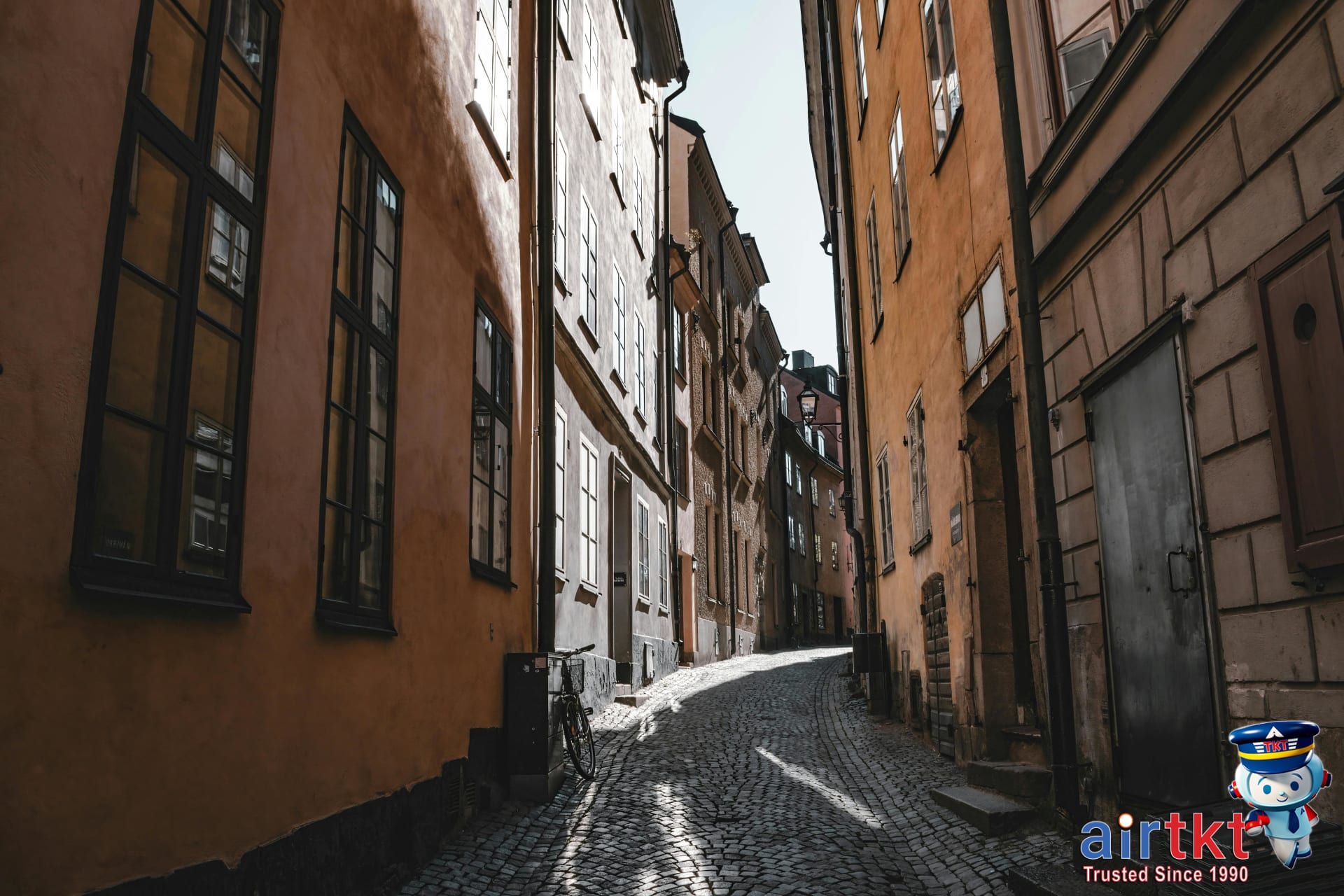
Steeped in history, Stockholm is a living tapestry of medieval architecture and modern innovation. The cobblestone streets of Gamla Stan, the city’s historic old town, invite visitors to explore centuries-old Royal Palaces, quaint cafés, and vibrant markets. Contrast this with the cutting-edge art galleries, contemporary design shops, and buzzing music scenes that define Stockholm’s modern culture.
Each year, Stockholm draws millions of international travelers eager to experience its welcoming atmosphere. With over 14 million visitors annually, the city has developed a seamless tourism infrastructure, from efficient public transport to multilingual services, making it easy for visitors from all over the world to navigate and enjoy their stay.

Planning ahead can elevate your trip significantly. Familiarizing yourself with Stockholm’s geography and climate helps you pack smartly and schedule activities according to the season. Understanding public transportation options and local customs enables you to maximize every moment without unexpected hassles. Leveraging travel tools, like those offered by AirTtkt, ensures access to the best flight deals and accommodation options tailored to your itinerary and budget.
Whether you are drawn by historical charm, natural beauty, or contemporary culture, Stockholm offers an accessible and enriching experience for all travelers. With proper preparation, your visit to this vibrant capital becomes not just a trip, but a memorable journey through time and innovation.
Explore Top 10 Must-See Stockholm Attractions
Stockholm offers a rich tapestry of history, culture, and modern attractions. To make the most of your visit, here’s a detailed look at the city’s top ten must-see spots, along with practical tips on skip-the-line access, optimal visiting times, ticketing options, and crowd considerations.
Vasa Museum
The Vasa Museum houses the remarkable 17th-century warship Vasa, an iconic Swedish historical treasure. It draws large crowds year-round, especially during summer months. To avoid long waits, purchase tickets online in advance through official sites or trusted vendors like AirTtkt. Early mornings or late afternoons on weekdays are ideal for quieter visits.
Gamla Stan (Old Town)
The cobbled streets of Gamla Stan offer a charming blend of medieval alleys, colorful buildings, and the Royal Palace. This area is open year-round without entry fees, but guided tours can skip waiting times for attractions inside, such as the Royal Palace’s museum. Visit early or late afternoon to avoid peak tourist hours, particularly in summer and December holiday seasons.
Skansen Open-Air Museum
Skansen is the world’s oldest open-air museum, showcasing Swedish traditions and wildlife. Tickets are cheaper in the off-season (November through March), and you can buy skip-the-line passes online. Weekdays and early mornings reduce crowd encounters, especially during festive events like Christmas markets.
Royal Palace
The Royal Palace in Stockholm is among Europe’s largest palaces with lavish interiors and royal history. Ticket lines get longest around midday and on weekends. Secure skip-the-line tickets ahead through AirTtkt or other authorized platforms. Visiting outside peak tourist months (May–September) offers both lower prices and fewer visitors.
ABBA The Museum
Fans of the legendary pop group should not miss ABBA The Museum. Due to high demand, this museum often experiences queue build-up; advance ticket purchases including timed entry slots are highly recommended. Evenings and early weekdays generally see lighter crowds, making it easier to enjoy interactive exhibits.
Moderna Museet
The Moderna Museet features modern and contemporary art from Swedish and international artists. Entry is free for those under 18, while advanced booking is suggested for special exhibitions. Weekday mornings are the quietest times to explore this cultural hotspot.
Fotografiska
Fotografiska is Stockholm’s renowned photography museum. Popular with tourists and locals alike, skip-the-line tickets ensure speedy entry, especially during weekend exhibitions. Visiting during weekday afternoons helps avoid the largest crowds.
City Hall (Stadshuset)
The iconic Stockholm City Hall hosts the Nobel Prize banquet annually. Guided tours offer skip-the-line privileges and must be booked in advance. Early season visits in the spring or autumn reduce crowds and often have better ticket availability.
Drottningholm Palace
A UNESCO World Heritage site, Drottningholm Palace is a perfect day trip from central Stockholm. Tickets can be booked online to avoid queues. Late spring and early autumn offer pleasant weather and fewer visitors, with slightly reduced ticket prices outside peak summer months.
Junibacken
Junibacken is a family-friendly museum celebrating Swedish children’s literature, particularly the stories of Pippi Longstocking. Advance purchase of skip-the-line tickets guarantees entry during busy holiday and weekend periods. Weekdays see lower visitor volumes and a more relaxed experience.
Learn Essential Swedish Cultural Etiquette
Understanding Swedish cultural etiquette can greatly enhance your travel experience, allowing you to connect respectfully with locals and avoid misunderstandings. Swedes appreciate straightforwardness, politeness, and personal space, and their customs often reflect these values. Here’s a guide to key behaviors and social norms you should keep in mind while visiting Sweden.
Key Behaviors: Greetings and Punctuality
When greeting someone in Sweden, a firm but brief handshake accompanied by eye contact is customary. Swedes usually use first names quickly, even in professional settings. Unlike many cultures where hugging is common, physical contact beyond a handshake can feel intrusive unless you know the person well.
Punctuality is highly valued in Swedish culture. Whether attending a meeting, dinner, or social gathering, arriving on time—if not slightly early—is a sign of respect. Being late, even by a few minutes, can be seen as careless and disrespectful.
Respecting Personal Space and Tipping Practices
Swedes maintain a generous sense of personal space, especially in public places like buses or queues. Avoid standing too close or initiating too much physical contact. This respect for distance also reflects their preference for calm and order in social environments.
When it comes to tipping, Swedes don’t emphasize it as much as in some other countries. At restaurants, a small tip of about 5-10% is appreciated but not obligatory because service charges are typically included in the bill. For taxi drivers or bars, rounding up the fare is sufficient.
Common Do’s and Don’ts with Examples
- Do wait for everyone to be served before starting your meal – punctuality extends even to dining etiquette.
- Don’t interrupt conversations; Swedes value thoughtful listening and evenly shared dialogue.
- Do remove your shoes when entering someone’s home, as this is often expected to keep interiors clean.
- Don’t raise your voice or engage in loud behavior in public places, as Swedes typically favor quiet and reserved interactions.
Understanding the Values Behind Etiquette
Swedish etiquette stems from a cultural foundation built on egalitarianism, respect for privacy, and consensus. This is why social interactions balance politeness with an appreciation for directness without confrontation. Understanding these values helps travelers appreciate why Swedes behave as they do—for instance, why they avoid small talk with strangers and prioritize personal space.
Respecting these nuances shows cultural sensitivity and will likely make your interactions smoother and more enjoyable.
Use Basic Swedish Language Phrases for Travel
Mastering a few key Swedish phrases can transform your trip, making everyday interactions smoother and more enjoyable. Whether greeting locals, asking for directions, or ordering food, simple expressions paired with pronunciation tips will ease communication and enrich your experience in Sweden.
Practical Greetings and Polite Expressions
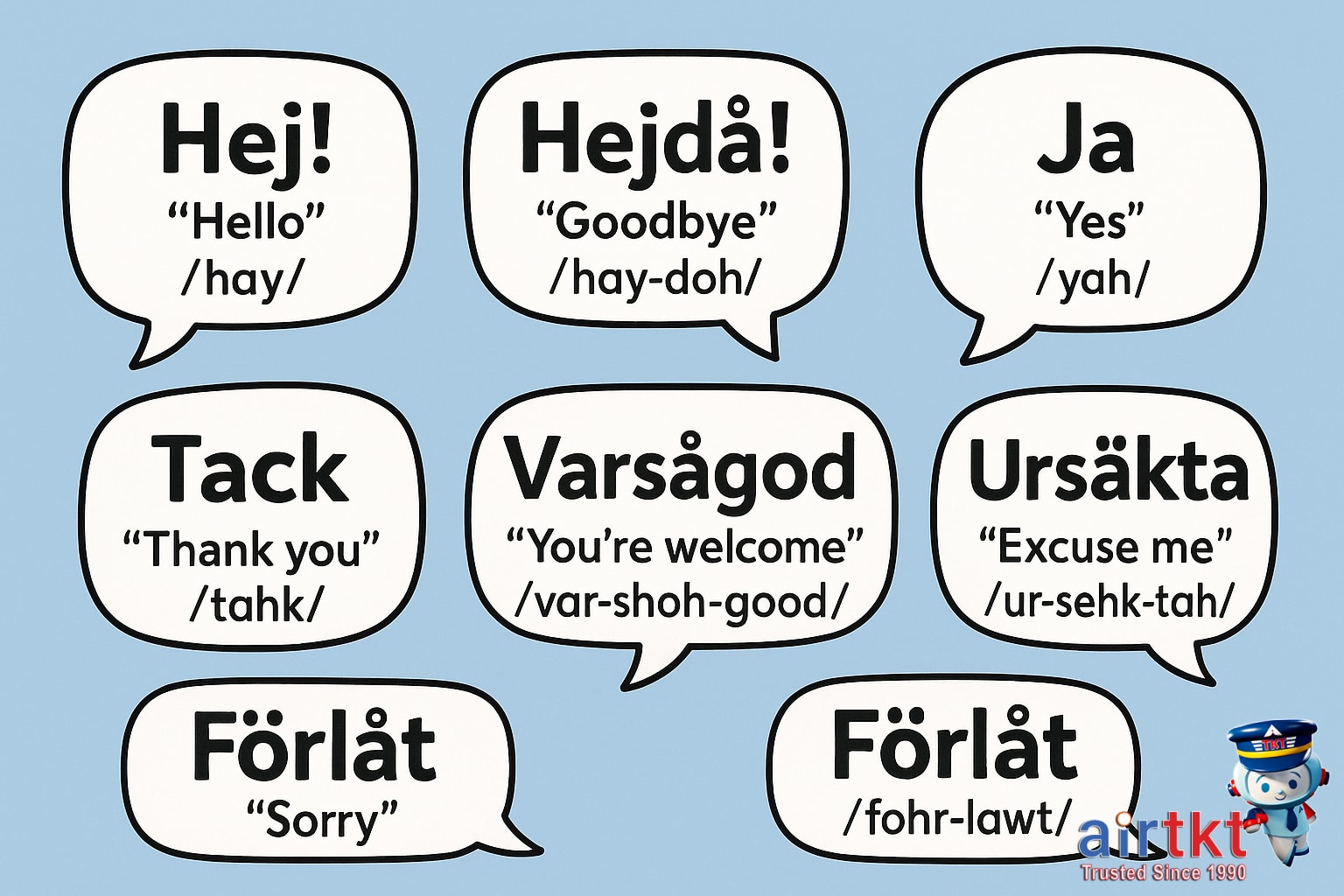
Start with common greetings and polite phrases to make a positive impression. Here are essential ones:
- Hej (hey) – Hello
- God morgon (goo moh-ron) – Good morning
- Tack (tahk) – Thank you
- Varsågod (var-sho-good) – You’re welcome
- Ursäkta (oor-sek-ta) – Excuse me / Sorry
- Hur mår du? (hur mohr doo) – How are you?
Using these polite words when entering shops or beginning conversations shows respect and often opens doors to friendlier service.
Ask for Directions and Transportation Info
Sweden’s public transport is reliable, so knowing how to ask for directions or travel details is valuable. Try these phrases:
- Var ligger…? (var lig-ger) – Where is…?
- Hur kommer jag till…? (hur kom-mer ya till) – How do I get to…?
- Vilken buss/tåg går till…? (vil-ken buss/tawh gor till) – Which bus/train goes to…?
- Hur mycket kostar en biljett? (hur my-ket kos-tar en bil-yett) – How much is a ticket?
Pointing at a map or showing the address can help when pronunciation is tricky. Swedes are generally helpful with directions.
Order Food and Handle Restaurants
Dining out becomes stress-free when you know basic restaurant phrases. Use these to order or ask for details:
- Kan jag få menyn, tack? (kan ya faw meh-nyun) – Can I have the menu, please?
- Jag skulle vilja ha… (yahg skool-le vil-ya ha) – I would like to have…
- Rekommenderar du något? (re-kom-men-de-rar doo no-got) – Do you recommend anything?
- Kan jag få notan, tack? (kan ya faw no-tan) – Can I have the bill, please?
Knowing how to ask politely helps create pleasant dining experiences, especially in smaller cafés and restaurants.
Use Emergency Phrases for Safety
Emergencies are less common but being prepared is wise. Memorize key phrases to get help swiftly:
- Hjälp! (yelp!) – Help!
- Ring polisen! (ring po-lee-sen) – Call the police!
- Jag behöver en läkare. (yahg be-hov-er en lek-ar-e) – I need a doctor.
- Jag har tappat bort min plånbok. (yahg har tap-pat bort min plown-bok) – I have lost my wallet.
Keep these phrases accessible on your phone or notes for quick reference.

Understand Stockholm Currency and Payment Options
When visiting Stockholm, Sweden’s official currency is the Swedish Krona (SEK). While cash remains accepted, digital payments dominate daily transactions. Locals and tourists alike prefer card payments and mobile wallets, making cash less necessary except for small vendors or specific markets. Understanding the use of SEK and payment methods will ensure your finances flow smoothly during your stay.
Credit and debit cards are widely accepted across Stockholm, from restaurants and shops to public transport. Visa and Mastercard are the most common, while American Express is less frequently used but generally accepted in major tourist areas. Contactless payments have become the norm, allowing you to tap your card or smartphone for quick, secure transactions without entering a PIN for small purchases.
Mobile wallets like Apple Pay, Google Pay, and Samsung Pay are also popular in Stockholm, especially among younger residents and travelers. These digital options often offer convenience and added security, reducing the need to carry multiple cards or cash. It’s beneficial to have at least one card enabled for contactless payments and a mobile wallet ready for seamless purchases.
When it comes to exchanging currency, the safest option is to use official exchange offices or banks. Avoid changing money at airports or hotels unless necessary, as they often offer less favorable rates. Stockholm’s city center hosts several currency exchange bureaus with competitive fees and transparent rates. Before exchanging, compare current SEK rates online to get the best value. ATMs are readily available around the city, including at train stations, airports, and shopping areas.
Using ATMs often provides better exchange rates than currency exchange counters, but keep an eye on potential fees. Many Swedish ATMs accept international cards; however, your home bank may charge withdrawal fees or impose daily limits. To avoid surprises, notify your bank about your travel dates and inquire about fees upfront. It’s a good idea to withdraw larger sums less frequently to minimize costs.
Carrying some cash in SEK, especially for small purchases or places that don’t accept cards, is still wise. However, Stockholm’s well-established digital payment infrastructure means you can rely mostly on credit cards and mobile wallets during your trip.
Navigate Airport Transfers to Stockholm City
Travelers arriving at Stockholm’s main airports—Arlanda and Bromma—have several efficient options to reach the city center. Choosing the right transfer depends on your budget, time constraints, and convenience preferences. Here’s a clear overview of popular transportation modes including costs, travel times, and ticket purchasing tips.
Arlanda Express Train
The Arlanda Express is the fastest way from Arlanda Airport to Stockholm Central Station. This high-speed train covers the distance in just 20 minutes, making it ideal for travelers in a hurry. Trains depart every 15 minutes during peak hours.
- Price: Tickets typically cost around $32 one-way.
- Tickets: Purchase online in advance on the official site or via ticket machines at the airport.
- Pros: Fast, reliable, free Wi-Fi onboard, spacious seating.
- Cons: Pricier compared to buses or taxis.
Flygbussarna Airport Bus
Flygbussarna provides a budget-friendly shuttle service between Stockholm’s airports and the city center. The trip takes around 40–45 minutes from Arlanda and about 20 minutes from Bromma.
- Price: Approximately $12–$15 per ticket.
- Tickets: Buy online through the Flygbussarna website or directly from the driver when boarding.
- Pros: Affordable, frequent departures, luggage space.
- Cons: Longer travel time and potential traffic delays.
Taxis and Ride-Share Services
Taxis are readily available outside arrivals at Arlanda and Bromma airports. The ride to Stockholm’s downtown takes about 40 minutes from Arlanda and 15 minutes from Bromma, depending on the traffic.
- Price: Expect fares from $50 up to $70 for Arlanda; Bromma rides are generally cheaper, around $30–$40.
- Booking: Use official airport taxi stands or pre-book via apps like Uber or Bolt for secure, often slightly cheaper rides.
- Pros: Door-to-door convenience, flexible departure times.
- Cons: More expensive, especially during peak hours or heavy traffic.
Choosing the Best Option
For speed and comfort, the Arlanda Express train is unbeatable, especially if traveling light. If you prioritize cost savings, the Flygbussarna bus is an excellent choice. Taxis and ride-shares provide convenient door-to-door service but come at a premium.



Choose Safe Stockholm Neighborhoods for Stays
When selecting where to stay in Stockholm, safety, convenience, and ambiance are key factors to consider. Four neighborhoods stand out as traveler-friendly options: Norrmalm, Östermalm, Södermalm, and Gamla Stan. Each offers a unique experience, with excellent safety records, access to public transportation, and local amenities that meet the needs of families, solo travelers, and couples alike.
Experience Safety and Convenience in Norrmalm
Norrmalm, Stockholm’s downtown district, boasts some of the city’s best safety ratings, supported by sustained low crime rates and positive traveler reviews. Known as the commercial hub, it offers a seamless blend of shopping, dining, and entertainment. Major train stations like Stockholm Central make public transportation highly accessible, allowing visitors to navigate easily throughout the city. Its lively yet secure environment is perfect for solo adventurers and couples looking for urban vibrancy paired with peace of mind.
Discover Upscale Comfort in Östermalm
Östermalm is synonymous with elegance and safety, favored by families and luxury-seeking tourists. This neighborhood features upscale shopping streets, fine dining, and peaceful parks, all within walking distance of several metro stations. Multiple traveler testimonials highlight the area’s well-lit streets and attentive local security presence, making it a reassuring base for visitors prioritizing a tranquil yet refined atmosphere.
Enjoy Trendy Vibes in Södermalm
Södermalm offers a dynamic blend of bohemian charm and modern convenience. It’s especially popular among young adults and couples, combining creative eateries, boutique stores, and beautiful waterfront views. Although slightly more eclectic, safety remains a priority, with regular police patrols and strong community vigilance keeping incidents minimal. Extensive bus and tram routes ensure easy access to other parts of Stockholm, appealing to travelers seeking a culturally rich yet safe environment.
Step into History Safely in Gamla Stan
Gamla Stan, Stockholm’s historic old town, is both a cultural gem and a safe haven for tourists. Cobblestone streets and centuries-old architecture define this area, which benefits from a consistent police presence and tourist-friendly policies. Families and solo travelers appreciate the neighborhood’s compact size and abundance of nearby attractions like the Royal Palace, plus its proximity to ferry terminals and metro stops for expedient travel needs.
All four neighborhoods provide excellent public transportation links with metro, bus, and train options readily available. Local amenities such as grocery stores, pharmacies, and cafes contribute to a hassle-free stay regardless of your travel style. Whether you’re traveling with family, adventuring solo, or on a romantic getaway, these Stockholm districts deliver a blend of safety, convenience, and unique atmospheres tailored to different traveler needs.
Plan a Practical 5-7 Day Stockholm Itinerary
Planning a balanced itinerary for Stockholm ensures you experience its mix of historic charm, vibrant culture, and stunning natural beauty without feeling rushed or overwhelmed. Here’s a detailed 5-7 day plan combining major landmarks, museums, historic sites, and local experiences, with indoor alternatives for rainy days and tips for smooth travel.
Day 1: Explore Gamla Stan and City Center
Begin your visit in Gamla Stan, Stockholm’s enchanting old town. Allocate 3–4 hours to wander its cobblestone streets, admire the Royal Palace, and visit the Nobel Museum. For lunch, try local cuisine in one of the traditional cafés. Spend the afternoon around Sergels Torg and Drottninggatan shopping street.
- Transportation: Walk or take the green metro line to T-Centralen station for easy access.
- Rainy day option: Swap your outdoor stroll for a visit to the Stockholm City Museum or nearby Modern Art Museum.
Day 2: Museum Island – Djurgården
Dedicate this day to Djurgården, home to prime museums and green spaces. Allocate 4 hours for the Vasa Museum, where you’ll see a massive 17th-century warship. Nearby, the ABBA Museum and Skansen open-air museum offer cultural depth. Round out your afternoon with a walk in the park or visit Rosendals Trädgård for local produce.
- Transportation: Tram line 7 from the city center makes reaching Djurgården easy.
- Rainy day option: Spend more time inside the Vasa and ABBA Museums or explore the National Maritime Museum’s indoor exhibits.
Day 3: Historic and Modern Architecture
Start at the iconic City Hall, booking a guided tour to admire its majestic halls and the Blue Hall where the Nobel Banquet takes place. Next, visit Riddarholmen Church, the burial site of Swedish monarchs. After lunch, head to the trendy Södermalm district for a blend of boutiques, cafés, and panoramic views from Monteliusvägen.
- Transportation: Use metro to Rådhuset station, then walk or catch a bus to Södermalm.
- Rainy day option: Check out Fotografiska, Stockholm’s renowned photography museum with a cozy café overlooking the city.
Day 4: Archipelago Excursion & Local Flavors
Reserve this day for a boat tour into the Stockholm archipelago, a network of approximately 30,000 islands. Opt for a half-day trip if you prefer. In the evening, treat yourself to a dinner featuring Nordic cuisine at one of the city’s highly rated restaurants.
- Transportation: Depart from Strömkajen or Nybrokajen piers in the city center.
- Rainy day option: Return early and visit the indoor food market Östermalms Saluhall to sample local delicacies.
Day 5: Royalty and Green Spaces
Spend your morning at Drottningholm Palace, the residence of the Swedish royal family, and stroll in its landscaped gardens. Allocate 3-4 hours. Return to the city for a relaxing afternoon at Humlegården park or the waterfront promenade Strandvägen.
- Transportation: Take bus 176 from the city, then return via metro for convenience.
- Rainy day option: Explore the interiors of the palace or nearby Stockholm’s Museum of Natural History.
Days 6 & 7: Customize for Interests and Pacing
Use these extra days to delve deeper or slow down. Recommended options include:
- Visiting the Nobel Prize Museum for science and history lovers.
- Exploring trendy districts like Östermalm or Hötorgshallen market.
- Taking a fika break in cozy coffee shops, embracing Swedish culture at a relaxed pace.
Allow flexibility in your schedule to avoid travel fatigue. Prioritize rest and plan meals to coincide with neighborhood visits, reducing unnecessary travel time.
Transportation Tips Within Stockholm
Stockholm’s efficient metro, bus, and tram system make it easy to navigate. Purchase an SL travel card valid for 24–72 hours, depending on your stay length, to simplify transit. Walking is also excellent in the compact city center and Gamla Stan.
Adjusting Plans for Weather
Stockholm’s weather can change quickly, especially in shoulder seasons. Always have indoor alternatives ready, like museums or cafés. Flexible pacing and blending outdoor with indoor experiences help maximize enjoyment regardless of weather.
Create a Realistic Stockholm Travel Budget
Planning your finances before visiting Stockholm is essential to enjoy the city without overspending. This guide breaks down typical costs for accommodation, meals, transportation, entry fees, and shopping, alongside tips to help you optimize your travel budget.
Accommodation Costs and Tiers
Stockholm offers lodging options across several price tiers. Budget travelers can find hostels and budget hotels ranging from $40 to $80 per night for a dorm bed or basic private rooms. Mid-range hotels usually charge between $100 and $180 per night, offering comfortable amenities and central locations.
For a more luxurious stay, boutique hotels and high-end options start around $200 and can exceed $350 per night. Booking in advance through platforms like AirTtkt frequently secures better deals, especially during off-peak seasons.
Meal Costs: From Casual to Mid-Range Dining
Stockholm’s dining prices vary widely, reflecting the city’s diverse culinary scene. Casual meals in cafes or fast-food joints typically cost between $10 and $20. Expect to pay about $15 for a sandwich or light lunch.
Mid-range restaurant dining averages $30 to $50 per person for a three-course meal. To save, consider enjoying the city’s food markets or grab-and-go options from local bakeries, which offer fresh and affordable Scandinavian specialties.
Transportation Fares and Ticket Options
Getting around Stockholm is easy with its extensive public transit, including buses, trams, and subway (Tunnelbana) networks. A single ticket costs around $3.50 and is valid for 75 minutes on all transport inside Stockholm’s zones.
For tourists, a 24-hour public transport pass costs about $15, while a 72-hour pass goes for approximately $35. These passes allow unlimited travel and are excellent value for exploring multiple neighborhoods daily.
Attraction Entry Fees and Discounts
Popular Stockholm attractions such as the Vasa Museum, Skansen Open-Air Museum, and ABBA The Museum typically charge entry fees ranging from $15 to $25. Museums often offer discounted or free admission for students, seniors, or children.
Consider purchasing the Stockholm Pass for around $55 (24-hour) to $85 (72-hour), which provides free entry to over 60 attractions, hop-on-hop-off buses, and ferry rides. This combination pass can substantially reduce overall sightseeing expenses.
Seasonal Price Variations and Saving Tips
Accommodation and flight costs tend to spike during summer (June to August) and the December holiday season. Traveling during shoulder seasons—April to May and September to October—often yields lower prices and fewer crowds.
Booking early, using AirTtkt to compare fares, and remaining flexible with dates help maximize savings. Additionally, free outdoor activities like walking tours and city parks offer budget-friendly entertainment year-round.
Answer Common Questions About Stockholm Travel
Best Time to Visit Stockholm for Fewer Crowds
The ideal time to visit Stockholm to avoid crowds is during the shoulder seasons of April to early June or September to October. These months offer pleasant weather, fewer tourists, and more affordable accommodation rates. Winter months are quieter too, but expect colder temperatures and shorter daylight hours.
Using Public Transportation Effectively in Stockholm
Stockholm’s public transport network includes buses, subways (Tunnelbana), trams, and commuter trains. Purchase an SL card for unlimited travel within zones. Use the SL app for schedules and ticket purchases. Pay attention to the last train times, especially on weekends, and validate your ticket before boarding.
When to Book Flights to Stockholm for Best Prices
For the best airfares to Stockholm, book at least 2 to 3 months in advance, especially for summer travel. Midweek flights tend to be cheaper than weekend departures. Use tools like AirTtkt to monitor fare trends and discover deals with flexible date searches.
Why Tipping Isn’t Mandatory in Stockholm Restaurants
Tipping in Stockholm is appreciated but not expected since service charges are included in your bill. If you receive exceptional service, leaving a 5-10% tip is common. However, don’t feel pressured—rounding up the bill or leaving small change is perfectly acceptable.
Using Credit Cards in Stockholm
Credit cards are widely accepted in Stockholm, from restaurants to public transport and shops. Visa and Mastercard dominate, while American Express is less common. It’s wise to carry a small amount of cash for markets or smaller vendors who may not accept cards.
Handling Emergencies While Traveling in Stockholm
In emergencies, dial 112 for police, fire, or medical services. Stockholm’s healthcare is reliable; visit local hospitals or clinics for urgent care. Keep your embassy’s contact info handy, and register your travel plans with your home country if possible. Stay calm and seek assistance promptly.
Observing Cultural Etiquette in Stockholm
Swedes value punctuality, politeness, and quiet respect in public spaces. Greet with a firm handshake, avoid loud conversations on public transport, and wait your turn patiently. Remove shoes when entering private homes and recycle waste diligently—these small gestures go a long way in showing respect.
Plan Your First Stockholm Trip with AirTkt
Embarking on your first trip to Stockholm is exciting, and careful planning ensures you make the most of it. Remember to pack comfortable walking shoes, try local delicacies like Swedish meatballs, and explore must-see spots such as Gamla Stan and the Vasa Museum. Choosing the right time to visit and learning a few Swedish phrases can also enhance your experience.
Booking your travel and accommodations is easier than ever with AirTkt. This platform offers an intuitive, fast, and affordable way to secure flights, hotels, and complete travel deals all in one place. Whether you’re looking for budget-friendly options or premium experiences, AirTkt delivers competitive pricing backed by a vast network of over 470 airlines and thousands of airport options worldwide.
A few exclusive AirTkt features make planning smarter and stress-free. The Lazy Fare tool helps uncover cheaper multi-stop flights without unnecessary stopover costs, perfect for flexible explorers. With Nearby Airport Search, you can find lower fares by checking alternate airports near your destination. The Flexible Date Search identifies the most affordable days to fly, ensuring you never overpay when your travel dates have some wiggle room.
Customer support is a cornerstone of the AirTkt experience. You can access 24/7 real-time assistance, including free phone help from friendly travel experts ready to guide you through your booking or any unexpected questions during your journey.
Visit AirTkt today to discover the best deals, plan with confidence, and get your Stockholm adventure started right.