

Study Abroad Semester Travel for Families
Study abroad semesters offer students a unique opportunity to learn and immerse themselves in a new culture while pursuing academic goals. Increasingly, families are choosing to travel together during these semester breaks, turning what might be a solo academic experience into a meaningful family adventure. This approach allows parents and children alike to explore new destinations, enrich educational experiences, and create lasting memories as a unit.
Planning travel for families during study abroad semesters requires a special balance between education, entertainment, and smooth logistics. Families need itineraries that engage all ages, from toddlers to teenagers, blending museum visits and cultural tours with fun activities like parks, interactive exhibits, or local festivals. At the same time, the complexities of traveling with children—managing school schedules, packing, accommodations, and transportation—necessitate thoughtful preparation to keep stress to a minimum.
This article will dive into key elements essential for successful family travel during study abroad semesters. We’ll explore family-friendly destinations that blend learning with fun, highlight top activities that captivate children and adults, discuss strategic booking tips, recommend comfortable accommodations, and tackle budgeting concerns to help families maximize their travel dollars without sacrificing quality.
For families looking to secure affordable and convenient travel options, AirTkt offers comprehensive services tailored to family travelers. Their platform provides powerful flight and hotel booking tools, allowing users to compare fares across more than 470 airlines and 17,678 airports worldwide. Unique features like Lazy Fare help uncover cheaper routes while Nearby Airport Search finds cost-effective alternatives from surrounding airports. Their Flexible Date Search identifies the best travel days for savings, a vital resource for managing semester break timing.
Beyond self-service booking, AirTkt stands out with 24/7 customer support, including free phone-assisted reservations. This human touch provides families with confidence and personalized assistance, essential when complex family itineraries are involved. Founded in 1990 as a family-owned business, AirTkt brings decades of expertise, a commitment to affordability, and an understanding of family travel needs. Their extensive discounted offerings—including seasonal deals and exclusive promotions—make them a reliable partner for study abroad semester trips.
Popular Family-Friendly Study Abroad Destinations
Choosing the perfect study abroad destination that welcomes families while enriching the educational experience is essential. Many world cities offer a blend of iconic attractions, hands-on learning opportunities, and cultural immersion designed to engage both parents and children. Here’s a closer look at some top family-friendly cities offering memorable study and travel combinations, along with tips on the best times to visit to avoid large tourist crowds.
Explore London’s Rich Family Attractions
London is a treasure trove for families seeking a balance of education and fun. The British Museum captivates with vast collections spanning millennia, often featuring kid-friendly exhibits and storytelling sessions. Nearby, the Harry Potter Studio Tour immerses young visitors in the magical world of Hogwarts, providing hands-on props and interactive sets that bring stories to life. London’s parks, like Hyde Park and the Diana Memorial Playground, also provide ample outdoor play space for children.
To dodge the busiest crowds, plan visits during early spring (March to April) or late autumn (October to November), when school groups thin out and accommodations are more affordable.
Discover Paris Through Educational Family Experiences
Paris combines iconic landmarks with interactive learning. After visiting the Eiffel Tower, families can enjoy nearby parks perfect for picnics, like Champ de Mars. The Louvre Museum offers interactive exhibits and family tours specially designed to engage children with art history creatively. Additionally, many museums provide workshops tailored for young learners, helping them connect with the city’s rich cultural heritage.
Avoiding the summer high season is wise; consider traveling in late September or November when crowds diminish and the weather remains pleasant for strolling along the Seine or visiting open-air markets.
Experience Tokyo’s Science and Cultural Attractions
Tokyo is ideal for families eager for science exploration and cultural immersion. The Miraikan Museum showcases cutting-edge science exhibits with interactive displays that intrigue kids and adults alike. Ueno Park hosts several museums plus a spacious zoo, offering varied experiences within walking distance. Moreover, kid-friendly parks such as Yoyogi Park provide green space to unwind.
Family-focused cultural events often occur during spring cherry blossom season and autumn festivals, though these can attract large crowds. To enjoy a calmer visit, plan your trip either in late spring after the blossom peak or early fall before major festivals.
Engage in Barcelona’s Art and Beach Activities
Barcelona blends artistic vibrancy with family beach fun. The city’s interactive art venues like the CosmoCaixa Science Museum invite kids to experiment and explore through hands-on exhibits. The city’s beaches offer shallow waters and playgrounds ideal for younger children, combining relaxation with play.
The Mediterranean climate ensures pleasant weather nearly year-round, but to avoid crowds, visit during shoulder seasons: late spring (May-June) or early autumn (September). During these periods, cultural events are lively but less overwhelming.
Family-Focused Cultural Events and Tours
Across these destinations, family-friendly guided tours enhance educational opportunities by contextualizing historical sites and museum exhibits with interactive storytelling and activities. Seasonal cultural festivals frequently include kid-oriented programming such as local crafts, performances, and culinary workshops, making cultural immersion dynamic and fun.


Kid-Friendly Activities and Educational Opportunities
When studying abroad with children, combining education and entertainment is vital for a fulfilling family experience. Many destinations offer remarkable kid-friendly venues that transform learning into engaging adventures. Museums with interactive exhibits, science centers featuring hands-on experiments, expansive parks, and historic sites tailored for young visitors provide captivating environments where children can explore culture and history firsthand.
For example, science museums often incorporate tactile displays and live demonstrations that spark curiosity and make complex concepts accessible. Historic sites frequently run scavenger hunts or role-playing activities to immerse kids in the past, allowing them to learn through play.
Beyond venues, specialized programs enrich the study abroad semester. Language classes designed specifically for children focus on conversational skills through games, songs, and storytelling. Cooking workshops introduce local cuisine in a fun, hands-on setting, enabling kids to experience culture through taste and texture while practicing language and measurement skills.
Guided tours curated for younger audiences combine education with excitement. Explorers can participate in family-friendly city tours or nature walks led by enthusiastic guides who tailor their commentary and activities to children’s interests and comprehension levels. These tours often include crafts, quizzes, or interactive challenges, making cultural immersion tangible and memorable.
Engaging in these activities deepens academic enrichment by linking classroom study with real-world experiences. Children better retain knowledge when they actively participate and relate lessons to local customs and environments. For instance, a cooking class exploring traditional dishes enhances a child’s understanding of cultural history and geography, while a visit to an interactive science center ties into global scientific principles studied in school.
Family-friendly tours and workshops naturally support bonding and mutual learning. Traveling families can choose packages like archaeological digs designed for kids, language immersion camps, or art workshops exploring local crafts and techniques. Such experiences reinforce classroom subjects while nurturing creativity and critical thinking.


Choosing study abroad destinations that offer these enriching amenities ensures that children’s education continues dynamically outside traditional settings. Through participation in culturally immersive, educational activities, kids develop a global mindset early on, enhancing both their academic paths and personal growth.
Booking Timing and Avoiding Price Spikes
Families planning study abroad trips or long vacations can save substantially by understanding the best booking strategies. Leveraging AirTtkt’s innovative tools such as Flexible Date Search and Nearby Airport Search ensures you lock in affordable flights and accommodations with ease. These features let you scan a range of departure dates and alternative airports to find cheaper fares, providing vital flexibility that directly translates into cost savings.
Early bookings remain one of the most effective ways to secure budget-friendly options. Aim to reserve flights and hotels around 2 to 4 months in advance, especially for popular destinations. Booking too far ahead may not always be necessary, while last-minute reservations often come at a premium. This sweet spot balances fare availability, competitive pricing, and your ability to adapt travel plans without sacrificing convenience.
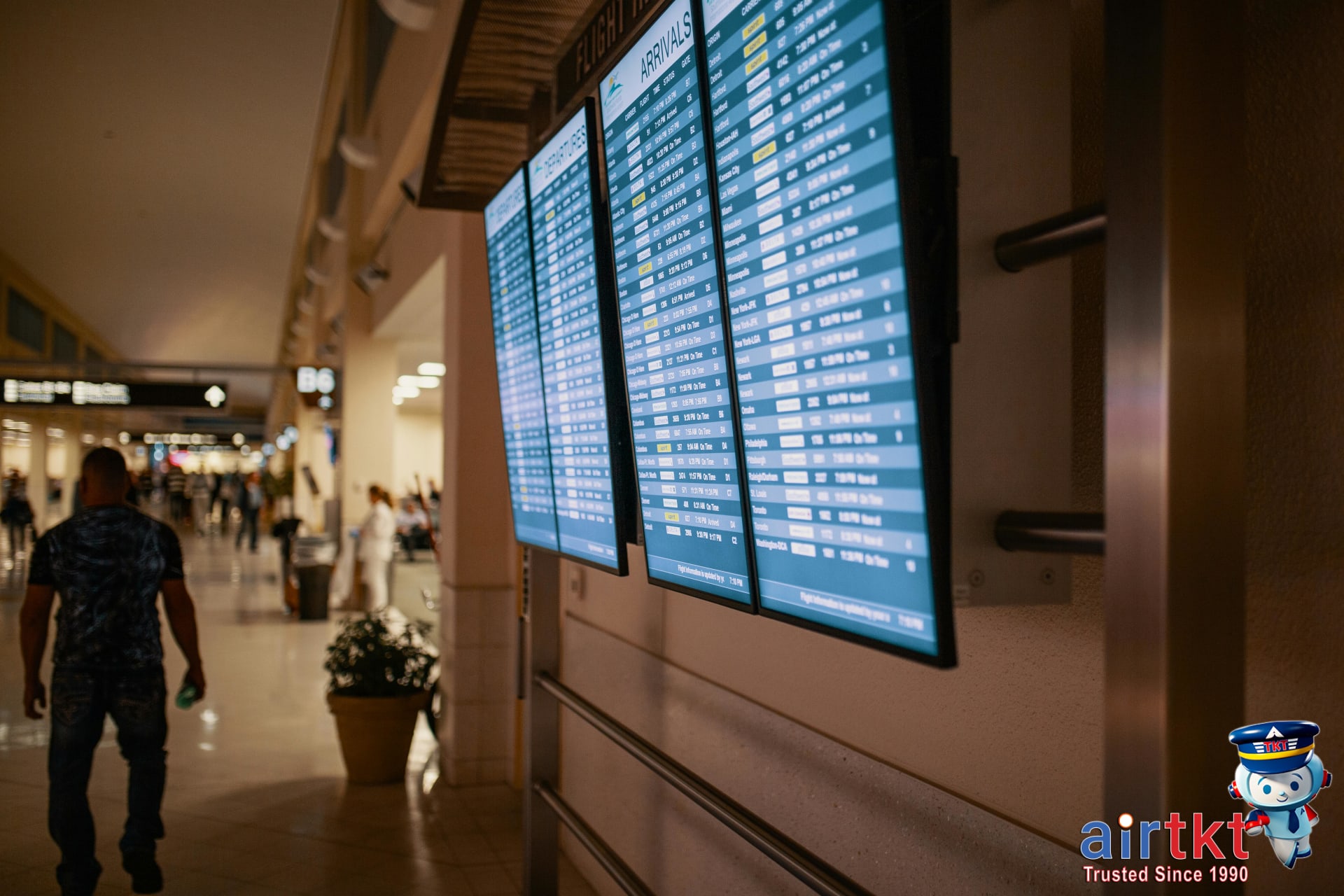
Another key to affordability is traveling outside peak holiday seasons. Families should target shoulder periods—the times just before or after high-demand travel windows. For instance, late spring and early fall typically offer better hotel rates and lower airfare than summer vacation or holiday weeks. Avoiding school holidays, major festivals, and popular event dates in your destination can dramatically reduce trip expenses.
Price seasonality varies widely by destination. For study abroad cities like London, Tokyo, or Paris, airfare and accommodation costs spike during university orientation weeks, new semester start dates, and major local holidays. Hotel prices often rise similarly during tourist high seasons like summer. Tracking these cycles helps you plan a cost-efficient visit without missing key academic or cultural milestones.
Create a Booking Checklist for Families
- Use Flexible Date Search: Compare prices across a range of travel days to pinpoint the cheapest flights.
- Check Nearby Airports: Search for departures and arrivals at nearby airports to unlock additional savings.
- Book 2–4 Months Ahead: Reserve flights and accommodations within this window to access competitive rates.
- Avoid Peak Holidays: Plan travel during shoulder seasons to decrease costs and avoid busy crowds.
- Monitor Price Trends: Use AirTtkt fare alerts and insights to catch price dips.
- Balance Convenience vs. Savings: Prioritize flight times and airport choices that work for your family without overspending.
By combining these tactical approaches, families can maximize savings without compromising essential travel comfort. Trusted platforms like AirTtkt provide the data-driven tools and personalized support needed to navigate complex price fluctuations successfully. Booking smartly not only protects your travel budget but also gives peace of mind during your exciting journey planning.
Crowd Calendars and Timing for Theme Parks
When planning a family visit to major theme parks near popular study abroad destinations, timing is everything. Parks like Disneyland Paris, Universal Studios Japan, and PortAventura in Barcelona are iconic attractions that offer unforgettable experiences. However, these parks can also draw huge crowds, especially during peak vacation seasons, which may diminish the enjoyment for families balancing study and leisure. Utilizing crowd calendars and understanding seasonal trends can make all the difference in managing a seamless visit.
Crowd calendars, which predict attendance based on historical data and local events, are invaluable tools for families aiming to avoid long waits and packed walkways. Official tourism boards and local sources regularly update these calendars, highlighting off-peak times such as mid-January to mid-March for Disneyland Paris or late November through early December for Universal Studios Japan. In these windows, crowds thin out considerably, allowing visitors more space to enjoy attractions and shorter queue times.


Seasonal trends also significantly affect crowd volumes. For example, PortAventura Barcelona sees its highest influx during the summer holidays and around Christmas, while weekdays outside school breaks generally remain quieter. Additionally, weekday visits are typically less crowded than weekends. Understanding these patterns allows families to plan their outings more strategically, perhaps scheduling park days on a Thursday or Friday instead of weekends.
Besides holidays, consider major local events and festivals which can unexpectedly increase visitor numbers. For instance, special Halloween events at Universal Studios Japan or seasonal celebrations at Disneyland Paris often draw extra crowds. Checking the official park websites or local tourist offices for event calendars helps avoid these spikes.
Optimizing visit timing using crowd calendars contributes to a smoother experience, reducing stress over long waits and overcrowding. For families managing study abroad timetables, this thoughtful scheduling maximizes precious leisure moments. It also helps keep costs down, as some parks offer discounted prices during off-peak periods, aligning perfectly with budget-conscious travel planning.
By integrating crowd calendar insights and seasonal trends, families can transform theme park visits into memorable escapes that complement their study abroad journey. This approach harmonizes travel convenience and enjoyment, elevating the overall experience for both students and their loved ones.
Accommodation with Kitchen Facilities for Families
Choosing accommodations with kitchen facilities can transform your family trip into a more comfortable, healthier, and affordable experience. Options like serviced apartments, family suites, and Airbnb rentals offer fully equipped kitchens, providing the flexibility to prepare meals exactly how your family prefers.
Serviced apartments combine hotel-like amenities with apartment conveniences, including kitchens that allow parents to whip up breakfast before outings or warm up leftovers without hassle. Family suites in hotels sometimes feature kitchenettes or full kitchens, making it easier to cater to picky eaters or kids with special dietary needs. Airbnb rentals frequently provide entire homes or apartments with spacious kitchens, giving families a sense of home away from home confidence and comfort.
These kitchen-equipped stays bring significant advantages. Preparing your own meals supports healthier eating habits by controlling ingredients and portion sizes. Families can avoid the high sodium and sugar content often found in restaurant meals. Moreover, cooking in your lodging helps you save money by reducing your reliance on dining out, which can quickly add up, especially with multiple children. The cost savings on food can be redirected to other activities or souvenirs that enhance the trip experience.
Safety is also paramount when selecting a kitchen-equipped accommodation. Choose lodgings where kitchen appliances are up to date and in good working order. Verify that electrical outlets have child safety covers if needed and that cleaning supplies and sharp utensils are stored securely out of children’s reach. Before booking, read recent reviews to confirm that the kitchen area is clean and well-maintained, ensuring peace of mind during your stay.
Booking accommodations with kitchen facilities tailored for families is easy using the powerful tools on AirTtkt. Their platform allows you to compare prices across numerous options, filter for apartments or suites with kitchens, and review detailed amenities to match your family’s needs. With real-time price alerts and exclusive deals, you can secure budget-friendly lodging that doesn’t compromise on convenience or comfort.


Flying with Children: Practical Tips
Traveling with kids can be a rewarding yet challenging experience. Packing wisely, understanding airline procedures, and knowing available resources all contribute to a smoother journey. Here are key tips every parent should consider before boarding their flight.
Pack Smart with Essentials
Planning ahead is crucial when flying with children. Stock your carry-on with:
- Snacks: Bring a variety of non-perishable, allergy-friendly snacks to keep kids satisfied and avoid hunger meltdowns.
- Entertainment: Load tablets or phones with kid-friendly apps, ebooks, or movies. Include traditional options like coloring books, puzzles, or small toys to keep little hands busy.
- Comfort items: Favorite blankets, stuffed animals, or pacifiers can help calm children during takeoff, in-flight, and landing.
- Rest breaks: If your itinerary includes a layover, plan for ample time to allow children to stretch, use the restroom, and avoid stress from rushing.
Understand Gate-Check Procedures
Many airlines permit gate-checking strollers and car seats at no extra charge. Typically, you can use these items inside the airport and at the gate, then leave them at the aircraft door for retrieval upon arrival.
For example, Delta Airlines allows gate-checking of collapsible strollers, which passengers can leave just before boarding, and retrieve after disembarking. Similarly, American Airlines permits child restraint systems to be checked at the gate, ensuring convenience and safety for family travelers.
Always confirm specific airline policies via AirTtkt during booking to avoid surprises at the airport.
Leverage AirTtkt Special Assistance
AirTtkt provides dedicated customer support to assist families requiring special accommodations. Whether you need help arranging wheelchair access, early boarding for families with young children, or guidance on baggage policies for baby gear, their 24/7 phone-assisted service offers real-time expert support. This ensures your travel experience is smoother and less stressful, allowing you to focus on your children.
Carry-On Packing Checklist for Families
- Healthy snacks and bottled water
- Electronic devices with headphones
- Wet wipes and hand sanitizer
- Extra clothing layers and change of clothes for kids
- Favorite comfort toy or blanket
- Basic first-aid kit (plasters, pain relievers)
- Important documents like passports and boarding passes
Stay Updated on TSA Guidelines for Kids
The TSA allows children under 12 years old to leave shoes on during security screening when accompanied by an adult to minimize hassle. Strollers and car seats must go through X-ray machines or be manually inspected, depending on the airport.
Parents can prepare by escorting their children through the walk-through metal detector or opting for a full body scan if deemed more appropriate. Liquids like milk, formula, or juice for infants can be carried in reasonable quantities exceeding standard limits but must be declared separately for inspection.
For more detailed airport-specific TSA information, check official resources or inquire during booking with AirTtkt.

Budget Planning for Family of Four: $3000–6000 Range
Planning a semester abroad family trip on a $3000 to $6000 budget requires careful allocation of funds across major expense categories. By breaking down costs and leveraging smart strategies, your family can enjoy a fulfilling travel experience without financial stress. Here are the key expenses and tips to manage them effectively.
Itemize Major Cost Categories
- Airfare: Typically the largest expense, especially for four travelers. Look for round-trip deals or multi-stop flights that reduce costs.
- Lodging: Consider budget hotels, hostels with family rooms, or vacation rentals for longer stays. Book early to secure better rates.
- Food: Plan for a mix of dining out and self-catering. Buying groceries and preparing simple meals saves money without sacrificing variety.
- Local Transportation: Use public transit, biking, or walking whenever possible. Renting a car may be necessary in destinations with limited options but shop around for deals.
- Activities: Prioritize free or low-cost cultural sites, parks, and events. Book popular attractions online in advance for discounts.
- Incidentals: Allocate funds for souvenirs, tips, toiletries, and emergencies to avoid surprises.
Practical Cost-Saving Strategies
Maintaining budget discipline is essential. Start by setting clear spending limits in each category, then track expenses daily or weekly. Flexible travel dates can unlock cheaper flights and lodging. Consider off-peak or shoulder season travel—you often find better prices and fewer crowds. Use family discounts or combo passes for attractions when available.
Participate in local markets or community events rather than tourist traps to experience authentic cuisine and culture economically. Sharing rooms or using accommodations with kitchenettes can significantly cut lodging and food costs. Finally, stay aware of exchange rates if traveling internationally, and use low-fee payment methods.
Leverage AirTkt Savings and Discounts
AirTkt offers powerful tools and deals to stretch your budget further. Use the Lazy Fare feature to find cheaper multi-stop routings, potentially saving hundreds on airfare. The Nearby Airport Search helps identify lower fares from alternate airports near your travel origin or destination.
Monitor seasonal deals, Black Friday and Cyber Monday sales, and exclusive promo codes available only through AirTkt. Signing up for email and SMS alerts ensures you catch these limited-time offers. Fare comparison across 470+ airlines guarantees you’re seeing the best prices available in real time.
Use Budgeting Tools to Track Expenses
While traveling, maintaining a detailed expense record prevents overspending. Apps like Trail Wallet, Expensify, or Mint can help you enter daily expenses and compare them against your preset family budget. Many apps allow separate categories for flights, lodging, food, transport, and misc expenses—this clarity supports better decisions on the go.
Alternatively, budgeting templates on spreadsheets let you customize categories and track pre-paid vs. out-of-pocket costs. Sharing access with family members ensures everyone stays informed and accountable. Keeping digital and paper receipts helps with accurate reporting and future trip planning.
Family Study Abroad Travel FAQs
When is the best time to book flights for study abroad family trips?
Booking flights 2–3 months in advance usually offers the best balance between price and availability. For family trips, early booking ensures you get seat preferences and potential discounts. Check AirTtkt for flexible date searches that reveal the most affordable travel days.
How can I find kid-friendly activities during study abroad semesters?
Research local museums, parks, and cultural sites offering family-friendly programs before you travel. Online parenting forums and city tourism websites often list events and attractions suited for children. Including interactive experiences helps keep kids engaged and enriches the study abroad semester.
When should families plan their study abroad semester travel to avoid peak crowds?
Traveling just before or after university semester start dates usually reduces crowds. Avoid major holidays and weekends when tourist spots are busiest. Using crowd calendars can help pick less busy travel times, making exploration smoother and more enjoyable for families.
Why choose accommodations with kitchens for family trips?
Having a kitchen allows families to save money by preparing meals, maintain dietary routines, and cater to picky eaters. It offers flexibility, convenience, and a home-like environment, which is essential for longer stays during study abroad semesters.
Can I get help from AirTtkt when flying with children?
Absolutely. AirTtkt offers 24/7 customer support to assist families with seat selections, special meal requests, and traveling tips. Their phone-assisted booking ensures support tailored to your family’s needs for a stress-free trip.
How do crowd calendars improve family travel experiences?
Crowd calendars highlight peak and off-peak times at popular destinations, helping families avoid overwhelming crowds. Planning around these insights ensures easier access to attractions, shorter wait times, and a more relaxed travel experience during a study abroad semester.
What budget should families expect for study abroad semester travels?
Expect to budget for flights, accommodation, food, local transport, and activities. On average, families might spend between $5,000 and $12,000 per semester depending on destination and length of stay. Using AirTtkt can help find affordable flights and deals to keep costs manageable.
Final Tips and Benefits of AirTkt for Family Travel
Choosing the right destination is the cornerstone of a successful family trip, especially when planning educational experiences for children abroad. Prioritize family-friendly locations that offer rich cultural and learning opportunities, blending fun with knowledge. Booking early is essential to avoid inflated prices and overcrowded attractions, ensuring a smoother vacation for the whole family.
When arranging accommodations, opt for places with kitchen facilities. Having a kitchen allows you to prepare familiar meals, manage dietary preferences, and save money on dining out. Practical flying tips, such as selecting flights during your children’s usual sleep times and bringing entertainment, can greatly reduce stress during travel and keep young travelers comfortable.
AirTkt simplifies the booking process for families by offering comprehensive tools that compare real-time fares across more than 470 airlines and over 17,000 airports. Its exclusive discounted rates and flexible date searches help you identify the most affordable travel windows, making budgeting for your family trip easier than ever. The platform’s Nearby Airport Search reveals lower fares from alternate airports, expanding your options without hassle.
Beyond its user-friendly interface, AirTkt supports families with attentive 24/7 customer service. Whether you prefer booking online or speaking directly with a travel expert, assistance is always available to address your unique needs. This reliable support ensures that last-minute changes or questions are handled promptly, providing peace of mind throughout your journey.
In summary, successful family travel hinges on thoughtful destination selection, early and strategic booking, and lodging choices that accommodate comfort and convenience. Partnering with AirTkt leverages innovative booking technology and dedicated support to make your family’s study abroad semester or vacation not only affordable but seamless and memorable.