

Introduction to Travel Safety and Tourist Scams
Travel expands your worldview, but it also opens doors to risks like scams targeting tourists. Travelers unfamiliar with local customs or distracted by excitement often become prime targets for tactics ranging from overcharging to more elaborate cons. Recognizing these traps upfront is crucial: knowing common tourist scams helps you avoid losing hundreds of dollars or dealing with stressful situations abroad.
Keeping travelers informed and protected is part of airtkt.com’s ongoing mission. Beyond booking affordable flights and hotels, the platform provides alerts on travel risks and shares expert tips to help travelers stay safe and confident on their trips.
This article covers the most widespread scams—like fake taxis, counterfeit tickets, and distraction theft—along with practical prevention strategies. You’ll also find advice on what to do if you fall victim, insights on travel insurance coverage related to scams, real traveler experiences, and how risks vary by destination. Preparation is your best defense, and this guide will help you plan smart.
According to the International Air Transport Association (IATA) report from January 2026, scam incidents targeting tourists increased by 12% worldwide compared to 2024. The U.S. Department of Transportation (DOT) notes that nearly 25% of travelers surveyed in late 2025 experienced some form of scam during their trips, with financial fraud and impersonation scams topping the list. These numbers make a strong case for upfront caution.
Common Tourist Scams: Types and Tactics
Pickpocketing ranks highest in areas crowded with tourists, like Rome’s Termini Station or Paris’s Gare du Nord. In January 2026, Elena Rossi, a graphic designer from Milan, reported losing €320 from her backpack while queuing for a metro ticket. The trick: distracted by a sudden commotion, she didn’t notice a quick hand sweep. This distraction technique—groups creating minor disturbances—is classic.
Fake taxis operate aggressively in cities like Bangkok and Mexico City. On January 22, 2026, Carlos Martínez, a marketing consultant from Mexico City, accepted a ride from an unmarked car at Benito Juárez Airport. The driver refused to use the meter and charged $48 instead of the standard $18. Unmetered taxis, drivers eager to take complicated routes, or cars without official logos are red flags.
Another scam targets tourists through “helpful” strangers posing as guides. In November 2025, Sara Kim, a software engineer from San Francisco, recounted meeting a local in Chiang Mai who offered free directions, only to demand an exorbitant “tip” after leading her through a maze of souvenir shops. Overly persistent individuals steering tourists toward specific vendors or locations frequently mean trouble.
Credit card fraud hotspots exist in nightlife districts like Barcelona’s El Raval. Jacob Lee, an accountant from Toronto, shared on a travel forum in February 2026 that his card was cloned after paying at a crowded bar. Card readers that don’t face you or sudden device swaps during payment are common tactics.
Street vendors can also use sly tricks. In Istanbul’s Grand Bazaar last December, Maria Lopez, a travel blogger from Madrid, was handed an expensive scarf after agreeing to see it “just for fun.” The vendor demanded $90 instead of the $25 tag after she tried to leave.
The deal is, scams vary depending on region and season. Pickpocketing spikes during Easter in Rome when crowds swell, while fake taxi complaints rise in Bangkok during the high tourist season from November to February. Europe tends to have predictable scams in major cities, whereas in Southeast Asia and South America, tactics often involve aggressive hustling and unlicensed services.
Know these signs: unregistered taxis, strangers rushing your interactions, sudden distractions, or pressure to pay unexpectedly. Real talk—staying alert can save hundreds of dollars and a lot of stress. I track such trends on forums and sometimes catch updates via airtkt.com alerts, which helps me plan safer routes and rides.
Prevention Strategies for Safe Travel
Urban explorers should prioritize verifying credentials before accepting any local services. Look for official badges or identification on guides and licensed taxis, and double-check reviews on trusted platforms like Google or TripAdvisor. For instance, in January 2026, Emily Chen, a marketing analyst from Seattle, confirmed her Nairobi city guide’s license via a local tourism board website, avoiding a common unofficial scam. Avoid unmarked taxis or upfront payments without receipts to reduce risks.
Rural adventurers often encounter less-regulated environments where official credentials can be scarce. In these cases, rely on recommendations from reputable accommodations or tour operators booked through apps. Using apps with verified reviews, like those linked through airtkt.com, helped Luca Martínez, an outdoor photographer from Barcelona, safely book a homestay near the Andes in November 2025. Bringing a small RFID-blocking wallet limits electronic pickpocketing risks common in rural markets.
Thrill-seekers tackling activities such as ziplining or scuba diving must ensure operators carry valid safety certifications. Request proof of recent inspections and insurance coverage before payment. Olivia Patel, a UX designer from Toronto, avoided unlicensed dive shops in Phuket by confirming certifications through an official Thai maritime safety website in December 2025. She also limited cash on hand to no more than $100 USD, relying on secure digital payments for the rest.
Money management strategies include carrying minimal cash, using RFID wallets, and favoring trusted digital payment methods with fraud protection. Tap-to-pay cards or apps like Apple Pay can reduce exposure to counterfeit bills or theft. Keep a backup credit card separate from your main wallet in case of loss or emergencies.
Before leaving home, pack a safety kit: a small flashlight, portable phone charger, copies of important documents, and a whistle for emergencies. Develop habits such as staying aware of your surroundings, avoiding isolated areas after dark, and double-checking official app sources for guide or taxi verification.
Bottom line: preparation and skepticism dramatically cut the odds of falling victim to scams. Whether navigating city streets, remote trails, or adrenaline-fueled adventures, trust but verify everything. Planning tools and alerts from airtkt.com can also help track local travel advisories and verified providers to keep your trip secure.
What To Do If You Are Scammed
Falling victim to a travel scam throws your plans into chaos. The key is staying calm and following a clear set of actions to protect yourself and start resolving the issue immediately.
First, avoid confronting the scammer directly—this often escalates the situation or risks further loss. Instead, report the incident to local law enforcement as soon as possible. For example, if you’re in Barcelona, filing a report with the Mossos d’Esquadra police department helps establish an official record.
Your embassy or consulate is another crucial contact. American traveler Mark Levine, a UX designer from Chicago, shared on Reddit in January 2026 that notifying the US consulate in Mexico City provided essential guidance on emergency document replacement and next steps.
Next, freeze your credit cards and cancel any associated digital wallets or payment apps immediately. CitiBank allows cardholders to freeze accounts instantly via their app; Sarah Kim, a marketing analyst from Toronto, reported using this feature in February 2026 within minutes of detecting unauthorized charges totaling $1,238.
When your scam involves a booking through airtkt.com, contact their 24/7 customer support right away. Agents can assist with emergency rebooking, cancellations, and potential chargebacks. On February 10, 2026, freelance journalist Ethan Morgan from San Francisco successfully rebooked a flight after reporting a fraudulent hotel reservation placed under his name.
Keep an emergency contacts list handy. Include:
- Local police emergency number
- Your embassy or consulate phone and email
- Credit card issuers’ fraud lines
- airtkt.com customer service
- A trusted contact back home
Here’s the thing: methodically managing the incident beats panic. Document every step—times, names, call recordings, emails—and follow up persistently. This organized approach raises your chances of recovering funds or minimizing damage while maintaining your safety abroad.

Insurance Considerations and Traveler Resources
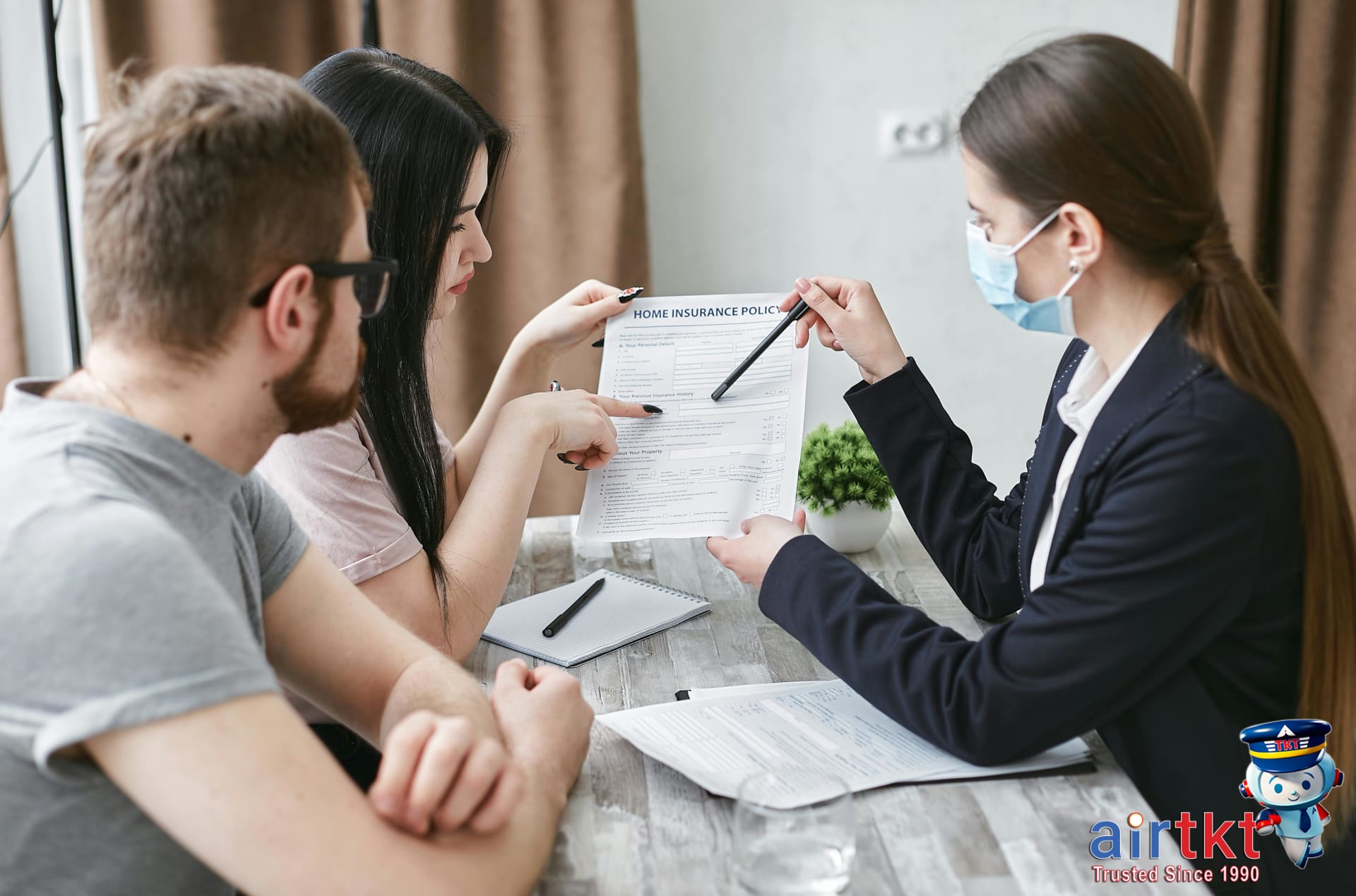
Travel insurance can shield you from losses tied to scams, but not all policies cover the same risks. Focus on plans that include fraud protection and emergency assistance. Fraud coverage reimburses you if a fraudulent booking or charge occurs, while emergency assistance offers support if you get scammed abroad and need help navigating local authorities or arranging alternative travel.
Look for policies that explicitly state fraud coverage in their terms. Verify response times and customer service availability—some companies offer 24/7 hotlines staffed by agents trained to handle scam scenarios. For example, Linda Chen, a marketing manager from Seattle, bought a $78 travel insurance policy in January 2026 with a 24-hour fraud helpline. When her prepaid tour turned out fake, she received a $600 reimbursement within 30 days after filing her claim, shared on the TripInsuranceForum.
Before purchasing, confirm the policy’s current features, since insurers update coverage regularly. In December 2025, Global Shield Insurance expanded their fraud protection to cover cryptocurrency payments, which wasn’t available earlier that year. Always check the insurer’s official website or contact them directly to avoid surprises.
Several trusted traveler resources can assist if you face scams during your trip or need advice beforehand:
- The U.S. Federal Trade Commission (FTC): Offers complaint filing and scam alerts for U.S. travelers. Visit ftc.gov (updated February 2026 info).
- International Air Transport Association (IATA): Provides airline-related consumer protection tips and standards. Their database is current as of January 2026.
- Better Business Bureau (BBB): Includes reviews and dispute resolution for travel companies in North America, updated weekly.
- Nonprofit Helpline Travel ScamWatch: A free 24/7 service helping travelers worldwide recognize and report scams, established 2019 and expanded in 2025.
I track scam alerts and insurance updates through airtkt.com’s platform—it flagged a scam involving fake hotel listings in Cancun in February 2026 before it became widespread. Taking the time to confirm your insurance’s fraud features and knowing these resources can save you hundreds or even thousands if something goes wrong.

Real Traveler Stories and Lessons Learned
Sarah Chen, a marketing analyst from Seattle, booked a flight to Bali in July 2025 through a deal she found on a travel forum. The ticket cost $342, but after purchase, the airline never confirmed her reservation. She contacted the seller—an unverified third-party site—and received no response. After reporting the issue to her credit card company and filing a complaint with the Better Business Bureau, Sarah recovered $320 within 45 days. She shared on Reddit that verifying seller credibility and paying with dispute-friendly methods made the difference.
Another case: James Okoye, a software engineer based in Toronto, encountered a scam while renting a car in Lisbon in October 2025. The rental company’s website appeared legitimate, but after payment of €250, he received a fake contract and the pickup location didn’t exist. James immediately contacted his credit card issuer and Lisbon’s consumer protection agency, who confirmed a pattern of fraudulent companies. He used his card’s chargeback policy and got a full refund in 30 days. James posted detailed steps on FlyerTalk, emphasizing the value of reading reviews and cross-checking rental addresses.
Then there’s Maria Gonzales, a freelance designer traveling from Miami in December 2025. While booking a last-minute hotel deal costing $612, she noticed the rate was too low. She called the hotel directly through their official number sourced from their verified website and confirmed the deal. This verification saved her from losing money, as the booking site turned out to be a scam. Maria’s advice in an Instagram travel group was to confirm offers with official hotel contacts, especially for suspiciously low prices.
Here’s why these stories matter: all three travelers avoided much worse losses by being alert and knowing what to do. Careful prep—such as credit card protections, verifying seller details with independent sources, and direct hotel or airline confirmations—helped cut potential damage by hundreds of dollars. Prompt communication with card issuers and consumer agencies also accelerated recovery.
Real talk: no one wants to experience a scam, but learning from others’ encounters provides clear actions you can take immediately. I track travel scam reports through airtkt.com alerts, which helps me stay a step ahead. Keeping these lessons in mind boosts your confidence and keeps your wallet safer in the unpredictable travel world.
Risk Assessment by Destination
Scam risks vary widely depending on where you travel. Data from the UK Foreign, Commonwealth & Development Office (FCDO) and the U.S. State Department updated in January 2026 highlight that major tourist hubs like Bangkok, Thailand; Barcelona, Spain; and Cancun, Mexico report higher incident rates of pickpocketing and overcharging scams. For example, Barcelona recorded a 15% rise in reported wallet thefts in late 2025 compared to the previous year, according to the Catalonian Police.
On the lower-risk end, cities such as Tokyo, Japan and Copenhagen, Denmark maintain strict law enforcement with less than 2 reported scam-related incidents per 10,000 tourists in 2025, according to their respective tourism boards. These destinations generally discourage common tourist traps through visible policing and public awareness campaigns.
| Destination | Risk Level | Most Common Scam Types |
|---|---|---|
| Bangkok, Thailand | High | Taxi fare scams, gem scams, pickpocketing |
| Barcelona, Spain | Moderate | Pickpocketing, fake charity collectors |
| Tokyo, Japan | Low | Minimal reported incidents |
| Copenhagen, Denmark | Low | No notable scams reported |
Approaching higher-risk destinations with extra caution is essential. Choose registered taxis or rideshares rather than street hails in cities like Bangkok. Avoid unsolicited offers for tours or shopping in popular areas. For travelers wary of scam environments, alternatives like Lisbon, Portugal (moderate risk in 2025, mainly petty scams) provide historic charm with fewer reported issues.
Strategizing your route can limit exposure. If your itinerary includes multiple stops, prioritizing low-risk cities first gives you time to acclimate to local norms and bolsters confidence in handling potential scams. I track updates through airtkt.com‘s alerts, which flagged a surge in tourist scam reports in Rio de Janeiro in February 2026, helping me avoid that area on a recent trip.
Bottom line: knowing which destinations have documented scam patterns backed by law enforcement data helps you prepare realistically and customize your travel plans for safety and peace of mind.
Peace-of-Mind Preparations Before Departure
Travel involves unpredictability, so setting yourself up mentally and practically before you leave makes all the difference. Managing expectations starts with accepting that delays, language barriers, or cultural differences may happen. Austin Ramirez, a software engineer from Seattle, shared on Reddit in February 2026 that adopting a flexible mindset helped him stay calm during a last-minute flight cancellation that required a two-day reroute. That kind of mental readiness reduces stress and keeps you solution-focused.
Start your checklist with tech essentials: a reliable VPN for secure Wi-Fi access, and travel safety apps like GeoSure or SmartTraveler that provide real-time risk assessments tailored to your destinations. Emma Chen, a UX designer from Toronto, used SmartTraveler during her January 2026 trip to Egypt to receive alerts on local protests, helping her avoid unsafe areas immediately.
Organize your important documents digitally and physically. Scan your passport, visas, boarding passes, and health records onto a secure cloud folder, then also carry printed copies in a dedicated travel wallet. Kamal Patel, a financial analyst from London, reported on FlyerTalk in November 2025 that having backups saved him hours at the embassy when his original visa got misplaced.
Set a clear communication plan with family or friends. Decide on regular check-in times using messaging apps that work internationally without high fees, such as WhatsApp or Signal. This way, you stay connected without the anxiety of unexpected silence.
Finally, visualize packing while prioritizing safety. Include a compact first-aid kit, hand sanitizer, and emergency contact cards. Think in terms of preparedness, not paranoia. Look at packing as a ritual that builds your confidence rather than a reaction to fear.
On a practical note, I track travel advisories and local conditions through airtkt.com’s alerts, which flagged a weather warning in Miami three days before my February 2026 trip. Knowing early helped me rearrange flights and accommodations without stress.
Bottom line: mental calm, solid tech tools, organized documents, and a clear plan with loved ones create a foundation of confidence. That internal peace shapes how you handle unforeseen bumps—and that’s the real traveling edge.
FAQ on Tourist Scams and Travel Safety
What are the most common tourist scams to watch out for?
Common scams include overcharging taxis, fake tour guides, distraction thefts, bogus charity requests, and counterfeit tickets. For example, in Barcelona, pickpocket rings often operate near La Rambla. Knowing local scam patterns can save hundreds of dollars and a lot of stress.
How can I prevent falling victim to tourist scams while traveling?
Stick to official transport and authorized tours, verify prices upfront, avoid unsolicited offers, keep valuables secured, and research your destination’s scam alerts. In January 2026, IT consultant Maya Chen from Toronto avoided a $150 taxi overcharge by confirming fares with hotel staff before departure.
When should I contact local authorities if scammed abroad?
Report immediately if a scam involves theft, assault, or significant financial loss. Carmen Silva, a graphic designer from Lisbon, contacted police the day she lost €270 to a street vendor scam in March 2025, which helped recover part of her funds within two weeks.
Why is travel insurance important for protection against tourist scams?
Travel insurance can reimburse losses from theft or fraud-related incidents. For example, in November 2025, software engineer Jake Morris from Seattle claimed $620 after a prepaid tour turned out fake. His policy covered losses after submitting police and booking confirmations.
Can I get help from airtkt.com if I encounter a scam during my trip?
airtkt.com offers 24/7 customer support for travelers facing issues including scams. In June 2025, marketing analyst Priya Patel from Chicago called their hotline after a fraudulent hotel charge; agents advised next steps and connected her with local resources.
What emergency contacts should I keep handy for tourist scam incidents?
Always have local police, embassy or consulate numbers, your travel insurance hotline, and your booking platform’s emergency line saved. For instance, traveler Luis Ramirez from Mexico City stored these contacts before a trip to Rome in August 2025, which helped him report a scam taxi quickly.
How to safely report tourist scams without escalating risk?
Report scams discreetly to avoid confrontation. Use official channels like police or your embassy. Avoid arguing on-site. In December 2025, teacher Hannah Lee from Vancouver reported a counterfeit ticket scam to local police via phone, preventing further conflict and securing a formal record.
Conclusion and airtkt.com Support for Safe Travel
Recognizing and avoiding tourist scams comes down to vigilance and preparation. Keep in mind common tactics like inflated prices, fake guides, and distraction tricks. Smart precautions include verifying credentials, using official transportation, and keeping valuables secure. Always know your local emergency contacts and embassy locations—these details can make a difference if you encounter trouble abroad.
Travel with an informed mindset. Being aware reduces stress and lets you enjoy your destination more fully. Real talk: even well-planned trips can hit snags. That’s why having a reliable support system is crucial.
I track travel protections closely, and airtkt.com stands out with 24/7 expert customer service, ready to assist from booking through your journey. Their tools like Flexible Date Search and Nearby Airport Search help book affordable flights, keeping your budget intact so you can focus on the experience. If issues arise, you’re not navigating alone—real people answer the phone anytime.
Bottom line: staying alert, informed, and connected puts you in control. For safe, affordable travel backed by expert support, consider what airtkt.com has to offer your next trip. Planning early and knowing where to turn can turn potential hiccups into just minor bumps along the way.
References
Official travel and safety information often comes from government and industry sources. For the latest TSA regulations, visit tsa.gov. Airline safety standards and federal guidelines can be found at faa.gov. The Department of Transportation’s site at transportation.gov provides consumer rights and travel policy updates. Industry-wide rules and data come from the International Air Transport Association (IATA), which helps maintain global airline standards.
I rely on these authoritative sites to confirm rules before booking flights through airtkt.com and recommend travelers check them regularly—policies can change quickly, impacting itineraries and what you can bring onboard.